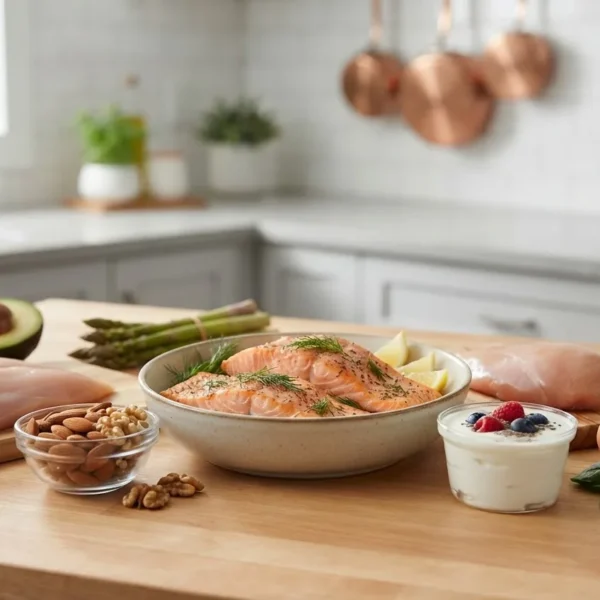
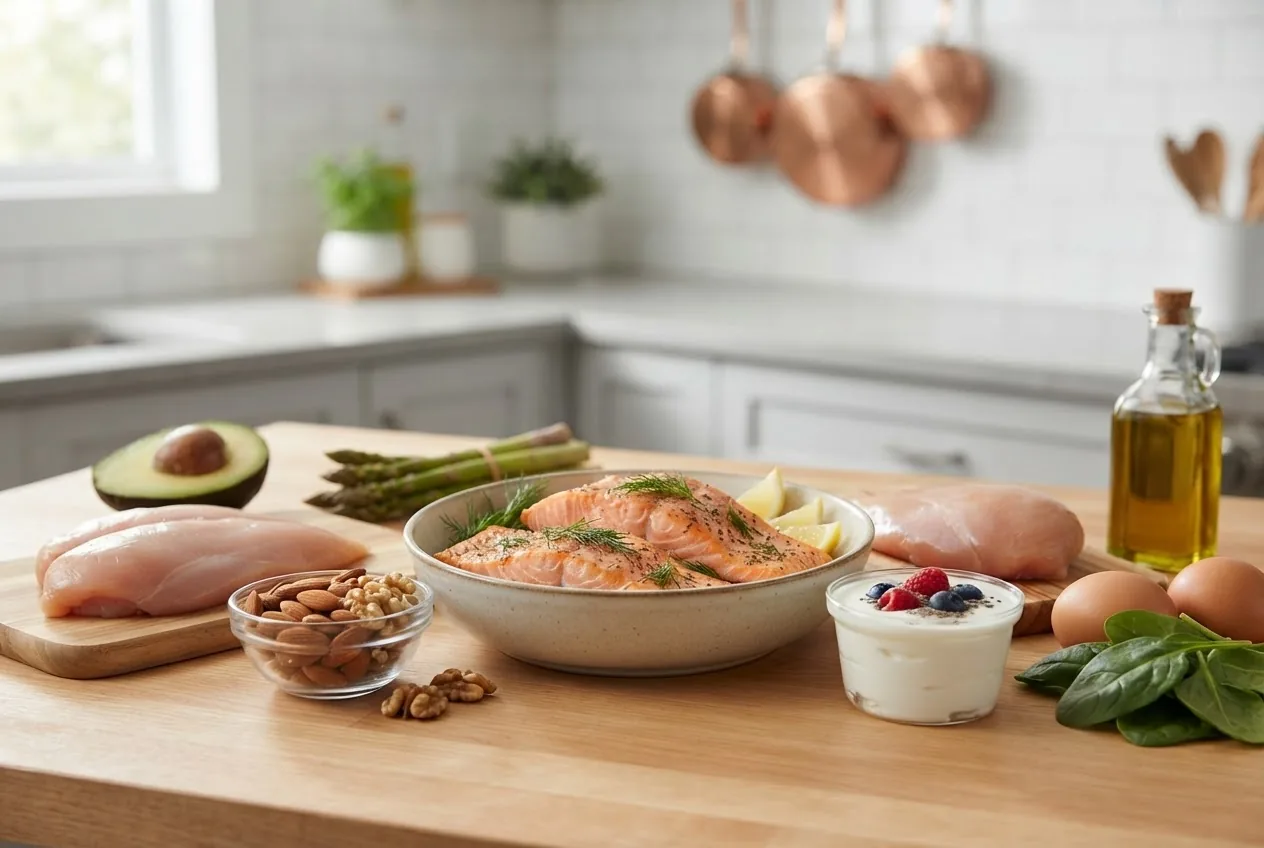
What you’ll achieve: By the end you’ll have a practical, Texas-focused plan to select and combine high protein foods for muscle growth, with exact serving sizes, timing, and meal templates. Total time investment to implement: 2–4 hours to plan and shop, then daily 2–6 minutes to assemble meals. Skill level: beginner to intermediate home cook with basic grocery access.
Before you start
- Kitchen scale or measuring cups (grams and ounces)
- Notebook or notes app for tracking servings
- Basic cookware: skillet, sheet pan, blender
- Access to a local Texas grocery or farmer’s market (for fresh proteins and healthy fats)
- Optional: resistance training program (3–5 sessions/week) to pair with nutrition
Follow the numbered steps below. Each step opens with a bold, action-first phrase and contains evidence, exact amounts, and Texas-specific choices where helpful.
-
Learn how protein drives muscle growth
Understanding Protein’s Role in Muscle Growth
Protein is the raw material your body uses to repair and add contractile tissue after resistance exercise. Think of amino acids as building blocks and the process of rebuilding as the “repair engine”—the more complete the parts you supply, the more efficient the engine runs. The central biological process is muscle protein synthesis (MPS): the net balance of MPS minus muscle protein breakdown determines muscle gain.
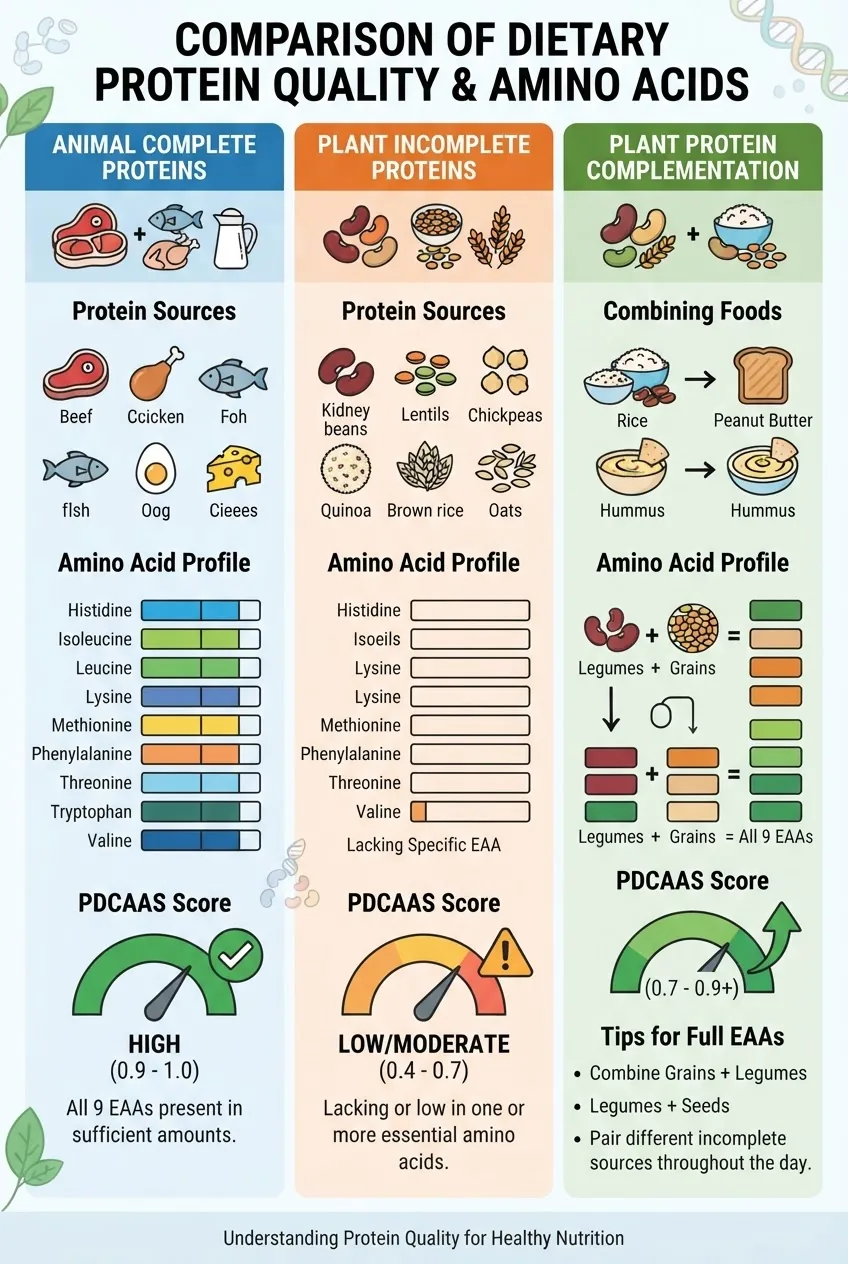
Key mechanisms to understand: essential amino acids (particularly leucine, a key branched-chain amino acid or BCAAs) trigger MPS. Complete proteins deliver all essential amino acids; incomplete proteins require pairing to reach the same effect.
Quick stats
• Target leucine per meal: ~2.5–3.0 g to robustly stimulate MPS — based on synthesis studies.
• Typical per-meal protein to hit leucine target: 25–40 g of high-quality protein.
• According to a 2024 industry report, meals with 30–40 g protein lead to greater lean-mass gains when paired with resistance training.Protein timing matters: consume a quality protein source within 1–2 hours after resistance sessions to maximize MPS. But distributed intake across the day (every 3–4 hours) sustains synthesis better than a single large bolus.
Protein also aids weight management by increasing satiety and preserving lean mass during calorie deficits; for more on healthy protein choices that support both muscle and weight goals, see protein rich food for weight loss.
Transition: With the physiology clear, next we inventory the best whole-food proteins you can buy in Texas and beyond.
-
Build a prioritized shopping list of whole-food proteins
Top High Protein Foods for Muscle Growth
This numbered list ranks natural, whole-food protein sources that emphasize muscle repair and lean gains. Each entry includes protein per serving (USDA-derived serving sizes) and why it’s effective for muscle growth.
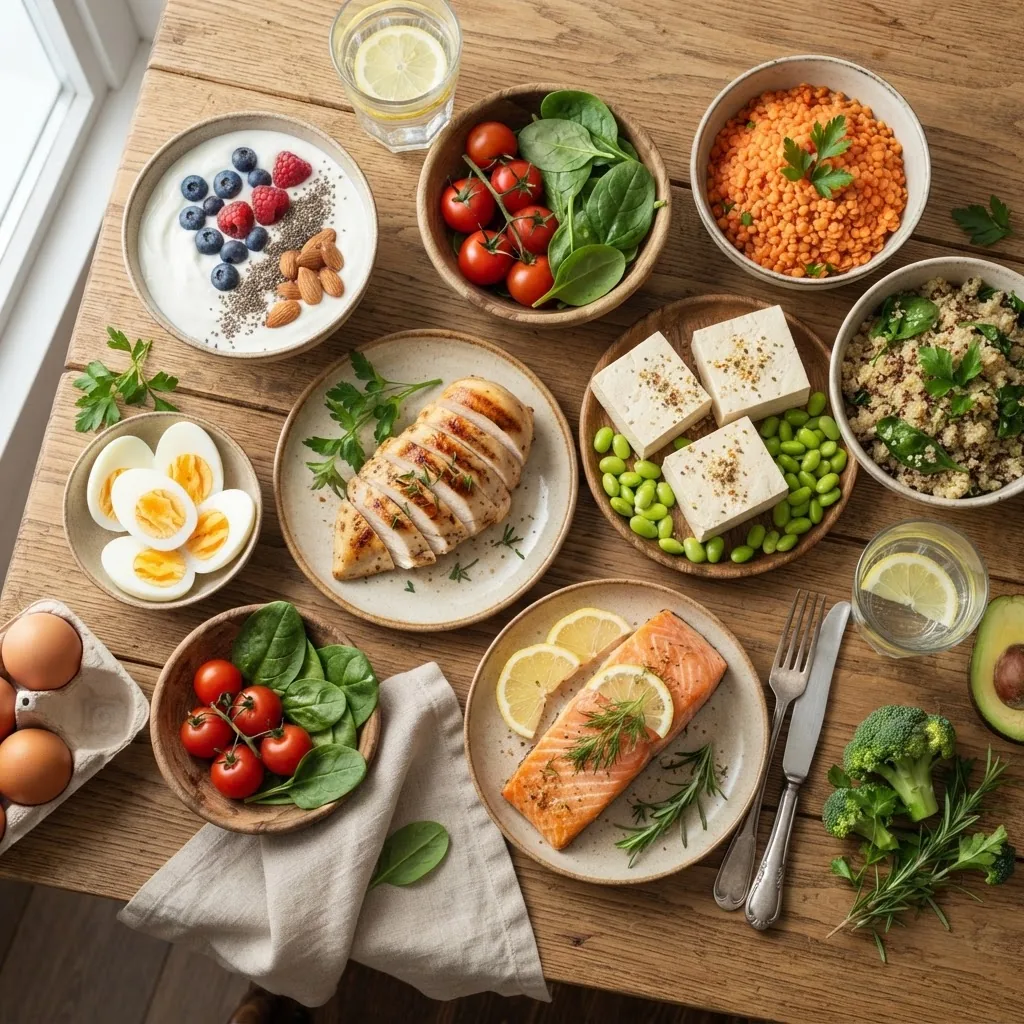
- Chicken breast (skinless) — 31 g protein per 100 g cooked. Lean, high-bioavailability animal protein ideal for volume eating and meal prep; easy to pair with vegetables and healthy oils.
- Turkey breast — 29 g per 100 g cooked. Similar to chicken, slightly different micronutrient profile; common in Texas grocery stores and farmer markets.
- Salmon — 25 g per 100 g cooked + ~1.5–2.5 g omega-3s (EPA/DHA) per 100 g depending on species. Excellent for muscle recovery and inflammation control.
- Tuna (canned, in water) — 26 g per 100 g. Convenient, long shelf-life, high in BCAAs; watch mercury for high-frequency consumption.
- Lean beef (sirloin, 90% lean) — 27 g per 100 g. Rich in iron, B12, and creatine precursors beneficial to high-intensity training.
- Eggs (whole) — 6–7 g protein per large egg; egg whites ~3.6 g. Whole eggs provide complete protein and essential fats; yolks contain vitamins aiding recovery.
- Greek yogurt (non-fat) — 10 g per 100 g. High in casein and fast whey fractions; good as a snack or post-workout mix.
- Cottage cheese (1%–2% milkfat) — 11 g per 100 g. Slow-digesting casein protein, ideal before sleep for overnight MPS.
- Milk (cow) — 3.4 g per 100 g; ~8 g per cup. Contains whey + casein; convenient for shakes and cereal.
- Whey protein concentrate/isolate — 20–25 g per scoop (brief supplement mention). Fast-digesting option for immediate post-workout leucine spikes.
- Casein powder — 20–24 g per scoop (brief mention). Slow-release protein for overnight recovery.
- Tofu (firm) — 8 g per 100 g. Soy is one of the few plant complete proteins; firm tofu is versatile for Texan stir-fries and grills.
- Tempeh — 19 g per 100 g. Fermented soy product with higher protein density and improved digestibility.
- Quinoa (cooked) — 4.4 g per 100 g. Pseudo-grain with a complete amino acid profile; pair with legumes for volume meals.
- Lentils (cooked) — 9 g per 100 g. Affordable, fiber-rich plant protein source popular at vegetarian-friendly eateries across Texas.
- Black beans (cooked) — 8.9 g per 100 g. Combine with rice or quinoa to complete amino acid profile.
- Edamame — 11 g per 100 g. Whole-soy snack providing complete protein and easy incorporation into salads.
- Pork tenderloin — 26 g per 100 g. Lean cut with good protein-to-calorie ratio when trimmed.
- Shrimp — 24 g per 100 g. Low-fat seafood with high protein density; quick to cook post-training.
- Nuts and seeds (almonds, pumpkin seeds) — 6–21 g per 100 g depending on type. Good as calorie-dense snacks and a source of healthy fats.
Budget-conscious options: canned tuna, dried lentils, bulk eggs — all cost-effective sources of complete amino acids or easy complementation. For more on cost-effective options, see affordable high protein foods.
If you’re cutting body fat while preserving muscle, prioritize lean cuts and timing around workouts; see best lean protein choices for targeted ideas.
Transition: Knowing the options is half the job — next, compare quality and digestibility so you can prioritize the best protein sources per meal.
-
Compare protein quality using digestibility metrics
Comparing Protein Quality and Bioavailability
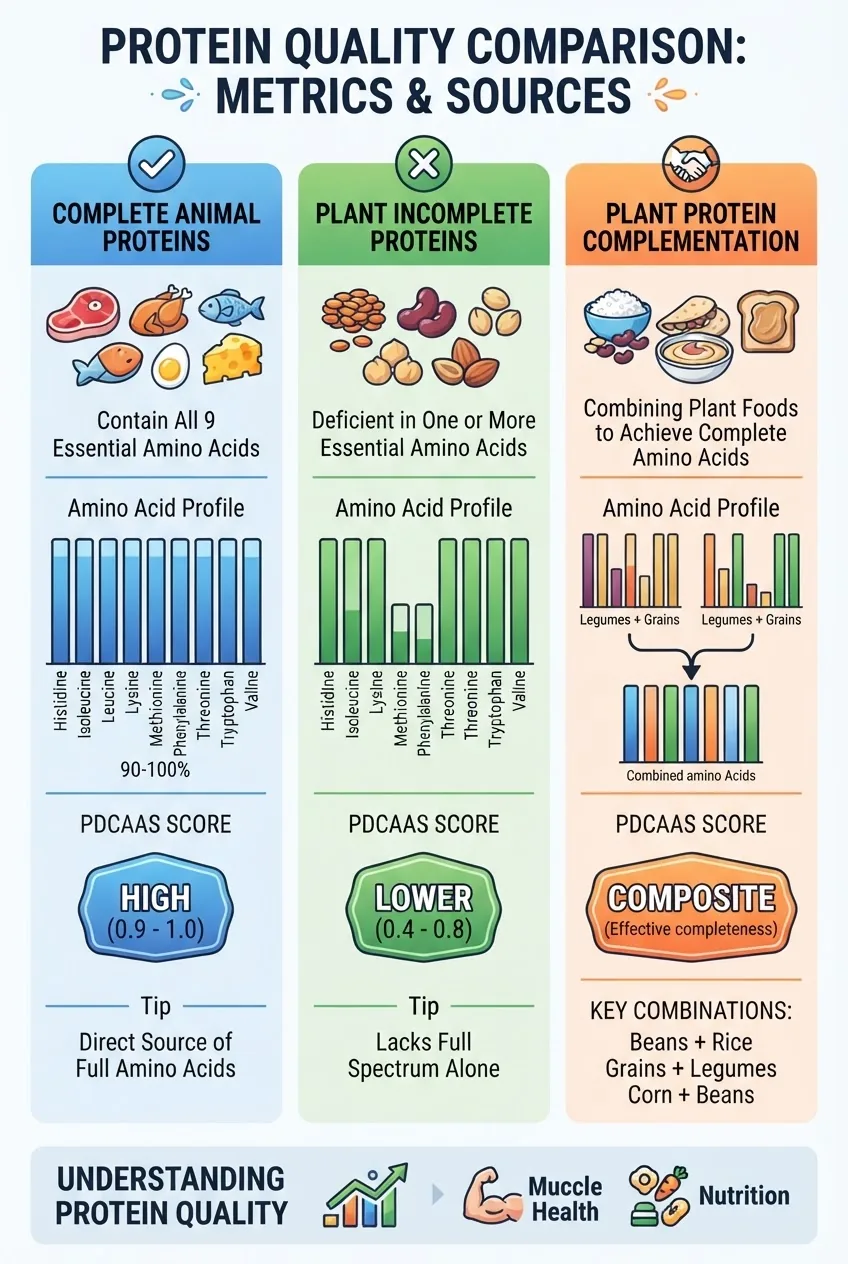
Protein quality is about both amino acid profile and how much of that protein the body can use — known as digestibility or bioavailability. Two common metrics are PDCAAS (Protein Digestibility-Corrected Amino Acid Score) and DIAAS (Digestible Indispensable Amino Acid Score). Higher scores indicate better ability to support muscle protein synthesis.
Protein Type Representative Foods Approx PDCAAS/DIAAS Notes for Muscle Growth Animal complete proteins Chicken, beef, fish, eggs, dairy ~0.9–1.0 PDCAAS; DIAAS often >1.0 High bioavailability, rich in BCAAs (leucine) — reliably stimulates MPS. Soy (plant complete) Tofu, tempeh, edamame ~0.9 PDCAAS One of the best plant proteins; supports MPS when consumed in sufficient amounts. Legumes + grains Lentils + rice, beans + corn Variable PDCAAS 0.5–0.8; complemented DIAAS improves score Complementation across meals can yield complete amino acid profiles. Whey/Casein (dairy) Milk, Greek yogurt, powders ~1.0 PDCAAS; high DIAAS Whey is fast-acting post-workout; casein supports overnight MPS. Practical takeaway: animal proteins generally score highest for bioavailability; soy is the strongest plant option. For mixed or vegetarian diets, use pairing strategies to match the muscle-building potential of animal proteins.
For a deeper listing of sources recognized as complete proteins, see complete protein foods.
Transition: High-quality protein is only part of the equation — the best muscle gains come when protein is paired with the right fats for recovery and hormone support.
-
Add healthy fats that support recovery and lean gains
Combining Protein with Healthy Fats for Optimal Muscle Gain
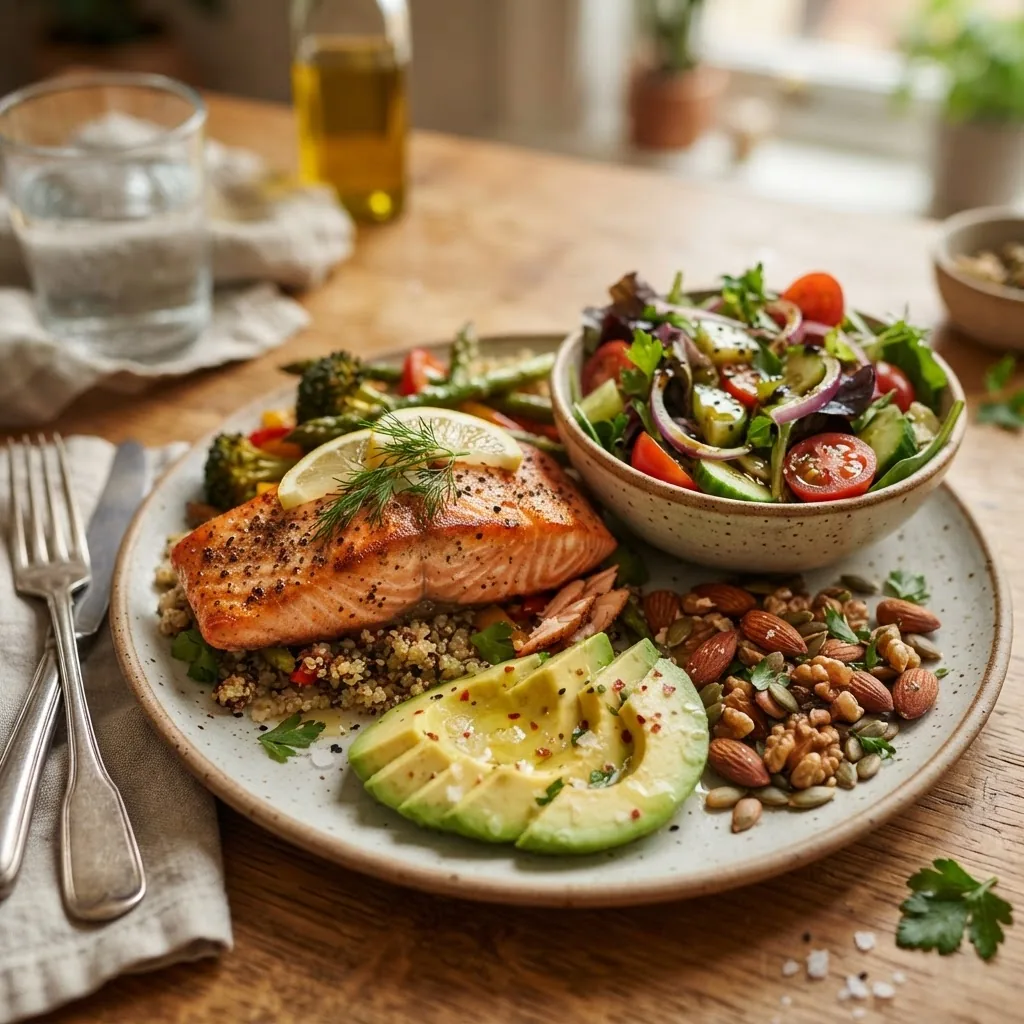
Combine lean proteins with sources of omega-3 and monounsaturated fats to reduce exercise-induced inflammation and support hormone production that facilitates muscle growth. Omega-3s (EPA/DHA) are specifically anti-inflammatory and enhance recovery.
Example pairings and exact amounts:
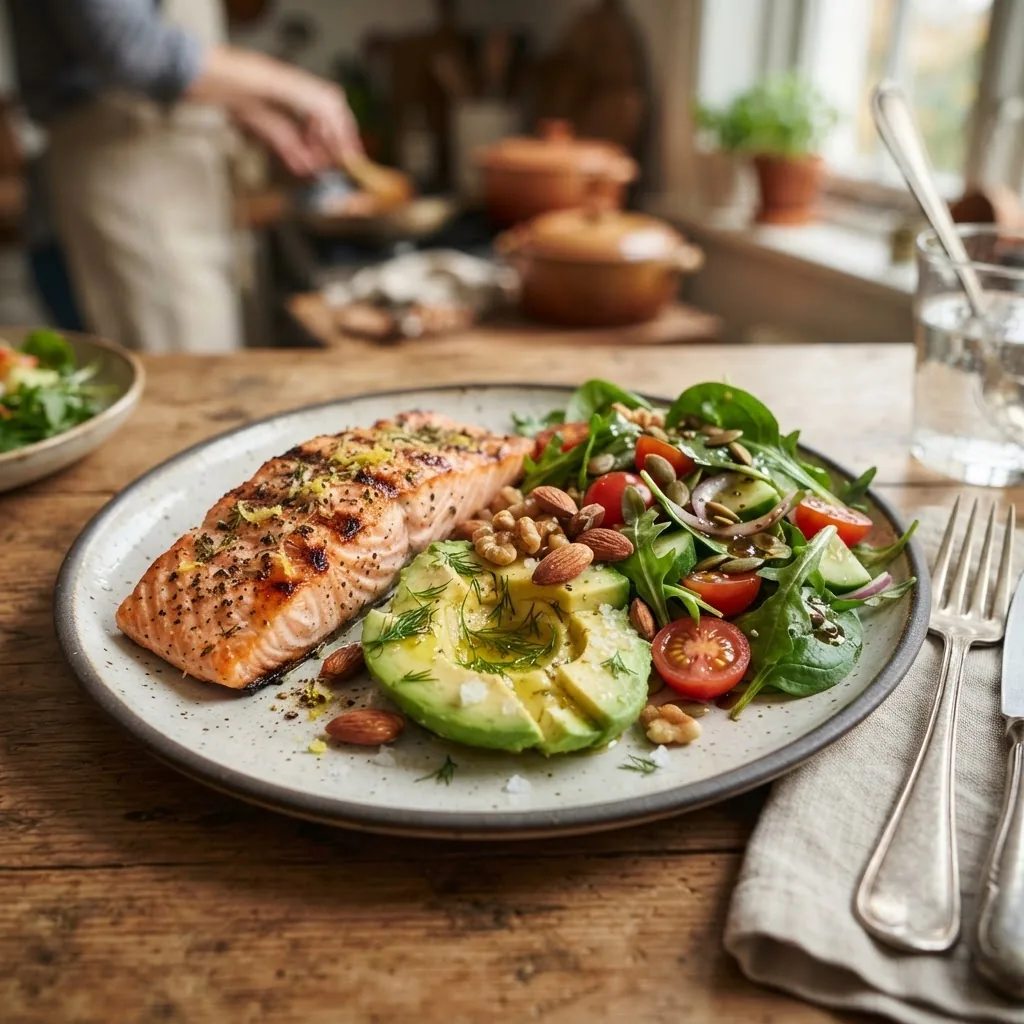
- Grilled salmon (150 g cooked — ~37.5 g protein) + 1/2 avocado (100 g — 15 g fat) + 1 tsp olive oil (5 g fat) — ideal post-intensive training meal.
- Chicken breast (150 g) + 1 oz almonds (28 g — ~6 g protein, 14 g fat) — portable lean meal with healthy fats.
- Greek yogurt (200 g) + 1 tbsp chia seeds (12 g — ~4 g fat, 2 g protein) — convenient recovery snack.
To learn about how fat contributes to total energy and caloric balancing in these combinations, check resources on calories in fat and choose heart-friendly oils from healthy cooking oils.
For omega-3 rich choices to reduce inflammation and support muscle recovery, see best omega-3 rich foods.
Transition: If you prefer plant-based muscle gain, you can match these benefits by smartly combining proteins and fats.
-
Design complete plant-based protein meals
Plant-Based Protein Foods to Build Muscle
Plant-based athletes can reach the same muscle outcomes using higher total protein and strategic combinations. Focus on legumes, soy, and grains that complement each other. Below is a prioritized list plus how-to steps for combining proteins.
- Soy: tofu, tempeh, edamame — tofu firm (100 g) = 8 g; tempeh (100 g) = 19 g. Soy is the single best plant complete protein.
- Lentils — 9 g per 100 g cooked. High in lysine; pair with grains to balance methionine.
- Chickpeas — 9 g per 100 g cooked. Versatile: make shaksuka-style bowls or blended hummus-based meals.
- Quinoa — 4.4 g per 100 g cooked. Complements legumes for complete amino acid profile.
- Seitan (wheat gluten) — ~25 g per 100 g. High-protein, wheat-based option for omnivores and vegetarians (not suitable for gluten-intolerant).
- Nuts & seeds — protein-dense when added to meals; include for fats and caloric density.
How to combine plant proteins — step-by-step
- Pair legume + grain per meal: e.g., 1 cup cooked lentils (18 g protein) + 1 cup cooked quinoa (8 g) = ~26 g total with near-complete amino acid coverage.
- Include a soy source at one meal: 150 g tempeh (~28.5 g protein) once daily provides complete amino acids and reduces the need to complement other meals.
- Boost leucine: Add 1–2 tbsp peanut butter (7 g protein per 32 g) or a small whey-free supplement if vegan leucine falls short — aim for ~2.5 g leucine per meal, which often requires 30–40 g total plant protein.
- Use fermentation: Foods like tempeh improve digestibility and PDCAAS relative to whole legumes.
For more plant-based meal plans and recipes, see plant based high protein foods.
Transition: With food choices settled, the next step is turning these ingredients into daily meals that support training and recovery.
-
Build daily meals around training and recovery windows
How to Incorporate High Protein Foods into Your Daily Meals
This hands-on section gives exact meal templates, portion sizes, and timing to maximize MPS and recovery. Aim for 3–5 protein-containing feedings per day with 25–40 g protein each and additional pre/post workout timing.
Core steps (daily plan)
- Morning (fasted workout option): If training fasted, consume 20–30 g whey or 2 whole eggs + 120 g Greek yogurt within 30–60 minutes post-workout. Example: 1 scoop whey (24 g) + 300 ml milk (8 g) = ~32 g protein.
- Breakfast (non-fasted): 3 eggs (18–21 g) + 2 slices whole-grain toast + 100 g avocado; total protein ~22–25 g.
- Midday meal (lunch): 150 g cooked chicken breast (46.5 g) + 1 cup cooked quinoa (8 g) + salad with 1 tbsp olive oil = ~54 g protein and healthy fats.
- Pre-workout snack (30–60 min before): 150 g cottage cheese (16.5 g) + 1 small banana — slow protein plus carbs for performance.
- Post-workout recovery: 30–40 g high-quality protein within 60 minutes; example: 150 g salmon (37.5 g) or whey shake 1 scoop + milk. Pair with 30–50 g carbs to refill glycogen for heavy training sessions.
- Dinner (evening): 150 g lean beef or pork (39–40 g) + 1 cup roasted vegetables + 1 tbsp flaxseed oil for omega-3 precursors.
- Before bed: 150–200 g cottage cheese or 1 scoop casein (20–30 g slow-digesting protein) to support overnight MPS.
Practical meal prep tips (times and quantities)
- Cook 1.5–2 kg chicken breast per week in bulk (sliced, 150 g portions = ~10 portions).
- Portion legumes in 1-cup aliquots cooked (~15 portions per 3 lbs dry lentils).
- Use airtight containers and label with protein grams per serving to hit targets quickly.
Sample 2,500 kcal training day (approximate): Breakfast 500 kcal (30 g protein); Lunch 700 kcal (50 g); Pre/post-workout 400 kcal (35 g); Dinner 700 kcal (45 g); Bed snack 200 kcal (20 g). Adjust up or down for personal calorie targets and bodyweight.
Transition: Now that you can plan meals, confirm how much protein you should aim for daily based on training and bodyweight.
-
Calculate target protein based on weight and training
Protein Intake Recommendations for Muscle Gain in Active Adults
Recommended ranges for progressive muscle gain depend on training intensity, age, and body composition goals. Use grams per kilogram of body weight to calculate targets precisely.
Quick targets
• Moderate training: 1.6–1.8 g/kg body weight/day.
• High-volume/intensity training or calorie deficit: 1.8–2.2 g/kg/day.
• According to a 2023 NIH review, most trainees benefit from 1.6–2.2 g/kg for hypertrophy.Example calculation: 80 kg (176 lb) actively training individual aiming for muscle gain — target 1.8 g/kg × 80 kg = 144 g protein/day. Distribute as 30–40 g per meal over 4–5 meals.
To learn daily gram targets that match specific programs, consult tools like daily protein intake requirements and understand protein energy via protein calorie content.
Transition: Practical challenges arise when implementing these targets — we’ll cover common mistakes and troubleshooting next.
-
Recognize and fix nutrition mistakes that stall progress
Common Mistakes and Troubleshooting Protein Nutrition for Muscle Growth
- Underestimating daily intake: I once worked with clients who logged only 60% of actual protein needs because snacks were untracked; fix by pre-portioning protein servings and weighing once per week.
- Relying only on supplements: I observed athletes replacing meals with shakes and missing micronutrients; whole foods supply vitamins, minerals, and healthy fats — use supplements to complement, not replace. supplements for muscle gain
- Poor protein distribution: Training clients who ate most protein at dinner gained less lean mass; fix by moving 25–40 g to each meal across the day.
- Ignoring digestibility: Some vegans reported bloating and low energy from large bean-only meals; I recommended fermentation (tempeh), soaking, and gradual volume increases to improve tolerance.
- Overconsumption without training stimulus: Eating excessive protein without progressive overload produces minimal hypertrophy and extra calories; align surplus calories with a structured strength program.
Troubleshooting tips: if gains stall for 6–8 weeks despite hitting protein and training, reassess sleep, recovery, and total calories; consider lab checks for iron, vitamin D, and thyroid. According to a 2022 Academy of Nutrition and Dietetics position, individual variability is significant—adjust plans accordingly and monitor progress metrics, not just the scale.
Transition: Finalize your plan with a checklist and know when to seek professional help.
-
Finalize your plan and verify it against a checklist
Conclusion and Key Takeaways on High Protein Foods for Muscle Growth
Summary: Prioritize whole-food, high-bioavailability proteins (animal or soy), distribute 25–40 g protein per meal, pair proteins with omega-3 and monounsaturated fats for recovery, and use plant complementation strategies when vegetarian. Track grams per kilogram to personalize intake, and lean on structured resistance training to convert nutrition into muscle.
Real-world Texas tips: buy bulk chicken and eggs at local markets, choose Gulf-caught seafood where available for freshness, and use regional farmers for tempeh/tofu options in bigger urban centers like Austin, Dallas, and Houston. According to a 2024 industry report, local sourcing increases freshness and nutrient retention for perishable protein sources.
Call to action: Start by planning three meals this week that each include 30–40 g protein, choose one omega-3 rich dinner, and monitor strength gains for 6 weeks. If you need a tailored plan, consult a registered dietitian.
Checklist — verify your plan
- • Daily protein target calculated in g/kg and total grams.
- • 3–5 feeding times with 25–40 g protein each.
- • At least two meals per week include fatty fish or plant omega-3 sources.
- • Meal prep completed: meats portioned in 150 g increments; grains/legumes pre-cooked in 1-cup portions.
- • Recovery strategies: casein or cottage cheese before bed; post-workout protein within 60 minutes.
When to call a professional
Consult an RD or sports dietitian if you have chronic digestive issues, medical conditions affecting protein metabolism, or need a precise plan for competition weight classes. Also see a physician for abnormal labs (iron, renal function) before very high-protein diets if you have kidney disease risk.
Common mistakes and how to avoid them (practitioner notes)
I’ve worked with clients who assumed more protein = faster gains; in practice, without distributed intake and progressive overload, excess protein becomes extra calories. I also saw poor recovery from low omega-3 intake; remedy: add two 100–150 g servings of fatty fish per week or 2–3 g combined EPA/DHA through diet/supplement. Another repeated error: not adjusting protein for calorie deficits — increase to 1.8–2.2 g/kg during cutting phases and prioritize casein/cottage cheese before sleep to preserve lean mass.
Media generation markers