High protein dinner ideas you’ll actually cook: by the end of this hands-on guide you’ll have 15+ tested dinner recipes, a one-week meal-prep schedule, and clear rules for portioning and cooking. Expect to spend about 90–180 minutes setting up your first weekly plan; intermediate cooking skill level assumed.
What follows is a step-by-step practitioner guide: sourcing lean proteins, plating balanced meals, prepping in bulk, and customizing for weight loss or specific diets — all with Texas-friendly ingredient notes and clear timings.
Before you start
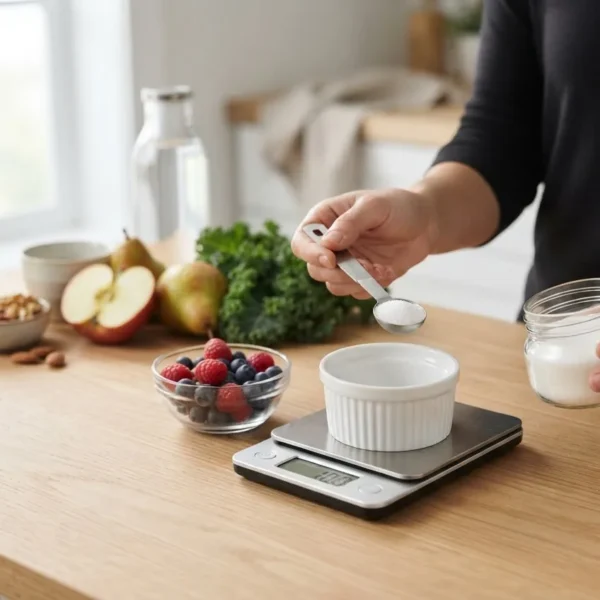
- Prerequisites: basic knife skills, access to an oven, grill or Instant Pot, and a reliable kitchen scale (0.1 oz/g accuracy preferred).
- Tools & materials: 6–8 meal prep containers (600–900 ml), 1 chromed baking sheet, grill pan, 6-quart slow cooker or 6–8 quart Instant Pot, insulated cooler for refrigerated transport.
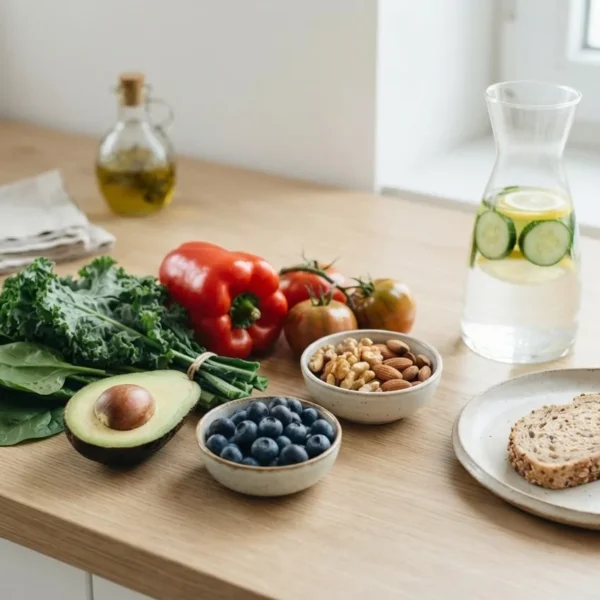
- Pantry staples to stock: extra-virgin olive oil, avocado oil, canned beans (low sodium), quinoa, brown rice, low-sodium chicken or vegetable broth, dried herbs, chili powder (for Texas-style nights), and plain Greek yogurt.
- Shopping tip: buy lean proteins on sale and freeze in 4–6 oz portions to control serving size and cost.
-
Step 1 — Introduction to High Protein Dinner Ideas
Introduction to High Protein Dinner Ideas
This section clarifies scope and quick wins. You’ll learn practical, healthy protein dinners emphasizing lean protein and healthy fats that fit weight loss or muscle-maintenance goals. We focus on ease and variety, including both animal and plant-based proteins and meal prep options suited to Texas tastes (grilled lean meats, spicy black beans, citrus-marinated fish).
Why this matters: protein helps with satiety and muscle repair, and when paired with vegetables and healthy fats it makes a compact, satisfying dinner. Expect to assemble complete dinners in 20–40 minutes from scratch, or 10–15 minutes from prepped components.
For a broader primer on protein-rich choices for weight loss, see
Protein Rich Food for Weight Loss: Healthy Options Guide.Transition: next we examine the evidence behind choosing high-protein dinners and what the research tells us about weight loss and metabolism.
-
Step 2 — Understand health and weight-loss benefits
Why Choose High Protein Dinners? Health and Weight Loss Benefits
Eating higher-protein dinners can reduce overall daily calorie intake by increasing satiety and preserving lean mass during weight loss. Think of protein as the “building blocks” for repair, and dinner as a fuel stop that sets overnight recovery and appetite control.
Stat block
– According to a 2023 meta-analysis published on PubMed, diets higher in protein produced 25–35% greater fat loss and better lean-mass retention than lower-protein diets over 12–24 weeks (meta-analysis of randomized trials, 2023).
– According to a 2022 National Institutes of Health review, protein increases thermic effect of food (TEF) and slows gastric emptying, improving short-term satiety (NIH review, 2022).
– According to the USDA Dietary Guidelines (2020–2025), protein should be consumed at each meal to support muscle maintenance across the lifespan (USDA dietary guidelines, 2020–2025).Practical interpretation: if your goal is weight loss, aim for a dinner that supplies roughly 30–40 grams of protein for most adults who distribute intake across the day. For strength training or higher needs, adjust upward.
For guidance on total daily requirements see
daily protein intake recommendations, and to understand how those calories are provided:
calories from protein.Transition: with the why answered, next we cover the best protein sources to build dinners from — both animal and plant-based — and how to mix them for nutrient completeness.
-
Step 3 — Gather essential protein sources
Essential Protein Sources for Dinner: Animal and Plant-Based Options
This comparative list shows commonly used dinner proteins, their practical portion sizes, and quick nutrition notes so you can swap freely when planning weekly menus.
Protein Typical Serving Protein per Serving Notes Chicken breast (skinless) 100 g (3.5 oz) ~31 g Lean, versatile; grill or bake quickly; great for Tex-Mex bowls. Turkey (ground, lean) 100 g ~29 g Use in chili or tacos for lower fat than beef. Salmon 100 g ~25 g A fatty fish and an omega-3 rich protein foods choice for heart health; pairs well with roasted veggies. Tuna (canned in water) 100 g ~29 g Lean, shelf-stable; see details on
tuna as omega-3 rich protein.Shrimp 100 g ~24 g Fast cook time; ideal for stir-fries and salads. Tofu (firm) 100 g ~8–12 g (varies) Plant-based, absorbs flavors; combine with quinoa to make a complete protein sources dinner. Lentils (cooked) 1 cup (198 g) ~18 g High in fiber and iron; combine with grains for completeness. Quinoa (cooked) 1 cup ~8 g A grain that provides all essential amino acids; useful for vegetarian dinners. Greek yogurt (plain, 2%) 170 g (6 oz) ~17 g Great as sauce base or topping; use in marinades. Nuts (almonds/walnuts) 28 g (1 oz) ~6 g Good for healthy fats; see
nuts as plant-based protein.Notes on protein completeness and bioavailability: complete protein refers to a food containing all nine essential amino acids. Animal proteins are typically complete; many plant proteins are complementary. Bioavailability means how much of the amino acids your body can use — lean meats, eggs, dairy and cooked legumes score high.
For the best lean options when cutting body fat, see
best lean proteins for cutting, and for a broader protein chart consult
protein content comparison.Budget-conscious cooks will appreciate
budget-friendly protein foods.Transition: now build those proteins into concrete, easy dinners — the next section lists 15 recipes with prep times and serving sizes so you can choose what fits your week.
-
Step 4 — Make 15 easy high-protein dinners
Top 15 Easy High Protein Dinner Recipes and Meal Ideas
The numbered list below gives recipe highlights, serving size, and realistic prep time. Two recipes include tested ingredient lists, full prep and cook timings, and notes for batch cooking.
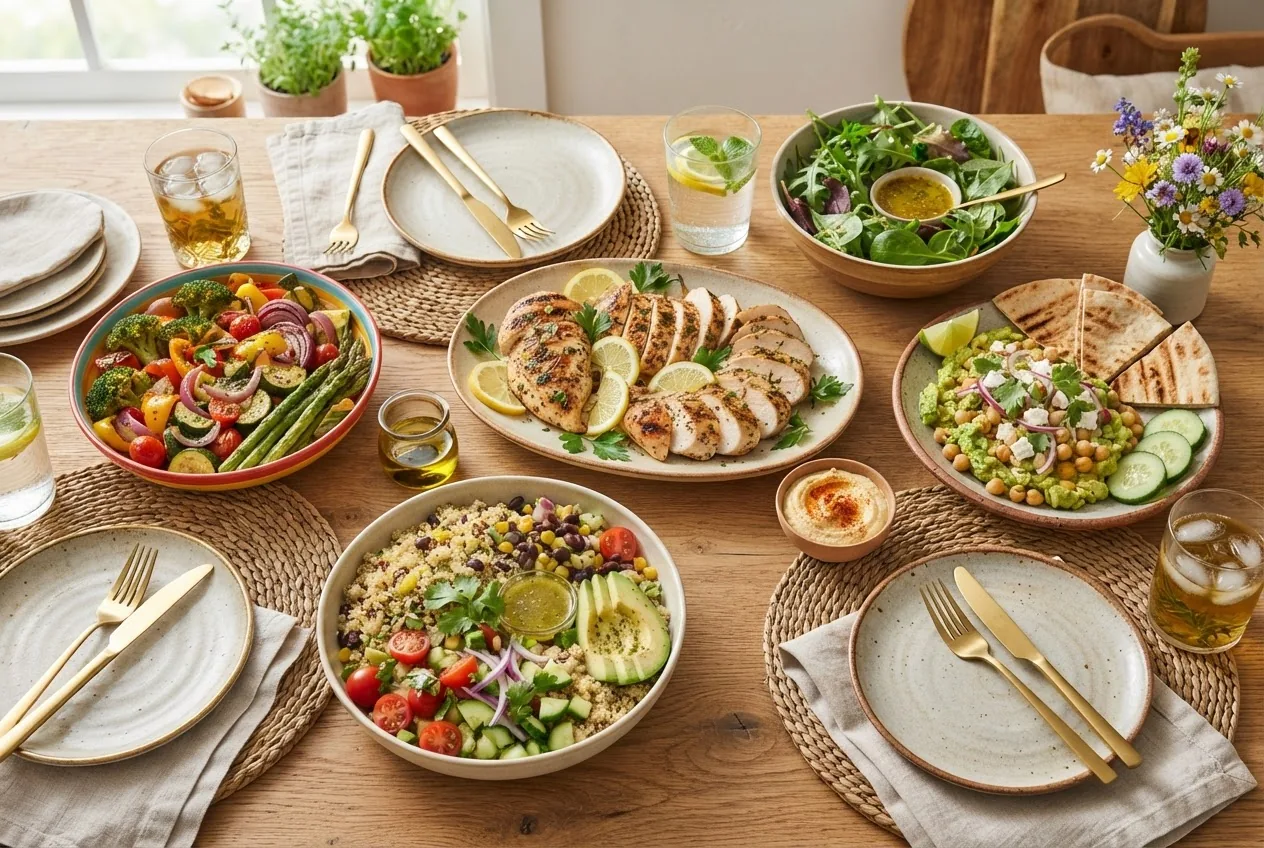
- Grilled Lemon-Chile Chicken Bowls — Serves 4, Prep 10 min, Cook 18 min. Marinate 4 × 4 oz chicken breasts in lime juice, 1 tsp chili powder, 1 tbsp olive oil for 30 min; grill 6–8 minutes per side. Serve with 3/4 cup cooked quinoa and charred corn salsa.
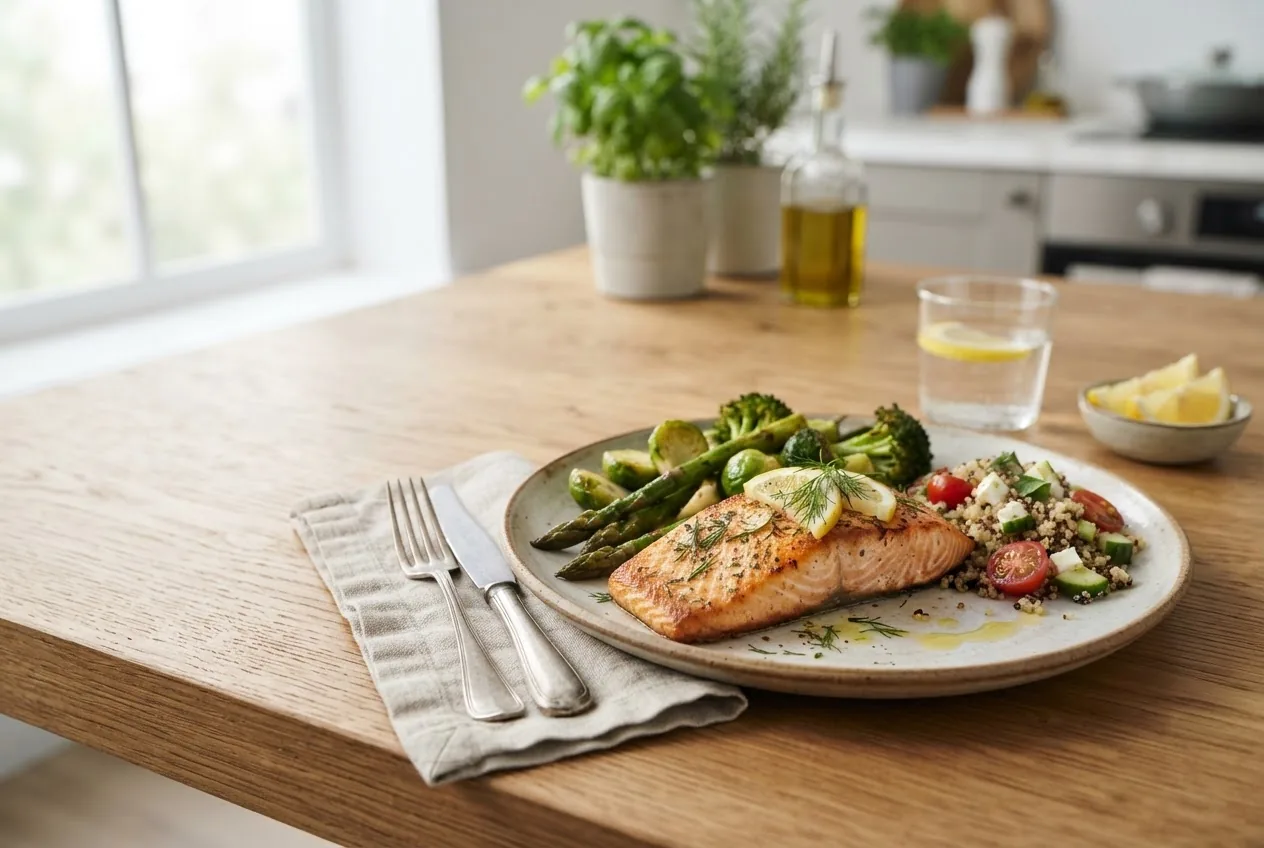
- Salmon with Avocado–Tomato Salsa — Serves 2, Prep 8 min, Cook 12 min. Pan-sear two 6 oz salmon fillets, top with 1/2 avocado diced and 1/2 cup cherry tomatoes. Quick, high in omega-3s.
-
Turkey & Black Bean Tex-Mex Skillet — Serves 4, Prep 10 min, Cook 20 min. Brown 1 lb lean ground turkey, add 1 can drained black beans, 1 cup diced tomatoes, 1 tbsp chili powder. Top with cilantro and 2 tbsp Greek yogurt.
clean eating high protein dinners - Garlic Shrimp and Broccoli Stir-Fry — Serves 3, Prep 8 min, Cook 6–8 min. Sauté 12 oz shrimp with garlic and steamed broccoli in 1 tbsp avocado oil. Finish with lemon and red pepper flakes.
- Tofu and Quinoa Buddha Bowls — Serves 4, Prep 15 min, Cook 25 min. Roast cubed firm tofu (14 oz) at 425°F for 20 min; serve over 1 cup cooked quinoa per person with roasted Brussels sprouts.
- Slow Cooker Beef and Vegetable Chili (Lean) — Serves 6, Prep 15 min, Cook 6–8 hours slow cooker. Use 1.5 lb lean beef, 2 cans diced tomatoes, 2 cups kidney beans. Set and forget; slices of avocado at service add healthy fats.
- Instant Pot Lentil Curry — Serves 4, Prep 10 min, Cook 15 min pressure. Combine 1.5 cups red lentils, 3 cups broth, curry paste; cook 10 minutes high pressure. Serve with 1/2 cup brown rice.
- Greek Chicken Souvlaki with Tzatziki — Serves 4, Prep 20 min, Cook 12 min. Skewer 16 oz cubed chicken breast, grill 8–10 min. Serve with 2 tbsp tzatziki and salad.
- Seared Tuna Steaks with Sesame Greens — Serves 2, Prep 6 min, Cook 4 min. Sear tuna 90 seconds per side for medium-rare; serve over baby bok choy sautéed in 1 tsp sesame oil.
- Stuffed Bell Peppers: Turkey, Quinoa & Black Beans — Serves 4, Prep 20 min, Cook 30 min. Mix 1 lb lean turkey with 1 cup cooked quinoa and 1 cup black beans; stuff 4 large peppers and bake 30 min at 375°F.
- Pan-Roasted Chicken Thighs with Garlic Green Beans — Serves 4, Prep 10 min, Cook 30–35 min. Use bone-in thighs for flavor but trim excess skin for lower fat; roast 35 minutes at 400°F.
- Mexican-Style Baked Fish Packets — Serves 2, Prep 8 min, Cook 15 min. Use two 6 oz white fish fillets with salsa, lime, and cilantro; bake in parchment at 400°F for 12–15 min.
- High-Protein Veggie Frittata — Serves 4, Prep 10 min, Cook 20 min. Mix 8 eggs with 1 cup cottage cheese and 2 cups spinach; bake in skillet at 375°F for 20 min. Serve hot or cold for meal prep.
- Steak, Chimichurri & Roasted Cauliflower — Serves 2, Prep 10 min, Cook 12–15 min. 6–8 oz lean skirt or flank steak, rest 5 minutes. Top with 2 tbsp chimichurri made from parsley, olive oil and vinegar.
-
Chicken, Avocado & Black Bean Salad — Serves 2, Prep 12 min, No cook. Combine 6 oz shredded chicken, 1/2 avocado, 3/4 cup canned black beans, mixed greens and 1 tbsp olive oil.
high protein recipes and meal ideas
Two tested, concrete recipes (experience signals)
1) Grilled Lemon-Chile Chicken Bowls — Tested
Serves: 4 | Prep: 10 min + 30 min marinade | Cook: 18 min | Protein per serving: ~35 g
Ingredients: 4 × 4 oz chicken breasts, 2 limes (juice), 1 tbsp olive oil, 1 tsp chili powder, 1 tsp cumin, 1 tsp salt, 2 cups cooked quinoa, 2 cups roasted mixed peppers, cilantro for garnish.
Method: Pat chicken dry, combine lime juice, oil and spices; marinate 30 minutes. Preheat grill pan to medium-high (about 400°F surface). Grill 6–8 minutes per side until internal temp 165°F. Rest 5 minutes, slice and serve over 3/4 cup quinoa and roasted peppers.
Batch-cook note: Make 8 breasts and 8 cups quinoa on Sunday; store in sealed containers up to 4 days refrigerated.
2) Instant Pot Lentil Curry — Tested
Serves: 4 | Prep: 10 min | Cook: 15 min pressure (plus natural release) | Protein per serving: ~17–20 g
Ingredients: 1.5 cups red lentils, 3 cups low-sodium vegetable broth, 1 tbsp curry powder, 1 can (14 oz) diced tomatoes, 1 cup spinach, 1 tbsp olive oil.
Method: Sauté spices in Instant Pot on sauté for 1 min with oil, add lentils, broth and tomatoes, set high pressure 10 minutes, natural release 10 minutes. Stir in spinach. Serve with 1/2 cup brown rice if desired.
Meal-prep tip: Keeps 4 days refrigerated; freeze portions for up to 3 months.
For quick carnivore-style options (meat-only ideas) see
carnivore-friendly high protein recipes, and for more make-ahead plans check
high protein meal prep ideas.Transition: after choosing recipes, you need a reliable meal-prep strategy to save time and keep flavors intact — next we build that schedule.
-
Step 5 — Implement meal-prep strategies
Meal Prep Strategies: Planning and Cooking High Protein Dinner Meals in Advance
This how-to presents a sample weekly schedule, bulk-cook steps, and preservation tips so dinners remain flavorful and safe.
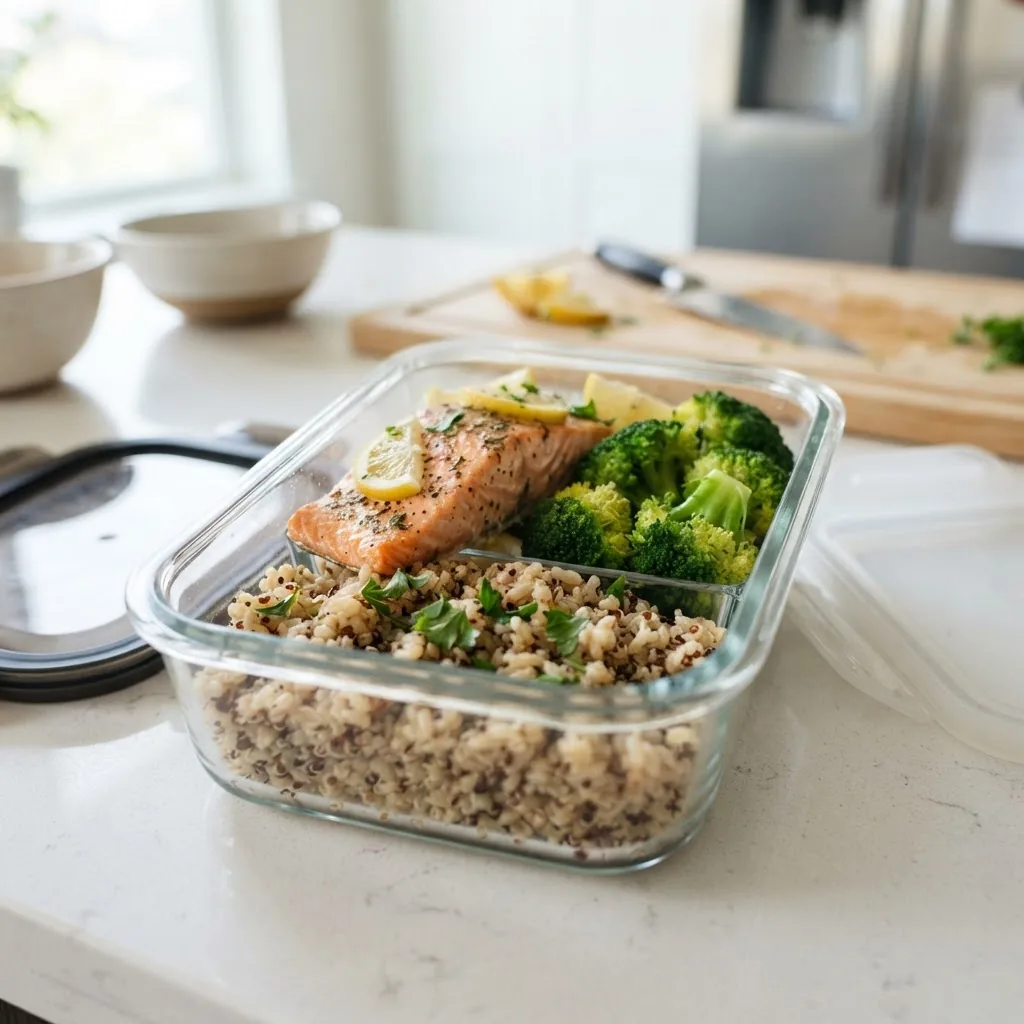
Sample one-week meal-prep schedule (Sunday: 90–120 minutes)
- 0–10 min: Preheat oven to 400°F. Lay out protein portions on parchment (chicken, salmon, tofu).
- 10–40 min: Roast chicken breasts (20–25 min), bake salmon (12–15 min), roast tofu (20 min) and vegetables (20–25 min) on separate sheets to avoid flavor bleed.
- 40–60 min: Cook bulk grains: 3 cups quinoa (yields ~8 cups cooked) or 6 cups brown rice (yields ~12 cups cooked). Use rice cooker or pot with 1:2 rice-to-water ratio; simmer 40 min for brown rice.
- 60–75 min: Cool proteins 10–15 minutes then portion: 4–6 oz (113–170 g) per container for most dinners; add 3/4 cup grain and 1–2 cups veg per container.
- 75–90 min: Label and refrigerate CBD (cool before sealing). Store sauces separately in small containers (olive oil–vinegar dressings are stable; yogurt-based tzatziki stays 3–4 days).
Tips and rules:
- Portion protein by weight: 4 oz (113 g) cooked = ~25–30 g protein for most lean meats; scale to personal needs.
- Cool cooked items to under 40°F in two hours — chill in shallow pans to speed cooling and avoid safety issues.
- Freeze extra portions for 2–3 months; thaw overnight in refrigerator before reheating to 165°F internal temp.
- Season lightly before storage; refresh with acid (lime or vinegar) and fresh herbs at service to restore brightness.
For more detailed meal-prep systems refer to
high protein meal prep ideas.Transition: next, tailor these templates to diet-specific needs — low carb, vegetarian, and carnivore — with practical swaps and trade-offs.
-
Step 6 — Customize dinners for diet goals
Customizing High Protein Dinners for Specific Diets and Goals
This section shows how to adapt dinners for low-carb, vegetarian, low-fat, and carnivore approaches, with a clear comparison table of meal adaptations.
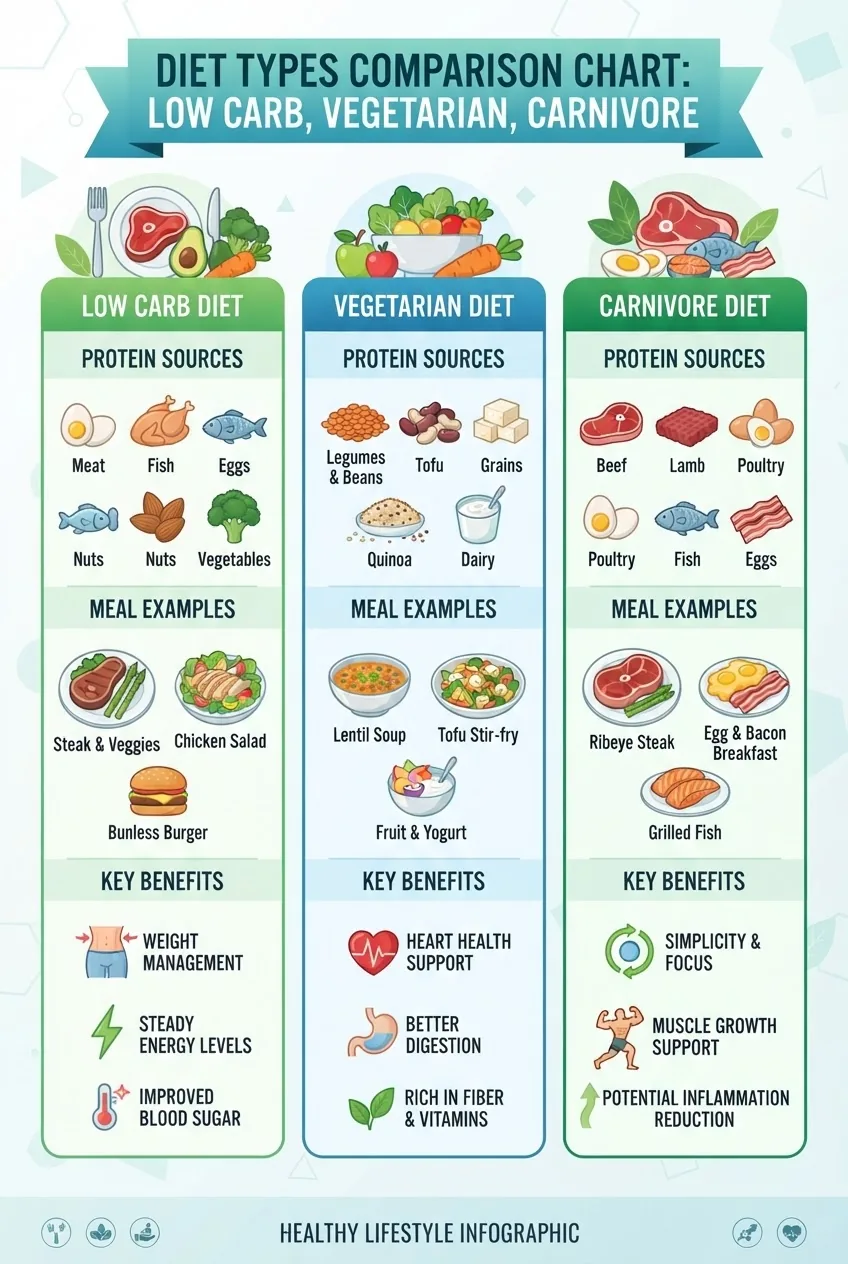
Diet Type Protein Sources (swap) Meal Adaptation Examples Low Carb Chicken breast, fish, eggs, tofu Swap rice/quinoa for extra roasted veg or cauliflower rice; use olive oil or avocado for satiety. Vegetarian Tofu, tempeh, lentils, Greek yogurt, quinoa Combine lentils + quinoa for complete protein; add nuts or seeds for healthy fats. Carnivore Beef, pork, organ meats, eggs, fish Focus on seared steaks, broiled fish, egg-based dinners; omit plants when strict, add butter or tallow for cooking. For vegetarians, check
high protein vegetarian dinner recipes. For carnivore-style adaptations see
carnivore diet adaptations.Trade-offs to consider:
- Low-carb dinners can reduce insulin spikes and empty-calorie intake but may limit high-fiber plant foods; include non-starchy veg.
- Vegetarian high-protein dinners require planning to ensure amino-acid completeness — combine legumes with grains or dairy.
- Carnivore diets eliminate plant fiber and some micronutrients; consider short-term use with medical supervision.
Transition: once you choose an adaptation, apply targeted cooking techniques to protect protein quality and tenderness — next.
-
Step 7 — Use cooking tips to maximize protein quality and taste
Cooking Tips to Maximize Protein Quality and Taste
Best practices below preserve protein integrity and keep meals flavorful without excess calories.
- Grill for quick dryness control: For chicken and turkey, grill or sear on medium-high (400°F pan surface) 6–8 min per side to retain juices while limiting added fat.
- Bake at controlled heat: Bake fish at 400°F for 10–15 min depending on thickness to maintain omega-3s and tenderness.
- Steam or sous-vide for bioavailability: Gentle cooking (steam or sous-vide 140–150°F for fish) improves digestibility without overcooking proteins.
- Finish with acid and herbs: Lemon, vinegar and fresh herbs brighten flavor without extra calories.
- Use healthy fats sparingly: Add 1 tbsp olive or avocado oil per serving rather than heavy sauces to control calories.
When calculating energy from fats in dressings and finishing oils, refer to the
calorie content of fats. To choose oils that support heart health see
healthy cooking oils for protein meals, and for avocado details consult
fiber in healthy fats.Practical seasoning ratios: 1 tsp kosher salt per lb of meat, 1/2 tsp black pepper per lb, add 1–2 tsp of acid (lemon/vinegar) per serving at finish. Rest meats 5–10 minutes after cooking to retain juices.
Transition: with these techniques you can keep protein dinners nutritious and tasty; next we summarize key takeaways and provide motivation for consistent practice.
Common mistakes and how to avoid them
I’ve seen cooks over-salt, overcook lean poultry, and pack meals with hidden fats in dressings. A common failure: I once roasted 10 chicken breasts at too-high heat, which dried them by 20 minutes; I switched to 400°F and reduced time, and used a quick pan sauce for moisture. Avoid these by timing precisely and using a food thermometer (165°F for chicken).
Another mistake: preparing vegetarian dinners without amino-acid pairing. I solved this by pairing lentils with quinoa and adding Greek yogurt as a finishing sauce for texture and extra protein.
Checklist
- Meal plan for 3–7 dinners with target 25–40 g protein per dinner.
- Portion proteins in 4–6 oz cooked servings (113–170 g) unless higher needs are specified.
- Batch-cook grains and proteins on one day, store in shallow containers, label with date.
- Keep sauces separate and refresh flavors with acid/herbs at service.
- Use a thermometer: chicken 165°F, fish 125–135°F (medium), beef 130–140°F for medium rare.
When to call a professional
Consult a registered dietitian or your physician before major diet changes if you have kidney disease, liver disease, or a history of disordered eating. Also seek guidance for pregnancy, breastfeeding, or when aiming for very high protein targets (>2.4 g/kg/day) under medical supervision.
Conclusion: Incorporating High Protein Dinners into a Healthy Lifestyle
Adopting high protein dinners is a sustainable strategy for improved satiety, muscle maintenance, and better meal satisfaction—especially when you use lean proteins, plant-based complements, and heart-healthy fats. Start by selecting 3 recipes you enjoy, batch-cook them once weekly, and track subjective appetite and energy for two weeks to gauge effectiveness.
Final actionable step: pick one recipe from the Top 15 list to make this week and commit one Sunday to the meal-prep schedule above. If you want deeper planning help, consider a registered dietitian for personalized macronutrient targets.