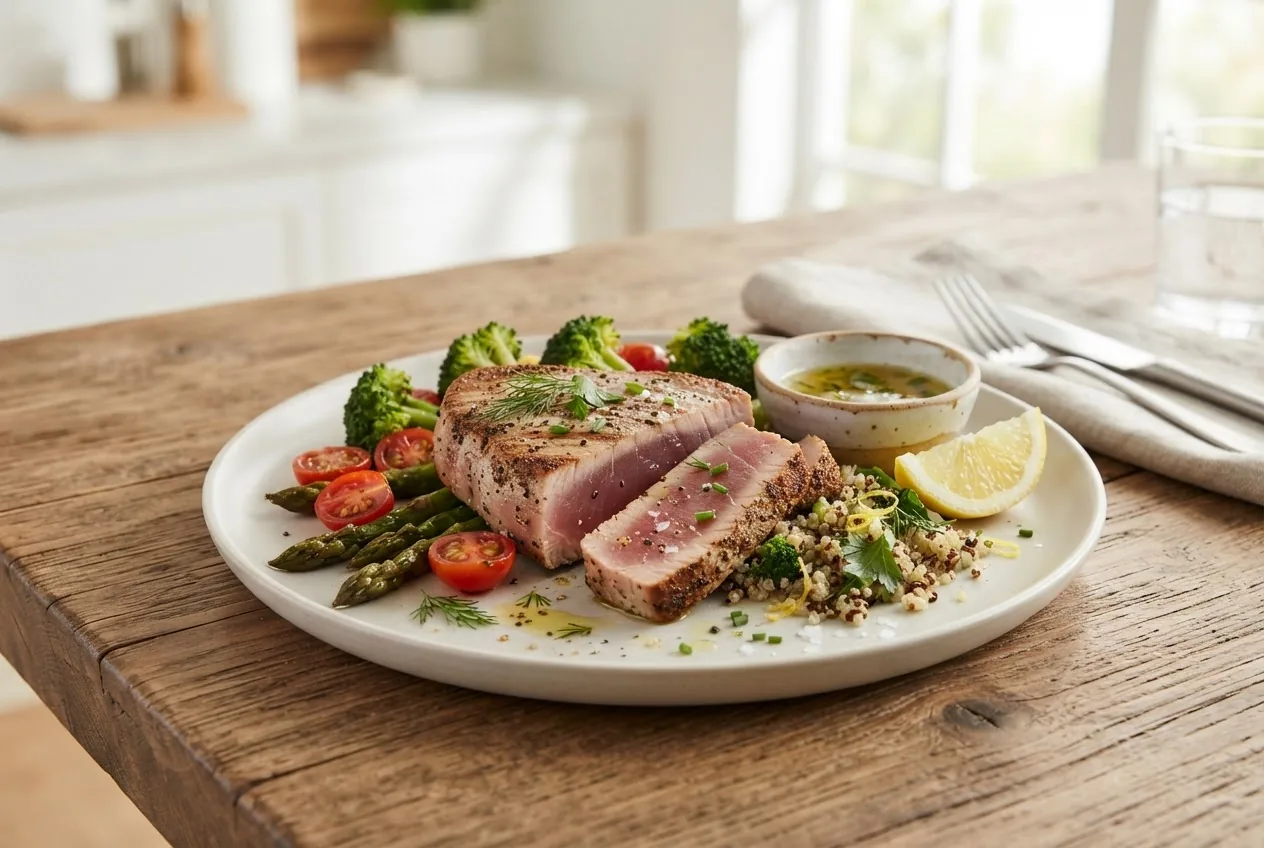
Does tuna have omega 3? Yes—tuna contains the long-chain omega-3 fatty acids EPA and DHA, with amounts varying by species and form (fresh vs canned); typical servings provide between ~200 mg and ~1,000 mg of EPA+DHA per 100 g depending on type and processing, making tuna a useful dietary omega-3 source.
Understanding Omega-3 Fatty Acids and Their Importance
Answer: Omega-3 fatty acids are essential fats—especially EPA (eicosapentaenoic acid) and DHA (docosahexaenoic acid)—that support cardiovascular and brain health; regular dietary EPA+DHA intake of about 250–500 mg/day is commonly recommended for general health.
Term: EPA and DHA are long-chain omega-3 fatty acids found primarily in marine foods; they are bioactive forms linked to heart and brain benefits.
EPA and DHA are the biologically active, long-chain omega-3s most strongly associated with reduced triglycerides, improved endothelial function, and neurodevelopmental support. Short-chain omega-3 (ALA) is plant-derived and converts inefficiently to EPA/DHA in humans. According to the National Institutes of Health Office of Dietary Supplements (2024), most organizations advise 250–500 mg combined EPA+DHA daily for healthy adults.
Quick stat block (types of omega-3):
- EPA (eicosapentaenoic acid): anti-inflammatory, cardiovascular benefits.
- DHA (docosahexaenoic acid): structural component in brain and retina; cognitive benefits.
- ALA (alpha-linolenic acid): plant-based precursor with limited conversion to EPA/DHA.
Evidence summary: higher dietary EPA+DHA correlates with lower triglycerides and modest reductions in cardiovascular events in at-risk populations (according to a 2020 systematic review of randomized controlled trials).
Does Tuna Have Omega 3? Tuna’s Omega-3 Content Explained
Answer: Yes—tuna contains measurable EPA and DHA, but amounts vary widely: canned light (skipjack) tends to be lower (~200–300 mg/100 g) while albacore (fresh or canned) can contain ~600–1,000 mg EPA+DHA per 100 g; freshness, species, and processing drive the differences.
Term: Omega-3 content per 100 g refers to the combined measured mass (milligrams or grams) of EPA and DHA present in 100 grams of edible fish.
Measurable ranges are variable because of species, diet, and canning method. The table below summarizes approximate EPA and DHA values per 100 g edible portion derived from the USDA FoodData Central and peer-reviewed nutrition databases (figures rounded; variability noted).
| Tuna variety / form | EPA (mg/100 g) | DHA (mg/100 g) | Estimated EPA+DHA (mg/100 g) |
|---|---|---|---|
| Fresh Albacore (thunnus alalunga) | ~170 | ~790 | ~960 |
| Canned Albacore (in water) | ~200 | ~600 | ~800 |
| Canned Light (Skipjack) | ~100 | ~150 | ~250 |
| Fresh Yellowfin (Ahi) | ~120 | ~200 | ~320 |
Data context: These ranges are informed by USDA FoodData Central and other nutrient composition studies; actual EPA/DHA will vary by capture location, season, and processing (According to USDA FoodData Central (2024)). For more on DHA sources, see foods rich in DHA.
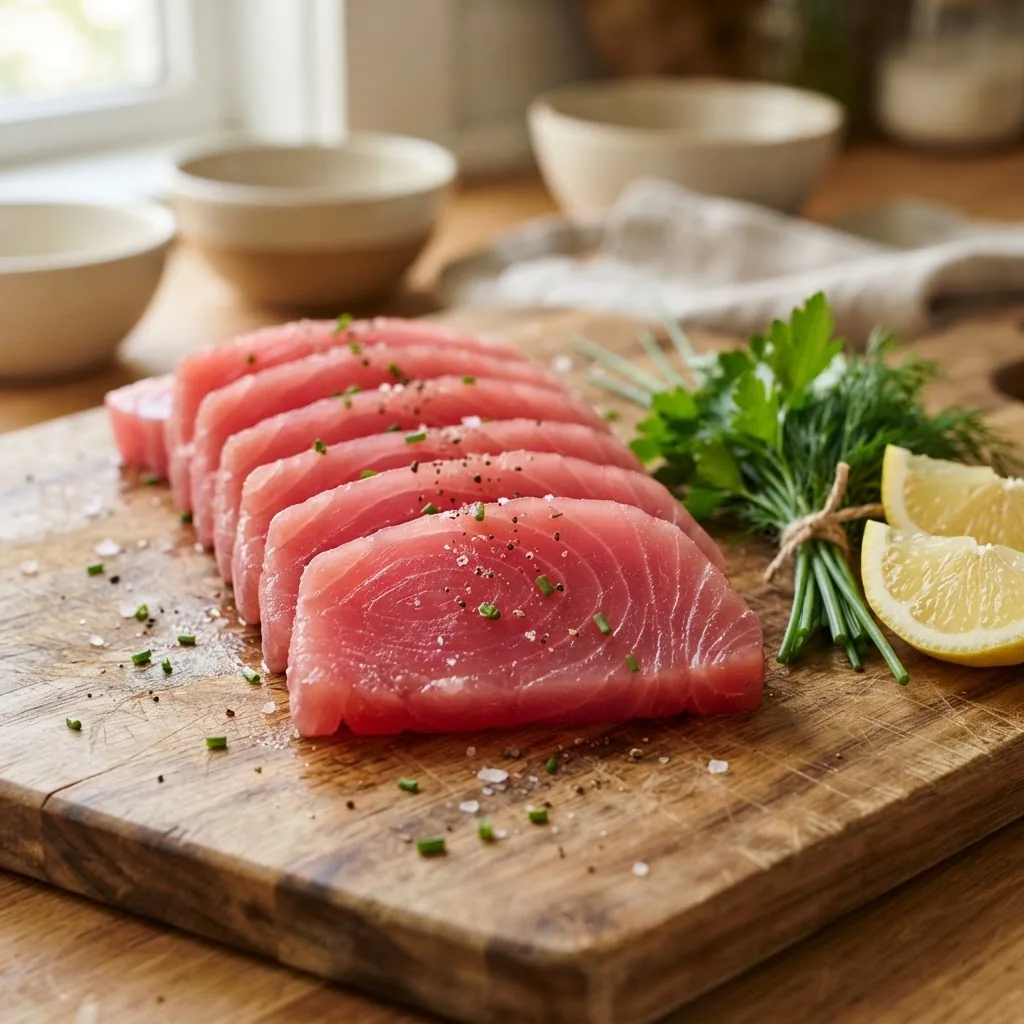
Practical takeaway: choose albacore when you want higher EPA+DHA per serving and canned light (skipjack) for lower mercury and lower cost; both contribute useful omega-3s when eaten regularly as part of a balanced diet.
Nutritional Benefits of Tuna Beyond Omega-3
Answer: Beyond omega-3s, tuna is a nutrient-dense lean protein: a typical 100 g serving supplies ~25–30 g protein, low total fat, B vitamins (especially B12 and niacin), selenium, and modest calories—making it weight-loss friendly and supportive of muscle maintenance.
Term: Lean protein means a protein source relatively low in total and saturated fat per serving while providing a high protein-to-calorie ratio.
Nutrition facts (approximate per 100 g edible portion, aggregated from USDA FoodData Central values):
- Calories: ~120–140 kcal (According to USDA FoodData Central (2024)).
- Protein: 25–30 g — a complete protein with all essential amino acids.
- Total fat: 0.5–2 g depending on species and canning (lower in light tuna, higher in albacore).
- Omega-3 (EPA+DHA): ~250–960 mg (see previous section).
- Key micronutrients: vitamin B12 (~2–4 µg), niacin (~10–20 mg), selenium (~40–70 µg).
Tuna’s high protein-to-calorie ratio supports satiety and lean mass preservation during calorie deficit. For readers tracking energy from fat specifically, consult the calorie content of fat in tuna to calculate how fat contributes to total energy.
Protein calorie context: tuna’s protein supplies ~4 kcal per gram of protein; for detailed energy values of protein in food, see protein calorie content.
Regional note (Texas): tuna is readily available in coastal Texas markets and commonly used in salads, grilled steaks, and Tex-Mex adaptations—allowing Texans to pair tuna’s lean protein with regional flavors while retaining healthful macros.
How Tuna Fits into a Lean Protein and Healthy Fats Diet for Weight Loss
Answer: Tuna is an effective lean-protein option for weight loss because it delivers high-quality protein with low calories and modest healthy fats; when combined with vegetables, whole grains, and controlled portions, it supports satiety and muscle retention during calorie deficit.
Practical steps to include tuna in a weight-loss plan:
- Calculate servings: use 100–140 g (3.5–5 oz) cooked tuna as a protein portion to supply ~25–35 g protein per meal (According to USDA FoodData Central (2024)).
- Prioritize lean preparations: grill, broil, or poach tuna rather than frying to keep calories low.
- Balance macros: pair tuna with fiber-rich vegetables and a controlled portion of complex carbs or healthy fats to prolong fullness.
- Monitor mercury (see Safety): alternate tuna types and fish choices across the week.
- Track protein goals: combine tuna with other protein sources to reach individualized targets—see protein intake recommendations.
- Use canned tuna for convenience: drained water-packed canned light tuna is low-calorie and shelf-stable for meal prep.
Example meal ideas (Texas-friendly and weight-loss oriented):
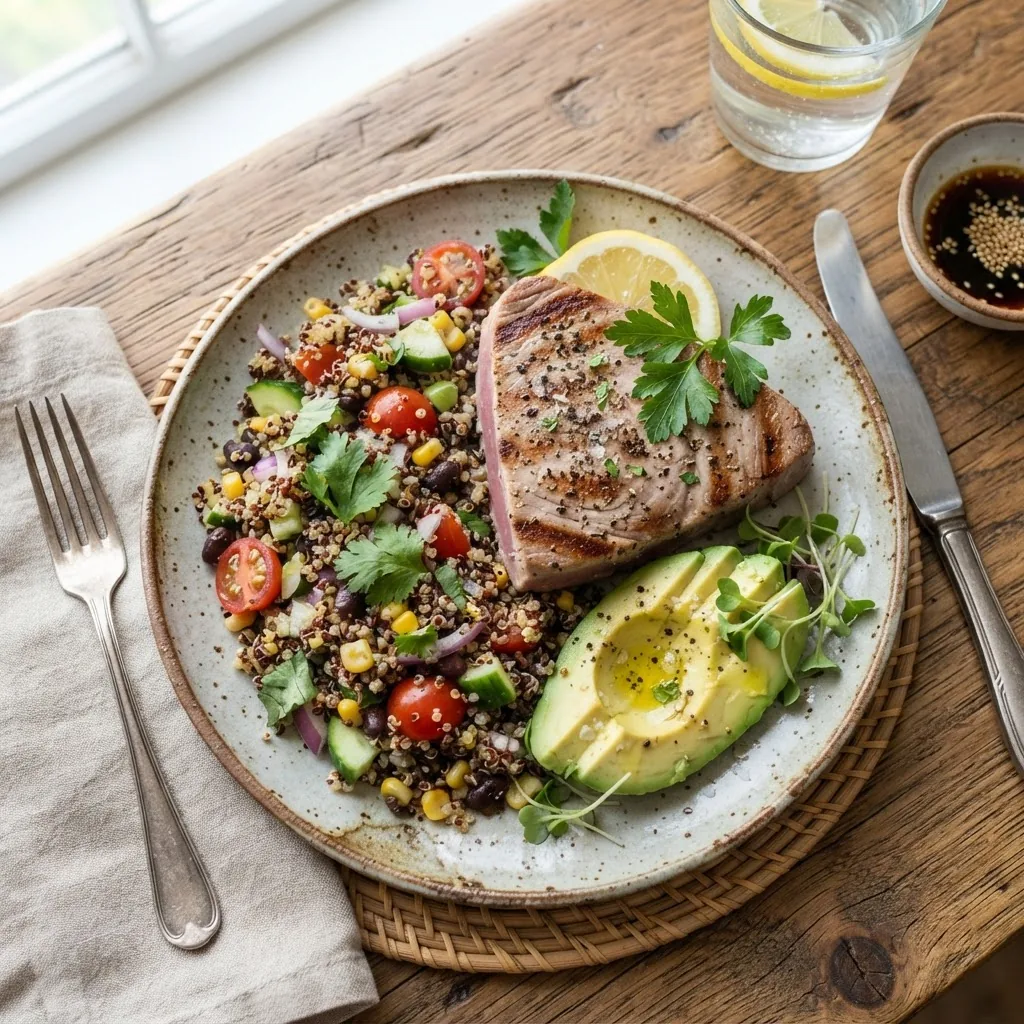
- Grilled Cajun yellowfin tuna (4 oz) over mixed greens with pico de gallo and avocado (moderate fat, high protein).
- Canned light tuna salad (tuna, Greek yogurt, chopped celery, lime, cilantro, pickled jalapeño) served in romaine boats—low-calorie, high-satiety.
- Seared ahi tuna tacos (corn tortillas, cabbage slaw, cilantro-lime dressing) with half an avocado—balanced protein and healthy fat.
- Texan tuna melt (open-faced on whole-grain toast, thin slice of reduced-fat cheese, tomato, pickled jalapeño) in a controlled portion—keep cheese minimal to reduce calories.
For broader guidance on combining lean proteins and healthy fats for caloric control, see the pillar on lean protein and healthy fats for weight loss and the sibling article on best lean protein choices when cutting.
Comparing Tuna’s Omega-3 to Other Fish and Seafood
Answer: Tuna generally contains less EPA+DHA than fatty fish like salmon and mackerel; tuna can provide moderate omega-3s, while salmon and mackerel typically supply higher amounts per 100 g serving, making them superior choices when omega-3 intake is the primary goal.
Comparison table (EPA+DHA per 100 g, approximate; sources: USDA FoodData Central and nutrition meta-analyses):
| Fish | Approx. EPA+DHA (mg/100 g) | Quick fact |
|---|---|---|
| Atlantic salmon (wild) | ~1,800–2,500 mg | Top source for EPA+DHA per serving. |
| Mackerel | ~2,000–3,000 mg | Very high omega-3; higher fat content. |
| Tuna (albacore, fresh) | ~800–1,000 mg | Moderate omega-3, lean protein. |
| White fish (cod) | ~50–200 mg | Low omega-3, very lean. |
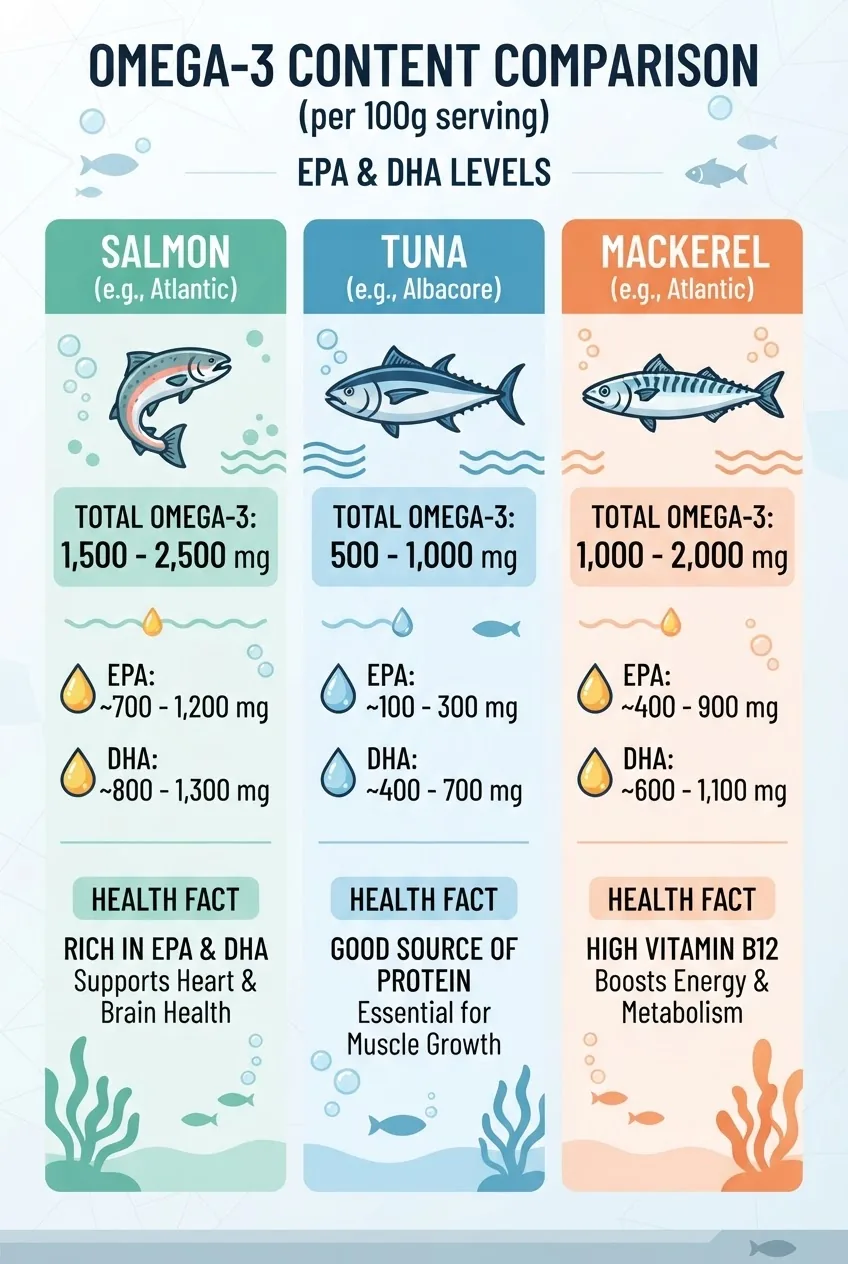
Commentary: If omega-3 intake is the main objective, choose fatty fish (salmon, mackerel) more often; if calorie or protein control is paramount, tuna (especially light/canned) provides leaner macros with moderate omega-3 benefits. For broader top sources, see top omega-3 rich foods and consider supplements like those discussed in fish oil and cod liver oil benefits for targeted therapeutic dosing.
Safety Considerations: Mercury and Contaminants in Tuna
Answer: Tuna contains measurable mercury—higher in larger species like albacore and yellowfin—so balance benefits against exposure by following consumption limits (especially for pregnant people and children); choosing canned light tuna reduces mercury per serving.
Key safety points:
- Mercury levels vary by species: albacore and bigeye tend to have higher mercury than skipjack (According to U.S. Food and Drug Administration (FDA) guidance (2023)).
- FDA guidance: eat 2–3 servings per week of lower-mercury fish and limit albacore tuna to about 4 ounces (one average serving) per week for pregnant or breastfeeding women (According to the U.S. Food and Drug Administration (FDA) consumer advice (2023)). FDA fish advice
- Benefits vs risk: dietary EPA+DHA benefits should be weighed against mercury risk; for frequent fish eaters, diversify species to lower exposure (According to a 2022 risk-benefit analysis published in a peer-reviewed journal).
- Children and pregnant people should favor lower-mercury options (canned light, salmon, sardines) and follow pediatric/obstetric guidance (According to NIH and FDA guidance (2023–2024)). NIH ODS on omega-3
Practical safe-intake advice:
- Adult general public: aim for 2–3 servings of low-to-moderate mercury fish weekly; vary species.
- Pregnant/breastfeeding: limit high-mercury tuna (albacore) to ~4 oz/week and prefer canned light tuna (According to the U.S. Food and Drug Administration (FDA) guidance (2023)). FDA guidance
- Children: follow age/weight-based serving limits from pediatric guidance to minimize cumulative exposure.
- If you eat fish daily or have specific health conditions, consult a clinician for personalized advice.
Tips for Maximizing Omega-3 Intake from Tuna
Answer: Maximize omega-3 intake from tuna by choosing higher-EPA/DHA varieties (albacore or fresh steaks), favoring minimal high-heat processing, pairing with other omega-3 rich foods, and using heart-healthy oils in low amounts when cooking.
- Choose the right type: pick albacore (fresh or canned) for higher EPA+DHA; choose canned light (skipjack) for lower mercury and budget-friendliness (According to USDA FoodData Central (2024)).
- Prefer gentle cooking: searing for short times or baking preserves more omega-3 than prolonged deep-frying; very high temperatures can oxidize polyunsaturated fats.
- Drain canned tuna judiciously: draining reduces sodium but can slightly reduce water-soluble nutrients—EPA/DHA are fat-soluble and largely retained in the fish oil (According to a 2021 nutrient retention analysis).
- Pair with complementary fats: add a small drizzle of heart-healthy oils—olive or canola—when dressing a tuna salad to support absorption and flavor. heart-healthy cooking oils.
- Use whole-food combos: serve tuna with avocado, walnuts, or a chia seed sprinkle to add plant omega-3s and texture.
- Consider portion frequency: if relying on tuna as an omega-3 source, balance with other fatty fish across the week to spread mercury risk.
- Storage matters: freeze fresh tuna promptly and avoid prolonged room-temperature exposure to reduce oxidation and preserve fats.
Frequently Asked Questions About Tuna and Omega-3
Answer: Below are concise, featured-snippet optimized answers to common questions about tuna and omega-3s.