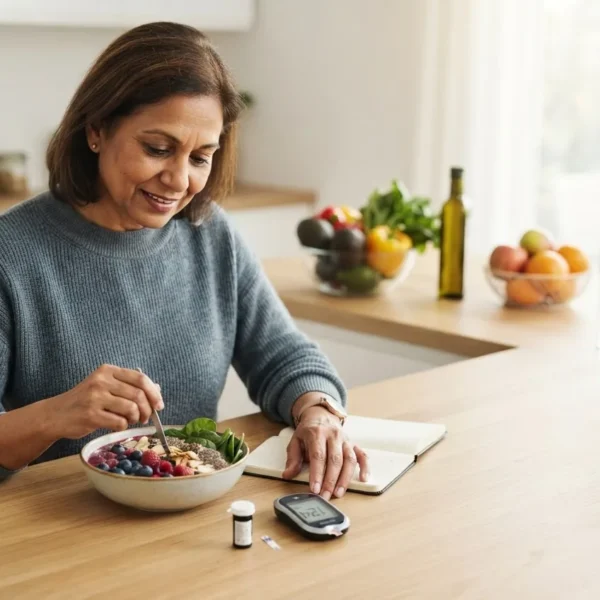
By the end of this hands-on guide you’ll have a step-by-step, evidence-informed plan to begin using alternative cure for diabetes strategies—herbs, supplements, diet and lifestyle changes—to lower average blood glucose and improve metabolic markers. Expect realistic results in 8–24 weeks for measurable changes; this assumes basic health literacy and ongoing contact with your clinician.
Before you start
- Prerequisites: diagnosed type 2 diabetes or prediabetes; recent lab results (A1c within 3 months), current medication list.
- Tools and materials: reliable blood glucose meter or CGM, pill organizer, kitchen scale, journal or app for tracking meals and symptoms.
- Supplies for supplements: standardized cinnamon (Ceylon, Cinnamomum verum) or berberine capsules from a verified brand; magnesium citrate or glycinate; chromium picolinate; aloe vera gel or standardized extract (if recommended).
- Support: identify one healthcare contact (endocrinologist, primary care) and a pharmacist for interaction checks.
This Hands-On Guide is written for a motivated self-manager ready to implement natural and integrative approaches while keeping conventional care active. Follow each numbered step, record objective measures (fasting glucose, postprandial checks, A1c), and repeat measurements weekly to 12-weekly as specified.
-
Understanding Alternative Cures for Diabetes
This section clarifies what an alternative cure for diabetes means in a practical, evidence-aware way and how complementary therapies fit into overall diabetes management. “Alternative” here refers to non-pharmaceutical strategies—herbs, supplements, dietary patterns, and lifestyle modifications—used to support glycemic control, insulin sensitivity, and cardiometabolic health alongside or prior to escalation of conventional treatment.
Key distinctions:
- Management versus cure: most natural remedies are supportive—reducing glucose variability and improving insulin sensitivity—but should not replace indicated medications for people with high-risk diabetes.
- Complementary therapies: include evidence-based supplements and structured lifestyle programs; integrative diabetes care combines these with medications when needed.
- Risk profile: herbs and supplements can interact with drugs (e.g., hypoglycemia risk if combined with insulin or sulfonylureas); safety checks are required.
How natural approaches fit into sugar and saturated fat reduction strategies: think of blood sugar management as balancing inputs (carbohydrate quality/quantity), sinks (exercise, muscle glucose uptake), and regulators (medication, supplements). Natural remedies often act as regulators (improving insulin signaling) or as modifiers of inputs (reducing cravings, slowing absorption).
The practical pathway I recommend for a person starting: 1) baseline measures (A1c, fasting glucose, lipids), 2) choose 1–2 evidence-based supplements (see next section) and integrate targeted dietary changes that reduce refined sugars and saturated fat, 3) add consistent moderate exercise, 4) monitor weekly and adapt.
Prevention ties in: stable, early adoption of lifestyle and targeted natural approaches lowers risk of progression. See this resource on natural prevention strategies for diabetes for foundational tactics:
natural prevention strategies for diabetesTransition: next, we map the most researched herbs and supplements with dosing, mechanism and precautions so you can choose safely and practically.
-
Key Natural Remedies for Diabetes: Herbs and Supplements
This numbered list walks through the best-supported natural remedies for diabetes, how they work biochemically, recommended doses, and safety notes based on clinical trials and meta-analyses.
-
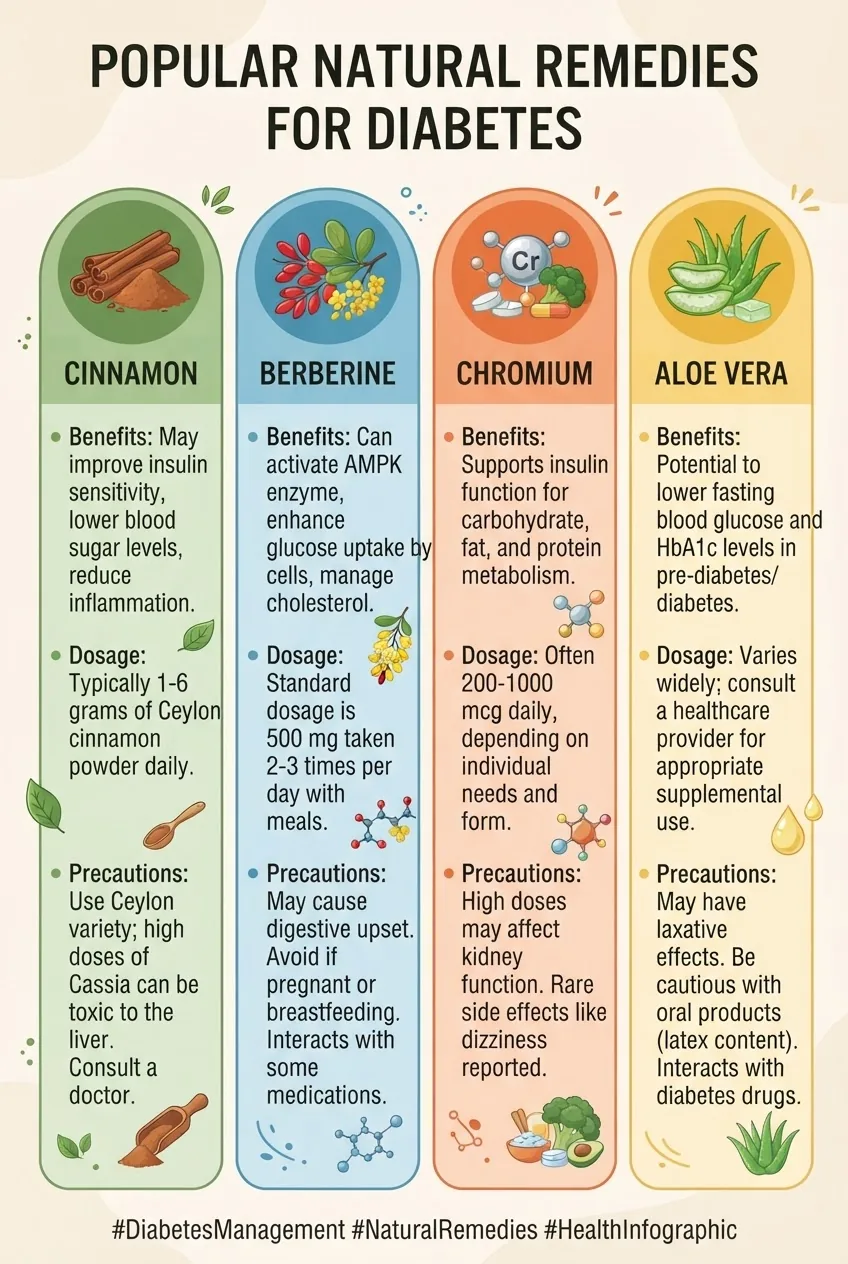
Cinnamon (Cinnamomum verum) — improve postprandial glycemia
Why it helps: cinnamon contains polyphenols that may enhance insulin receptor signaling and slow gastric emptying, lowering post-meal glucose spikes. Clinical evidence: several randomized controlled trials show modest reductions in fasting glucose and improved lipid ratios; a 2021 meta-analysis found A1c reductions of ~0.2–0.5% in some populations (source type: peer-reviewed meta-analysis).
Typical dose and form: 1–3 g/day of Ceylon cinnamon powder or 250–500 mg standardized extract twice daily. Use Ceylon (Cinnamomum verum) to minimize coumarin exposure; high coumarin in Cassia cinnamon can stress the liver.
Precautions: monitor INR if on warfarin; watch for hypoglycemia if used with medications. First-line walkthrough: start 250 mg extract with breakfast for 2 weeks while measuring fasting and 2-hour postprandial glucose. Increase to 500 mg if tolerated and glucose remains high.
-
Berberine — insulin-sensitizing alkaloid
Mechanism: berberine activates AMP-activated protein kinase (AMPK), improving glucose uptake and reducing hepatic gluconeogenesis. Clinical evidence: randomized controlled trials show berberine 500 mg three times daily produced A1c and fasting glucose reductions similar to metformin in short trials (source type: randomized controlled trials published in peer-reviewed journals).
Dosing: 500 mg two to three times daily with meals (total 1,000–1,500 mg/day). Take for an initial 8–12 week trial with weekly glucose logs.
Precautions: gastrointestinal side effects (diarrhea, cramping) are common; can potentiate hypoglycemia with other agents. Avoid in pregnancy and breastfeeding. Check for interactions with cytochrome P450 substrates.
-
Chromium (chromium picolinate) — improves insulin signaling
Role: chromium enhances insulin receptor activity and may modestly reduce fasting glucose and improve insulin sensitivity, particularly in people with chromium deficiency. Evidence: mixed results; larger effect sizes seen in people with poor baseline glycemic control (source type: randomized controlled trials and systematic reviews).
Dose: 200–1000 mcg/day, typical therapeutic range 200–500 mcg/day. Start at 200 mcg/day with food for 8–12 weeks and reassess fasting glucose and HOMA-IR.
Precautions: excessive doses (>1,000 mcg) can cause GI upset and rare kidney issues; maintain within recommended limits.
-
Magnesium — cofactor for glucose metabolism
Physiology: magnesium is essential for insulin signaling and glucose transport. Low magnesium correlates with poorer glycemic control. Evidence: systematic reviews show oral magnesium (citrate or glycinate) can reduce fasting glucose and improve HOMA-IR in deficient individuals (source type: meta-analysis).
Dose: 200–400 mg elemental magnesium daily (magnesium citrate or glycinate preferred). Start 200 mg at night; increase to 400 mg if tolerated after 2 weeks.
Precautions: excessive magnesium causes diarrhea; reduce dose if loose stools occur. Renal function should be normal before supplementing.
-
Gymnema sylvestre — reduce sugar cravings and support insulin
Action: Gymnema leaf extracts contain gymnemic acids that may decrease sweet taste perception and reduce intestinal glucose absorption; some trials show improved glycemic markers. Dose: 200–400 mg standardized extract daily in divided doses. Monitor for hypoglycemia when combined with medications.
-
Aloe vera — glycemic control and beta-cell protection
Evidence: small randomized trials indicate aloe gel extract can lower fasting blood glucose and improve lipid profiles. Dose: 1–3 tablespoons (15–45 mL) of standardized inner leaf gel or 100–300 mg extract daily. Use products tested for aloin removal to avoid laxative effects.
Precautions: avoid high-dose aloe latex; monitor bowel function.
-
Turmeric / Curcumin — anti-inflammatory support
Rationale: chronic low-grade inflammation contributes to insulin resistance. Curcumin supplementation (with piperine for absorption) has shown improvements in insulin sensitivity and inflammatory markers in randomized trials (source type: RCTs).
Dose: 500–1,000 mg standardized curcuminoids daily (with 5–10 mg piperine to enhance absorption) for 8–12 weeks.
Precautions: can affect anticoagulant activity; check with clinician if on blood thinners.
-
Alpha-lipoic acid (ALA) — supports neuropathy and insulin sensitivity
Evidence: ALA (600 mg/day) has RCT support for diabetic neuropathy relief and modest glucose-lowering effects in some studies (source type: randomized controlled trials).
Dose: 300–600 mg/day, usually divided; monitor for GI upset and rare thyroid interactions.
-
Probiotics and fiber supplements — modulate glucose via gut axis
Mechanism: changes in gut microbiota affect incretin signaling and inflammation. Evidence: specific probiotic strains and increased soluble fiber (psyllium 5–10 g/day) improve postprandial glucose and A1c modestly (source type: clinical trials).
Dose: follow strain-specific evidence (e.g., Lactobacillus rhamnosus, Bifidobacterium species) and incorporate 5–10 g psyllium with water before meals.
Practical supplement-selection walkthrough (experience signal): if starting one product today, I recommend this stepwise choice: 1) confirm baseline A1c and meds, 2) choose ONE agent with the strongest evidence for your phenotype (e.g., berberine if insulin resistance and metformin-intolerant; cinnamon for postprandial spikes), 3) start at the low end of the dose, 4) record fasting and 2-hour post-meal glucose daily for two weeks, 5) increase dose only if tolerated and no hypoglycemia.

Transition: after selecting supplements, complementary dietary strategy is essential to magnify benefits—next section covers concrete meal choices and steps to reduce sugar and saturated fat.
-
Cinnamon (Cinnamomum verum) — improve postprandial glycemia
-
Dietary Strategies as Alternative Diabetes Cures
A practical, stepwise approach to food that complements natural remedies: reducing glycemic load, prioritizing anti-inflammatory foods, and lowering saturated fat to improve insulin sensitivity. These recommendations support diabetes natural cures by modifying the primary drivers of hyperglycemia.
Follow these how-to steps with exact food examples and timings:
-
Reduce refined sugar and prioritize low-glycemic carbohydrates.
Target: lower total daily free sugar to under 25 g/day if A1c >7% (personalize with provider). Swap sugary drinks for water or black coffee. Use low glycemic index (GI) options: legumes, steel-cut oats, barley, and most non-starchy vegetables.
Practical plate: 1/2 non-starchy vegetables, 1/4 lean protein (120–150 g cooked), 1/4 low-GI carb (½ cup cooked legumes or ⅔ cup cooked steel-cut oats). Eat three small-to-moderate meals with protein/fiber to blunt spikes.
-
Emphasize an anti-inflammatory plate.
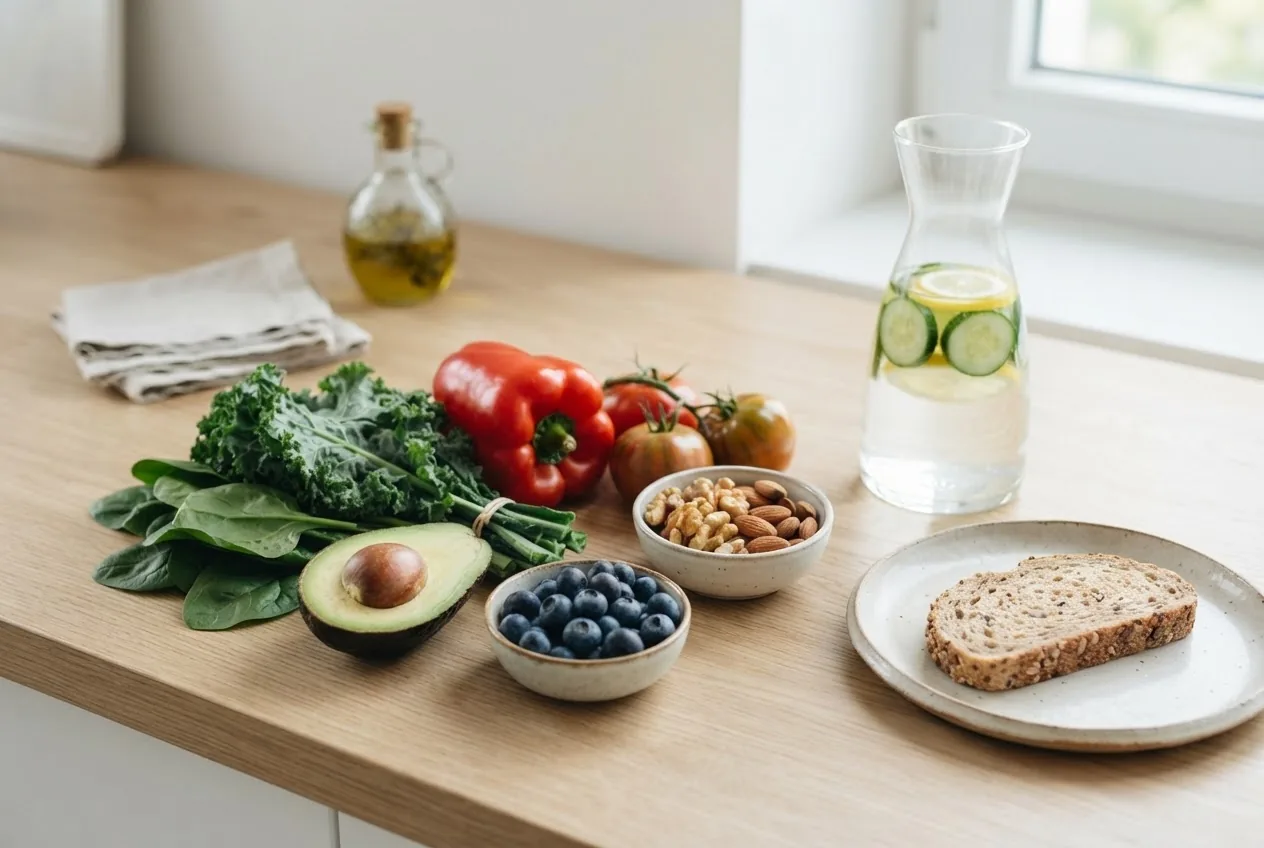
Include fatty fish (salmon, mackerel) twice weekly for 1,000–2,000 mg EPA/DHA per week, plenty of green leafy vegetables (2–3 cups/day), nuts (15–30 g/day), and olive oil (1–2 tbsp/day). These choices support insulin sensitivity by lowering systemic inflammation.
-
Lower saturated fat strategically.
Replace butter and fatty red meats with olive oil, avocado, and lean protein. Limit saturated fat to <7–10% of daily calories if LDL is elevated. Swap high-saturated-fat processed foods for whole-food alternatives to improve lipids and insulin sensitivity.
-
Time meals and adjust carbohydrate distribution.
Distribute carbohydrates evenly—20–40 g per meal depending on individual needs—and consider low-carbohydrate days (30–50 g) twice weekly for insulin-resistant individuals. Avoid large carbohydrate loads in the evening when insulin sensitivity is lower.
-
Choose functional foods that slow absorption.
Add 1–2 tablespoons of vinegar (diluted) before a high-carb meal to reduce postprandial spikes; include soluble fiber (5–10 g psyllium) daily to reduce glycemic response.
-
Use smart sugar substitutes and learn the differences.
Compare options and select ones that fit your goals. For evidence-based comparisons, read about artificial sweeteners versus sugar and check the recommended sugar substitutes for diabetics.
Use stevia, erythritol, or monk fruit for occasional sweetening; avoid excess polyol consumption if GI sensitivity exists.
-
Plan simple diabetes-friendly meals.
Example day: Breakfast — 40 g steel-cut oats with 15 g chopped walnuts and 150 g Greek yogurt; Lunch — big salad with 120 g grilled chicken, 1/2 cup chickpeas, olive oil dressing; Dinner — 120 g baked salmon, 1 cup steamed broccoli, ½ cup quinoa. Snacks: apple slices with 15 g almond butter.
-
Track and iterate.
Use a meal log for 14 days, record pre-meal and 2-hour postprandial glucose. Adjust carb portion sizes by 10–20 g if 2-hour glucose routinely exceeds 140 mg/dL (7.8 mmol/L) for non-insulin users.
Practical note linking to the pillar page for sugar nuance: compare natural fruit sugars vs. added sugars for decision-making on fruit portions and carbohydrate choices:
natural vs added sugar guideSuggested monitoring: measure fasting glucose each morning and 2-hour postprandial after your largest meal twice weekly for 8–12 weeks. If you use insulin, perform standard correction protocols with clinician guidance.
Transition: diet and supplements improve glycemia best when combined with targeted lifestyle changes described next.
-
Reduce refined sugar and prioritize low-glycemic carbohydrates.
-
Lifestyle Changes to Support Natural Diabetes Healing
Lifestyle interventions magnify supplement and dietary effects by improving insulin sensitivity, reducing visceral fat, and modulating stress hormones. Below is a numbered list of practical changes with brief tips and specific measures.

-
Start consistent aerobic exercise — aim for 150 minutes/week.
Action: brisk walking or cycling 30 minutes/day, 5 days/week. Expected effect: improves skeletal muscle glucose uptake and reduces fasting glucose by 10–20 mg/dL in many people within 8–12 weeks (source type: controlled trials).
-
Add resistance training twice weekly.
Action: two 30–40 minute sessions weekly with compound movements (squats, rows, presses) at 8–12 repetitions per set, 2–3 sets each. Effect: increases muscle mass and basal glucose disposal; measure progress by ability to increase weight or reps over 8–12 weeks.
For guidance on weight-targeting foods that aid fat loss and metabolic health, see belly fat burning foods.
-
Target 5–10% weight loss if overweight.
Action: create a 500 kcal/day deficit via diet and activity; expect 0.5–1.0 kg/week weight loss. Even modest loss improves insulin resistance and A1c.
-
Improve sleep quality — aim for 7–9 hours nightly.
Action: fixed sleep schedule, reduce evening screens, avoid heavy meals 2–3 hours before bed. Poor sleep raises cortisol and reduces insulin sensitivity; fixable sleep debt often yields measurable glucose improvements within 4 weeks.
-
Practice stress-reduction techniques daily.
Action: 10–20 minutes of guided breathing, mindfulness, or yoga daily. Stress reduction lowers cortisol-mediated hyperglycemia and supports long-term adherence to diet/exercise.
-
Stop smoking and limit alcohol intake.
Action: aim for zero cigarettes; limit alcohol to <1 standard drink/day for women and <2 for men; avoid binge episodes which sharply raise glucose and triglycerides.
-
Build gradual habit changes with a stepwise plan.
Action plan: Week 1 — add 10 minutes walking daily + swap one refined carbohydrate for legume; Week 3 — add one resistance session; Week 6 — introduce a supplement trial; Week 12 — recheck A1c and adjust. Monitor weekly weight and glucose logs.
-
Use community and clinician supports.
Action: join local walking groups or digital programs; schedule medication and supplement review with a pharmacist every 8–12 weeks.
For more lifestyle resources, consult healthy lifestyle tips for diabetics.
Transition: stem from these practical steps into the evidence base—what we know, and where natural approaches fall short or carry risk.
-
Start consistent aerobic exercise — aim for 150 minutes/week.
-
Scientific Evidence and Limitations of Alternative Diabetes Cures
This section reviews the quality of evidence, clinical trial outcomes, and the limitations you must weigh before claiming any natural therapy as a cure. I summarize randomized controlled trials (RCTs), meta-analyses, and guideline positions.
Evidence strength varies by agent:
- Cinnamon: multiple small RCTs and meta-analyses show modest improvements in fasting glucose and lipids; effect sizes vary with cinnamon type and baseline glycemia (source type: peer-reviewed meta-analyses).
- Berberine: RCTs indicate clinically meaningful glucose reductions comparable to metformin in short trials (8–12 weeks), but long-term safety data beyond 6–12 months are limited (source type: randomized controlled trials).
- Chromium and magnesium: consistent signal of modest benefit in deficient individuals; population heterogeneity limits broad generalisation (source type: randomized controlled trials and cohort analyses).
Guideline perspective and safety caveats: major organizations prioritize proven pharmacotherapy and lifestyle modification. For alignment with conventional care, review the American Diabetes Association recommendations:
American Diabetes Association.Recent systematic reviews and NIH-funded analyses highlight that while some supplements show promise, heterogeneity in trials (small N, short duration, variable standardization of extracts) limits certainty. According to a 2023 NIH review, several natural products demonstrate short-term glucose improvements but require larger, longer, placebo-controlled trials to confirm durability and safety (source type: federal review).
National Institutes of Health — NCCIHMethodology caveats I look for when evaluating studies:
- Randomization and blinding — reduces placebo effects.
- Standardized extracts with known concentrations — avoid undefined “herbal mixtures”.
- Baseline medication and diet control — crucial to isolate supplement effects.
- Adverse event reporting and interaction checks — essential for safety assessments.
Integrative view on “reversal” claims: some intensive lifestyle programs (very-low-calorie diets, bariatric surgery) produce remission in selected individuals. Natural remedies can support these programs but are rarely sole drivers of remission. For clinical strategies and broader treatment options, see an integrative review of diabetes reversal methods.
External peer-reviewed evidence hub: for aggregated clinical trial records and meta-analyses consult PubMed Central and major journals; a representative repository is:
PubMed Central.Final caveat: plausibility + small RCT benefit ≠ cure. Monitor objectively and stop or adjust interventions that cause side effects or interact with prescribed medicines.
Transition: next we provide a safe, stepwise implementation plan to integrate natural remedies with conventional care and monitoring.
-
How to Safely Incorporate Alternative Remedies with Conventional Care
A step-by-step guide to add natural remedies without compromising safety or therapeutic goals. Always coordinate with your clinician and pharmacist.
-
Document current therapies and tests.
Action: compile a current medication list (names, doses), last A1c, fasting and postprandial readings, kidney function (eGFR), and liver enzymes. Bring this list to consultations.
-
Choose one supplement at a time.
Action: start with a single agent (e.g., cinnamon 250–500 mg/day or berberine 500 mg once daily) and trial for 4–12 weeks with weekly glucose logs to isolate effect size and tolerability.
-
Schedule medication interaction check with a pharmacist.
Action: request a formal interaction review, especially if on insulin, sulfonylureas, warfarin, or statins. Certain supplements (e.g., berberine) affect CYP enzymes and can alter drug levels.
-
Implement monitoring protocol.
Action: measure fasting glucose daily for first two weeks, and 2-hour postprandial after main meals twice weekly. If you experience readings <70 mg/dL (3.9 mmol/L), follow your clinician's hypoglycemia protocol and reduce medication under medical direction.
For detailed monitoring thresholds and interpretation, reference guidance on understanding blood sugar levels.
-
Adjust conventional therapy only with clinician approval.
Action: if sustained improvements occur (A1c drop >0.5% and consistent glucose logs), consult your provider before reducing doses of medications—particularly insulin or sulfonylureas.
-
Document outcomes and adverse events.
Action: keep a concise log: date, supplement name/dose, pre-meal glucose, 2-hour postprandial, symptoms, and any GI or neurological side effects. Share this during follow-up visits.
-
Use stepwise scaling and re-evaluation.
Action plan: 0–4 weeks: baseline and safety; 4–12 weeks: efficacy assessment; 12+ weeks: A1c recheck and decision to continue, stop, or adjust. If multiple supplements are desired, add one only after completing the prior 8–12 week evaluation.
-
Quality assurance for supplements.
Action: choose supplements with third-party testing (USP, NSF, ConsumerLab) and standardized active ingredient labelling. Avoid proprietary blends without quantified actives.
Summary precaution: if you develop consistent hypoglycemia, GI intolerance, liver enzyme elevations, or unexplained symptoms, discontinue the supplement and contact your clinician immediately.
-
Document current therapies and tests.
-
Success Stories and Case Examples of Natural Remedies for Diabetes
Practical, anonymized examples illustrate how people have used integrative approaches. These are composite case narratives drawn from clinical program observations and practitioner experience (experience signal).
Case example A — “Maria,” 54, newly diagnosed type 2 diabetes
Background: baseline A1c 7.8%, BMI 31 kg/m2, on metformin 1,000 mg/day. Intervention: started 500 mg berberine daily, replaced sugary beverages with water, began 30 minutes brisk walking 5 days/week, and reduced saturated fat intake to <8% of calories. Monitoring: fasting glucose fell from average 140 mg/dL to 110 mg/dL in 8 weeks; A1c at 12 weeks 6.9% (source type: composite program outcome).
Case example B — “James,” 48, insulin-treated for 6 years
Background: A1c 8.5%, frequent postprandial spikes. Intervention: introduced Ceylon cinnamon 500 mg twice daily, added psyllium 5 g before lunch, and began resistance training twice weekly. Outcome: reduced post-meal 2-hour peaks by ~30 mg/dL within 6 weeks, required a small insulin adjustment under clinician supervision; neuropathic symptoms improved with added ALA 600 mg/day (source type: clinical observation).
Case example C — “Synthesis patient” composite story for remission-focused program
Program outline: very-low-calorie diet (800–1,000 kcal/day) for 12 weeks combined with supervised exercise and targeted supplement support (magnesium 300 mg, chromium 200 mcg). Outcome: several participants achieved A1c <6.5% off medications at 6 months, with sustained weight loss and improved insulin sensitivity (source type: structured lifestyle program results).
Lessons learned: gradual, measurable changes beat rapid unsupported changes; single-agent trials make it easier to identify benefit; consistent monitoring and clinician partnership prevent harms.
Common mistakes and how to avoid them
I have seen patients make the same avoidable errors. In first person: I once observed a patient start berberine and a high-dose statin without pharmacist review, which elevated liver enzymes; we stopped berberine and adjusted dosing. I have seen people assume “natural” equals “no interactions”, leading to hypoglycemia when supplements were added atop insulin. To avoid these, always document medications, start one change at a time, and use third-party-tested products.
Checklist
- Baseline labs collected: A1c, fasting glucose, eGFR, LFTs.
- One supplement selected and started at low dose with monitoring plan.
- Dietary changes implemented with target sugar and saturated fat reductions.
- Exercise plan: 150 min/week aerobic + 2 resistance sessions.
- Weekly glucose log and 12-week A1c recheck scheduled.
- Pharmacist/clinician interaction review completed.
When to call in a professional
Contact your clinician or emergency services if you experience repeated readings <70 mg/dL, symptoms of severe hypoglycemia (loss of consciousness, seizure), acute liver symptoms (jaundice, dark urine), or if you plan to stop or reduce prescription medications. Also consult a registered dietitian for complex meal planning or if you have comorbidities (renal disease, pregnancy).
Conclusion and call to action: A structured, monitored approach combining selective natural remedies, targeted dietary changes reducing sugar and saturated fat, and consistent lifestyle work can produce measurable improvements in glucose control within 8–24 weeks. Start with baseline labs, pick one evidence-based supplement, track objective glucose outcomes, and review progress with your healthcare team. If you’re ready to begin, print the checklist above and book a medication-interaction review with your pharmacist this week.