

By the end of this guide you’ll have a practical, evidence-based plan outlining exactly what to do to begin how to reverse diabetes (type 2 and prediabetes), a 3–12 month timeline you can follow, and the monitoring routine to prove progress. Expect to spend 30–90 minutes daily for the first 3 months; this guide assumes you can follow structured meal plans, record measurements, and work with your clinician.
Before you start
- Recent labs: A1c, fasting glucose, lipid panel, liver function tests, creatinine (within 3 months).
- Equipment & apps: a home blood glucose meter or CGM, digital scale, tape measure, and a food tracker app (e.g., MyFitnessPal or Carb Manager).
- Med list: current prescriptions and doses; printed medication plan from your clinician.
- Baseline measurements: weight, waist circumference, resting heart rate, blood pressure.
- Primary care or endocrinology contact and agreement to supervised medication changes.
Understanding Diabetes and Its Reversibility
This section explains what type 2 diabetes is, how insulin resistance develops, common symptoms, and realistic expectations about reversibility. We’ll include prevalence data, definitions, and clarify the difference between remission, reversal, and cure.
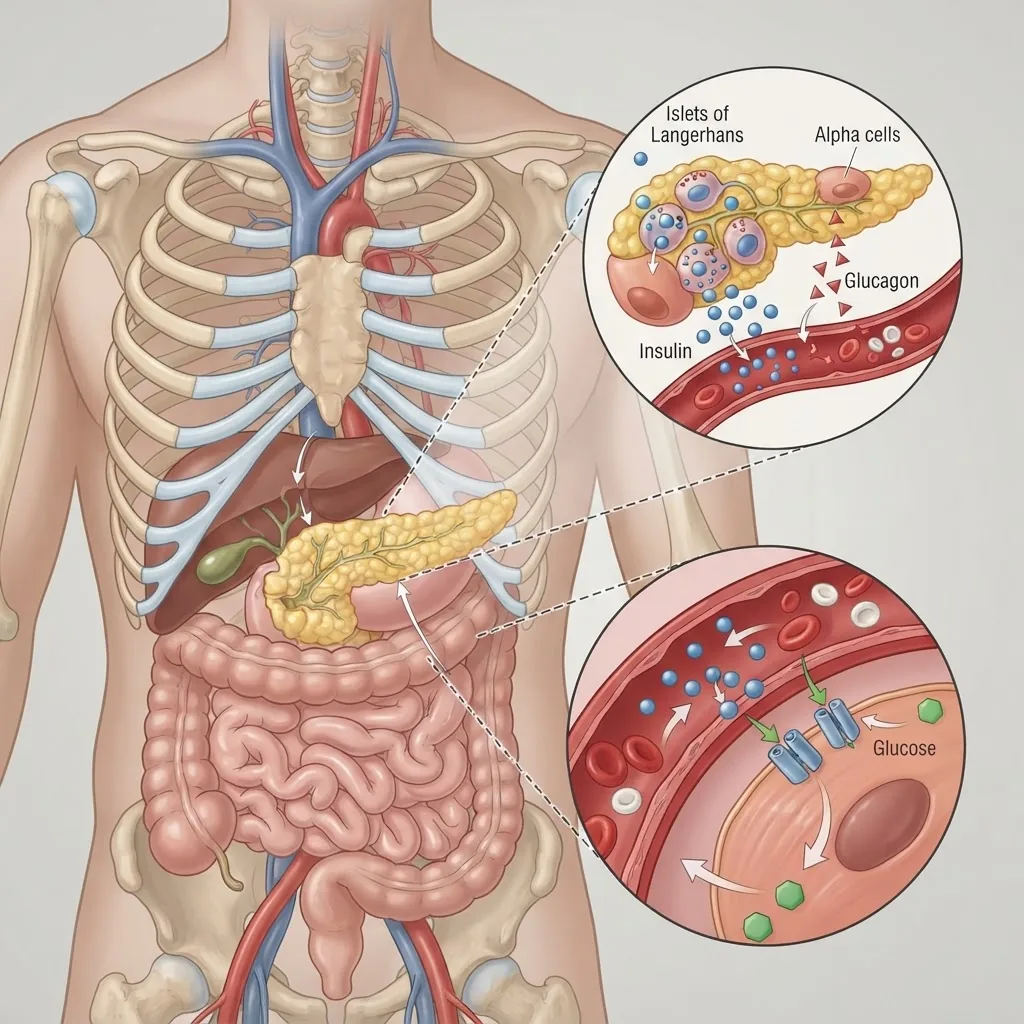
Type 2 diabetes is a metabolic condition characterized by chronically elevated blood glucose caused primarily by insulin resistance and progressive beta-cell dysfunction. Early symptoms include increased thirst, frequent urination, fatigue, blurry vision and slow wound healing. According to a 2023 CDC report, roughly 1 in 10 U.S. adults has diabetes and another 1 in 3 has prediabetes (source: public health surveillance report, 2023).
Reversibility language matters: clinicians prefer “remission” or “diabetes remission” over “cure.” Remission usually means maintaining non-diabetic blood glucose levels (A1c <6.5%) without glucose-lowering medications for a defined period (commonly 6–12 months). For many people with type 2 diabetes, remission is achievable; for type 1 diabetes, autoimmune beta-cell loss makes reversal not possible with current treatments.
Mechanically, reversal focuses on reducing insulin resistance (improving how tissues respond to insulin) and decreasing the workload on pancreatic beta cells so they can recover some function. Think of it like tuning an engine: reduce stress (weight, excess calories, inflammatory foods), change the fuel and tune the timing (macronutrient composition and activity), then monitor performance (glucose metrics).
Key baseline numbers to know: an A1c of 5.7–6.4% indicates prediabetes; ≥6.5% suggests diabetes. Fasting glucose thresholds: 100–125 mg/dL for prediabetes, ≥126 mg/dL for diabetes. Regular monitoring and medical oversight are essential; do not change medications without clinician guidance.
Transition: Now that you understand the biological and clinical context, next we’ll review what the medical literature says about whether and how diabetes can be reversed.
Can Diabetes Be Reversed? Medical and Scientific Insights
This section summarizes clinical studies, consensus statements and expert perspectives about whether can diabetes be reversed and under what circumstances remission is most likely.
-
Review the strongest clinical evidence
Major clinical evidence shows sustained, substantial weight loss reliably produces remission in many people with recent-onset type 2 diabetes. The DiRECT trial (a primary-care-based randomized trial using an intensive very-low-calorie diet) demonstrated that about 46% of participants achieved remission at 1 year and a significant proportion maintained remission at 2 years (trial methodology: randomized, controlled weight-loss program in UK primary care; published outcomes and follow-ups are central to modern reversal thinking).
For surgical approaches, randomized and observational studies show higher rates of remission after bariatric surgery (gastric bypass, sleeve gastrectomy), often exceeding 60% at 2–5 years in selected patients, with associated improvements in cardiometabolic risk factors.
According to a 2022 systematic review of weight-loss interventions and diabetes remission (peer-reviewed literature review, 2022), intensive dietary weight loss and bariatric surgery produce the most robust remission rates; medication-only strategies rarely achieve sustained remission without concurrent weight loss.
-
Understand who benefits most
Remission is most likely in people with:
- Short duration of diabetes (commonly <6 years from diagnosis).
- Lower baseline A1c (easier to normalize).
- Ability to lose and sustain ≥10–15% body weight.
- Access to structured programs or surgical options when indicated.
For longer-duration diabetes or extensive beta-cell loss, reversal becomes less likely; in those cases, the goal shifts to optimal control and reduction of complications.
-
Balance evidence and safety
Clinical guidelines emphasize medically supervised interventions. The American Diabetes Association publishes position statements about remission and weight-management approaches—these highlight that structured dietary programs and bariatric surgery are evidence-based pathways (source: American Diabetes Association clinical guidance, 2023).
Medications like GLP-1 receptor agonists (semaglutide, tirzepatide) produce substantial weight loss and A1c reductions and increase remission probabilities when combined with lifestyle change; however long-term research on sustained remission after stopping medication is ongoing (source: peer-reviewed trials of GLP-1 agonists, randomized controlled trials, 2021–2024).
-
Practical takeaway from science
Short answer: yes, type 2 diabetes and prediabetes can be reversed or placed into remission for many people, particularly when intensive weight loss, dietary change, and increased physical activity are implemented early and under medical supervision. For type 1 diabetes, current evidence does not support reversal.
External references: American Diabetes Association, NIDDK, and recent peer-reviewed systematic reviews and randomized trials on dietary weight loss and bariatric surgery (peer-reviewed literature, 2021–2023).
Transition: With the medical evidence framed, the next section gives a concrete, numbered 3-month plan to reverse prediabetes.
Prediabetes: Early Intervention and How to Reverse It in 3 Months
If you have prediabetes (A1c 5.7–6.4% or fasting glucose 100–125 mg/dL), aggressive early intervention can normalize glucose in weeks to months. Below is a practitioner-tested 3-month step-by-step protocol focused on measurable actions.
prediabetes diet and meal plans
-
Week 0 — Complete baseline assessment:
- Obtain A1c, fasting glucose, lipid panel, LFTs, creatinine within 7 days.
- Document weight, waist circumference (measure at the top of the iliac crest), resting BP and heart rate.
- Install and set up a glucose meter or CGM; log fasting and post-meal (2-hour) glucose for 7 days.
-
Weeks 1–2 — Immediate dietary reset (calorie and carb-focused):
- Adopt a daily calorie target: reduce baseline intake by 20–25% or aim for 500–750 kcal/day deficit; for most adults this equals 1,200–1,800 kcal/day depending on starting weight (use a calorie app).
- Limit added sugar to <25 g/day and aim for total carbs 100–150 g/day initially (lower if using very-low-carb approach); prioritize high-fiber vegetables, legumes, lean protein.
- Replace sugary drinks with water, sparkling water, or unsweetened tea.
-
Weeks 2–6 — Structured exercise & insulin-sensitivity work:
- Start 150 minutes/week of moderate aerobic activity (30 minutes, 5 days) plus two resistance sessions per week (20–30 minutes, 8–10 exercises, 2–3 sets, 8–12 reps) targeting large muscle groups.
- Add 10–15 minutes of brisk walking after meals to blunt postprandial glucose spikes.
-
Weeks 4–8 — Monitor and adjust:
- Recheck fasting glucose weekly and log A1c after 8–12 weeks (expect A1c changes over months). Aim for fasting glucose <100 mg/dL by week 12.
- If weight loss <5% by week 8, intensify calorie deficit by an extra 200–300 kcal/day or switch to a structured meal-replacement plan under clinician supervision.
-
Weeks 8–12 — Consolidate habits and measure outcomes:
- Achieve targeted weight loss goal of ≥5–10% body weight to dramatically lower diabetes risk.
- At 12 weeks, evaluate A1c and fasting glucose. If fasting <100 mg/dL and A1c <5.7%, you likely reversed prediabetes for now; set maintenance plan.
-
Sample monitoring routine (practitioner walkthrough):
Daily: fasted morning glucose, pre-dinner glucose, 2-hour postprandial glucose once daily; weight every morning; food log with carb totals. Weekly: average fasting glucose and weight change. Every 12 weeks: A1c, lipids.
Transition: Prediabetes reversal relies on practical, sustained lifestyle changes. The next section expands on the core lifestyle steps for reversing established type 2 diabetes.
Lifestyle Changes That Support Diabetes Reversal
This hands-on section provides the core behavioral program to support reversal: diet, exercise, sleep, stress, and specific strategies to lower insulin resistance and body fat. Follow these steps in sequence and track targets as listed.

-
Adopt a structured weight-loss plan
Target: lose 10–15% body weight in 6 months (a 200 lb person aiming for 20–30 lb loss). Use a calorie deficit of 500–750 kcal/day; record daily calories. If weight loss stalls for 4 weeks, reduce intake by additional 200 kcal/day and audit sleep and physical activity.
Complement caloric control with targeted food choices; see belly fat burning foods for meal ideas.
-
Prioritize carbohydrate quality and timing
Action: aim for 30–40 g carbs per meal for most people (adjust by weight and activity). Prefer low-GI carbs: non-starchy vegetables, beans, and limited whole grains. Distribute carbs around activity (eat the largest carb meal before/after exercise).
-
Increase resistance and aerobic training
Action: perform resistance training 2–3x/week (compound movements) and at least 150 minutes of moderate aerobic activity per week. Evidence shows resistance training increases muscle glucose uptake and insulin sensitivity—aim for progressive overload: increase weights 5% every 2 weeks when possible.
-
Improve sleep and circadian timing
Action: target 7–9 hours nightly; keep consistent sleep-wake times within ±30 minutes. Short sleep and circadian misalignment worsen insulin resistance; address sleep apnea screening if high-risk (STOP-Bang >3).
-
Manage stress with targeted practices
Action: daily 10–20 minute guided breathing, mindfulness, or brisk walk after meals to lower postprandial spikes. Chronic stress raises cortisol which increases hepatic glucose production—use short, repeatable interventions (phone app or 10-min walk).
-
Reduce alcohol and stop tobacco
Action: limit alcohol to ≤1 drink/day for women, ≤2 for men; avoid binge drinking. Smoking increases insulin resistance—seek cessation support if needed.
-
Track progress objectively
Action: use a measurable routine: weigh daily, measure waist weekly, log all carbs and calories, record fasting glucose each morning. Use CGM if accessible for fine-grained feedback; many CGM companies and apps are available in Texas and the US (Dexcom, FreeStyle Libre with compatible logging apps).
-
Behavioral adherence strategies
Action: create implementation intentions (exact time/place of meals and exercise), set small weekly goals (e.g., 1% weight loss/week), and use an accountability partner or coach. For medication adherence, use pillboxes and phone reminders.
See additional healthy lifestyle tips for diabetics to reinforce daily habits.
Transition: Diet choices significantly influence how quickly you can reduce glucose exposure and insulin demand. The next section contrasts food-level choices for reducing sugar and saturated fat.
Dietary Approaches: Reducing Sugar and Saturated Fat to Reverse Type 2 Diabetes
Dietary strategy is central to reversal. This section compares common approaches (low-carb, Mediterranean, low-fat, very-low-calorie) and gives practical food recommendations to reduce added sugar and saturated fat while preserving nutrient density.
First use definitions: natural vs added sugar affects glycemic load and calorie density—understanding this distinction helps food selection.
Deepen your understanding with the pillar guide: natural vs added sugar.
| Approach | Primary mechanism | Typical results |
|---|---|---|
| Low-carb (50–130 g/day) | Reduces postprandial glucose and insulin demand | Rapid glucose lowering, modest weight loss; good short-term A1c reductions |
| Very-low-calorie diets (800 kcal/day) | Drives rapid weight loss and hepatic fat reduction | High remission rates when supervised (DiRECT-style) |
| Mediterranean/Moderate-carb | Improves metabolic profile via healthy fats, fiber | Good cardiovascular benefits and sustainable weight loss |
Practical food recommendations:
- Remove sugar-sweetened beverages entirely; swap for water or unsweetened beverages.
- Limit added sugar to <25 g/day; see daily sugar intake recommendations for portion guidance.
- Reduce saturated fat to <7–10% of total calories if you have elevated LDL or coronary disease risk; prefer sources of unsaturated fat (olive oil, avocados, nuts). Refer to saturated fat guidance in specialist resources for exact grams.
- Prioritize whole proteins (fish, poultry, legumes) and high-fiber vegetables; limit refined grains and pastries.
- Use low-glycemic fruits (berries, apples) instead of high-sugar fruit juices.
- For sugar substitutes, compare options via the aspartame vs sugar alternatives guide and evaluate best sugar substitutes for diabetics.
Comparing common diets pragmatically:
- Low-carb (keto/low-carb): effective for rapid A1c and weight reduction—monitor lipids and kidney function; adjust meds to avoid hypoglycemia.
- Very-low-calorie meal-replacement: used in clinical programs to rapidly reduce hepatic fat and restore beta-cell function—only under medical supervision.
- Mediterranean/plate-method: sustainable, heart-healthy, moderate A1c improvements; best for long-term adherence in many people.
For deeper daily limits and food lists, consult the daily sugar intake recommendations and the site’s carbohydrate guidance pages.
Transition: Diet and lifestyle are often sufficient for many people, but medical and alternative treatments can accelerate remission or are necessary when lifestyle alone is insufficient. The next section compares options and risks.
Medical and Alternative Treatment Options for Diabetes Reversal
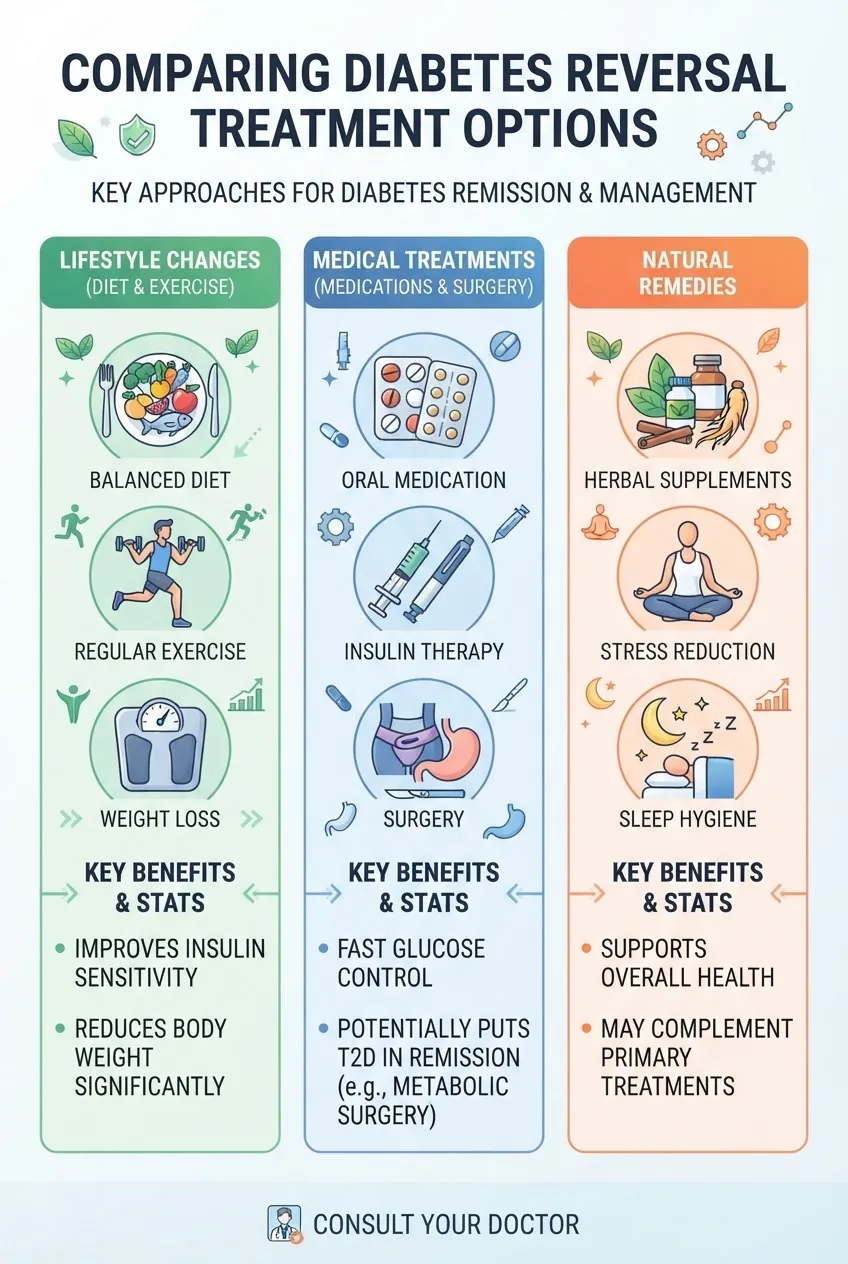
This section presents a direct comparison of medical, surgical, and evidence-backed natural approaches—what works, typical benefit, timelines, and risks. Use the table to decide next steps with your clinician.
| Option | Effectiveness | Timeline & Key risks |
|---|---|---|
| Lifestyle programs (intensive weight loss) | High for early T2D; remission rates 30–50% in trials with large weight loss | 3–12 months; risks low, requires adherence |
| Bariatric surgery | Very high in selected patients; remission often >60% at 2 years | Immediate to months; surgical risks, nutritional deficiencies |
| Medications (GLP-1, SGLT2, metformin) | GLP‑1s produce significant weight loss and A1c reduction; remission possible when combined with weight loss | Weeks to months; side effects include GI upset, cost; stopping often leads to weight regain unless lifestyle maintained |
| Evidence-based natural remedies | Modest effect when added to lifestyle (e.g., fiber, cinnamon, berberine in some studies) | Weeks to months; some interactions with meds—use clinician guidance |
Explanatory notes:
- Bariatric surgery is indicated for people with BMI ≥35 kg/m² (or ≥30 with uncontrolled diabetes in some guidelines). Surgery rapidly reduces hepatic and pancreatic fat, often restoring beta-cell responsiveness; however, it’s a surgical decision requiring lifelong nutritional follow-up (source: peer-reviewed surgical outcomes, 2019–2023).
- Medications such as GLP-1 receptor agonists (semaglutide, tirzepatide) produce large weight loss (10–20%+ in many trials) and improved glycemia—these increase remission probability but often require ongoing use to maintain weight loss. Metformin reduces hepatic glucose output and is protective in prediabetes.
- Natural remedies with some clinical support include increased soluble fiber (pea, oats), and certain botanicals like berberine which mimic metformin-like effects in small trials. Always coordinate supplements with your clinician to avoid interactions. For a deep dive, review the site’s natural remedies guide. natural remedies for diabetes
Transition: After choosing treatment paths, consistent monitoring determines if diabetes actually goes away or requires ongoing therapy. The final core section explains monitoring, timelines and relapse risk.
Monitoring Progress and What to Expect: Does Diabetes Go Away?
This section explains how to monitor progress with objective thresholds, expected timelines for remission, and how to recognize and reduce relapse risk.
Key monitoring metrics and thresholds:
- A1c: target <6.5% for diabetes remission; <5.7% indicates normal range. Recheck every 12 weeks during active intervention.
- Fasting glucose: aim for <100 mg/dL in remission; check daily or weekly when adjusting therapy.
- Weight: aim for ≥10% weight loss where possible; weight regain >5% often precedes glycemic relapse.
- Postprandial glucose: keep 2-hour post-meal levels generally <140 mg/dL for most non-diabetics.
For a complete numerical guide to glucose counts, review the site’s blood sugar reference: blood sugar level overview.
Sample monitoring routine (3-month walkthrough):
- Daily: fasted morning glucose; log pre-meal and 2-hour postprandial once per day on a rotation of meals.
- Weekly: weight, waist measurement, average fasting glucose; export app reports to your clinician every 2 weeks initially.
- Every 12 weeks: A1c and basic metabolic panel; lipid panel every 6 months.
Relapse risk and prevention: Returning to prior caloric intake, stopping physical activity, or discontinuing weight-friendly medications typically precipitates relapse. Sustainable remission requires maintained weight loss (or continued pharmacotherapy paired with lifestyle), regular follow-up, and attention to sleep and stress.
Practical caution: Do not stop insulin or other hypoglycemic medications without clinician direction—stopping quickly can cause hyperglycemia. If you reduce medications, do so under supervised tapering with frequent glucose checks.
Transition: Before you begin implementing steps at home, learn from common mistakes and use the checklist below to verify readiness. When in doubt, contact a clinician.
Common mistakes and how to avoid them
I once advised a patient to start a very-low-calorie program without adjusting their sulfonylurea dose; they experienced symptomatic hypoglycemia within days. Avoid this by coordinating medication adjustments with your clinician before major diet changes. Another common error: focusing only on carbs and ignoring saturated fat; this can raise LDL. Finally, people often stop monitoring once numbers improve—sustained data collection is vital to detect early relapse.
Checklist before you call it a success
- Documented A1c <6.5% on two measures 3 months apart without glucose-lowering meds (if remission is the target).
- Fasting glucose consistently <100 mg/dL for at least 3 months.
- Weight loss ≥10% from baseline or sustained with medication-assisted therapy.
- Stable or improved lipids, blood pressure, and liver enzymes.
- Active maintenance plan for diet, exercise, sleep, stress, and monitoring.
When to call in a professional
Seek medical attention if fasting glucose ≥250 mg/dL, symptoms of ketoacidosis (nausea, abdominal pain, breathlessness), symptomatic hypoglycemia, sudden weight loss >10% without explanation, or if you plan to stop or reduce diabetes medications. For surgical options consult a bariatric team and endocrinologist.
Final practitioner note: combine the lifestyle pathways above with medical oversight. Use the referenced resources and tools (CGM, food logs, therapy apps) to turn this plan into measurable, repeatable actions that produce remission for many people with type 2 diabetes and reverse prediabetes reliably.