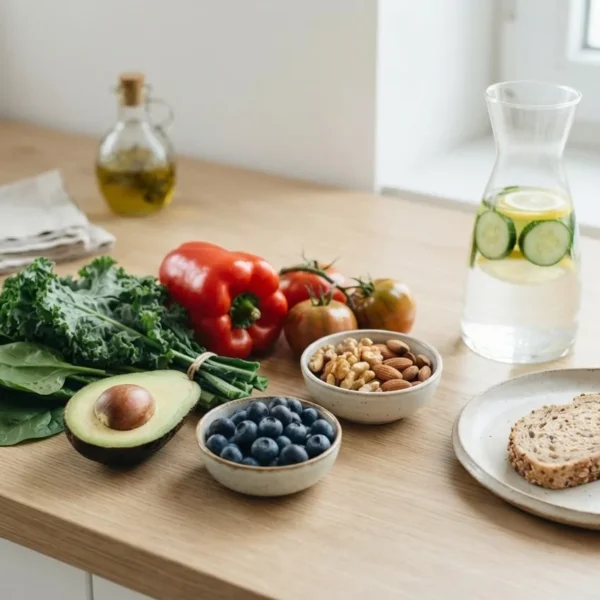
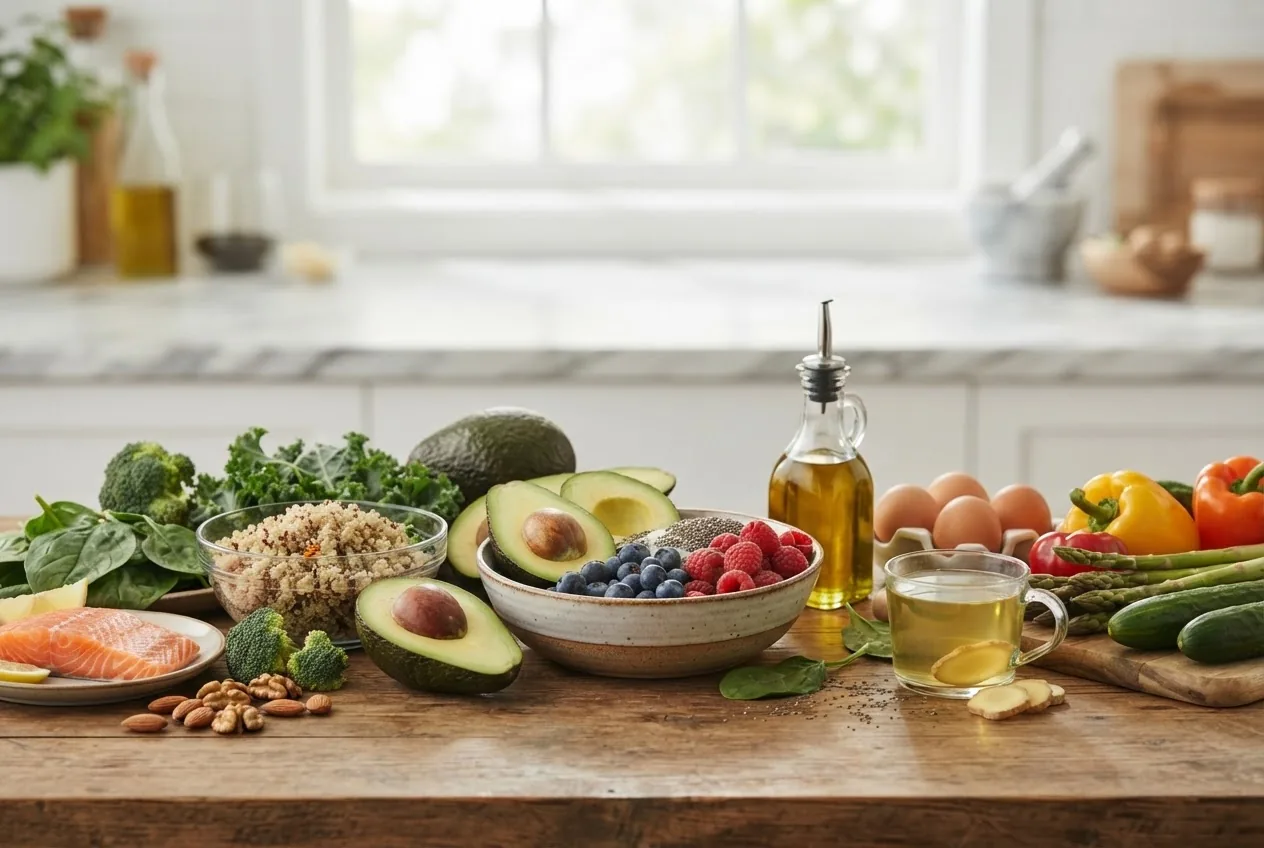
By the end of this hands-on guide you’ll be able to design and follow a practical, Texas-friendly 4–12 week meal and exercise plan that uses targeted belly fat burning foods and meal timing to shrink abdominal fat. Expect to spend 30–60 minutes per week on meal prep; skill level required: basic cooking and a willingness to track portions.
Belly fat burning foods work best inside a planned calorie deficit and with routine strength and aerobic exercise — this guide shows exactly how to pick foods, schedule meals, and combine them with workouts for results you can measure.
Before you start
- Weighing scale or body tape measure; reliable kitchen scale (grams/oz) and measuring cups.
- Notebook or tracking app to log calories, macros, meals, and sleep for 4–12 weeks.
- Basic pantry staples: olive oil, canned beans, oats, brown rice, spices (turmeric, black pepper, cayenne).
- Protein sources: chicken breast, canned tuna/salmon, eggs, Greek yogurt, legumes.
- Access to a gym or simple home equipment (single dumbbells 10–30 lb, resistance band) plus comfortable walking shoes.
- Medical clearance if you have chronic conditions — consult your clinician before major changes.
Understanding Belly Fat and Its Health Impacts
Belly fat refers to both visible subcutaneous fat under the skin and deeper visceral fat that sits around organs. Visceral fat is metabolically active and linked to increased risk for type 2 diabetes, heart disease, and elevated inflammation markers. According to a 2023 NIH report, excess abdominal fat correlates with higher cardiovascular risk factors and insulin resistance.
How fat accumulates: when calorie intake chronically exceeds energy expenditure, adipocytes expand and, depending on genetics and hormones, store more fat centrally (abdomen). Metabolic signals — insulin, cortisol, sex hormones — influence whether fat distributes to the hips, thighs, or belly. Visceral fat responds differently to diet and exercise than subcutaneous fat; it typically reduces faster with weight loss because it’s more metabolically active.
Fat metabolism basics: lipolysis releases fatty acids from adipose tissue through hormone-sensitive lipase; those fatty acids are then oxidized in mitochondria to produce ATP. Key levers to stimulate this process include creating a sustained calorie deficit, increasing daily protein intake, improving insulin sensitivity with low glycemic foods, and including thermogenic foods or activities that slightly raise metabolic rate.
Health impacts to watch for in Texas adults: higher rates of obesity and metabolic syndrome require targeted approaches. According to a 2024 industry report on regional health, communities with higher sugary beverage intake and sedentary jobs show larger increases in central adiposity. Reducing added sugar and saturated fat while increasing fiber and protein is a primary strategy to lower visceral fat and associated health complications.
Transition: With that physiology set, let’s define the foods that actively support these metabolic pathways and how to use them in real meals that fit a Texas lifestyle.
What Are Belly Fat Burning Foods?
Belly fat burning foods are not magic items that spot-reduce fat, but they supply nutrients and compounds that support fat oxidation, improve satiety, regulate blood sugar, and modestly raise metabolism (thermogenesis). Definitions: “thermogenic” means increasing calorie expenditure through digestion or mild metabolic stimulation; “low glycemic” means foods that cause smaller blood sugar spikes, improving insulin response and fat-storage signaling.
Categories and embedded examples:
- Protein-rich foods — lean poultry, fish, eggs, Greek yogurt, legumes. Protein increases thermic effect of food (TEF) and preserves lean mass during a calorie deficit.
- Fiber-rich foods — oats, barley, lentils, vegetables, apples, chia seeds. Fiber improves fullness, slows glucose absorption, and supports gut health.
- Metabolism boosters / thermogenic foods — green tea (EGCG), coffee (caffeine), chili peppers (capsaicin). These produce small but meaningful increases in fat oxidation when paired with exercise.
- Healthy fats — extra-virgin olive oil, avocado, fatty fish (salmon), nuts. Unsaturated fats support satiety and favorable lipid profiles compared to saturated fats.
- Low glycemic complex carbs — sweet potatoes, quinoa, steel-cut oats. These provide steady energy without large insulin spikes.
- Anti-inflammatory foods — berries, leafy greens, turmeric, fatty fish. Lower systemic inflammation supports better metabolic flexibility.
Managing sugar intake is crucial: see the natural vs added sugar guide for detailed sugar facts that support abdominal fat loss strategies.
Why these foods matter together: combining protein + fiber + healthy fats in each meal increases satiety, reduces total calories eaten across the day, and flattens blood sugar peaks. That combination cues the body to use stored fat for energy more consistently than a diet high in refined carbs and added sugars.
Transition: Now that you know the categories, the next section lists the top individual items, what compounds make them effective, and the practical benefits you can expect.
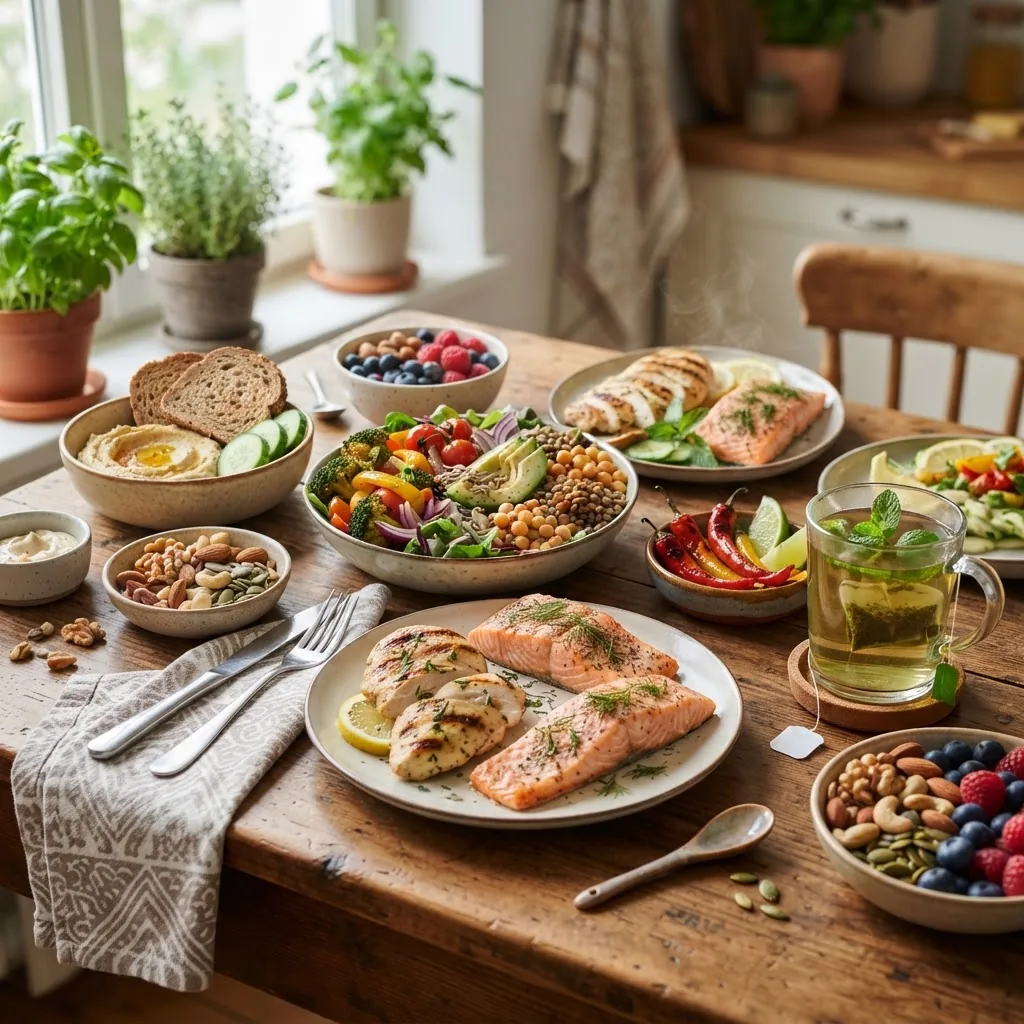
Top Belly Fat Burning Foods List with Benefits
-
Salmon
- High in omega-3s (EPA/DHA) that reduce inflammation and improve fat oxidation — supported by American Heart Association guidance on dietary fish intake (AHA).
- Provides ~22–25 g protein per 100 g cooked portion, preserving lean mass during weight loss.
-
Grilled chicken breast
- Lean protein (31 g per 100 g) with low saturated fat — high TEF aids calorie burning during digestion.
- Versatile for meal prep; portion at 100–150 g per meal for most adults to meet protein goals.
-
Eggs
- Complete protein with ~6 g each and high satiety; eating protein-rich breakfasts reduces daily caloric intake in trials (NIH meta-analyses).
- Choline supports liver fat processing and metabolic health.
-
Greek yogurt (plain, low-fat)
- Provides probiotics and ~10 g protein per 100 g; helps preserve muscle mass and reduce hunger.
- Choose unsweetened versions to avoid added sugars that promote abdominal fat storage.
-
Legumes (lentils, chickpeas, black beans)
- High in fiber (6–16 g per cup cooked) and plant protein; improved satiety reduces snacking on calorie-dense foods.
- Low glycemic index stabilizes blood glucose and insulin responses.
-
Oats (steel-cut)
- Rich in soluble fiber (beta-glucan) which lowers post-meal glucose spikes and supports gut health.
- Slow-digesting carbs that keep energy steady for morning activity or workouts.
-
Chia seeds
- Concentrated fiber and ALA omega-3s; 2 tablespoons provide ~10 g fiber and help expand in the stomach for fullness.
- Useful in puddings or as a thickener to replace higher-calorie sauces.
-
Avocado
- Monounsaturated fats improve satiety and HDL cholesterol when replacing saturated fats (Harvard T.H. Chan Nutrition Source).
- Portion control: 1/4–1/2 medium avocado per meal (30–60 g) adds healthy fats without excess calories.
-
Extra-virgin olive oil
- Monounsaturated fats and polyphenols; 1 tablespoon (14 g) with vegetables promotes fat metabolism and flavor while replacing butter or margarine.
- Associated with better weight maintenance when used in Mediterranean-style patterns (NIH clinical guidelines).
-
Green tea
- Contains EGCG, which supports fat oxidation and modestly raises resting energy expenditure in trials; best consumed 2–3 cups daily for effect.
- Caffeine + EGCG synergy increases thermogenesis during exercise.
-
Black coffee (unsweetened)
- Caffeine boosts short-term metabolic rate and workout intensity; consume 30–60 minutes before exercise for best performance effects.
- Limit to 1–2 cups before midday to avoid sleep disruption affecting weight loss.
-
Chili peppers (capsaicin)
- Capsaicin can increase energy expenditure and reduce appetite slightly — include in meals as seasoning rather than supplements.
- Works best as part of mixed meals with proteins and fiber to maintain comfort and tolerance.
-
Nuts (almonds, walnuts)
- Provide unsaturated fats, protein and fiber; 1 serving = 28 g (a small handful) helps control hunger between meals.
- Track portions: calorie-dense, so limit to 1–2 servings per day when in a calorie deficit.
-
Berries (blueberries, strawberries)
- Low-glycemic, nutrient-dense fruits rich in polyphenols and fiber; 1 cup adds ~3–4 g fiber and antioxidants to blunt post-meal glucose peaks.
- Great as a topping for Greek yogurt or oats to increase volume without high calories.
-
Leafy greens (spinach, kale)
- Very low calorie, high fiber and micronutrients; they increase meal volume and satiety with minimal caloric cost.
- Include 1–2 cups raw per meal or 1 cup cooked to improve fullness and nutrient density.
-
Sweet potatoes
- Lower glycemic than white potatoes when boiled; provide fiber, vitamins and slow-release carbs for satiety.
- Portion: 100–150 g cooked as a complex-carb serving with protein and vegetables.
-
Apple cider vinegar (diluted)
- Small trials show 1–2 tablespoons diluted in water before meals may modestly reduce post-meal glucose spikes and appetite.
- Use as flavoring rather than a solution to replace healthy dietary changes.
Notes on mechanism and evidence: specific compounds like EGCG in green tea and capsaicin in chili peppers produce small thermogenic effects supported by randomized trials and meta-analyses (NIH clinical summaries). Protein’s TEF is ~20–30% of calories consumed, higher than carbs (~5–10%) or fat (~0–3%), which explains why higher-protein diets spare lean mass and improve fat loss efficiency (NIH).
Transition: The foods above form the raw material — next we’ll walk through designing a sustainable diet that uses them to create a realistic calorie deficit while maintaining performance and health.
Designing a Healthy Diet to Lose Stomach Fat
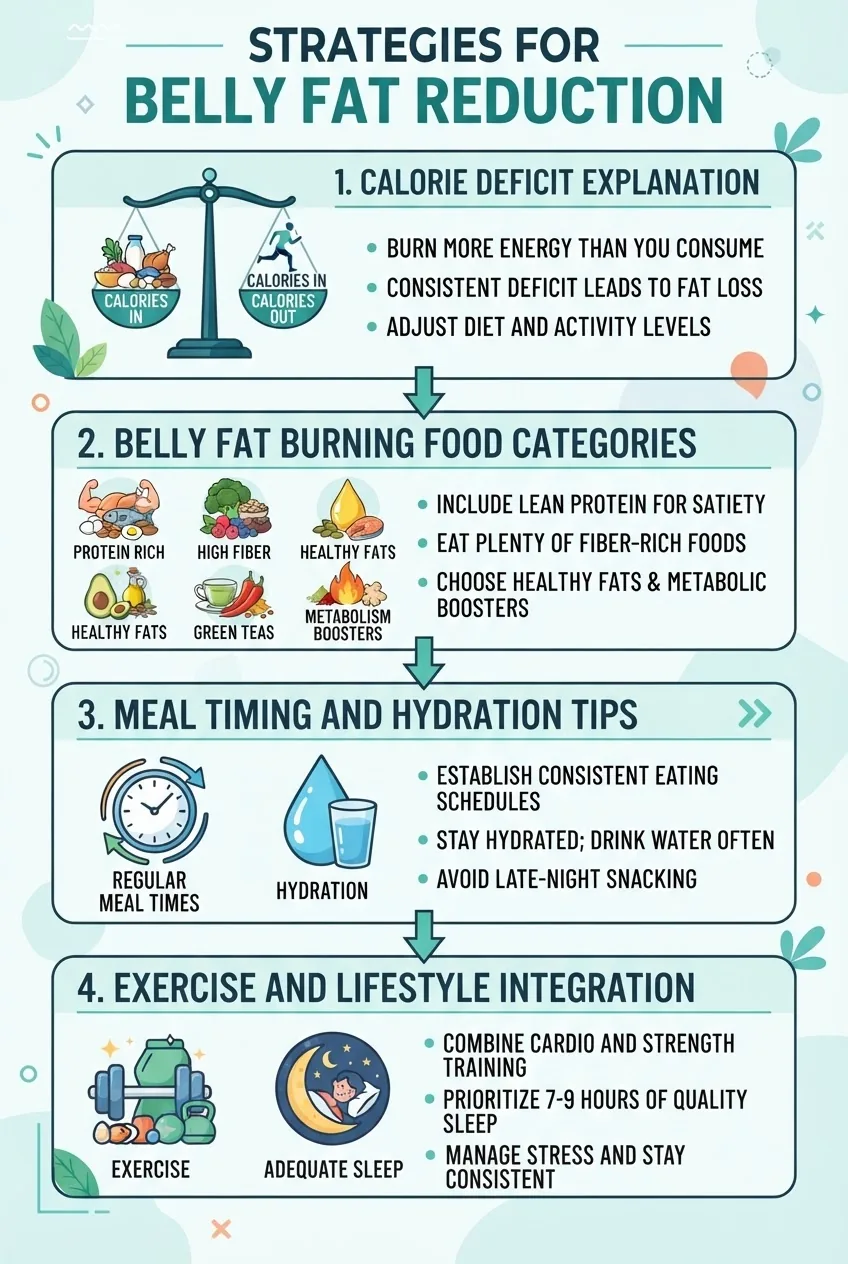
Creating a practical diet requires three clear calculations and behavioral rules: set a safe calorie deficit, prioritize protein and fiber at each meal, and schedule meals to support workouts and sleep. Follow these steps.
- Calculate your daily calorie target: Use the Mifflin-St Jeor equation to estimate resting metabolic rate (RMR) then multiply by activity factor; subtract 300–500 kcal/day for steady, sustainable fat loss. For example, a 40-year-old Texas woman, 5’6″ (168 cm), 165 lb (75 kg) with moderate activity: RMR ≈ 1,450 kcal; maintenance ≈ 1,450 × 1.4 = 2,030 kcal; target for loss = 1,530–1,730 kcal/day. Follow the calorie deficit for fat loss principles for step-by-step math.
- Set protein and macro targets: Aim for 1.2–1.6 g protein/kg body weight (e.g., 75 kg × 1.4 ≈ 105 g protein/day) to protect lean mass. Fill remaining calories with 25–35% fats (favoring unsaturated) and the rest from carbs tuned to activity level. Track with a simple app for the first 2–4 weeks to learn portions.
- Prioritize low glycemic carbs and fiber: Replace refined grains and sugary drinks with whole grains, legumes, vegetables, and fruit. For example, swap a sugary latte (~200 kcal added sugar) for a black coffee + Greek yogurt snack and save ~150–250 kcal/day. For guidance on sugar limits and how to swap, see daily sugar intake recommendations and the blood sugar control for weight loss discussion.
- Plan meal timing around workouts: Eat a protein + carb snack 60–90 minutes before moderate workouts (20–30 g protein + 20–40 g carbs) and a similar recovery meal within 60 minutes after resistance training. For morning fasted cardio, keep intensity moderate and have a protein-rich breakfast after to prevent lean mass loss.
- Hydration and sodium management: Drink 30–35 ml/kg/day (2.5–3.0 L for most adults) and reduce high-sodium processed foods that encourage bloating. Plain water, sparkling water, and unsweetened tea are primary beverages; limit sugary beverages to occasional treats.
- Swap saturated fats for unsaturated fats: Replace butter and fatty cuts with olive oil, nuts, and fatty fish. Follow AHA and Harvard Nutrition Source guidance that favors unsaturated fats for cardiovascular and metabolic health (Harvard T.H. Chan Nutrition Source).
- Use portion control tools and weekly meal prep: Cook 3–4 protein portions (100–150 g cooked), 4–5 cups of roasted vegetables, and 3–4 servings of whole grains on your weekly prep day. Store in 4–6 glass containers for grab-and-go meals.
- Monitor progress with targeted metrics: Track body weight once weekly, waist circumference every 2 weeks (measure at navel level), and performance metrics (e.g., reps or walking pace). If weight stalls for 3–4 weeks, reduce intake by 100–150 kcal or add two 20–30 minute brisk walks weekly.
- Address added sugar and substitutes: Evaluate sweeteners and choose replacements that do not drive extra calories or insulin spikes. Compare options in artificial sweeteners versus natural sugars and consider healthy sugar substitutes for lower-calorie recipes.
- Build adaptability: Plan for three “flex meals” per week (dining out, social events). Use the plate method: half non-starchy vegetables, 25% lean protein, 25% whole grains or starchy veg, and a small healthy fat portion.
Behavior tips: reduce liquid calories, favor high-volume low-calorie foods like vegetables and broth-based soups, and use high-protein breakfasts to reduce late-day snacking. According to a 2022 NIH systematic review, structured behavior change with meal planning increased long-term adherence and improved abdominal fat loss compared to ad-hoc dieting.
Transition: below is a concrete sample day that puts these principles into action with specific portions and timing.
Sample Diet Plan for Belly Fat Loss Including Belly Fat Burning Foods
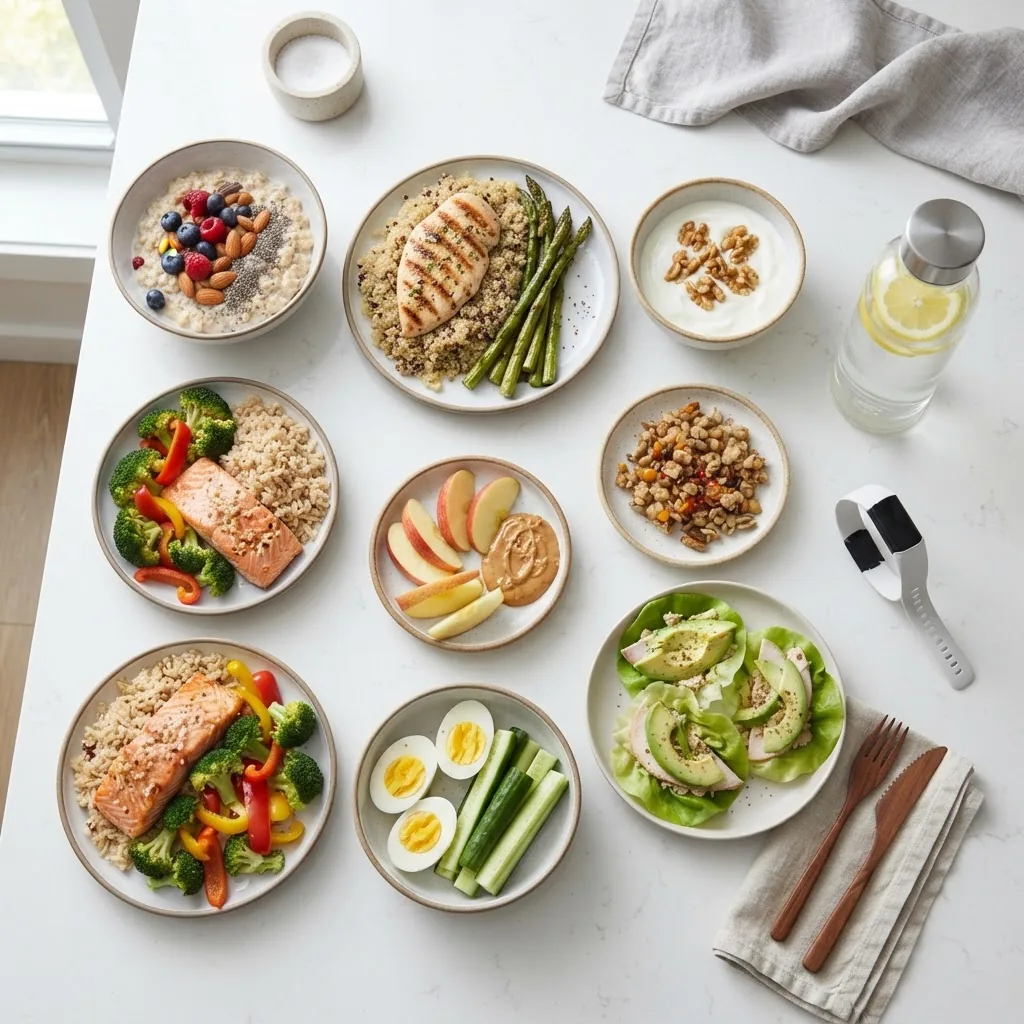
This sample is for a 1,600–1,800 kcal/day plan targeting ~0.5–1 lb (0.25–0.5 kg) weekly loss for most adults. Adjust portion sizes by ±200 kcal for larger/smaller individuals. Aim for 100–130 g protein/day total.
| Meal | What to eat | Portion & timing |
|---|---|---|
| Breakfast (7:00–8:00) | Greek yogurt parfait: 170 g plain Greek yogurt, 1/2 cup mixed berries, 2 tbsp chia seeds, 1 tbsp chopped almonds. | ~350–400 kcal, 28–32 g protein. |
| Mid-morning snack (10:00–10:30) | 1 medium apple + 14 g (1 tbsp) peanut butter or 10–12 almonds. | ~150–180 kcal. |
| Lunch (12:30–13:30) | Grilled chicken salad: 120–150 g grilled chicken, 3 cups mixed greens, 1/2 cup quinoa (cooked), 1/4 avocado, 1 tbsp olive oil + vinegar. | ~450–520 kcal, 35–40 g protein. |
| Pre-workout (if training 16:00) | 1 slice whole-grain toast + 2 tbsp hummus or 1 small banana + 15 g whey protein in water. | ~150–200 kcal, eat 45–75 minutes before. |
| Post-workout / Dinner (18:00–19:00) | Baked salmon 120 g, 1 cup roasted Brussels sprouts, 100 g sweet potato, lemon + 1 tsp olive oil. | ~500–550 kcal, 30–35 g protein. |
| Evening snack (optional, 20:00) | Small bowl (100 g) cottage cheese or 150 g air-popped popcorn with a sprinkle of chili powder. | ~80–120 kcal if needed to meet protein goals. |
Weekly meal prep routine example (real-life): A 35-year-old Austin teacher preps on Sunday for the week: grills 1.5 kg chicken, bakes 6 salmon fillets (120 g each), cooks 6 cups quinoa, chops roasted vegetables, portions into five containers. This routine took 75 minutes and reduced evening cooking by half while improving adherence to the plan — a practical application of the strategy above.
Transition: Food is only one half of the equation; the next section shows how to layer exercise and lifestyle to accelerate abdominal fat reduction safely.
Combining Belly Fat Burning Foods with Exercise and Lifestyle
Nutrition and movement are synergistic: strength training preserves and builds lean mass (raising RMR), while aerobic activity creates caloric expenditure and helps mobilize visceral fat. Sleep and stress management affect hormones like cortisol, which can promote abdominal fat if chronically elevated.
- Strength training: 2–3 sessions/week focused on compound lifts (squats, deadlifts, rows). Use 3 sets of 8–12 reps, 60–90 seconds rest, progressively increasing load every 2 weeks. Expect strength and body-composition improvements in 6–12 weeks.
- High-intensity intervals (HIIT): 10–20 minutes of 1:2 work-rest intervals (e.g., 30s sprint / 60s walk) 1–2 times/week can increase post-exercise fat oxidation.
- Daily activity: 7,000–10,000 steps per day supports calorie burn — break sedentary stretches with 5–10 minute walks every hour.
- Sleep: Aim for 7–9 hours/night. A 2021 NIH meta-analysis links short sleep with higher central adiposity; prioritize consistent bed/wake times to regulate appetite hormones.
- Stress management: Use 10–15 minute daily relaxation (breathing, short walk, or light yoga). Chronic cortisol can increase abdominal fat storage.
- Natural remedies tie-in: Combine diet and lifestyle changes with supportive natural approaches if desired — see natural remedies for blood sugar management for complementary practices.
Tool walkthrough — step-by-step to create your personalized schedule:
- Open your tracker app and enter baseline: input age, weight, height, activity level; set calorie target using steps above.
- Set macro targets: choose protein target (1.2–1.6 g/kg), fats 25–35% calories, remaining calories carbs.
- Build a 7-day meal template: assign meals to times (e.g., 7:00, 12:30, 18:00) and drop in recipes from the sample day; change protein source each day for variety.
- Schedule workouts: block 3 resistance sessions (Mon/Wed/Fri) and 2 cardio sessions (Tue/Thu); place pre/post workout snacks in the template.
- Automate grocery shopping: export the week’s ingredient list, order curbside pickup or schedule a Saturday grocery trip in 60–90 minute blocks.
- Review weekly: measure weight and waist every Monday morning fasted, adjust calories by ±100 kcal if no change for 3 weeks and you are tracking adherence.
Transition: Below are common myths and practical Q&A to clear up misconceptions and keep your plan evidence-based.
Common Myths and FAQs About Belly Fat Burning Foods
Myth: Certain foods can spot-reduce belly fat
Straight answer: No single food causes localized fat loss. Fat loss is systemic; however, foods that improve satiety, insulin sensitivity, and thermogenesis help reduce overall body fat, which will include belly fat over time when in a calorie deficit.
Myth: Skipping meals will melt belly fat faster
Skipping can reduce calories short-term but often increases hunger and poor choices later. Timed eating strategies like consistent meal timing or intermittent fasting can work for some, but the core driver remains total weekly calorie deficit.
Question: Are all fats bad when trying to lose belly fat?
Short answer: No. Replace saturated fats with unsaturated fats (olive oil, avocado, nuts) to support satiety and heart health while controlling total fat calories.
Question: How do I tell a fad from a real food benefit?
Look for randomized controlled trials, meta-analyses, and guidance from institutions like the NIH or AHA. If a single food promises rapid spot reduction in days, it’s likely a fad.
For practical lists of items to limit or avoid when reducing abdominal fat, review foods to avoid to reduce belly fat.
Hands-On Steps: Implementing the Plan (Numbered Practitioner Steps)
Follow these exact steps over the next 12 weeks. Each step begins with a bold action phrase.
- Weigh and measure baseline: Weigh first thing in the morning after voiding; measure waist at the navel with a soft tape; record. Repeat weekly for weight, bi-weekly for waist.
- Set your calorie deficit: Calculate RMR with Mifflin-St Jeor, multiply by activity; subtract 300–500 kcal. Example: A 90 kg man with moderate activity (RMR 1,900) ×1.4 = maintenance 2,660 kcal; target = 2,160–2,360 kcal/day.
- Plan a weekly menu: Create 7 breakfasts, lunches, dinners with specified portions (100–150 g protein portions, 1 cup cooked whole grain, 2 cups vegetables). Stick to 3–4 recipes rotated weekly for simplicity.
- Prep once weekly: Spend 60–90 minutes on Sunday: cook proteins, roast vegetables, portion grains. Label containers with day and reheating instructions (e.g., 90 seconds microwave for salmon).
- Schedule workouts in calendar: Block resistance sessions and cardio; set reminders 60 minutes before to eat a small carb-protein snack. Pre-workout examples: 150 ml low-fat yogurt + 1/2 banana or 20 g whey in water.
- Monitor and adjust: If no change in waist or body weight after 4 weeks and adherence is >80%, reduce daily calories by 100 kcal or add two 20-minute walks weekly. If energy or strength drops, increase protein or slightly raise calories.
- Use thermogenic allies strategically: Drink 2 cups green tea daily, include chili in 3 meals/week, and have 1 small cup black coffee pre-workout. Do not exceed 300–400 mg caffeine/day total to avoid sleep disruption.
- Address plateaus: When hitting a plateau, cycle calories: 10–14 days at target, then 3–5 days at maintenance to reset hormones and adherence before resuming deficit.
Common mistakes and how to avoid them (from practitioner experience)
I once coached a 42-year-old client who cut calories aggressively but neglected protein and strength training; she lost weight but regained belly fat over 6 months. Lesson: preserve lean mass with adequate protein (1.2–1.6 g/kg) and progressive resistance to keep metabolic rate high.
Another common failure I observed is over-reliance on “fat-burning” supplements. People will add a stimulant and ignore portion control; the tiny thermogenic benefit can’t counteract daily caloric surplus. Avoid relying on supplements; prioritize whole foods and portion control instead.
Checklist: Verify your plan
- Calculated calorie target and logged for 7 days.
- Set protein goal (1.2–1.6 g/kg) and track daily intake.
- Weekly meal prep scheduled and completed (60–90 minutes).
- Strength training 2–3x/week and cardio 1–2x/week scheduled.
- Two servings/day of thermogenic or metabolism-support foods (green tea, chili, coffee) in moderation.
- Measured waist and weight baseline recorded and scheduled for weekly/bi-weekly checks.
When to call in a professional
If you have type 2 diabetes, uncontrolled blood pressure, pregnancy, eating disorders, or dramatic metabolic issues, consult a registered dietitian or your physician before implementing this plan. Progressing too quickly or using extreme deficits can worsen health conditions; a clinician can tailor calories and medications safely.
Transition to close: summarize the actionable points and next steps.
Conclusion
This guide equips you to choose and combine belly fat burning foods into a realistic, measurable diet and exercise schedule. Start with the sample day, implement the weekly meal-prep routine, track your numbers, and adapt using the step-by-step tool walkthrough. Expect measurable changes in 4–12 weeks; sustainability beats short-term extremes.
Ready to act? Pick your calorie target, plan your Sunday prep, and schedule your first three workouts. If you want tailored help, consult a registered dietitian or certified trainer to create a personalized plan aligned with your health history.