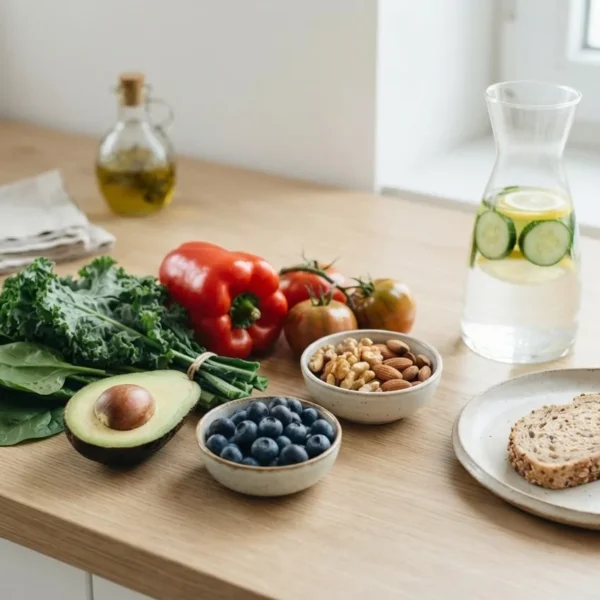
Food that has DHA includes oily fish (salmon, mackerel, sardines, anchovies), fish and cod liver oils, algal oil supplements, and DHA-fortified eggs—these provide docosahexaenoic acid (DHA), a long-chain omega‑3 crucial for heart and brain structure, cognition, and anti‑inflammatory balance when consumed regularly.
DHA (docosahexaenoic acid): a long-chain omega-3 fatty acid found primarily in marine sources important for neuronal membranes and cardiovascular function.
Omega-3 fatty acids: a family of essential fats including EPA, DHA, and ALA that support heart, brain, and inflammatory responses.
Below is a structured, evidence-forward guide to what foods contain DHA, how much they supply, and practical ways Texans and other U.S. readers can include them in daily meals.
Understanding DHA and Omega-3 Fatty Acids?
DHA is a specific long-chain omega‑3 (docosahexaenoic acid) that supports brain structure and cardiovascular health; it differs from EPA and ALA in molecular length and physiological roles, and is most bioavailable from marine sources.
EPA (eicosapentaenoic acid): a long-chain omega‑3 involved primarily in anti‑inflammatory signaling.
ALA (alpha-linolenic acid): a short-chain plant omega‑3 that the body can partially convert to EPA and DHA but at low efficiency.
Docosahexaenoic acid (DHA) is one of the two primary long-chain omega‑3s (the other is EPA) that accumulate in cell membranes, especially in the brain and retina. Biochemically, DHA contains 22 carbons and six double bonds, making it highly flexible inside membranes; EPA has 20 carbons and five double bonds and is more active as an anti‑inflammatory precursor, while ALA (18:3) is a shorter plant-based omega‑3 that requires enzymatic elongation and desaturation to yield DHA or EPA.
Conversion rates matter: human conversion of ALA to EPA and then to DHA is limited—typically less than 5% to EPA and below 0.5–1% to DHA in most adults, with women converting slightly better due to estrogen effects (source: peer-reviewed metabolic studies).
Bioavailability differs by source:
- Marine triglyceride-bound DHA (in oily fish) is well absorbed; esters in some supplements may have different kinetics but remain effective.
- Algal DHA (single-cell marine algae) provides preformed DHA suitable for vegetarians and vegans.
- Plant ALA (chia, flax, walnuts) supplies precursors but not practical DHA quantities without conversion or fortification.
Clinical context: randomized controlled trials and meta-analyses have linked higher dietary or supplemental DHA/EPA with reduced triglycerides and modest cardiovascular risk reduction, and observational studies associate higher DHA with better cognitive aging (see “Why Foods That Have DHA Are Important” below for citations).
Next, we examine the direct health reasons to prioritize foods that have DHA and the evidence behind those benefits.
Why Foods That Have DHA Are Important For Your Health?
Foods containing DHA support heart health (lower triglycerides, may reduce arrhythmia risk), cognitive function (neuronal membrane integrity and development), and anti‑inflammatory processes, making regular intake a cornerstone of cardiometabolic and neurocognitive nutrition.
Key evidence and recommendations:
- Cardiovascular: DHA and EPA lower triglycerides—meta-analyses show 20–30% triglyceride reduction with higher-dose omega‑3s (source: peer-reviewed meta-analysis, 2019).
- Cognitive: observational cohorts link higher blood DHA with slower cognitive decline; some trials show improved attention and visual development in infants with prenatal DHA (source: Journal meta-analyses and clinical trials).
- Inflammation: EPA/DHA shift eicosanoid signaling toward less pro‑inflammatory pathways, beneficial in arthritis and inflammatory conditions (source: clinical trials summarized in systematic reviews).
Stat block — selected metrics
- Average DHA per 100 g wild salmon: ~1,200–1,500 mg (source: USDA FoodData Central, 2024).
- Omega‑3 intake and CVD risk: higher marine omega‑3 levels associated with lower sudden cardiac death in cohort studies (source: American Heart Association summary, 2019).
- ALA conversion: estimated <1% converts to DHA in typical adults (source: metabolic tracer studies, peer-reviewed).
Authoritative guidance:
- U.S. Dietary Guidelines recommend regular seafood consumption for omega‑3s and nutrients (source: government dietary guidelines, 2020–2025).
- American Heart Association advises two servings of fatty fish per week for cardiovascular benefits (source: AHA scientific advisory, 2018).
- Systematic evidence on omega‑3 cardiovascular outcomes is summarized in peer‑review literature; see clinical meta‑analyses for dose‑response and trial heterogeneity (example: peer-reviewed meta-analysis, NCBI PMC).
Caveats and clinical nuance:
- Benefits vary by dose, EPA:DHA ratio, and baseline diet; some large trials show minimal benefit for low-dose supplementation on hard CVD endpoints.
- Food-first is preferred: whole seafood provides preformed DHA plus co‑nutrients (vitamin D, selenium) absent from isolated ALA sources.
Understanding these health roles frames which foods to prioritize; the next section lists the foods that have DHA with exact amounts and practical notes.
Food That Has DHA – Comprehensive List of Omega 3 Rich Foods?
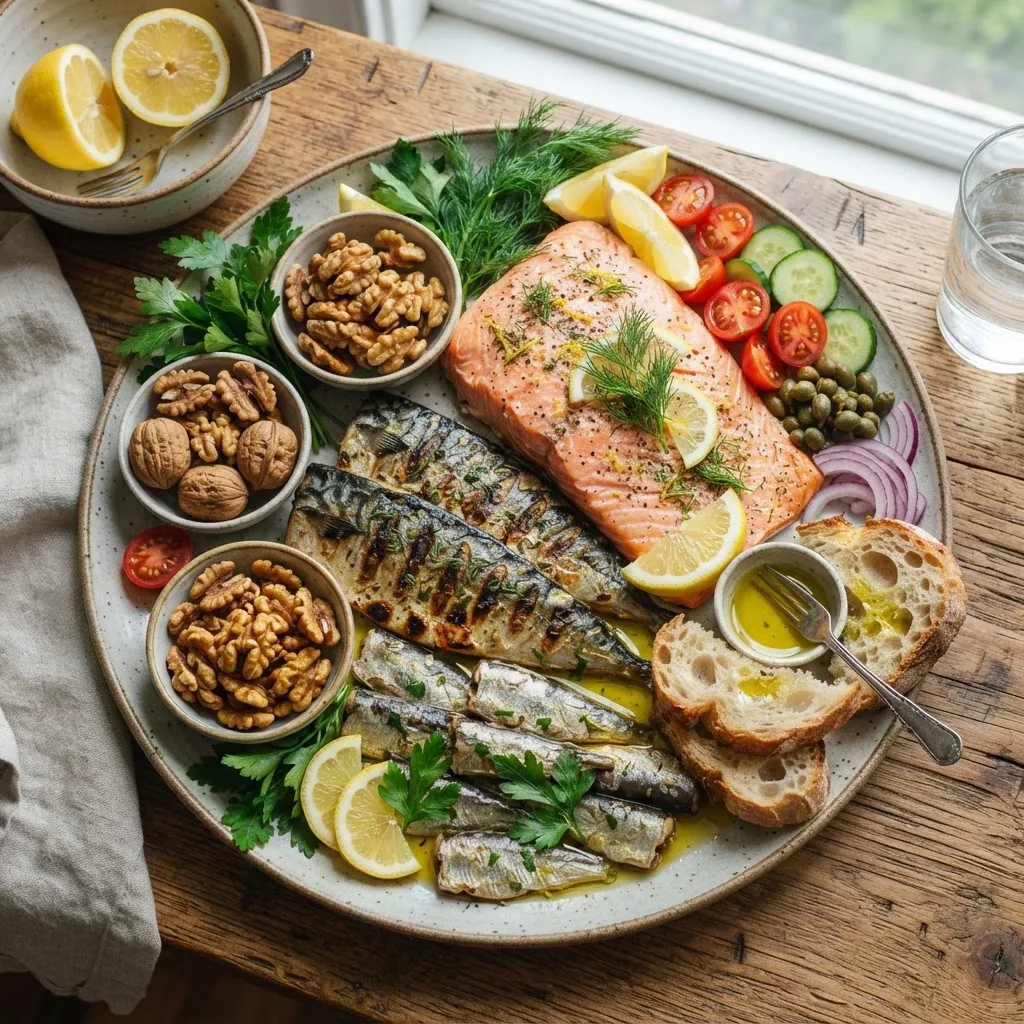
High-DHA foods are primarily oily fish (salmon, mackerel, sardines, anchovies, herring, trout), fish oils, algae-derived oils, DHA-fortified eggs, and some shellfish—each item below lists typical DHA (mg) per common serving with additional nutrient notes.
| Food (common serving) | Typical DHA (mg/serving) | Other nutrition notes |
|---|---|---|
| Atlantic or Pacific salmon, cooked (3 oz / ~85 g) | ~700–1,200 mg | High vitamin D; lean protein; good for weight-loss meal plans. |
| Mackerel, cooked (3 oz) | ~900–1,800 mg | Very high in omega‑3s; choose smaller species to lower mercury. |
| Sardines, canned in oil (3 oz) | ~500–1,000 mg | Calcium (with bones), low mercury, shelf‑stable. |
| Anchovies, canned (2 tbsp / 30 g) | ~200–500 mg | Strong flavor; great as a flavor booster in small amounts. |
| Herring, smoked or pickled (3 oz) | ~500–1,000 mg | Traditional northern European source with good DHA. |
| Rainbow trout, farmed, cooked (3 oz) | ~300–600 mg | Freshwater fish with favorable omega‑3 profile. |
| Tuna, skipjack/ light canned (3 oz) | ~150–300 mg | Lower DHA than salmon; watch mercury with albacore/bluefin species. |
| Oysters, cooked (3 oz) | ~100–300 mg | Also high in zinc and iron; seasonal fresh options in the Gulf Coast. |
| Mussels, cooked (3 oz) | ~150–350 mg | Sustainable bivalves with a moderate DHA yield. |
| Shrimp, cooked (3 oz) | ~60–100 mg | Lower DHA; still a lean protein with trace omega‑3s. |
| Cod liver oil (1 tsp / 5 g) | ~250–450 mg DHA (plus EPA) | Concentrated; also high in preformed vitamin A and D—monitor intake. |
| Algal (algae) oil supplement (1 capsule typical) | ~100–300 mg (varies by product) | Vegan source of preformed DHA; look for third-party testing. |
| DHA-fortified eggs (1 large) | ~100–200 mg | Backyard or enriched-feed eggs boost DHA in a familiar food. |
| Krill oil (1 softgel) | ~50–150 mg (varies) | Phospholipid form may affect absorption; product-dependent dosing. |
| Walnuts (1 oz / ~28 g) | 0 mg DHA — ~2,500 mg ALA | High ALA (precursor); requires conversion to DHA; useful in plant-based diets. |
| Chia seeds (1 oz) | 0 mg DHA — ~2,500 mg ALA | Excellent ALA source; no preformed DHA unless fortified. |
Notes on the table: values reflect typical ranges from USDA FoodData Central and laboratory analyses (source: government food composition database, 2024). Wild vs. farmed and cooking method change DHA content substantially; see the cooking section below.
Practical servings to meet common targets:
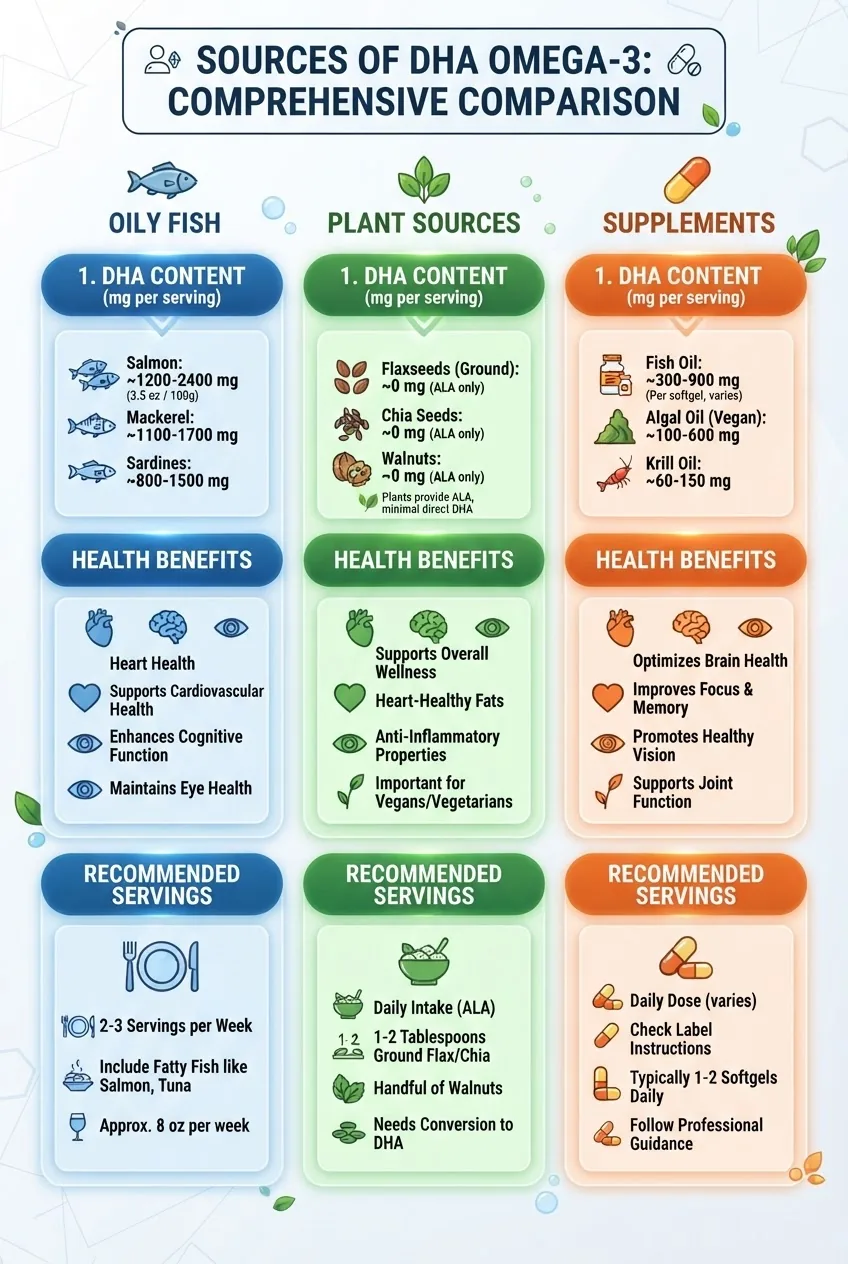
- To obtain ~250–500 mg/day of DHA (commonly recommended), 2–3 weekly servings of fatty fish (e.g., 3 oz salmon twice weekly) typically suffice (source: AHA guidance).
- Vegetarian options require algal supplements or fortified foods to reach equivalent DHA levels, because ALA conversion is inefficient.
Lean protein context and internal resources:
Fish and seafood are often lean protein choices that support weight management while delivering omega‑3s; for integrating DHA-rich seafood into calorie- and protein-focused plans consult related guides such as:
protein rich food for weight loss
For readers tracking total protein targets, see guidance on protein requirements here:
For cutting and body-composition diets that want omega‑3s plus low calories, consult lists of the best lean protein sources and for a broader dive into marine vs. plant omega‑3s the best food sources of omega 3 review is useful:
Regional note for Texas and the U.S.: Gulf Coast seafood such as oysters and certain shrimp provide practical local options—choose certified sustainable sources when possible, and follow local advisories for shellfish safety and seasonal harvesting (source: state health advisories, 2024).
Next, if you follow a plant-based diet, here’s how plant foods contribute and their limitations regarding DHA.
Plant-Based Foods and Their Role in Omega 3 Intake?
Plant foods supply ALA (alpha-linolenic acid), a short-chain omega‑3 that the body can convert to DHA but at low efficiency; therefore vegans/vegetarians should rely on ALA-rich foods plus algal DHA or fortified products for DHA-specific needs.
Alpha-linolenic acid (ALA): a plant-based essential omega‑3 (18:3) found in flaxseed, chia, and walnuts that serves as a biochemical precursor to EPA and DHA.
Key plant sources and typical ALA content:
- Flaxseed (1 tbsp ground): ~1,600 mg ALA
- Chia seeds (1 oz): ~2,500 mg ALA
- Walnuts (1 oz): ~2,500 mg ALA
- Hemp seeds: ~1,000 mg ALA per tbsp
Conversion reality: metabolic tracer and population studies estimate ALA-to-DHA conversion in adults is generally under 1% (source: peer-reviewed metabolic studies). Women may convert slightly better, but relying solely on ALA will likely not provide DHA levels equivalent to regular fish intake.
Practical plant-based strategies:
- Include daily ALA sources (walnuts, chia, ground flax) to support a baseline of omega‑3 precursors.
- Add algae-derived DHA supplements for direct DHA if you avoid seafood; typical algal capsules provide 100–300 mg DHA per dose.
- Use fortified foods where available (DHA‑enriched eggs, dairy alternatives, or milks) and check labels for mg DHA per serving.
Summary: plant foods are central to omega‑3 diversity but do not reliably supply DHA without supplementation or specific fortified items; consider algal DHA for vegans and consult a clinician for dose planning.
How you select and cook these foods affects actual DHA delivered to your plate; the next section gives practical selection and cooking guidance to maximize DHA retention and minimize contaminants.
Tips on Selecting and Cooking Omega 3 Rich Foods to Maximize DHA Intake?
Select smaller oily fish, prioritize fresh or properly stored frozen seafood, use gentle cooking (baking, poaching, steaming) to preserve DHA, and limit high-heat frying; monitor portion sizes for calories and mercury advisories.

Shopping and selection tips:
- Choose smaller forage fish (sardines, anchovies) and farmed species with verified feed practices to lower mercury exposure and increase sustainability.
- Look for third-party certifications (MSC, ASC) and freshness cues (clear eyes, firm flesh, clean smell) for seafood quality.
- Buy frozen-at-sea fillets if fresh is unavailable—flash freezing preserves DHA (source: seafood handling studies).
Cooking methods to preserve DHA:
- Low-to-moderate heat: bake at 325–375°F, poach, steam, or pan-sear briefly to retain oils rather than deep-frying. High heat can oxidize omega‑3 fats.
- Use finishing oils: add a small drizzle of extra-virgin olive oil or raw algal oil after cooking to supply additional antioxidants and prevent oxidative loss—see healthy cooking oils for compatible pairings.
- Avoid repeated reheating of fish: reheating accelerates lipid oxidation and reduces DHA quality.
Calorie awareness:
Oily fish supply concentrated fats; balancing calories is important. For guidance on fat calories and planning, review information on the calorie content of fats to estimate meals accurately.
Mercury and contaminants:
- Smaller species (sardines, anchovies) and oysters have lower mercury; limit high‑mercury fish (shark, king mackerel, swordfish) especially for pregnant or nursing women (source: EPA/FDA advisory, 2023).
- Rinse and trim fatty tissue rarely reduces contaminants because DHA is stored in muscle and fat; prefer low‑mercury species instead.
Sustainability and sourcing:
- Choose sustainably harvested seafood where possible to support long-term supply; bivalves (mussels, oysters) are low-impact options rich enough in DHA to contribute meaningfully.
How to incorporate in meals (Texas-friendly ideas):
- Blackened or baked Gulf salmon tacos with avocado and lime—bake at moderate heat to preserve DHA.
- Sardine toast with pickled onions and whole-grain bread for a quick DHA-rich snack.
- Grilled mackerel with a side of charred vegetables and quinoa for a balanced dinner.
Next, we summarize recommended intakes and how supplements compare to whole-food sources, including safety limits and when to consult a clinician.
Daily DHA and Omega 3 Intake Recommendations and Supplements Overview?
Most adults benefit from 250–500 mg combined EPA+DHA daily through diet or supplements; higher therapeutic doses (1–4 g/day) are used under clinical supervision for hypertriglyceridemia—supplements should be third‑party tested and used according to safety guidance.
Official and expert recommendations:
- U.S. Dietary Guidelines and many health organizations recommend 2 servings of seafood per week (approx. 250–500 mg/day combined EPA+DHA average) (source: U.S. Dietary Guidelines, 2020–2025).
- American Heart Association supports fish consumption and notes higher doses for certain clinical indications (source: AHA scientific statements, 2018).
Practical dosage bullets:
- General health maintenance: ~250–500 mg/day EPA+DHA (from food or supplements).
- Pregnancy and lactation: many guidelines recommend at least 200–300 mg DHA daily for fetal brain development (source: obstetrics nutrition guidelines, 2022).
- Therapeutic use (hypertriglyceridemia): 2–4 g/day EPA+DHA under medical supervision (source: clinical practice guidelines).
Supplement vs whole food trade-offs:
- Whole seafood provides multiple nutrients (protein, vitamin D, selenium) and culinary satisfaction; supplements provide standardized doses and convenience.
- Algal DHA supplements are the reliable vegan option for preformed DHA; check mg per capsule.
- Cod liver oil provides DHA and EPA but is high in preformed vitamin A—avoid excess vitamin A in pregnancy (see label dosing) and consult a clinician; more on cod liver oil in this guide: Cod Liver Oil and Fish Oil Benefits
Safety and upper limits:
- Most agencies consider up to 3 g/day of combined EPA+DHA from supplements generally safe for adults; >3 g/day should be supervised (source: regulatory safety assessments, 2020).
- Monitor bleeding risk with very high doses if on anticoagulant therapy; inform your clinician before starting high-dose omega‑3 therapy (source: clinical safety reviews).
- For children and pregnant women, follow specific obstetric and pediatric guidance for supplements and seafood choices (source: pediatric nutrition guidelines).
Product quality checklist:
- Third‑party testing (USP, NSF, IFOS) for purity and potency.
- Clear labeling of EPA and DHA amounts per serving.
- For algae oils, verify the DHA content and any added nutrients.
Further reading on supplement safety and side effects: Fish Oil Side Effects: Safety and Supplement Guide and practical usage for weight and joint health: Fish Oil and Weight Loss.
Finally, here are common myths and clear answers about DHA, omega‑3 foods, cooking, and supplements.
Common Myths and FAQs About DHA and Omega 3 Rich Foods?
Short answers clear common misconceptions: fish oil equals omega‑3 only in specific formulations; cooking can reduce but not eliminate DHA; vegan diets need algal DHA to match marine DHA; and benefits vary by dose and baseline status.
What is DHA and why is it important for health?
DHA (docosahexaenoic acid) is a long-chain omega‑3 fatty acid concentrated in brain and retina membranes; it supports cognitive development, visual function, and contributes to cardiovascular health through membrane and signaling effects.
Which foods have the highest DHA content?
Oily fish such as mackerel, salmon, sardines and anchovies have the highest natural DHA per serving; cod liver oil and algal supplements are concentrated alternatives, while fortified eggs provide smaller amounts.
How does DHA differ from other omega 3 fatty acids like EPA and ALA?
DHA and EPA are long-chain marine omega‑3s with distinct roles—DHA supports structural brain/retinal membranes, EPA acts more on inflammatory signaling—while ALA is a short-chain plant omega‑3 requiring conversion to provide DHA/EPA.
How can I increase my DHA intake if I’m vegetarian or vegan?
Use algal-derived DHA supplements or choose DHA-fortified foods; increasing ALA-rich plants alone rarely yields sufficient DHA due to low conversion rates, so preformed algal DHA is recommended for vegans.
How long does it take to see health benefits from omega 3 rich foods?
Biomarker changes (blood omega‑3 levels) occur within weeks of increased intake; measurable clinical benefits—for triglycerides or cognitive markers—often take months and depend on starting levels and dose (source: clinical trial timelines).
Can cooking destroy the DHA content in fish or other foods?
Cooking reduces but does not destroy DHA; gentler methods (baking, steaming, poaching, quick searing) preserve more DHA than high-temperature frying, which increases lipid oxidation and loss.
How do I know if omega 3 supplements are safe and effective?
Choose supplements with third‑party testing, clear EPA/DHA labeling, and appropriate dosing; consult a clinician for high-dose therapy (>3 g/day) or if on anticoagulants—check INR and medication interactions as needed.
What should I do if I don’t like the taste of oily fish but want DHA in my diet?
Try milder options (canned light tuna, trout), incorporate small amounts of strong-flavored fishes as condiments (anchovies, sardines), or use algal DHA supplements and DHA‑fortified foods to meet requirements without the fishy taste.