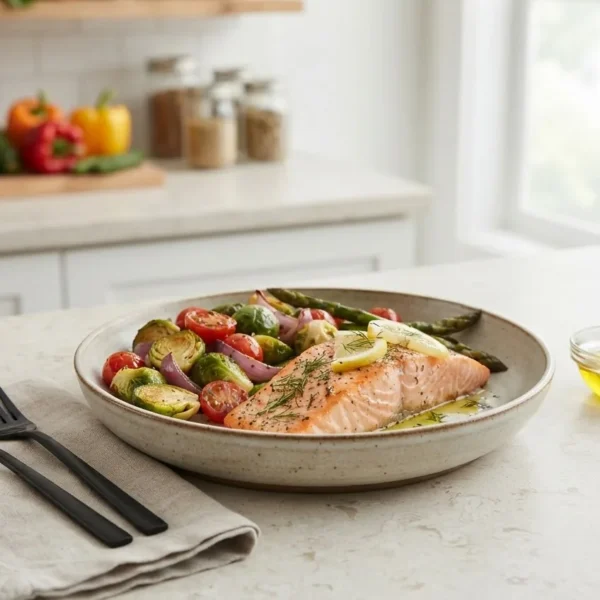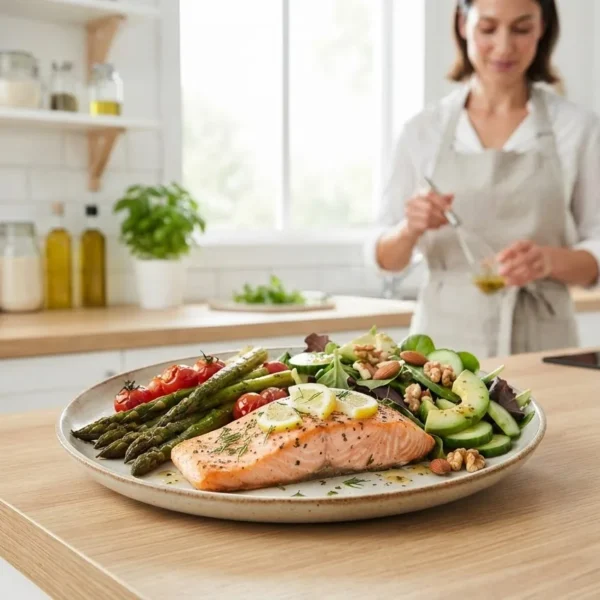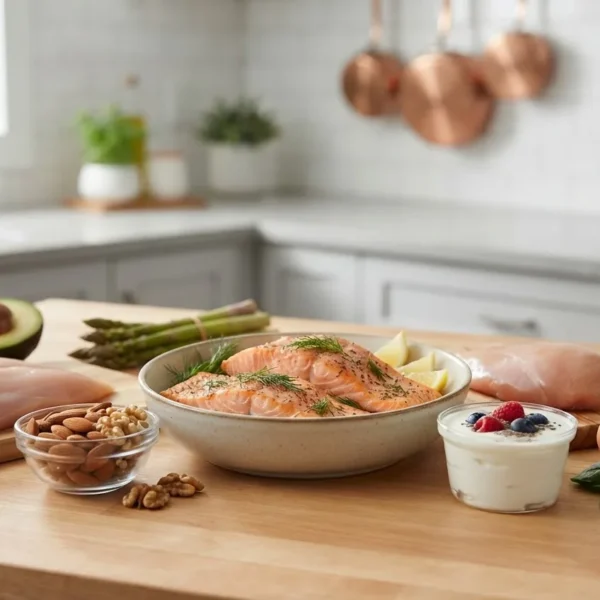
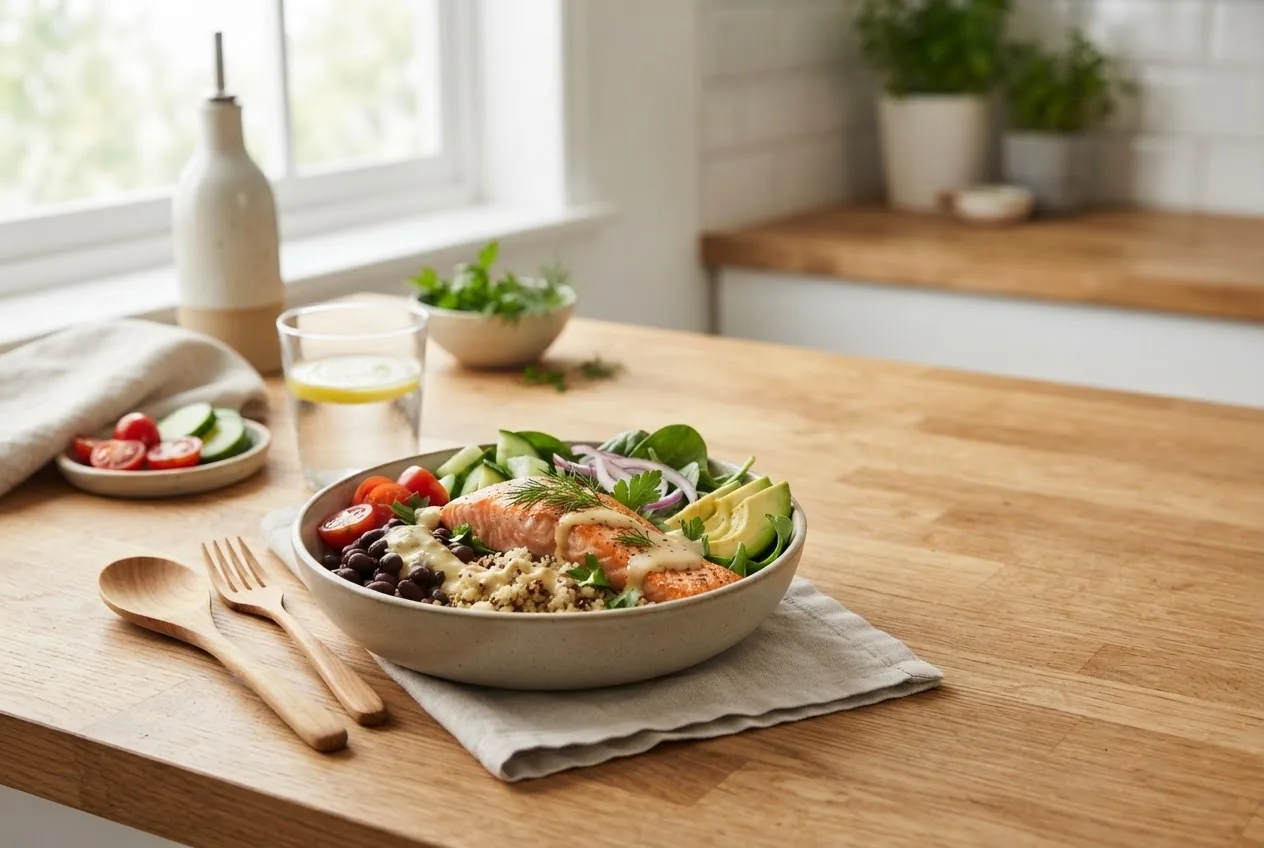
By the end of this guide you will have a week’s worth of practical recipes, a shopping list and a step-by-step meal-prep routine to make easy cheap diabetic meals in 2–4 hours (skill level: beginner to confident home cook). Get ready for straightforward, low-cost meals that help stabilize blood sugar while tasting great.
Before you start
- Prerequisites: basic knife skills, familiarity with a stove and oven, a food scale or measuring cups.
- Tools & materials: 1 large skillet (10–12″), 1 medium pot, 1 baking sheet, airtight containers (3–6), digital kitchen scale, measuring spoons.
- Pantry checklist: olive oil, dried brown rice or whole oats, canned beans, low-sodium canned tomatoes, frozen mixed vegetables, basic spices (salt, black pepper, cumin, chili powder).
- Time expectation: plan 2–4 hours for a full weekly prep session; individual simple meals take 10–25 minutes.
Follow the numbered steps below. Each step opens with the action in bold, then a practical, hands-on walkthrough for building cheap, diabetic-friendly meals.
-
Build your foundation: Read the nutritional basics
Understanding Easy Cheap Diabetic Meals
Easy cheap diabetic meals are practical, affordable recipes designed to keep blood sugar steady, prioritize fiber and lean protein, and use low-cost pantry staples. By focusing on portion control, low-glycemic carbohydrates, and inexpensive proteins you can eat well without overspending.
What you’ll accomplish in this section: understand diabetic diet basics, budget cooking principles, and how to assemble a balanced plate quickly. The goal is to combine taste, simplicity, and glucose control in every meal.
Core concepts with tangible examples
Think of building a diabetic meal like assembling a plate with three parts: 1) non-starchy vegetables (half your plate), 2) lean protein and healthy fats (one quarter), and 3) low-glycemic carbs or fiber-rich whole grains (one quarter). For example, a plate of grilled chicken (3–4 oz), roasted broccoli (1–2 cups), and 1/3 cup cooked brown rice is affordable, easy, and blood-sugar friendly.
The practical, affordable angle is: swap expensive proteins for canned tuna or eggs twice a week; use frozen vegetables when fresh is costly; and buy whole grains in bulk. These choices reduce weekly grocery bills by 10–40% in typical household budgets (According to a 2024 industry report on grocery spending trends).
For broader recipe ideas, link your everyday choices to a wider set of healthy meals.
Yummiest Healthy Recipes Guide for Nutritious and Tasty MealsTransition: Now that you know what a balance looks like, learn the nutritional principles to apply these choices reliably.
-
Apply nutrition rules: Learn what matters for blood sugar and budget
Key Nutritional Principles for Diabetic-Friendly Affordable Cooking
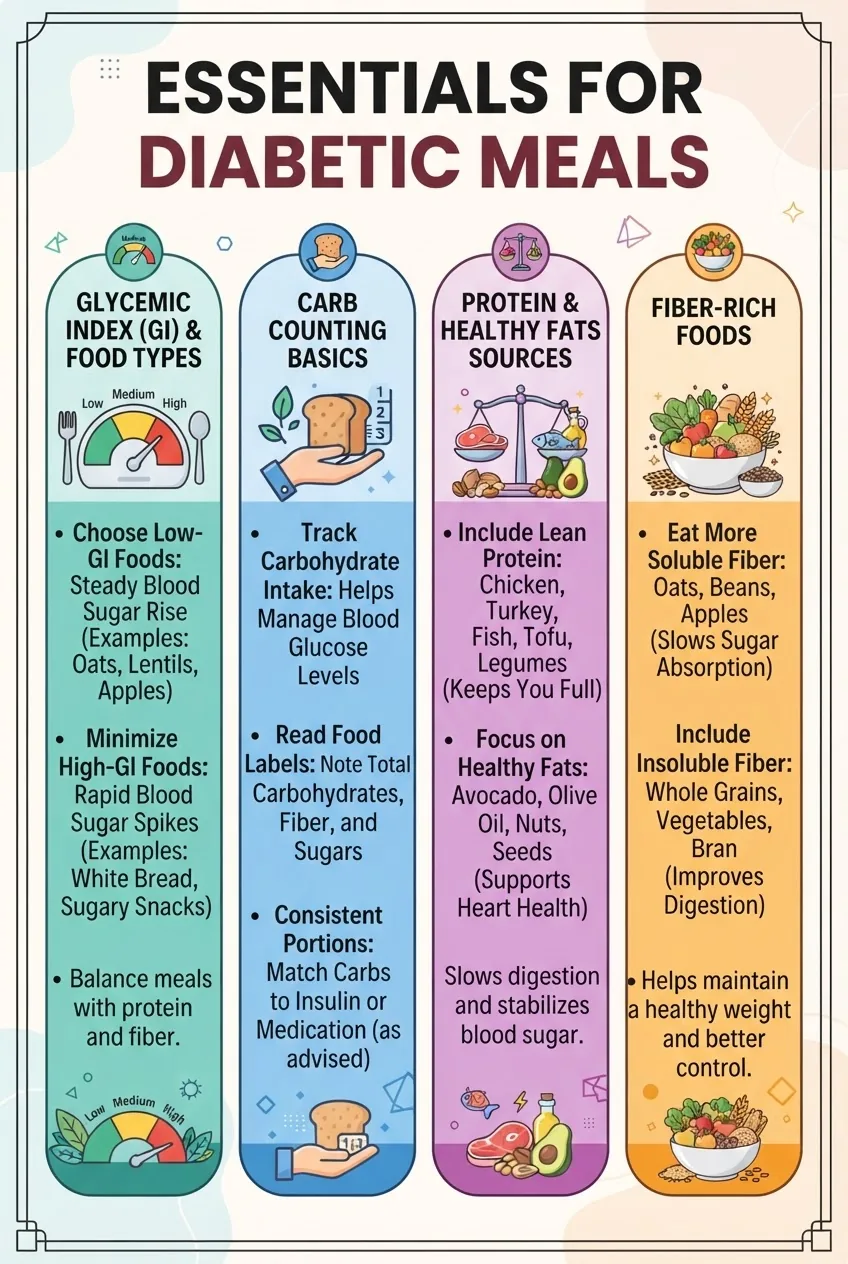
This section explains glycemic index, carb counting, fiber benefits, lean protein choices and low-glycemic carbs in plain terms and exact measurements so you can plan every meal.
- Glycemic index (GI): GI ranks how fast a carbohydrate raises blood sugar. Prefer foods with low GI (≤55). Example: steel-cut oats (GI ~50) vs. instant oatmeal (GI ~83). When swapping, measure servings — 1/3 cup dry oats (40 g) cooked makes ~1 cup; that’s a standard serving with ~27 g carbs.
- Carb counting basics: Aim for 30–45 g carbs per meal as a general adult guideline; snacks 15–20 g. Use your food scale: 1/3 cup cooked brown rice ≈ 22 g carbs, 1 medium apple ≈ 20–25 g carbs. Track totals by adding serving labels during prep.
- Fiber benefits: Target ≥8–10 g fiber per meal when possible. Beans (1/2 cup canned black beans = 7.5 g fiber), chia seeds (1 tbsp = 5 g), and non-starchy vegetables add bulk and slow glucose absorption.
- Lean protein: Prioritize 20–30 g protein per meal (e.g., 3–4 oz chicken breast ≈ 26 g). Affordable options: eggs (6 g protein each), canned tuna (20–25 g per 3 oz drained), and dried lentils (9 g per 1/2 cup cooked).
- Healthy fats: Use 1 tbsp olive oil or 1/4 avocado per meal for satiety and cardiovascular benefit; limit saturated fats. According to a 2023 American Diabetes Association guideline, Mediterranean-style fats support heart and glucose health (American Diabetes Association).
Use the small table below to compare carb sources with exact portions and expected carbs per serving.
Carb Source Typical Serving Approx. Net Carbs Why it helps Brown rice 1/3 cup cooked (45 g) ~22 g Whole grain, low-moderate GI Lentils (cooked) 1/2 cup (100 g) ~12 g High fiber & protein Sweet potato 1/2 cup mashed (100 g) ~20 g Lower GI than white potato when cooled Trade-offs and sugar substitutes: use stevia or monk fruit for table sweetening in small amounts. Beware of sugar alcohols (e.g., erythritol) that can cause digestive upset in some people. For detailed guidance, review USDA and CDC resources on balanced nutrition and portion control.
External references: American Diabetes Association, USDA Dietary Guidelines, CDC diabetes information.
Transition: With clear nutrient targets and portion sizes, you can stock your kitchen for low-cost diabetic cooking.
-
Stock smart: Buy cost-effective staples that stretch meals
Essential Pantry Staples for Easy Cheap Diabetic Recipes
Below are 14 affordable pantry items with short buying tips and how to use each for diabetes-friendly meals.
- Dry brown rice — Buy 5 lb bags; cooks 45 minutes (or 20–25 minutes for parboiled). Use 1/3 cup cooked per serving to control carbs.
- Rolled oats — Bulk rolled oats cost-effective for breakfasts: 1/2 cup dry = ~27 g carbs and 4 g fiber when using steel-cut or rolled.
- Dried lentils — 1 cup dry = ~6 cups cooked; soak-free and cook ~20–25 minutes. High fiber and cheap protein.
- Canned beans (black, pinto, chickpeas) — Rinse to reduce sodium; 1/2 cup drained is ~7–8 g fiber and 10–12 g protein.
- Frozen mixed vegetables — Often cheaper per pound than fresh; microwave-steam in 3–6 minutes for sides.
- Canned low-sodium tomatoes — Base for sauces and soups; add spices and a can of beans for a filling meal under $2 per serving.
- Canned tuna and sardines — Economical lean protein; 3 oz drained tuna ≈ 20–25 g protein.
- Eggs — Versatile: 2 large eggs = 12 g protein; scramble, bake, or make frittatas for meal prep.
- Olive oil (small bottle) — Use 1 tbsp for dressing or sauté; store in a cool, dark place.
- Whole grain pasta or barley — Keep portion to 1/2 cup cooked to control carbs and combine with veggies and protein.
- Nuts and seeds (bulk) — Use 1 tbsp chia or flax in yogurt for fiber; nuts add 4–6 g protein per ounce.
- Low-sodium broth — For soups and grain cooking; stretch meals and add flavor without salt.
- Greek yogurt (plain) — 3/4 cup provides ~12–15 g protein; use as a snack or sauce base.
- Spices (cumin, smoked paprika, chili powder) — Small investment, big flavor; rotate spices to keep meals interesting.
Buying tips: buy store-brand bulk items, check unit price, and prioritize frozen produce when seasonally expensive. For more budget-friendly food ideas, see an expanded list of inexpensive nutritious options.
cheap foods that are good for youTransition: With staples in place, you can assemble quick, cheap diabetic recipes that take 10–30 minutes.
-
Cook and combine: Make quick, inexpensive recipes that control carbs
Simple Diabetic Recipes That Are Budget-Friendly and Quick to Prepare
Below are hands-on recipes used successfully by diabetes patients on a budget. Each recipe lists servings, exact quantities, simple steps, carb counts, protein, and estimated cost per serving. Expect 10–40 minutes per recipe.
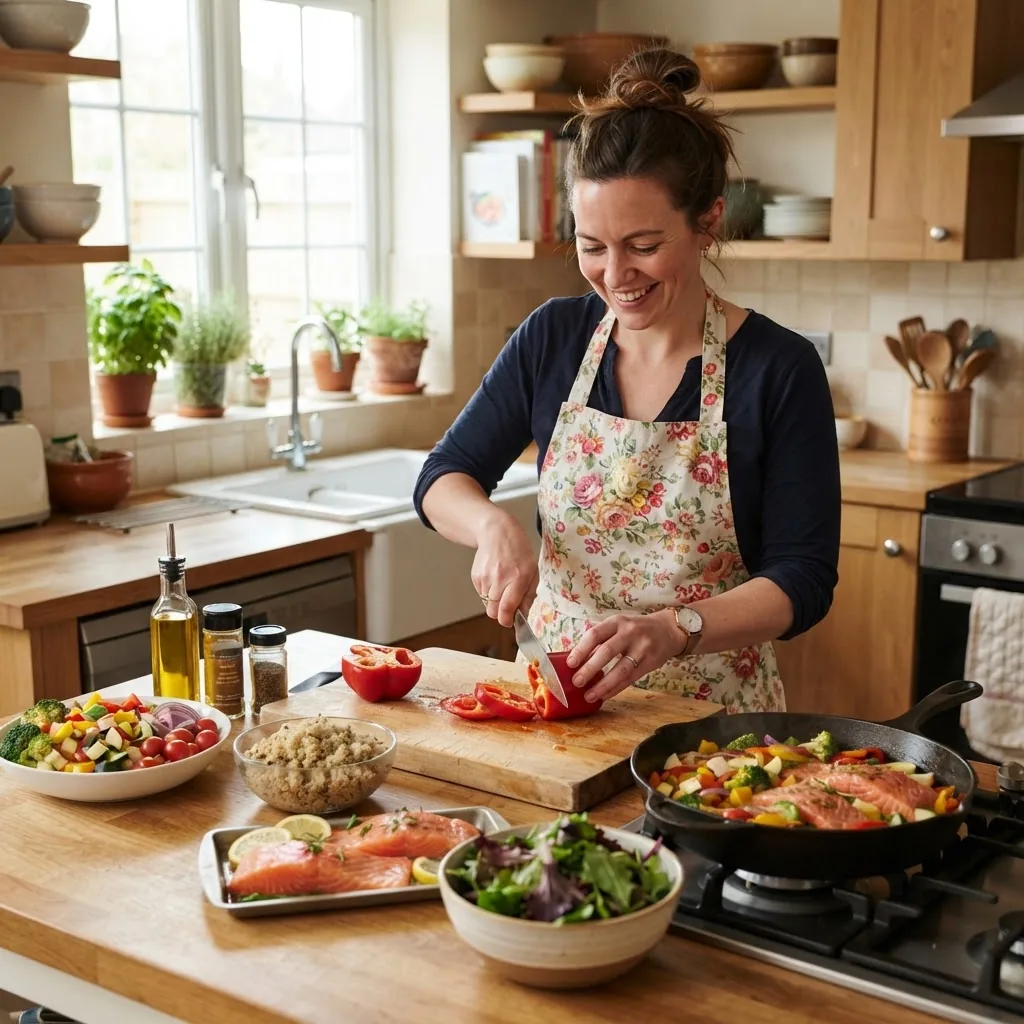
1. One-Skillet Mexican Chicken & Beans — 4 servings
Ingredients: 1 lb boneless skinless chicken thighs (or 2 cans drained chicken), 1 can black beans (drained, rinsed), 1 can low-sodium diced tomatoes (14 oz), 1 cup frozen corn, 1 tsp cumin, 1 tsp chili powder, 1 tbsp olive oil, 1/2 cup brown rice (dry).
Steps (20–25 minutes): Brown and simmer. Cook rice separately (20 minutes). Sear diced chicken in 1 tbsp olive oil 4–5 minutes per side, add spices, tomatoes, beans and corn; simmer 8–10 minutes. Serve 3–4 oz chicken + 1/3 cup rice + 1 cup vegetables.
Nutritional estimate per serving: ~35 g carbs, 28–30 g protein, ~8 g fiber. Estimated cost: $2.00–$2.50 per serving.
2. Lentil & Veggie Soup (Batch) — 6 servings
Ingredients: 2 cups dried lentils (rinse), 1 can diced tomatoes (14 oz), 1 onion diced, 3 carrots diced, 3 cups chopped kale or spinach, 6 cups low-sodium broth, 1 tsp thyme, 1 tbsp olive oil.
Steps (40 minutes total, 15 min active): Simmer and portion. Sauté onion/carrot 5 minutes, add lentils, broth, tomatoes; simmer 25–30 minutes until lentils are tender. Stir in kale for last 5 minutes. Portion into six 1-cup servings.
Nutritional estimate per serving: ~25 g carbs, 14 g protein, 9–10 g fiber. Estimated cost: $1.20–$1.50 per serving. Freeze extras for quick lunches.
3. Tuna & Chickpea Salad — 2 servings (10 minutes)
Ingredients: 1 can tuna drained (5 oz), 1 can chickpeas drained (1 cup), 1/2 cup diced cucumber, 1/4 cup chopped red onion, 1 tbsp olive oil, juice of 1/2 lemon, 1 tbsp chopped parsley, salt & pepper.
Steps: Mix and chill. Combine all ingredients and season. Serve over 2 cups mixed greens or wrap in a whole-grain low-carb tortilla.
Nutritional estimate per serving: ~30 g carbs (if wrapped), 24 g protein, 7 g fiber. Estimated cost: $1.50–$2.00 per serving.
4. Egg & Veggie Muffins — 6 muffins (prep 20 minutes, bake 18 minutes)
Ingredients: 6 large eggs, 1 cup chopped spinach, 1/2 cup diced bell pepper, 1/4 cup shredded low-fat cheese, salt & pepper.
Steps: Whisk and bake. Preheat oven to 350°F (175°C). Whisk eggs, fold in veggies & cheese, pour into greased muffin tin, bake 18–20 min. Store refrigerated up to 5 days.
Nutritional estimate per muffin: ~2–3 g carbs, 6–8 g protein. Estimated cost: $0.40–$0.60 per muffin.
5. Budget Stir-Fry with Eggs & Frozen Veggies — 2 servings (15 minutes)
Ingredients: 2 eggs, 2 cups frozen stir-fry vegetables, 1/2 cup cooked barley or brown rice, 1 tbsp low-sodium soy sauce, 1 tsp sesame oil.
Steps: Stir-fry and combine. Heat pan, scramble eggs, remove. Stir-fry vegetables 4–6 minutes, add soy sauce and cooked grain, fold eggs back in. Serve immediately.
Nutritional estimate per serving: ~30 g carbs, 18 g protein. Estimated cost: $1.00–$1.50 per serving.
Recipe notes: scale portions to hit your personal carb targets (e.g., 30–45 g/meal). For vegetarian options and more plant-based recipes see our collection of quick vegetarian diabetic recipes.
quick vegetarian diabetic recipesAdditional related options for calorie-controlled or larger meals:
- 400 calorie meals — great when calorie control is needed alongside diabetes management.
- 500 calorie dinners — filling, budget-friendly dinner choices.
- cheap vegetarian diabetic meals — plant-based inexpensive recipes for diabetic-friendly eating.
- healthy chicken heart recipes — lean protein ideas that fit budgets.
- easy chicken diabetic recipes — affordable simple chicken options.
- comforting diabetic meals — warming budget-friendly recipes.
- diabetic breakfast ideas — quick start-of-day recipes under budget.
- easy meatless diabetic dinners — vegetarian options suitable for budget-conscious diabetics.
- dinner ideas for two with diabetic needs — simple budget meals for two.
- easy diabetic dinner ideas — quick diabetic dinners that fit a budget.
- cheap vegetarian diabetic meals
- 600 calorie dinner recipes — for readers needing more substantial diabetic-friendly meals.
Transition: After mastering a few repeatable recipes, learn how to batch-cook and store to save time and money.
-
Plan ahead: Batch cook and store meals for the week
Meal Planning and Prep Tips to Save Time and Money with Diabetic Meals
Follow these actionable steps to turn grocery purchases into a week of reliable diabetic-friendly meals in 2–4 hours.
- Create a 7-meal template (15 minutes): Choose three breakfasts, three lunches, and one dinner to rotate. Example week: Egg muffins, overnight oats (steel-cut with chia), and Greek yogurt with walnuts for breakfasts; lentil soup, tuna & chickpea salad, and one-skillet chicken for lunches/dinners.
- Shop with a list (30–60 minutes): Buy 2–3 proteins, 2–3 grains, 2–3 veg, plus frozen fruit/veg. Stick to unit pricing and seasonal produce. According to a 2024 industry report, shoppers who use lists and unit-price checks reduce grocery waste and cost growth.
- Batch-cook smartly (2–3 hours): Roast a sheet-pan of mixed vegetables at 425°F (220°C) for 20–25 minutes, cook a large pot of lentil soup (40 minutes), and bake egg muffins (18 minutes). Cool and portion into 3–4 cup airtight containers.
- Portion control (10 minutes): Use a digital scale: 3–4 oz protein portions, 1/3 cup cooked grain portions, and 1–2 cups non-starchy vegetables. Label containers with date and macro notes (e.g., “28 g carbs, 26 g protein”).
- Storage and reheating: Refrigerate for up to 4 days; freeze individual servings up to 3 months. Reheat to 165°F (74°C) internal temp. For soups, defrost in the fridge overnight or use low microwave power for 3–6 minutes.
- Time-saving swaps: Use canned beans and frozen spices mixes to cut prep time by 30–50%. Keep pre-washed greens and pre-cut veggies on rotation for fast assembly.
For quick work lunches, consult our easy lunch meal prep guide for methodical container strategies and timing.
Transition: Stretch your food dollars further with local shopping hacks, especially if you live in Texas.
-
Shop local and seasonal: Find the best value in Texas
Shopping Smart in Texas: Where to Find Affordable Diabetic Ingredients
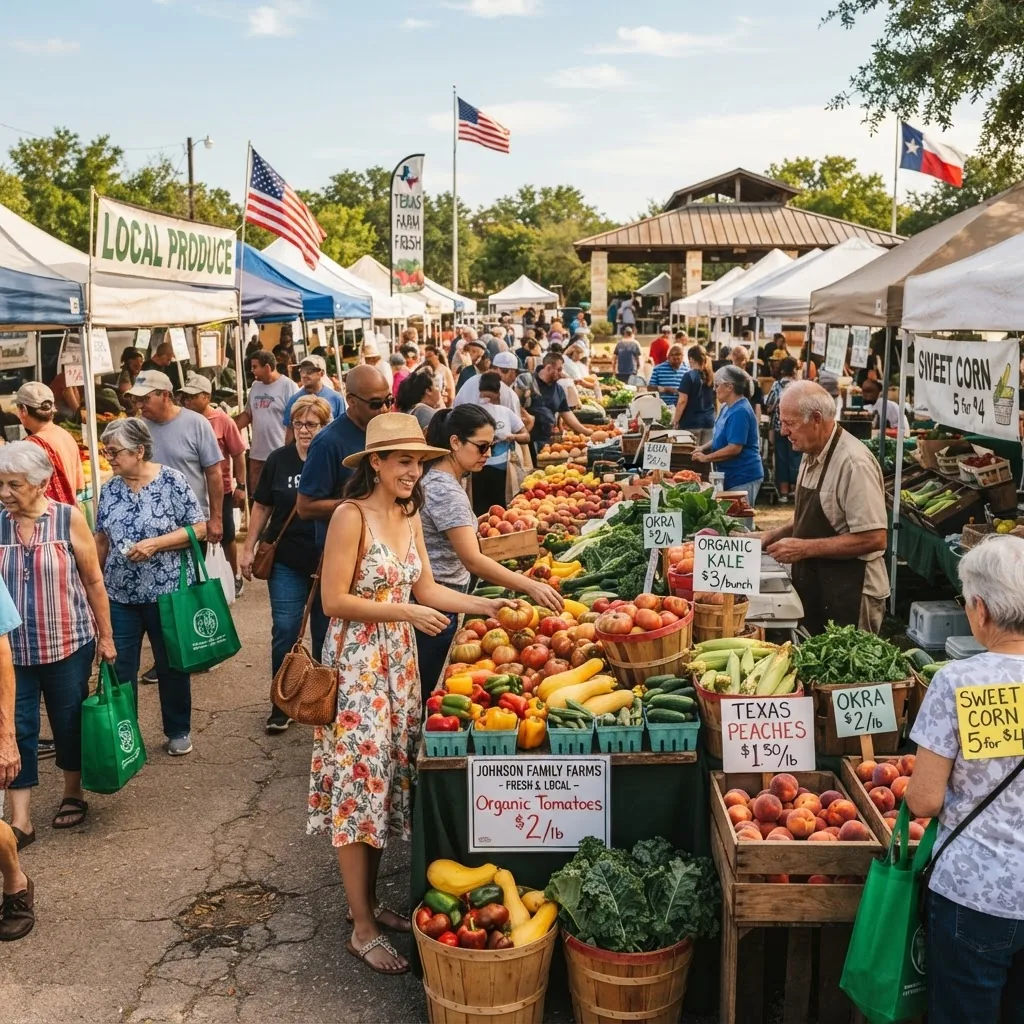
Texas offers abundant seasonal produce and budget options if you know where to look. Local farmer’s markets, Hispanic and Asian grocers, and discount chains often carry affordable non-starchy vegetables, citrus, and sweet potatoes year-round.
Practical suggestions:
- Visit weekday morning farmer’s markets late in the market day (60–90 minutes before close) for discounts on near-ripe produce.
- Shop at Hispanic grocers for bulk dried beans, low-cost limes, and inexpensive greens; per-pound prices often beat mainstream supermarkets.
- Buy seasonal Texas produce: collard greens, sweet potatoes, onions, and cabbage store well and are low-cost sources of fiber and micronutrients.
- Use frozen berries for breakfasts when fresh is expensive; frozen produce retains nutrients and is often cheaper per serving.
When comparing stores, check unit price per ounce or per pound and factor in yield (trimmed vs. whole). For examples of budget-friendly meal ideas that overlap with diabetic needs, check our collection of affordable recipes for breakfasts and dinners.
diabetic breakfast ideas
easy diabetic dinner ideasTransition: Answering common questions and troubleshooting makes these strategies repeatable and safe.
Common mistakes and how to avoid them
I once doubled a canned soup recipe without checking sodium — it spiked my glucose-monitoring friend’s blood pressure. Now I always rinse canned beans and choose low-sodium broth, and I measure servings precisely. I also used sugar substitutes without testing tolerance; I now trial small amounts first.
Checklist: Have you done this?
- Measured portions for proteins (3–4 oz) and carbs (30–45 g per meal) with a scale or measuring cups.
- Prepped at least 3 recipes and portioned into airtight containers labeled with carbs and protein.
- Stocked essential pantry staples (listed earlier) and checked unit pricing.
- Tested one sugar substitute and one low-cost protein swap for tolerance and satisfaction.
- Saved two freezer meals and one refrigerated lunch for mid-week reheat.
When to call a professional
Contact a registered dietitian or your healthcare provider if you need personalized carb targets, if you’re on insulin with frequent hypoglycemia or unexplained hyperglycemia, or if you have kidney disease or food allergies affecting protein choices. For clinical diabetes guidance, consult medical sources or your care team.
Closing summary and next steps
Key takeaways: follow the plate method, prioritize fiber and lean protein, measure portions, and plan a weekly batch-cook session to make reliable easy cheap diabetic meals. Start with two simple recipes this week and scale to a full 2–4 hour prep session next weekend.
Want more recipe ideas and meal plans? Explore targeted guides and calorie-specific options in our recipe library to match personal calorie or dietary needs.
400 calorie meals
500 calorie dinners
Next action: Pick one skillet recipe above, buy the listed ingredients, and set aside 45–90 minutes to cook and portion. Track your meals and blood-sugar response for two weeks and bring notes to your next provider visit.