
By the end of this hands-on guide you will have a 7-day, adaptable dinner plan, ten quick recipes, portioning rules for households of 3–8+, and step-by-step prep routines you can execute in 30–90 minutes per week. Expect to spend 2–4 hours upfront; skill level: confident beginner to experienced home cook.
Introduction to Family Dinner Ideas for Easy Healthy Meals
This guide collects practical family dinner ideas that balance speed, nutrition and Texan family tastes. You’ll get clear recipes, portion-size tables, and meal-planning steps that work whether you feed three, four, or a crowd. For a broader recipe library that complements these family dinners, see the
Yummiest healthy recipes guide for nutritious and tasty meals.
Why this matters: regular family cooked meals improve nutrition and routines. The guide covers weeknight dinners for family life in Texas — think bold, simple flavors with plenty of veg and lean proteins. Read on for hands-on steps to plan, cook and adapt meals for different family sizes and schedules.
Benefits of Planning Healthy Family Dinners
Planning family dinners delivers predictable benefits: consistent nutrition, money saved, and stronger family routines. Below are the main advantages with short evidence notes and practical implications.
Quick stat snapshot
- More nutritious meals: According to a 2023 USDA report, family-cooked dinners tend to include more vegetables and fewer sugary beverages than takeout.
- Family bonding: According to a 2024 industry report on household routines, families eating dinner together at least 4 nights weekly report better mealtime communication.
- Cost savings: According to a 2022 consumer spending analysis, weekly meal planning can lower grocery and dining-out spending by up to 20% per household.
Practical benefits for you: better portion control, fewer last-minute unhealthy takeout choices, and easier weeknight logistics. Below I’ll walk you through step-by-step planning, quick recipes, portion adaptations and troubleshooting for picky eaters.
Quick and Easy Family Dinner Ideas for Weeknights
Transitioning from planning to action, this section gives fast, doable meal concepts that finish in 10–40 minutes. Use these when time is limited; each item lists a realistic prep time and one-line health swap.

- Sheet-pan chicken and roasted vegetables — 30–40 minutes: Toss boneless skinless chicken thighs (1.25 lb for family of 4), halved potatoes (1 lb), carrots (3), and broccoli (2 heads) with 2 tbsp olive oil, 1 tsp smoked paprika, salt and pepper. Roast 400°F for 25–30 minutes. Swap: use sweet potatoes for extra fiber.
- 15-minute turkey taco bowls — 15 minutes: Brown 1 lb lean ground turkey with 1 tbsp taco seasoning, serve over microwaved brown rice (2–3 cups cooked) and pico de gallo, shredded lettuce, and black beans (1 can). Quick health tip: use 2 oz avocado per person instead of cheese for healthy fats.
- One-pot pasta with spinach and cherry tomatoes — 20 minutes: Cook 12 oz whole-wheat pasta in 4 cups low-sodium broth with 2 cups cherry tomatoes; stir in 4 cups baby spinach and 1 cup shredded rotisserie chicken last 2 minutes. Swap: use chickpeas for vegetarian protein.
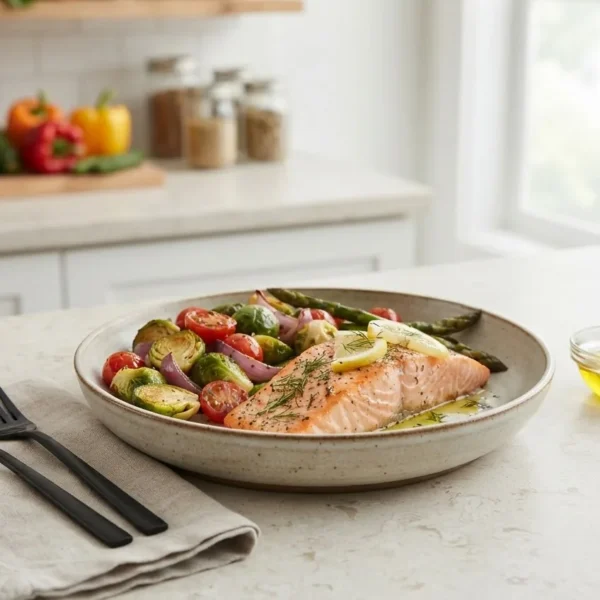
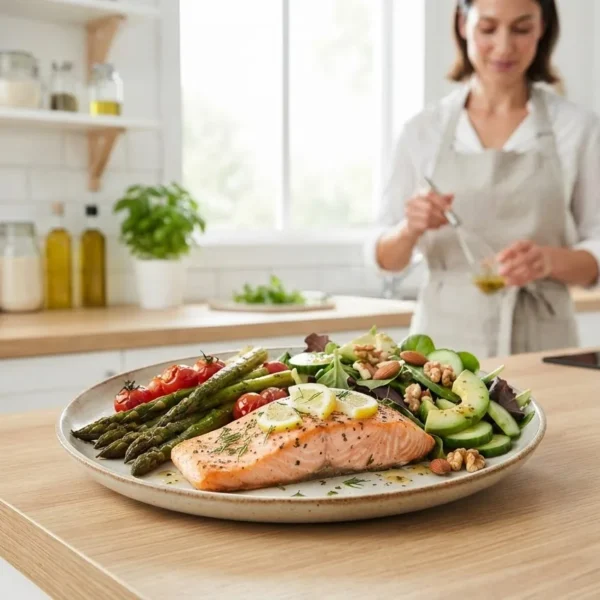
- Pan-seared salmon with green beans — 20 minutes: Sear 4 x 5oz salmon fillets 3–4 minutes per side; steam 1.5 lb green beans in 4–6 minutes. Serve with lemon wedges. Use low-sodium soy glaze for a Texan-Asian twist.
- Stir-fry fajita bowls — 25 minutes: Sauté 1.5 lb sliced skirt steak or tofu, bell peppers (3), and onions (2) with 2 tbsp oil and fajita spices. Serve on corn tortillas (2 per person) or over quinoa (2 cups cooked). Tip: double veg, halve tortillas for lower carb.
- Slow-cooker chili for busy nights — 4–6 hours slow cook (active hands-on: 15 minutes): Combine 2 lb ground beef or turkey, 2 cans diced tomatoes, 2 cans beans, 1 onion, chili powder. Cook on low 4–6 hours. Portion and freeze extras for lunches.
- Greek-style chicken wraps — 20 minutes: Grill or pan-sear 1.5 lb chicken breast strips, toss with cucumber, tomato, tzatziki. Wrap in 6 whole-grain pitas. Swap: use yogurt-based sauce to cut calories vs. mayo-based dressings.
- Vegetable-packed omelette dinner — 15 minutes: Whisk 8 eggs for family of 4, fold in 2 cups mixed veggies and 1/2 cup shredded cheese. Serve with whole-grain toast. Great for nights when fridge odds-and-ends need using.
- Budget beef and cabbage skillet — 25 minutes: Brown 1.5 lb lean ground beef, add 1 head shredded cabbage, 2 grated carrots, 2 tbsp tomato paste, simmer 10–12 minutes. Season with smoked paprika and cumin. Low-cost, high-volume family meal.
- Black bean quesadillas with avocado salsa — 20 minutes: Mash 2 cans black beans with spices, spread on whole-grain tortillas with low-fat cheese, grill 2–3 min per side. Serve with salsa and 1/2 avocado sliced per person.
For more speedy recipe collections, check this resource on
quick and easy healthy family dinner ideas.
Family Dinner Recipes for Different Household Sizes
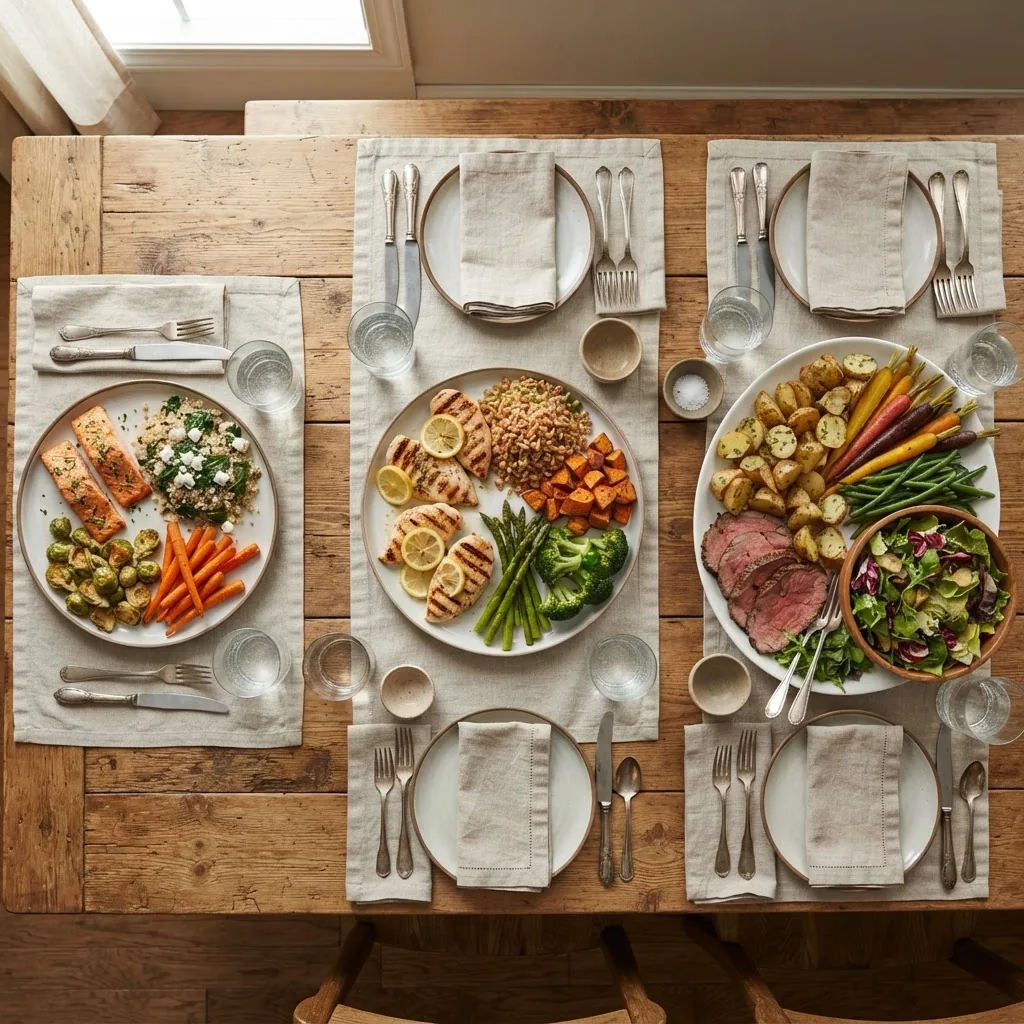
Portioning is the secret to scaling recipes. Below is a comparison list and a table showing typical ingredient multipliers for households of 3, 4 and large families (6–8). Use the multipliers to adapt the quick recipes above.
| Household size | Protein per meal | Veg per meal | Starch/carbs | Notes |
|---|---|---|---|---|
| Family of 3 | ~12–14 oz total (e.g., 3 x 4–5 oz portions) | 3–4 cups mixed veg | 1.5–2 cups cooked rice/pasta | Leftovers: aim for small extras for packed lunches. |
| Family of 4 | ~20 oz total (4 x 4–5 oz) | 4–5 cups mixed veg | 2–3 cups cooked rice/pasta | Standard grocery pack sizes map well to recipes below. |
| Large family (6–8) | 3–4 lb total, or combine proteins (1.5 lb chicken + 1.5 lb beans) | 8–10 cups mixed veg | 4–6 cups cooked grains/starches | Stretch proteins with legumes and grains to save cost. |
Practical multipliers: when scaling a recipe for four, multiply ingredients by 1.0–1.2 of the “standard” recipe; for six, multiply by 1.5; for eight, multiply by 2.0. When in doubt, add additional vegetables and whole grains before adding extra protein to keep costs down.
For smaller households or date-night doubles, see
easy dinners for two.
Healthy and Fun Dinner Ideas for Picky Eaters and Kids
Winning over picky eaters mixes nutrition with fun. Below I outline kid-friendly strategies, followed by example recipes that are both nutritious and appealing.
- Start with familiar bases: Offer build-your-own bowls (rice, protein, veg) — kids pick components while you control portions and vegetables.
- Make vegetables playful: Cut veggies into sticks, use colorful plates, or serve sauces for dipping (1–2 tbsp Greek yogurt dip).
- Sneak nutrition subtly: Puree cooked carrots or cauliflower into sauces (1/2 cup added per 2 cups sauce) for extra veg without changing mouthfeel.
- Offer choices, not negotiations: Two acceptable options reduces power struggles: “Do you want cucumbers or cherry tomatoes tonight?”
- Use familiar flavors: Add mild Tex-Mex spices, a little honey, or smoked paprika to create comfort tastes that kids accept.
Example kid-friendly recipes:
- Hidden-veg macaroni and cheese — 30 minutes: Blend 1 cup cooked butternut squash with milk and 1/2 cup shredded cheese into a macaroni sauce (for 4). Adds fiber and vitamin A.
- Chicken and veggie skewers — 25 minutes: 1.5 lb chicken breast cut into 1″ pieces, bell pepper, zucchini; grill 8–10 minutes total. Serve with 1/2 cup tzatziki for dipping.
- Mini turkey meatloaves — 40 minutes: Mix 1 lb lean turkey, 1 cup grated carrot, 1/2 cup oats, bake in muffin tins for 20–25 minutes at 375°F. Portion-controlled and fun for kids.
If picky eating persists, consult a registered dietitian. For credible dietary support refer to
Academy of Nutrition and Dietetics for professional guidance.
Budget-Friendly and Time-Saving Tips for Family Meals
This section shows step-by-step tactics I use in real kitchens to save time and money: weekly shopping list templates, freezer strategies, and batch-cooking timings.
- Create a 7-item weekly plan: Choose 3 proteins, 3 vegetable sides, 1 flexible starch. Example shopping: 3 lb chicken, 2 lb ground turkey, 2 cans beans, 6–8 seasonal veggies, 2 lb rice/pasta. Shop with a list and stick to it.
- Batch-cook staples on Sunday — 90–120 minutes: Cook 6 cups dry brown rice (yields ~12 cups cooked), roast 3 lb mixed veg, and bake two 2-lb chicken breasts. Store in clear containers in fridge for 4 days.
- Use the freezer smartly — 60 minutes active prep: Portion cooked chili, soups and casseroles into 2–3 cup containers; cool for 30 minutes, freeze flat. Label with date and reheating instructions (350°F 20–30 minutes). For more tips see
healthy freezer meal prep ideas. - Shop cheap healthy foods and seasonal produce: Buy frozen vegetables when fresh costs spike and bulk beans/rice for long shelf life. For an affordable produce and pantry guide, see
cheap healthy foods. - Repurpose leftovers into new meals — 10–15 minutes: Turn last night’s roasted veg and chicken into a wrap, salad, or fried rice the next day to reduce waste and stretch the budget.
- Time-saving tools and settings: Use a 6-quart slow cooker (low for 6–8 hours), Instant Pot on high pressure for 8 minutes with 10–12 minute natural release for shredded chicken, and a sheet pan for roast batches at 400°F for 25–30 minutes.
- Plan for under-30-minute nights: Keep canned beans, pre-washed greens (5 oz bags), and rotisserie chicken on hand to assemble dinners in 10–20 minutes.
If you need lighter dinners within a budget, consider this resource on
400 calorie meal ideas for light dinners.
How to Customize Family Dinner Ideas for Special Dietary Needs
Adapting family dinners for allergies, diabetes, low-sodium needs, or vegetarian preferences means targeted swaps and clear portion rules. Below I offer substitution tables, practical examples and safety notes.
- Identify the restriction and map safe swaps: For low sodium, use low-sodium broth and rinse canned beans; for diabetes-friendly meals, prioritize fiber and lean protein and measure carbohydrate portions (e.g., 3/4 cup cooked rice ≈ 30g carbs).
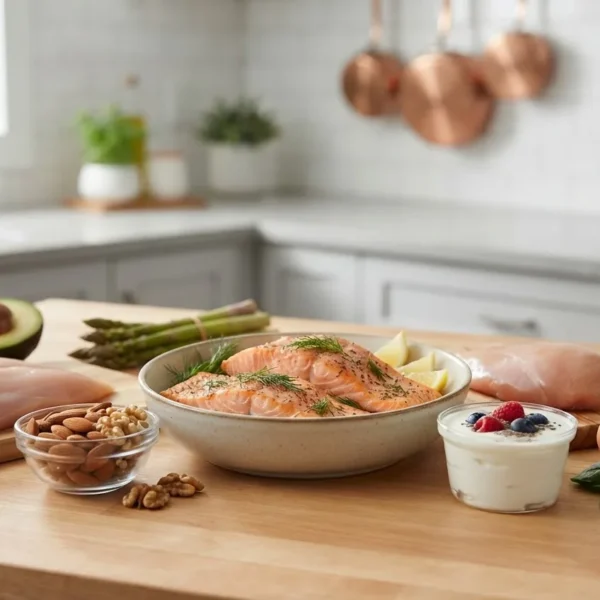
- Use protein and fiber to stabilize meals: Add 2–3 oz lean protein and 1 cup non-starchy veg to each plate to lower glycemic impact. According to a 2024 industry report on blood sugar control, pairing protein and fiber at meals improves post-meal glucose response.
- Meatless swaps and vegetarian options: Replace 4–6 oz meat with 1–1.5 cups cooked legumes or 6–8 oz tofu. For quick meatless inspiration see
quick vegetarian dinner recipes and
easy meatless dinner ideas. - Low-sodium & heart-healthy guidelines: Follow USDA MyPlate portions and the American Heart Association advice on limiting added sodium. See the AHA for heart-healthy dinner recommendations:
American Heart Association. - Label and separate allergen-safe portions: When cooking for mixed needs, plate allergen-free servings first and keep nut-free prep areas. Always consult a healthcare provider for severe allergies.
For structured vegetarian swaps and low-sodium recipes, this guide offers more options:
easy meatless dinner ideas.
Sample Weekly Family Dinner Planner with Healthy Recipes
Below is a practical 7-day planner with quick prep notes and calorie range cues. Use the planner as a template and swap proteins to suit household size and tastes.
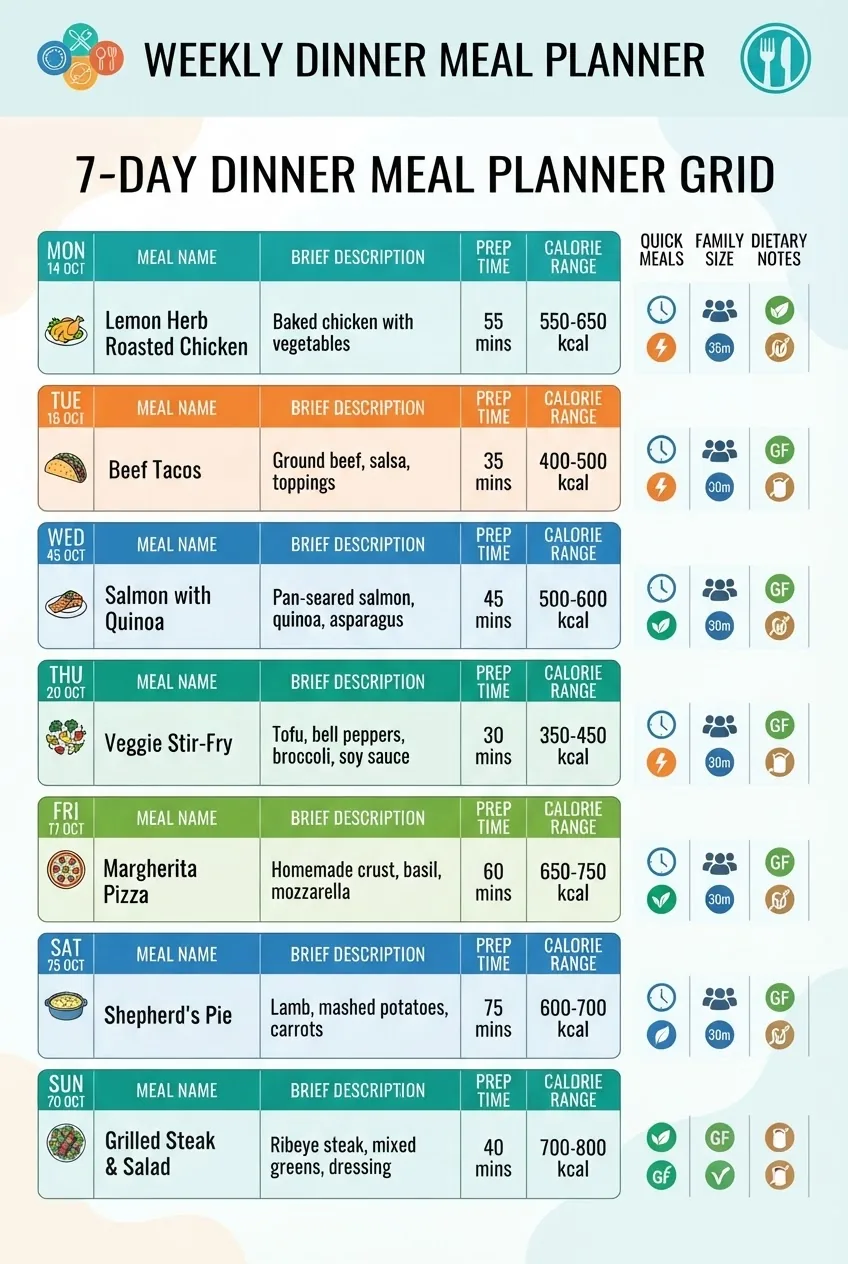
- Monday — Sheet-pan chicken & veg (30–40 min): Roast chicken thighs, potatoes and broccoli. Prep Sunday: trim veg. Calorie range: 450–650 per serving for adults. For lower-calorie swaps, choose skinless breast and more veg; see 500 calorie dinner recipes for balanced family meals for portion guidance.
- Tuesday — Turkey taco bowls (15 min): Brown lean turkey, warm rice, beans, salsa, avocado. Prep: make rice ahead. Calorie range: 400–600 depending on toppings.
- Wednesday — One-pot pasta with spinach (20 min): Use whole-wheat pasta, add rotisserie chicken or chickpeas. Calorie range: 500–700. Consider a side salad to increase veg intake.
- Thursday — Stir-fry fajita bowls (25 min): Quick sear of steak or tofu with peppers. Serve with tortillas or quinoa. Prep: slice peppers in advance. Calorie range: 450–650.
- Friday — DIY pizza night (30–40 min): Use whole-grain crusts, tomato sauce, part-skim cheese, and lots of veggies. Allow kids to build their own. Calorie range: 500–700.
- Saturday — Slow-cooker chili (4–6 hr): Make a big batch to serve with brown rice or cornbread. Freeze half for a future week. Calorie range: 400–600.
- Sunday — Family breakfast-for-dinner (20–30 min): Veggie omelettes, whole-grain toast, and fruit. Prep: chop vegetables Saturday night. Calorie range: 400–600.
For additional calorie-structured recipes to mix into your planner, consider
600 calorie healthy dinner recipes
and the
500 calorie dinner recipes for balanced family meals.
Conclusion and Encouragement for Making Family Meals a Healthy Habit
You should now have a practical set of family dinner ideas, portioning rules, quick recipes and a 7-day plan ready to test. Start with two changes this week: batch-cook one staple and add one extra veg at dinner. Keep experimenting—consistency beats perfection. For morning routines that support family nutrition, explore
easy and healthy breakfast ideas.
Before you start
- Tools: 6-quart slow cooker, 10–12″ skillet, sheet pan, Instant Pot (optional).
- Pantry basics: olive oil, low-sodium broth, canned beans, whole grains, basic spices (salt, pepper, smoked paprika, cumin).
- Storage: airtight containers (3 sizes), freezer-safe bags, marker for dates.
- Time block: reserve 90–120 minutes on weekend for batch-cook and labeling.
Step-by-step implementation
- Decide your weekly protein-and-veg mix: Choose 3 proteins (e.g., chicken 3 lb, turkey 1.5 lb, beans 4 cans) and 3 vegetables (e.g., broccoli 2 heads, carrots 2 lb, mixed greens 2 bags). This takes 10–15 minutes.
- Create a 7-day plan and shop once: Use the Sample Weekly Family Dinner Planner above. Make a shopping list and shop for all items for the week—expect 45–75 minutes in-store or 30–60 minutes for curbside pickup.
- Batch-cook staples: Cook rice (6 cups dry → ~12 cups cooked), roast 3 lb mixed veg at 400°F for 25–30 minutes, and bake two 2-lb chicken breasts at 375°F for 30–35 minutes. Cool and portion into 2–3 cup containers.
- Prep quick-access components: Slice 3 bell peppers, halve cherry tomatoes, and portion snacks into 1-cup servings. Store grab-and-go items at eye level in fridge.
- Execute weeknight assembly: On each night, allocate 10–40 minutes depending on the recipe. Use pre-cooked staples for under-20-minute dinners: warm protein (2–4 minutes), heat veg (3–5 minutes), assemble bowl (2 minutes).
- Scale for household size: Use the multiplier rules: family of 4 = baseline recipe; family of 6 = 1.5x; family of 8 = 2x. Add an extra 25–50% vegetables before increasing protein to save cost.
- Handle picky eaters strategically: Offer two acceptable options and involve kids in assembly for buy-in. Use dips (1–2 tbsp per serving) and familiar formats (tacos, wraps) twice weekly.
- Freeze and label extras: Cool cooked food 30 minutes, portion into 2–3 cup containers, freeze flat. Label with meal name, date, and reheating instructions (e.g., “Reheat covered at 350°F for 20–25 minutes”).
Common mistakes and how to avoid them
I’ve seen these slip-ups often in family kitchens and learned practical fixes.
- Underbuying vegetables: I once planned meals assuming two cups of veg per person and ran out—now I buy an extra 25% and toss leftover veg into omelettes or soups.
- Overcooking proteins during batch-cook: I used to dry out chicken by baking too long; now I pull chicken at 165°F internal temperature and let it rest for juicier portions.
- Skipping the labeling step: I confused frozen batches and wasted food; clear labels with date and reheating times prevent that.
- Neglecting a “quick night” fallback: Without a 15-minute plan, takeout wins. Keep a 10–15 minute dinner kit (rotisserie chicken, canned beans, pre-washed greens) always available.
Checklist
- Weekly plan written and shopping list completed (Yes / No)
- Batch-cooked staples prepared and labeled (Yes / No)
- Freezer meals portioned and dated (Yes / No)
- Kid-friendly option planned for 2 nights (Yes / No)
- One low-sodium or special-diet swap prepared (Yes / No)
When to call a professional
Consult a registered dietitian or healthcare provider when you need individualized medical nutrition therapy (e.g., for diabetes, severe food allergies, or pediatric growth concerns). For credentialed nutrition advice, see
Academy of Nutrition and Dietetics. For heart-specific guidance, consult the
American Heart Association, and for official nutrition policy and serving-size guidance, visit the
U.S. Department of Agriculture.