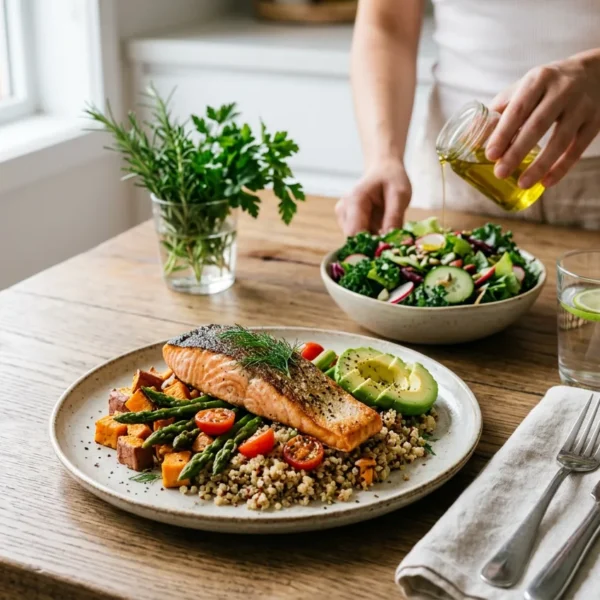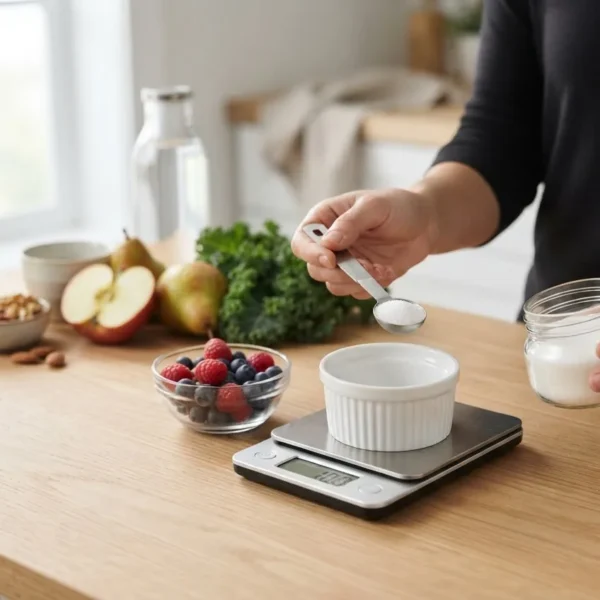
By the end of this guide you’ll be able to plan, shop for, and cook multiple reliable, balanced easy to cook dinner for two meals that cost under $6–$8 per person, take 10–40 minutes to prepare, and suit beginner-to-intermediate cooks. This hands-on plan assumes basic kitchen skills (knife, stove, oven) and about 60–90 minutes of prep time the first week to set up pantry staples and a simple meal rotation.
Before you start
- Prerequisites: basic cookware (10″ skillet, medium saucepan, baking sheet), a good chef’s knife, cutting board, measuring cups and spoons.
- Materials: reusable storage containers (2× 24oz and 4× 12oz), a simple scale (optional), and a grocery list app or paper list.
- Mindset: plan for 3–4 different dinners repeating ingredients to reduce waste and cost; expect price variation across Texas markets.
- Decide your weekly time and budget cap. Choose a per-meal target ($6–$12 total per dinner for two is realistic in Texas). Track receipts for one week and average spend to establish a baseline. According to a 2024 industry report on household food spending, many two-person households spend $60–$120 weekly on groceries; set your dinner budget within that context (USDA).
- Inventory your pantry and freezer. Write down staples you already own (rice, pasta, canned tomatoes, frozen vegetables, spices). Keep a master list and note “use-by” dates. This reduces duplicate purchases and food waste—one practical step saves $5–$10 weekly.
- Choose 4–6 core recipes for the week. Pick two quick ones (≤20 minutes), two moderate (20–40 minutes), and one flexible or leftover-based meal. We provide 5–7 recipes below that match this rotation; try one new recipe per week to build confidence.
- Make a compact shopping list by ingredient overlap. Group items by department: produce, canned/bulk, dairy/eggs, meat/plant protein, spices. Prioritize ingredients used in at least two recipes—this increases versatility and lowers per-serving cost.
- Prep once, cook twice. Chop vegetables, cook a grain (2 cups dry rice = ~6 cups cooked), and roast one sheet-pan protein or vegetables on the same day. Proper prep reduces nightly cook time by 10–25 minutes.
- Cook with portion control for two. Use USDA serving-size guidance when possible: 3–4 oz cooked protein per person, 1/2–1 cup cooked grains, and 1–1.5 cups vegetables. Adjust for appetite and activity levels.
- Reuse and repurpose leftovers safely. Store leftovers within 2 hours in airtight containers, refrigerate at ≤40°F, and consume within 3–4 days or freeze for longer. Label containers with dates.
Introduction to Easy and Budget-Friendly Dinners for Two
This hands-on guide will help you master simple meals for two without overbuying or sacrificing nutrition. You’ll learn how to adapt recipes to two servings, shop Texas markets smartly, and save time with minimal daily prep. Use this as your go-to playbook when deciding easy dinner ideas for two on weeknights or cozy weekends.
Find more inspiration and broader healthy recipe resources in our
yummiest healthy recipes guide.
Transition: With this introduction done, next we’ll examine why cooking dinner at home for two delivers more than monetary savings.
Benefits of Cooking Dinner for Two at Home
Cooking at home for two offers multiple wins beyond the checkbook. Below are practical benefits that matter for Texas households and small households everywhere.
- Health benefits — You control salt, added sugars, and portion sizes; aim for half your plate as vegetables to meet dietary guidance. According to a 2024 dietary guidelines summary, meals balanced across vegetables, lean proteins, and whole grains improve long-term heart health (American Heart Association).
- Cost savings — Home-cooked dinners typically cost less than takeout; tracking purchases shows savings of $4–$10 per meal when stretching meals for two.
- Waste reduction — Cook for two and store leftovers smartly to cut food waste; small households can reduce spoilage by planning overlapping ingredient use.
- Portion control — You avoid oversized restaurant portions; use a simple kitchen scale or visual portions (palm-sized protein, cupped hand for grains).
- Relationship and routine — Shared cooking builds routine and connection—simple rituals like a 15-minute cook together can be as bonding as dining out.
Transition: Knowing the benefits, the next section explains the core principles I use when designing low-cost dinners for two.
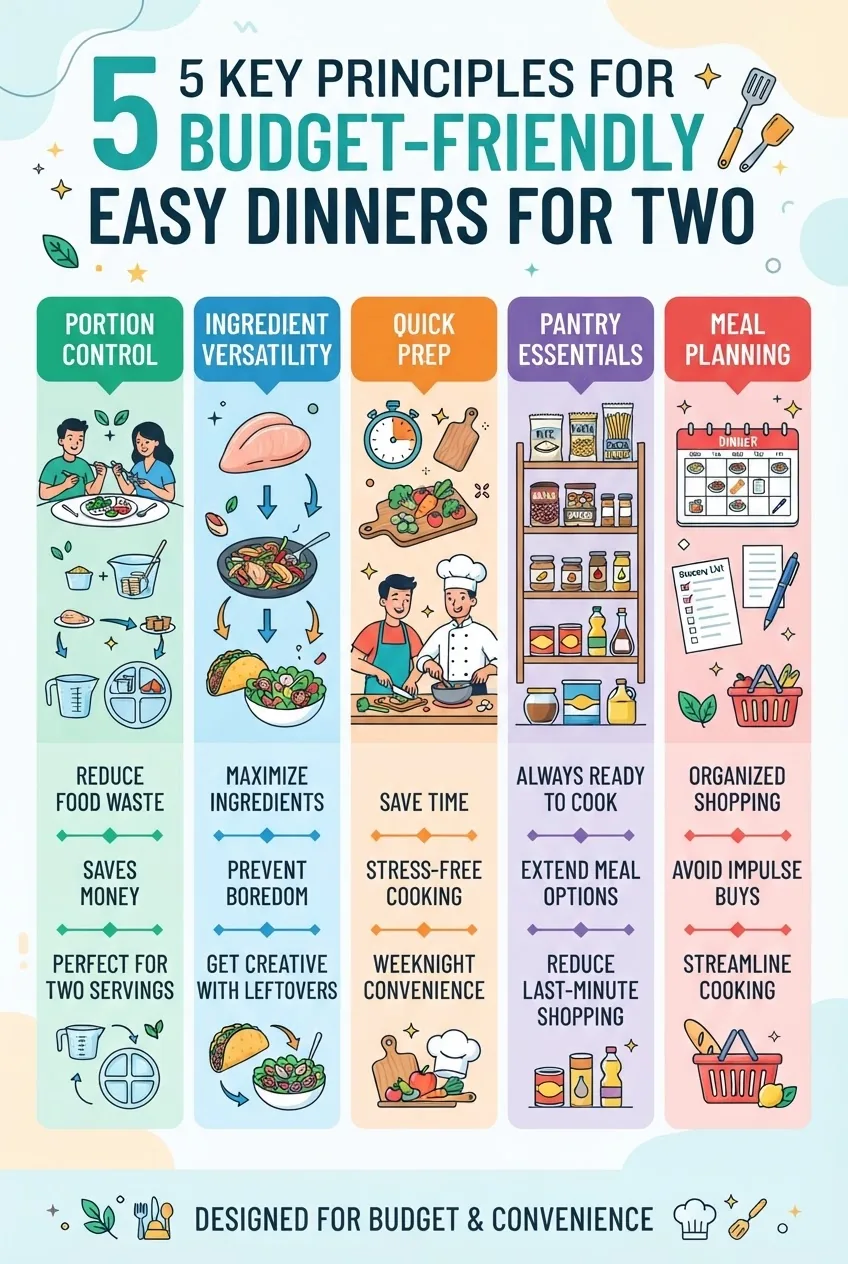
Key Principles for Easy To Cook and Cheap Dinner Ideas for Two
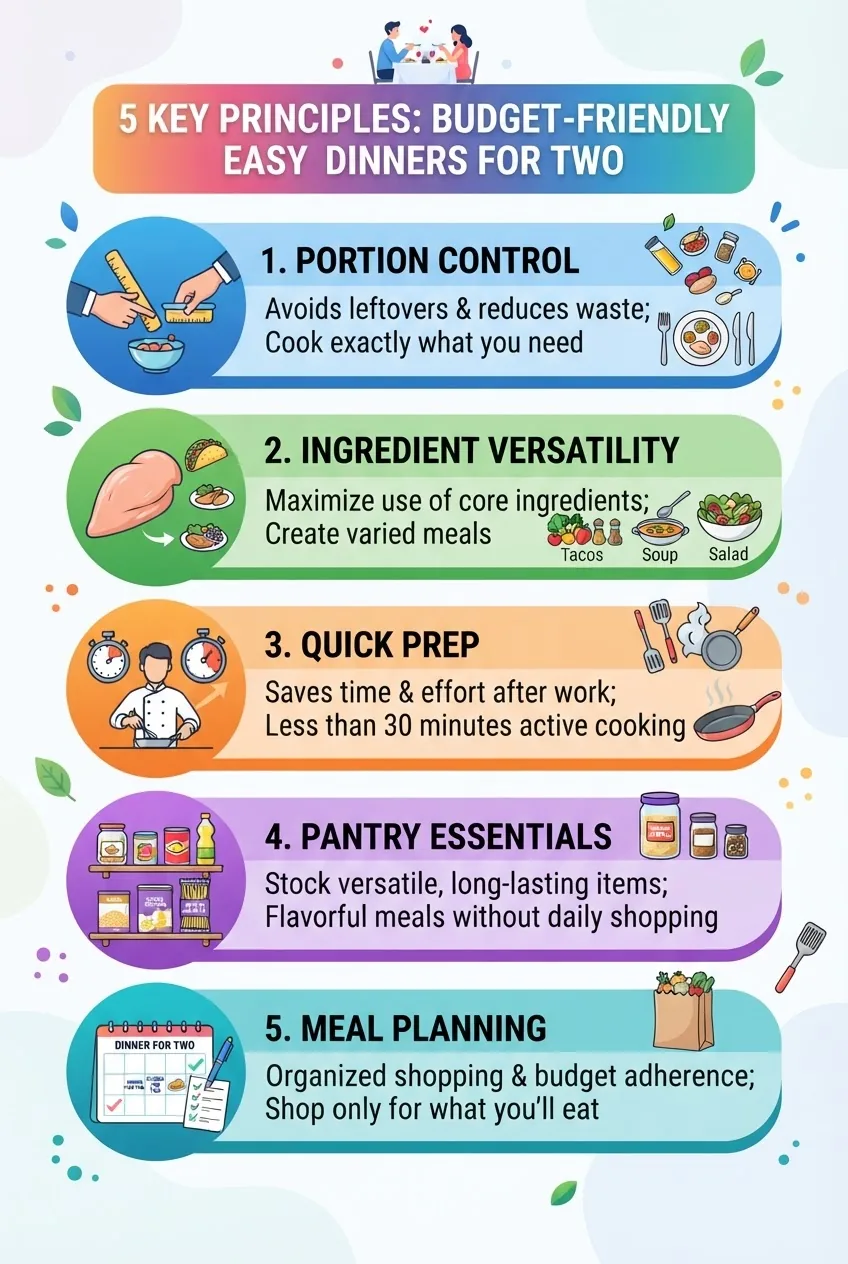
Below are the step-by-step principles I follow every week. Treat them as rules-of-thumb you can adapt for seasons, local Texas produce, and special diets.
- Plan around versatile proteins. Choose proteins that are affordable and adaptable: boneless chicken thighs, whole eggs, canned tuna, dried lentils, and seasonal tofu. Cook once and reuse across meals—e.g., roast 1.5 lbs of chicken thighs and use for two dinners (stir-fry, salad).
- Emphasize plant-forward sides to stretch meals. Use beans, lentils, and hearty vegetables (sweet potato, cabbage, carrots) to increase volume and nutrient density at low cost. A cup of cooked lentils provides ~18g protein and is often under $0.50 per serving.
- Use pantry staples as the backbone. Keep rice, pasta, canned tomatoes, olives, vinegar, stock cubes, and dried spices to build quick sauces and one-pan meals. These staples reduce cook time and prevent last-minute grocery trips.
- Batch grain and roast vegetables once weekly. Cook 2–3 cups dry grains (yielding ~6–9 cups cooked) and roast a tray of mixed veggies (425°F for 20–25 minutes) to combine with proteins across multiple dinners.
- Choose quick-cook techniques for weeknights. Pan-searing, stir-frying, and one-pot simmering are fast: a 10–12 minute stir-fry or 20-minute skillet pasta saves time and cleanup.
- Weigh cost vs. time trade-offs. Swap fresh for frozen produce when cheaper or during off-season; frozen spinach, corn, and bell peppers maintain nutrition and reduce prep time.
- Scale recipes precisely for two. Reduce recipes with reliable ratios: for sauces, use 1 cup broth per 1 cup dry pasta; for meats, count 6–8 oz raw per person for higher appetites, 3–4 oz cooked for moderate portions.
- Keep seasonings simple but effective. Salt, black pepper, garlic powder, smoked paprika, and one herb (thyme or oregano) cover most flavors. Citrus and vinegars add brightness inexpensively.
- Cook one-pot meals to cut energy and time. Use a Dutch oven or deep skillet to make soups, stews, and shakshuka-style eggs—these often reheat well and reduce dishes.
- Observe the “two-use” ingredient rule. For each fresh ingredient you buy, plan at least two uses in the week (e.g., one bunch of cilantro for tacos and salad dressing) to lower per-plate cost.
Transition: With principles set, let’s build a practical pantry tuned for inexpensive, simple dinner ideas for two in Texas.
Budget-Friendly Ingredients and Pantry Staples for Simple Meals for Two
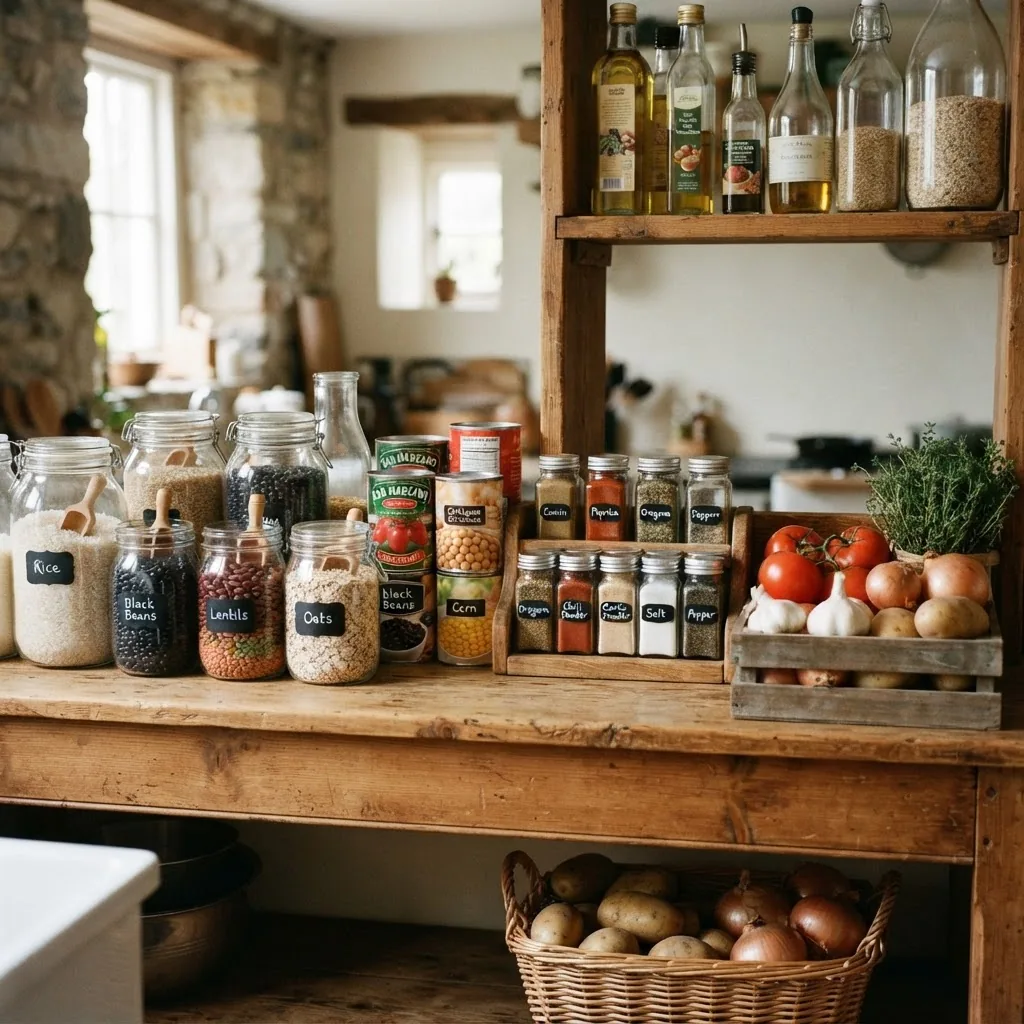
Stocking a few smart staples makes easy dinners for two repeatable and cheap. Below I list pantry essentials and affordable fresh items that are widely available in Texas grocery stores and farmers’ markets. According to a 2024 agricultural update from Texas extension services, seasonal produce like tomatoes, winter squash, and leafy greens can be found at lower prices at local markets in summer and fall (Texas A&M AgriLife Extension).
- Grains: white rice, brown rice, dry pasta, quick-cooking farro or barley (buy 2–5 lb bags)
- Legumes: dried black beans, pinto beans, lentils (buy dried for cost savings)
- Canned goods: canned diced tomatoes, canned tuna in water, canned beans, coconut milk (small cans)
- Proteins: boneless skinless chicken thighs, eggs (buy a dozen), small packs of ground turkey or beef, extra firm tofu
- Frozen: mixed vegetables, corn, edamame, berries (for breakfasts/snacks)
- Fresh produce (buy seasonal): onions, garlic, carrots, bell peppers, potatoes, sweet potatoes, seasonal greens (collards or spinach)
- Dairy & alternatives: plain yogurt (for sauces/dressings), shredded cheese (small block > pre-shredded), milk or plant milk
- Oils & condiments: olive oil (small bottle), neutral oil (canola), soy sauce, mustard, vinegar (white and apple cider), hot sauce
- Spices & herbs: salt, black pepper, smoked paprika, cumin, dried oregano, chili powder, red pepper flakes
- Breads & wraps: tortillas for tacos and quesadillas, crusty bread for soaking up sauces
Useful buying tips: buy dried beans and rice in bulk bins at warehouse stores if you have storage space; frozen vegetables are often cheaper per pound than fresh when out of season. If you want vegetarian-friendly options, see our
quick vegetarian dinner recipes for two and
cheap foods that are good for you, or explore
cheap vegetarian dishes.
Transition: Now that you know what to keep on hand, here are 6 tested recipes that are quick, balanced, and include cost breakdowns targeted for two people.
Quick and Easy Dinner Recipes for Two with Cost Breakdown
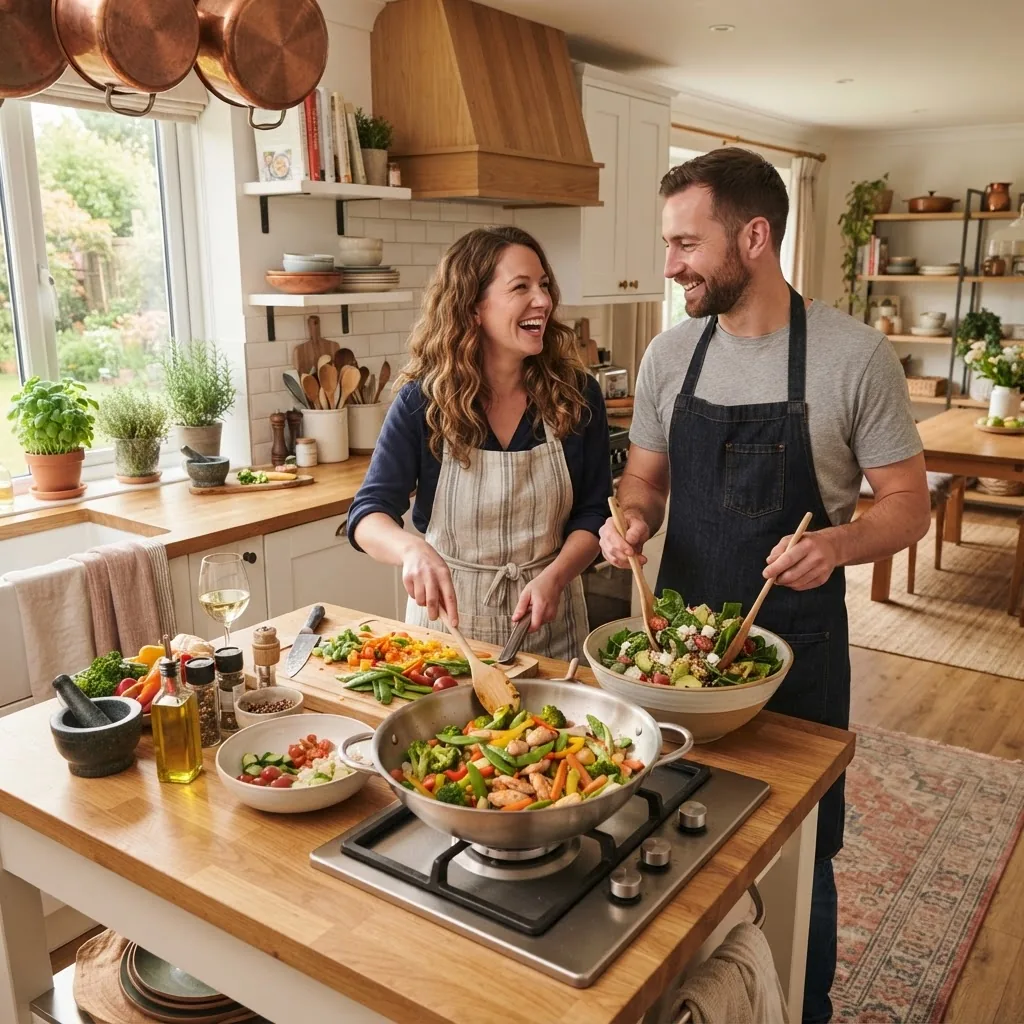
Below are seven practical dinners for two with step-by-step instructions, prep/cook times, and estimated cost per serving. Prices are approximate for a Texas urban grocery market in 2024; actual costs vary by store and season. For calorie-specific readers, see our targeted guides to
400 calorie meals for healthy eating,
500 calorie nutritious dinner ideas, and
600 calorie dinner recipes.
-
1. One-Pan Lemon-Garlic Chicken Thighs with Rice and Broccoli
Ingredients (for 2): 4 boneless skinless chicken thighs (~1 lb), 1 cup long-grain white rice (dry), 1.5 cups low-sodium chicken broth, 2 cups broccoli florets (fresh or frozen), 2 tbsp olive oil, 2 cloves garlic (minced), 1 lemon (zest + 2 tbsp juice), 1 tsp smoked paprika, salt and pepper.
Prep & Cook Time: Prep 10 minutes, cook 30 minutes total.
Steps:
- Season and sear the chicken: Pat chicken dry, season with 1/2 tsp salt, 1/4 tsp pepper, 1 tsp smoked paprika. Heat 1 tbsp oil in a 10″ ovenproof skillet over medium-high, sear 3 minutes per side until golden.
- Sauté garlic and deglaze: Remove chicken, lower heat to medium, add remaining oil and garlic for 30 seconds. Add rice and toast 1 minute; pour 1.5 cups broth and lemon juice, stir and nestle chicken back on top.
- Simmer then steam broccoli: Cover and simmer 18–20 minutes until rice is tender. Add broccoli on top for last 6 minutes to steam through.
- Finish and rest: Remove from heat, zest lemon over top, rest 5 minutes, then serve.
Estimated cost: $3.50 per person (chicken $3.00, rice $0.30, broccoli $0.70, lemon/spices $0.20). Note: Prices vary across Texas markets.
-
2. Quick Tuna and White Bean Salad with Warm Garlic Bread
Ingredients (for 2): 1 can tuna in water (5 oz), 1 can white beans (15 oz, drained & rinsed), 1/4 red onion (sliced), 8 cherry tomatoes (halved), 2 tbsp olive oil, 1 tbsp red wine vinegar, 1 tsp Dijon mustard, 1/4 tsp black pepper, 1 small baguette or 4 slices (for 2).
Prep & Cook Time: Prep 10 minutes, cook 8 minutes (bread).
Steps:
- Mix salad: Combine drained tuna (flaked), beans, onion, tomatoes, olive oil, vinegar, mustard, and pepper in a bowl. Taste and adjust salt as needed.
- Toast bread: Brush baguette slices with a little oil and toast under broiler for 2–3 minutes per side until golden.
- Serve: Plate salad with warm bread. Optionally add chopped parsley or lemon zest.
Estimated cost: $2.25 per person (tuna $1.20, beans $0.50, produce $0.35, bread $0.40).
-
3. Budget Veggie Stir-Fry with Fried Eggs
Ingredients (for 2): 2 large eggs, 12 oz frozen mixed stir-fry vegetables, 1 cup cooked brown rice, 1 tbsp soy sauce, 1 tbsp sesame oil (or neutral), 1/2 tsp sugar or honey, 1 garlic clove minced, 1 green onion sliced.
Prep & Cook Time: Prep 5 minutes (if rice pre-cooked), cook 12 minutes.
Steps:
- Heat wok/pan: Add sesame oil over high heat, stir-fry frozen veg for 4–6 minutes until hot and starting to char.
- Add aromatics and sauce: Add garlic and soy sauce mixed with sugar; toss 1 minute.
- Fry eggs: In a separate nonstick pan, fry eggs sunny-side up with 1 tsp oil each, cook until whites set but yolks still runny (or to preference).
- Assemble: Divide rice, top with veg stir-fry, and place fried egg on each plate. Garnish with green onion.
Estimated cost: $1.75 per person (eggs $0.30, veg $0.90, rice $0.25, seasonings $0.30).
-
4. One-Pot Tomato Lentil Stew with Spinach
Ingredients (for 2): 3/4 cup dried red lentils, 1 can (14.5 oz) diced tomatoes, 2 cups low-sodium vegetable broth, 1 small onion diced, 1 carrot diced, 2 cups fresh spinach, 1 tsp cumin, 1 tbsp olive oil, salt & pepper.
Prep & Cook Time: Prep 8 minutes, cook 20–25 minutes.
Steps:
- Sauté aromatics: Heat oil in medium pot, sauté onion and carrot for 5 minutes until softened.
- Add lentils and liquids: Add lentils, tomatoes (with juice), broth, and cumin; bring to boil then simmer 15–20 minutes until lentils are tender.
- Finish with spinach: Stir in spinach until wilted, season to taste, serve with a slice of toast if desired.
Estimated cost: $1.50 per person (lentils $0.40, tomatoes $0.50, broth and produce $0.60).
-
5. Skillet Ground Turkey Tacos with Quick Slaw
Ingredients (for 2): 10 oz ground turkey, 1 tbsp taco seasoning (homemade: chili powder, cumin, garlic powder), 6 small corn tortillas, 1 cup shredded cabbage, 1/4 cup plain yogurt or sour cream, 1 tbsp lime juice, 1/4 cup chopped cilantro (optional).
Prep & Cook Time: Prep 8 minutes, cook 12 minutes.
Steps:
- Brown turkey: In a skillet over medium-high, brown turkey until no pink remains, drain if needed, add taco seasoning and 1/4 cup water, simmer 3–4 minutes.
- Make slaw: Toss cabbage with yogurt, lime juice, and a pinch of salt.
- Warm tortillas & assemble: Warm tortillas in a dry skillet 30–45 seconds per side. Divide turkey and top with slaw and cilantro.
Estimated cost: $2.75 per person (turkey $2.50, tortillas and slaw $0.50).
-
6. Pasta with Quick Tomato Sauce and White Beans
Ingredients (for 2): 6 oz dry pasta (spaghetti or penne), 1 can diced tomatoes, 1/2 can cannellini beans (drained), 1 garlic clove, 1 tbsp olive oil, red pepper flakes, 2 tbsp grated Parmesan (optional), handful fresh basil or parsley.
Prep & Cook Time: Prep 5 minutes, cook 18 minutes.
Steps:
- Cook pasta: Boil salted water and cook pasta to package directions; reserve 1/2 cup pasta water before draining.
- Make sauce: Heat oil, sauté garlic 30 seconds, add tomatoes and beans, simmer 6–8 minutes. Add pasta water as needed to loosen.
- Combine and serve: Toss cooked pasta with sauce, add herbs and cheese, season to taste.
Estimated cost: $1.80 per person (pasta $0.60, tomatoes & beans $0.80, extras $0.40).
-
7. Sheet-Pan Mexican-Style Roasted Sweet Potatoes and Black Beans
Ingredients (for 2): 2 medium sweet potatoes diced, 1 can black beans drained and rinsed, 1 tbsp olive oil, 1 tsp chili powder, 1/2 tsp cumin, 1/2 red onion sliced, 1 avocado sliced to serve, lime wedges.
Prep & Cook Time: Prep 10 minutes, roast 25–30 minutes at 425°F.
Steps:
- Toss and roast: Toss sweet potatoes with oil and spices, spread on baking sheet, roast 20 minutes, add onions and beans for final 8–10 minutes until potatoes tender and edges crisp.
- Serve: Plate with avocado and lime wedges, optionally serve over rice or with tortillas.
Estimated cost: $2.10 per person (sweet potato $1.00, beans $0.50, avocado $0.60).
Cost comparison table — approximate price per person (Texas urban market, 2024):
| Recipe | Prep + Cook Time | Est. Cost per Person | Nutrition Note |
|---|---|---|---|
| One-Pan Lemon-Garlic Chicken | 40 min | $3.50 | Balanced protein + veg |
| Tuna & White Bean Salad | 18 min | $2.25 | High protein, low cook time |
| Veggie Stir-Fry + Eggs | 12 min | $1.75 | Quick, budget-friendly |
| Tomato Lentil Stew | 25 min | $1.50 | High fiber, low cost |
| Turkey Tacos | 20 min | $2.75 | Lean protein, customizable |
| Pasta with Beans | 18 min | $1.80 | Carb-forward, add veg |
Recipe walkthrough example (case study) — One-Pan Lemon-Garlic Chicken:
- Why this recipe works: It combines a cheap, high-flavor protein (chicken thighs) with rice and broccoli cooked in one pan; it uses common pantry spices and a single lemon to add brightness.
- Cost and nutrition check: Cook once, serve twice: total cost ~$7 for dinner for two, with 25–35g protein per person and a portion of vegetables that satisfies USDA serving recommendations for a balanced dinner (USDA).
- Time-saving tip: Use pre-washed microwaveable rice or cook rice in a rice cooker earlier in the day to shave 15 minutes from active time.
Transition: With recipes ready, learn how to plan shopping and weekly prep to save time and money.
Meal Planning and Shopping Tips to Save Money and Time
Meal planning turns random grocery trips into a focused strategy. Below are step-by-step how-to actions I use to reduce cost and time each week. For a broader approach to affordable nutrition, read our
how to eat healthy on a budget.
- Set a weekly menu with ingredient overlap. Choose 3–4 dinners and align ingredients so you use onions, garlic, and bell peppers across multiple meals. This reduces waste and increases bulk-buy savings.
- Shop once, smartly: make a store route list. Order items by aisle: produce, meat, canned, dairy, frozen. In my practice, shopping in one trip saves ~20–30 minutes and avoids impulse buys.
- Buy bulk for frequently used dry goods. Purchase rice and beans in 5 lb or larger bags if you have storage. Unit price typically drops 15–30% when buying in bulk.
- Use price per ounce to compare packaging sizes. Divide price by ounces to compare deals; stores and market apps often show unit prices, but a quick manual check prevents paying more for convenience sizes.
- Prefer frozen or bulk produce when out of season. Frozen vegetables often cost less and retain nutrients; use them for stir-fries and soups to save both money and prep time.
- Plan one “flex” night for leftovers. Reserve a meal slot for leftover repurposing; this cuts mid-week waste and reduces one full dinner purchase per week.
- Use digital coupons and weekly ads selectively. Match coupons to your core staples, not brand-name items you don’t routinely use; sign up for store loyalty programs for staples you buy often.
- Prep windows and storage: Spend 60–90 minutes on Sunday to chop veg, cook grains, and roast proteins. Store in airtight containers and label with dates. Proper prep typically cuts nightly cook time in half.
- Minimize single-use ingredients: Avoid buying very small quantities of fresh herbs or specialty dressings; substitute with dried herbs and simple vinaigrettes.
- Track and iterate: Keep a small notebook or app log for 2–4 weeks noting which recipes you enjoyed, which ingredients went unused, and where costs spiked so you can adjust future plans.
Transition: Even with careful planning, leftovers will happen. Next we look at storing and repurposing them safely and deliciously.
Managing Leftovers and Making the Most of Your Meals for Two
Smart leftover management is key to keeping cheap dinner ideas practical and enjoyable. I use a strict labeling and rotation method in my own kitchen that prevents spoilage and keeps flavors fresh.
- Cool quickly and store: Divide hot food into shallow airtight containers within 2 hours of cooking; refrigerate at ≤40°F. For example: 2 cups of stew fits into two 12oz containers.
- Label with date and planned use: Write “Use by” date 3 days from cook or freeze. Example label: “Chicken 05/20 — salad TUE.”
- Repurpose deliberately: Turn roasted chicken into tacos (add 1/4 cup salsa) or into a pasta sauce by sautéing garlic and adding cream/yogurt and spinach.
- Reheat safely: Reheat leftovers to an internal temperature of 165°F, stirring in the middle. Soups and stews reheat well on medium heat on the stove.
- Freeze for longer storage: Freeze single-serve portions for up to 3 months. Thaw in the refrigerator overnight before reheating.
Numbered tips from experience:
- Plan one “transform” meal: I often take Monday night leftovers (e.g., roasted veggies) and turn them into Wednesday’s omelet or grain bowl with a new sauce—this reduces fatigue from repeated meals.
- Use small containers: Storing in 12oz containers helps prevent overeating and keeps portions easy to reheat.
- Freeze bread and tortillas: Freeze in stacks separated by parchment to keep them fresh for several weeks.
For morning options using leftover grains and proteins, see our
easy and healthy breakfast ideas to turn leftovers into quick breakfasts.
Transition: Readers often ask practical questions—here are concise answers to the most common ones.