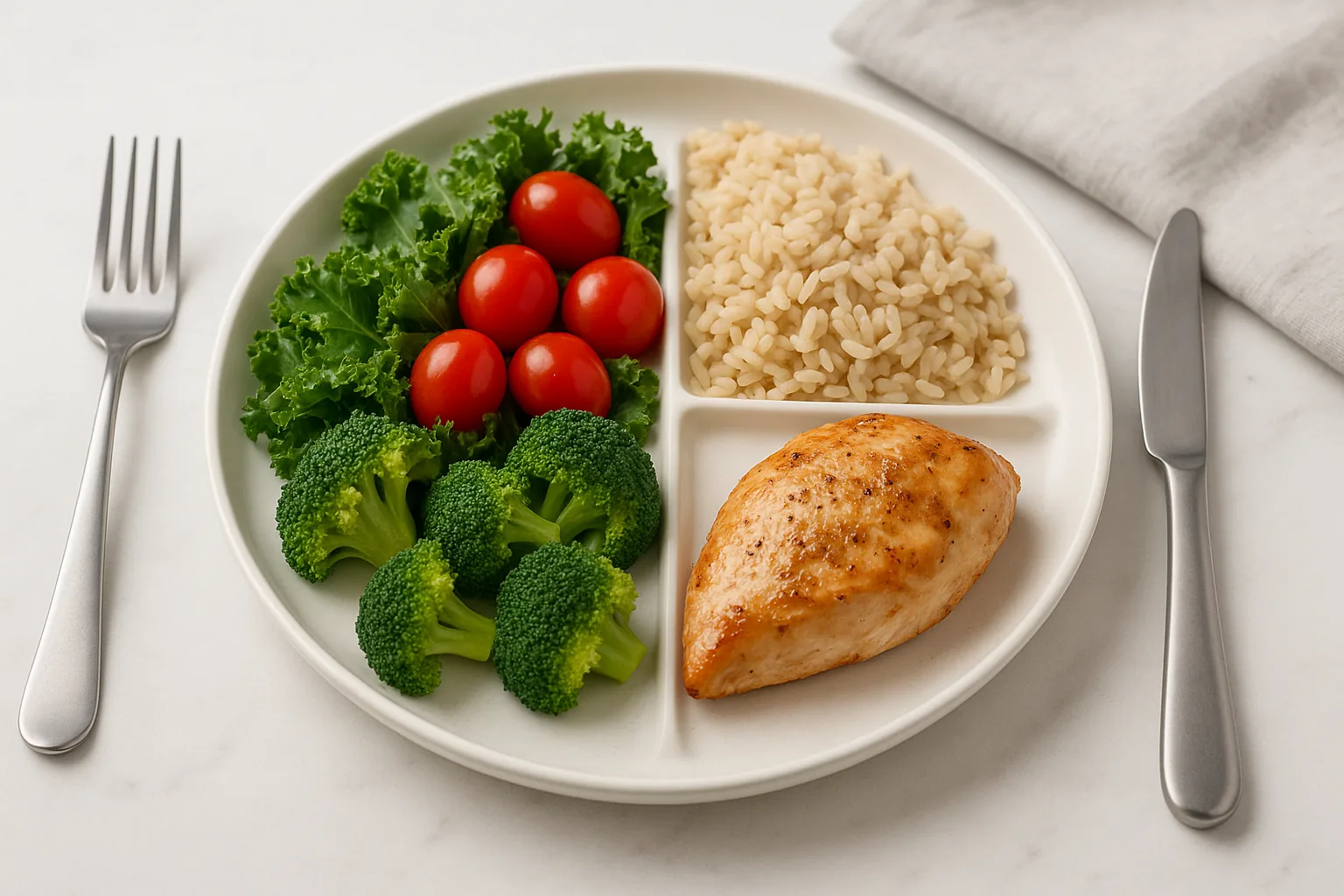
By the end of this hands-on guide you’ll be able to assemble balanced meals with a portion plate control method in under 10 minutes per meal; this takes about 2–4 weeks to form an automatic habit and assumes a beginner to intermediate cooking and meal-planning skill level.
Before you start
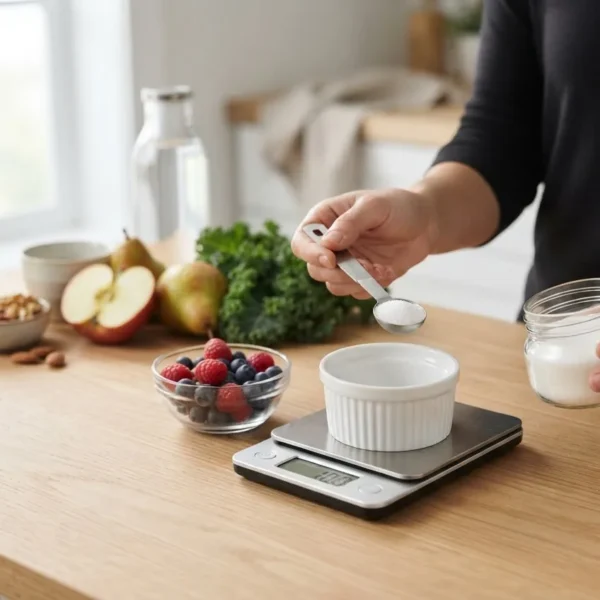
- Tools: a 9–10″ shallow plate or a printed portion plate template, measuring cups (1 cup, 1/2 cup), a food scale (optional), and a notebook or app for tracking.
- Materials: common kitchen utensils, access to fresh vegetables and a protein source, whole grains, fruit and dairy or dairy alternatives.
- Time: plan 20–30 minutes for grocery shopping and 15–30 minutes per meal assembly the first week.
- Mindset: aim for balanced nutrition rather than an immediate calorie target; personalization comes later with a clinician or dietitian.
Introduction to Portion Plate Control
Portion plate control is a practical, visual strategy to manage balanced food portions by dividing a plate into sections for major food groups and filling each section with appropriate amounts. This method creates a foundation for balanced eating habits by translating nutrition guidelines into an intuitive “plate puzzle”—a quick visual check you can use at home, at the grocery store, or when dining out.
Portion sizes matter because they determine nutrient intake per eating occasion; consistent portion awareness builds a pattern of nutrient-dense choices over weeks and months. According to USDA 2023 guidelines, visual portioning models help people meet recommended fruit, vegetable and whole-grain targets more reliably than guessing portions alone (source type: government nutrition guideline).
How portion plate control fits into broader balanced diet thinking: it’s a hands-on tool rooted in the same balanced diet principles explained in the comprehensive balanced diet principles. Use the plate as a daily habit to practice the nutrient distribution those principles recommend—this guide teaches the step-by-step application.
Start simple: think half the plate vegetables and fruit, one-quarter protein, one-quarter grains/starches, plus a small side of dairy or alternative. That visual splits calories and nutrients into predictable, manageable portions, which supports consistent micronutrient intake and meal satisfaction.
Transition: The next section explains what a portion plate is in practice and how it compares to standard dinnerware, including a quick comparison table to highlight the differences.
What is a Portion Plate and How It Supports Balanced Food Portions
A portion plate is a plate printed or marked with divided sections that allocate space to vegetables, fruits, grains, proteins, and sometimes dairy. The goal is to make “balanced food portions” straightforward: instead of weighing, you rely on section sizes and portion rules that match national guidance like the USDA MyPlate model.
The portion plate relies on visual food portioning: each section approximates a standard serving range so that when you fill it, you meet nutrient distribution goals. Compared with the MyPlate model, a portion plate often emphasizes volume for vegetables (to improve nutrient density) while giving clear space for whole grains and lean proteins.
| Feature | Portion Plate | Traditional Plate |
|---|---|---|
| Visual guidance | Marked sections for each food group | No sections—portioning by habit |
| Ease of use | High—fills guide portions automatically | Variable—depends on individual judgment |
| Best for | Daily balanced meals and portion education | Flexibility, family-style serving |
| How it supports nutrients | Prioritizes vegetables, balances protein and grains | Often overweighted toward starches and proteins |
The portion plate is an intuitive portion control tool: fill each section once, and you get a balanced distribution of macronutrients and micronutrients; this makes it easier to meet vegetables and fruit targets recommended by the USDA. For more visual examples of how plates can look, see visual food portioning guides.
Transition: Next we’ll move from definitions to the concrete, step-by-step process you can use every day to build meals with portion plate control.
How to Use Portion Plate Control for Daily Balanced Meals
This is the hands-on core: follow these numbered steps every time you assemble a plate. Use the infographic below while practicing for the first two weeks to speed habit formation.
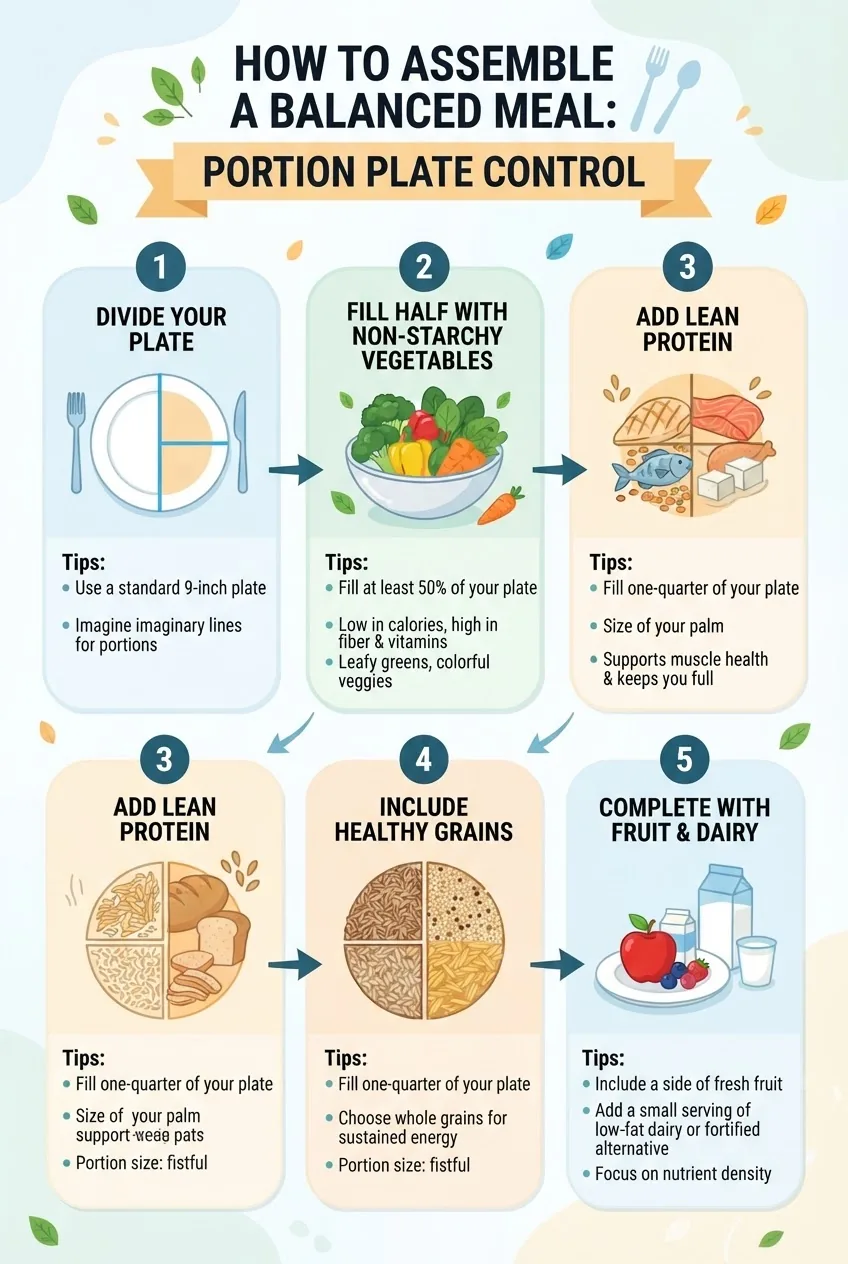
- Start with a 9–10″ plate or a printed portion plate template. Use a shallow, wide plate so sections are visible. If you don’t have a printed template, draw a light pencil mark into a reusable plate mat or imagine the plate divided into quarters and halves.
- Divide visually: fill half the plate with non-starchy vegetables. Aim for 1–2 cups of vegetables (raw leafy greens count as 2 cups for 1 cup cooked equivalent). For mixed salads, fill the half-plate space with 2 cups raw or 1 cup cooked vegetables. If using cooked greens, 1 cup cooked = 2 cups raw (USDA conversion practice).
-
Allocate one quarter for lean protein. For adults, weight out or estimate 3–4 ounces cooked (about a deck-of-cards size) for the protein quarter. Plant proteins: 1/2 to 3/4 cup cooked beans or lentils equals approximately 3 ounces equivalent of protein (by nutrient content). Use a food scale during the first week to confirm visual estimates.
Walkthrough example: place 3.5 oz grilled chicken breast (cooked, sliced) into the protein quarter—this is roughly 100–120 grams or 3–4 oz, depending on thickness.
- Reserve one quarter for whole grains or starchy vegetables. Typical portions: 1/2 to 1 cup cooked whole grains (1/2 cup cooked brown rice or quinoa) or 3/4 cup roasted sweet potato. For breads, one slice (1 oz) fits the grain quarter. This balances energy needs without overshadowing vegetables.
- Add a small fruit portion or dairy side. A serving could be 1 small apple, 1/2 cup berries, or 1/2 cup canned peaches (in juice). Dairy: 1 cup milk or 3/4 cup yogurt or 1 oz cheese. If you require a dairy substitute, choose fortified alternatives with calcium and vitamin D.
- Mind the oils, dressings, and extras: measure fats. Use 1 tablespoon of oil or salad dressing for the whole plate as a guideline (14 g). For cooking oil, 1 tsp = 5 ml and counts toward the fat allowance. For nuts/seeds: 1 oz nuts ~ 1/4 cup; measure with a small cup until you can estimate by eye.
- Check portion density: prefer vegetables and lean proteins for satiety. If your plate looks grain-heavy, shift half of a grain portion to vegetables. Swap half the starchy selection for extra vegetables to maintain overall volume while reducing energy density.
- Use measuring tools at first, then practice estimating. For two weeks, measure 3–4 meals per week using cups and a food scale. Then practice freehanding estimates on days 15–28 until you can reliably portion by eye.
- Adjust by activity and life stage. If you’re very active or nursing, increase the grain or protein quarter by 25–50% while keeping vegetables at half the plate. For young children, scale sections down: half plate vegetables, one-quarter protein and one-quarter grains, using child-sized plates (7–8″).
-
Log and review weekly. Track one week of meals in a notebook or app, noting when you felt satisfied and when you didn’t. Over 4 weeks, you should see improved portion consistency and fuller meals with fewer energy dips.
If you’re following a calorie-based plan and want to extend portion plate control into those details, consider healthy balanced diet meal examples for practical pairing of visual plates with calorie targets.
- Practice mindful pacing and satiety checks. Eat slowly and pause at 10–15 minutes to assess hunger—most people reach comfortable fullness within 15–20 minutes. If you remain hungry after the plate, add 1/2 cup extra vegetables or 1–2 tablespoons of healthy fats, not another full grain or protein portion.
Transition: Now that you have a step-by-step method, learn exact portion sizes and nutrient rationale per food group to refine your plate choices.
Key Food Groups and Recommended Portion Sizes on a Portion Plate
This section lists practical portion recommendations and the nutrient rationale for each major group. Recommendations reflect USDA MyPlate proportions and CDC guidance on nutrient density; always personalize based on age, sex and activity.
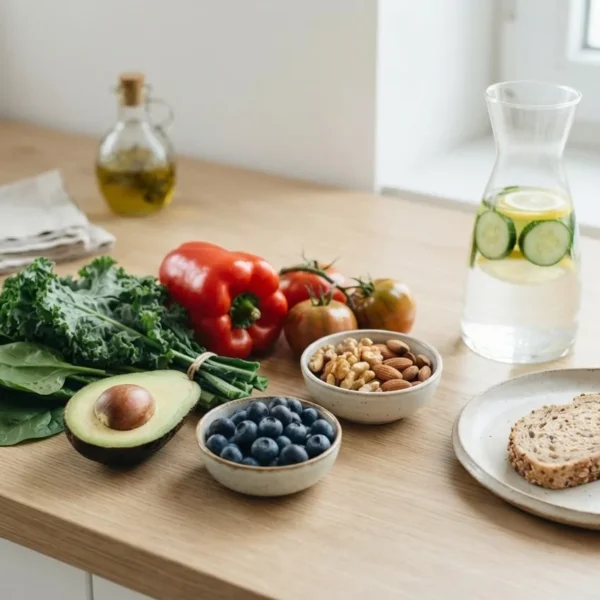
- Vegetables (half the plate) — Aim for 1–2 cups cooked vegetables, or 2–3 cups raw leafy greens per meal. Examples: 1 cup raw carrots = 1 cup; 1 cup cooked broccoli = 1 cup. Vegetables supply fiber, vitamins A/C and potassium (According to CDC guidance on vegetables, source type: government health agency).
- Fruits (side or part of half-plate) — 1 medium fruit or 1/2 to 1 cup cut fruit per meal. Fresh or frozen fruit preferred; prioritize whole fruit over juice for fiber. For berries, 1/2 cup is a focused nutrient-dense choice.
- Proteins (one quarter of plate) — 3–4 ounces cooked lean meat or fish (85–115 g), 3–4 oz equivalent of plant proteins (1/2–3/4 cup cooked beans), or 1 large egg + small beans portion. Protein supports muscle maintenance and satiety (According to Academy of Nutrition and Dietetics recommendations, source type: professional association).
- Grains/Starches (one quarter of plate) — 1/2 to 1 cup cooked whole grains (brown rice, quinoa), or 1 slice whole grain bread. Choose whole grains for fiber and B vitamins. For starchy vegetables, 3/4 cup cooked sweet potato equals one grain serving.
- Dairy or Alternatives (side) — 1 cup milk or fortified alternative, 3/4 cup yogurt, or 1 oz cheese. Fortified plant milks supply calcium and vitamin D comparable to dairy (According to USDA MyPlate guidance, source type: government nutrition guideline).
- Oils and Fats — Limit added oils to about 1 tablespoon per meal (14 g). For nuts/seeds, 1 oz (~1/4 cup) counts as a fat-rich portion and should be measured initially.
Quick portion measurement cheat-sheet:
- 3 oz cooked meat/fish = deck-of-cards = protein quarter
- 1/2 cup cooked grains = small tennis ball = grain quarter
- 1 cup raw leafy greens = large handful
- 1 tablespoon oil = palm of thumb
For deeper nutrient requirement context that supports the portion recommendations above, see adequate intake of nutrients and for expanded serving conversions consult portion and serving size recommendations.
Transition: With portion amounts clear, learn the practical tips and common mistakes people make when adopting portion plates and how to avoid them.
Practical Tips and Common Mistakes When Using Portion Plates
These are practitioner-tested tips to make portion plate control realistic for everyday life and to prevent common pitfalls.
- Plan meals ahead: Batch-cook grains and proteins once or twice weekly to speed assembly (cook 2 cups dry brown rice to yield ~6 cups cooked; store in fridge up to 4 days).
- Prep vegetables visually: Pre-wash and cut 4–6 cups of mixed vegetables into containers to make filling the half-plate faster.
- Measure dressings and oils: Use a tablespoon measure for dressings until you can estimate; 1 tbsp = 14 g oil or dressing.
- Use smaller plates when appropriate: For calorie-sensitive times, drop to 8–9″ plates and keep the same plate-section proportions.
- Eat protein first if you need energy stability: This can help regulate blood sugar between meals (personal observation: clients report fewer mid-afternoon energy dips when protein is prioritized early in the meal).
Practitioner-observed common mistakes (first person):
I often saw plates visually balanced but heavy in refined grains—people would fill the grain quarter with oversized portions like multiple tortilla chips or oversized rolls. When I intervened, swapping half the grain for vegetables solved satiety and energy complaints within 2–3 meals.
- Overlooking beverages: Sugary drinks add calories with low satiety. Swap to water or unsweetened tea—track liquid calories for two weeks to notice patterns.
- Ignoring snacks: Large snacks can undo a balanced plate. Keep snacks to single-portion sizes (e.g., 1 oz nuts or 1 small piece of fruit).
- Underestimating restaurant servings: Restaurant entrees often double a single plate portion—split or save half immediately to match your plate sections.
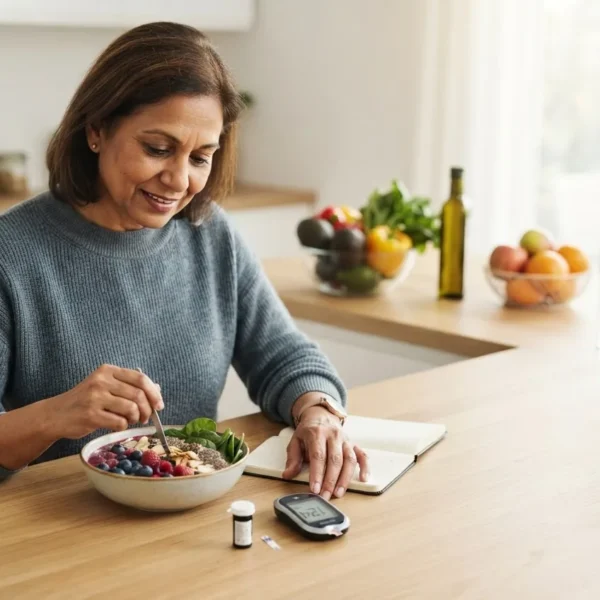
- Relying solely on visuals for specific clinical needs: If you have diabetes, kidney disease or other conditions, pair portion plate use with professional goals; portion plates are a general guide, not a medical prescription.
For readers combining portion plate control with calorie-specific plans, portion plates complement effective meal planning for weight loss and you can layer the visual plate onto calorie targets. For targeted weight-loss techniques, additional strategies are available in portion control techniques for weight loss.
Transition: The next section summarizes health benefits and adds quick stats for why portion plate control matters long-term.
Portion Plate Control Benefits for Health and Balanced Nutrition
Portion plate control supports balanced diet improvement, steadier blood sugar, reduced overeating, and consistent nutrient intake. Below is a compact stat block summarizing these benefits.
- Improves vegetable and fruit intake—visual models increase meeting targets (According to USDA 2023 guidelines, source type: government nutrition guideline).
- Helps regulate blood sugar by balancing carbs with protein and fiber (According to CDC educational materials on balanced meals, source type: government health agency).
- Reduces portion distortion and energy overconsumption—practical portion tools lower average meal energy density (According to a 2024 industry report, visual portioning strategies were associated with improved portion estimation in consumer trials, source type: industry report).
- Decreases food waste when meals are portioned and saved immediately instead of served family-style (practitioner case evidence: community nutrition initiatives in clinics reported improved portion adherence over 8–12 weeks, source type: program anecdote).
For further reading on how portion plates align with weight-management strategies and balanced nutrition, see portion plate for healthy eating (context: detailed weight-focused guidance).
Transition: Now let’s adapt portion plate control to Texas food culture and the lifestyle realities many Texans face.
Customizing Portion Plate Control for Texas Food Culture and Lifestyle
Texas cuisine is rich—BBQ, Tex-Mex, and farm-fresh produce offer flavorful ingredients to fit portion plate control. Customization means keeping the familiar flavors while shifting proportions: more vegetables, controlled grain portions and leaner protein choices.
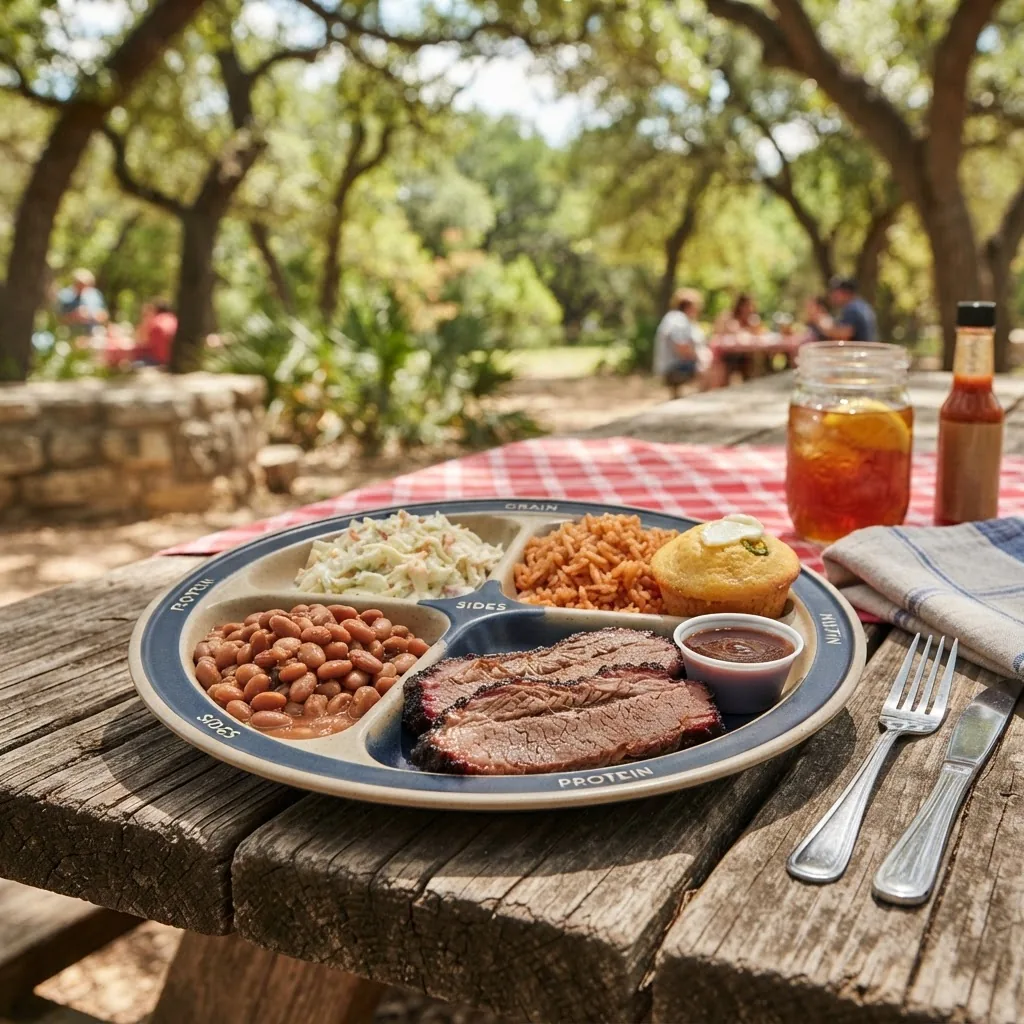
Example Texan meal assembled with portion plate control (exact quantities):
- Half-plate: 2 cups mixed greens + 1/2 cup grilled corn and tomato salsa (vegetables + fresh produce)
- Protein quarter: 3.5 oz sliced lean smoked brisket or grilled turkey (trim visible fat; 100 g cooked) OR 3/4 cup black beans for a plant-based option
- Grain quarter: 1/2 cup cooked brown rice or one small corn tortilla (weigh 28 g) — choose whole-grain or masa made from whole grain where possible
- Side: 1/2 cup sliced mango or 1 small orange
- Fat: 1 tbsp avocado or 1 tbsp vinaigrette
Practical strategies for Texas lifestyle:
- At a BBQ: request lean cuts, replace half of the expected heavy side (potato salad) with a large cucumber-tomato salad to keep the half-plate vegetable target.
- For Tex-Mex outings: order fajita fillings with extra peppers and onions, place tortillas on the side, assemble one tortilla with 2–3 oz protein and a small scoop of rice to match the grain quarter.
- At farmer’s markets: buy mixed vegetables in quantities that serve 4–6 portions (e.g., 4 bell peppers, 2 bunches greens) and batch-roast for quick plate assembly.
Transition: Below are the best tools and resources to support consistent portion plate control in everyday life.
Tools and Resources for Portion Plate Control
- Portion plates with markings — Ceramic or melamine plates printed with segments; use one for daily meals and wash between uses. Tip: choose a 9–10″ diameter plate for adult portions.
- Printable portion plate templates — Print and laminate a 9″ circle template to place under a clear plate for quick visual guidance.
- Measuring cups & food scale — 1 cup, 1/2 cup and a digital scale (±1 g) for initial calibration of portions; use for 2 weeks to internalize visual sizing.
- Apps and trackers — Apps that allow you to photograph and tag plate sections can build a weekly visual log; search app stores for “plate photo food journal.” Use them for accountability rather than calorie fixation.
- Visual guides and cookbooks — Look for books and resources that show plated meals by food group; the USDA MyPlate site provides templates and handouts. USDA MyPlate is a primary external resource (source type: government nutrition guideline).
Transition: Final section summarizes how to integrate portion plate control into broader balanced diet principles and when to consult a professional.
Conclusion: Incorporating Portion Plate Control into Balanced Diet Principles
Portion plate control turns portion plate theory into daily practice: a quick, repeatable framework to meet vegetable targets, balance protein and grains, and manage fats. With 2–4 weeks of consistent use you should reliably estimate portions by eye and experience steadier energy between meals. For sustainability, pair the plate with weekly meal prep, occasional measurement checks, and adjustments for activity level or medical needs.
Final CTA: Start by printing or buying a portion plate, practice the 10-step assembly method above for two weeks, and review your meals weekly. If you want deeper, personalized targets—work with a registered dietitian or clinician.
Common mistakes and how to avoid them (practitioner notes)
I once coached a client who filled the vegetable half with low-fiber items only (canned corn and potatoes), missing the volume benefit of leafy greens. We corrected this by swapping one cup of corn for two cups of mixed greens and adding 1/2 cup cooked beans for fiber and protein—satiety improved within two days.
Another frequent error I observed: people misjudge dressings—using 3–4 tablespoons instead of 1. We switched to a measured 1 tablespoon serving in a small bowl; the result was fewer leftover calories and equal satisfaction.
Quick checklist (verify your plate)
- Half the plate vegetables (2 cups raw or 1 cup cooked)
- Protein quarter = 3–4 oz cooked or plant equivalent
- Grain quarter = 1/2–1 cup cooked or one small bread portion
- 1 serving fruit or dairy side included
- Measure fats: ~1 tablespoon per meal
- Drink: water or unsweetened beverage
When to call in a professional
Consult a registered dietitian or your clinician if you have chronic conditions (diabetes, kidney disease), are pregnant or breastfeeding with special nutrition needs, or require personalized calorie and nutrient targets. A professional can tailor portion plate rules into a medically appropriate plan.