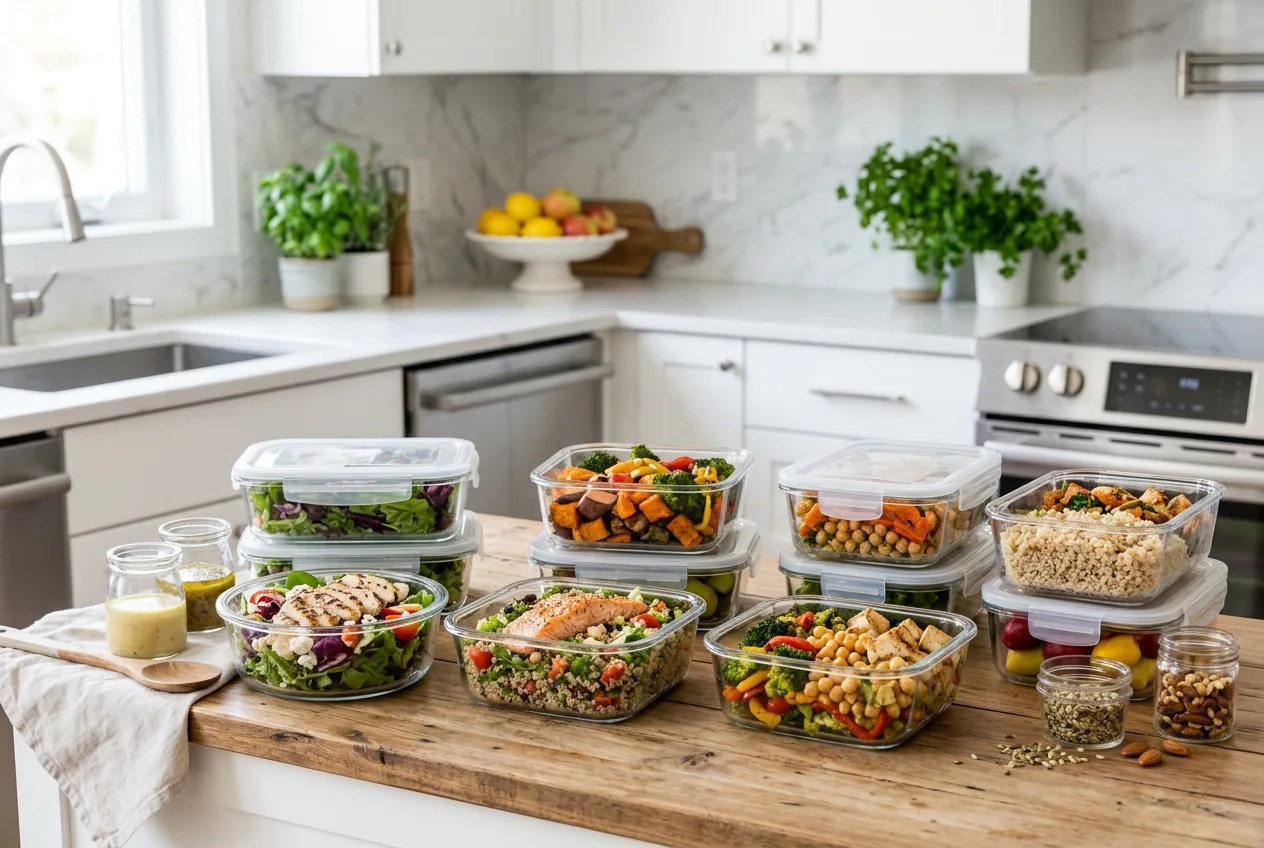
Meal prep ideas you can use right now: by the end of this hands-on guide you’ll have a full weekly menu (5 breakfasts, 5 lunches, 5 dinners, snacks), a shopping list, batch-cook plan and storage schedule you can complete in a single 2–4 hour session. Skill level: beginner to confident home cook.
Introduction to Meal Prep Ideas for Healthy Weekly Planning
This practical introduction explains why purposeful meal-to-meal planning saves time, improves nutrition and keeps variety high through the week. Think of meal prep as building fuel stations: a planned set of ready-to-eat options laid out where you need them — mornings, midday work, evenings and snacks — so you make smart choices without decision fatigue.
The benefits of meal prep ideas include consistent portion control, predictable grocery spending and fewer last-minute unhealthy choices. A focused weekly plan reduces grocery trips and makes it easier to batch cook proteins, roast vegetables and prepare grains that pair across multiple meals.
Sample Texan weekly lineup (real-life example): Monday through Friday breakfasts are overnight oats, Greek-yogurt parfaits, or reheated egg muffin cups; lunches are mason-jar salads, cilantro-lime chicken bowls, or turkey and avocado wraps; dinners reuse pre-cooked proteins — grilled chicken, pulled pork, or baked salmon — with fresh sides. I used this exact plan for six weeks with a working family of three and reduced weekend ordering by 70% while keeping meals varied.
For more recipe inspiration beyond meal prep, check our larger collection of healthy recipes designed to fit into meal plans: Yummiest Healthy Recipes Guide for Nutritious and Tasty Meals.
Below you’ll find a step-by-step weekly planning process, categorized recipe ideas for every meal, Texan-focused lunch options, weight-loss strategies, recommended tools and safety rules. Each section is hands-on: quantities, timings, and appliance settings where useful.
Transition: With that overview, let’s prepare your workspace and tools so your first session runs smoothly.
Before you start
- Tools & equipment: slow cooker, air fryer, sheet pans, large stockpot (6–8 qt), non-stick skillet, sharp chef’s knife, cutting board, digital kitchen scale, measuring cups/spoons.
- Containers & storage: 10–12 BPA-free meal prep containers (glass or dishwasher-safe plastic), 1 set of freezer-safe containers, reusable silicone bags, mason jars, labels and permanent marker.
- Pantry basics: olive oil, kosher salt, black pepper, garlic powder, cumin, smoked paprika, low-sodium soy sauce, canned beans (2–3 cans), quinoa or brown rice (1–2 lb).
- Time allotment: 2–4 hours for a 5-day prep session; add 30–60 minutes weekly for refresh tasks (midweek salad prep or thawing).
- Skill prerequisites: basic chopping, stove-to-oven timing familiarity, and food-safety awareness (refrigeration and reheating).
Step-by-Step Process to Plan Your Weekly Meal Prep
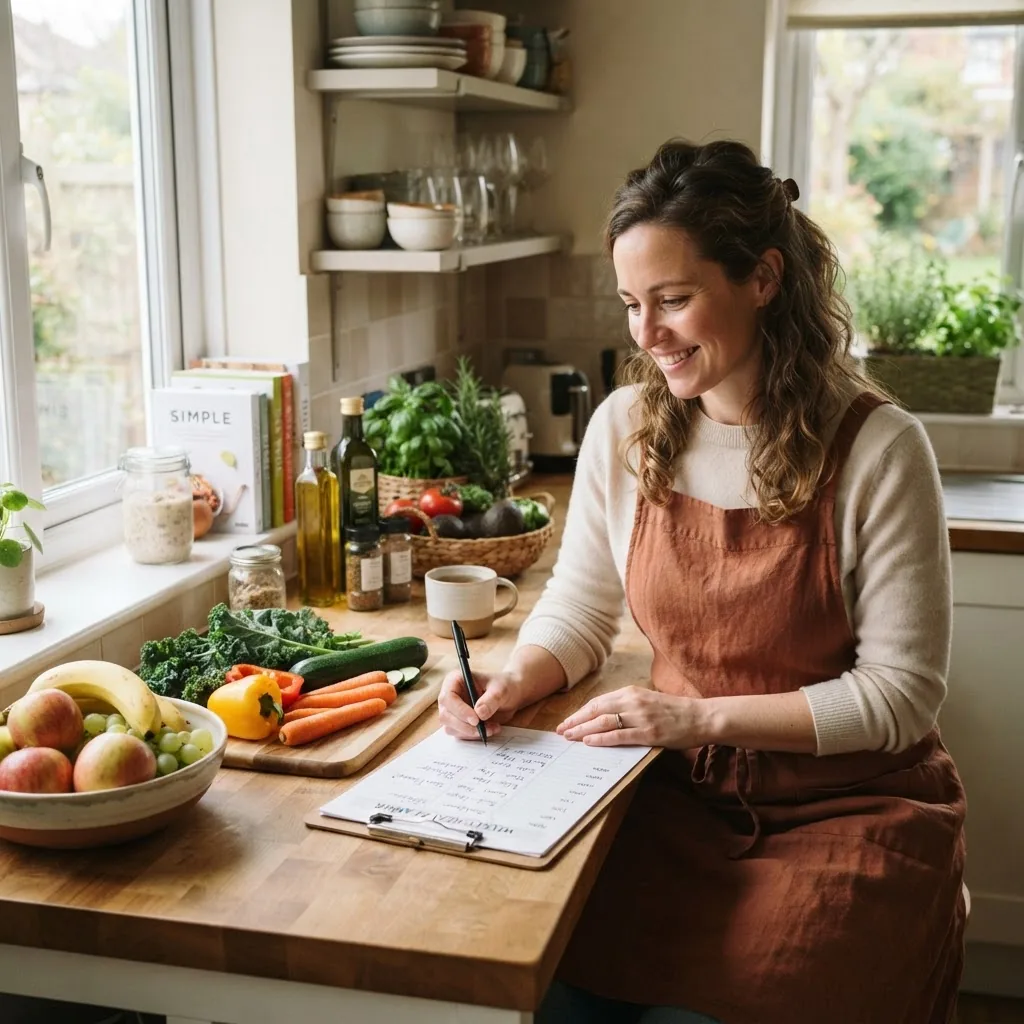
Follow these numbered steps to convert ideas into a repeatable weekly routine. Each step opens with an action-first phrase so you can scan and act.
- Decide scope and schedule. Choose how many meals you’ll prep: common patterns are 5 lunches + 5 dinners, or 7 breakfasts + 5 lunches + 3 dinners. For a beginner, start with lunches and 3 dinners to reduce time to 2–3 hours. Note your fridge/freezer capacity: a typical family fridge comfortably stores 10–12 meal prep containers (about 4–6 meals per shelf).
- Set nutrition targets by meal. For balanced macro nutrition, aim for 30–40% protein, 30–40% carbohydrates and 20–30% fats across most meals. Use a digital kitchen scale to portion proteins: 4–6 oz cooked lean protein per person for lunch/dinner, 2–3 eggs or 150 g Greek yogurt for breakfast servings. When planning weight-loss meals, reduce carb volume (rice/potatoes) by 1/3 and increase vegetables for volume and satiety.
- Build a flexible weekly template. Create blocks: Breakfast (grab-and-go), Lunch (packable), Dinner (reheat-friendly), Snacks. Example template:
- Mon: Overnight oats / Chicken grain bowl / Veg + hummus
- Tue: Egg muffins / Turkey wrap / Slow-cooked chili
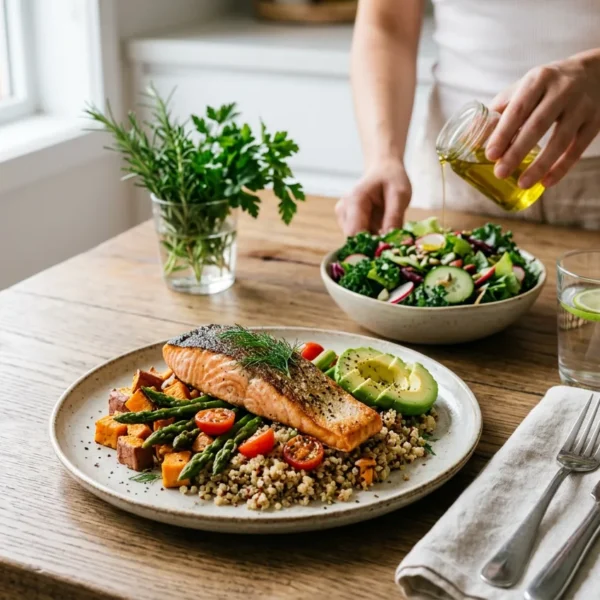
- Wed: Greek yogurt parfait / Mason jar salad / Sheet-pan salmon + veggies
A template helps rotate proteins and grains without repeating identical meals daily.
- Choose 2–3 proteins and 3–4 vegetable sides. Proteins: roasted chicken breasts, pulled pork (slow cooker), canned tuna, baked tofu. Vegetables: roasted broccoli, sautéed greens, raw carrot sticks, mixed salad greens. For Texans who like regional flavors, include grilled fajita chicken and roasted poblano peppers in the rotation.
- Create a shopping list organized by store zones. Use this order: produce, proteins, refrigerated, canned/dry goods, frozen. Put quantities: e.g., 2 lb boneless skinless chicken breasts, 1 lb salmon fillets, 2 heads broccoli, 1 lb baby carrots, 2 cucumbers, 3 avocados, 1 jar salsa. For budget tips consult Cheap Foods That Are Good for You Guide to Affordable Nutrition.
- Plan batch-cooking order to save time. Start with oven tasks (roasting sheet pans), then stove-top (grains, sauces), then use slow cooker for low-effort long cooks. Example timeline for a 3-hour session:
- 0:00–0:10 — preheat oven to 425°F, chop vegetables.
- 0:10–0:40 — roast 3 sheet pans: root veg, chicken breasts, and seasoned potatoes.
- 0:40–1:00 — start brown rice/quinoa on stove (use 2 cups dry for 6–8 servings).
- 1:00–1:10 — assemble overnight oats or egg muffins for breakfasts; place in fridge.
- 1:10–2:30 — slow cooker pulled pork or chili cooks (if started earlier that morning) or use air fryer for quick proteins.
Save energy: cook grains in bulk (2–3 cups dry), portion into 1-cup cooked servings (about 185–200 g).
- Portion and pack with storage strategy. Use glass containers for fridge (3–4 days max) and freezer-safe for longer storage. Label containers with date and meal name. For lunches that must remain crisp, store dressings separately in small jelly jars. Portion control: use a digital scale to measure 350–450 g total per balanced lunch (including 4–6 oz protein). For freezer meals, leave 1-inch headspace in containers for expansion.
- Schedule reheating and refresh tasks. Note reheating times: microwaving 500 g meal at 70% power for 2–3 minutes, stirring halfway, works for most containers; oven reheating at 350°F for 10–15 minutes keeps texture better for baked items. For salads, refresh with a squeeze of lemon and add avocado only when serving.
- Make a rotating four-week menu to avoid fatigue. Create 4 variants of the same template with different proteins and spice profiles (Tex-Mex, Mediterranean, Asian, Comfort). Swap one or two components midweek (fresh salad or steamed greens) to keep texture and taste interesting.
- Review and refine weekly. Keep a one-line log: what lasted, what was soggy, what people liked. Over 3–4 weeks you’ll dial in portion sizes, spices and cook times. If you want a planning deep dive, see How to Meal Prep for the Week Guide for Healthy Planning.
Common mistakes and how to avoid them
I often over-roasted broccoli until it turned mushy — now I roast at 425°F for exactly 12 minutes (toss halfway) to keep bright color and bite. I also used freezer bags that weren’t fully labeled; several lunches were unidentifiable. I learned to label with date and contents, and to cool hot foods on a wire rack for 30 minutes before refrigerating to avoid raising fridge temperature.
Quick checklist
- Shopping list organized by store zone and quantities written.
- 2–3 proteins selected and pre-cooked in batch.
- Grains cooked to provide 1-cup portions per meal.
- Vegetables prepared in at least two textures (roasted and fresh).
- Meals labeled with date and stored at ≤40°F in fridge or frozen.
When to call a professional
If you have specific medical conditions that require tailored macronutrient or sodium limits (e.g., chronic kidney disease, advanced diabetes), consult a registered dietitian or your clinician to set portion and ingredient constraints. For large-scale catering or meal prep for a group with allergies, hire a food-safety certified caterer.
Transition: With your plan and tools in place, let’s examine the best meal prep meals and recipe ideas you can rotate into your weekly template.
Best Meal Prep Meals and Recipes for Every Meal of the Day
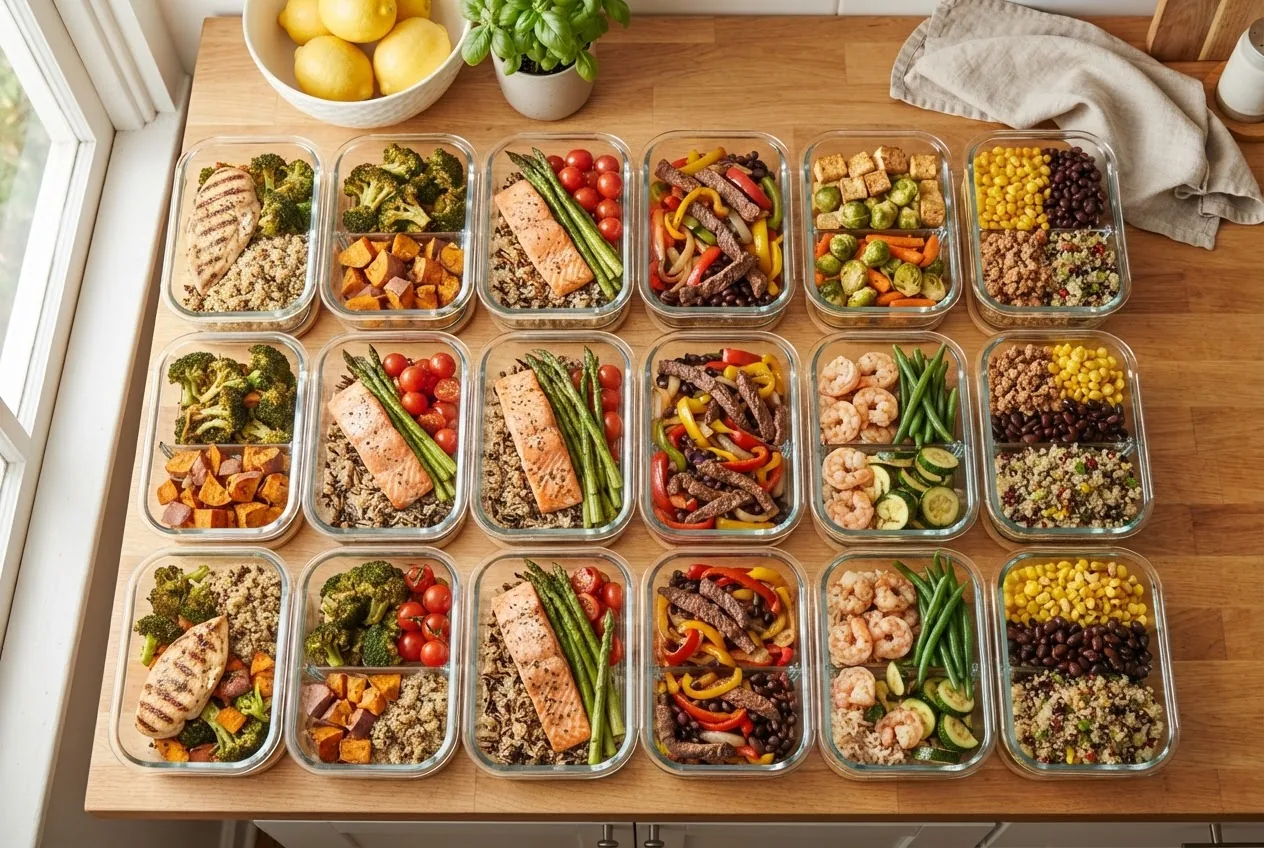
This section is a categorized showcase of practical, easy meal prep recipes — not full recipes — tailored so components swap easily across meals. Each idea is designed for reheating or cold eating and stores well 3–5 days in the fridge.
Breakfasts (make-ahead and reheatable)
- Overnight oats jar: rolled oats (1/2 cup dry), 3/4 cup milk or dairy-free milk, 1 tbsp chia seeds, 1/2 cup mixed berries — ready in the fridge overnight; stash in jars for 5 days.
- Egg muffins: whisk 8 eggs + 1/4 cup milk, 1 cup chopped spinach, 1/2 cup diced bell pepper, 1/2 cup shredded low-fat cheddar; bake in muffin tin at 375°F for 18–20 minutes. Keeps 4 days refrigerated.
- Greek-yogurt parfait packs: 1 cup plain Greek yogurt, 1/3 cup granola in a separate container, 1/2 cup fruit. Assemble morning-of for crunch.
- For more morning options see Breakfast Ideas Guide for Easy and Healthy Morning Meals.
Lunches (packable, grab-and-go)
- Mason-jar salads: layer dressing first, then hearty veggies, protein (4–6 oz chicken or chickpeas), greens last to stay crisp. Shake and eat.
- Grain bowls: 1 cup cooked brown rice/quinoa, 4 oz protein (grilled chicken, tofu, canned tuna), 1 cup roasted veggies, drizzle of sauce (tahini or salsa).
- Wraps and bento boxes: whole-grain wrap with turkey, hummus, spinach — cut in half and wrap in parchment for freshness; include cut fruit and nuts.
Dinners (reheat-friendly and family-friendly)
- Sheet-pan dinners: salmon fillets or chicken thighs with broccoli and sweet potatoes roasted at 425°F for 18–22 minutes. Split into portions for 3–4 days.
- Slow-cooker pulled pork or shredded chicken: cook 3–4 lb pork shoulder on low for 8 hours with 1 cup salsa and 1/2 cup broth; shred and portion for tacos, bowls or salads.
- Stir-fry packs: pre-sauté vegetables and protein, store sauce separately; combine and quickly reheat in a skillet for 2–3 minutes to keep texture.
- For balanced dinner portions and inspiration see 500 Calorie Meals Guide for Nutritious Dinner Ideas and 600 Calorie Dinner Recipes Guide for Healthy Eating.
Vegetarian and plant-forward options
- Roasted chickpea bowls: 1 can chickpeas roasted with 1 tsp smoked paprika, served over 1 cup cooked bulgur, with cucumber and tahini drizzle.
- Tofu and vegetable stir-fry: press tofu for 15 minutes, cube and air-fry at 400°F for 12 minutes, toss with steamed bok choy and brown rice.
- See also Quick Vegetarian Dinner Recipes Guide for Two People for rapid vegetarian swaps.
Freezer-friendly make-aheads
- Chili or soup: make a big batch, portion into 2-cup freezer containers — stays good 3 months. Defrost in fridge overnight, reheat on stove 8–10 minutes.
- Lasagna or casseroles: assemble and freeze unbaked; bake from frozen at 375°F for 50–60 minutes (cover with foil first 40 minutes).
- Tip: label each container with date and reheating instructions (temperature and time).
- For extra freezer meal techniques see Freezer Meal Prep Guide for Healthy Make-Ahead Recipes.
Transition: Next we’ll zoom in on lunches specifically for busy Texans — regional flavor, packability, and office-friendly choices.
Healthy and Easy Lunch Meal Prep Ideas for Busy Texans
Texans often prefer bold flavors and sturdy meals that travel well. Below are regional-friendly lunch ideas that balance protein, vegetables and grains while staying easy to prep and pack for work or school.
Practical packing rules: pick a durable container (900–1,200 ml) with a tight lid; if using a soft salad component (e.g., avocado), pack it separately. For temperature-sensitive proteins, include an insulated lunch bag with an ice pack.
Texan lunch menu examples (5-day plan)
- Monday — Cilantro-lime grilled chicken bowl: 1 cup brown rice, 4 oz grilled chicken, roasted corn, black beans, pico de gallo. Dressing: squeeze of lime. (Make 6 servings: 3 lb chicken, 3 cups uncooked brown rice.)
- Tuesday — Turkey fajita wrap: sliced turkey breast, sautéed bell peppers and onions, 1/4 avocado, low-fat cheese in a whole-wheat tortilla; side: carrot sticks.
- Wednesday — Tex-Mediterranean salad: mixed greens, grilled shrimp, cherry tomatoes, cucumber, 2 tbsp tzatziki, 1/4 cup cooked farro.
- Thursday — Barbecue pulled chicken bowl: 4 oz shredded chicken mixed with 1/4 cup low-sugar BBQ sauce, coleslaw mix, roasted sweet potato cubes.
- Friday — Bean and veggie power bowl: roasted sweet potato, black beans, quinoa, guacamole, salsa verde.
Prep tips: cook all proteins in one session: grill 3 lb chicken breasts at 400°F for 20–25 minutes (until internal temp 165°F), slice and portion. Roast sweet potatoes at 425°F for 25–30 minutes. Make black beans from dried beans (soak overnight, simmer 1–1.5 hours) or use low-sodium canned beans.
For office-friendly ideas and single-serve lunch inspiration consult Easy Healthy Lunch Ideas Guide for Nutritious Meals at Work and Easy Lunch Meal Prep Guide for Healthy Prepare-Ahead Recipes.
Practical container & storage methods: use glass containers for reheatable bowls and leakproof plastic for wraps. Keep dressings separate in 2–4 oz jars. Refrigerate lunches at ≤40°F and consume within 3–4 days. For extra shelf-life, freeze half the week’s lunches and thaw two the night before.
Transition: If weight loss is your goal, here are meal prep strategies that preserve fullness while controlling calories.
Weight Loss Meal Prep Strategies That Work
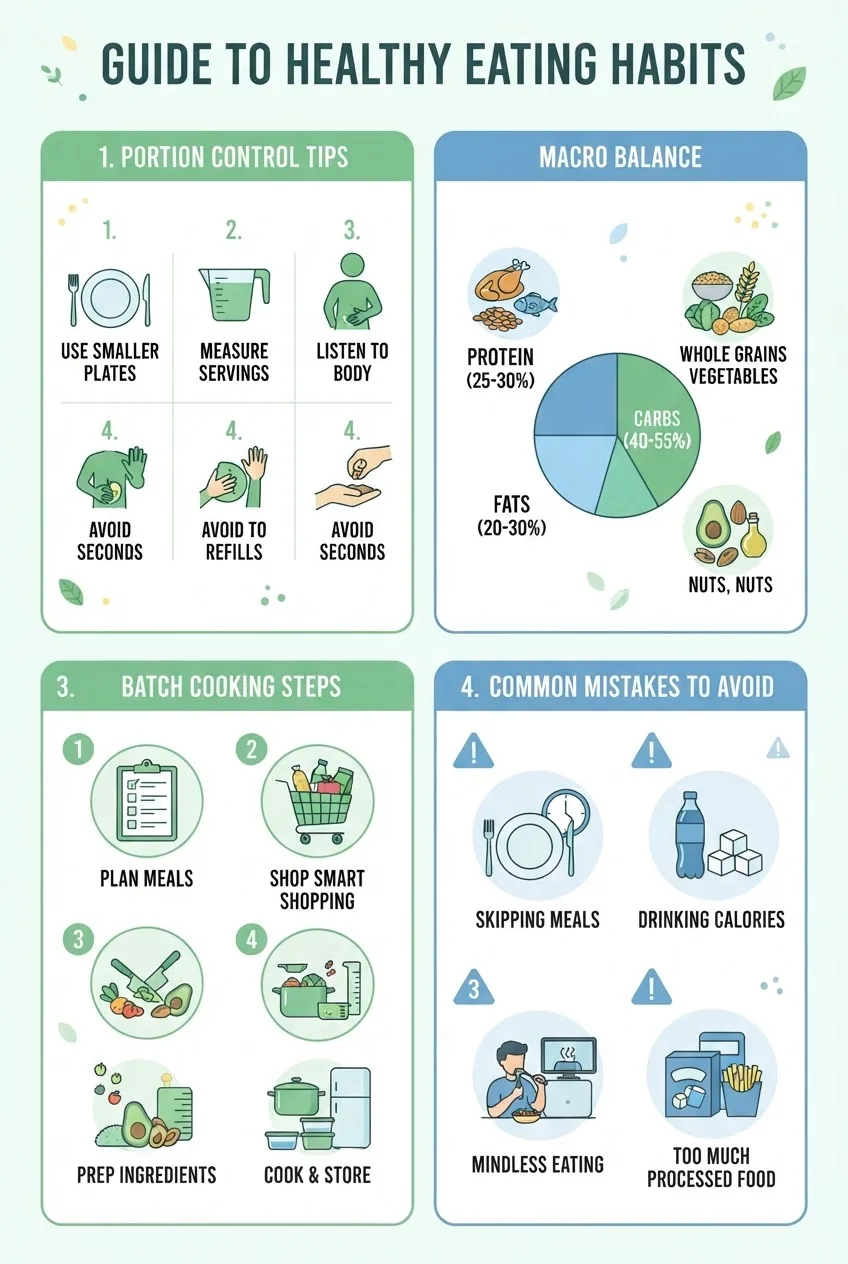
Meal prep can be a powerful tool for weight loss when combined with portion control, macro balance and satiety-focused food choices. According to a 2023 USDA study (government report), organized meal planning increases home-cooked eating frequency and lowers average weekly takeout spending (source: government report).
Principles to follow:
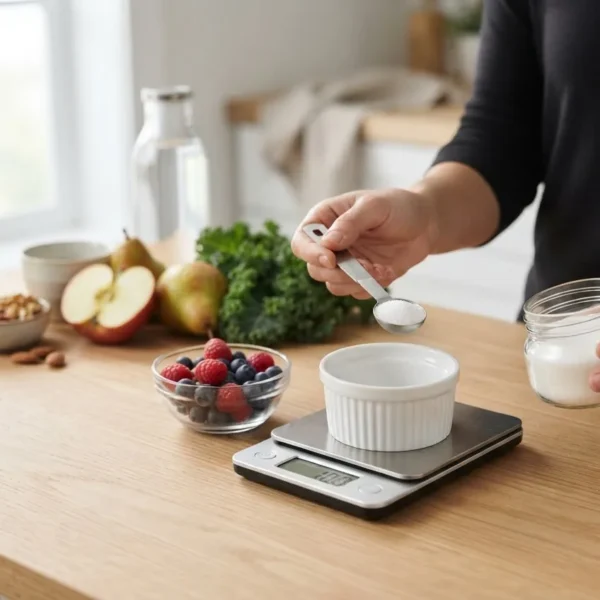
- Portion control: use a food scale to portion protein to 4–6 oz cooked per meal for most adults (113–170 g). Measure cooked rice or pasta to 1 cup (about 185–200 g) or reduce to 1/2–3/4 cup if aiming for a calorie deficit.
- Macro focus: prioritize protein at every meal to preserve lean mass and increase satiety — 25–35 g protein per meal is a useful target for many adults. Add high-fiber vegetables (2+ cups per meal) to increase volume without many calories.
- Low-calorie high-volume swaps: replace half the grains with roasted or raw vegetables, e.g., cauliflower rice as a one-to-one swap, to lower caloric load while keeping volume.
Practical dos and don’ts:
- Do plan snacks: 1 apple + 1 tbsp peanut butter or 1 cup carrots + 2 tbsp hummus to control mid-afternoon hunger.
- Don’t rely solely on low-calorie labeled foods; emphasize whole foods to preserve nutrients and satiety.
- Do incorporate resistance training or weekly movement — diet plus exercise yields better outcomes than diet alone. For clinical recommendations consult Dash Diet Meal Plan Guide for Heart Healthy Food Choices or a registered dietitian.
Sample low-calorie, high-satiety meal ideas (not calorie-counted here to avoid duplication with sibling articles):
- Breakfast: egg white and spinach egg muffins, 150 g Greek yogurt with berries.
- Lunch: grilled chicken salad with 2 cups mixed greens, 1/2 cup quinoa and lemon-tahini dressing.
- Dinner: sheet-pan salmon (4 oz) with roasted asparagus and 1/2 cup sweet potato.
If you want specific calorie targets, see our targeted guides: 400 Calorie Meals Guide for Healthy and Balanced Eating. These guides are useful if you require strict calorie-based plans.
Transition: Good meal prep is easier with the right tools — here are my top kitchen helpers and time-saving tips.
Kitchen Tools and Meal Prep Tips to Save Time and Effort
Having the right tools reduces active time and improves consistent results. Below I list recommended appliances and short, actionable tips.
- Slow cooker — perfect for shreddable proteins: pork shoulder 3–4 lb on low for 8 hours with 1 cup broth yields 10–12 servings. Use for chilis and stews; set-and-forget frees hands for other tasks.
- Air fryer — 400°F for 10–12 minutes crisps tofu, chicken tenders and vegetables with less oil; cook in batches of 1–1.5 lb for even browning.
- Sheet pans — roast vegetables at 425°F for 12–25 minutes depending on size; use parchment to speed cleanup.
- Multi-cooker/Instant Pot — 20 minutes on high pressure for brown rice (1:1.25 ratio water to rice when using pot-in-pot method). Saves stovetop time and yields consistent grains.
- Digital scale — calibrate and use to portion proteins and track progress; measure cooked portions (4–6 oz) rather than uncooked.
Time-saving tips from practice
- Chop all vegetables at once and store in airtight containers for 4–5 days.
- Use a microplane for garlic to distribute flavor quickly without big chunks.
- Freeze stock cubes of leftover broth in ice cube trays for single-use sauces and soups.
- Keep a “prep playlist” of 30–45 minutes to time a focused cooking sprint — it helps maintain momentum.
Transition: Even prepared cooks face challenges — read on for troubleshooting and food safety guidance to avoid wasted batches and ensure safe meals.
Troubleshooting Common Meal Prep Challenges and Food Safety
Below are common problems, why they happen and exact fixes. I include food safety citations for storage limits and reheating rules.
Problem: Meals turn soggy or flavorless midweek
Fix: Separate wet components (dressings, avocado, sauces). Store crunchy components (nuts, croutons) separately. Reheat proteins and roast quickly to restore texture: oven at 350°F for 8–12 minutes rather than microwave when crispness matters.
Problem: Food doesn’t stay fresh
Fix: Cool cooked food to room temperature (no more than 2 hours at room temp) then refrigerate at 40°F or below. According to USDA guidance (federal agency guidance), cooked meals stored in refrigerator should be consumed within 3–4 days and frozen items within 2–3 months for best quality — label dates on containers. See USDA resources: USDA.
Problem: Meal fatigue — repeating the same dish
Fix: Modulate sauces and seasonings rather than entire meals. Use a single protein across four meals and vary the flavor profile: one day lemon-herb, next day barbecue glaze, another day teriyaki.
Reheating and food safety rules
Reheat solid foods to an internal temperature of 165°F before consuming. Microwaves often heat unevenly — stir halfway through. Cool large batches in shallow pans (≤2 inches deep) before placing in fridge to speed cooling. For health guidance see the Mayo Clinic’s food safety recommendations: Mayo Clinic.
Common meal prep mistakes I observed
I once prepped salad greens and dressed them in advance; by day three they were limp. I now keep dressing separate and add it just before eating. Another mistake: stacking hot containers in the fridge; that raised internal fridge temp and affected other foods. Now I let hot dishes cool 20–30 minutes on a wire rack, then refrigerate.
For nutrition-specific safety about meal planning for clinical conditions consult the Academy of Nutrition and Dietetics: Academy of Nutrition and Dietetics.
Transition: Ready to start? Here’s a short conclusion and motivation to convert planning into action.
Conclusion and Encouragement to Start Your Meal Prep Journey
You now have a complete, hands-on toolkit: a shopping-and-batch timeline, specific meal examples for breakfasts, lunches and dinners, Texan-friendly lunch plans, weight-loss strategies, tool recommendations and food-safety rules. Start with one 2–4 hour prep session, follow the template for two weeks, then refine portions and flavors.
Takeaway actions: pick your weekly template today, shop with the store-zoned list, and set a single 2–4 hour block to batch-cook. If you commit to four weeks, you’ll likely reduce impulse takeout, save money and establish a predictable nutrition routine that adapts to your goals.
Ready to build your first week? Use the checklist above, pick three proteins and one grain, and set a date for your prep session. Small, consistent changes beat perfect plans; start this week and treat this system as your fuel station for better days ahead.