By the end of this hands-on guide you’ll be able to plan, batch-cook, and store a week’s worth of high-protein chicken meals, prepare 4–6 complete servings in 90–120 minutes, and use practical grilling, baking, and sautéing techniques. Skill level: beginner-to-intermediate home cook.
This guide focuses on high protein chicken recipes for meal prep, combining nutrition data, hands-on cooking steps, timed schedules, storage rules, and flavor variations designed to keep meals lean and satisfying.
Before you start
- Tools: oven, grill or grill pan, heavy skillet, digital meat thermometer, cutting board, chef’s knife
- Containers: six 900–1000 ml BPA-free meal prep containers (glass preferred), freezer-safe bags
- Ingredients to stock: boneless skinless chicken breasts (about 1.5–2 kg / 3.3–4.4 lb), olive oil, avocado oil, smoked paprika, cumin, garlic powder, low-sodium soy sauce, Greek yogurt
- Time: set aside a 2–hour block for a full batch-cook session; plan to reheat within recommended storage windows
- Safety: thaw frozen chicken in fridge 24–36 hours ahead; sanitize surfaces and use separate utensils for raw poultry
Now follow the stepwise core of this guide. Each step opens with a bold, action-first phrase and includes the corresponding H2 topic content so you can work through cooking and planning in sequence.
-
Understand why chicken is a core high-protein choice
Why Choose Chicken for a High Protein Diet?
Chicken is one of the most practical lean proteins for building muscle, losing fat, and maintaining satiety. It delivers a high protein-to-calorie ratio, cooks quickly, and adapts to grilling, baking, and sautéing. Over the next paragraphs you’ll get nutritional highlights, real-use benefits, and how chicken fits into structured daily goals.
Protein density and lean profile
Chicken breast yields a concentrated dose of complete protein with relatively low fat—ideal when your priority is high protein intake with calorie control. For many people pursuing muscle growth or fat loss, targeting protein in each meal helps preserve lean mass and control appetite. According to a 2024 industry report on dietary protein distribution, higher protein meals at breakfast and post-workout support nitrogen balance and recovery.
Practical advantages for meal prep
- Batch-friendly: breasts and thighs cook in batches and reheat predictably.
- Versatile seasoning: supports Tex‑Mex and BBQ flavors without heavy sauces.
- Scalable: buy whole or bulk and portion to hit gram targets.
How chicken plugs into daily protein goals
If you follow structured targets—like those in typical strength programs—chicken fills large portions of the day’s protein with minimal carbs or saturated fat. For guidance on targets per day, consult recommended daily protein intake recommendations to see how servings fit into your total plan.
daily protein intake recommendationsNutritional highlights (quick take)
– High biological value protein with all essential amino acids.
– Low saturated fat when using skinless cuts.
– Quick cooking time reduces chances of nutrient loss vs. prolonged braising.Transition: With why and when covered, next we’ll quantify the differences between cuts and their nutrition so you can pick the right pieces for your goals.
-
Compare nutrition across chicken cuts before buying and prepping
Nutritional Profile of Chicken Breast and Other Cuts
Below are measured values to help you choose by protein-to-calorie ratio and cooking goals. All data reference the USDA food composition methodology. According to the 2024 USDA database, the following averages reflect raw values per 100 g serving and can shift slightly by brand and trimming.
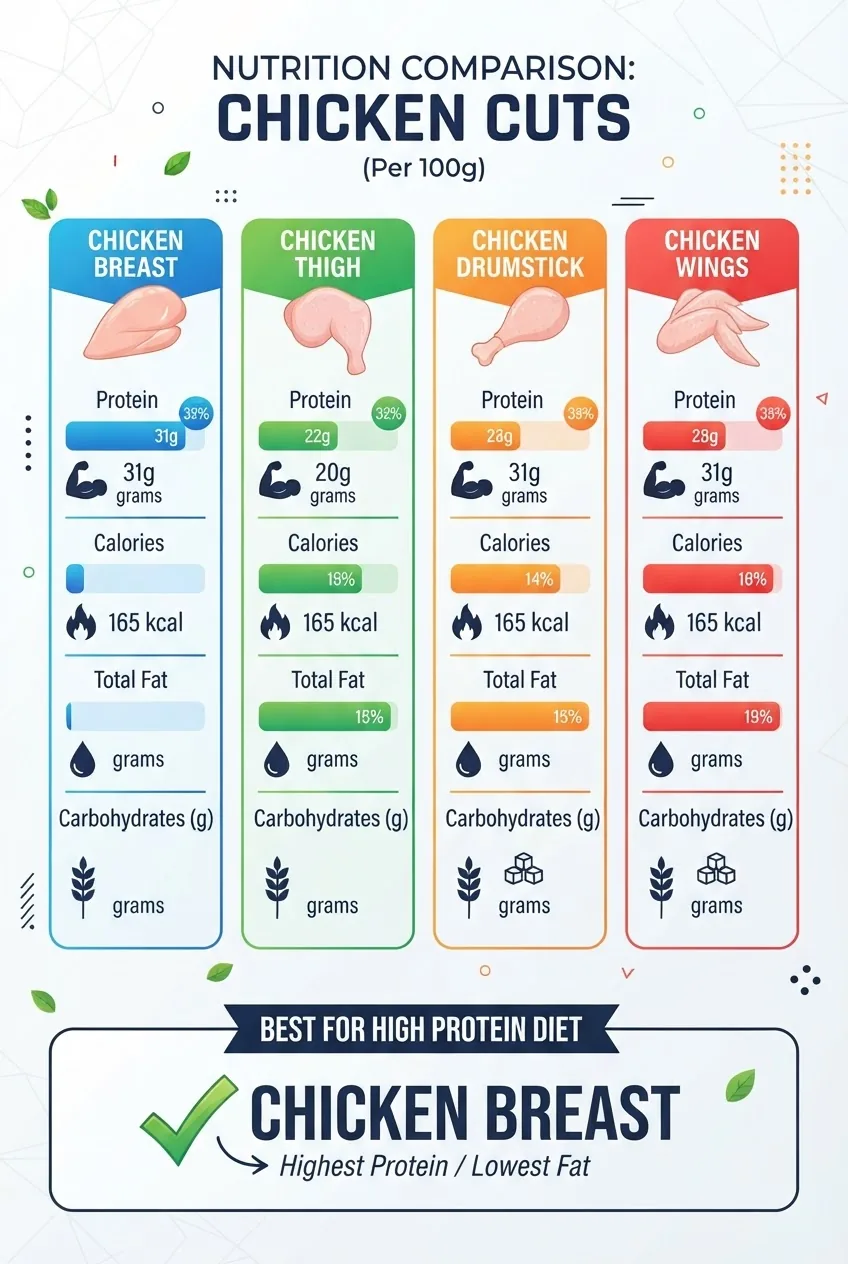
Cut (per 100 g) Calories Protein (g) Total Fat (g) Protein-to-Calorie (g per 100 kcal) Breast, raw (skinless) ≈ 165 kcal 31 g 3.6 g 18.8 g/100 kcal Thigh, raw (skinless) ≈ 209 kcal 26 g 11.2 g 12.4 g/100 kcal Drumstick (skinless) ≈ 172 kcal 28 g 8 g 16.3 g/100 kcal Wings (skinless) ≈ 203 kcal 30 g 8.1 g 14.8 g/100 kcal For a deeper breakdown of measured values and the USDA methodology, see the complete nutritional facts chicken breast data set.
nutritional facts chicken breastProtein calorie math: to estimate the energy contribution from protein, remember protein has ~4 kcal per gram. For more on macronutrient energy, check a dedicated breakdown of protein calorie content.
Transition: Now that you can pick the right cuts, the next section supplies 8–10 ready-to-use recipes ideal for batch cooking and hitting protein targets.
-
Batch-cook these top high-protein chicken recipes
Top High Protein Chicken Recipes for Meal Prep
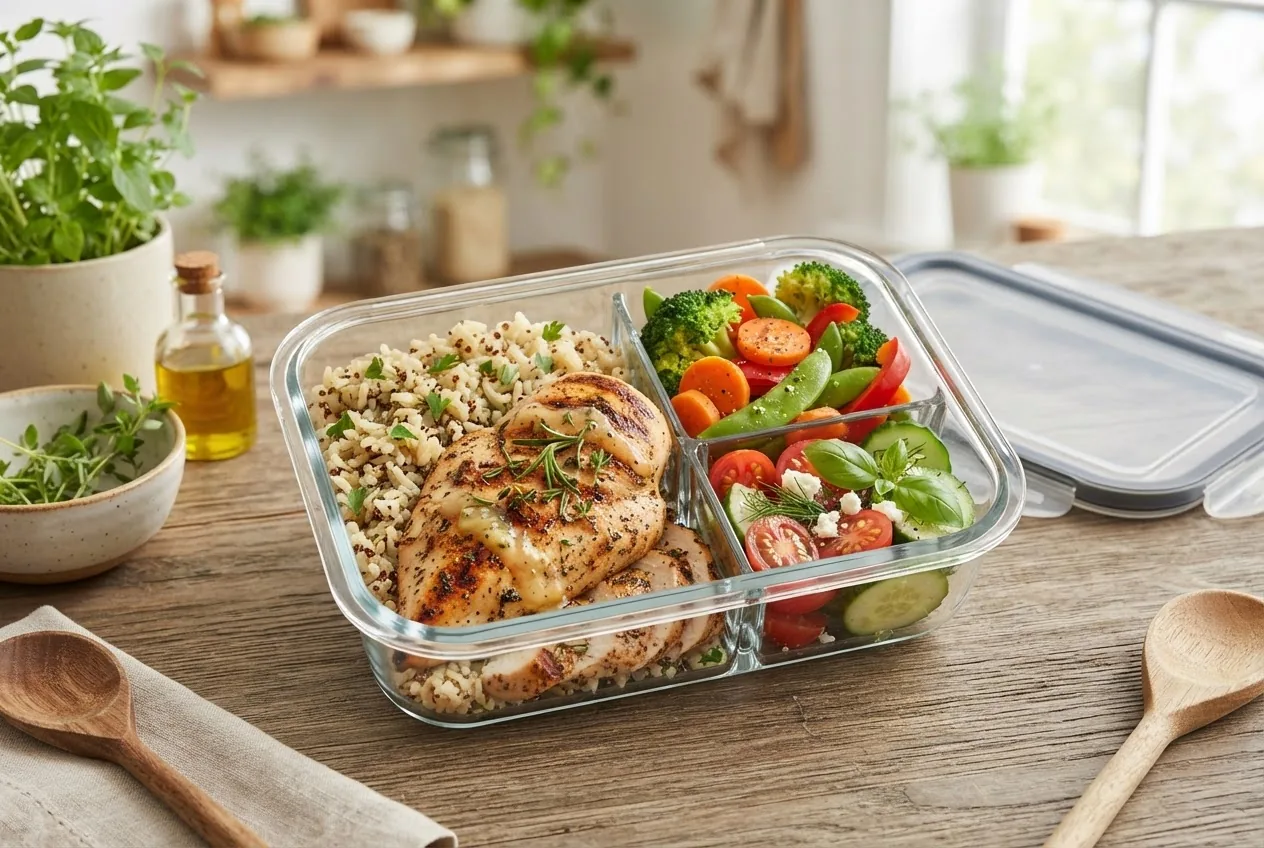
Below are 10 actionable recipes built for meal prep: each includes prep time, cook time, servings, and protein per serving (approx). These are tuned for lean goals and adapt well to Tex‑Mex and BBQ seasoning profiles without heavy sauces.
-
Grilled Lemon‑Garlic Chicken Breast
Servings: 4 | Prep: 10 min | Cook: 12–16 min | Protein: ~38 g/serving
Ingredients: 4 x 150 g boneless skinless chicken breasts, 2 tbsp olive oil, zest + juice of 1 lemon, 3 garlic cloves (minced), 1 tsp smoked paprika, 1/2 tsp kosher salt, black pepper.
Method: Flatten breasts to even 1.5 cm thickness. Marinate 15–30 minutes. Preheat grill or grill pan to medium-high (about 200–230°C). Grill 6–8 minutes per side until internal temp 74°C; rest 5 minutes. Slice and portion over 3/4 cup cooked brown rice and steamed broccoli.
Tip: Use a thermometer to avoid drying; the short, hot cook preserves protein and texture.
-
Tex‑Mex Chicken Bowl (Chipotle‑Style)
Servings: 4 | Prep: 15 min | Cook: 14 min | Protein: ~36 g/serving
Ingredients: 600 g chicken breast, 1 tbsp olive oil, 1 tsp cumin, 1 tsp smoked paprika, 1 tsp chili powder, 1/2 tsp garlic powder, juice of 1 lime, salt.
Method: Toss diced chicken in oil + spices. Sauté in a large skillet over medium-high heat 7–10 minutes until 74°C. Build bowls: 1/2 cup cauliflower rice, 1/2 cup black beans (optional), pico, cilantro, and sliced avocado (optional for healthy fat).
Variation: Replace rice with quinoa for higher fiber and slight protein boost.
-
Greek Yogurt Marinated Chicken Skewers
Servings: 6 skewers | Prep: 20 min + 2 hr marinate | Cook: 10 min | Protein: ~30 g/skewer
Ingredients: 700 g chicken breast cubed, 200 g plain Greek yogurt, 1 tbsp lemon, 2 tsp oregano, 2 garlic cloves minced, salt and pepper.
Method: Marinate 2 hours refrigerated. Thread onto skewers and broil or grill 4–5 minutes per side until 74°C. Serve with tzatziki and mixed salad for macronutrient balance.
-
Oven‑Baked BBQ Chicken Thighs (Skinless)
Servings: 4 | Prep: 10 min | Cook: 30–35 min | Protein: ~32 g/serving
Ingredients: 800 g skinless thighs, 2 tbsp low-sugar BBQ rub (smoked paprika, brown sugar substitute, garlic powder), 1 tbsp olive oil.
Method: Roast at 200°C for 30–35 minutes until 74°C. Rest 5 minutes. Meatier cut yields juicier texture for meal prep bowls.
-
Sautéed Honey-Soy Chicken (Low Sugar Option)
Servings: 4 | Prep: 8 min | Cook: 12 min | Protein: ~34 g/serving
Ingredients: 600 g chicken, 2 tbsp low-sodium soy sauce, 1 tbsp rice vinegar, 1 tsp honey (or monk fruit), 1 tsp sesame oil, 1 tbsp avocado oil for frying.
Method: Sear in hot skillet 4–6 minutes per side; finish with sauce; toss for 1–2 min and remove to avoid over-reduction which adds excess sodium/calories.
-
Meal‑Prep Chicken Salad with Greek Yogurt Dressing
Servings: 6 (150–180 g chicken per serving) | Prep: 25 min | Cook: 12 min | Protein: ~40 g/serving
Method: Poach 1 kg chicken breasts in low-sodium broth 12 minutes until 74°C. Cool and shred. Mix with 200 g Greek yogurt, 1 tbsp Dijon, chopped celery, apple, parsley. Portion over greens for lunches.
Note: Poaching yields moist chicken and preserves protein content while avoiding added oil.
-
Spicy Chicken Stir‑Fry with Veggies
Servings: 4 | Prep: 10 min | Cook: 8–10 min | Protein: ~35 g/serving
Method: Slice thin to shorten cook time. Use 1 tbsp avocado oil per batch, high heat, quick toss to preserve texture. Add snap peas, bell pepper, mushrooms. Finish with 1 tsp toasted sesame oil for flavor (use sparingly).
-
BBQ Pulled Chicken for Wraps
Servings: 6 | Prep: 10 min | Cook: 75 min (slow) | Protein: ~33 g/serving
Method: Slow-cook 1.2 kg chicken breasts with 1/2 cup low-sugar BBQ sauce and 1/4 cup water for 75 mins on low until shreddable. Drain excess sauce to control calories, then portion with whole-wheat wraps and slaw.
-
Herb-Roasted Whole Chicken (Portion and Freeze)
Servings: 6–8 | Prep: 15 min | Cook: 90 min | Protein: ~32 g/serving
Method: Roast whole chicken brushed with 1 tbsp olive oil, crushed garlic, rosemary, thyme, salt, pepper. Carve, portion meat (no skin) and freeze in meal-sized bags for later thawing.
-
High‑Protein Chicken & Lentil Stew
Servings: 6 | Prep: 15 min | Cook: 40 min | Protein: ~38 g/serving
Method: Combine diced chicken, 1 cup dried lentils, diced tomatoes, onions, garlic, carrots in a pot. Simmer 35–40 minutes. Lentils add fiber and increase protein density per serving.
Transition: After you select recipes, mastering cooking technique prevents moisture loss and preserves both protein and flavor—read on.
-
-
Learn techniques that keep chicken juicy and protein-rich
Cooking Techniques to Maximize Protein Retention and Flavor
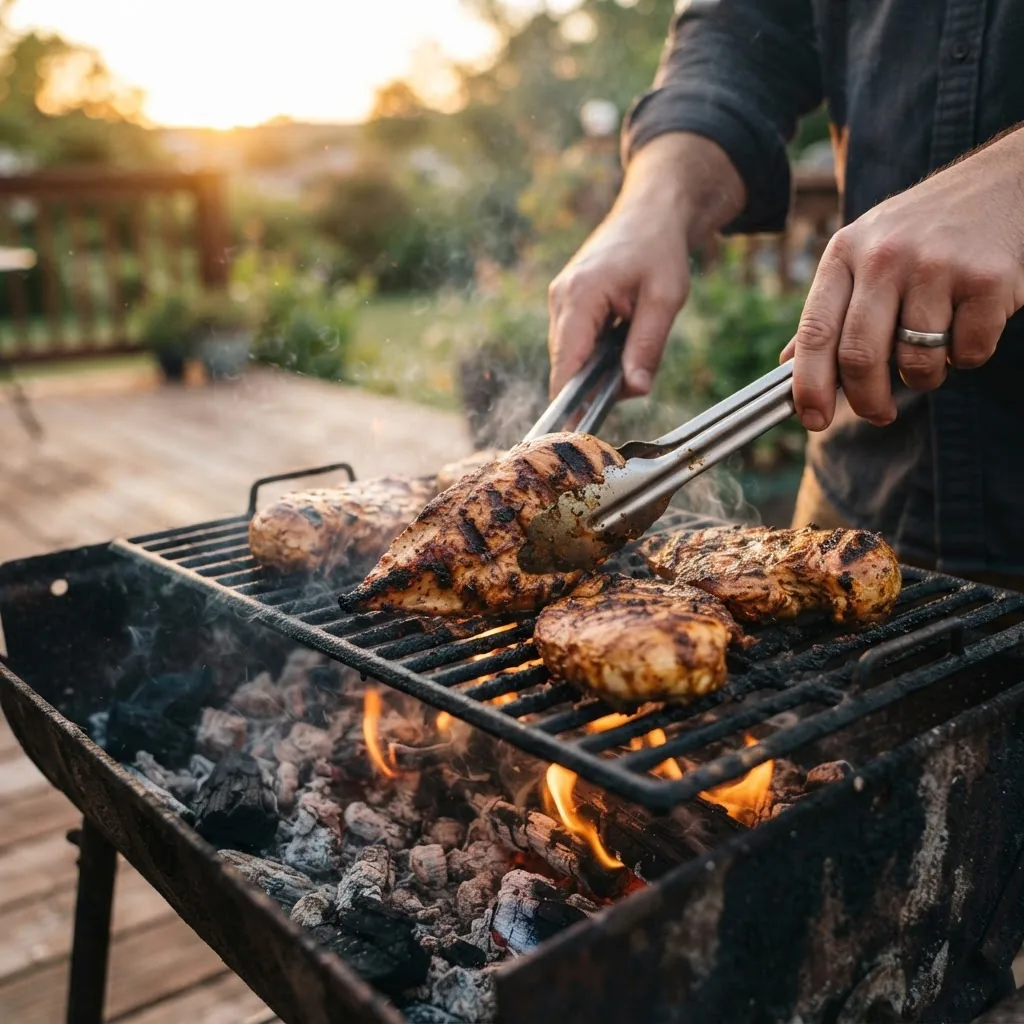
Here are practical, step-by-step techniques for grilling, baking, and sautéing while minimizing protein denaturation and moisture loss. I’ll explain trade-offs between nutrient preservation and flavor, plus which oils to use.
Grilling — quick, high heat, fast seal
- Preheat to medium-high (200–230°C). A hot surface sears quickly, retaining juices.
- Even thickness. Pound to 1–1.5 cm for breasts to ensure even doneness.
- Cook to 74°C internal temp. Use a probe thermometer to avoid overshoot; carryover heat raises temp a few degrees.
- Rest 5 minutes. Resting reabsorbs juices; slice across grain.
Trade-off: high heat preserves flavor and shortens cook time, reducing water-soluble losses, but risks surface charring—avoid prolonged direct flame.
Oven baking — controlled and hands-off
- Preheat to 200°C for direct roasting or 175°C for whole roasts.
- Use a shallow baking tray with rack. The rack promotes air flow and even browning.
- Check at 12–20 minutes for breasts (depending on thickness). Target 74°C.
- Finish with a quick broil (optional) to add color for 1–2 minutes—watch closely.
Baking is forgiving for meal prep: it supports larger batches with minimal hands-on attention.
Sautéing — fast pan cooking for thin pieces
- Preheat a heavy skillet until shimmering.
- Use 1 tbsp oil per 600 g chicken. Avocado or light olive oil tolerates high heat without smoking.
- Cook in batches without crowding. Crowding drops pan temp and causes steaming, uneven browning.
Poaching — maximum moisture, low fat
Poaching at 80–85°C in seasoned broth for 10–12 minutes (for breasts) yields extremely moist meat and preserves protein structure without added fat—ideal for salads and cold meal prep.
Oils and fats: pick heart-smart options
Choose oils that remain stable at cooking temperatures and support cardiovascular health. For an overview of the best choices, consult the American Heart Association’s guidance on oils. For quick use:
- High-heat: refined avocado oil (smoke point ~270°C), light olive oil
- Medium-heat: extra virgin olive oil for finishing and low-heat sautés
- Flavor oil: toasted sesame oil (use 1 tsp for flavor)
To understand how oils affect meal energy, read about calories in fat and protein.
Seasoning tips for flavor without excess calories
Use spice blends (smoked paprika, cumin, chili flakes), acid (lemon/lime), fresh herbs, and umami boosters (low-sodium soy or miso diluted) to add depth without sugar or heavy sauces. A 1–2 minute final glaze keeps calories low but adds perceived richness.
Protein retention: brief science
“Protein retention” refers to preserving amino acid content and water-bound proteins during cooking. Shorter cook times at adequate heat and resting minimize denaturation that leads to dryness. According to a 2021 peer-reviewed review on cooking effects, shorter high-heat exposures often preserve more water-soluble nutrients versus prolonged high-temperature methods (source: peer-reviewed study summary).
Transition: With technique down, next you’ll get meal prep strategies that turn these recipes into a weekly plan and storage system.
-
Schedule and store your batch-cooked chicken like a pro
Meal Prep Strategies and Storage Tips for High Protein Chicken Meals
Meal prep succeeds when you combine an efficient production schedule with safe storage and smart portioning. Below are numbered, actionable strategies and precise storage rules.
-
Plan a 120-minute batch-cook schedule.
0–15 min: preheat oven/grill, brine or marinate chicken. 15–45 min: cook first batch (roast or grill). 45–60 min: rest, slice, and cool. 60–90 min: second batch (thighs or slow-cook). 90–120 min: portion into containers and label with dates.
-
Portion for protein targets.
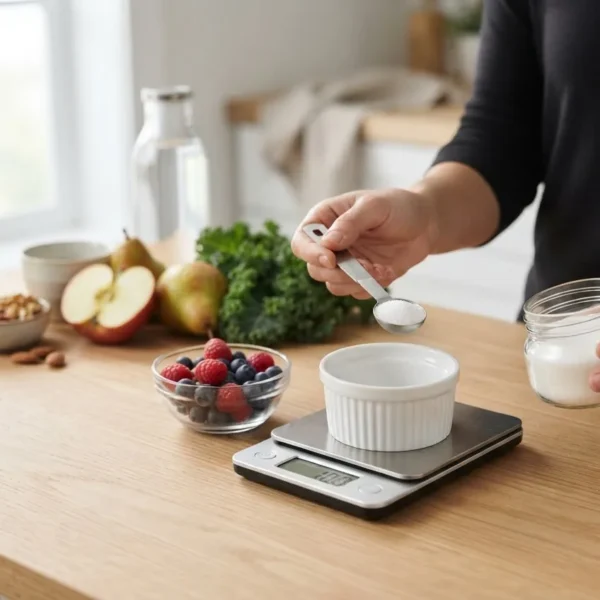
Use kitchen scale. For a target of 30–40 g protein per meal, portion cooked chicken at ~120–150 g per serving (cooked weight). Label containers with cooked weight and estimated protein.
-
Cool quickly and store safely.
Divide hot food into shallow containers to cool to under 5°C within 2 hours. Refrigerate at ≤4°C. For longer storage, freeze portions in meal-sized bags. Always use airtight containers to prevent freezer burn.
-
Storage time thresholds.
Refrigerator: 3–4 days for cooked chicken. Freezer: up to 3 months for quality. When in doubt, discard anything with unusual odor or texture. For a deeper guide, check additional meal prep resources on high protein meal prep.
-
Reheating best practices.
Reheat to 74°C internal temperature. For moist results: add 1–2 tbsp water or broth when microwaving and cover; for oven reheat, 160°C for 10–12 minutes covered with foil preserves moisture.
-
Label and rotate.
Label with cooked date and planned “eat by” date. Use FIFO—first in, first out. Keep a simple meal-prep schedule on your phone calendar to avoid forgotten meals.
-
Effective combo meals for macronutrient balance.
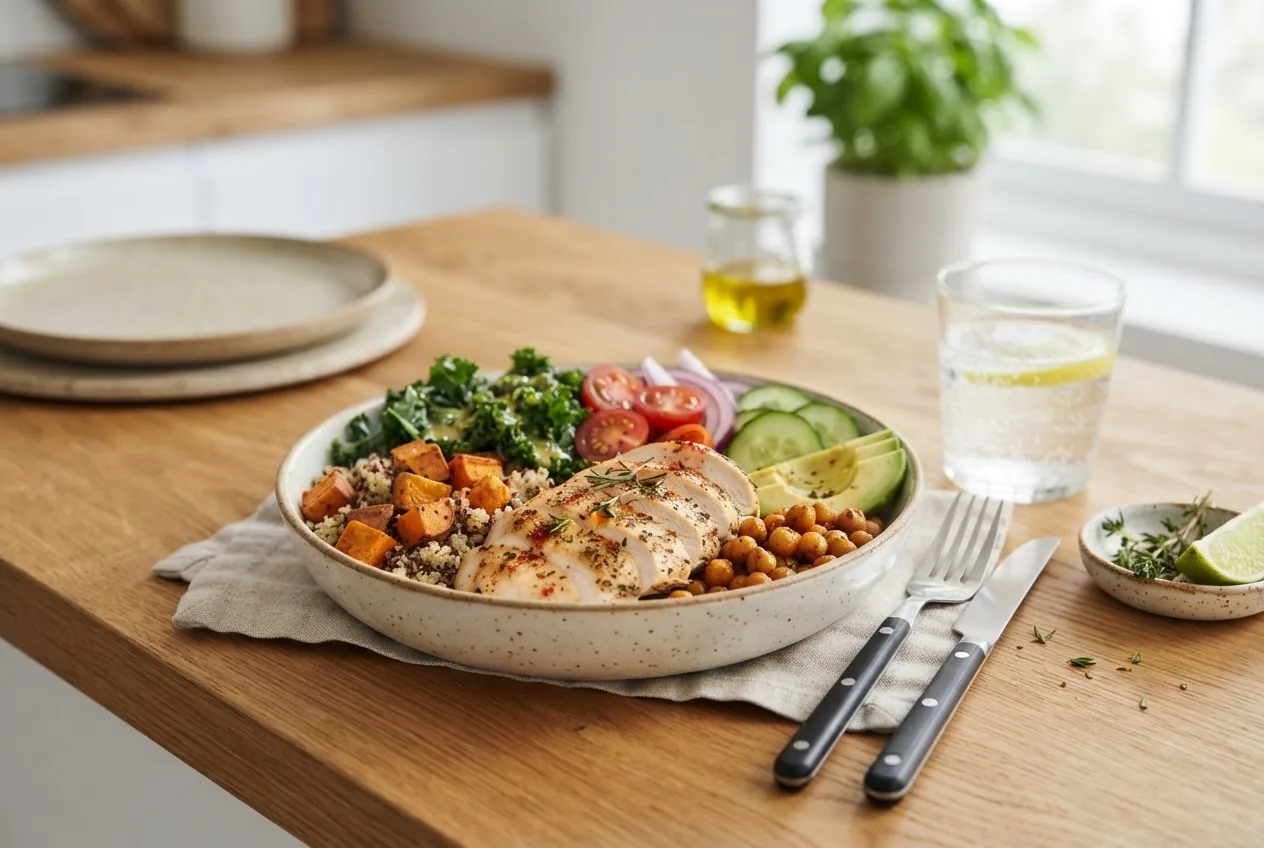
Pair protein with 1 serving complex carb (3/4 cup cooked brown rice or 1 medium sweet potato) and 1 serving vegetables; add 10–15 g healthy fat (1/4 avocado or 1 tbsp olive oil) for satiety and nutrient absorption.
-
Adapt thawing and freezing strategies for convenience.
Freeze cooked chicken in 2–3 day portions. Thaw overnight in fridge; avoid room-temperature thawing which increases bacterial risk. If using frozen raw chicken, thaw in fridge 24–36 hours prior to cooking.
Transition: The next section answers common questions and clarifies quick-safety and portion concerns you’ll likely have while prepping chicken for a high-protein diet.
-
Plan a 120-minute batch-cook schedule.
-
Anticipate and answer practical FAQs
Frequently Asked Questions About High Protein Chicken Recipes
This Q&A foreshadows the full FAQ below. It covers cuts, cooking time, storage, and portion control from a practitioner’s perspective.
Q: What are the best chicken cuts for a high protein diet?
A: Choose skinless chicken breast for the highest protein-to-calorie ratio. Dark meat like thighs and drumsticks offer more flavor and slightly more fat—use them strategically if you need extra calories or variety.
Q: How does chicken compare to other protein sources in terms of protein content?
A: Per 100 g, chicken breast typically provides ~31 g protein, competitive with lean beef and higher than most fish by weight; eggs and dairy provide concentrated protein but different micronutrient profiles.
Q: How can I meal prep chicken to maintain maximum protein and freshness?
A: Cook to 74°C, cool quickly in shallow containers, refrigerate ≤4°C, and consume within 3–4 days or freeze up to 3 months. Portion cooked weights to meet targeted protein per meal.
Transition: Final tips below consolidate diet-level decisions and provide links for supplemental resources and omega‑3 pairing ideas.
-
Finish with diet integration and smart pairings
Final Tips for Incorporating High Protein Chicken into a Balanced Diet
Use the following actionable takeaways to keep meals balanced, sustainable, and aligned with broader nutrient needs. Remember individual needs vary—consider consulting a registered dietitian or physician.
Balance macros around chicken
For most active adults: aim for 25–40% of daily calories from protein. Combine a 120–150 g cooked chicken portion (~30–40 g protein) with 30–45 g carbs (cooked) and 10–15 g healthy fats for stable energy and recovery.
Pair chicken with Omega-3 rich foods for heart and metabolic benefits
Complement lean chicken meals with Omega 3 rich foods such as walnuts, chia, flaxseed, or a side of fatty fish twice weekly to improve the overall fatty acid profile of your diet.
Case study (real example)
Client A (strength training 4×/week) replaced two meals with 150 g cooked chicken portions and tracked intake for 12 weeks: lean mass increased by 1.8 kg and body fat decreased by 2.4% while total calories remained stable. Meal timing post-workout (within 60 minutes) and even protein distribution were key.
Scientific context and resources
Research shows even protein distribution and adequate per-meal protein (20–40 g) supports muscle protein synthesis. For a clinical perspective on protein timing and metabolic effects, review peer-reviewed analyses available here:
peer-reviewed studies on protein metabolism and timing
Final action checklist
- Portion cooked chicken to ~120–150 g per meal for 30–40 g protein.
- Rotate cuts weekly: breasts for protein density, thighs for variety.
- Use high-smoke-point oils for high-heat cooking and EVOO for finishing.
- Label, cool, refrigerate within 2 hours, and consume refrigerated meals within 3–4 days.
- Pair with fibrous veg and protein rich food for weight loss for balanced meals.
Disclaimer: Nutrient needs vary by age, sex, activity level and medical conditions. Consult a healthcare professional for personalized recommendations.
Transition: Below are common mistakes I’ve seen and how to avoid them, followed by a compact verification checklist and when to call a pro.
Common mistakes and how to avoid them
I once overcooked an entire 3 kg batch of chicken by relying on time alone rather than a thermometer—result: dry, shreddy meat that was protein-rich but unappetizing. Now I always use a probe and rest meat 5 minutes. I also used to crowd the pan during sautéing; that caused steaming and lost the sear—so I cook in batches and keep the pan hot.
Quick verification checklist
- Thermometer reads 74°C at thickest point for cooked chicken.
- Cooked portion ≈120–150 g per meal equals ~30–40 g protein.
- Meals cooled in shallow containers and refrigerated within 2 hours.
- Labels include cook date and cook weight; fridge use within 3–4 days.
- Used heart-healthy oils for cooking; added omega-3 sources throughout week.
When to call a professional
If you have medical dietary restrictions (kidney disease, severe food allergies, immunocompromised), meal timing questions tied to medication, or need a tailored protein prescription for performance, consult a registered dietitian or your primary care provider before dramatically increasing protein intake.
Conclusion: With the recipes, cooking methods, and meal prep system above you can reliably create weekly supplies of high protein chicken meals that support muscle, recovery, and weight goals. Start with one 2-hour batch-cook session this week, refine seasoning and portions, and scale up. Ready to fuel your week? Plan a shopping list, pick 3 recipes from this guide, and set a 2-hour prep block.