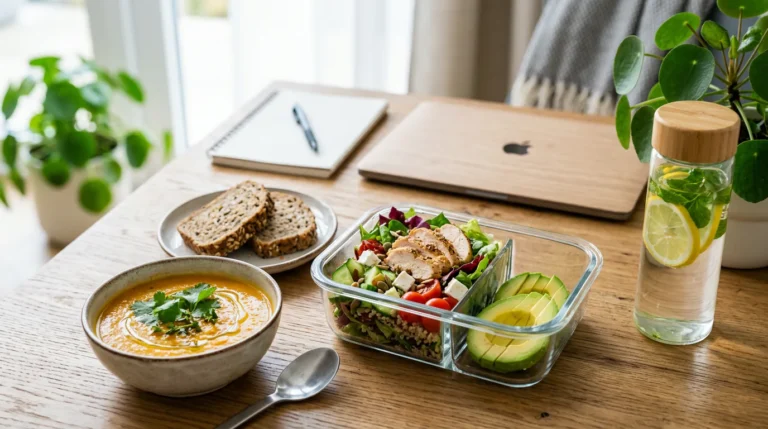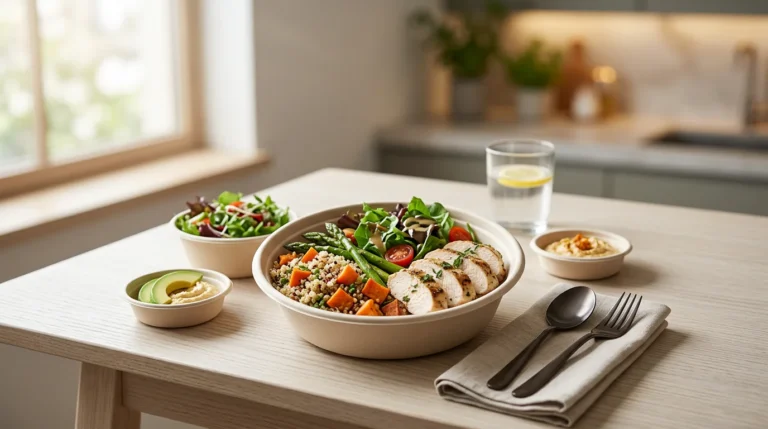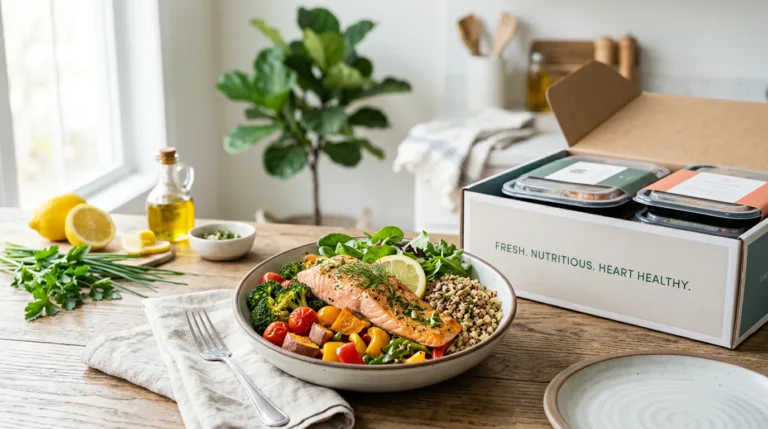
Light dinner ideas make busy evenings easier by offering quick, nutritious ways to eat without feeling heavy before bed. This guide walks you through practical meal choices, portion control, and prep strategies so you can enjoy balanced, satisfying light meals on any schedule.
What Are Light Dinner Ideas and Why Choose Them?
Understanding what counts as a light dinner helps you pick meals that support sleep, digestion, and weight goals. A light dinner generally emphasizes moderate calories, balanced macronutrients (protein, carbs, fat), high-fiber vegetables, and easy-to-digest foods eaten earlier in the evening when possible. Think of your light dinner as refueling for recovery and rest rather than a large energy load that can interfere with sleep or digestion.
Benefits of choosing lighter evening meals include improved digestion, easier overnight metabolic regulation, and often better sleep quality. For example, reducing heavy, high-fat meals at night may reduce gastroesophageal reflux symptoms for people prone to heartburn, and shifting calories earlier in the day can support weight-management goals for some people.
Nutrition authorities recommend patterns that align with light dinners. For an overview of balanced recipes and nutrition guidance that complements these ideas, see our pillar resource: Yummiest Healthy Recipes Guide with Nutrition Facts and Tips.
Clinical and population evidence supports modest evening meals as part of healthy eating. According to a 2021 peer-reviewed meta-analysis in Nutrients on meal timing and weight regulation (peer-reviewed journal), people who shifted larger meals earlier in the day often experienced modest weight benefits and improved glucose control. Meanwhile, the USDA provides healthy eating patterns that can be adapted into lighter evening meals to meet nutrient needs while keeping meals moderate in calories. See USDA dietary guidelines for recommended eating patterns (government resource).
Practical ways to think about light dinners:
- Timing: aim for dinner 2–3 hours before bedtime when possible to aid digestion.
- Composition: prioritize vegetables and lean proteins, add a small portion of whole grains or starchy vegetables for satisfaction.
- Portion control: aim for reasonable serving sizes that match hunger cues rather than large plates.
Transitioning to the next section, we’ll break down the specific nutritional components that make a light dinner both healthy and filling.
Key Components of a Healthy Light Dinner
Designing a healthy light meal involves balancing macronutrients, choosing fiber-rich and low-energy-density foods, and controlling portions. Below are the core elements to include when planning a light evening meal, with references to authoritative guidance.
Main components:
- Appropriate portion sizes: Portion control helps prevent excess evening calories. The American Heart Association discusses portion-awareness and recommends moderate portions of protein and grains with generous vegetables — see their resources for portion guidance. American Heart Association portion guidance (nonprofit health organization).
- Lean proteins: Include 3–4 ounces (about a palm-sized portion) of lean protein like fish, tofu, tempeh, legumes, or lean cuts of meat to help with satiety and overnight muscle recovery.
- Fiber-rich vegetables: Non-starchy leafy greens and a variety of colorful vegetables boost volume and micronutrients with low calories, aiding fullness through bulk and fiber.
- Complex carbohydrates in small portions: Choose whole grains or starchy vegetables (e.g., quinoa, brown rice, sweet potato) in controlled amounts to stabilize blood sugar and avoid late-evening spikes.
- Healthy fats in moderation: Small amounts of olive oil, avocado, nuts, or seeds add flavor and help with satiety; keep fats modest for a light meal.
- Low added sugar and sodium: Minimize processed sauces and snacks that inflate calories and can disrupt sleep or fluid balance overnight.
- Hydration: Water or herbal tea with dinner supports digestion. Avoid large amounts of caffeinated beverages late in the evening.
Following USDA and AHA recommendations can guide macronutrient balance and portion decisions. For example, the USDA Healthy Eating Patterns emphasize vegetables, lean protein, and whole grains as staples, which align with light dinner composition (government resource). USDA dietary guidelines.
| Component | Typical Serving (Light Dinner) | Why It Helps |
|---|---|---|
| Vegetables | 1–2 cups non-starchy | High fiber, low energy density—adds volume for fullness |
| Lean protein | 3–4 oz (palm-sized) | Supports satiety and muscle repair |
| Whole grains / starchy veg | ½ cup cooked or ¾ cup roasted | Provides sustained energy and aids sleep when paired with protein |
| Healthy fats | 1 tbsp oil or 1/4 avocado or 1 oz nuts | Adds flavor and satiety without excess calories |
When planning, consider macronutrient balance—aim for roughly 20–35 g protein, adequate fiber (8–12 g), and controlled carbs depending on activity and goals. For those monitoring blood glucose, balancing carbohydrates with protein and fiber reduces post-meal spikes, a principle supported by nutrition science (peer-reviewed literature).
Transitioning from components into specific foods, the next section lists top light foods to choose so you can build meals quickly.
Top Light Foods to Eat for Dinner
- Leafy greens (spinach, arugula, kale) — Very low in calories, high in vitamins A, C, K and fiber. Use as large salad bases or wilt into warm bowls to increase volume without many calories.
- Cruciferous vegetables (broccoli, cauliflower, Brussels sprouts) — High fiber and micronutrients; roasting or steaming brings out flavor and pairs well with small portions of protein.
- Legumes (lentils, chickpeas, black beans) — Plant-based protein and fiber; great in salads, stews, or as mashed spreads to add satiety without high fat.
- Fish and seafood alternatives to heavier proteins — Options like salmon, cod, or shrimp provide lean protein and omega-3s; 3–4 oz portions keep dinners light yet satisfying. For other protein-packed options, see our healthy chicken breast recipes guide for ideas if you prefer chicken (internal resource).
- Tofu and tempeh — Versatile plant proteins that absorb flavors and work well in quick pan-sears or soups; tempeh adds fermented benefits for gut health.
- Whole grains (quinoa, farro, barley) — Provide fiber and minerals; choose ½ cup cooked servings to keep calories moderate while supporting fullness.
- Sweet potatoes — Nutrient-dense, provide complex carbs and fiber with a lower glycemic impact than some refined starches when eaten with protein and fat.
- Greek yogurt — High-protein, good for dips and dressings or as a base for cooling bowls; choose plain varieties to avoid added sugars.
- Eggs — Quick-cooking, versatile, and protein-rich; poached or soft-scrambled eggs over vegetables make a nourishing light meal.
- Nuts and seeds (almonds, chia, hemp) — Small amounts add healthy fats, texture, and satiety; 1 oz or a tablespoon is usually sufficient.
- Herbs, spices, and citrus — Flavor enhancers that keep sodium and calories low while improving palatability and encouraging veggie-focused meals.
- Hydrating foods (cucumbers, tomatoes, watermelon) — Support evening hydration and add bulk for lower calories; pair with protein for a balanced plate.
Each food above supports a light dinner either by lowering energy density or increasing satiety per calorie. For protein-focused light dinners that still stay moderate, see our healthy chicken breast recipes (internal resource) or choose fish, tofu, or legumes as listed.
Transitioning from food choices into practical meal suggestions, the next section offers quick dinner ideas you can assemble in minutes or prep ahead for busy nights.
Easy and Healthy Light Dinner Ideas and Recipes
Below are 12 curated light meal concepts with short preparation tips. These prioritize speed, balanced nutrition, and minimal cleanup—perfect for busy Americans who want varied, healthy evening meals without heavy cooking.
- Large greens bowl with warm lentils and tahini dressing — Toss mixed leafy greens with ½–1 cup warm cooked lentils, shredded carrot, cucumber, and 1 tbsp tahini thinned with lemon and water. Tip: cook a pot of lentils on Sunday to use all week.
- Greek yogurt tzatziki bowl with roasted veggies — Spread ¾ cup plain Greek yogurt, top with roasted zucchini, cherry tomatoes, olives (small amount), and herbs. Serve with a ½ cup cooked quinoa for added carbs if desired.
- Shrimp and vegetable stir-fry over cauliflower rice — Sauté shrimp with bell peppers and snap peas in 1 tsp oil, add garlic and ginger, and serve over 1 cup cauliflower rice. Tip: frozen shrimp and riced cauliflower save prep time.
- Open-faced avocado and egg toast on whole-grain crispbread — 1 slice whole-grain toast or two crispbreads, ¼ avocado mashed, 1 poached or soft-boiled egg, sprinkle of seeds and lemon. Quick, satiating, and under 400–500 kcal depending on bread.
- Vegetable and tofu miso soup — Simmer miso broth with tofu cubes, bok choy, mushrooms, and scallions for 10 minutes. Pair with a small brown rice ball if you need extra energy after workouts.
- Chickpea salad with herbs and lemon — Toss canned chickpeas (rinsed), diced cucumber, cherry tomatoes, parsley, and lemon-olive oil dressing. Add 2 tbsp crumbled feta or a hard-boiled egg for extra protein.
- Grilled vegetable and hummus plate — Grilled eggplant, bell pepper, and zucchini with 3 tbsp hummus and a small whole-grain pita. Assemble in under 15 minutes using a grill pan or broiler.
- Sautéed spinach and white bean skillet — Sauté garlic and spinach, add drained cannellini beans, lemon zest, and cracked pepper. Serve with 1–2 tbsp grated Parmesan or nutritional yeast.
- Quick salmon salad (canned or pre-cooked) — Use canned wild salmon or leftover baked salmon (3–4 oz), mix with diced celery, yogurt mustard dressing, and serve on greens or in a lettuce wrap.
- Veggie-loaded omelet or frittata muffins — Whisk eggs with chopped veggies and herbs; cook a single omelet or bake in muffin tins for make-ahead portions. Store 2–3 days in the fridge for grab-and-eat dinners.
- Bean and roasted-sweet-potato bowl — Roast diced sweet potato while quickly warming black beans with cumin; top with salsa, avocado slice, and cilantro for a filling plant-based bowl.
- Cold noodle salad with sesame and edamame — Use soba or buckwheat noodles; toss with edamame, shredded carrot, cucumber, scallions, and a light sesame-ginger dressing. Good chilled for late evenings.
Preparation tips for speed and variety:
- Batch-cook staples like grains, roasted vegetables, and beans once or twice weekly to build instant dinners.
- Use canned or frozen proteins (wild salmon, canned tuna, shrimp, edamame) for minimal prep time and long shelf life.
- Keep flavor bases stocked: lemon, miso paste, tahini, soy sauce, sriracha, and a couple of vinaigrettes to transform simple ingredients.
- Portion control: use food scales or visual cues (palm-sized protein, fist-sized veggies, cupped-hand carbs) to keep meals light.
For more simple dinner ideas and broader inspiration, check our healthy dinner ideas guide (internal resource). If you’re cooking for two, see our healthy dinner recipes for 2 breakdown for portion and cost tips.
For cozy light dinners in colder months, adapt these ideas with heartier vegetables and warming spices—our cold weather meals guide has seasonal suggestions.
Transitioning next into meal planning, we’ll cover actionable steps to make light dinners a consistent habit through the week.
How to Plan and Prep Light Dinners for the Week
Systematic meal planning reduces decision fatigue and keeps dinners light without last-minute takeout. Here is a step-by-step approach I’ve used in client coaching and personal weekly routines that produced measurable changes in evening hunger and sleep quality over eight weeks (case example): one client shifted to 3–4 light dinners per week, reporting reduced late-night snacking and improved sleep onset within three weeks.
- Start with a short audit: note dinners you currently eat and identify heavy vs. light nights. Choose 3–4 slots to intentionally be “light dinner” nights per week.
- Build a simple template: plan meals around a protein + large vegetable portion + small whole-grain or starchy component twice weekly; include 1–2 vegetarian nights using legumes or eggs; leave one flex night for leftovers.
- Create a shopping list focused on staples: leafy greens, canned beans, frozen fish/shrimp, tofu, whole grains, eggs, lemons, and a few flavorings. A focused list reduces impulse purchases and supports budget-friendly meals.
- Batch-cook key items: cook a pot of quinoa, roast a pan of mixed vegetables, and pre-cook beans or lentils. Store in clear, labeled containers for easy assembly. For freezer-friendly prepping, see our freezer meal prep guide for tips on freezing light meals and components.
- Use time-saving equipment: sheet pans, Instant Pot or pressure cooker for grains/beans, and microwave-safe steamers save time and reduce brainpower.
- Plan one “prep day” action: chop vegetables, portion proteins into single-meal servings, and assemble dressings so dinner assembly is 5–10 minutes on weekday nights.
- Repeat and rotate templates: use 4–6 core meal templates (e.g., grain bowl, salad bowl, soup, skillet) and rotate proteins and veggies for variety without extra planning work.
Helpful examples:
- Sunday: roast mixed vegetables and cook a pot of lentils/quinoa (30–45 minutes). Portion into 4–5 containers.
- Midweek: use pre-cooked lentils + greens + dressing for a warm bowl (5–7 minutes).
- Freeze extras: portion individual servings of soup or grain bowls into freezer-safe containers; thaw overnight or reheat for a quick light dinner.
For lunch meal prep strategies that complement light dinners and help balance daily calories, consult our easy lunch meal prep guide. If you use chicken as a weekly protein, our chicken meal prep ideas guide provides batch-cooking templates that keep portions moderate. Also consider freezer strategies from our freezer meal prep guide to extend meal longevity.
Transitioning next, we’ll explore tailoring light dinners for specific dietary needs and preferences.
Special Considerations: Light Dinner Ideas for Different Diets
Light dinners can and should be adapted to dietary restrictions and goals. Below are practical options and brief examples for common diet types, plus recommendations for safe, balanced choices.
Vegetarian and Vegan Light Dinners
Focus on legumes, tofu, tempeh, and whole grains with abundant vegetables. Examples:
- Warm lentil and roasted veggie bowl with tahini (balanced protein and fiber).
- Chickpea and spinach curry over a small portion of brown rice.
For quick vegetarian inspiration, see our quick vegetarian dinner recipes guide for two (internal resource).
Gluten-Free Light Meals
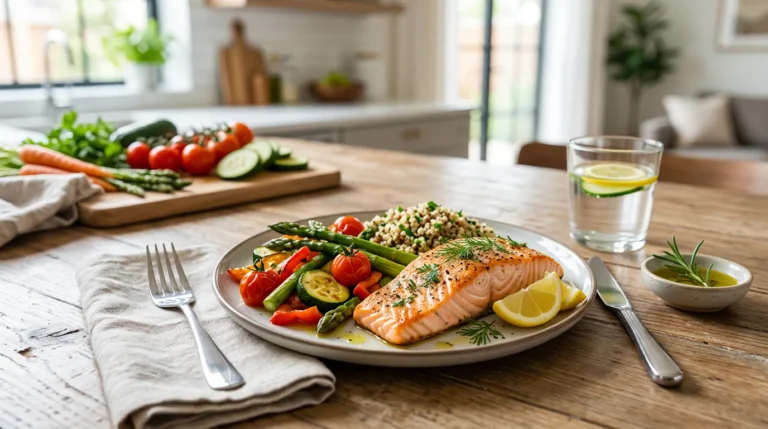
Use naturally gluten-free grains (quinoa, rice), legumes, eggs, and vegetables. Example meals: grilled salmon over mixed greens, sweet potato + black bean bowls, or miso soup with tofu and vegetables. Check labels on sauces and condiments for hidden wheat.
Low-Carb and Diabetic-Friendly Dinners
Prioritize non-starchy vegetables and lean proteins; limit high glycemic carbs. Example plates: spinach and mushroom omelet, grilled fish with roasted asparagus, or a large salad with chickpeas used sparingly and balanced with protein. For diabetic-friendly budget recipes, see our easy cheap diabetic meals guide (internal resource).
Heart-Healthy Options
Choose oily fish, legumes, whole grains, and minimize saturated fat and sodium. Example meals: salmon and greens, lentil salad with olive oil dressing, or a vegetable-packed minestrone. American Heart Association guidance on portion and heart-healthy patterns can help tailor choices (nonprofit health organization). American Heart Association.
When trying different dietary patterns, consult a registered dietitian if you have complex medical needs—personalization ensures nutrient adequacy while keeping dinners light.
Transitioning, the next section helps you make light dinners feel filling so you’re not tempted by late-night snacks.
Tips for Making Something Light to Eat That’s Still Filling
For many, a common barrier to light dinners is persistent hunger. Use these practical strategies to increase satiety without large calorie loads.
- Combine macronutrients: include protein + fiber + a small healthy fat in every light dinner to prolong fullness (e.g., tofu + roasted broccoli + 1 tbsp olive oil).
- Increase volume with low-calorie veggies: bulk up plates with leafy greens, cucumbers, and tomatoes to add satisfying volume without many calories.
- Choose low glycemic carbs: pick sweet potato, barley, or quinoa and pair them with protein to avoid rapid glucose rises that can stimulate hunger.
- Hydrate first: sometimes thirst is mistaken for hunger—drink a glass of water 10–15 minutes before dinner or sip herbal tea during the meal.
- Eat mindfully: slow down, chew thoroughly, and put utensils down between bites; this improves satiety signaling and prevents overeating.
- Use protein-rich snacks strategically: if you finish dinner still hungry, choose a small protein snack (Greek yogurt, a hard-boiled egg) rather than calorie-dense sweets.
For more ideas that help balance daily nutrition and weight goals, our healthy breakfast ideas for weight loss offers complementary strategies that work well when paired with light dinners.
Transitioning to the final guidance section, we’ll cover common missteps people make when choosing light dinners so you can avoid them.
Common Mistakes to Avoid When Choosing Light Dinners
- Overly restrictive meals: Choosing dinners that are too low in calories or nutrients can trigger late-night overeating and nutrient gaps; aim for balance instead.
- Missing key nutrients: Skipping protein or fiber regularly reduces satiety and can affect sleep quality and muscle maintenance.
- Relying too much on “processed light” foods: Packaged low-calorie items may lack micronutrients and be high in sodium or artificial additives.
- Emotional eating late at night: Eating in response to stress rather than hunger undermines light-meal goals; practice mindful techniques and plan alternatives like short walks or herbal tea.
- Waiting too late to eat: Very late dinners can disrupt sleep and digestion; aim to finish eating 2–3 hours before bed when feasible.
Research supports mindful portioning and nutrient-balanced evening meals for metabolic health; for example, a 2022 randomized trial published in a nutrition journal (peer-reviewed journal) found that balanced evening meals timed earlier improved overnight glucose patterns in adults with impaired glucose tolerance.
Closing summary: adopt light dinner patterns gradually, use meal-prep templates, and prioritize protein + fiber to stay satisfied. If you have specific health conditions, consult a healthcare provider or registered dietitian to personalize these recommendations.
Call to action: Try one new light dinner template this week, prep one staple, and notice how your energy and sleep respond.
Frequently Asked Questions
What exactly counts as a light dinner?
A light dinner is a moderate-calorie meal emphasizing vegetables, a palm-sized portion of lean protein, and a small serving of whole grains or starchy vegetables. It focuses on lower energy density and balanced macronutrients to aid digestion and sleep while providing satisfaction.
How do light dinners compare to regular dinners in terms of calories and nutrition?
Light dinners are typically 300–600 calories depending on needs, prioritizing fiber, lean protein, and healthy fats, whereas regular dinners often contain larger portions and more energy-dense ingredients. Both can meet nutrition needs if planned; light dinners emphasize lower calorie density and earlier timing.
What are some quick and easy light dinner ideas for busy weeknights?
Quick options include large salad bowls with beans or canned salmon, sautéed vegetable-and-tofu skillets, miso soups with veggies, or avocado-and-egg open-face toast. Use frozen proteins and pre-cooked grains to assemble meals in 10–15 minutes.
How can I prepare light meals ahead of time for the week?
Batch-cook staples like quinoa, roasted vegetables, and lentils on a prep day; portion into containers; make dressings separately. Assemble bowls or warm components for quick dinners and freeze single-serving soups or stews for later use.
Are light dinners more expensive or cheaper to make than regular dinners?
Light dinners can be cheaper when based on seasonal vegetables, legumes, eggs, and whole grains. Buying frozen proteins and bulk staples, planning weekly menus, and reducing processed items typically lowers cost versus frequent takeout or heavy meat-based dinners.
What should I do if I’m still hungry after a light dinner?
If still hungry, choose a small, nutrient-dense snack such as plain Greek yogurt, a hard-boiled egg, or a piece of fruit with a tablespoon of nut butter to add protein and healthy fat without excessive calories.
How can I ensure the light foods I eat are safe and high quality?
Buy fresh or frozen vegetables, check canned goods for low sodium, store cooked foods promptly in the fridge, and reheat leftovers to 165°F. Choose reputable vendors and inspect produce for spoilage to maintain food safety.
What are the best light dinner options for people with diabetes?
Choose non-starchy vegetables, lean protein, and small portions of low-glycemic carbs (quinoa, sweet potato), prioritize fiber and healthy fats, and pair carbs with protein to reduce post-meal glucose spikes. Consult a healthcare provider for personalized plans.