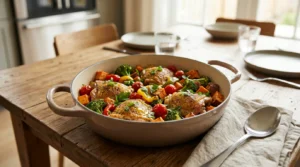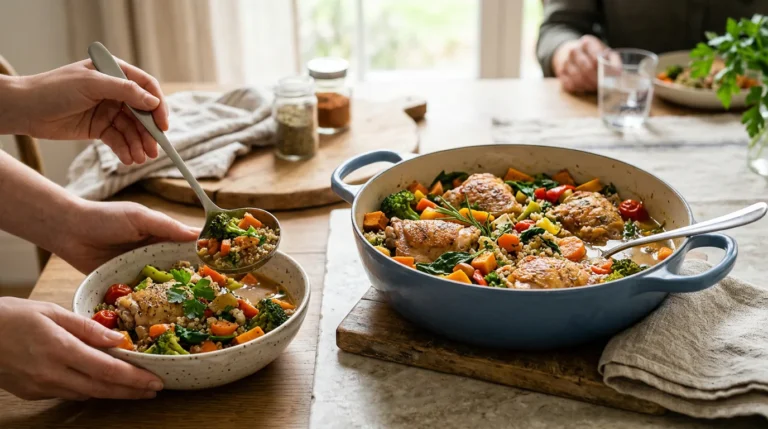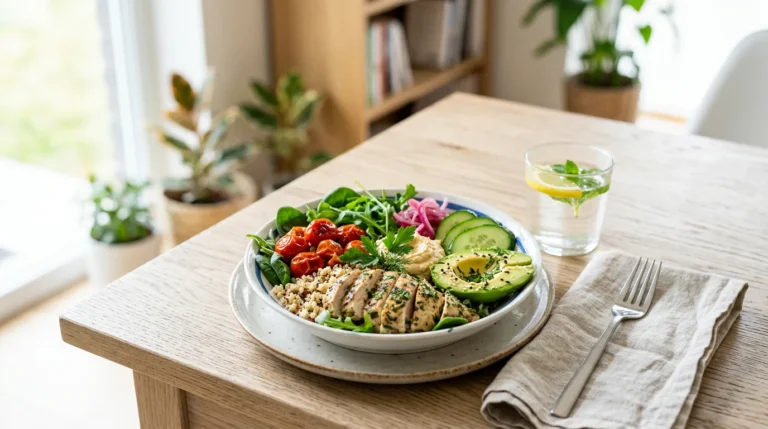
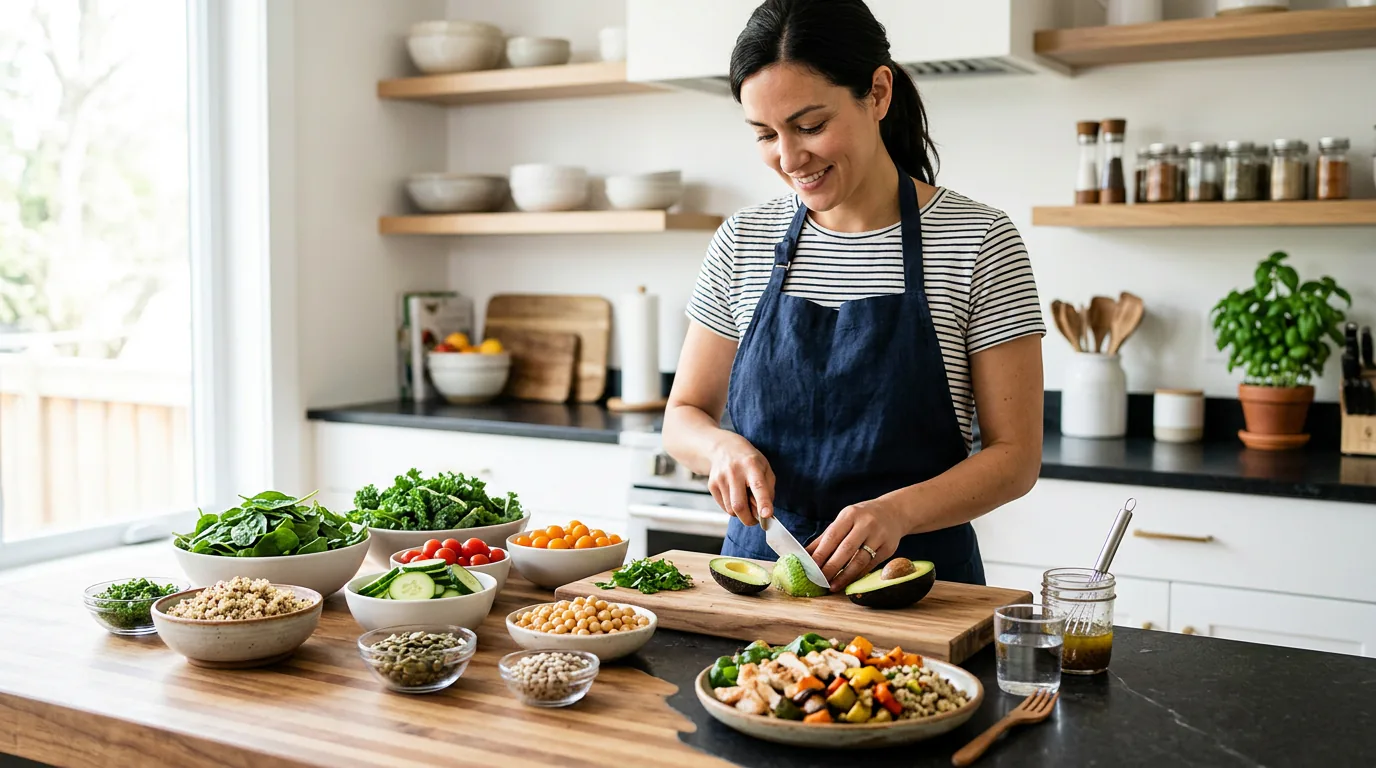
something to eat when you’re at home shouldn’t feel like a puzzle — it can be quick, healthy, and doable even if you’ve never cooked before. This guide gives ultra-beginner-friendly ideas, pantry basics, and simple recipes so you can start making satisfying meals with confidence.
Introduction: Why Knowing What to Eat at Home Matters
Deciding what to eat at home shapes more than a single meal: it affects your energy, wallet, and long-term health. Cooking at home gives you control over ingredients, portion sizes, and flavors, which helps reduce added fats, sodium, and excess sugar compared with many takeout options. For a beginner, the right small wins—simple meals you enjoy and can repeat—build cooking confidence and make healthy eating sustainable.
According to a 2024 industry report, people who prepare meals at home at least four times per week report better dietary variety and lower average food spending—practical benefits for time-pressed beginners. This article focuses on easy, healthy, and affordable home cooking ideas that reduce overwhelm and encourage regular practice.
Transition: Ready to move from uncertainty to easy habit-building? Start with basic techniques and a small set of tools and ingredients, described next.
Basics of Easy Home Cooking for Beginners
Beginner cooks succeed when they keep things simple, consistent, and forgiving. Here are foundational ideas and methods that make starting to cook at home less stressful and more enjoyable.
- Start with a few simple methods: Learn to sauté (cook quickly in a little oil), roast (bake at higher heat for browning), boil/steam (gentle cooking for grains and vegetables), and simmer (low bubbling for sauces and soups). Mastering these four will cover most easy recipes.
- Use predictable recipes: One-pot meals, sheet-pan dinners, and salads with a protein are forgiving and repeatable.
- Cook on a schedule: Pick 2–3 nights a week to cook and build from there.
- Batch simple components: Cook a pot of grains, roast a tray of vegetables, and grill or bake a protein to mix-and-match through the week.
Beginner cooking tips
- Read the recipe fully once before you begin so there are no surprises.
- Prep ingredients (chop, measure) before turning on the stove—this “mise en place” reduces stress.
- Use timers to avoid overcooking; they’re your best friend.
- Season gradually—taste and adjust salt, acid (lemon or vinegar), and spice as you go.
Kitchen essentials and basic cooking tools
Keep a compact toolkit that covers most tasks without overwhelming budget or storage:
- Nonstick skillet (10–12 inch)
- Medium saucepan with lid
- Sheet pan or two (rimmed baking sheet)
- Sharp chef’s knife and a small paring knife
- Cutting board, mixing bowl, measuring cups/spoons, wooden spoon, tongs
- Colander/strainer and a microwave (optional but useful)
Simple cooking methods explained
- Sauté: Heat a small amount of oil in a pan, add ingredients, and stir until cooked. Great for vegetables, eggs, and quick proteins.
- Roast: Spread food on a sheet pan, season, and bake at 400°F (200°C) until browned—ideal for vegetables and chicken pieces.
- Simmer: Cook liquids gently to concentrate flavors for soups and stews.
- Steam/Boil: Use for grains, pasta, and tender vegetables; steaming preserves texture and nutrients.
Safe, encouraging first steps
Choose three “starter meals” you like and rotate them for a month. Track what you enjoyed and what felt challenging—this small experiment builds taste memory and confidence. Also, establish simple safety habits like wiping up spills immediately and using oven mitts for hot pans.
Transition: With basic tools and methods under your belt, you’re ready for concrete meal ideas that are healthy, quick, and perfect for beginners.
What to Eat at Home: Simple and Healthy Meal Ideas
Below are practical, beginner-friendly meal ideas grouped by type: one-pot dishes, salads, stir-fries, sheet-pan dinners, and breakfast-for-dinner options. Each idea includes a short description and quick assembly steps tailored to minimal skills and time.
-
One-Pot Chickpea and Vegetable Stew — A warming, nutritious dish you can make in 30–40 minutes.
How: Sauté onion and garlic, add canned tomatoes, drained canned chickpeas, a cup of broth, diced carrots and spinach. Simmer 20 minutes, season with cumin and lemon. Serve over rice or with whole-grain bread.
Why it’s beginner-friendly: Uses canned staples, one pot, and forgiving simmer time.
-
Simple Stir-Fry with Rice — Quick, versatile, and ready in 20 minutes.
How: Cook quick-cook rice or use leftovers. Sauté a protein (tofu, shrimp, or thin-sliced chicken) with vegetables (bell pepper, broccoli, snap peas). Add a simple sauce (soy sauce, honey, garlic, and water). Toss with rice.
quick vegetarian dinners are also great here.
-
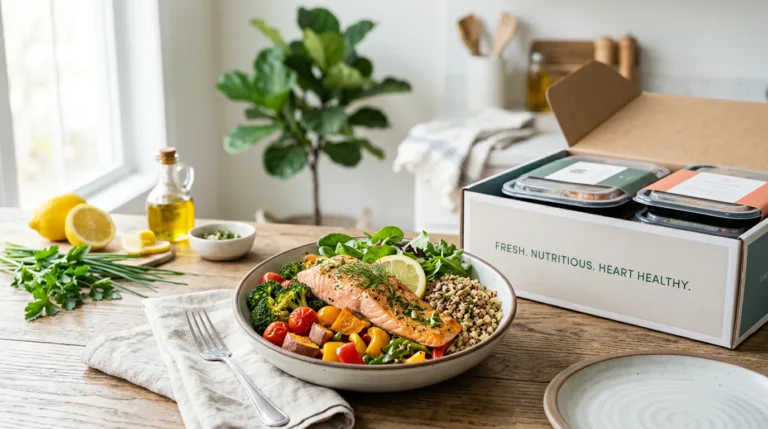
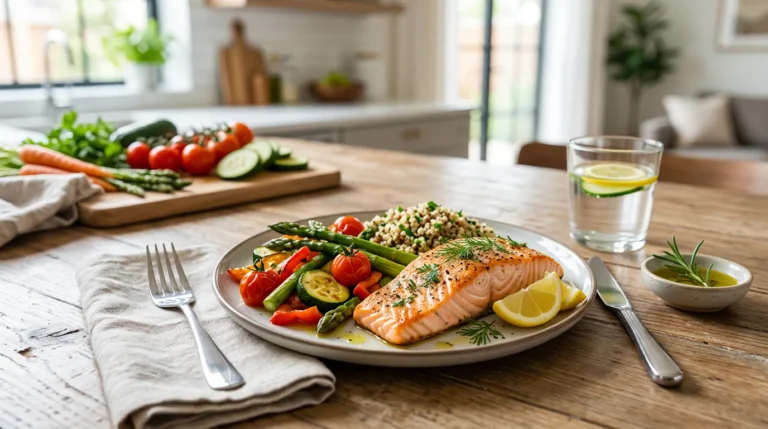
Sheet-Pan Salmon and Veggies — Minimal prep, big payoff for nutrition.
How: Place salmon fillets and chopped root vegetables on a sheet pan, drizzle with oil, lemon, salt, and pepper; roast at 425°F (220°C) 12–20 minutes until salmon flakes.
Beginner tip: Use a fork to check for flakiness on the thickest part of the fish.
-
Egg-and-Spinach Scramble Wraps — Quick breakfast-for-dinner or on-the-go meal.
How: Scramble eggs with fresh spinach and a pinch of salt; fill whole-grain tortillas with the scramble and salsa. Ready in 10 minutes.
-
Big Salad with Roasted Sweet Potato and Beans — A balanced plate in a bowl.
How: Roast cubed sweet potato until tender, toss with mixed greens, a drained can of black beans, chopped cucumber, and a simple vinaigrette. Add crumbled feta or a boiled egg if desired.
-
Easy Pasta with Garlic, Olive Oil, and Greens — Minimal ingredients, maximum comfort.
How: Cook pasta, reserve 1/2 cup pasta water. Sauté minced garlic in olive oil, add chopped kale or spinach, toss with pasta and a splash of reserved water, finish with parmesan and lemon zest.
-
Quick Lentil Soup — Hearty, healthy, and makes excellent leftovers.
How: Sauté onion, carrot, and celery. Add rinsed lentils, canned tomatoes, broth, and bay leaf. Simmer 25–30 minutes and season to taste.
Beginner-friendly because lentils don’t need pre-soaking and tolerate a range of cook times.
-
Greek Yogurt Bowls (Lunch or Snack) — No cooking, just assembly.
How: Plain Greek yogurt with fruit, a handful of nuts, and a drizzle of honey. Add oats or granola if you want more substance.
-
Toasted Whole-Grain Avocado Sandwich — Simple, satisfying, under 10 minutes.
How: Mash avocado with lemon and salt, spread on toasted whole-grain bread, add sliced tomato and baby spinach. Add a fried egg for extra protein.
-
Slow-Simmered Turkey Chili (One Pot) — Low-effort and freezer-friendly.
How: Brown lean turkey, add canned tomatoes, beans, chopped bell pepper, chili powder, and simmer 25–30 minutes. Great for batch cooking and leftovers.
healthy chicken breast recipes can be swapped in for variety.
-
Comforting Cold Weather Meals — Simple stews and roasted dishes for cooler nights.
comforting cold weather meals like vegetable stews and baked casseroles are easy for beginners and forgiving to make.
-
Adventurous but Simple Protein Ideas — Try small, approachable recipes to expand skills.
How: Pan-seared chicken hearts, marinated and sautéed until browned, served with rice and greens. For adventurous cooks, see this guide for safe preparation.
chicken heart recipes provide step-by-step tips if you want to try offbeat proteins safely.
-
Simple Chicken Lunch Ideas — Use leftover or ready-cooked chicken.
yummy chicken lunch ideas like chicken-salad wraps or grain bowls keep lunches quick and healthy.
-
Portion-Conscious Lunches — For readers watching calories but not fixating, try simple, balanced lunches.
healthy 400 calorie lunch recipes give structure for portion control without complex tracking.
-
Easy Dinner Portions — For straightforward evening meals, try guided portions.
healthy 500 calorie dinners offer ideas if you prefer portion-controlled dinners.
For a wider collection of nutritious recipe ideas and nutrition facts to support your home cooking, check the comprehensive Yummiest healthy recipes guide that gathers recipes with simple nutrition tips.
Yummiest healthy recipes guide
Transition: Now that you have concrete meal ideas, let’s turn to planning so cooking feels less last-minute and more manageable all week.
How to Plan Your Weekly Meals for Stress-Free Cooking
Meal planning reduces decision fatigue, food waste, and last-minute takeout. For beginners, planning should be simple: choose a few core recipes, shop once, and prep small components ahead. Below are step-by-step instructions and an example weekly plan tailored to beginners.
How-to steps for basic meal planning
- Set a realistic goal: Aim to cook at home 3–5 times weekly depending on your schedule and energy.
- Pick 3–5 main recipes: Include at least one one-pot meal, one sheet-pan dinner, and two quick assembly meals (salads, wraps).
- Create a shopping list by category: produce, protein, pantry items, dairy/alternatives, spices.
- Prep 30–60 minutes once or twice a week: cook grains, wash and chop vegetables, roast a tray of mixed vegetables, and cook a protein.
- Plan for leftovers: Use dinner leftovers for lunch the next day or repurpose into wraps, bowls, or salads.
- Build flexibility: Keep one “flex” meal (frozen meal, takeout, or pantry dinner) so you’re not locked in if plans change.
Helpful planning resources: For make-ahead lunch ideas that pair well with weekly planning, explore easy lunch meal prep recipes. If you cook for two, try tailored menus such as healthy dinner recipes for 2. For protein-centered prep, see chicken meal prep ideas.
| Day | Meal | Quick Prep Notes |
|---|---|---|
| Monday | One-pot lentil soup & bread | Make a large pot to cover Monday dinner + Tuesday lunch |
| Tuesday | Salad bowl with roasted sweet potato | Use leftover roasted veg; add canned beans |
| Wednesday | Stir-fry with rice (quick) | Use pre-cooked rice and frozen veggies if short on time |
| Thursday | Sheet-pan salmon and veggies | Roast everything together, minimal cleanup |
| Friday | Easy pasta with greens | Quick-cook pasta; sauté greens while pasta cooks |
| Saturday | Homemade tacos/wraps | Grill protein, set out toppings for assembly |
| Sunday | Batch cook for the week (grains, roasted veg, protein) | Spend 45–60 minutes prepping components |
Example tips for adapting the plan: If you need smaller-portion plans, reference healthy dinner recipes for 2. If you prefer vegetarian swaps, check quick vegetarian dinners.
Cost and grocery efficiency: According to a 2024 industry report, meal planning and batch cooking can reduce weekly food costs by 10–25% compared with ad-hoc buying. Planning helps you buy versatile ingredients used across multiple meals and reduces impulse purchases.
Transition: With a basic plan, the right ingredients matter. Next, stock a beginner-friendly pantry so those planned meals always come together.
Pantry Staples and Ingredients to Always Have on Hand
A beginner-friendly pantry contains versatile, affordable staples that support a wide range of easy home cooking ideas. Store items focusing on whole grains, canned proteins, healthy fats, and flavor builders.
- Grains: Brown rice, quick-cook rice, whole-grain pasta, rolled oats
- Canned goods: Canned beans (black, chickpeas, lentils), canned tomatoes
- Proteins: Canned tuna/salmon, shelf-stable tofu, nut butter
- Healthy fats: Extra-virgin olive oil, canola oil, small jar of sesame oil
- Flavor essentials: Salt, black pepper, garlic powder, onion powder, dried oregano, chili flakes, soy sauce
- Acids: Vinegar (white, apple cider, or balsamic) and lemons/limes
- Quick fresh items to replenish weekly: Eggs, a block of cheese, yogurt, seasonal fruits and vegetables
- Frozen items: Mixed vegetables, frozen fruit for smoothies, frozen shrimp or chicken breasts for easy proteins
Why these staples matter: They allow you to build balanced meals without many grocery trips. For example, canned beans + rice + a fresh vegetable + a simple dressing = a complete meal with fiber, protein, and vegetables.
Storage and freshness tips
- Rotate: Place newly purchased items behind older ones to use older stock first.
- Label leftovers: Date and label to avoid waste and for food safety.
- Store dry goods in airtight containers to extend shelf life and keep pests away.
- Use the freezer for portioned proteins and meals; frozen veggies often retain nutrients and are quick to cook.
Nutrition basics: For balanced meals, aim to fill half your plate with vegetables, a quarter with lean protein or plant-protein source, and a quarter with whole grains or starchy vegetables—advice aligned with USDA MyPlate guidance.
External resource: USDA MyPlate explains balanced plate proportions and practical portion ideas.
Transition: Now that you know what to keep and why, let’s make cooking faster with time-saving tips and hacks suited to beginners.
Time-Saving Cooking Tips and Kitchen Hacks
Small shortcuts reduce prep time and increase the likelihood you’ll cook at home. Use these practical hacks to speed up and simplify meal preparation without compromising nutrition.
- Batch basics: Cook grains, roast vegetables, and prepare proteins in bulk to assemble meals quickly through the week. Store in clear containers so choices are visible.
- Use frozen vegetables and pre-washed greens: They cut chopping time and reduce waste because you can use just what you need.
- One-pan/one-pot meals: Limit cleanup and streamline cooking by using recipes that combine components in one vessel.
- Invest in a quality chef’s knife: A sharp knife speeds chopping, reduces fatigue, and improves safety. Keep it honed.
- Use kitchen timers and multitask: Set a timer for roasting/boiling times, and while the oven’s on, prep a salad or wash a pan so work happens in parallel.
- Frozen herbs and citrus zest: Freeze leftover herbs in oil or squeeze and freeze lemon/lime zest in an ice cube tray for instant flavor boosters.
- Make simple sauces: A jar of vinaigrette, a quick yogurt-dill sauce, or a mixed soy-honey sauce transforms plain foods into meals.
- Repurpose leftovers creatively: Yesterday’s roasted veggies become today’s salad topper or frittata filling.
- Smart shopping: Buy versatile items in bulk (beans, rice) and single-serve fresh proteins if you live alone to avoid waste.
- Use appliance shortcuts: Microwave for steaming vegetables, use toaster ovens for small batches, and consider a slow cooker or Instant Pot for effortless set-and-forget meals.
Food safety and safe multitasking: Follow CDC guidance on safe food handling—keep raw meats separate, cook proteins to recommended temperatures, and refrigerate leftovers within two hours. See CDC food safety tips for home cooks.
External resource: CDC Food Safety provides clear kitchen hygiene and storage recommendations.
Transition: Quick snacks are part of successful home eating—here are easy healthy snack ideas that require minimal prep.
How to Make Healthy Snacks at Home Easily
Snacks keep energy steady and prevent overeating at meals. Aim for snacks that include a mix of fiber, protein, and healthy fats to stay satisfied longer.
- Greek yogurt with fresh fruit and a sprinkle of nuts — high-protein and quick.
- Hummus with carrot sticks and whole-grain crackers — fiber + protein balance.
- Apple slices with nut butter — portable and filling.
- Air-popped popcorn lightly seasoned with oil and salt — high-volume, lower-calorie option.
- Hard-boiled eggs — make a batch for grab-and-go protein.
- Trail mix (unsalted nuts, seeds, and a few dried fruit pieces) — portion into small containers to control serving size.
- Cottage cheese with cucumber and pepper — savory, protein-rich snack.
- Smoothie: frozen fruit, spinach, and a scoop of yogurt or protein powder for a quick nutrient boost.
Snack prep tip: Portion snacks into small containers at the start of the week so choices are easy and visible. For dietitian-backed snack strategies and portion guidance, see resources from the Academy of Nutrition and Dietetics.
External resource: Academy of Nutrition and Dietetics offers practical snack and portion advice from registered dietitians.
Transition: Even with tips and pantry staples, beginners make predictable mistakes. The next section lists common errors and straightforward fixes to keep progress positive.
Common Beginner Cooking Mistakes and How to Avoid Them
Everyone starts somewhere, and common errors are easy to correct. Below are typical beginner mistakes and simple fixes that save time, money, and frustration while improving results and safety.
-
Overcrowding the pan — Stops browning and causes steaming.
Fix: Cook in batches or use a larger pan so food gets space to brown. If you must, elevate with a rack or finish in the oven.
-
Undercooking or overcooking proteins — Tough or unsafe results.
Fix: Use a simple instant-read thermometer (165°F/74°C for poultry, 145°F/63°C for fish) or cut into the thickest part to check doneness. Let meats rest 3–5 minutes before slicing to keep juices.
-
Skipping seasoning until the end — Flavors remain flat.
Fix: Season in layers: salt lightly during cooking and adjust at the end with acid (lemon, vinegar) and fresh herbs for brightness.
-
Not tasting as you go — Easy to miss needed adjustments.
Fix: Taste at key points (after simmering, before serving) and tweak salt, pepper, acid, or sweetness.
-
Letting produce go to waste — Money and nutrition lost.
Fix: Plan to use perishable items early in the week and freeze extras (berries, chopped onions, herbs in oil) if you can’t use them in time.
-
Relying too heavily on complex recipes — Leads to frustration.
Fix: Start with 10–15 minute or one-pot recipes and gradually try intermediate dishes once confident.
-
Ignoring food safety on leftovers — Health risk.
Fix: Cool leftovers quickly by dividing into shallow containers and refrigerate within two hours; consume refrigerated leftovers within 3–4 days.
-
Being too hard on small failures — Reduces motivation.
Fix: Treat mistakes as experiments. Note what went wrong and try one small change next time (lower heat, different timing, or preheating the pan).
-
Buying many single-use gadgets — Clutter and wasted money.
Fix: Invest in a few multipurpose tools (good knife, sheet pan, saucepan) before specialty gadgets.
-
Too much focus on perfection — Prevents progress.
Fix: Aim for “good enough” and consistency; repeated practice beats perfection for building skills and healthy habits.
Transition: To wrap up, let’s summarize the key takeaways and encourage actionable next steps you can take tonight.
Conclusion: Embrace Home Cooking with Confidence
Choosing what to eat at home can be simple and satisfying. Start small: learn a few basic methods, stock a compact pantry, and pick repeatable recipes that match your taste and schedule. Use batch cooking and time-saving hacks to reduce friction, and plan a short weekly menu so decisions are easier.
According to a 2025 USDA report, regular home cooking is associated with improved dietary variety and lower consumption of ultra-processed foods—benefits that begin with small shifts like the ones in this guide. Remember to follow safe food-handling guidance from public health agencies and adjust portions and ingredients to your personal health needs.
Take one action tonight: pick one recipe from this guide, shop for the few ingredients it requires, and set aside 30–45 minutes to make it. Repeating that once a week builds skill, confidence, and healthier habits. Ready to find more specific recipes? Explore the resources linked in this guide to expand your simple, healthy home cooking repertoire.
Frequently Asked Questions
What is the easiest thing to cook at home for beginners?
The easiest beginner meal is a one-pan dish like scrambled eggs with vegetables or a sheet-pan chicken and roasted veggies: minimal prep, forgiving timing, and simple seasoning make them quick, healthy, and reliable.
How do I plan meals if I don’t know what to eat at home?
Start with three simple recipes you enjoy, map them across the week, create a categorized shopping list, and prep basic components (grains, roasted veg, protein) once to mix-and-match for stress-free meals.
What are some quick and healthy meals that require minimal cooking skills?
Try stir-fries with pre-cut vegetables, one-pot lentil or chickpea stews, sheet-pan salmon with veggies, or simple pasta with sautéed greens—each uses basic techniques and little hands-on time.
How can I save time cooking healthy food at home?
Batch-cook staples (rice, roasted vegetables), use frozen produce, prep sauces, and choose one-pot or sheet-pan meals to minimize active cooking and cleanup while keeping meals nutritious.
What pantry staples should I keep for easy home cooking?
Keep whole grains (rice, oats), canned beans and tomatoes, olive oil, vinegar, basic spices, frozen vegetables, eggs, and a few fresh items (onions, lemons) to support most easy recipes.
How much does it cost on average to cook healthy meals at home?
Costs vary, but meal planning and batch cooking typically cut weekly food spending by roughly 10–25% versus frequent takeout, per a 2024 industry report; buying pantry staples and seasonal produce lowers per-meal costs.
What common mistakes should beginners avoid when cooking at home?
Avoid overcrowding pans, skipping seasoning, not tasting as you cook, and ignoring food safety. Use timers, taste frequently, and cook in batches to reduce errors and waste.
How can I be sure the food I prepare at home is safe and nutritious?
Follow safe handling: separate raw proteins, cook to recommended temperatures, refrigerate leftovers within two hours, and base meals on vegetables, lean proteins, and whole grains aligned with USDA MyPlate guidance.