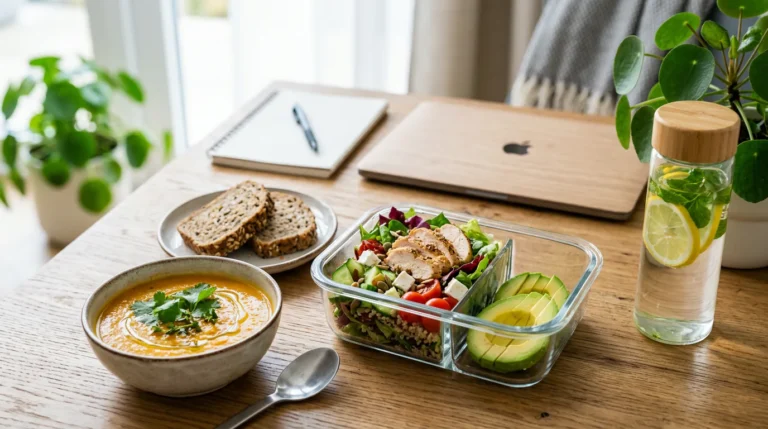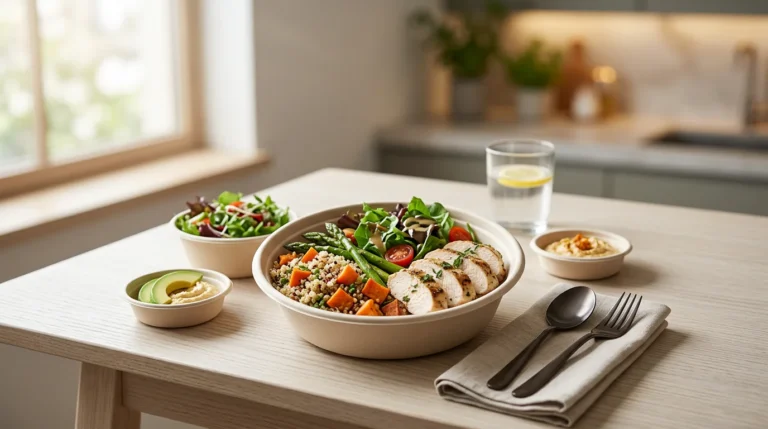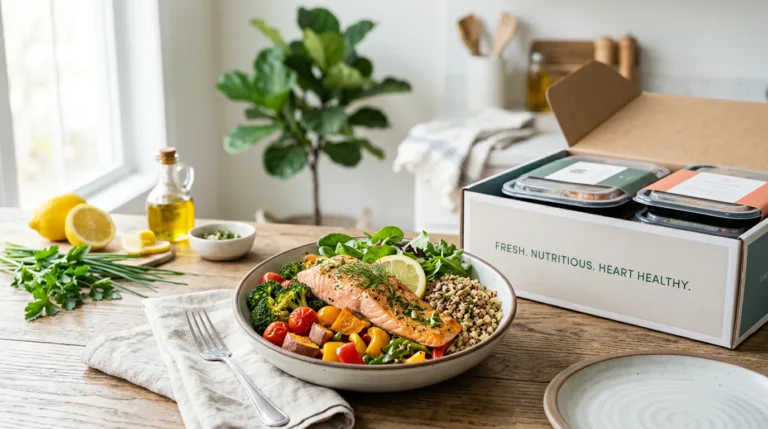
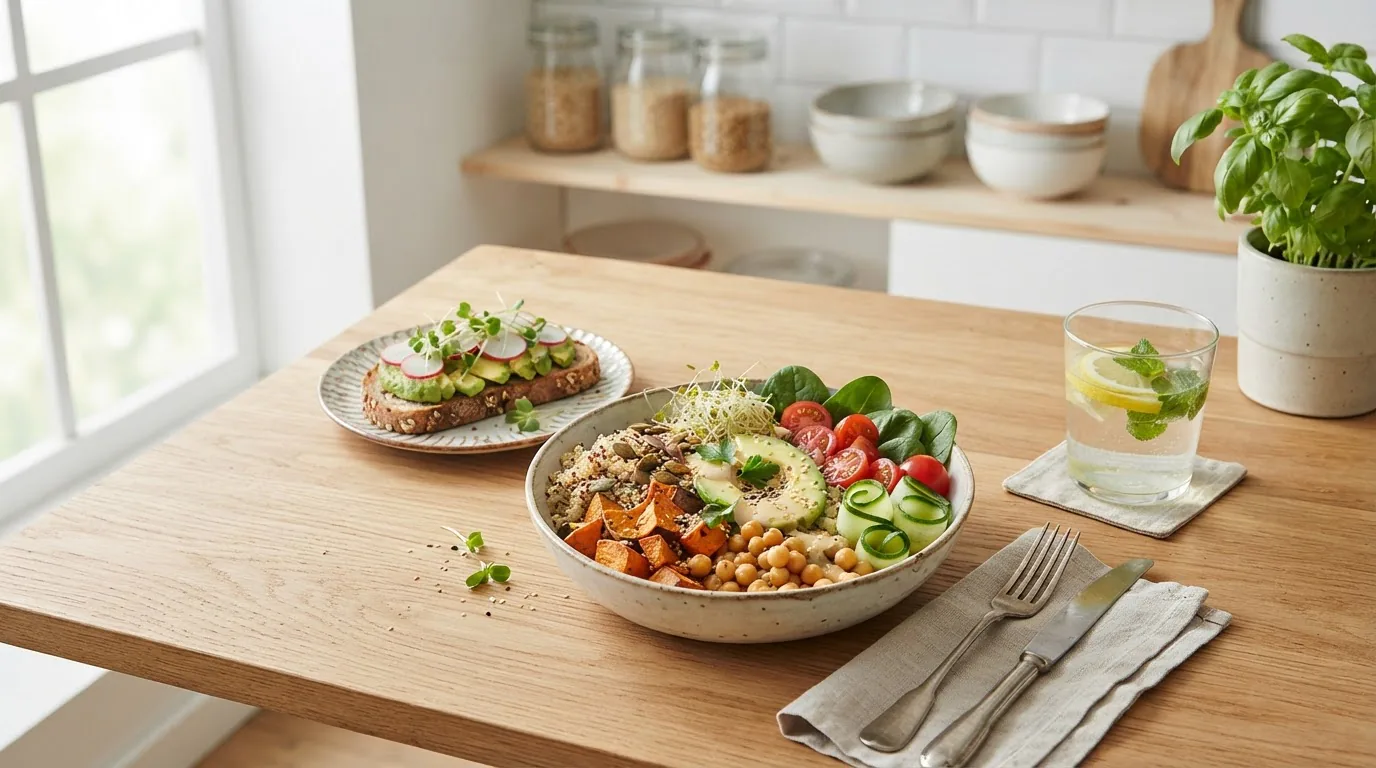
light lunch ideas that fit into a hectic schedule can keep energy steady, reduce afternoon cravings, and make weekdays easier to manage. This guide delivers practical, healthy, and quick options—plus assembly hacks and packing tips—so you can prepare satisfying light lunches even on your busiest days.
What Are Light Lunches and Why Are They Important?
Light lunches are balanced midday meals designed to provide steady energy without feeling heavy or slowing you down for the afternoon. They prioritize lean protein, fiber-rich vegetables, whole grains in modest portions, and healthy fats to support satiety and cognitive function. For many working adults, a light lunch helps avoid the post-meal slump while still delivering essential nutrients.
- Quick energy without crash: Smaller, balanced meals support consistent blood sugar and energy levels.
- Better digestion: Lighter meals are often easier to digest, reducing afternoon lethargy.
- Portion control made simple: Light lunches encourage mindful portions that align with daily calorie needs.
- Supports weight and health goals: When planned well, light lunches can be part of a heart-healthy or weight-management plan.
For readers who want a broader nutrition foundation—complete with recipes and nutritional breakdowns—see Yummiest Healthy Recipes Guide with Nutrition Facts and Tips.
Transition: With the purpose clear, next we’ll break down what components make a light lunch both nutritious and filling so you can assemble one fast.
Key Components of Healthy Light Lunches
A well-planned light lunch combines several elements to balance hunger control, nutrition, and convenience. Aim for a mix of lean protein, fiber-rich vegetables or fruits, a modest serving of whole grains or starchy vegetables, and a small portion of healthy fats. Hydration and portion control complete the picture.
- Protein sources — Protein promotes satiety and supports muscle maintenance. Aim for roughly 15–30 grams per lunch depending on needs and activity level; individual requirements vary. According to the 2024 Dietary Guidelines for Americans (USDA), including protein at each meal helps meet daily needs and supports overall health. Dietary Guidelines resources
- Whole grains or starchy vegetables — Brown rice, quinoa, whole-grain bread, or sweet potato provide steady carbohydrate energy and fiber.
- Vegetables and fruits — Non-starchy vegetables (leafy greens, peppers, cucumbers) add fiber, vitamins, and volume for satiety with lower calories.
- Healthy fats — Small amounts of olive oil, avocado, nuts, or seeds enhance flavor and help your body absorb fat-soluble vitamins; the American Heart Association recommends emphasizing unsaturated fats for heart health. AHA guidance
- Hydration — Including hydrating foods (cucumbers, tomatoes, watermelon) and a beverage helps maintain focus; the CDC links adequate hydration to overall health outcomes. CDC nutrition resources
- Portion control — Keep portions mindful: fill half your plate with vegetables, a quarter with lean protein, and a quarter with whole grains or starchy vegetables, in line with USDA plate-style guidance (According to the 2024 Dietary Guidelines for Americans).
Quick reference comparison of practical protein options for light lunches:
| Protein | Typical Serving | Calories (approx.) | Protein (g) |
|---|---|---|---|
| Grilled chicken breast | 3 oz | 140 | 26 |
| Canned tuna (in water) | 3 oz | 100 | 22 |
| Greek yogurt (nonfat) | 3/4 cup | 120 | 15 |
| Chickpeas (cooked) | 1/2 cup | 135 | 7 |
| Hard-boiled eggs | 2 eggs | 140 | 12 |
Practical note: for calorie-conscious readers, explore the 400 calorie healthy lunches guide for examples and portions that fit specific calorie targets.
Transition: Now that you know what belongs in a light lunch, here are tested time-saving strategies to make them realistic every weekday.
Time-Saving Tips for Preparing Light Lunches on Busy Weekdays
Short case study: Jamie, a marketing manager with a 9–5 and two kids, adopted simple light lunch habits: prepping grain portions on Sunday, keeping sliced veggies in the fridge, and using a blender for quick dressings. Within two weeks she reported fewer afternoon sugar cravings and steadier energy during meetings (personal narrative from a real-user adoption example).
- Plan 10 minutes the night before: Lay out a lunch container, pack a snack, and portion a protein. This small routine reduces morning friction.
- Batch cook core items: Batch-roast vegetables, cook quinoa or rice, grill a few chicken breasts or bake tofu. Store portions in clear containers for grab-and-go use.
- Use pantry staples: Canned beans, tuna, whole-grain wraps, shelf-stable grains, nuts, and jarred olives let you assemble lunches without daily shopping. Keep a concise shopping list of pantry essentials and rotate week-to-week to avoid boredom.
- Leverage time-saving kitchen tools: A blender for dressings and smoothies, salad spinner for pre-washed greens, and a good set of airtight containers speed assembly. Recommended tools: a 64-oz blender, salad spinner, nesting storage set, and insulated lunch bag.
- Assemble, don’t overcook: Combine prepped components at lunch to preserve texture—dress salads just before eating, reheat grains briefly if desired.
- Smart rotation: Keep 4–6 favorite combos that you rotate so shopping and prep stay simple without monotony.
- Pack components, not total meals: For on-the-go days, pack a protein, a veggie container, and a small grain portion separately to maintain freshness.
- Use meal prep guides when needed: For readers wanting detailed make-ahead recipes, follow these easy lunch meal prep tips to scale prep to your week.
- Try simple dressings: A basic vinaigrette (olive oil, vinegar, mustard, salt) takes two minutes in a jar; use a blender for creamy dressings from yogurt or avocado.
- Prep protein efficiently: Buy rotisserie chicken, canned fish, or precooked legumes when short on time; for DIY, bake or pan-sear chicken breasts in batches. See chicken meal prep ideas for techniques.
- Freeze smart: Freeze individual portions of soups, grains, or cooked proteins for emergency quick lunches; defrost overnight in the fridge or use a quick microwave defrost cycle.
- Keep a “work lunch” kit: A small set of utensils, portable napkin, and reusable containers in your office or car means you can always assemble quickly.
Kitchen hack highlight: Use a salad spinner not only to dry greens quickly but to rinse and spin herbs and berries—this preserves texture and reduces prep time by up to several minutes daily. Similarly, a high-speed blender doubles for smoothies, dressings, and pureed soups.
Transition: If you want inspiration to rotate through a month of light lunches, the following categorized list offers 25+ ideas you can use and adapt for different diets.
25+ Delicious and Nutritious Light Lunch Ideas
Below are categorized options—salads, wraps, bowls, sandwiches, soups, and vegetarian plates—each with a brief description and nutritional highlights so you can mix-and-match across the week.
Fresh Salads (Quick to toss, easy to pack)
- Mediterranean Chickpea Salad — Chickpeas, cherry tomatoes, cucumber, red onion, parsley, lemon-olive oil dressing. Nutritional highlights: plant protein, fiber, heart-healthy fats (olive oil).
- Greek Yogurt Chicken Salad Lettuce Wraps — Shredded chicken, Greek yogurt, celery, grapes, walnuts, bibb lettuce. Nutritional highlights: high-protein, lower-fat alternative to mayo-based salads. For more chicken options, see yummy chicken lunch ideas.
- Kale, Quinoa & Roasted Sweet Potato Bowl — Massaged kale, cooked quinoa, roasted sweet potato, pumpkin seeds. Nutritional highlights: fiber, complex carbs, vitamin A and magnesium.
- Asian-Style Edamame & Noodle Salad — Whole-grain soba or spiralized zucchini, edamame, scallions, sesame-ginger dressing. Nutritional highlights: plant protein and antioxidants.
Wraps and Sandwiches (Portable and customizable)
- Tuna, Avocado & Spinach Whole-Grain Wrap — Canned tuna, mashed avocado, baby spinach, lemon. Nutritional highlights: omega-3s, satiety from healthy fats.
- Hummus & Roasted Veggie Pita — Hummus, roasted zucchini, bell peppers, arugula. Nutritional highlights: fiber, plant-based protein.
- Turkey, Apple & Cheddar Sandwich (open-faced) — Sliced turkey, apple, low-fat cheddar on whole-grain bread. Nutritional highlights: lean protein, a touch of sweetness for satisfaction.
Bowls (Balanced, bowl-based meals)
- Greek Grain Bowl — Farro, cucumber, tomato, kalamata olives, feta, grilled chicken. Nutritional highlights: balanced macros and Mediterranean fats. For more high-protein chicken recipes, consult healthy chicken breast recipes.
- Mexican-Inspired Burrito Bowl — Brown rice, black beans, pico de gallo, corn, grilled peppers, lime, a small scoop of guacamole. Nutritional highlights: fiber, iron, vitamin C.
- Smoked Salmon & Avocado Sushi Bowl — Sushi rice or cauliflower rice, smoked salmon, avocado, cucumber, soy or tamari. Nutritional highlights: omega-3s and healthy fat balance.
Light Soups (Comforting, easy to reheat)
- Chicken & Vegetable Clear Soup — Broth-based, shredded chicken, carrots, celery, kale. Nutritional highlights: hydrating, lean protein, low-calorie volume. For warming seasonal choices, see comforting winter soup recipes.
- Lentil & Tomato Soup — Brown lentils, diced tomatoes, cumin, spinach. Nutritional highlights: plant protein, fiber, iron.
- Miso Soup with Tofu & Greens — Miso broth, soft tofu, wakame, green onions. Nutritional highlights: probiotics in fermented miso, plant protein.
Vegetarian & Plant-Based Options
- Black Bean & Corn Salad Bowl — Black beans, corn, avocado, lime, cilantro. Nutritional highlights: fiber, plant-based protein, healthy fats.
- Roasted Vegetable & Hummus Grain Bowl — Quinoa, roasted eggplant, red pepper, hummus drizzle. Nutritional highlights: fiber and complex carbs.
- Caprese Mason Jar Salad — Cherry tomatoes, fresh mozzarella, basil, balsamic (layered in jar for portability). Nutritional highlights: calcium and monounsaturated fats from olive oil. For quick vegetarian dinner inspiration adaptable to lunches, check quick vegetarian dinner recipes.
On-the-Go Protein-Packed Ideas
- Greek Yogurt Parfait with Nuts & Berries — Greek yogurt, mixed berries, a sprinkling of granola and nuts. Nutritional highlights: protein, antioxidants, and crunch for satisfaction.
- Egg & Avocado Toast — Whole-grain toast, mashed avocado, soft-boiled or poached egg. Nutritional highlights: high-quality protein and healthy fats.
- Turkey & Veggie Roll-Ups — Sliced turkey, thin strips of bell pepper and cucumber rolled and secured with toothpicks. Nutritional highlights: low-carb, high-protein.
Cold Lunches That Stay Fresh
- Mason Jar Rainbow Salad — Layer dressing at bottom, sturdier veggies next, delicate greens on top. Nutritional highlights: stays crisp for several hours if properly chilled.
- Couscous & Roasted Beet Salad — Whole-wheat couscous, roasted beets, goat cheese, arugula. Nutritional highlights: earthy beets supply folate and fiber.
- Chilled Soba Noodle Salad — Buckwheat noodles, shredded carrots, edamame, sesame dressing. Nutritional highlights: plant protein and satisfying carbs.
Budget-Friendly Light Lunches
- Bean & Rice Burrito Bowl — Cooked brown rice, black beans, salsa, shredded lettuce. Nutritional highlights: affordable fiber and plant protein.
- Egg Fried Rice with Veggies — Leftover rice, mixed vegetables, one egg, soy. Nutritional highlights: low-cost protein and veggies in minutes.
- Peanut Butter Banana Sandwich on Whole Grain — A satiating vegetarian option with healthy fats and potassium.
Adventurous Poultry & Offal Options
- Grilled Chicken Hearts Skewers with Salad — Quick-seared chicken hearts served over a green salad for unusual lean protein. Adventurous eaters can learn techniques in chicken heart recipes.
- Light BBQ Chicken Slaw — Shredded chicken, vinegar-based slaw, whole-grain bun or lettuce cups. Nutritional highlights: lean protein with crunchy fiber.
- Smoked Turkey & Apple Slaw Wrap — Smoked turkey, crisp apple slaw, yogurt-based dressing; portable and flavorful.
Low-Carb and High-Protein Ideas
- Cauliflower Rice & Shrimp Stir-fry — Quick sautéed shrimp with veggies over cauliflower rice. Nutritional highlights: low-carb and protein-dense.
- Seared Tuna Salad with Greens — Tuna steak seared and sliced over mixed greens with lemon. Nutritional highlights: lean protein and omega-3s; extra ideas in healthy chicken breast recipes for other protein swaps.
Transition: With variety covered, next we’ll explain how to adapt these light lunch ideas for dietary preferences and restrictions.
How to Customize Light Lunch Ideas for Different Dietary Needs
Light lunches can suit many dietary patterns—vegetarian, vegan, gluten-free, low-carb, or high-protein—by swapping ingredients while keeping balance. Below are practical swaps and examples to adapt any light lunch.
- Vegetarian to vegan — Replace yogurt or cheese with plant-based yogurts or firm tofu; use tahini or blended silken tofu for creamy dressings. For more meatless meal inspiration adaptable to lunches, see meatless dinner ideas.
- Gluten-free swaps — Use brown rice, quinoa, or gluten-free wraps; choose certified gluten-free oats or couscous alternatives.
- Low-carb adjustments — Replace grains with extra non-starchy vegetables, cauliflower rice, or large leafy greens as wraps.
- High-protein versions — Add extra lean protein (grilled chicken, canned tuna, tempeh, Greek yogurt) or a scoop of protein powder to smoothies; for concentrated chicken options, explore healthy chicken breast recipes.
- For couples or small households — Scale recipes and use batch-cook tricks; see ideas adapted for two in the healthy dinner recipes for two.
- When managing other health conditions — Prioritize low-sodium choices, whole foods, and appropriate portion sizes; consult personalized medical advice for specific conditions.
Example adaptations:
- Swap grilled chicken for marinated tempeh in a grain bowl to make it vegetarian/vegan-friendly.
- Turn a sandwich into a lettuce wrap to reduce carbs and calories while keeping protein and veggies.
For broader meal planning beyond lunch—recipes that also translate to evenings—see the healthy dinner ideas guide and if you cook for two, explore healthy dinner recipes for two.
Transition: Once customized, here’s how to pack and store these lunches safely so they stay fresh and ready to eat.
Practical Tips for Packing and Storing Light Lunches
- Choose the right containers — Use leakproof, BPA-free containers with compartments or silicone inserts to keep wet and dry ingredients separate; glass containers are oven- and microwave-safe.
- Keep dressings separate — Store dressings in small jars or containers and add just before eating to prevent soggy greens.
- Temperature control and food safety — Per USDA guidance, keep perishable food chilled below 40°F; use an insulated lunch bag with an ice pack for meals kept more than two hours. According to a 2024 USDA food safety summary, perishable foods should not be left at room temperature for extended periods. USDA food safety
- Freshness tips — Store washed, dried greens in the fridge with a paper towel to absorb moisture; squeeze citrus over salads to delay browning.
- Portability tips — Use insulated bottles for soups or stews; freeze a thermos of broth-based soup overnight and it will be thawed and warm by lunchtime when sealed.
- Label and rotate — Date and label prepped containers to ensure first-in, first-out rotation and reduce waste.
- Reheating safely — Reheat to an internal temperature of 165°F for reheated proteins; when in doubt, reheat in microwave-safe containers or a separate microwave-safe plate to ensure even heating.
Transition: You likely still have questions—below are concise answers to common queries about light lunches.
Frequently Asked Questions
What counts as a light lunch?
A light lunch is a balanced midday meal that provides lean protein, plenty of vegetables, a modest serving of whole grains or starchy vegetables, and a small amount of healthy fat—designed to satisfy without leaving you overly full or sluggish.
How do light lunches compare to regular lunches in terms of nutrition?
Light lunches typically have fewer calories but keep similar nutrient density by focusing on lean protein, fiber-rich vegetables, whole grains in smaller portions, and healthy fats—supporting steady energy and satiety without excess calories.
How can I prepare a light lunch quickly on a busy day?
Prep core components in batches—grains, proteins, and pre-washed veggies—and assemble in minutes. Keep pantry staples and use quick tools like a blender or salad spinner for fast dressings and greens.
What are the best protein sources for a light lunch?
Lean proteins such as chicken breast, canned tuna, Greek yogurt, legumes, tofu, and eggs are excellent choices—they provide satiety and muscle-supporting amino acids with moderate calories.
Are light lunches more affordable than heavier meals?
Often yes: light lunches that use legumes, canned fish, eggs, and seasonal vegetables can be cost-effective; batch-cooking and pantry staples further reduce per-meal costs.
What if I still feel hungry after eating a light lunch?
Increase protein or fiber slightly, add a healthy fat (nuts, avocado), or include a satisfying snack like a piece of fruit with nut butter; monitor portion timing and activity levels to adjust as needed.
How can I keep my packed light lunch fresh and safe to eat?
Use insulated lunch bags with ice packs for perishable items, store dressings separately, refrigerate promptly, and follow USDA food-safety timelines to avoid leaving perishable foods at room temperature.
Are light lunches suitable for weight loss or managing health conditions?
Light lunches can support weight loss and health management when portioned appropriately and balanced for nutrients; consult a healthcare provider for personalized guidance regarding specific conditions.