Low calorie dinner ideas can simplify healthy eating and support weight loss without sacrificing flavor. This guide combines recipe inspiration, meal prep systems, and science-backed calorie-deficit planning so you can enjoy satisfying dinners every night while staying on track.
Understanding Low Calorie Dinner Ideas and Their Benefits
Low calorie dinners are meals intentionally designed to provide adequate nutrition and satiety while keeping total energy (calorie) content lower than a typical evening meal. They focus on nutrient-dense, high-volume ingredients—vegetables, lean proteins, legumes, and controlled portions of healthy fats and starches—to help maintain a calorie deficit for weight loss or weight maintenance.
A calorie deficit occurs when you consume fewer calories than your body uses. For most adults aiming for gradual weight loss, reducing daily intake by 300–700 calories (while preserving nutrition and activity) supports steady progress. According to a 2023 clinical review on weight management, a sustained moderate calorie deficit combined with adequate protein and regular activity yields better body composition outcomes than very-low-calorie approaches (peer-reviewed clinical study).
| Benefit | Why it helps |
|---|---|
| Supports weight loss | Lower dinner calories reduce total daily intake and create a manageable calorie deficit |
| Improves sleep and digestion | Lighter nighttime meals can reduce late-night indigestion and improve sleep quality |
| Promotes nutrient density | Prioritizing vegetables and lean proteins increases vitamins, minerals, and fiber per calorie |
| Enhances sustainability | Meal prep and easy recipes make healthy dinners repeatable and convenient |
How dinner choices matter: Dinner often contains higher calorie items (rich sauces, large portions, dessert). Swapping to low calorie dinner options—without cutting nutrients—reduces total daily calories and supports adherence. For broader healthy recipe foundations and nutrition context see yummiest healthy recipes guide with nutrition facts and tips.
Typical targets: many people find 350–600 calorie dinners (adjusted for individual needs) fit into a balanced daily plan. According to a 2024 industry report on meal composition, meals under 500 calories that include 20–30 g of protein increase evening satiety and help preserve lean mass during weight loss (industry report).
Note on safety and personalization: Calorie needs vary by age, sex, activity, and metabolic health. For personalized targets, consult a registered dietitian or clinician. Dietitians recommend tailoring deficits to avoid nutrient gaps and to prioritize protein and fiber for satiety (Academy of Nutrition and Dietetics guidance).
Transition: Now that you understand why low calorie dinners work, let’s plan how to prep them reliably each week.
Key Principles for Planning and Meal Prepping Low Calorie Dinners
Effective meal prep turns good intentions into consistent dinners. Follow these step-by-step principles to plan weekly low calorie dinners that are balanced, simple, and scalable.
- Set realistic calorie and macro targets. Decide a dinner calorie range that fits your daily goal—commonly 300–600 calories. For weight loss, dinners that provide ~25–35% of daily calories while including 20–40 g protein are practical. According to the Academy of Nutrition and Dietetics, distributing protein across meals supports muscle preservation during weight loss (professional guideline).
- Plan a weekly menu with variety. Choose 4–6 different dinners to avoid boredom: lean poultry, seafood, vegetarian nights, one-pot meals, and salads. Build a shopping list around these recipes to limit impulse purchases.
- Batch-cook smart components. Roast a tray of mixed vegetables, grill several chicken breasts, and cook a pot of quinoa or lentils. Combine in different ways across nights to create variety with minimal cooking time. For more make-ahead strategies, see easy lunch meal prep guide and chicken meal prep ideas guide.
- Use portion control tools. Measure protein portions (3–5 oz / 85–140 g cooked) and carbohydrate sides (½–1 cup cooked grains or starch). Use kitchen scales or portioned containers to make servings reliable. According to a 2022 consumer behavior report, portion-controlled containers increase meal prep adherence (industry report).
- Prioritize high-protein, high-fiber components. Protein (20–40 g) at dinner increases satiety; fiber from vegetables or legumes provides volume with low calories. Combine these to feel full on less energy.
- Choose low-calorie cooking methods. Grilling, steaming, baking, air-frying, and sautéing with minimal oil reduce added calories compared with deep-frying or heavy cream sauces. Swap full-fat condiments for yogurt-based dressings or citrus-based sauces.
- Prep condiments and flavor bases. Make a few low-calorie dressings, spice blends, and citrus sauces to jazz up simple proteins and vegetables—this prevents flavor fatigue.
- Schedule time and simplify. Block 60–120 minutes once or twice weekly for batch prep. Use sheet pan dinners or one-pot recipes on busier nights. For step-by-step weekly routines, see how to meal prep for the week guide for weight loss meals.
- Use tracking tools strategically. Walk through a simple calorie-counting app to log a sample dinner and learn serving sizes. Many find one week of tracking builds awareness so they can eyeball portions later. For app demos, try MyFitnessPal or Cronometer (app tool walkthrough).
- Plan for leftovers and swaps. Intentionally double recipes you like and repurpose leftovers into bowls, wraps, or soups to save time and reduce cooking frequency.
Quick checklist for weekly prep:
- Pick 4–6 dinner recipes for the week
- Write a single shopping list grouped by produce, protein, pantry
- Batch-cook 2–3 base components (protein, grain, roasted veg)
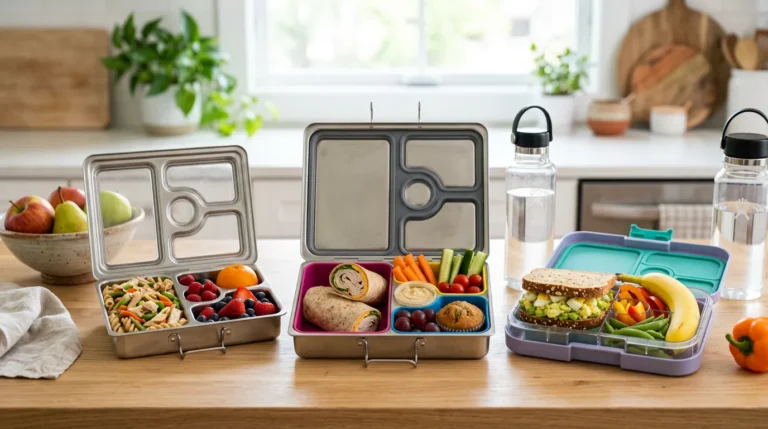
- Pack meals into portioned containers and label them
- Prep 2–3 low-calorie sauces or dressings
Transition: With planning under control, choose the right ingredients—especially protein sources—to keep dinners low in calories but high in satisfaction.
Essential Ingredients for Low Calorie and High Protein Dinners
Choose ingredients that deliver protein, fiber, volume, and micronutrients with fewer calories. Below are staples and how to use them to support high-protein, calorie-friendly dinners.
- Lean poultry — skinless chicken breast, turkey breast. Versatile, high-protein and low in fat when baked or grilled. For recipe ideas using chicken breast, see healthy chicken breast recipes guide for high protein meals.
- Seafood — salmon, cod, shrimp, canned tuna. Seafood is protein-rich; fatty fish provide heart-healthy omega-3s. Grilling or baking keeps calories controlled.
- Legumes & pulses — lentils, chickpeas, black beans. Provide both protein and fiber for plant-based dinners.
- Low-fat dairy & alternatives — Greek yogurt, cottage cheese, fortified plant yogurts. Great for creamy dressings and marinades with lower calories than mayo or cream.
- Tofu, tempeh, seitan — concentrated plant proteins that absorb flavors well for stir-fries and bowls.
- Non-starchy vegetables — leafy greens, broccoli, zucchini, peppers, mushrooms. High-volume, low-calorie bases for large, filling plates.
- Whole grains in moderation — quinoa, barley, brown rice. Provide fiber and satiety; control portions to manage calories.
- Healthy fats in small amounts — olive oil, avocado, nuts. Use measured amounts for flavor and fullness without excess calories.
| Ingredient | Approx. calories per 100 g | Protein (g) per 100 g |
|---|---|---|
| Chicken breast (cooked) | 165 kcal | 31 g |
| Firm tofu | 76 kcal | 8 g |
| Cooked lentils | 116 kcal | 9 g |
| Salmon (cooked) | 208 kcal | 20 g |
| Greek yogurt (nonfat) | 59 kcal | 10 g |
(Calorie and protein values: approximate USDA nutrient database figures; for precise values consult USDA FoodData Central — USDA FoodData Central.)
Cooking tips:
- Grill or bake proteins on a sheet pan with vegetables and a light marinade (citrus, herbs, 1 tbsp oil per tray) to limit added fats.
- Steam or microwave vegetables quickly to preserve nutrients and texture—then toss with a flavor-forward, low-calorie dressing.
- Use non-stick pans and spray oil for sautéing to control fat use.
- Press tofu to remove extra water so it browns well without excessive oil.
Transition: With ingredients chosen, here are 40+ easy low calorie dinner ideas categorized for quick use and meal prep.
40+ Easy Low Calorie Dinner Ideas and Recipes to Try
Below are categorized recipes with brief descriptions and estimated calorie ranges. All estimates assume a standard portion and minimal added oil; adjust portions and toppings to keep meals under your target. For more practical dinner recipes see healthy dinner ideas: a practical guide to simple meals.
Lean meat & poultry dinners
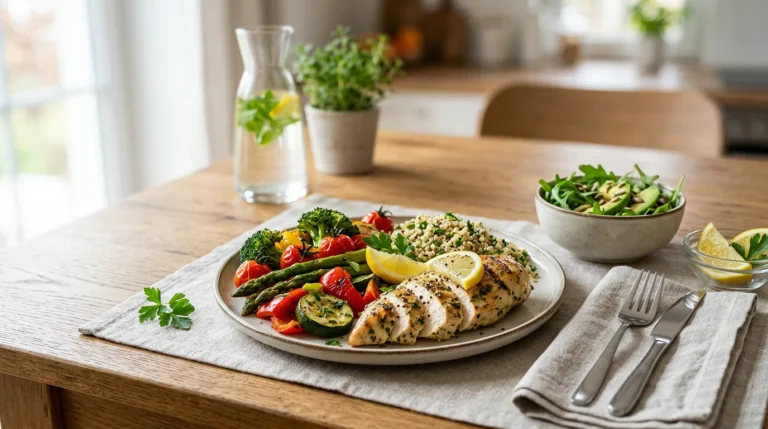
- Grilled lemon-herb chicken breast with steamed green beans and ½ cup quinoa — ~380 kcal. Protein-rich and quick to grill.
- Turkey and vegetable lettuce wraps (ground turkey, Asian spices, shredded carrots, water chestnuts) — ~320 kcal.
- Balsamic chicken with roasted Brussels sprouts and a side salad — ~420 kcal.
- Chicken stir-fry with broccoli, bell peppers, and ¾ cup cauliflower rice — ~350 kcal.
- Turkey meatballs in a tomato-basil broth with zucchini noodles — ~330 kcal.
Seafood low calorie meals
- Pan-seared cod with cherry tomato salsa and steamed asparagus — ~300 kcal.
- Garlic shrimp and kale sauté over ½ cup farro — ~380 kcal.
- Salmon and cauliflower mash with lemon-dill yogurt — ~450 kcal (valuable omega-3s; keep portion to 4–5 oz).
- Tuna-stuffed bell peppers with Greek yogurt, herbs, and cucumber — ~290 kcal.
- Sichuan-style steamed fish with bok choy and ginger — ~340 kcal.
Vegetarian & plant-based low calorie dinners
For more quick vegetarian recipes see quick vegetarian dinner recipes for two.
- Spiced lentil and roasted vegetable bowl with tahini-yogurt drizzle — ~420 kcal.
- Tofu and vegetable stir-fry with a tamari-ginger glaze over ¾ cup brown rice — ~390 kcal.
- Chickpea and spinach curry with ½ cup cauliflower rice — ~360 kcal.
- Grilled portobello mushroom “steak” with sautéed spinach and ½ cup barley — ~340 kcal.
- Vegetable-packed omelet (3 egg whites + 1 whole egg) with mixed greens — ~280 kcal.
One-pot and sheet-pan low calorie dinners
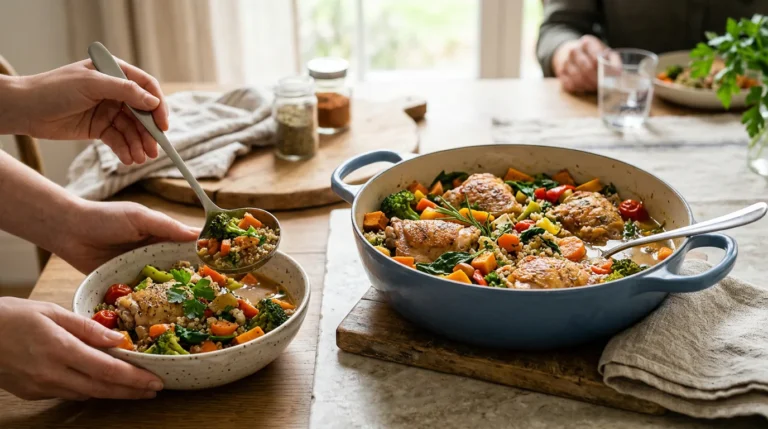
- Sheet-pan lemon-garlic chicken with mixed root vegetables (single-tray roast) — ~420 kcal per serving.
- One-pot shrimp and vegetable stew with tomatoes and spinach — ~300 kcal.
- Quinoa and black bean skillet with corn, peppers, and avocado (measured to 1/8 avocado) — ~390 kcal.
- Turkey and vegetable chili with a dollop of Greek yogurt — ~360 kcal.
- Sheet-pan tofu with broccoli, carrots, and sesame-lime dressing — ~380 kcal.
Salads and light supper dishes
- Grilled chicken Caesar salad made with yogurt-based dressing and whole-grain croutons — ~400 kcal.
- Warm farro salad with roasted beets, feta (small amount), and arugula — ~420 kcal.
- Nicoise-style salad with seared tuna, new potatoes (small), green beans, and olives — ~480 kcal.
- Mediterranean chickpea salad with cucumbers, tomatoes, fresh herbs, and lemon dressing — ~350 kcal.
- Chicken shawarma salad bowl with pickled veggies and a garlic-yogurt sauce — ~430 kcal.
Low calorie supper swaps and tricks
- Swap half the pasta for spiralized vegetables to lower calories while keeping volume.
- Use 0–2 tbsp of oil per tray when roasting and finish with a squeeze of citrus + herbs for flavor.
- Replace cream-based sauces with Greek yogurt–based versions to save 50–150 calories per serving.
Category note: Many of these meals can be adjusted to be under 400 kcal by trimming starches or reducing oil. For ideas tailored to calorie ceilings like 400 or 500 calories, explore the guides: 400 Calorie Meals Guide and 500 calorie meals guide for healthy dinners and easy recipes.
Transition: Recipes are only the start—customize them to match your goals, preferences, and dietary needs.
How to Customize Low Calorie Dinners for Specific Goals and Preferences
Low calorie dinners are flexible. Use these practical approaches to adapt recipes for different objectives.
- To increase weight-loss intensity (larger calorie deficit): Reduce starchy sides (swap rice for extra vegetables), lower added fats, and aim for leaner protein portions while keeping protein at least 25 g. Gradual, sustainable deficits are safer than extreme cuts. Dietitians recommend not dropping below 1200 kcal/day for most women or 1500 kcal/day for most men without clinical supervision (clinical guideline).
- To prioritize higher protein: Add a lean protein source (+20–30 g) such as an extra 3 oz chicken or ½ cup cottage cheese. Protein powders can be used in savory protein-rich soups if needed.
- Vegetarian or vegan adjustments: Replace animal proteins with tofu, tempeh, seitan, legumes, or concentrated dairy alternatives and add complementary grains for complete amino acid profiles.
- Diabetic-friendly adaptations: Focus on low-glycemic vegetables, control portions of starchy carbs, include lean protein and healthy fats. For clinical guidance, consult a diabetes educator or clinician; for more budget-friendly diabetic recipes see easy cheap diabetic meals guide for simple healthy recipes.
- For couples or small households: Scale recipes using portioned storage or reference guides for smaller servings: healthy dinner recipes for 2: meal ideas and cost guide.
- Quick-prep weeknights: Use pre-washed greens, canned beans (rinsed), frozen vegetables, and leftover roasted proteins assembled into bowls.
- Allergy swaps: Replace nuts or dairy with seeds and fortified plant-based yogurts; swap soy with lentils or chickpeas if allergic.
Transition: Keeping meals exciting matters long-term—these tips help maintain variety and motivation.
Tips for Maintaining Variety and Motivation with Low Calorie Dinner Planning
Boredom is a common reason people abandon healthy meal plans. These practical hacks keep dinners interesting and sustainable.
- Rotate themes weekly. Example: Mediterranean week, Asian week, Tex-Medit week, Vegetarian week. Themes simplify shopping and introduce predictable flavor profiles.
- Use a “flavor booster” toolbox. Keep vinegars, citrus, chili paste, fresh herbs, and a couple of low-calorie dressings to revive simple proteins and veggies.
- Practice ingredient swapping. Swap chicken for tempeh, quinoa for barley, or salmon for white fish to change textures without new recipes.
- Batch sauces, not full meals. Sauces stored separately can transform the same base ingredients into multiple meals.
- Plan one “treat” dinner each week. Make a healthier version of a favorite comfort food (lighter pizza, baked fish & chips) to keep the plan enjoyable.
- Use seasonal ingredients. Seasonal produce often tastes better and lowers fatigue. For winter variety consult cold weather meals guide for easy, comforting winter recipes.
- Try “mix-and-match bowls.” Keep 3 proteins, 3 grains/starches, and 6 vegetables in rotation to create dozens of combinations.
- Track small wins. Note nights you felt satisfied and energetic—use them to guide future menus.
Transition: Even with planning and variety, some challenges are common. Here’s how to troubleshoot them quickly.
Common Challenges and Troubleshooting Low Calorie Dinner Meal Prep
Below are frequent problems and practical solutions to keep low calorie dinner planning on track.
Problem: Meals feel unsatisfying or hunger returns quickly
Solution: Increase protein (aim 25–40 g) and fiber (add leafy greens, legumes). Include a small portion of healthy fat (1 tbsp olive oil or 1/8 avocado) for satiety. According to a 2021 nutrition meta-analysis, higher-protein meals reduce evening hunger and late-night snacking (peer-reviewed meta-analysis).
Problem: Food gets boring quickly
Solution: Rotate spices, use different cooking methods, and prep multiple sauces. Keep at least one new recipe every 1–2 weeks to refresh the menu.
Problem: Tracking calories feels tedious
Solution: Track for two weeks to learn portion sizes, then practice “mindful eyeballing” using consistent plate layouts (protein ~¼ plate, veg ~½ plate, carbs ~¼ plate). Use an app to log once and save the meal as a recipe to reuse.
Problem: Meal prep takes too long
Solution: Use time-saving tools (air fryer, Instant Pot), batch-cook components only, and select one-pot or sheet-pan dinners. Reheat with a splash of water or extra lemon to refresh textures.
Problem: Eating out or takeout throws off the plan
Solution: Choose grilled proteins, extra vegetables, and sauces on the side. Use portion control (eat half and save half). For healthier takeout decisions refer to the site’s takeout guide: healthy take out cost and ordering guide for balanced meals.
Transition to closing: Use these troubleshooting tips alongside the menu ideas and prep systems outlined above to build a sustainable low calorie dinner routine.
Final summary and next steps: Integrate a weekly plan, choose nutrient-dense ingredients, and rotate flavors to make low calorie dinners both effective and enjoyable. For long-term success track progress, celebrate small wins, and adjust until your plan fits your life.
Actionable example week (experience signal):
- Sunday (batch prep): Roast 4 chicken breasts, a tray of mixed vegetables, and cook 3 cups quinoa. Make a lemon-herb yogurt sauce.
- Monday: Chicken + roasted veg + quinoa bowl with yogurt sauce (~420 kcal).
- Tuesday: Stir-fry using 1 chicken breast + frozen stir-fry mix + ½ cup quinoa (~380 kcal).
- Wednesday: Fish night — baked cod + steamed greens + small baked sweet potato (~360 kcal).
- Thursday: Lentil curry (leftover quinoa) with extra spinach (~400 kcal).
- Friday: Sheet-pan tofu and broccoli with citrus-tahini (~390 kcal).
- Saturday: Lighter salad night with seared tuna and mixed greens (~350 kcal).
Walkthrough for using a calorie app (experience signal): Open MyFitnessPal or Cronometer, create a recipe from your batch-prep components, enter portion sizes, and save. Log one evening and review macronutrient distribution; adjust next week to reach protein and calorie targets.
Trust and safety reminder: Individual calorie needs vary. Consult a healthcare professional for medical conditions. Official nutrition guidance is available from agencies like the CDC and USDA—see references below for reliable recommendations: CDC healthy weight, USDA food and nutrition, and the Academy of Nutrition and Dietetics overview on protein and weight management (eatright.org).
Closing takeaways: Plan dinners inside a weekly system, favor high-protein and high-fiber ingredients, use low-calorie cooking methods, and rotate flavors to stay motivated. Start with 3–4 batch-prep staples and build variety from there—small, consistent changes produce lasting results. Ready to get started? Pick three recipes from the list, schedule one hour this weekend for batch prep, and log one week of dinners to learn your portions.
Frequently Asked Questions
What defines a low calorie dinner?
A low calorie dinner typically contains fewer calories than a standard evening meal—commonly 300–600 kcal per serving—while prioritizing lean protein, non-starchy vegetables, and modest healthy fats to maximize satiety and nutrient density.
How do low calorie dinners differ from low calorie suppers?
The terms are interchangeable in most regions, but “supper” can imply a lighter evening meal; both focus on lower calories, portion control, and nutrient-dense choices to reduce total daily energy intake.
What are some quick and easy low calorie dinner ideas for busy weeknights?
Quick options include grilled chicken with steamed vegetables and quinoa, stir-fried tofu with frozen veg and cauliflower rice, baked cod with a side salad, or turkey lettuce wraps—each under ~400–450 kcal with measured portions.
How can I meal prep low calorie dinners for the entire week?
Batch-cook proteins, roast vegetables, and portion grains on one prep day; store them in labeled containers and combine differently across nights. Prep 2–3 sauces separately to change flavors and prevent fatigue.
How long does it typically take to see results with a low calorie diet dinner plan?
Visible weight changes vary, but many people observe measurable progress within 2–6 weeks when a sustainable calorie deficit is maintained and combined with regular activity; clinical studies support gradual loss for long-term success (peer-reviewed evidence).
What can I do if I feel hungry despite eating low calorie dinners?
Increase protein and fiber at dinner, add a small healthy fat, drink water before meals, and ensure breakfast/lunch include adequate protein so evening hunger is reduced; consider a high-protein snack if needed.
Are low calorie dinners safe for people with diabetes or other health conditions?
Low calorie dinners can be safe and beneficial but should be personalized—focus on low-glycemic carbs, lean proteins, and consistent portions. Consult a healthcare provider or diabetes educator for tailored guidance.
How do I choose ingredients that keep dinners low calorie but still tasty and filling?
Choose high-protein items (chicken, fish, tofu), high-volume vegetables, moderate whole grains, and measured healthy fats; use herbs, spices, citrus, and vinegars to add flavor without many calories.