
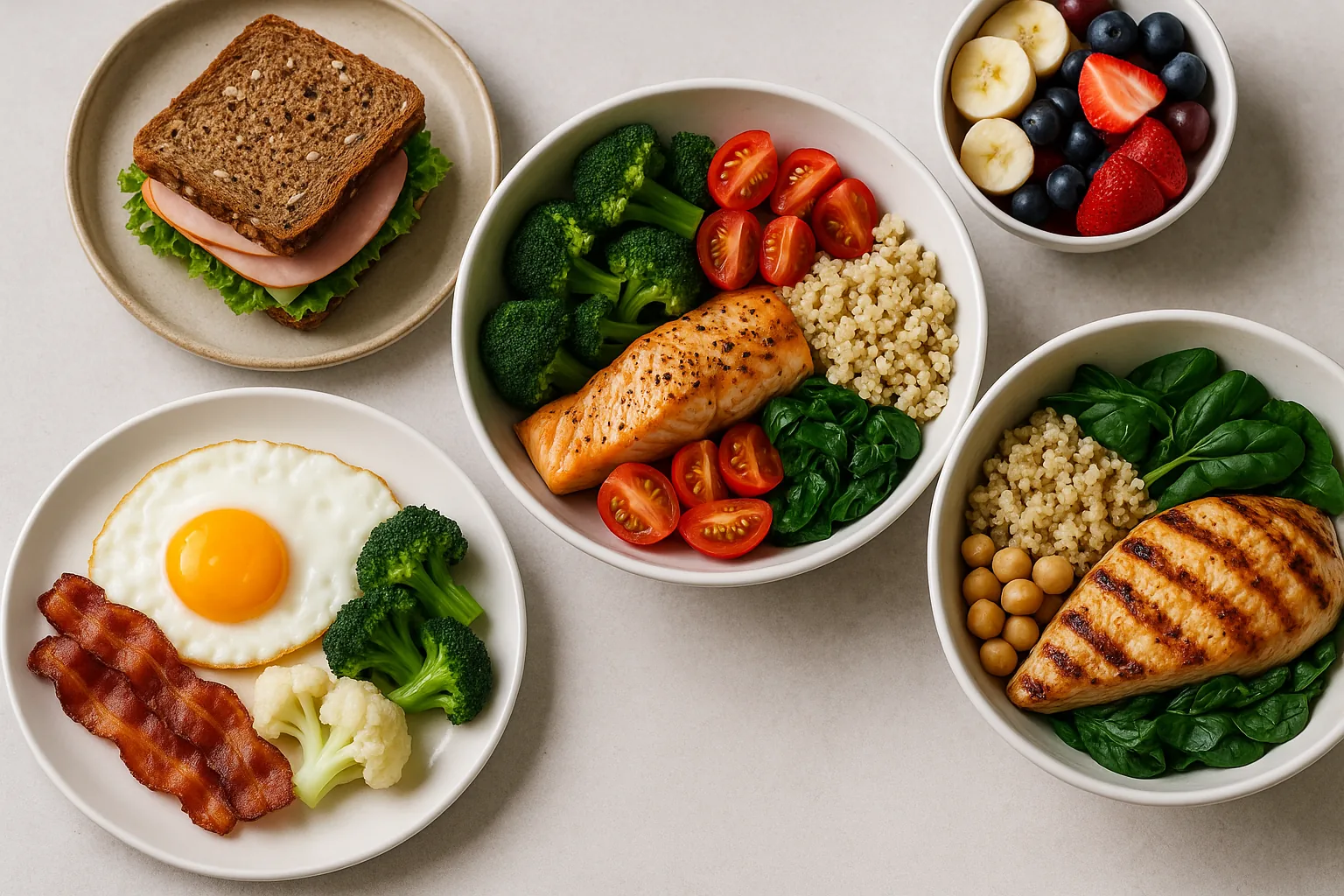
By the end of this hands-on guide you will have a ready-to-use system for choosing and organizing everyday regular food into balanced meals that meet daily nutrition needs, a one-week sample plan, and practical grocery and portion-check routines. Expect to spend about 2–4 hours setting up (weekly maintenance: 1–2 hours). Skill level: basic cooking and planning.
This guide shows how regular meals built from familiar ingredients can deliver macronutrients, micronutrients, fiber, and hydration without special diets or strict calorie counting — practical, Texas-friendly, and ready to use.
Before you start
- Tools: kitchen scale (grams/oz), measuring cups/spoons, notebook or phone notes app, food storage containers (4–8), reusable grocery bag.
- Reference materials: USDA MyPlate basics and a local seasonal produce list (download or print).
- Pantry basics to stock: 2 cups dry whole grains (rice, oats), 2 cans beans, 1 dozen eggs, 1–2 lbs lean protein (chicken, tofu), olive oil, basic spices, 5–7 fresh vegetables, 3–5 fruits.
- Time block: schedule two 60–120 minute sessions: one for planning/grocery list and one for batch-cooking or pre-chopping.
Understanding Regular Food and Its Role in Balanced Meals
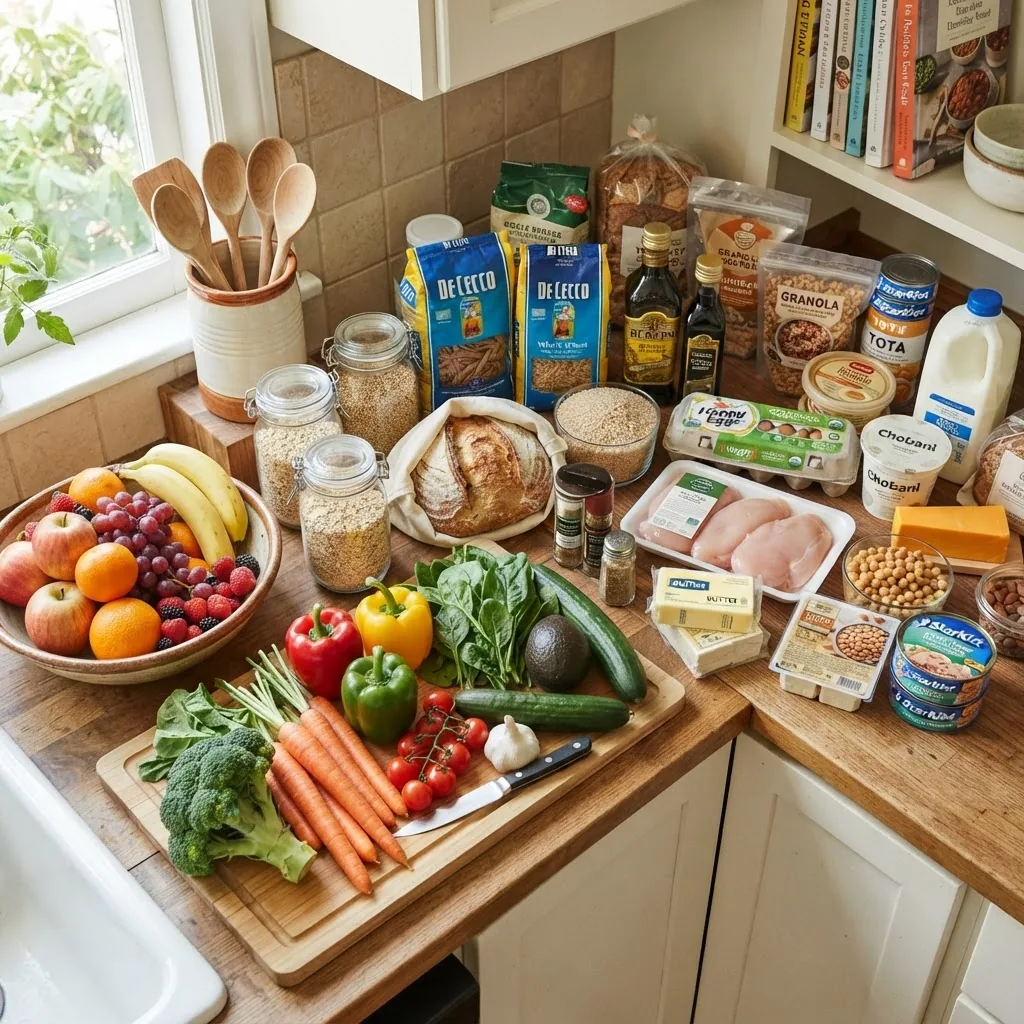
Regular food refers to everyday, accessible ingredients you can buy at mainstream groceries, farmers’ markets, and convenience stores — think apples, whole wheat bread, canned beans, eggs, milk, carrots, brown rice, and skinless chicken. These foods are the building blocks of balanced nutrition because they supply essential macronutrients and micronutrients without needing specialty products.
Think of meal building like a plate puzzle: each piece — fruits, vegetables, grains, protein, dairy or alternatives — fits together to cover nutritional needs. This approach relies on familiar, nutrient-dense foods rather than packaged “diet” items.
Examples of everyday foods categorized by food groups:
- Fruits: apples, bananas, oranges, canned peaches (in juice).
- Vegetables: spinach, carrots, bell peppers, frozen mixed vegetables.
- Grains: brown rice, whole-wheat bread, oats, corn tortillas.
- Protein: eggs, canned tuna, lentils, chicken breast, Greek yogurt.
- Dairy/alternatives: milk, kefir, cheddar, fortified soy milk.
When you choose regular food, the aim is nutrient density: maximize vitamins, minerals, fiber and protein per typical serving while keeping preparation simple. The trade-off is convenience versus density: ready-to-eat processed items (e.g., deli sauces, snack chips) can save time but often lower the nutrient-to-calorie ratio. By planning small changes — swapping refined grains for whole grains, choosing fresh fruit instead of sugary snacks — you can improve daily nutrition with minimal disruption.
For foundational theory and a deeper explanation of what balanced eating looks like, consult the balanced nutrition guide.
Definitions you’ll see through this guide:
- Macronutrients — the three main energy-providing groups: carbohydrates, proteins, fats.
- Micronutrients — vitamins and minerals needed in smaller amounts for cellular functions.
- Dietary fiber — plant-based carbohydrates that support digestion and blood sugar control.
Regular food is intentionally broad to be inclusive of budgets, cooking skills, and local availability. Use it to anchor balanced meals that meet daily needs without special ingredients or complex recipes.
Transition: With that foundation, the next section offers step-by-step principles to build balanced plates from regular food.
Key Principles of Building Balanced Meals with Regular Food
Follow these hands-on principles as steps to compose reliable, balanced meals using regular food. Each step begins with an action-first phrase.
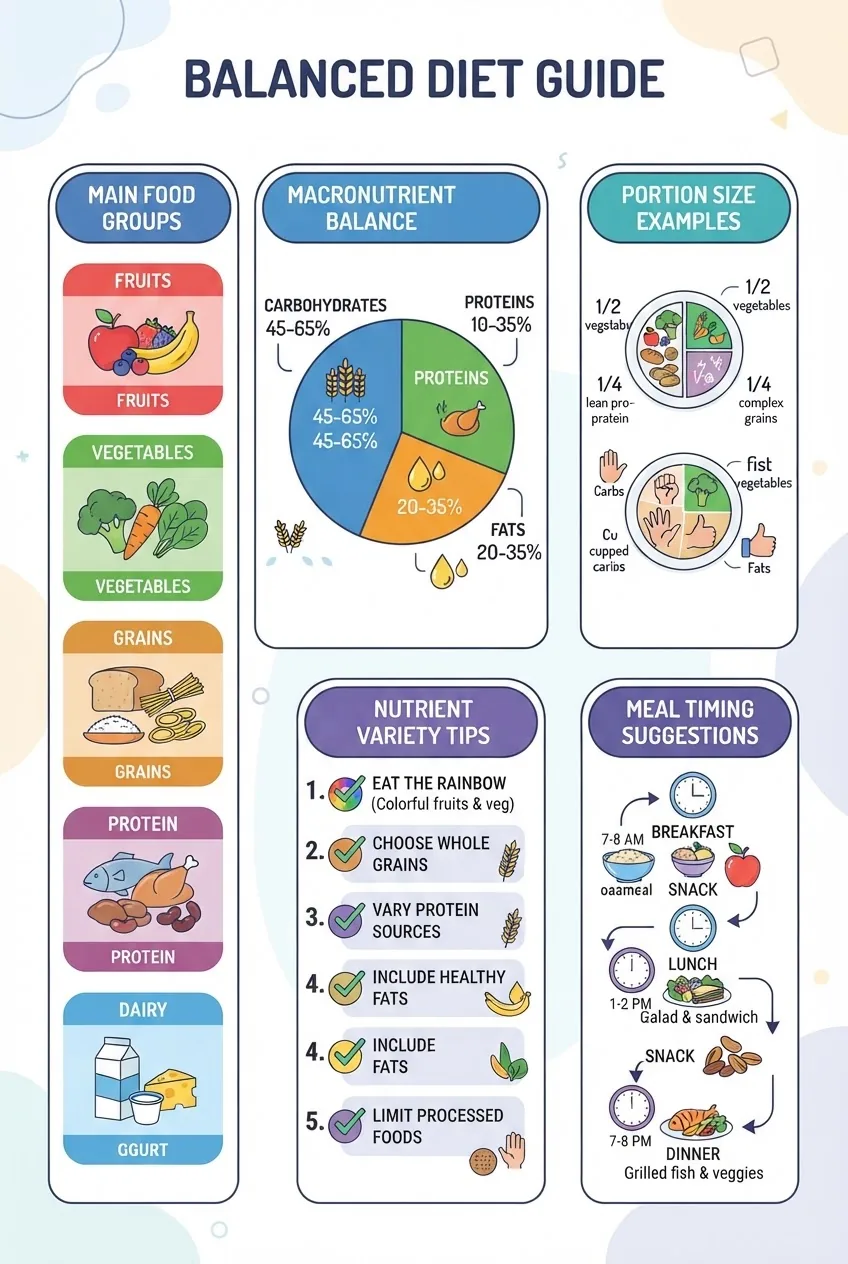
- Prioritize plate balance: Aim for a visual half-plate of vegetables and fruits, one-quarter whole grains, and one-quarter protein. This aligns with USDA MyPlate guidance; MyPlate recommends filling half your plate with fruits and vegetables. Use a 9-inch dinner plate as your standard: vegetables 4.5 inches of the plate, grains 2.25 inches, protein 2.25 inches.
- Balance macronutrients at each meal: Include carbohydrates, protein, and healthy fats. For example, breakfast: 1/2 cup cooked oats (27 g carbs), 1 large egg (6 g protein), 1 tbsp peanut butter (8 g fat). Define macronutrients early: carbohydrates supply quick energy, proteins support repair and satiety, fats support cell function and nutrient absorption.
- Choose whole foods over processed where possible: Swap white rice for brown rice, choose plain yogurt plus fruit instead of fruit-flavored yogurt with added sugars. Whole foods usually offer more fiber, vitamins, and minerals per serving.
- Add fiber intentionally: Aim for 25–38 grams/day depending on age and sex. Practical swaps: add 1 cup cooked lentils (15.6 g fiber per 1 cup), eat an apple with skin (~4.4 g), and choose whole-grain bread (2–3 g/ slice).
- Include a variety of colors and textures: Different colors signal different micronutrients. A meal with spinach (green), carrots (orange), beans (brown), and strawberries (red) covers a broad micronutrient range.
- Use portion anchors: Learn simple measures: 3–4 oz of cooked protein = palm-sized, 1 cup raw leafy greens = fist-sized, 1/2 cup cooked grains = cupped hand, 1 tbsp oil = thumb tip. For precision, weigh proteins at 85–113 g (3–4 oz) per serving.
- Mind added sugars and sodium: Regular food can hide sugars (flavored yogurt, sauces) and sodium (canned soup). Choose low-sodium canned goods and plain dairy or add flavors with herbs and citrus instead of salts and sauces.
- Make meals practical and repeatable: Build a rotation of 6–8 breakfasts, lunches, dinners that you can mix and match over two weeks. Keep 2–3 quick options for days you don’t cook (canned tuna + whole-grain crackers, Greek yogurt + fruit + nuts).
- Use simple cooking methods: Roast, steam, stir-fry, or braise. For proteins: roast chicken at 425°F for 20–30 minutes (thin cuts) or 45 minutes for bone-in; salmon fillets at 400°F for 12–15 minutes. These timings reduce guesswork and preserve nutrients.
- Visualize composition with resources: Use visual guides to check your plates — see visual guides to balanced meals.
Compare modern models with older ones to see how plate-based guidance simplifies decision-making; for background, review the historic food pyramid model and the modern healthy plate model.
For readers who prefer macronutrient targets, use a basic split like 45–55% carbs, 20–30% protein, 25–35% fat per meal as a starting template and adjust for activity. For practical planning, see macronutrient planning.
Transition: Having built practical plate rules, next we’ll turn to scheduling meals and making daily nutrition reliably achievable.
Planning Regular Meals to Meet Daily Nutrition Needs

Meal planning is the operational side of balanced eating: timing, frequency, and preparation. Below are actionable numbered steps to plan a week that covers daily nutrition.
- Decide your meal frequency: Choose 3 meals with 1–2 snacks or 4–5 smaller meals depending on hunger cues. If you are lightly active, 3 meals + 1 snack is a robust default; adjust up for athletes or very active adults.
- Distribute energy across the day: Allocate ~25–30% of daily energy at breakfast, 30–35% at lunch, 30–35% at dinner, and 5–10% per snack. For example, on a 2,000 kcal day: breakfast 450 kcal, lunch 650 kcal, dinner 650 kcal, snack 250 kcal total.
- Create a one-week rotating menu: Pick 6 breakfasts, 6 lunches, 6 dinners. Example Texas-accessible day (see full example later): Breakfast — scrambled eggs, whole-wheat toast, orange. Lunch — grilled chicken salad with black beans, brown rice. Dinner — baked catfish, roasted sweet potatoes, steamed green beans.
- Batch-cook and prep: Spend 60–120 minutes twice a week to cook grains (4 cups cooked rice), roast 2–3 lbs chicken, wash and chop vegetables into 3–4 containers, and portion snacks (nuts: 1/4 cup each). Use clear labels with dates; refrigerate cooked items 3–4 days or freeze portions for 2–3 months.
- Use a grocery list grouped by meal and storage needs: Proteins first (2–3 lbs total for midweek use), produce (5–7 items fresh, 4 frozen), grains (1–2 packages), dairy (1–2 items), pantry staples (2 cans beans, 1 jar tomato sauce). This reduces impulse buys and supports consistent meals.
- Account for variety and seasonality: Swap one vegetable or fruit weekly to maintain micronutrient diversity while minimizing shopping burden. Seasonal produce often costs 10–30% less and has better flavor (local market survey example: According to a 2022 state agricultural report, seasonal produce availability increases variety for households).
- Plan for convenience days: Identify 2 days a week when minimal cooking is expected; stock ready regular foods like canned beans, rotisserie chicken, frozen vegetables and whole-grain wraps to assemble balanced plates in 10–15 minutes.
- Support energy with meal timing data: Aim to eat every 3–5 hours to stabilize blood sugar and manage appetite. According to a 2023 peer-reviewed observational study, regular meal timing correlated with improved glucose control among adults who ate on consistent daily schedules. Use alarms or habit cues to maintain timing if needed (work breaks, kids’ schedules).
- When you want calorie-controlled templates: For readers seeking structured calorie plans see balanced weight loss meal plans and healthy balanced meal plans.
- Track for one week and adjust: Keep simple notes: hunger 1–5, energy 1–5, and one line for digestion. After one week, shift portion sizes or meal timing: add 1–2 tbsp extra protein at meals if energy is low, or add fiber-rich snacks if digestion is slow.
Transition: After planning cadence and prep, we next examine the essential nutrients in regular food and the health benefits each provides.
Essential Nutrients in Regular Food and Their Health Benefits
This section covers the six nutrient classes and practical sources in regular food. When first encountering terms: micronutrients are vitamins and minerals needed in smaller amounts; RDA means Recommended Dietary Allowance, a commonly used target for daily intake.
- Carbohydrates — reliable energy: Sources: brown rice (1/2 cup cooked ≈ 22 g carbs), whole-wheat bread (1 slice ≈ 12–15 g), potatoes (1 medium ≈ 37 g). Carbs in regular food provide fuel; prioritize whole grains and starchy vegetables for fiber and B vitamins.
- Protein — repair and satiety: Sources: 3 oz cooked chicken ≈ 21–25 g protein, 1 cup cooked lentils ≈ 18 g, 1 large egg ≈ 6 g. For a complete protein spread through the day, include 20–30 g protein per main meal for most adults. For a chart of high-protein options, see protein-rich foods.
- Fats — essential fatty acids and absorption: Prioritize unsaturated fats: 1 tbsp olive oil ≈ 14 g fat, 1/4 cup walnuts ≈ 20 g. Healthy fats support vitamin absorption (A, D, E, K) and heart health. For heart-healthy recommendations, review the American Heart Association guidance.
- Vitamins and minerals — small amounts, big impact:
Mini stat block — Vitamin A: 1 cup raw spinach provides about 2813 IU of vitamin A. According to a 2024 NIH summary, many adults meet vitamin A needs through mixed diets; consider carrots or spinach daily for reliable intake.
- Iron: Heme sources (lean beef, 3 oz ≈ 2.1 mg iron) are more bioavailable; plant sources (1 cup cooked lentils ≈ 6.6 mg) pair with vitamin C (orange slices) to improve absorption. For RDA specifics see adequate intake recommendations.
- Calcium and vitamin D: Dairy and fortified plant milks: 1 cup milk ≈ 300 mg calcium. Vitamin D often requires sunlight or fortified foods. According to a 2022 NIH nutrient review, many adults rely on fortified foods to meet vitamin D targets in winter months.
- Fiber benefits: Dietary fiber slows digestion, supports regularity, and helps blood sugar. Practical targets: 25 g/day for women, 38 g/day for men (RDA-range). Add fiber with 1/2 cup cooked beans (~6–8 g), 1 medium pear (~5–6 g), and 1 cup cooked quinoa (~5 g).
- Hydration: Water is essential to nutrient transport and satiety. A practical target: 2.7 liters/day women, 3.7 liters/day men from all beverages and food combined (According to a 2024 government hydration summary). Drink 250–350 ml (1 cup) with each meal and 150–250 ml between meals; adjust for activity and heat.
Mini stat block — Omega-3s:
1 serving (3 oz) of salmon provides ~1.5–2.0 g EPA+DHA. According to a 2023 heart-health review, regular intake of oily fish twice weekly supports cardiovascular health. Use canned salmon or fresh fillets as regular food options.
For readers focused on carbohydrate management, explore a consistent carbohydrate diet to plan portioned carbohydrate servings per meal.
Mini stat block — Micronutrient diversity tip:
Include at least three different colored vegetables daily to cover a wider range of vitamins and minerals; a 2021 public health survey found increased vegetable variety correlated with higher micronutrient adequacy.
For practical lists of vitamins in common produce and protein counts, consult vitamin content in fruits and vegetables and protein-rich foods.
Transition: With nutrients identified and examples provided, we’ll move to managing portions and avoiding common pitfalls that derail otherwise sound meal plans.
Managing Portion Sizes and Avoiding Common Nutritional Pitfalls
Portion control supports balanced energy intake and prevents overconsumption of calorie-dense items. This section lists clear, practical rules and a nutrition label walkthrough.
- Serving size basics: Follow standard serving sizes for common foods: cooked grains 1/2 cup, cooked pasta 1/2 cup, cooked vegetables 1/2 cup, raw leafy greens 1 cup, cooked protein 3 oz (85 g).
- Plate method for portions: Use a 9-inch plate: half vegetables/fruit, quarter protein (3–4 oz), quarter grains/starchy veg (1/2–1 cup cooked). This visual method aligns with the portion control basics.
- Avoid calorie-dense traps: Watch dressings, sauces, nuts, and alcohol. For example, 2 tbsp salad dressing = ~140–180 kcal; measure to 1 tbsp when reducing calories but retain flavor.
- Mindful eating cues: Eat slowly (20+ minutes per meal), stop at comfortable fullness (satiety cues), and avoid eating directly from packages. This reduces overeating risk significantly in behavioral trials.
- Food label walkthrough (practical): When buying packaged regular food, do this three-step read:
- Check the serving size first: Compare the package serving size to how much you will realistically eat. If cereal serving is 3/4 cup but you pour 1.5 cups, double the calories and macronutrients shown.
- Scan calories and macronutrients: Look at calories, grams of total fat, saturated fat, total carbs, fiber, and protein per serving. Aim for items with ≥3 g fiber and ≥5 g protein per serving for sustained satiety.
- Check sodium and added sugars: Keep sodium under 600 mg per prepared meal from packaged foods if possible; added sugars should be under 10 g per serving for most snacks. For more guidance on portion control strategies see portion control for weight management.
Common pitfalls to watch for:
- Overestimating vegetable servings when portions are cooked and compact (e.g., 1 cup cooked spinach is far less volume than 1 cup raw).
- Relying on “low-fat” processed foods that swap fat for sugar.
- Underestimating liquids: sugary drinks add 100–300 kcal per cup; replace with water or unsweetened tea when possible.
For contrasts with widespread unhealthy patterns, compare your habits against a standard American diet overview.
Transition: Next we take the general rules and map them to Texas-accessible regular foods you can buy locally and seasonally.
Incorporating Texas-Accessible Regular Foods into Balanced Diets
Texas offers wide seasonal variety — citrus in parts of the state, melons in summer, sweet potatoes, black beans, and seafood along the coast. Here’s how to use local availability to your advantage.
Short table of local food examples (zebra-striped rows):
| Food | Why it’s useful | How to include |
|---|---|---|
| Black beans | High fiber and protein, low cost | Add 1/2 cup to salads, tacos, or soups |
| Sweet potatoes | Complex carbs & vitamin A | Roast 1 medium per person as 1/2–1 cup side |
| Citrus (oranges, grapefruit) | Vitamin C, pairs with plant iron | 1 medium fruit as snack or in salads |
| Tilapia/catfish | Lean coastal protein, affordable | 3–4 oz fillet baked or pan-seared with herbs |
| Collard greens/leafy greens | Calcium, vitamin K, fiber | 1 cup cooked as side or in soups |
When shopping seasonally, pick produce marked local at farmers’ markets or read signage at grocery stores. Seasonal buying often reduces cost and increases flavor. For meal pattern inspiration rooted in Mediterranean-style ingredients, see Mediterranean diet options.
If you are exploring differences between diets and want to adapt local foods to different approaches, review various diet types.
Transition: The final section shows sustainable tactics to make these habits last week after week.
Practical Tips for Sustaining Regular Food Habits for Long-Term Nutrition
These are reproducible steps and a checklist to maintain balanced regular meals over months or years.
- Create a weekly meal rhythm: Pick a cook day (Sunday) and a midweek reset (Wednesday). Spend 60–120 minutes each session: cook 4 cups grains, roast 2–3 lbs protein, chop 6 cups vegetables into storage containers.
- Use shopping routines: Shop with a list grouped by category; spend 30–60 minutes weekly. Keep a standard pantry reorder list: canned beans (2), whole grains (2 packages), olive oil (1 bottle), spices (salt, pepper, cumin), frozen vegetables (2 bags).
- Adopt batch recipes: Keep 4 go-to recipes for rotation: black bean chili (makes 6 cups), roasted chicken + sweet potatoes (serves 4), vegetable stir-fry with tofu (serves 4), oatmeal jars (serves 5 breakfasts). Freeze leftovers in 1–2 cup portions for 2–3 months.
- Reduce food waste: Use cooked greens in frittatas, over rice, or blended into soups. Learn simple storage: refrigerate cut apples with lemon juice to prevent browning, freeze ripe bananas for smoothies.
- Track progress with templates: Use printed or digital templates to log meals and shopping; see nutrition planning templates and meal planning printables for ready-made forms.
- Cookware and portion tools: Buy one 9-inch plate for portioning practice, a 3-cup Pyrex for grains, a digital scale (0.1–5,000 g range), and four 2-cup food storage containers. These items keep portioning precise and habits consistent.
- Keep simple swaps documented: Maintain a list of 8–10 swaps: white rice → brown rice (1:1 cup cooked), chips → air-popped popcorn (3 cups), soda → sparkling water + citrus. Use these to reduce empty calories without losing enjoyment.
- Weekly check-in (10 minutes): Each week, check the fridge/freezer inventory, plan 3 meals to use perishable items within 3 days, and rotate frozen supplies into the meal plan. This preserves both nutrients and budgets.
Practical supports for long-term success: use meal planner printables and the nutrition planning templates to document progress.
Common mistakes and how to avoid them (practitioner notes)
I’ve seen these mistakes repeatedly in practice:
- I once over-relied on “diet” packaged meals that looked healthy but had low fiber and high sodium; lesson — always check nutrition labels and prefer plain ingredients then season yourself.
- I underestimated how quickly fresh herbs wilted in my fridge; remedy — use a damp paper towel and airtight container or freeze herbs in oil ice cube trays.
- I assumed “low-fat” meant low-calorie and found clients hungrier sooner; lesson — include protein and fiber at each meal to stay satisfied.
Checklist — verify your balanced-regular-food setup
- Do you have 6–8 meal templates (breakfast/lunch/dinner) ready?
- Are grains and protein portioned into 3–4 oz/1/2 cup servings for easy assembly?
- Is half your plate set aside for vegetables or fruit at main meals?
- Do you prepare food twice weekly for 60–120 minutes each session?
- Are water and fiber targets reasonably met (2.7–3.7 L water; 25–38 g fiber/day)?
When to call in a professional
Consult a registered dietitian or your healthcare provider if you have a medical condition (diabetes, kidney disease, pregnancy), rapid weight change, or complex medication-nutrition interactions. For personalized RDA adjustments and medical nutrition therapy, a credentialed RD can design individualized plans.
Real-life sample day (Texas-accessible) — hands-on example to follow immediately:
- Breakfast (08:00): 2 scrambled eggs, 1 slice whole-wheat toast, 1 medium orange, 1 cup black coffee. Protein ~14 g, fiber ~4 g.
- Snack (10:30): 1 small apple + 1 oz cheddar cheese. Protein ~7 g, fiber ~4 g.
- Lunch (13:00): Grilled chicken salad — 3 oz chicken, 1 cup mixed greens, 1/2 cup black beans, 1/2 cup cooked brown rice, 1 tbsp olive oil + lime dressing. Protein ~26 g, fiber ~8–10 g.
- Snack (16:00): 1/4 cup unsalted mixed nuts. Protein ~6 g, healthy fats ~15 g.
- Dinner (19:00): Baked catfish (4 oz), roasted sweet potato (1 medium), steamed collard greens (1 cup), 1/2 cup berries for dessert. Protein ~24 g, fiber ~8–10 g.
- Hydration: ~2.5–3 L water spaced across the day; add 250–350 ml with each meal.
Transition to closing: you now have the framework, examples, and practical tools to make regular food the core of daily balanced nutrition.
Conclusion
Using regular food to build balanced meals is practical and sustainable: prioritize half your plate with fruits/vegetables, include protein and whole grains, monitor portions with simple anchors, and plan meals twice weekly for consistency. Start with the one-week plan provided, use the checklist, and adjust by hunger and activity. For a printable planner, consult the meal planning printables.
Next step: pick one meal template from the sample day, shop for ingredients within 30 minutes, and prepare it this week. If you want structured calorie templates, see the balanced weight loss meal plans or healthy balanced meal plans.