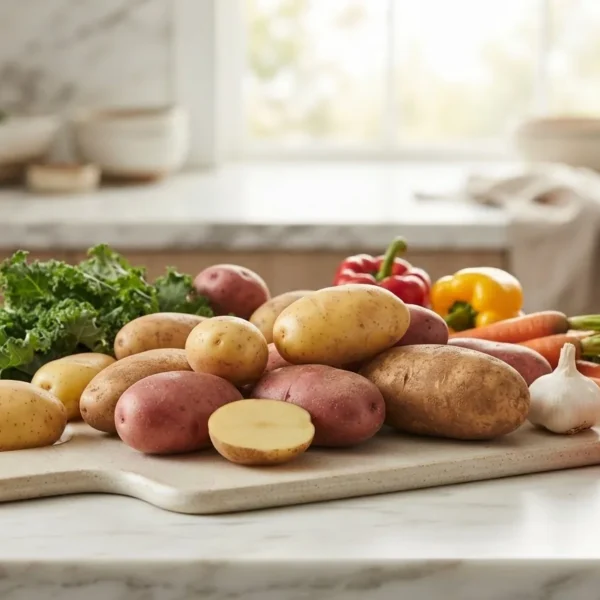
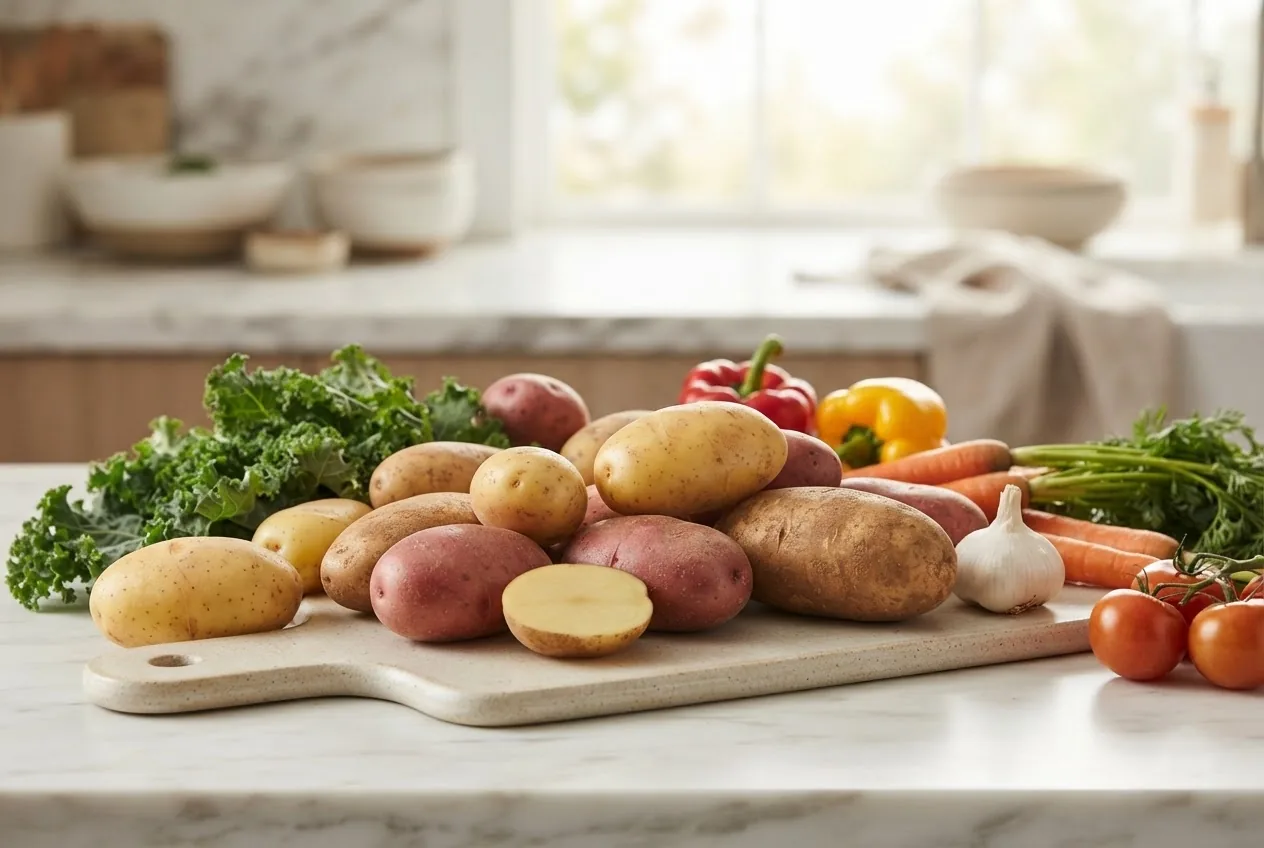
Yes: botanically potatoes are stem tubers (a plant’s thickened underground stem) and, in culinary and USDA practice, they are treated as vegetables—specifically starchy vegetables; however, their nutrient profile and role in a meal differ from leafy or non-starchy vegetables, and preparation affects whether they count toward recommended vegetable intake.
What is the botanical classification of a potato?
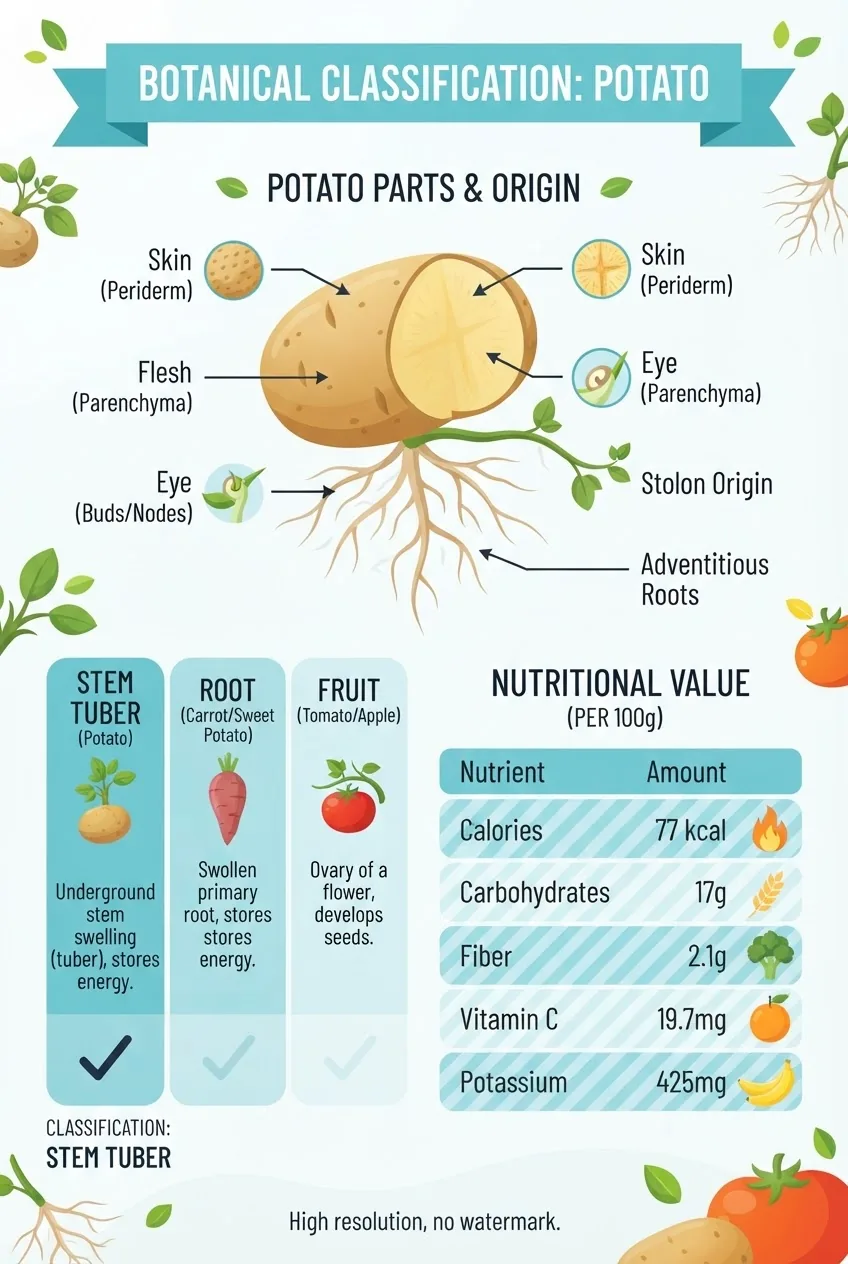
Short answer: Botanically a potato (Solanum tuberosum) is a stem tuber—an underground storage organ formed from a stolon that stores starch for the plant, not a true root or fruit.
Term: tuber — a thickened, usually underground plant stem modified for nutrient storage, distinct from roots and true fruits.
Potatoes belong to the Solanaceae (nightshade) family. The commonly eaten part is a stem tuber that develops from stolons (horizontal stem extensions); tubers sprout “eyes” which are nodes with buds. Unlike fruits (which develop from ovaries after flowering), tubers are vegetative storage structures that contain concentrated starch and other compounds.
Are potatoes considered a vegetable in culinary and nutritional guidelines?
Short answer: Yes—culinary practice and major nutrition systems classify potatoes as vegetables, specifically starchy vegetables, but they are nutritionally distinct from non-starchy vegetables and are counted separately in many dietary recommendations.
Term: culinary vegetable — a food classification based on flavor and use in cooking rather than botanical origin, grouping plant parts used in savory dishes as vegetables.
In kitchens and on nutrition guides like MyPlate, potatoes are placed in the vegetable group because they are plant foods used as savory sides or mains. The USDA and many public-health systems distinguish starchy vegetables (potatoes, corn, peas) from non-starchy vegetables (leafy greens, broccoli) because starchy types provide more calories and carbohydrates per serving and contribute differently to daily nutrient targets.
Practical implications:
- Potatoes count toward vegetable servings but typically fill the starchy-vegetable slot rather than the low-calorie, high-fiber non-starchy slot.
- Portion guidance for potatoes emphasizes carbohydrate and calorie management more than for most other vegetables.
Is mashed potatoes a vegetable?
Short answer: Plain mashed potatoes (made from cooked potato, with minimal added fat) are a vegetable—specifically a starchy vegetable—but mashed potatoes overloaded with butter, cream, or cheese may not count as a full vegetable serving for dietary guidance due to added fat and sodium reducing nutrient density.
Term: nutrient density — the amount of essential nutrients (vitamins, minerals, fiber) provided per calorie in a food.
When mashed potatoes are prepared simply—boiled potato mashed with a small amount of milk or olive oil—they retain the base vegetable nutrients (potassium, vitamin C, fiber if skin included). However, common restaurant and frozen mashed products often include butter, cream, salt, or preservatives that increase calories and sodium and lower the relative contribution to vegetable requirements.
How public guidance treats mashed potatoes:
- USDA-style counts focus on the primary ingredient: mashed potatoes count as starchy vegetable servings when the potato is the main component and not primarily fat or starch-based products.
- Mashed products mixed with large amounts of dairy or oil should be portioned carefully and not relied on as the main vegetable in a meal.
How do potatoes rank nutritionally per 100 grams?
Short answer: Per 100 g, raw potato provides roughly 77 kcal, 17 g carbohydrate, 2.2 g fiber, 2 mg vitamin C (varies by variety), and 425 mg potassium — cooked values shift slightly with moisture and preparation.
Term: glycemic index — a numeric scale that measures how quickly carbohydrate-containing food raises blood glucose compared with a reference (glucose or white bread).
| Item | Calories (kcal) | Carbs (g) | Fiber (g) | Potassium (mg) |
|---|---|---|---|---|
| Raw potato (100 g) | 77 | 17 | 2.2 | 425 |
| Baked potato, flesh only (100 g) | 93 | 21 | 2.2 | 535 |
| Mashed, plain (100 g) | 88 | 20 | 1.8 | 400 |
Notes on numbers: values vary by variety (russet, Yukon Gold, red), cooking method, and whether skin is included. The table provides typical ranges; adding fats or dairy alters calorie and nutrient density significantly.
How many vegetable servings does a potato provide?
Short answer: A medium potato (about 150–170 g cooked) generally counts as one cup-equivalent of vegetables—commonly treated as one vegetable serving (starchy subgroup) under USDA/MyPlate guidance.
Standard serving and equivalents:
- 1 cup cooked potatoes ≈ 1 vegetable serving (starchy vegetable subgroup).
- A medium potato (about 5.2 oz / 150 g) when cooked and mashed or baked typically counts as one cup-equivalent.
- Smaller portions (½ cup) count proportionally; heavily processed preparations may not be recommended as full equivalents due to added fats and sodium.
Authoritative guidance: U.S. nutrition guidance differentiates starchy vegetables as a category and expects balanced intake across vegetable subgroups. See MyPlate resources for exact portion conversions and subgroup advice (Fruit Types Guide).
How do potatoes compare to other vegetables for vitamins and minerals?
Short answer: Potatoes are high in potassium and provide vitamin C and B6 but have less fiber and micronutrient variety than many non-starchy vegetables like leafy greens or cruciferous vegetables.
| Vegetable (per 100 g) | Calories | Vitamin C (mg) | Potassium (mg) | Fiber (g) |
|---|---|---|---|---|
| Potato, baked (100 g) | 93 | 11 | 535 | 2.2 |
| Sweet potato, baked (100 g) | 90 | 19.6 | 337 | 3.0 |
| Broccoli, cooked (100 g) | 35 | 64.9 | 293 | 3.3 |
| Carrot, raw (100 g) | 41 | 5.9 | 320 | 2.8 |
Interpretation: potatoes supply more potassium per calorie than many vegetables and provide vitamin C, but cruciferous and leafy vegetables often provide substantially more vitamin C, fiber, and diverse phytochemicals per serving.
Are potato leaves or sprouts safe to eat?
Short answer: No—potato leaves, stems, and sprouts (green parts) contain glycoalkaloids such as solanine and should not be eaten because these compounds can cause gastrointestinal and neurological symptoms if consumed in sufficient amounts.
Term: solanine — a naturally occurring glycoalkaloid found in nightshade plants that can be toxic to humans in high doses, often accumulating in greened potato tissue.
Green discoloration on potato skin indicates chlorophyll exposure from light; chlorophyll itself is harmless but green areas often contain higher solanine. Remove greened sections or discard potatoes with widespread greening or large sprouts. Cooking does not reliably remove solanine, so prevention through proper storage (dark, cool, dry) is preferred.
Do processed potato products count as vegetables (fries, chips)?
Short answer: Technically processed potato products originate from a vegetable, but many fries, chips, and high-fat potato dishes do not meaningfully count toward recommended vegetable intake because of added fats, sodium, and reduced nutritional quality.
How public health guidance treats processed potatoes:
- Products where the potato is the primary ingredient and minimal unhealthy additives exist may be counted in moderation as a starchy vegetable serving.
- Fast-food fries and heavily fried or salted snacks are discouraged as vegetable replacements due to high energy density and low micronutrient return per calorie.
| Product | Counts as veg serving? | Why/Notes |
|---|---|---|
| Baked potato, plain | Yes | Low added fat; retains nutrients. |
| Mashed with small milk/oil | Generally yes | Counts unless heavy fats/salts dominate. |
| French fries (fast food) | No (practical) | High fat and sodium reduce nutritional value. |
| Potato chips/snacks | No | Processed, calorie-dense, low fiber; not recommended as veg substitute. |
How should I prepare potatoes to maximize nutrition?
Short answer: Cook potatoes with skin on where possible, use dry-heat or steaming methods (baking, steaming, microwaving, air-frying) rather than deep-frying, avoid excessive added fats and salt, and cool cooked potatoes to increase resistant starch.
Term: resistant starch — a form of starch that resists digestion in the small intestine and functions like dietary fiber in the large intestine, forming through cooling or certain cooking methods.
Practical preparation tips:
- Cook with the skin when safe to eat: skin adds fiber, potassium, and B-vitamins.
- Prefer baking, steaming, microwaving, or boiling with minimal water to limit vitamin C loss; avoid long high-heat frying.
- Limit added butter, cream, or salty toppings; use olive oil and herbs to keep flavor but lower saturated fat.
- Cool cooked potatoes and then reheat or serve cold (potato salad) to increase resistant starch, which lowers effective glycemic impact.
Example: Bake a medium potato, cool 12 hours, then eat cold or reheat. The cooled potato typically contains more resistant starch than when freshly baked, contributing to steadier blood glucose response.
Are potatoes good for people with diabetes or blood sugar concerns?
Short answer: Potatoes can be part of a diabetes-friendly diet when portion-controlled, combined with protein and fiber, and prepared to lower glycemic impact (cooling for resistant starch, choosing waxy varieties, avoiding frying); attention to portion size is essential.
Key points for glycemic control:
- Glycemic response varies by variety (waxy/new potatoes generally lower than high-starch russets), cooking method, and portion.
- Pairing potatoes with protein, healthy fats, and non-starchy vegetables slows carbohydrate absorption.
- Cooling potatoes increases resistant starch that behaves like fiber, reducing post-meal glucose spikes.
Practical example: Replace half a serving of mashed potato with roasted non-starchy vegetables and a lean protein to reduce glycemic load while retaining satiety.
Which potato varieties are healthiest and how do they differ?
Short answer: All common varieties (russet, Yukon Gold, red, fingerling) provide similar core nutrients; differences include starch content, texture, and color-linked phytochemicals—purple and red varieties have additional antioxidants from anthocyanins.
Variety comparison:
- Russet: high-starch, fluffy when cooked—good for baking and mashing but higher glycemic tendency.
- Yukon Gold: medium-starch, buttery flavor—versatile and holds texture.
- Red and new potatoes: waxy, lower starch content—better for boiling and salads, often lower glycemic response per portion.
- Purple/blue potatoes: contain anthocyanins, which add antioxidant value and dark pigments.
Selection tip: choose varieties based on cooking method and desired texture; for lower glycemic response prefer waxy or smaller new potatoes and include skin when possible.
How should potatoes be stored to stay safe and nutritious?
Short answer: Store potatoes in a cool (45–50°F / 7–10°C), dark, well-ventilated place away from moisture and sunlight; avoid refrigeration below 40°F to prevent conversion of starch to sugar and darkening during cooking.
Storage guidance details:
- Keep potatoes in a dark cupboard or pantry away from onions (which can accelerate spoilage).
- Do not store potatoes in the refrigerator long-term: cold converts starch into sugars, changing flavor and cooking behavior.
- Discard potatoes with extensive greening, soft rot, or strong musty odors; remove small sprouts and use the potato promptly.
- Good ventilation reduces moisture buildup and mold.
Are potatoes economical and sustainable compared to other vegetables?
Short answer: Potatoes are generally economical on a per-calorie and per-nutrient basis, offering high energy, potassium, and vitamin C for low cost; sustainability depends on farming practices and supply chain factors like water use and storage.
Reasons for economical status:
- High yield per acre compared with many vegetables and staples.
- Long storability when properly stored, reducing food waste in households.
- Versatility in meals increases their practical value to budgets.
Sustainability notes:
- Environmental impact varies by production system; local sourcing and seasonal buying can reduce transport emissions.
- Soil management and water practices on farms influence sustainability; look for regional production practices that prioritize soil health.
What common myths about potatoes should I ignore?
Short answer: Ignore the blanket claim that potatoes are “not a vegetable”—they are vegetables; also ignore that potatoes automatically cause weight gain—portion size, preparation, and overall diet determine outcomes.
Myth corrections:
- Myth: Potatoes are not vegetables. Fact: Potatoes are starchy vegetables in culinary and nutrition systems.
- Myth: All potatoes spike blood sugar dangerously. Fact: Glycemic response depends on variety, portion, preparation, and meal composition.
- Myth: Potatoes are “empty calories.” Fact: They provide potassium, vitamin C, B6, and fiber (especially with skin), though less diverse phytonutrients than some veg.
How to include potatoes in a balanced plate for a Texan-style meal?
Short answer: Use potatoes as one component—prefer baked or roasted with skin, pair with lean protein (grilled chicken, beans), add non-starchy vegetables (greens, tomatoes), and control portion to one cup-equivalent of starchy vegetable per plate.
Practical Texan-style meal example:
- Grilled lean steak or black bean chili for protein.
- One medium baked potato (skin on), split between two people or served as one cup-equivalent.
- Large side salad or steamed greens (spinach, collards) to supply non-starchy vegetables and fiber.
- Use salsas, pico de gallo, or yogurt-based sauces instead of butter and sour cream.
Adjustments for diabetes or calorie reduction: replace half the potato with extra non-starchy vegetables, or choose a smaller waxy potato and add avocado slices for healthy fat and satiety.
How do potatoes fit into special diets (vegetarian, ketogenic, paleo)?
Short answer: Potatoes fit well into vegetarian and plant-forward diets as a starchy vegetable and carbohydrate source; they are generally not appropriate for strict ketogenic diets due to high carbohydrate content; paleo adherence varies with individual interpretations but many paleo followers avoid starchy tubers.
Diet-specific notes:
- Vegetarian/Vegan: Potatoes supply energy, potassium, and vitamin C; combine with legumes for complete protein.
- Keto: Potatoes exceed typical daily carb limits; should be limited or avoided on strict ketogenic plans.
- Paleo: Some paleo approaches permit tubers; others emphasize lower-carb, so adherence depends on chosen framework.
What are safe portion examples to control calories and carbs?
Short answer: Practical portions are ½ cup cooked potatoes (about 75 g) for a small side, 1 cup cooked (about 150 g) as a standard vegetable serving, and a medium potato (≈150–170 g) as one starchy serving—adjust downward for weight loss or glucose control.
Portion ideas and equivalents:
- ½ cup cooked diced or mashed ≈ 75 g (about 40–45 kcal per 50 g proportionally).
- 1 cup cooked ≈ 150 g ≈ one vegetable serving in USDA terms.
- One medium potato (150–170 g) often equals 1 cup cooked, providing ~120–160 kcal depending on variety and cooking.
What are best practices to reduce potato waste at home?
Short answer: Store in cool, dark conditions; use sprouted but firm potatoes quickly after removing sprouts; cook or freeze excess cooked potatoes; use peels in stocks or compost; and avoid refrigeration which causes flavor changes.
Waste-reduction tactics:
- Rotate stock using older potatoes first; remove small sprouts and trim greened areas before cooking if limited.
- Cook large batches and freeze portions for future meals—mashed or roasted potatoes freeze well if stored properly.
- Use potato peels for vegetable stock or compost to return nutrients to soil.
How do public nutrition authorities recommend counting potatoes toward vegetable intake?
Short answer: Authorities like USDA count potatoes as vegetables, typically in the starchy subgroup; guidance emphasizes variety across vegetable subgroups and cautions against relying solely on starchy vegetables to meet vegetable intake targets.
Practical guidance highlights:
- Count potatoes as starchy vegetable servings but diversify with dark-green, red/orange, legumes, and other subgroups for full nutrient coverage.
- Watch preparation: high-fat or processed potato items are often excluded from practical recommendations for healthful vegetable intake.
For official portion and subgroup rules consult national guidance such as MyPlate; for U.S. federal guidance see USDA resources.
What are common food-safety concerns when handling potatoes?
Short answer: Key concerns are sprouting, greening, mold, and Clostridium botulinum risk in improperly stored cooked potatoes in oil; discard potatoes with spoilage and cool cooked potatoes promptly, refrigerating within two hours if not used.
Food-safety checklist:
- Do not eat potatoes with large green areas or bitter taste; cut out small green parts if rest of tuber is firm and ungreeened.
- Store cooked potatoes safely: refrigeration within two hours, especially when prepared with perishable ingredients.
- Avoid storing cooked potatoes submerged in oil at room temperature (risk of botulism); refrigerate or freeze promptly.
How do I balance potatoes with other vegetables for optimal nutrition?
Short answer: Use potatoes as one part of a diversified plate—pair one serving of starchy potato with generous servings of non-starchy vegetables (leafy greens, tomatoes, peppers) and include lean protein and healthy fats for balanced micronutrient intake and satiety.
A simple balancing framework:
- Half the plate: non-starchy vegetables (salad greens, roasted peppers, broccoli).
- Quarter plate: lean protein (fish, poultry, beans).
- Quarter plate: starchy carbohydrate like a medium potato or whole grain serving.
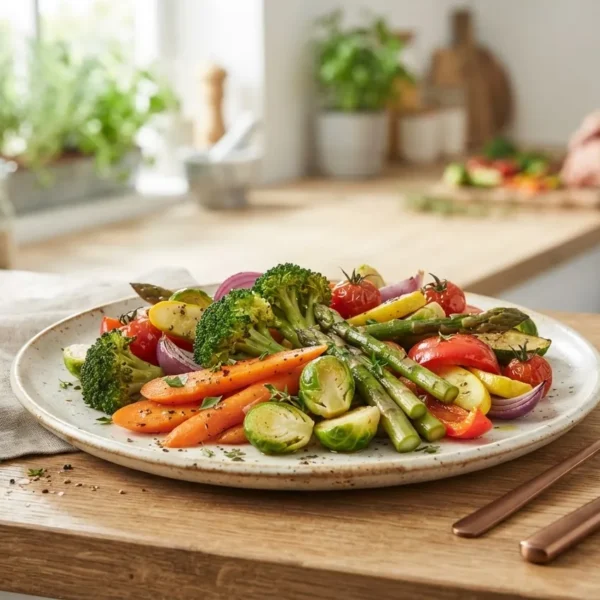
Substitutions for lower-carb meals: replace some or all of the potato with cauliflower mash, roasted Brussels sprouts, or a mixed vegetable hash to reduce glycemic load while retaining volume and satisfaction.
Where can I learn more about vegetable classification and serving guidance?
Short answer: Consult comprehensive guides that compare fruits and vegetables and list vegetable subgroups; start with the pillar resource for this cluster and targeted comparisons for specific vegetables.
Recommended internal resources:
- Fruit Types Guide with Benefits and Nutritional Information — pillar overview for classification and benefits.
- What Is Difference Between a Fruit and a Vegetable — technical distinctions between botanical and culinary categories.
- 100 Vegetables Name Guide with Pictures and Nutritional Info — quick references and serving ideas.
Summary: Is potato a vegetable and how should I use them?
Short answer: Potatoes are vegetables—botanical stem tubers and culinary starchy vegetables—and they can be a healthy part of the diet when chosen and prepared thoughtfully: prefer whole-tuber cooking, include the skin, manage portions, and pair with non-starchy vegetables and protein.
Final practical checklist:
- Prefer whole, minimally processed potatoes and include skin for fiber.
- Use baking, steaming, or roasting; avoid deep-frying and heavy creams.
- Balance meals with non-starchy vegetables and lean protein.
- Store properly to prevent greening and sprouting; discard spoiled tubers.
Frequently Asked Questions
i s potato a vegetable or a carbohydrate?
Potatoes are vegetables botanically (stem tubers) and culinarily (starchy vegetable), but they are also a significant carbohydrate source; classify them as starchy vegetables when planning meals and count carbohydrate content for portion control and blood-glucose management.
Are potatoes considered a vegetable in dietary guidelines?
Yes—dietary guidelines such as MyPlate classify potatoes as vegetables in the starchy subgroup and recommend counting them toward vegetable intake while encouraging variety across vegetable types to meet nutrient needs.
Is mashed potatoes a vegetable serving if it has butter and milk?
Plain mashed potatoes count as a starchy vegetable serving, but mashed potatoes heavy in butter, cream, or salt should be portioned carefully since added fats and sodium reduce nutrient density and may disqualify them as a primary vegetable choice in healthful diets.
Do potato skins contain important nutrients?
Yes—potato skins supply fiber, B-vitamins, and minerals like potassium; leaving skin on when possible increases nutrient retention and improves overall nutrient density per serving.
Can I eat potatoes every day without gaining weight?
Eating potatoes daily can be compatible with weight maintenance if portions, preparation (avoid deep-fry/high-fat toppings), and total daily calorie balance are managed; pairing potatoes with vegetables and protein improves satiety and reduces overeating risk.
Are sweet potatoes healthier than regular potatoes?
Sweet potatoes provide more vitamin A (beta-carotene) and slightly more fiber per calorie, but regular potatoes are higher in potassium; both can be healthy—choose based on nutrient needs and vary intake for broad coverage.
How should I store potatoes to avoid toxic green parts?
Store potatoes in a cool, dark, well-ventilated place; avoid sunlight exposure and discard tubers with large green areas or bitter taste because those parts may contain elevated solanine, a naturally occurring toxin.
Do frozen or canned potato products count as vegetables?
Frozen plain potatoes (no added fat or sodium) generally count as vegetables; canned or processed forms with high added salt, fat, or preservatives are less desirable and may not be recommended as equivalent to fresh or minimally processed vegetable servings.