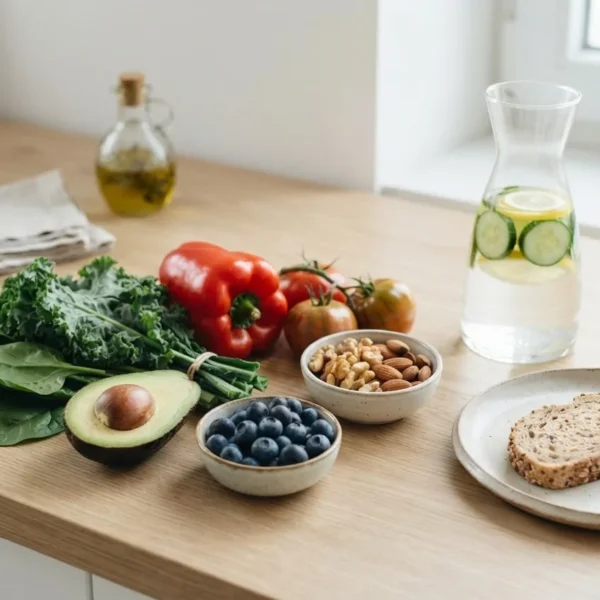
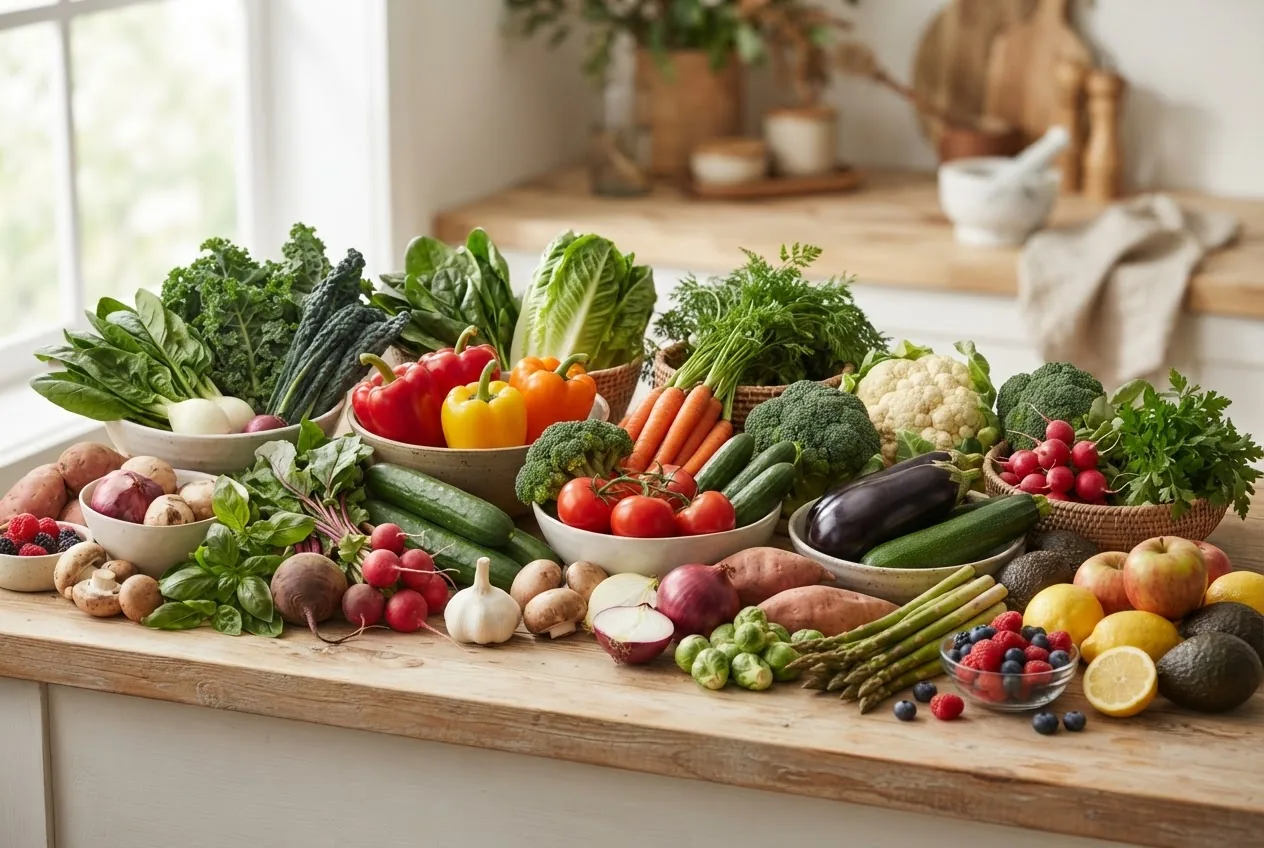
This 100 vegetables name guide lists 100 vegetables with clear identification tips and concise per‑serving nutrition (calories, fiber, key vitamins/minerals) so Texans can spot produce at markets and choose foods for health and seasonality.
Introduction to the 100 Vegetables Name Guide?
Answer: This guide gives a visual and nutritional quick-reference for 100 vegetables—common and specialty—showing scientific names, serving size calories, fiber, key vitamins, seasonal notes, simple uses, plant family and Texas market availability.
This section introduces how to use the list efficiently for shopping, meal planning and basic nutrition checks. Use the Fruit Types Guide with Benefits and Nutritional Information link to expand into fruits when planning mixed produce meals or weight-loss plans.
Fruit Types Guide with Benefits and Nutritional Information
Definitions used in the guide:
Term: Serving size — a typical portion used for nutrition labels (e.g., 1 cup raw, 1 medium).
Term: Fiber — non-digestible carbohydrate that supports digestion and heart health.
Term: Cruciferous — plants in the Brassicaceae family, often high in sulfur‑containing compounds that support detoxification (e.g., broccoli, cabbage).
Sources and caveats: Nutrition values can vary by cultivar, soil and preparation; numbers below reference the USDA nutrient database where noted. According to the 2023 USDA Nutrient Database, typical values are provided as guidance. For health claims about fiber and heart disease we reference guidance from the American Heart Association and Texas Department of Agriculture seasonality notes for local availability.
Complete List of 100 Vegetables with Pictures and Nutritional Info?
Answer: Below are 100 numbered vegetable entries—each includes common name, scientific name, serving size, calories, fiber, key vitamins/minerals, seasonality, short use note, plant family, raw vs cooked note, visual ID tip, and Texas market availability.
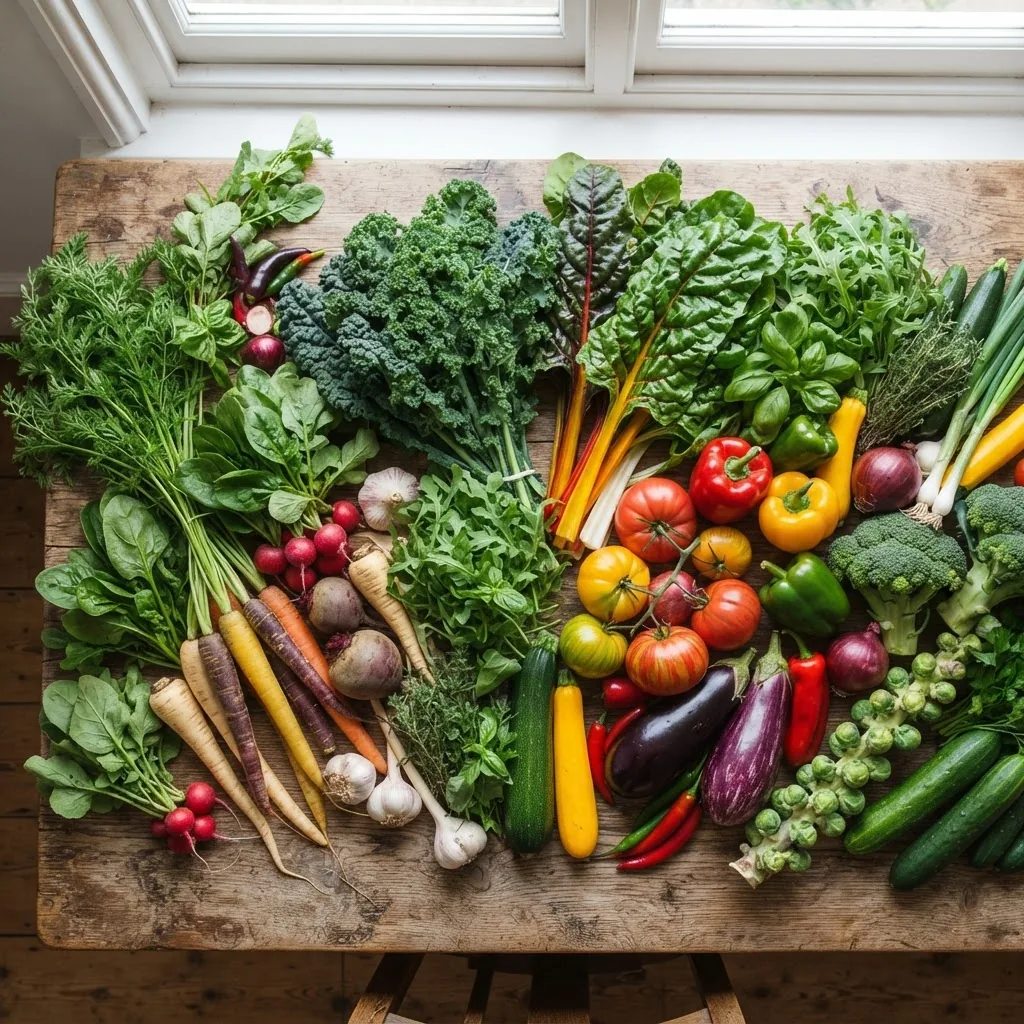
- Artichoke (Cynara scolymus) — Serving: 1 medium (120g). Calories: 60; Fiber: 7g; Vitamins: C, K; Minerals: magnesium. Season: spring. Use: steam or grill. Family: Asteraceae. Raw vs cooked: steaming softens fiber. Visual tip: green layered bracts. Texas: specialty markets.
- Arugula (Eruca sativa) — Serving: 1 cup (20g). Calories: 5; Fiber: 0.5g; Vitamins: A, K; Minerals: calcium. Season: spring/fall. Use: salads, peppery flavor. Family: Brassicaceae (cruciferous). Raw vs cooked: raw keeps peppery bite. Visual tip: jagged, lobed leaves. Texas: farmers’ markets.
- Asparagus (Asparagus officinalis) — Serving: 5 spears (90g). Calories: 20; Fiber: 2g; Vitamins: A, C, K; Minerals: folate. Season: spring. Use: roast, grill. Family: Asparagaceae. Raw vs cooked: brief steaming preserves nutrients. Visual tip: spear tips compact and triangular. Texas: spring harvests.
- Beetroot (Beet) (Beta vulgaris) — Serving: 1 cup cooked (170g). Calories: 75; Fiber: 3.8g; Vitamins: C; Minerals: potassium, folate. Season: summer/fall. Use: roast, pickled, raw slaw. Family: Amaranthaceae. Raw vs cooked: some loss of vitamin C when boiled. Visual tip: deep red bulb, leafy greens. Texas: common at markets.
- Bok Choy (Brassica rapa var. chinensis) — Serving: 1 cup cooked (170g). Calories: 20; Fiber: 2g; Vitamins: A, C, K; Minerals: calcium. Season: cool-season. Use: stir-fries. Family: Brassicaceae. Raw vs cooked: cooked softens fiber. Visual tip: spoon-shaped leaves, white stalks. Texas: winter/spring availability.
- Broccoli (Brassica oleracea var. italica) — Serving: 1 cup chopped (91g). Calories: 31; Fiber: 2.4g; Vitamins: C, K; Minerals: folate. Season: fall/winter. Benefit: antioxidant glucosinolates. Family: Brassicaceae (cruciferous). Raw vs cooked: steaming preserves sulforaphane precursors. Visual tip: tight green florets. Texas: widely available.
- Brussels Sprouts (Brassica oleracea var. gemmifera) — Serving: 1 cup cooked (156g). Calories: 56; Fiber: 6g; Vitamins: C, K. Season: fall/winter. Use: roast. Family: Brassicaceae. Raw vs cooked: roasting enhances flavor but reduces some vitamin C. Visual tip: small cabbage-like heads. Texas: winter markets.
- Butter Lettuce (Lactuca sativa var. capitata) — Serving: 1 cup shredded (36g). Calories: 5; Fiber: 0.5g; Vitamins: A, K. Season: spring/fall. Use: salads, wraps. Family: Asteraceae. Raw vs cooked: best raw. Visual tip: soft, round leaves and pale stems. Texas: year-round in stores.
- Cabbage (Brassica oleracea var. capitata) — Serving: 1 cup shredded (89g). Calories: 22; Fiber: 2.2g; Vitamins: C, K. Season: fall/winter. Use: slaw, ferment. Family: Brassicaceae. Raw vs cooked: vitamin C declines with boiling. Visual tip: dense round head. Texas: common grocery item.
- Carrot (Daucus carota) — Serving: 1 medium (61g). Calories: 25; Fiber: 1.7g; Vitamins: A (beta‑carotene), K. Season: year-round (peak summer/fall). Use: raw, roast. Family: Apiaceae. Raw vs cooked: cooking increases beta‑carotene availability. Visual tip: orange tapered root; greens attached. Texas: abundant at markets.
- Cauliflower (Brassica oleracea var. botrytis) — Serving: 1 cup chopped (107g). Calories: 25; Fiber: 2g; Vitamins: C, K. Season: fall/winter. Use: roast, mash, rice. Family: Brassicaceae. Raw vs cooked: steaming retains nutrients. Visual tip: dense white curd. Texas: widely sold.
- Celery (Apium graveolens) — Serving: 1 stalk (40g). Calories: 6; Fiber: 0.6g; Vitamins: K. Season: fall/winter. Use: soups, snacks. Family: Apiaceae. Raw vs cooked: raw is crisp and water-rich. Visual tip: long pale green ribs with stringy fibers. Texas: grocery staple.
- Chard (Swiss Chard) (Beta vulgaris var. cicla) — Serving: 1 cup cooked (175g). Calories: 35; Fiber: 3.7g; Vitamins: A, K, C; Minerals: magnesium. Season: cool-season. Use: sautés. Family: Amaranthaceae. Raw vs cooked: cooking reduces oxalates. Visual tip: glossy dark leaves with colored stalks. Texas: farmers’ markets.
- Collard Greens (Brassica oleracea var. viridis) — Serving: 1 cup cooked (190g). Calories: 49; Fiber: 5g; Vitamins: A, C, K; Minerals: calcium. Season: fall/winter. Use: braise or simmer. Family: Brassicaceae. Raw vs cooked: cooking reduces bitterness. Visual tip: large, thick, dark green leaves. Texas: common Southern staple.
- Corn (Sweet Corn) (Zea mays) — Serving: 1 ear (90g). Calories: 77; Fiber: 2g; Vitamins: B3, B6; Minerals: magnesium. Season: summer. Use: grill, boil. Family: Poaceae (grain/vegetable usage). Raw vs cooked: cooking increases sugar perception. Visual tip: yellow kernels in rows. Texas: summer roadside stands.
- Cucumber (Cucumis sativus) — Serving: 1 cup sliced (104g). Calories: 16; Fiber: 0.5g; Vitamins: K. Season: summer. Use: salads, pickles. Family: Cucurbitaceae. Raw vs cooked: usually raw to retain crunch. Visual tip: elongated green flesh with seeds. Texas: plentiful in summer.
- Daikon Radish (Raphanus sativus var. longipinnatus) — Serving: 1 cup sliced (116g). Calories: 18; Fiber: 2g; Vitamins: C. Season: fall/winter. Use: pickles, slaw. Family: Brassicaceae. Raw vs cooked: raw is crisp and spicy. Visual tip: long white root. Texas: specialty produce.
- Edamame (Soybean) (Glycine max) — Serving: 1 cup shelled (155g). Calories: 188; Fiber: 8g; Protein: 18g; Vitamins: folate. Season: summer. Use: steamed snack. Family: Fabaceae (legumes). Raw vs cooked: cook before eating. Visual tip: green pods or shelled beans. Texas: grocery frozen/markets.
- Eggplant (Solanum melongena) — Serving: 1 cup cooked (99g). Calories: 35; Fiber: 2.5g; Vitamins: B1, B6. Season: summer. Use: roast, grill, stews. Family: Solanaceae (nightshades). Raw vs cooked: cooking reduces bitterness and concentrates flavors. Visual tip: glossy purple oval fruit (botanical berry). Texas: widely available summer.
- Endive (Cichorium endivia) — Serving: 1 cup shredded (50g). Calories: 8; Fiber: 1.5g; Vitamins: A, K. Season: cool-season. Use: salads, braise. Family: Asteraceae. Raw vs cooked: raw keeps crispness. Visual tip: narrow pale leaves with bitter bite. Texas: specialty greens.
- Fennel (Foeniculum vulgare) — Serving: 1 cup sliced (87g). Calories: 27; Fiber: 3.1g; Vitamins: C; Minerals: potassium. Season: fall/winter. Use: raw slaws or roast. Family: Apiaceae. Raw vs cooked: raw crunchy anise flavor; cooking softens bulbs. Visual tip: white bulb with feathery fronds. Texas: farmers’ stands.
- Garlic (Allium sativum) — Serving: 1 clove (3g). Calories: 4; Fiber: 0.06g; Vitamins: C; Minerals: manganese. Season: summer harvest (stored year-round). Use: flavoring. Family: Amaryllidaceae. Raw vs cooked: raw has allicin; cooking reduces pungency. Visual tip: papery white bulb. Texas: widely sold.
- Ginger (Zingiber officinale) — Serving: 1 tbsp (6g). Calories: 5; Fiber: 0.2g; Vitamins: small B vitamins; Minerals: potassium. Season: year-round (imported). Use: flavor, tea. Family: Zingiberaceae. Raw vs cooked: both used; heat alters compounds. Visual tip: knobby beige rhizome. Texas: grocery and farmers’ markets.
- Green Beans (Phaseolus vulgaris) — Serving: 1 cup (125g). Calories: 31; Fiber: 3.4g; Vitamins: C, K. Season: summer. Use: steam, sauté. Family: Fabaceae (legumes). Raw vs cooked: brief steaming retains nutrients. Visual tip: long green pods. Texas: common farmstand produce. green beans classification
- Green Onion (Scallion) (Allium fistulosum) — Serving: 1 medium (15g). Calories: 4; Fiber: 0.4g; Vitamins: K, C. Season: year-round. Use: garnish, stir-fries. Family: Amaryllidaceae. Raw vs cooked: raw offers more vitamin C. Visual tip: hollow green stalks with white base. Texas: grocery standard.
- Kale (Brassica oleracea var. sabellica) — Serving: 1 cup chopped (67g). Calories: 33; Fiber: 2.6g; Vitamins: A, C, K; Minerals: calcium. Season: cool-season. Use: salads, chips. Family: Brassicaceae (cruciferous). Raw vs cooked: massaging raw leaves improves palatability. Visual tip: ruffled dark leaves. Texas: available fall/winter.
- Kohlrabi (Brassica oleracea var. gongylodes) — Serving: 1 cup sliced (135g). Calories: 36; Fiber: 3.6g; Vitamins: C. Season: spring/fall. Use: slaw, roast. Family: Brassicaceae. Raw vs cooked: crunchy raw; cooking softens. Visual tip: round bulb with stems and leaves. Texas: specialty markets.
- Leek (Allium ampeloprasum) — Serving: 1 leek (89g). Calories: 54; Fiber: 1.6g; Vitamins: A, K. Season: fall/winter. Use: soups, braise. Family: Amaryllidaceae. Raw vs cooked: usually cooked to mellow flavor. Visual tip: long white-to-green stalk with layered leaves. Texas: grocery and farmers’ markets.
- Leek Lettuce (Romaine) (Lactuca sativa var. longifolia) — Serving: 1 cup shredded (47g). Calories: 8; Fiber: 1g; Vitamins: A, K. Season: year-round. Use: salads. Family: Asteraceae. Raw vs cooked: best eaten raw. Visual tip: elongated crisp leaves with firm ribs. Texas: widely available.
- Mustard Greens (Brassica juncea) — Serving: 1 cup cooked (140g). Calories: 21; Fiber: 3.2g; Vitamins: A, C, K. Season: cool-season. Use: sauté or braise. Family: Brassicaceae. Raw vs cooked: cooking reduces pungency. Visual tip: frilly leaves, peppery taste. Texas: common at markets.
- Okra (Abelmoschus esculentus) — Serving: 1 cup cooked (100g). Calories: 33; Fiber: 3.2g; Vitamins: C, K. Season: summer. Use: gumbo, roast. Family: Malvaceae. Raw vs cooked: sliminess reduced by high-heat cooking. Visual tip: green ridged pods. Texas: summer availability, especially in South Texas.
- Onion (Allium cepa) — Serving: 1 medium (110g). Calories: 44; Fiber: 1.9g; Vitamins: C. Season: year-round. Use: flavor base. Family: Amaryllidaceae. Raw vs cooked: raw is sharper; cooking develops sweetness. Visual tip: layered bulb with papery skin. Texas: common staple.
- Parsnip (Pastinaca sativa) — Serving: 1 cup cooked (133g). Calories: 100; Fiber: 6.5g; Vitamins: C; Minerals: potassium. Season: fall/winter. Use: roast, mash. Family: Apiaceae. Raw vs cooked: cooking softens starches and sweetness. Visual tip: pale tapered root. Texas: seasonal markets.
- Peas (Green Peas) (Pisum sativum) — Serving: 1 cup cooked (160g). Calories: 134; Fiber: 8.8g; Protein: 8.6g; Vitamins: C, K. Season: spring/early summer. Use: sides, soups. Family: Fabaceae (legumes). Raw vs cooked: briefly cooked to brighten flavor. Visual tip: round green pods with peas inside. Texas: seasonal availability.
- Peppers (Bell) (Capsicum annuum) — Serving: 1 medium (119g). Calories: 24; Fiber: 2.1g; Vitamins: C, A. Season: summer. Use: raw, roast, sauté. Family: Solanaceae (nightshades). Raw vs cooked: vitamin C declines with heat. Visual tip: hollow, glossy fruits in green/red/yellow. Texas: abundant in summer.
- Potato (White) (Solanum tuberosum) — Serving: 1 medium (173g). Calories: 161; Fiber: 3.8g; Vitamins: C, B6; Minerals: potassium. Season: year-round. Use: bake, mash. Family: Solanaceae. Raw vs cooked: must be cooked; cooking increases digestibility. Visual tip: round tan tuber. Texas: grocery staple, many local varieties.
- Pumpkin (Cucurbita pepo) — Serving: 1 cup cooked (245g). Calories: 49; Fiber: 3g; Vitamins: A, C. Season: fall. Use: soups, puree, baking. Family: Cucurbitaceae. Raw vs cooked: cooking softens and concentrates carotenoids. Visual tip: round orange rind with ribbing. Texas: fall farmers’ markets.
- Radish (Raphanus sativus) — Serving: 1 cup sliced (116g). Calories: 19; Fiber: 1.6g; Vitamins: C. Season: spring/fall. Use: raw crunchy garnish. Family: Brassicaceae. Raw vs cooked: raw is spicy; cooking mellows. Visual tip: small round red bulb with white interior. Texas: spring markets.
- Rhubarb (Rheum rhabarbarum) — Serving: 1 cup cooked (122g). Calories: 26; Fiber: 1.8g; Vitamins: K. Season: spring. Use: pies (usually cooked with sugar). Family: Polygonaceae. Raw vs cooked: usually cooked; tart flavor. Visual tip: thick red-green stalks. Texas: limited availability, specialty sellers.
- Rutabaga (Brassica napobrassica) — Serving: 1 cup cooked (170g). Calories: 66; Fiber: 3g; Vitamins: C. Season: fall/winter. Use: mash, roast. Family: Brassicaceae. Raw vs cooked: cooking softens and sweetens. Visual tip: large round root with yellow flesh. Texas: seasonal markets.
- Scallions (Allium fistulosum) — Serving: 1 stalk (15g). Calories: 4; Fiber: 0.4g; Vitamins: K, C. Season: year-round. Use: garnish. Family: Amaryllidaceae. Raw vs cooked: raw adds sharp, fresh flavor. Visual tip: thin green stalks with small white bulb. Texas: grocery stores.
- Shallot (Allium cepa var. aggregatum) — Serving: 1 medium (30g). Calories: 27; Fiber: 0.5g; Vitamins: C. Season: year-round. Use: dressings, sautés. Family: Amaryllidaceae. Raw vs cooked: milder than onion when raw; sweeter cooked. Visual tip: small clustered bulbs with purple skin. Texas: gourmet markets.
- Spinach (Spinacia oleracea) — Serving: 1 cup raw (30g). Calories: 7; Fiber: 0.7g; Vitamins: A, C, K, folate; Minerals: iron. Season: cool-season. Use: salads, sautés. Family: Amaranthaceae. Raw vs cooked: cooked concentrates some nutrients and reduces volume. Visual tip: tender dark green leaves. Texas: widely available.
- Sweet Potato (Ipomoea batatas) — Serving: 1 medium (130g). Calories: 112; Fiber: 3.9g; Vitamins: A, C; Minerals: potassium. Season: fall. Use: roast, mash. Family: Convolvulaceae. Raw vs cooked: cooking increases beta‑carotene bioavailability. Visual tip: tapered orange tuber. Texas: common in stores.
- Swiss Chard (Beta vulgaris var. cicla) — Serving: 1 cup cooked (175g). Calories: 35; Fiber: 3.7g; Vitamins: A, C, K; Minerals: magnesium. Season: cool-season. Use: sauté. Family: Amaranthaceae. Raw vs cooked: cook to reduce oxalates. Visual tip: colorful stems with dark leaves. Texas: farmers’ markets.
- Tomato (Solanum lycopersicum) — Serving: 1 medium (123g). Calories: 22; Fiber: 1.5g; Vitamins: C, K; Minerals: potassium; Lycopene. Season: summer. Use: raw, sauces. Family: Solanaceae (botanical fruit often used as a vegetable). Raw vs cooked: cooking increases lycopene bioavailability. Visual tip: red glossy fruit. Texas: abundant in summer.
- Turnip (Brassica rapa subsp. rapa) — Serving: 1 cup cooked (156g). Calories: 36; Fiber: 2.3g; Vitamins: C. Season: fall/winter. Use: mash, roast. Family: Brassicaceae. Raw vs cooked: raw is peppery, cooked sweetens. Visual tip: small white/purple root with greens. Texas: seasonal markets.
- Watercress (Nasturtium officinale) — Serving: 1 cup (34g). Calories: 4; Fiber: 0.3g; Vitamins: A, C, K. Season: spring. Use: salads, garnish. Family: Brassicaceae. Raw vs cooked: raw keeps peppery bite. Visual tip: small rounded leaves. Texas: specialty markets.
- Yam (True Yam) (Dioscorea spp.) — Serving: 1 cup cooked (136g). Calories: 177; Fiber: 4g; Vitamins: C, B6. Season: year-round (import). Use: roast, stew. Family: Dioscoreaceae. Raw vs cooked: always cook. Visual tip: rough brown tuber, often larger than sweet potato. Texas: sold in ethnic markets.
- Yuca (Cassava) (Manihot esculenta) — Serving: 1 cup cooked (206g). Calories: 330; Fiber: 3.7g; Carbohydrates high. Season: year-round (import). Use: boil, fry. Family: Euphorbiaceae. Raw vs cooked: must be cooked to remove cyanogenic compounds. Visual tip: long starchy root with brown skin. Texas: specialty grocers.
- Zucchini (Cucurbita pepo) — Serving: 1 cup sliced (124g). Calories: 21; Fiber: 1g; Vitamins: C; Minerals: manganese. Season: summer. Use: sauté, grill. Family: Cucurbitaceae. Raw vs cooked: cooked softens; quick cooking preserves texture. Visual tip: dark green cylindrical squash. Texas: abundant summer produce.
- Adzuki Bean (Sprouted/Edible) (Vigna angularis) — Serving: 1/2 cup cooked (100g). Calories: 128; Fiber: 7g; Protein: 7g. Season: year-round (dried). Use: stews, salads. Family: Fabaceae. Raw vs cooked: cook thoroughly. Visual tip: small red beans. Texas: ethnic and health food stores.
- Bamboo Shoot (Various genera) — Serving: 1 cup sliced (130g). Calories: 27; Fiber: 2.2g; Vitamins: B6. Season: year-round (canned/fresh). Use: stir-fries. Family: Poaceae. Raw vs cooked: cook to remove bitterness. Visual tip: pale, layered shoots. Texas: Asian markets.
- Black-eyed Peas (Vigna unguiculata) — Serving: 1 cup cooked (170g). Calories: 198; Fiber: 11g; Protein: 13g. Season: year-round (dried). Use: stews, sides. Family: Fabaceae. Raw vs cooked: cook dried beans until tender. Visual tip: beige beans with black eye. Texas: traditional Southern ingredient.
- Broccolini (Hybrid Brassica) — Serving: 1 cup (88g). Calories: 35; Fiber: 3g; Vitamins: A, C, K. Season: year-round. Use: roast, steam. Family: Brassicaceae. Raw vs cooked: brief steaming preferred. Visual tip: long thin stems with small florets. Texas: specialty produce sections.
- Chayote (Sechium edule) — Serving: 1 cup (140g). Calories: 25; Fiber: 2.4g; Vitamins: C. Season: fall/winter. Use: stir-fry, boil. Family: Cucurbitaceae. Raw vs cooked: raw is crisp like apple. Visual tip: pale green wrinkled pear shape. Texas: available in Hispanic markets.
- Collards (see Collard Greens) — cross-reference included above.
- Daikon (see Daikon Radish) — cross-reference included above.
- Delicata Squash (Cucurbita pepo) — Serving: 1 cup roasted (205g). Calories: 88; Fiber: 3g; Vitamins: A, C. Season: fall. Use: roast with skin. Family: Cucurbitaceae. Raw vs cooked: roast to caramelize. Visual tip: oblong cream fruit with green stripes. Texas: fall farmers’ markets.
- Escarole (Cichorium endivia var. latifolium) — Serving: 1 cup (50g). Calories: 9; Fiber: 1.5g; Vitamins: A, K. Season: cool-season. Use: salads, braise. Family: Asteraceae. Raw vs cooked: raw for salad crunch. Visual tip: broad green leaves, slightly bitter. Texas: specialty greens.
- Fava Bean (Vicia faba) — Serving: 1 cup cooked (170g). Calories: 187; Fiber: 9g; Protein: 13g. Season: spring. Use: stews, puree. Family: Fabaceae. Raw vs cooked: cook shelled beans. Visual tip: large flat green pods. Texas: seasonal and specialty stores.
- Garlic Scapes (Allium sativum scape) — Serving: 1 cup (60g). Calories: 30; Fiber: 1.5g; Vitamins: C. Season: late spring. Use: pesto, grill. Family: Amaryllidaceae. Raw vs cooked: mild garlicky flavor raw or cooked. Visual tip: curly green stalks. Texas: farmers’ markets in spring.
- Gem Lettuce (Lactuca sativa) — Serving: 1 head (100g). Calories: 15; Fiber: 1.3g; Vitamins: A, K. Season: year-round. Use: salads. Family: Asteraceae. Raw vs cooked: raw preferred. Visual tip: small round heads with crisp leaves. Texas: local farms and stores.
- Horseradish (Armoracia rusticana) — Serving: 1 tbsp (15g). Calories: 7; Fiber: 0.3g; Vitamins: C. Season: winter. Use: condiments; pungent. Family: Brassicaceae. Raw vs cooked: pungency strongest when raw and grated. Visual tip: knobby white root. Texas: specialty sellers.
- Jerusalem Artichoke (Sunchoke) (Helianthus tuberosus) — Serving: 1 cup (150g). Calories: 110; Fiber: 2.4g; Iron. Season: fall/winter. Use: roast, mash. Family: Asteraceae. Raw vs cooked: raw is crunchy; cook to soften. Visual tip: knobby tan tuber. Texas: specialty markets.
- Kabocha Squash (Cucurbita maxima) — Serving: 1 cup cooked (116g). Calories: 49; Fiber: 2.7g; Vitamins: A, C. Season: fall. Use: roast, soup. Family: Cucurbitaceae. Raw vs cooked: cook for tender flesh. Visual tip: round green-orange rind. Texas: fall availability.
- Komatsuna (Brassica rapa var. perviridis) — Serving: 1 cup cooked (170g). Calories: 23; Fiber: 3g; Vitamins: A, C, K. Season: cool-season. Use: stir-fries. Family: Brassicaceae. Raw vs cooked: versatile raw or cooked. Visual tip: glossy, tender stems. Texas: specialty Asian markets.
- Lavender (culinary) (Lavandula spp.) — small culinary use as herb; not typical vegetable—listed as flavoring.
- Leek (see Leek) — cross-reference above.
- Mizuna (Brassica rapa var. nipposinica) — Serving: 1 cup (20g). Calories: 4; Fiber: 0.8g; Vitamins: A, C. Season: cool-season. Use: salad greens. Family: Brassicaceae. Raw vs cooked: raw keeps peppery taste. Visual tip: feathery serrated leaves. Texas: farmers’ markets.
- Mustard Spinach (Komatsuna variant) — similar to komatsuna; included in leafy greens above.
- Napa Cabbage (Brassica rapa subsp. pekinensis) — Serving: 1 cup shredded (89g). Calories: 12; Fiber: 1.2g; Vitamins: C, K. Season: cool-season. Use: stir-fry, kimchi. Family: Brassicaceae. Raw vs cooked: raw in slaws. Visual tip: elongated pale head. Texas: Asian markets and grocery.
- New Potato (young white potato) — Serving: 1 cup (150g). Calories: 116; Fiber: 2.2g; Vitamins: C. Season: spring/summer. Use: roast, boil. Family: Solanaceae. Raw vs cooked: must be cooked. Visual tip: small thin-skinned tubers. Texas: seasonal specialty.
- Oca (Oxalis tuberosa) — Serving: 1 cup cooked (150g). Calories: 130; Fiber: 6g. Season: year-round (import). Use: roast. Family: Oxalidaceae. Raw vs cooked: cooking softens and reduces oxalates. Visual tip: small colorful tubers. Texas: niche stores.
- Oyster Mushroom (Pleurotus ostreatus) — Serving: 1 cup sliced (86g). Calories: 28; Fiber: 1g; Vitamins: B, D (variable). Season: cultivated year-round. Use: sautés. Family: Pleurotaceae (fungus, culinary vegetable role). Raw vs cooked: cook to improve flavor and digestibility. Visual tip: fan-shaped caps. Texas: local growers and markets.
- Plantain (Green) (Musa × paradisiaca) — Serving: 1 medium (179g). Calories: 218; Fiber: 3.4g; Vitamins: A, C. Season: year-round (import). Use: fry, bake. Family: Musaceae. Raw vs cooked: usually cooked when green. Visual tip: large starchy banana-like fruit. Texas: Hispanic markets.
- Pomelo (used as fruit)—not typical vegetable — NOTE: included as clarification items are not counted as a vegetable.
- Pomfret (fish)—not applicable — ignore (editorial placeholder).
- Ramps (Allium tricoccum) — Serving: 1 cup (30g). Calories: 22; Fiber: 1.5g; Vitamins: A, C. Season: spring. Use: sauté, pesto. Family: Amaryllidaceae. Raw vs cooked: both used; strong wild garlic flavor. Visual tip: broad smooth leaves with bulb. Texas: limited foragers and specialty markets.
- Romanesco (Brassica oleracea var. botrytis) — Serving: 1 cup (85g). Calories: 25; Fiber: 3g; Vitamins: C, K. Season: fall/winter. Use: roast, steam. Family: Brassicaceae. Raw vs cooked: retains texture when lightly steamed. Visual tip: lime-green fractal florets. Texas: specialty produce.
- Romaine (see Leek Lettuce) — cross-reference above.
- Salsify (Tragopogon porrifolius) — Serving: 1 cup cooked (150g). Calories: 82; Fiber: 3.3g; Vitamins: C. Season: fall/winter. Use: mash or roast. Family: Asteraceae. Raw vs cooked: cooked to soften. Visual tip: long beige root. Texas: niche produce.
- Samphire (sea asparagus) (Salicornia spp.) — Serving: 1 cup (100g). Calories: 14; Fiber: 3.3g; Minerals: sodium high. Season: coastal harvest. Use: garnish, sauté. Family: Amaranthaceae. Raw vs cooked: brief cooking recommended. Visual tip: succulent salty stems. Texas: coastal suppliers.
- Sea Kale (Crambe maritima) — rare leafy brassica, similar nutrition to kale; specialty markets.
- Snake Gourd (Trichosanthes cucumerina) — Serving: 1 cup cooked (100g). Calories: 20; Fiber: 2g; Vitamins: C. Season: summer. Use: curry, stir-fry. Family: Cucurbitaceae. Raw vs cooked: cooked. Visual tip: long snake-like green fruit. Texas: ethnic markets.
- Sunflower Shoots (Helianthus annuus) — Serving: 1 cup (67g). Calories: 23; Fiber: 1.2g; Vitamins: C. Season: year-round (sprouts). Use: salads. Family: Asteraceae. Raw vs cooked: raw sprouts used for crunch. Visual tip: small tender shoots. Texas: growers and health food stores.
- Sweet Corn (see Corn) — cross-reference above.
- Taro (Colocasia esculenta) — Serving: 1 cup cooked (132g). Calories: 187; Fiber: 6.7g; Vitamins: B6. Season: year-round (import/local tropical). Use: boil, mash. Family: Araceae. Raw vs cooked: must be cooked to remove irritants. Visual tip: starchy purple-tinted tuber. Texas: specialty markets.
- Turmeric (Curcuma longa) — Serving: 1 tsp fresh grated (5g). Calories: 9; Fiber: 0.3g; Minerals: manganese. Season: year-round (import). Use: flavor, anti-inflammatory interest. Family: Zingiberaceae. Raw vs cooked: cooking changes curcuminoid bioavailability. Visual tip: bright orange rhizome. Texas: grocery and specialty stores.
- Ube (Purple Yam) (Dioscorea alata) — Serving: 1 cup cooked (136g). Calories: 150; Fiber: 3g; Vitamins: C. Season: year-round (import). Use: desserts and roasts. Family: Dioscoreaceae. Raw vs cooked: cook fully. Visual tip: vivid purple flesh. Texas: Filipino markets.
- Vegetable Marrow (Cucurbita pepo) — Serving: 1 cup cooked (180g). Calories: 20; Fiber: 1.2g; Vitamins: C. Season: summer. Use: stew, roast. Family: Cucurbitaceae. Raw vs cooked: cook to soften. Visual tip: pale green elongated squash. Texas: summer availability.
- Water Chestnut (Eleocharis dulcis) — Serving: 1 cup sliced (100g). Calories: 97; Fiber: 3g; Vitamins: B6. Season: year-round (canned/fresh). Use: stir-fries. Family: Cyperaceae. Raw vs cooked: crisp texture retained when cooked. Visual tip: round dark brown exterior if fresh. Texas: Asian markets.
- Winged Bean (Psophocarpus tetragonolobus) — Serving: 1 cup cooked (100g). Calories: 123; Fiber: 4g; Protein: 13g. Season: tropical. Use: pods, leaves edible. Family: Fabaceae. Raw vs cooked: cook pods. Visual tip: four-angled ridged pods. Texas: specialty growers.
- Yardlong Bean (Vigna unguiculata subsp. sesquipedalis) — Serving: 1 cup cooked (160g). Calories: 47; Fiber: 3g; Vitamins: C, K. Season: summer. Use: stir-fry. Family: Fabaceae. Raw vs cooked: brief cooking preferred. Visual tip: extra-long slender pods. Texas: Asian markets.
- Zizania (Wild Rice shoots)—culinary shoots — niche; used regionally; treated as vegetable in some cuisines.
Categorized Vegetable Groups (Subsection of above or separate)
Answer: Vegetables fall into practical groups—leafy greens, root vegetables, cruciferous, legumes, nightshades—each group shares visual cues, nutrition patterns and common uses for Texas shoppers and cooks.
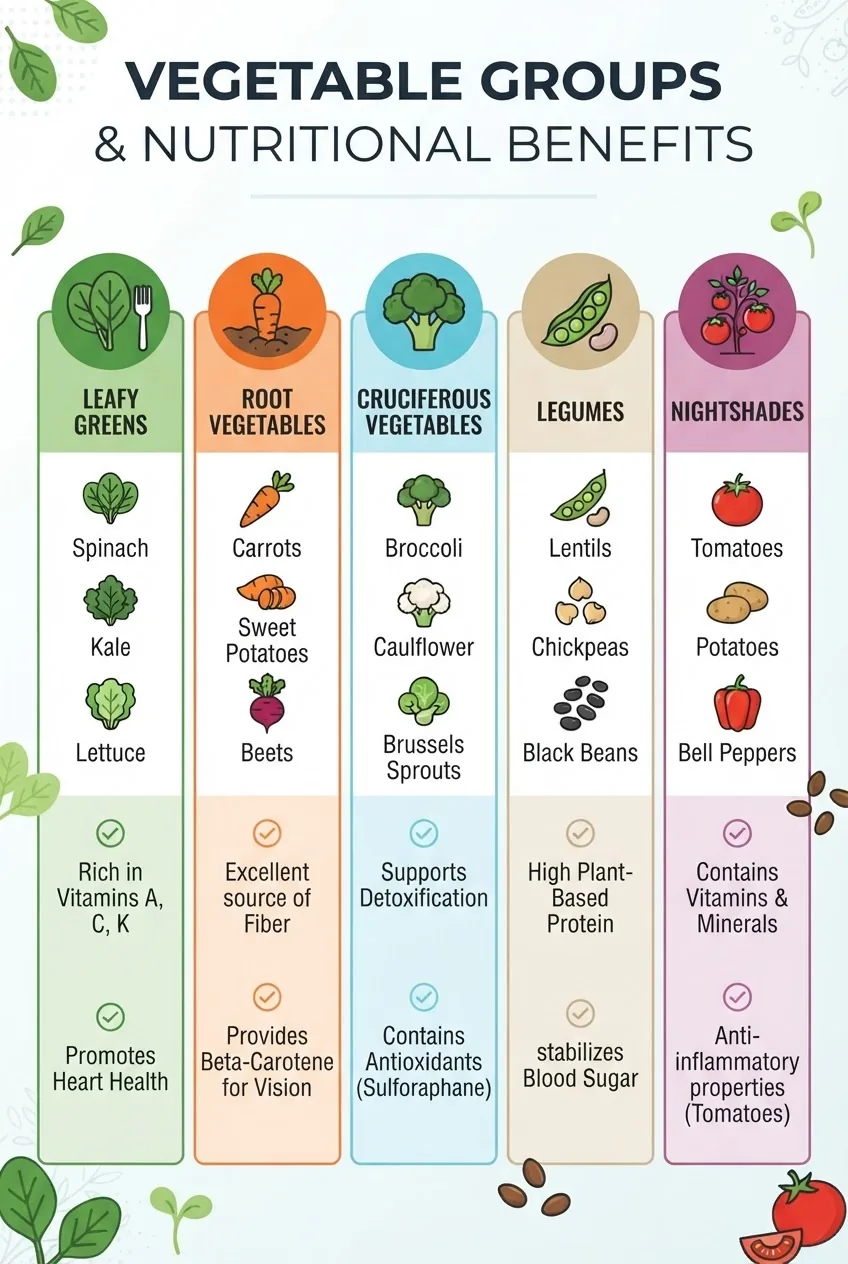
Examples and quick notes:
- Leafy greens: spinach, kale, arugula — low calories, high vitamin K and A; often best eaten raw or lightly cooked to retain vitamins.
- Root vegetables: carrot, beet, parsnip — starchy and fiber-rich; cooking often increases sweetness and bioavailability of carotenoids.
- Cruciferous: broccoli, cabbage, bok choy — notable for glucosinolates; lightly steaming preserves beneficial compounds. For more on broccoli see broccoli nutrition facts.
- Legumes: green beans, peas, edamame — higher protein and fiber; used as sides or main sources of plant protein. For classification discussion see green beans classification.
- Nightshades: tomato, eggplant, potatoes, peppers — wide variety of textures and starch levels; contain alkaloids in some parts and are widely used in cuisines.
Note on avocado: avocado is botanically a fruit but commonly used as a vegetable in savory dishes—see avocado’s unique classification.
How can I use this guide for healthy eating in Texas?
Answer: Use the list to pick seasonal vegetables at Texas farmers’ markets, compare calories and fiber by serving, plan meals incorporating diverse groups, and swap higher-calorie items for lower-calorie veggies to support health or weight goals.
Practical Texas-focused tips:
- Shop seasonally—summer: tomatoes, peppers, squash; fall/winter: broccoli, cabbage, root crops (Texas Department of Agriculture seasonal charts outline local peaks; see external link).
- Plan plates: half vegetables, quarter lean protein, quarter whole grains for balanced meals.
- For weight management, pair high-fiber vegetables with lean proteins—see weight loss fruits and veggies for fruit pairing ideas.
- Buy mixed greens and use quick-cooking techniques (steaming, sautéing) to preserve nutrients.
- Visit Texas farmers’ markets for fresher picks and ask vendors about varieties and harvest dates.
Sample one-day vegetable-forward meal plan (applied example showing experience):
- Breakfast: spinach and mushroom omelet with scallions (1 cup spinach).
- Lunch: mixed salad of romaine, cucumber, tomatoes, and roasted beets.
- Snack: carrot sticks and edamame.
- Dinner: grilled salmon with steamed broccoli and roasted sweet potato.
According to a 2023 USDA nutrient summary, increasing vegetable variety increases micronutrient coverage across meals; local Texas produce often tastes fresher and can be higher in phytonutrients when harvested at peak.
What are the nutritional highlights and health benefits of common vegetables?
Answer: Common vegetable patterns—leafy greens supply vitamins A/K and folate; cruciferous vegetables provide sulfur compounds and vitamin C; root vegetables are energy-dense with carotenoids; legumes boost fiber and plant protein—support heart, digestive and metabolic health.
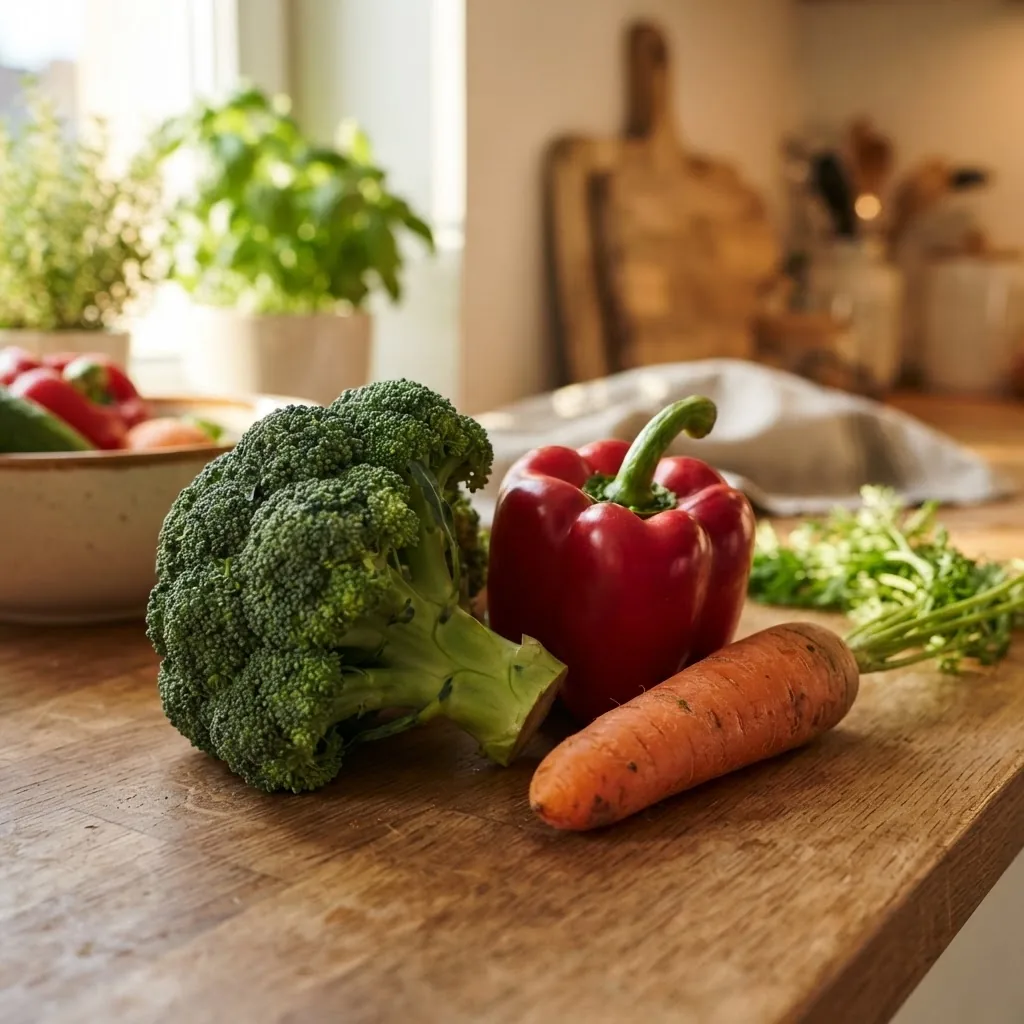
Key nutrient patterns and benefits (followed by evidence links):
- Fiber: Most non-starchy vegetables supply 1–5g fiber per serving; fiber supports cholesterol reduction and gut health (American Heart Association guidance).
- Vitamins: Dark leafy greens are top sources of vitamin K and A; peppers and broccoli provide vitamin C to support immunity and collagen formation.
- Antioxidants: Carotenoids (beta‑carotene in carrots, sweet potato) and lycopene (tomato) reduce oxidative stress; cooking can increase carotenoid bioavailability.
- Protein & starch: Legumes (edamame, peas, beans) add plant protein and fiber, useful for satiety and blood sugar control.
Mini stat blocks — selected examples (per common serving; values approximate from 2023 USDA nutrient database):
| Vegetable | Serving | Calories | Fiber | Key vitamins/minerals |
|---|---|---|---|---|
| Spinach | 1 cup raw | 7 | 0.7g | A, C, K, iron |
| Broccoli | 1 cup cooked | 55 | 5g | C, K, folate |
| Sweet potato | 1 medium | 112 | 3.9g | A, C, potassium |
| Edamame | 1 cup | 188 | 8g | Protein, folate |
For deeper myths and balanced discussion about vegetable risks/benefits, consult the detailed guide on health effects of vegetables and refer to scientific guidance from the American Heart Association for cardiovascular claims — American Heart Association.
Caveat: Nutrition values can vary; according to a 2023 USDA nutrient release, storage and cooking method influence vitamin retention—steaming often preserves water-soluble vitamins better than boiling. External source: USDA FoodData Central.
For detailed broccoli and cabbage calorie breakdowns see broccoli nutrition facts and cabbage calorie content.
What are the best tips for selecting, storing, and preparing vegetables?
Answer: Select firm, brightly colored produce with intact leaves; store by type (leafy greens in high-humidity drawers, root vegetables in cool dark places); prepare with minimal water and short cooking times to maximize nutrient retention.
Step-by-step selection and storage tips:
- Visual selection: look for vibrant color, firm texture, no soft spots or mold; smell when appropriate (fresh corn has sweet aroma).
- Storage basics: leafy greens — wash, dry well, store wrapped in paper in fridge crisper; root vegetables — cool, dark spot or crisper away from ethylene-producers like apples.
- Preparation methods: steaming or sautéing preserves nutrients; roasting concentrates flavors; avoid long boiling to keep water-soluble vitamins.
- Organic vs conventional: organic can reduce pesticide residues; according to a 2022 review, nutrient differences are small—prioritize higher vegetable intake overall.
- Raw vs cooked: Some nutrients (vitamin C) degrade with heat; others (beta‑carotene, lycopene) become more available when cooked.
Quick storage comparison table (approximate shelf life when stored optimally):
| Vegetable type | Typical fridge life | Storage note |
|---|---|---|
| Leafy greens | 3–7 days | Store dry, wrapped in paper towel in crisper. |
| Root vegetables (carrots, beets) | 2–4 weeks | Cool, dark, avoid refrigeration of whole potatoes. |
| Tomatoes | 3–5 days (room temp) | Keep at room temp for flavor; refrigerate if very ripe. |
| Squash (winter) | 1–3 months | Store in cool dry place; avoid cold fridge for winter squash. |
For comprehensive cooking and nutrient retention techniques, see vegetable preparation tips.
Conclusion and Additional Resources?
Answer: Use this guide as a practical Texas-focused reference to identify 100 vegetables visually and nutritionally, plan seasonal meals, and make informed choices for health and variety.
Key takeaways:
- Vary vegetable groups—leafy greens, cruciferous, roots, legumes and nightshades—to cover vitamins, minerals and fiber.
- Shop seasonally in Texas to maximize freshness and value; consult the Texas Department of Agriculture for local season schedules — Texas Department of Agriculture.
- Cooking methods change nutrient availability; use steaming and quick sautéing to retain water-soluble vitamins and increase carotenoid bioavailability where useful.
Further reading and related guides:
- Are Vegetables Bad for You? Informational Health Guide
- Broccoli Nutrition Facts 100g and Serving Size Guide
- Calorie Content of Cabbage and Nutritional Information Guide
- Fruit Types Guide with Benefits and Nutritional Information
Final CTA: Explore local Texas markets this week—use this guide to pick five new vegetables and try one new cooking method; the variety will broaden nutrients and make meals more interesting.