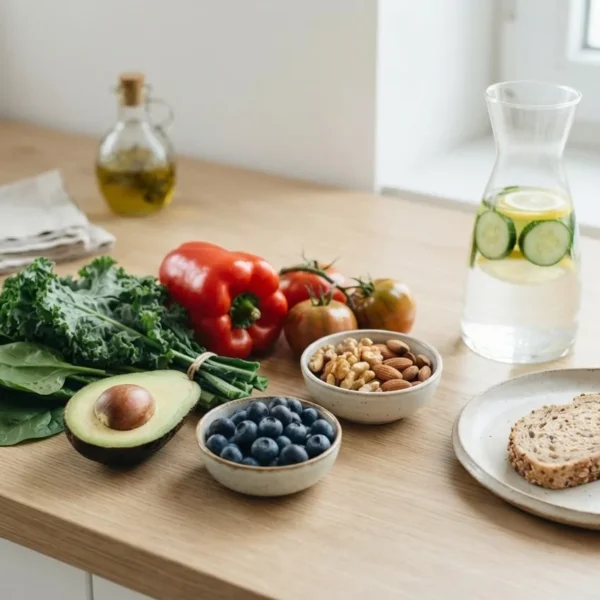
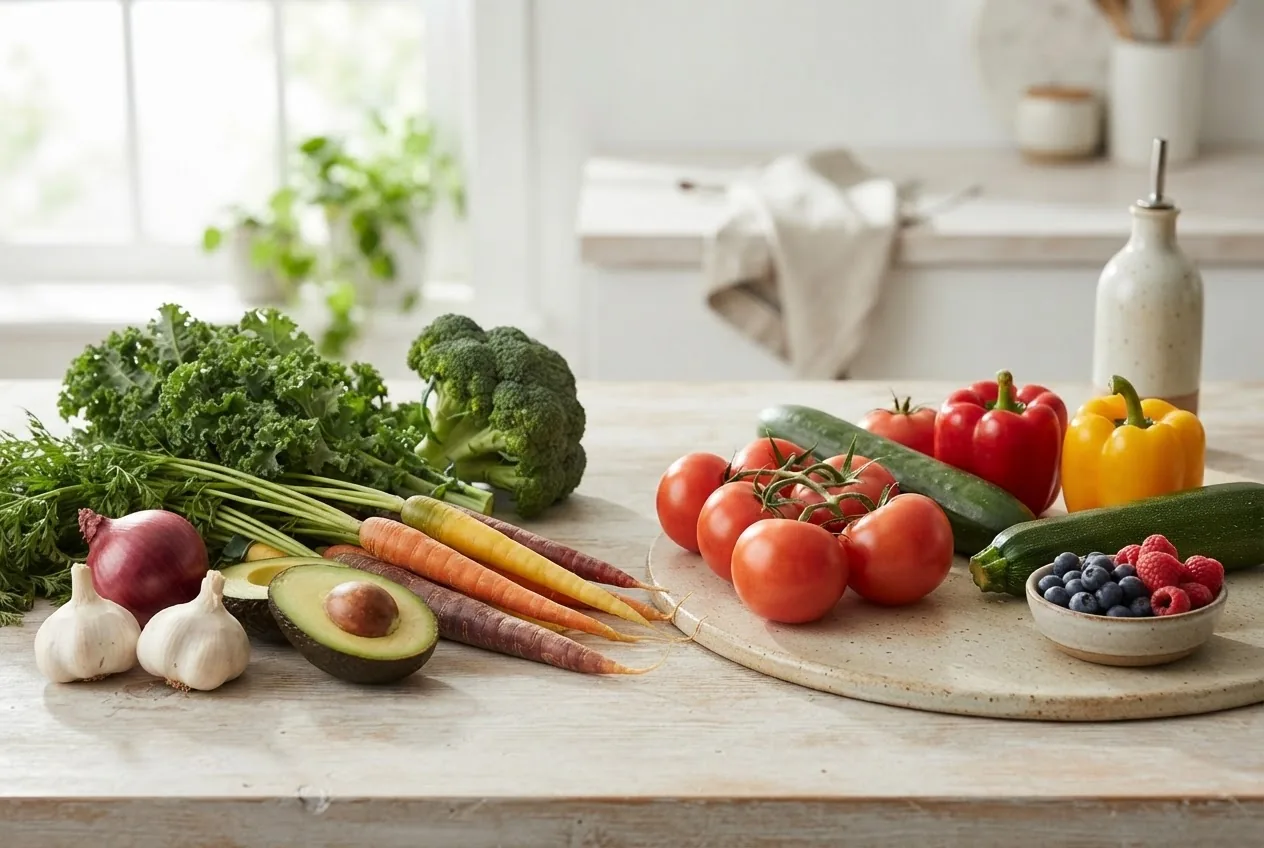
what is difference between a fruit and a vegetable? Botanically, a fruit is the mature ovary of a flowering plant that contains seeds; a vegetable is any other edible plant part (roots, stems, leaves, bulbs). Culinary classification sorts produce by flavor and use, so many items (tomato, avocado, peas) are treated differently in the kitchen than in the lab.
Introduction to the Difference Between a Fruit and a Vegetable
Direct answer: The primary difference is definition context — botanical definitions focus on plant reproductive structures, while culinary definitions focus on taste and cooking role, creating systematic mismatches for many common foods.
This guide integrates botanical, culinary, cultural, and nutritional perspectives so you can classify produce accurately at the farmers market or in a Texas kitchen. For a deeper dive into types and benefits, see the pillar overview below.
Fruit Types Guide with Benefits and Nutritional Information
Transition: With that quick distinction in mind, the next section defines the scientific criteria that botanists use to call something a fruit or a vegetable.
Botanical Definitions: What Scientifically Classifies Fruits and Vegetables?
Direct answer: Botanically, a fruit is any seed-bearing structure formed from the ovary after flowering; a botanical vegetable is not a formal botanical category but refers to edible non-reproductive parts of the plant (roots, stems, leaves, bulbs, tubers).
Term: Fruit — the mature ovary of a flowering plant that typically contains seeds, produced after fertilization.
Term: Vegetable — a culinary or agronomic term for edible plant parts other than the mature ovary, not a strict botanical class.
| Botanical Category | What It Is | Examples |
|---|---|---|
| Fruit (botanical) | Mature ovary from a flower; carries seeds for reproduction. | Tomato, avocado, peas (pods), apple, pepper. |
| Vegetative parts (non-fruit) | Roots, stems, leaves, bulbs, tubers — not derived from the flower’s ovary. | Carrot (root), celery (stem), lettuce (leaf), onion (bulb), potato (tuber). |
| Accessory fruits & aggregates | Structures where parts other than the ovary are prominent in the edible portion (accessory) or multiple ovaries form a single fruit (aggregate). | Strawberry (accessory), raspberry (aggregate), fig (syconium). |
Plants reproduce by producing flowers, which after pollination develop ovaries and seeds; recognizing those structures is the botanical test for fruithood. Below are detailed botanical criteria and examples useful for gardeners and curious cooks.
What Makes Something a Fruit in Botanical Terms?
Direct answer: If the edible structure develops from a flower’s ovary and contains seeds (or originated from ovules), it is a botanical fruit.
Botanical background: ovary — the part of a flower that houses ovules; after fertilization, the ovary matures into a fruit. Seed — a fertilized ovule that carries the embryo. These reproductive definitions are precise: fruit = ovary+seed development.
Examples explained:
- Tomato: develops from the flower’s ovary and contains seeds; botanically a fruit (a berry, specifically).
- Beans and peas: are fruits because pods are matured ovaries containing seeds; many legumes are dehiscent fruits (they split open).
- Avocado: develops from a single ovary with one large seed—botanically a single-seeded berry.
Scientific references: According to the 2024 USDA guidelines and botanical literature, the ovary/seed criterion is the standard test for classifying botanical fruit; for botanical specifics see USDA and university extensions such as Texas A&M AgriLife Extension.
Transition: Having defined fruits botanically, we next identify the plant parts that botanists and agronomists treat as vegetables in everyday use.
What Defines a Vegetable Botanically?
Direct answer: Botanically, “vegetable” is not a formal plant science term; it is a culinary/agronomic category referring to edible non-reproductive plant parts such as roots, stems, leaves, bulbs, and tubers.
Explanation: Because “vegetable” lacks a single botanical definition, scientists and regulators rely on plant-part analysis to classify produce. Determine whether the eaten part is an ovary (fruit) or a vegetative organ (vegetable).
Examples broken down by plant part:
- Roots: carrot, beetroot — store carbohydrates and are botanical roots.
- Stems/branches: asparagus and celery — these are stem tissues.
- Leaves: lettuce, spinach, kale — leaf blades and petioles.
- Bulbs/tubers: onion (bulb), potato (tuber) — specialized storage organs.
Celery Nutritional Information and Vegetable Classification Guide
Transition: Botanical clarity helps sort many cases, but kitchens and cultures apply different rules — next we examine culinary definitions that most people use daily.
Culinary Definitions: How Cooking and Taste Determine Fruits and Vegetables
Direct answer: Culinary classification groups produce by flavor, texture, and typical use—sweet, dessert-like items are treated as fruits; savory, side-dish or main-course items are treated as vegetables—regardless of botanical origin.
Culinary criteria commonly used:
- Flavor profile: sweet/tart vs savory/bland.
- Cooking role: eaten raw in desserts or as snacks (fruit) vs cooked/savored in mains and sides (vegetable).
- Storage and preparation: fruits often eaten whole or in raw preparations; vegetables are often chopped, sautéed, or included in mixed dishes.
Typical culinary examples:
- Fruit (culinary): apple, banana, orange, strawberries, mango.
- Vegetable (culinary): lettuce, broccoli, carrots, potatoes, celery.
- Botanical fruits treated as vegetables in cooking: tomato, bell pepper, eggplant, squash.
- Botanical fruits treated as fruits: avocado when used in toast/tartines or guacamole for flavor reasons.
Culinary classification reflects culture and recipe history: in Texas cuisine, for example, tomatoes and peppers are foundational savory ingredients despite being botanical fruits, and certain fruits like prickly pear are used both sweetly and savorially.
Transition: Next we contrast culinary vs botanical views with side-by-side examples to highlight how the same produce gets two different labels.
How Culinary Perspectives Differ from Botanical Classification
Direct answer: Kitchens label produce by taste and use, so many botanical fruits are treated as vegetables in recipes; the reverse is rare but context-dependent (e.g., rhubarb is a vegetable botanically but mostly used as a fruit in desserts).
Side-by-side examples:
| Item | Botanical | Culinary |
|---|---|---|
| Tomato | Fruit (berry) | Vegetable (salads, sauces) |
| Avocado | Fruit (single-seeded berry) | Often used as vegetable (savory dishes) or fruit (smoothies, desserts) |
| Peas | Fruit (legume pod) | Vegetable (side dish, savory) |
| Rhubarb | Vegetative (leaf stalk) | Used as fruit in sweet pies and desserts |
Culinary influence on commerce and law: historic trade and cooking traditions shaped everyday language, and courts have sometimes had to weigh in (for tariffs). According to the 2024 USDA guidelines, legal definitions can vary by regulation and context; consult the USDA for regulatory uses.
Transition: The botanical/culinary gap creates confusion—next we examine common controversies and case studies to clarify how to decide borderline items.
Common Confusions and Controversial Examples of Fruit vs Vegetable
Direct answer: Common confusions arise where botanical fruits have savory uses (tomato, peas, avocado) or vegetative parts are used sweetly (rhubarb); resolving these requires checking whether the edible part is an ovary/seed structure or another plant organ.
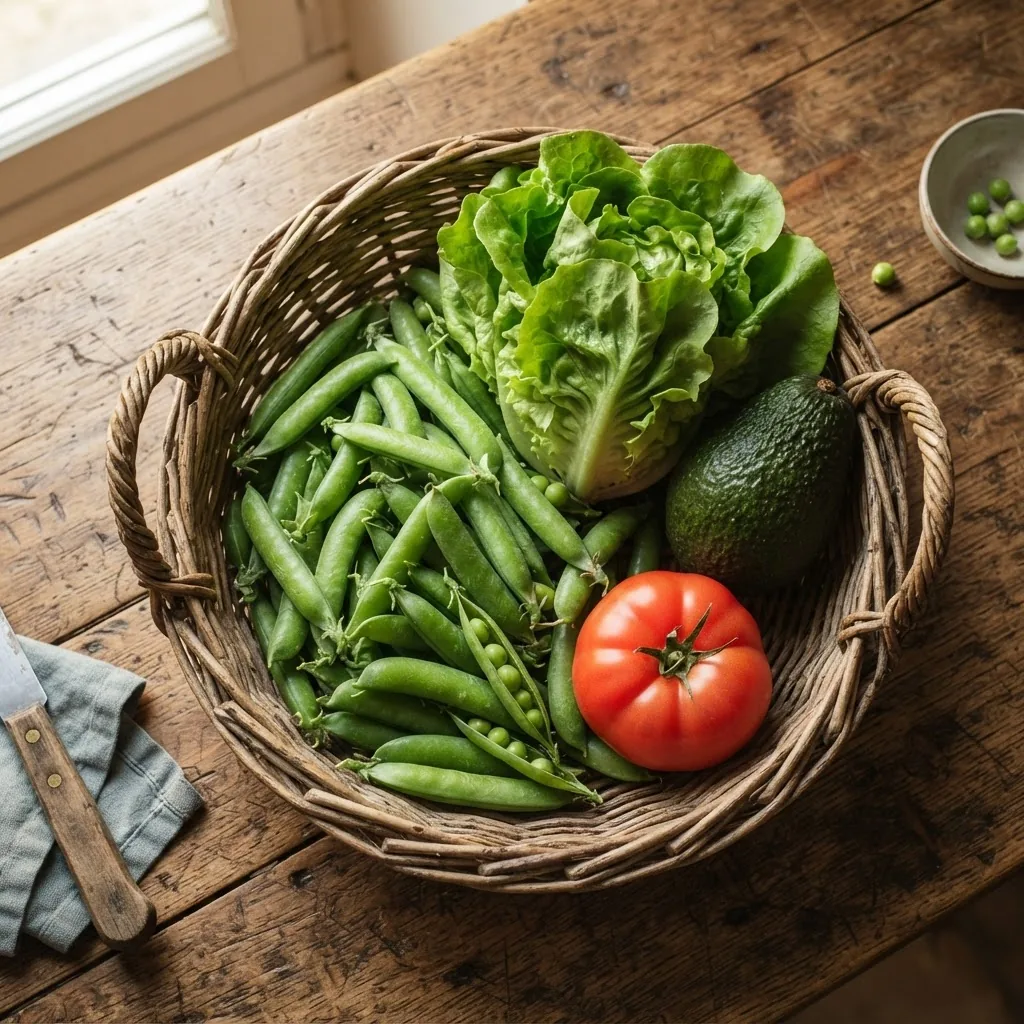
Mini case studies below use botanical criteria first, then culinary practice and regional uses (including Texas examples) to classify each item.
Peas: Fruit or Vegetable?
Direct answer: Botanically peas are fruits because the pod is a seed-bearing ovary (a legume); culinarily, peas are treated as vegetables due to their savory preparation and role in meals.
Botanical detail: Each pea pod develops from a flower’s ovary and contains seeds (peas), so by the botanical rule they are fruits. Culinary reality: In kitchens, peas are seasoned, cooked, and presented as vegetables. For a focused comparison with similar legumes, see a related debate in the Are Green Beans Fruit or Vegetable Guide.
Lettuce: Is Lettuce a Vegetable or a Fruit?
Direct answer: Lettuce is a vegetable in both botanical and culinary senses because the edible portion is a leafy vegetative structure, not a fruit formed from an ovary.
Clarification: Lettuce heads are composed of tightly packed leaves (shoot system growth), so they are vegetative tissue. For nutrition-focused serving and content details see the detailed Lettuce Nutrition Content and Serving Size Guide.
Tomato: Why the Confusion?
Direct answer: Tomato is botanically a fruit (a berry) because it develops from the flower’s ovary and contains seeds; culinary practice treats it as a vegetable because of savory flavor and typical use.
Contextual note: The tomato’s dual identity led to the U.S. Supreme Court decision Nix v. Hedden (1893) about import tariffs; that case used culinary usage to classify tomatoes for trade. Agricultural scientists still classify it botanically as fruit.
Avocado: Fruit or Vegetable?
Direct answer: Avocado is botanically a fruit (a single-seeded berry); culinarily, it functions like a vegetable in savory dishes but is also used as a fruit in some recipes and smoothies.
Nutrition and culinary crossover: Avocado’s high healthy-fat content makes it nutritionally distinct; for an in-depth nutrition profile and benefits, see the Avocado Fruit Guide and Nutritional Benefits.
Other borderline examples
- Bell peppers: Botanical fruits (contain seeds); culinarily vegetables.
- Green beans: Pods that contain seeds (fruits botanically) but used as vegetables; see Are Green Beans Fruit or Vegetable Guide for details.
- Strawberry: Accessory fruit (the fleshy part is swollen receptacle; the tiny “seeds” outside are achenes).
Lettuce Nutrition Content and Serving Size Guide
Are Green Beans Fruit or Vegetable Guide
Avocado Fruit Guide and Nutritional Benefits
Transition: Botanical, culinary, and cultural classifications shape how produce enters our diets; next we examine nutritional differences and how they influence health.
Nutritional and Health Perspectives on Fruits and Vegetables
Direct answer: Nutritionally, fruits tend to provide more simple sugars and vitamin C, while vegetables are more likely to provide fiber, vitamin K, minerals, and a wider variety of phytonutrients; both are essential to a balanced diet.
High-level nutrient contrasts:
- Fruits: higher natural sugars (fructose, glucose), vitamin C, potassium, and antioxidants like anthocyanins.
- Vegetables: typically richer in fiber, vitamin K, folate, and certain minerals; many leafy greens are micronutrient-dense.
Dietary context and evidence: According to a 2024 industry report, many adults in the U.S. still fall short of the recommended 5+ servings of fruits and vegetables per day; government health sources give specific intake guidance by age and activity level (see CDC/NIH resources below).
Practical dietary bullets:
- Both fruits and vegetables supply dietary fiber that supports gut health and glycemic control.
- Vegetables (especially cruciferous and leafy types) provide bioactive compounds linked to reduced chronic disease risk.
- Fruits supply quick energy and micronutrients; portion control is useful when monitoring sugars or calories.
Further reading & comparisons: For detailed vegetable nutrient profiles consult the 100 Vegetables Name Guide with Pictures and Nutritional Info and explore questions about vegetable health in Are Vegetables Bad for You?
100 Vegetables Name Guide with Pictures and Nutritional Info
Are Vegetables Bad for You?
Best Fruits for Weight Loss Guide
Authoritative nutrition sources: For nutrient databases and guidelines, consult the USDA FoodData Central and federal health bodies such as the NIH or the CDC for intake recommendations and public-health guidance.
Transition: Regional cooking traditions influence both classification and consumption — the next section covers cultural and legal variations, with Texas-relevant examples.
Cultural and Regional Variations in Fruit and Vegetable Classifications
Direct answer: Cultural and regional foodways determine culinary classification and naming; legal definitions (tariffs, produce grading) may also differ. In Texas cuisine, produce like tomatoes, peppers, and nopales (cactus pads) illustrate culinary flexibility beyond botanical labels.
Cultural examples:
- Texas: Tomatoes and peppers are central savory ingredients; cactus pads (nopales) are treated as vegetables in many Tex-Mex dishes despite botanical nuances.
- Mexico and Southwest: Fruits like prickly pear (tuna) are used both as fruit and ingredient in sauces and salsas.
- Europe vs Asia: Some plants treated as vegetables in one cuisine are fruits in another based on preparation traditions.
Legal/regulatory note: According to the 2024 USDA guidelines and historical precedent, legal contexts sometimes adopt culinary definitions for commerce (e.g., tariff rules), while scientific institutions keep botanical taxonomy for research and agriculture; always check regulatory text for formal cases (USDA).
Transition: Knowing botanical, culinary, nutritional, and cultural criteria lets you identify produce at home — next is a quick, practical guide.
Summary and Quick Guide: How to Identify Fruits vs Vegetables at Home
Direct answer: Use this simple checklist—if it develops from a flower’s ovary and contains seeds, call it a fruit; otherwise, identify the plant part (root, stem, leaf, bulb, tuber) to call it a vegetable for culinary purposes.
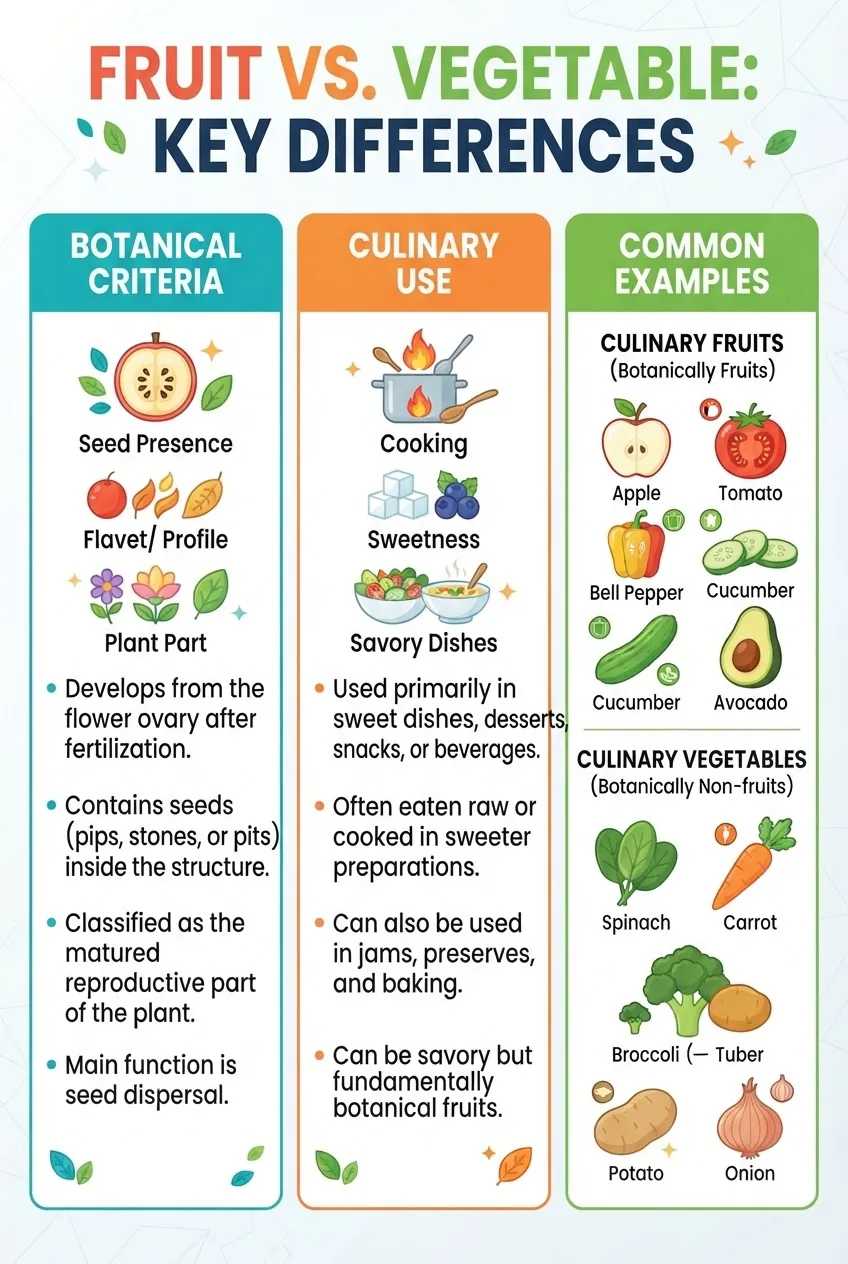
- Check for seeds: Cut it open; visible seeds or seed cavities usually indicate a botanical fruit.
- Find the flower origin: If you can link the edible bit to a flower and ovary, it’s a fruit.
- Identify plant part: Leaves, stems, roots, bulbs, and tubers are vegetables—use local plant ID guides if unsure.
- Think culinary role: If it’s used in savory mains and sides, most cooks will treat it as a vegetable.
- Use examples: Tomato = fruit (botanical) / vegetable (culinary); Lettuce = vegetable; Peas = botanical fruit / culinary vegetable.
Transition: For quick reference, the FAQ below answers the most common classification questions directly.