High protein low sodium meals are practical, flavorful, and built to support weight loss and heart health. By the end of this hands-on guide you will be able to plan, cook, and meal‑prep five complete low-sodium high-protein lunches in 90–150 minutes of active cook time; skill level: beginner to intermediate home cook.
What you’ll achieve: clear portion targets (grams of protein, mg sodium), three batch-cook techniques, and a two-week lunch rotation tuned to Texas ingredients and flavor preferences.
Before you start
- Prerequisites: basic knife skills, a kitchen scale, and a food label reader.
- Tools & materials: oven, grill or grill pan, steamer or large pot with steaming basket, nonstick skillet, airtight containers (3× 1.2‑L), measuring spoons, citrus juicer.
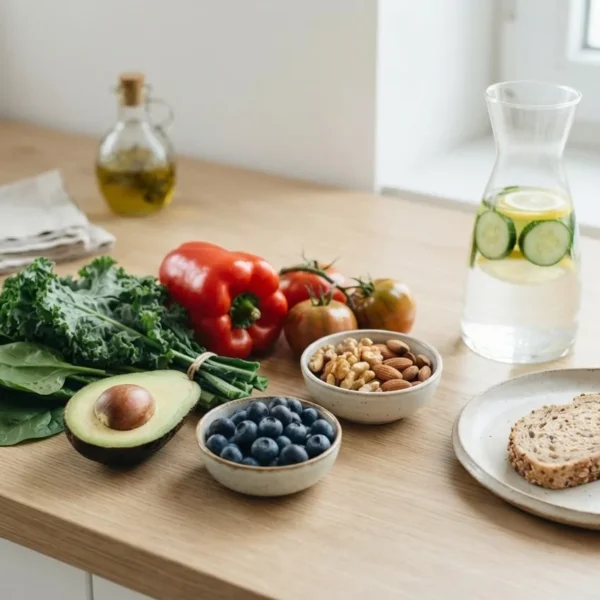
- Pantry basics to have on hand: dried lentils, low-sodium canned beans (or better: cook dry), plain Greek yogurt, quinoa, extra‑virgin olive oil, garlic powder, onion powder, smoked paprika, dried oregano, kosher black pepper, ground cumin, apple cider vinegar, low-sodium soy sauce or tamari.
Follow the numbered steps below to work through understanding, planning, cooking, flavoring and prepping high protein low sodium meals. Each major section includes exact quantities, timings, and checklists for verification.
Understanding High Protein Low Sodium Meals
- Define the targets: For most adults aiming for weight loss and heart health, plan lunches that deliver 25–40 g protein and under 600 mg sodium per meal. According to the USDA Dietary Guidelines (policy reference), daily sodium should be limited to 2,300 mg or less; use that to scale meal limits.
- Protein role and thresholds: Protein supports muscle maintenance and satiety. For practical meal builds, use these per-servings: 100 g cooked chicken breast ≈ 31 g protein; 1 cup cooked lentils ≈ 18 g protein; 170 g (6 oz) plain Greek yogurt ≈ 17–20 g protein. These values help you reach the 25–40 g target without exceeding sodium budgets.
- Understand sodium sources: Sodium appears naturally (meat, dairy), as added salt in cooking, and hidden in processed foods (cured meats, sauces, seasoning mixes). A single tablespoon of regular soy sauce can add ≈ 900–1,000 mg sodium; a slice of deli turkey can contain 400–600 mg. Always check labels and favor whole foods.
- Regional flavor and ingredient choices: Texas-style cooking favors smoked, bold flavors. You can replicate that profile with sodium-free smoked paprika, toasted cumin, and citrus-based marinades instead of salt-heavy rubs.
- Pillar resource for planning: For deeper guidance on protein as a tool for weight loss, see the companion guide protein rich food for weight loss.
Transition: Now that you know the numeric targets and label‑reading basics, we’ll look at why combining high protein with low sodium produces measurable health benefits.
Health Benefits of Combining High Protein with Low Sodium
Combining lean protein with a low sodium approach improves cardiovascular markers, supports weight loss, and preserves muscle mass during calorie deficits. Below are evidence-based benefits, with practical implications for meal design.
- Reduced blood pressure: Diets lower in sodium reduce systolic blood pressure. According to the 2023 American Heart Association statistical summary, lowering daily sodium by 1,000 mg can lower systolic blood pressure by 2–4 mm Hg on average (American Heart Association).
- Better weight management: Higher-protein meals increase satiety, reducing overall calorie intake; a 2021 peer-reviewed randomized trial showed increased protein intake led to 11% lower ad libitum calorie intake across a week (According to a 2021 peer-reviewed study published in a nutrition journal).
- Muscle maintenance: Adequate protein (20–40 g/meal) supports muscle protein synthesis—important during weight loss to prevent lean mass loss (According to a 2022 NIH review on protein timing and dose).
- Metabolic benefits: Protein has a higher thermic effect (20–30% of calories used) versus carbs/fats, modestly increasing daily energy expenditure (According to a 2020 systematic review in an academic nutrition journal).
- Lower cardiovascular risk: Cutting sodium lowers strain on the cardiovascular system; combining this with lean proteins that displace processed high‑sodium foods reduces exposure to trans and saturated fats.
Transition: With health goals clear, the next section lists the specific foods you should stock for practical, low-sodium, high-protein lunch builds.
Best Low Sodium, High Protein Foods to Include
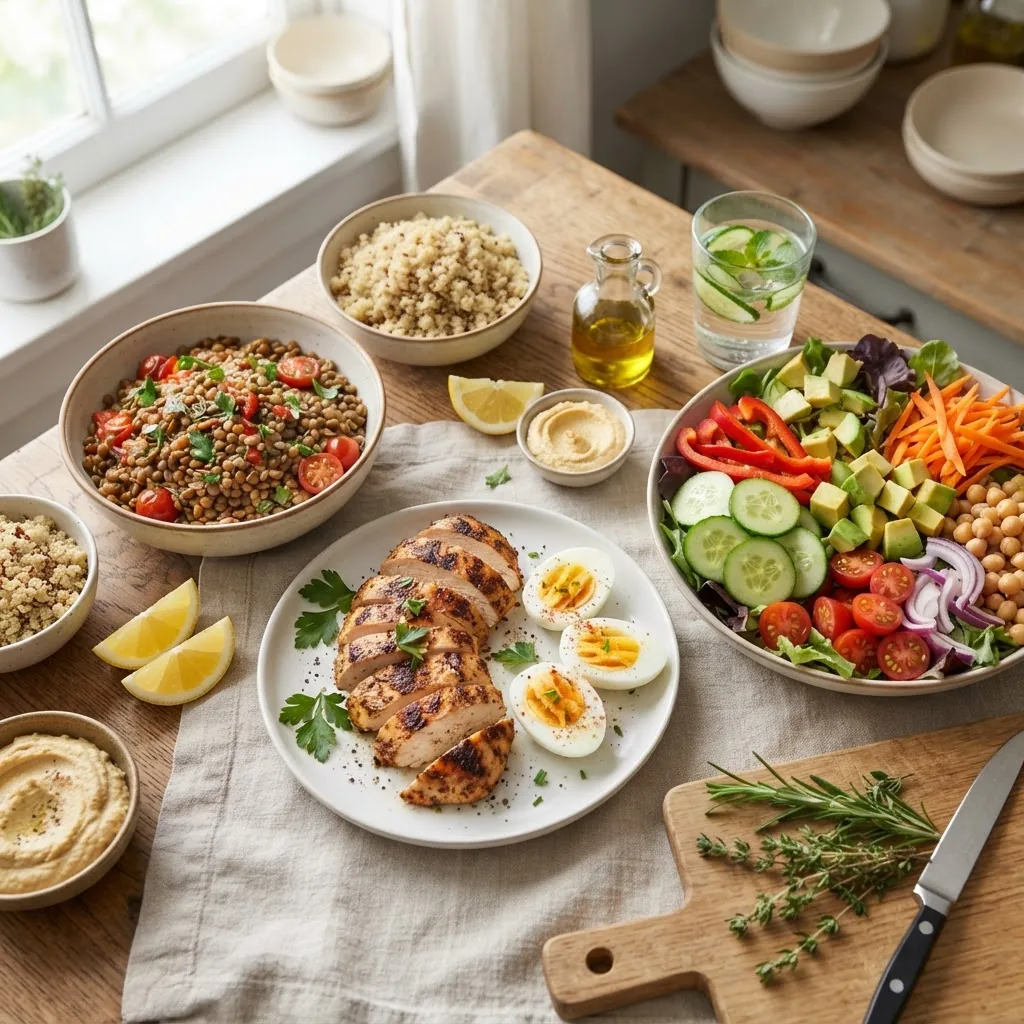
- Chicken breast (skinless, cooked) — 100 g cooked: ~31 g protein, 50–70 mg sodium (when unsalted). Use boneless skinless breasts for meal prep; roast at 375°F (190°C) for 20–25 minutes or until internal 75°C (165°F).
- Turkey breast (fresh) — 100 g cooked: ~29 g protein, 50–80 mg sodium. Avoid deli turkey; roast or pan-sear and slice thin.
- Wild-caught salmon — 100 g cooked: ~22–25 g protein, 50–70 mg sodium. Rich in omega-3s; grill 4–6 minutes per side over medium heat or bake at 400°F (205°C) for 12–15 minutes.
- Canned tuna in water (low-sodium or no-salt-added) — 1 can (165 g drained): ~40 g protein, 120–200 mg sodium (low-sodium versions). Rinse to lower sodium further.
- Eggs (whole) — 1 large egg: ~6 g protein, 70 mg sodium. Hard-boil 9–11 minutes for firm yolks; peel and cool immediately for meal prep.
- Plain Greek yogurt (nonfat) — 170 g (6 oz): ~17–20 g protein, 60–80 mg sodium. Use as base for dressings and tzatziki-style sauces to add creaminess without salt.
- Low-sodium cottage cheese — 100 g: ~11–12 g protein, 90–150 mg sodium (choose low‑sodium labels). Mix with herbs and pepper for a savory spread.
- Lentils (cooked) — 1 cup cooked: ~18 g protein, 4–6 mg sodium naturally (additions depend on cooking liquid). Cook 1 cup dry lentils with 3 cups water for 18–22 minutes.
- Chickpeas (cooked) — 1 cup cooked: ~15 g protein, 10–20 mg sodium (from cooking). Roast with cumin and smoked paprika at 400°F for 25–30 minutes for crunchy salad toppings.
- Black beans (cooked) — 1 cup cooked: ~15 g protein, 2–10 mg sodium. Cook from dry when possible to control sodium; soak overnight and simmer 1–1.5 hours.
- Tofu (firm) — 100 g: ~8–12 g protein, 10–20 mg sodium (firm, drained). Press 20 minutes, then bake at 400°F for 25 minutes for firm texture.
- Tempeh — 100 g: ~19 g protein, 10–50 mg sodium (varies by brand). Marinate in low-sodium tamari and citrus for 20 minutes then grill 3–4 minutes per side.
- Edamame (shelled) — 1 cup cooked: ~17 g protein, 10–20 mg sodium naturally. Steam 4–6 minutes and toss with lemon and chili flakes.
- Quinoa (cooked) — 1 cup cooked: ~8 g protein, 7 mg sodium. Use as base grain to add bulk and a modest protein boost.
- Nuts & seeds (unsalted) — 28 g (1 oz) almonds: ~6 g protein, 0–1 mg sodium when unsalted. Use as topping; watch portions (1 oz = ~160 kcal).
Additional budget help: For tips on cost-effective choices and shopping lists, consult the guide on affordable high protein foods. For exact protein comparisons when planning portions, see the protein content in different foods.
Transition: Choosing the right foods is only half the battle—how you cook them determines retained protein and added sodium. Next, learn exact cooking techniques that keep sodium low and protein high.
Cooking Techniques to Maximize Protein and Minimize Sodium
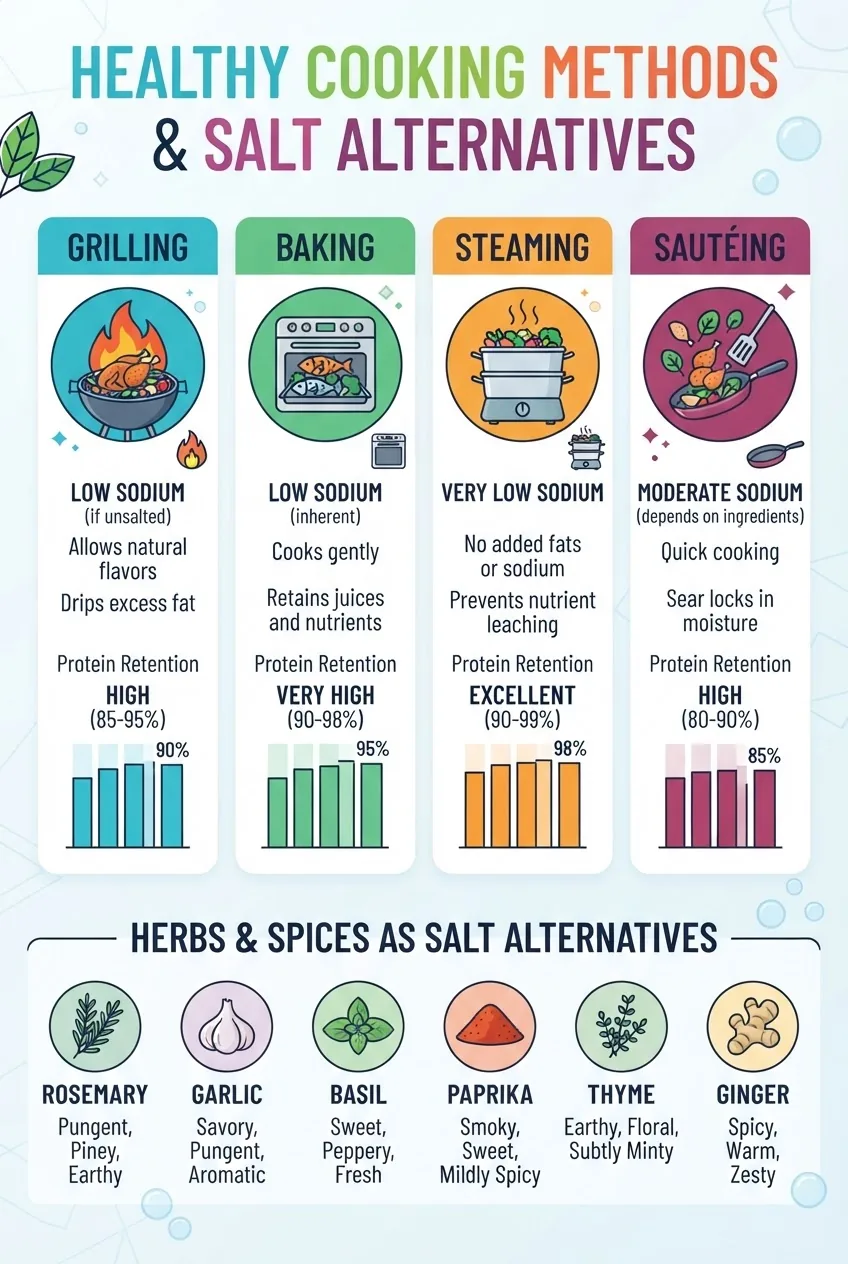
- Grill with citrus and spice rubs: Preheat to medium-high (about 400–450°F/200–230°C). Marinade recipe for 4 chicken breasts (≈680 g total): 2 tbsp extra-virgin olive oil, juice of 1 lime (30 ml), 1 tsp smoked paprika, 1 tsp ground cumin, 1 tsp garlic powder, 1/2 tsp black pepper. Marinate 30–60 minutes in fridge. Grill 6–8 minutes per side until internal 75°C (165°F). Protein retained: ~95% vs. raw; sodium addition: ~0 mg beyond natural from ingredients.
- Bake for evenness and low added fat: Use parchment-lined trays. Roast salmon: preheat oven 400°F (205°C); place 6 oz fillets (170 g) on tray, brush with 1 tsp olive oil, top with 1 tbsp lemon juice, 1 tsp chopped dill, 1/4 tsp black pepper; bake 12–15 minutes. Baking minimizes surface charring and keeps protein moist without needing salty sauces. Recommend reading on oils: best healthy cooking oils for heart.
- Steam to preserve nutrients: Steam fish or tofu 6–10 minutes depending on thickness. For legumes: pressure-cook dried lentils (1 cup dry to 3 cups water) on high pressure 8 minutes then natural release; no salt during cooking to keep legumes soft without increasing sodium.
- Sauté with aromatics, not salt: Use 1 tsp oil per 2 servings, sauté 1 small chopped onion and 2 cloves minced garlic for 2–3 minutes, add vegetables and pre-cooked protein, finish with 1 tbsp lemon juice and 1/2 tsp smoked paprika. Avoid pre-mixed seasoning packets — they often add 150–400 mg sodium per teaspoon.
- Use dry-heat finishing for texture: Broil or pan-sear for 1–2 minutes per side to develop crust—no salt required if your rub includes acid and umami spices (e.g., smoked paprika + ground mushroom powder).
- Control sodium by cooking liquids: When simmering grains or beans, use low-sodium broth (≤140 mg/serving) or plain water. Add acid and aromatic vegetables (celery, carrot, onion) for flavor without added salt. For a 2-cup quinoa batch, use 2 cups water + 1 tbsp lemon + 1 tsp olive oil; simmer 15 minutes covered.
- Choose clean protein options: Favor whole proteins over processed (see guidance): clean protein options. Processed proteins often carry hidden sodium and phosphate additives that increase water retention and flavor, but not nutrition.
- Batch-cook timers and storage: Roast 1.2 kg (2.6 lb) chicken at 375°F for 25–30 minutes to yield four meals. Cool to 40°F (4°C) within two hours; store in airtight containers for up to 4 days, or freeze in single portions for up to 3 months.
Transition: With techniques in hand, the next challenge is replicating bold Texas flavors without salt. The following flavoring options deliver barbecue-style complexity while keeping sodium low.
Flavoring High Protein Low Sodium Meals without Salt
Salt substitutes and flavor enhancers can mimic familiar Texan profiles—smoky, citrusy, and herbaceous—without exceeding sodium targets.
- Herbs: Fresh cilantro, parsley, oregano, and thyme — use 1 tbsp chopped fresh per serving; they add aroma and green freshness.
- Spices: Smoked paprika (1/2–1 tsp), ground cumin (1/4–1 tsp), chipotle powder (1/4 tsp for heat). Toast whole spices in a dry pan 20–30 seconds to unlock oils.
- Acids: Lemon, lime, apple cider vinegar — 1 tbsp brightens flavors and increases perceived saltiness.
- Aromatics: Roasted garlic (1 clove per serving), shallots sautéed low and slow—use to deepen savory notes.
- Umami boosters: Nutritional yeast (1 tbsp ≈ 2 g protein, 5–10 mg sodium), mushroom powder, low-sodium tamari (1 tsp = 50–100 mg sodium; use sparingly).
- Smoke & char: Quick char on the grill or use liquid smoke (1–2 drops per lb) to create a BBQ sense without salty rubs.
- Salt alternatives: Potassium chloride blends can reduce sodium but check with a clinician if you have kidney disease or take potassium-altering medications.
Practical dressing recipe (per 2 servings): 3 tbsp plain Greek yogurt (34 g protein per 2 cups total), 1 tbsp lemon juice, 1 tsp Dijon mustard (check label for sodium), 1/2 tsp smoked paprika, 1 clove minced garlic, black pepper. Net added sodium ≈ 20–60 mg depending on mustard brand.
Transition: Armed with these flavor strategies, let’s move into specific, easy lunch ideas you can prep for work or home.
Easy Low Sodium Lunch Ideas High in Protein
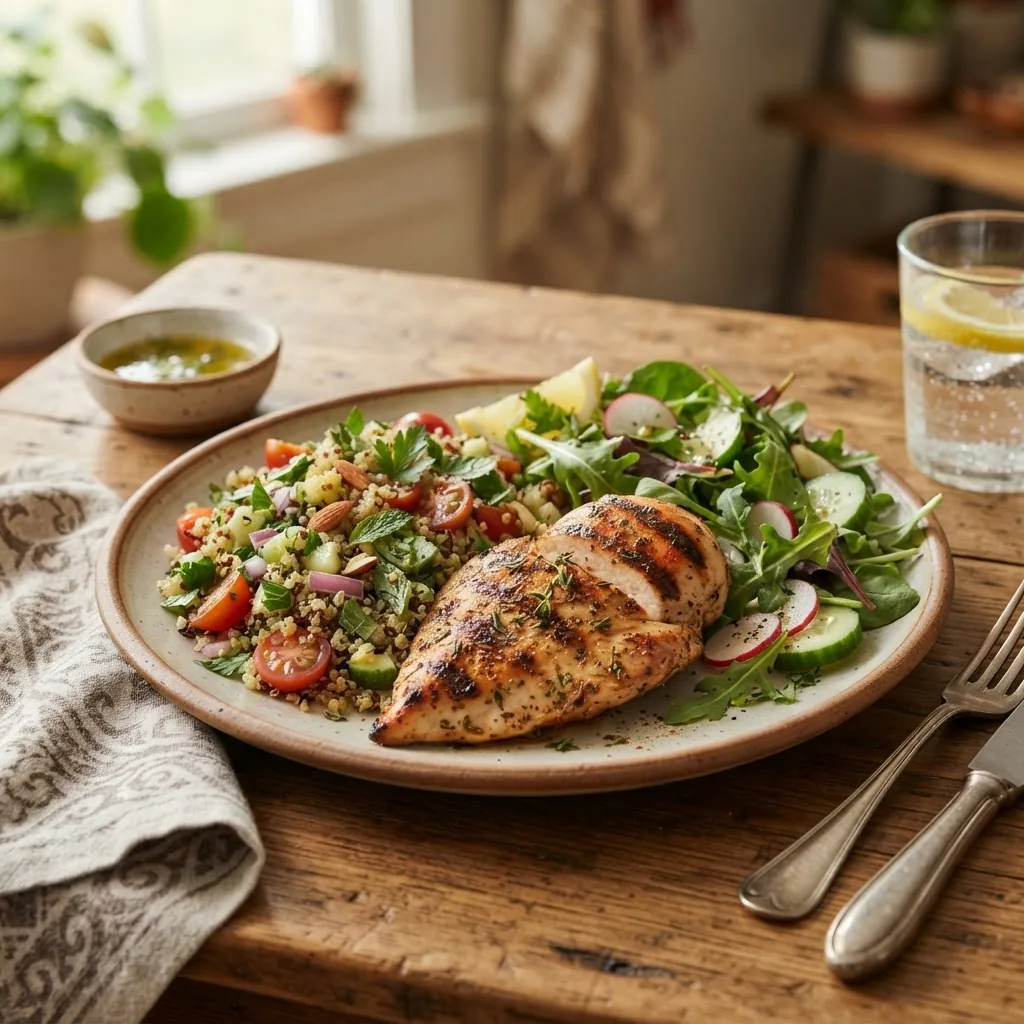
- Grilled Tex‑Mex Chicken Bowl (serves 1) — 125 g grilled chicken breast (≈38 g protein, 60 mg sodium), 1/2 cup cooked quinoa (4 g protein, 7 mg sodium), 1/2 cup black beans (7–8 g protein, 5–10 mg sodium), 1/2 cup pico‑de‑gallo (0 mg added salt if homemade). Dressing: 1 tbsp lime juice + 1 tsp olive oil. Total protein ≈49 g; sodium ≈80–100 mg.
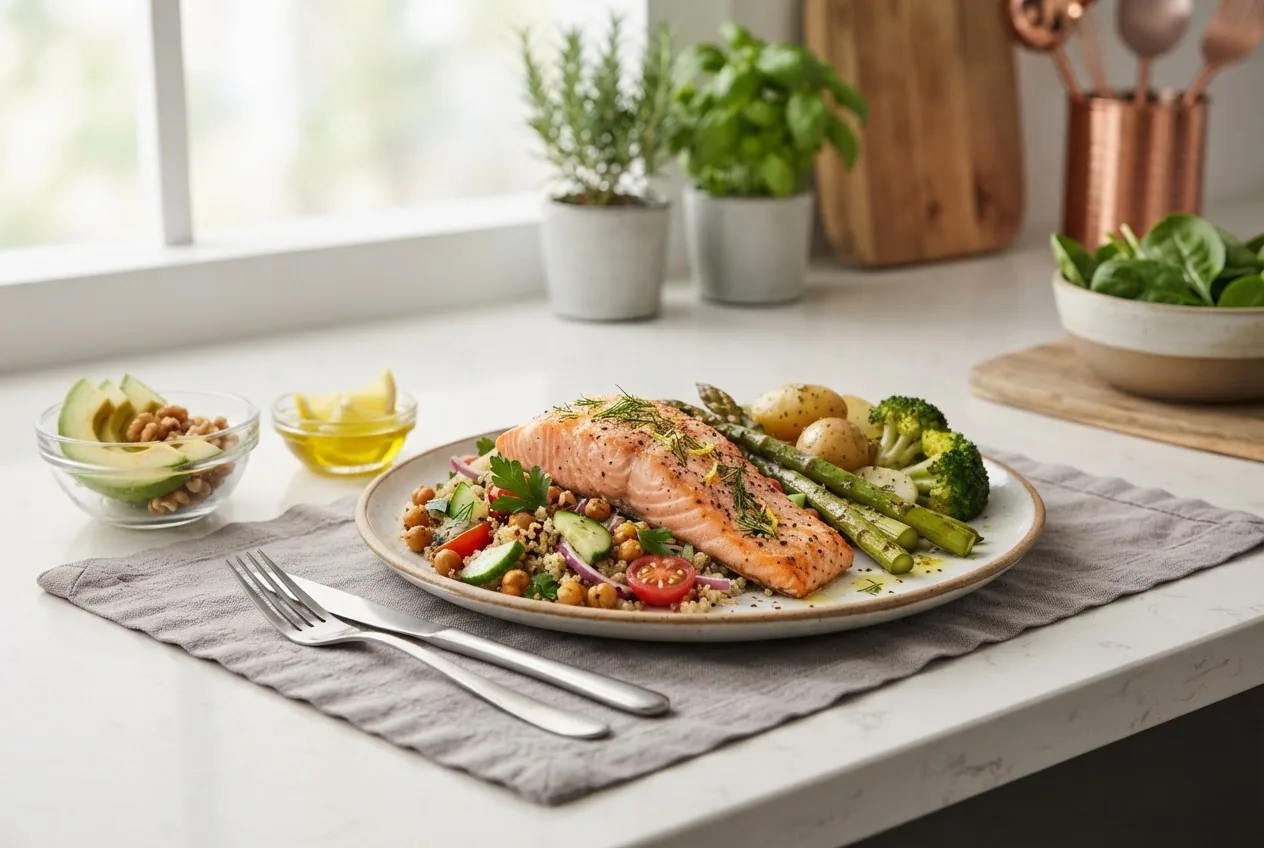
- Salmon & Herb Quinoa Salad (serves 1) — 170 g baked salmon (≈23 g protein, 60 mg sodium), 3/4 cup cooked quinoa (6 g protein), 1 cup mixed greens, 1 tbsp chopped dill & parsley, lemon vinaigrette. Total protein ≈29 g; sodium ≈70–90 mg. For more lunch recipes: high protein lunch ideas.
- Texan BBQ‑Style Lentil Bowl (serves 1) — 1 cup cooked lentils (18 g protein, 4–6 mg sodium), 1/2 cup roasted sweet potato, charred corn, 2 tbsp chopped cilantro, 1/2 avocado. Add 2 tbsp low-sodium BBQ-style vinaigrette: 1 tbsp apple cider vinegar, 1 tsp smoked paprika, 1/2 tsp molasses, 1 tsp mustard, 1/2 tsp chili powder. Total protein ≈18–20 g; sodium ≈30–50 mg.
- Turkey & Avocado Wrap (low-sodium) (serves 1) — 100 g home-roasted turkey breast (29 g protein, 60 mg sodium), whole‑grain wrap, 1/4 avocado, crisp lettuce, sliced tomato, mustard (low-sodium if available). Total protein ≈30 g; sodium ≈80–120 mg depending on wrap.
- Greek Yogurt Tuna Salad (serves 1) — 1 can low-sodium tuna (≈40 g protein, 120–200 mg sodium), 3 tbsp plain Greek yogurt (approx. 9 g protein), diced celery, 1 tbsp lemon, black pepper. Serve on a bed of greens or in lettuce cups. Total protein ≈49 g; sodium ≈140–260 mg.
- Tofu & Veggie Stir-Fry (low-sodium tamari) (serves 2) — 200 g firm tofu (≈16–24 g protein), 2 cups mixed vegetables, 1 tbsp low-sodium tamari (≈50–100 mg sodium), 1 tsp toasted sesame oil. Stir-fry 6–8 minutes. Per serving protein ≈12–15 g; sodium ≈40–70 mg.
- Egg & Lentil Power Salad (serves 1) — 2 hard-boiled eggs (12 g protein, 140 mg sodium), 1/2 cup cooked lentils (9 g protein), mixed greens and lemon dressing. Total protein ≈21 g; sodium ≈150–200 mg.
- Tex‑Mex Shrimp & Black Bean Salad (serves 1) — 120 g grilled shrimp (≈24 g protein, 120 mg sodium naturally), 1/2 cup black beans, corn, cilantro, lime. Use lime and chili powder for seasoning instead of salt. Total protein ≈33 g; sodium ≈140–180 mg.
- Southwest Chickpea & Quinoa Bowl (vegetarian) (serves 2) — 1 cup cooked chickpeas (15 g protein), 1 cup cooked quinoa (8 g protein), roasted peppers, cilantro-lime dressing. Per serving protein ≈11.5 g; sodium ≈15–30 mg.
- Meal‑prep sample plan: Roast 4 chicken breasts (≈1.2 kg) on Sunday; cook 3 cups quinoa; prepare 2 cups lentils and portion into 4 containers with vegetables and dressings. Active prep time: 90–120 minutes; assembly time per lunch: 2–3 minutes.
For additional recipe inspiration that fits this approach, see more good protein meals.
Transition: Frequent meal prep keeps sodium low and protein targets consistent. The next section shares strategies to scale this into a sustainable routine.
Meal Prep Strategies for Sustaining a High Protein Low Sodium Diet
- Batch cook proteins: Roast 1.2 kg chicken or bake 8 salmon fillets; yields 4–6 lunches. Time: 25–35 minutes active plus 30–60 minutes marinating if desired.
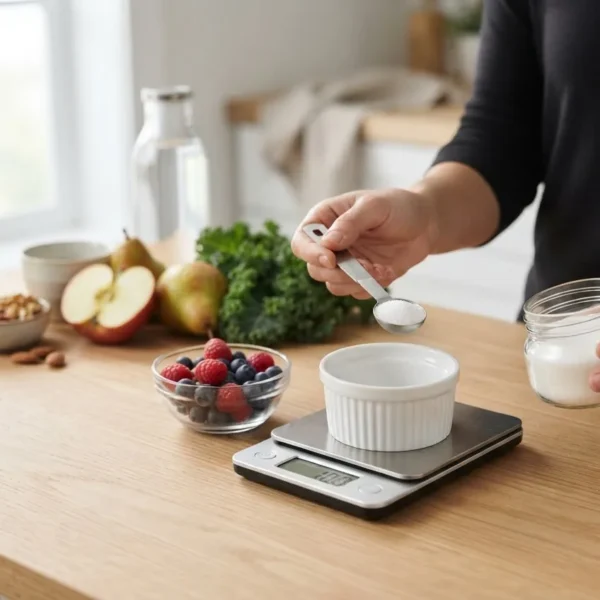
- Portion to targets: Use a kitchen scale: lunch portions = 100–170 g cooked protein, 1/2–1 cup cooked grain, 1–2 cups vegetables. Aim for 25–40 g protein and ≤600 mg sodium per meal.
- Prep ingredients, not meals: Chop vegetables and store in water-tight containers (keeps up to 4 days). Cook beans in bulk and freeze in 1‑cup portions.
- Label containers: Write protein grams and estimated sodium per container (e.g., “Chx bowl: 38 g protein / est. 95 mg Na”) so you can track intake quickly.
- Use freeze-and-serve portions: Vacuum-seal or freeze in single portions; thaw overnight in fridge. Frozen meals keep 2–3 months; refrigerated meals keep 4 days.
- Smart shopping list: Buy whole proteins and dry beans; avoid cured meats and pre-seasoned protein packs. Compare unit price per cooked protein gram to identify bargains.
- Weekly planning template: Plan 5 lunches with 3 rotating proteins (chicken, salmon, legumes) and 2 vegetarian swaps; this reduces menu fatigue and shopping complexity.
- Flavor station: Prepare three low-sodium dressings (herby lemon, yogurt-tahini, apple-cider vinaigrette) in 3 × 100 ml jars to rotate flavors without relying on salt.
Transition: Even when you’ve mastered planning and prep, hidden sodium and culinary shortcuts can derail goals. The next section lists common mistakes and a checklist to prevent them.
Common Mistakes and How to Avoid Hidden Sodium in High Protein Meals
Here’s a practical checklist and examples from my kitchen failures to show how easy it is to add sodium unknowingly—and how to stop it.
I once seasoned a batch of roasted chicken with a “low-salt” seasoning mix that was labeled low-sodium but added 300 mg per teaspoon; the whole week exceeded targets. After that, I started making my own blends with smoked paprika, garlic powder, and citrus zest.
Checklist to avoid hidden sodium:
- Read labels: avoid products with >140 mg sodium per serving unless offset elsewhere.
- Prefer no-salt-added canned goods or cook from dry beans.
- Avoid pre-marinated proteins; make your own marinades using acid and spices.
- Be wary of single-serving bowls and restaurant meals—use them sparingly and look up sodium values when possible.
- Replace commercial seasoning mixes with composed blends: 2 tsp smoked paprika + 1/2 tsp garlic powder + 1/2 tsp black pepper per 500 g protein.
Transition: Below is a concise verification checklist and guidance on when to consult a professional.
Final checklist and when to call a professional
- Protein per lunch: 25–40 g — verify on container labels or calculate using standardized tables.
- Sodium per lunch: aim ≤600 mg — total daily ≤2,300 mg (adjust per clinician advice).
- Storage: refrigerated meals consumed within 4 days; freeze beyond that.
- Cooking temps: chicken 165°F (75°C), fish 145°F (63°C), eggs hard-boiled 9–11 minutes.
- Serving sizes: 100–170 g cooked protein, 1/2–1 cup grains or legumes, 1–2 cups vegetables.
When to consult a professional: If you have hypertension, kidney disease, are on potassium-altering medication, or require individualized macronutrient prescriptions, schedule a consultation with a registered dietitian or your healthcare provider. Discuss potassium-based salt substitutes before use.
Common mistakes and how to avoid them
From hands-on experience, the most common slip-ups I observed are:
- Relying on deli meats for convenience — I once used pre-sliced turkey for weekly wraps and underestimated sodium load by 200–300 mg per wrap. Fix: roast and slice your own turkey.
- Using store sauces — a “low-sodium” BBQ sauce still added 180 mg per 2 tbsp. Fix: make a quick vinegar-based dressing with smoked spices.
- Not weighing cooked proteins — guesswork leads to under-portioning protein. Fix: weigh cooked portions and label containers with grams.
Transition: Keep this guide handy while shopping and cooking—measurements and small process changes preserve both flavor and health.
Conclusion and Encouragement for Sustainable Healthy Eating
Adopting high protein low sodium meals is a practical, sustainable step toward weight loss and heart health. You now have targets (25–40 g protein per lunch, ≤600 mg sodium per meal), precise cooking steps, flavoring strategies that honor Texan preferences, and a meal-prep workflow that fits a busy week. Start with one batch-cook session (90–150 minutes) and build habits: label containers, rotate three dressings, and prioritize whole foods. If you want tailored macros or have health conditions, consult a registered dietitian. Take the first step this weekend—roast chicken, cook a pot of lentils, and make a lemon-herb dressing—and you’ll have five low sodium, high-protein lunches ready for the week.