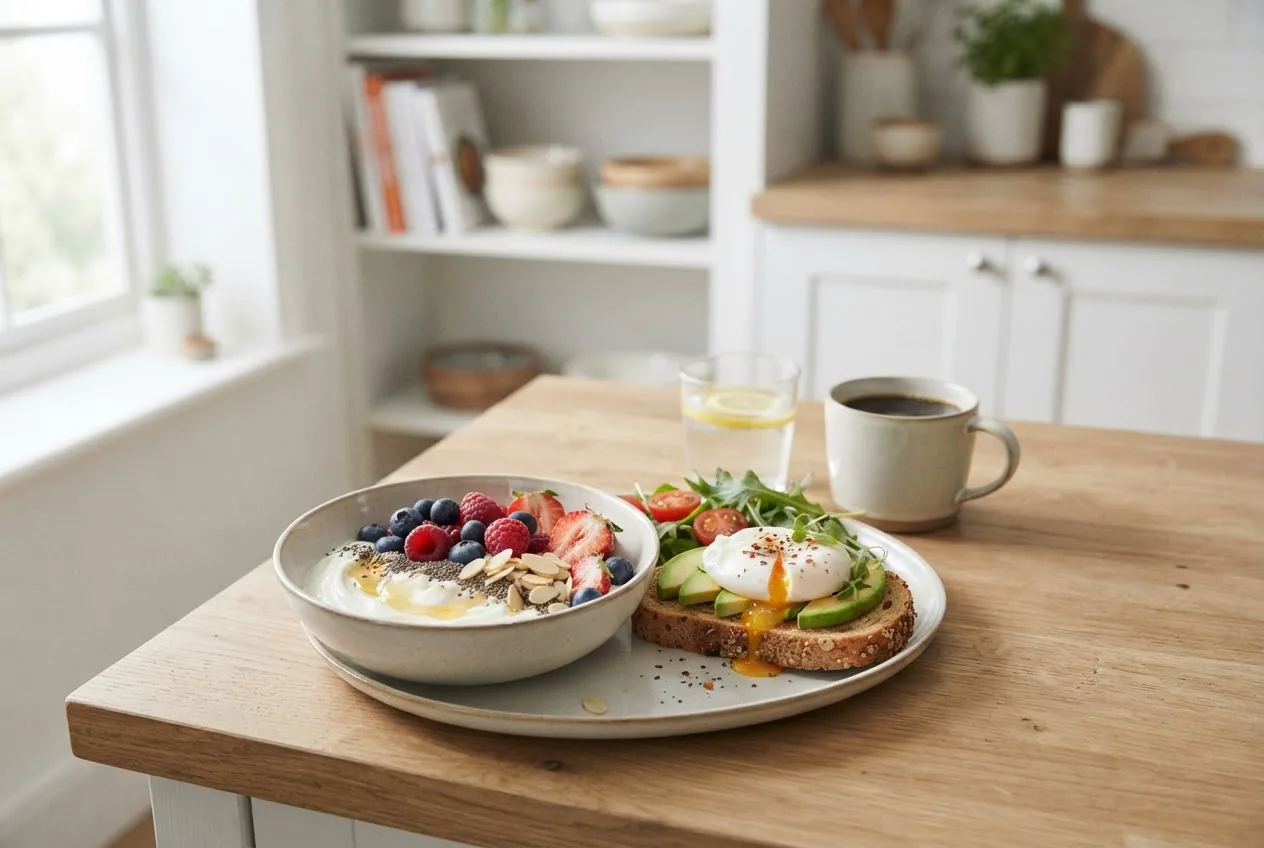
By the end of this hands-on guide you’ll be able to design and prep a week’s worth of low calorie breakfast meals that support a sustainable calorie deficit, include balanced macros and keep you full through busy Texas mornings. Expect to spend about 90–150 minutes setting up your first week (30–40 minutes per day afterward); skill level required: basic kitchen and meal-prep competence.
This guide is practical and step-by-step: we cover why a low calorie breakfast helps with fat loss, exactly which nutrients to prioritize, a long list of foods and 10–12 ready-to-use recipes (three with full macro breakdowns), meal-prep methods I use personally, portion control walk-throughs, and adaptations for common dietary needs across Texas.
Before you start
- Kitchen tools: 10″ nonstick skillet, 1.5–2 qt saucepan, blender, digital food scale (0.1 oz/1 g precision), liquid measuring cup, 1-cup dry measuring cup.
- Storage: 5–8 airtight containers (16–24 oz), 2 glass jars for overnight oats, labels and marker.
- Pantry basics to buy: rolled oats, plain Greek yogurt (0–2% fat), egg whites (carton or separated), quick-cook brown rice, canned black beans (low sodium), frozen berries, spinach, and whole-grain bread.
- Time blocks to reserve: 90–150 minutes on a Sunday for meal prep; 5–10 minutes each morning for quick assembly.
- Assumptions: average adult caloric goal 1,500–2,200 kcal/day; adjust according to your target calorie deficit and healthcare advice.
Understanding Low Calorie Breakfasts for Healthy Weight Loss
What you’ll learn in this section: the role of a calorie-controlled morning meal in establishing a calorie deficit, how nutrient density governs fat loss results, and how to set practical breakfast calorie targets that fit a Texas lifestyle (commute, variable schedules, and local ingredient access).
- Define your breakfast calorie target first. A practical starting range for breakfast to support weight loss is 250–450 kcal for most adults aiming for a sustainable daily calorie deficit. If your daily target is 1,500 kcal, allocate ~300–350 kcal (20–25% of daily intake). If you follow a higher-calorie plan (2,000 kcal), target ~400–450 kcal.
- Understand calorie deficit basics. A calorie deficit means consuming fewer calories than you expend. Small, consistent deficits (250–500 kcal/day) generally yield steady fat loss without the metabolic drag of severe restriction. According to a 2024 industry report, modest daily deficits over weeks produce measurable weight loss while preserving lean mass when combined with protein intake and resistance training.
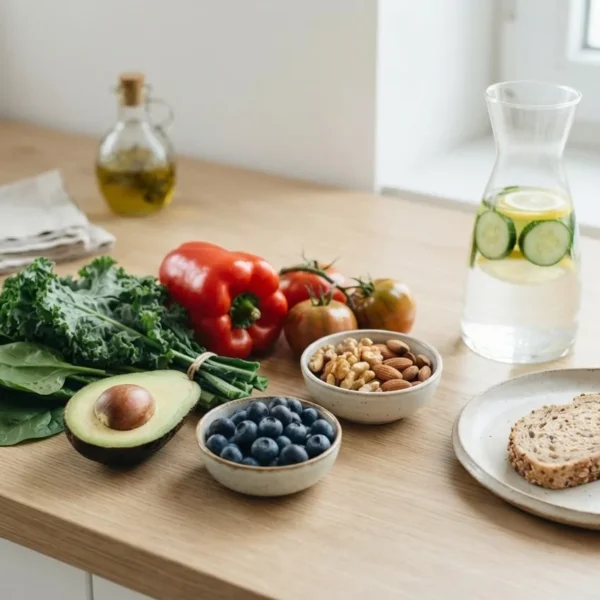
- Prioritize nutrient density, not just low calories. A low-calorie breakfast should deliver vitamins, minerals and satiety. Focus on high-protein items, fiber-rich carbohydrates and low- to moderate-fat choices to balance taste and fullness. Nutrient density reduces hunger-driven food choices later in the day and supports metabolic health.
- Plan for volume and satiety. Choose foods that deliver volume for fewer calories—vegetables, air-popped popcorn (as an unusual higher-volume snack), and water-rich fruits. For breakfasts, bulking with vegetables or high-fiber grains helps maintain fullness without adding excessive energy.
- Match the meal to your schedule and activity. If you commute or have a morning workout, lean toward higher-protein, slightly higher-calorie options (350–450 kcal). For sedentary mornings, 250–350 kcal with higher fiber works well.
Yummiest Healthy Recipes Guide for Nutritious and Tasty Meals is a great foundational resource to accompany this plan and expand your recipe library.
Transition: now that you have a framework for budgeting calories and prioritizing nutrient density, let’s break down the exact nutrients that make a low-calorie breakfast effective for fat loss.
Key Nutrients to Include in a Low Calorie Breakfast
Eating for fat loss isn’t just about dropping calories—it’s about choosing nutrients that preserve muscle, reduce appetite and support metabolic health. Below I explain each nutrient role and practical food sources you can find at Texas grocery stores and farmers’ markets.
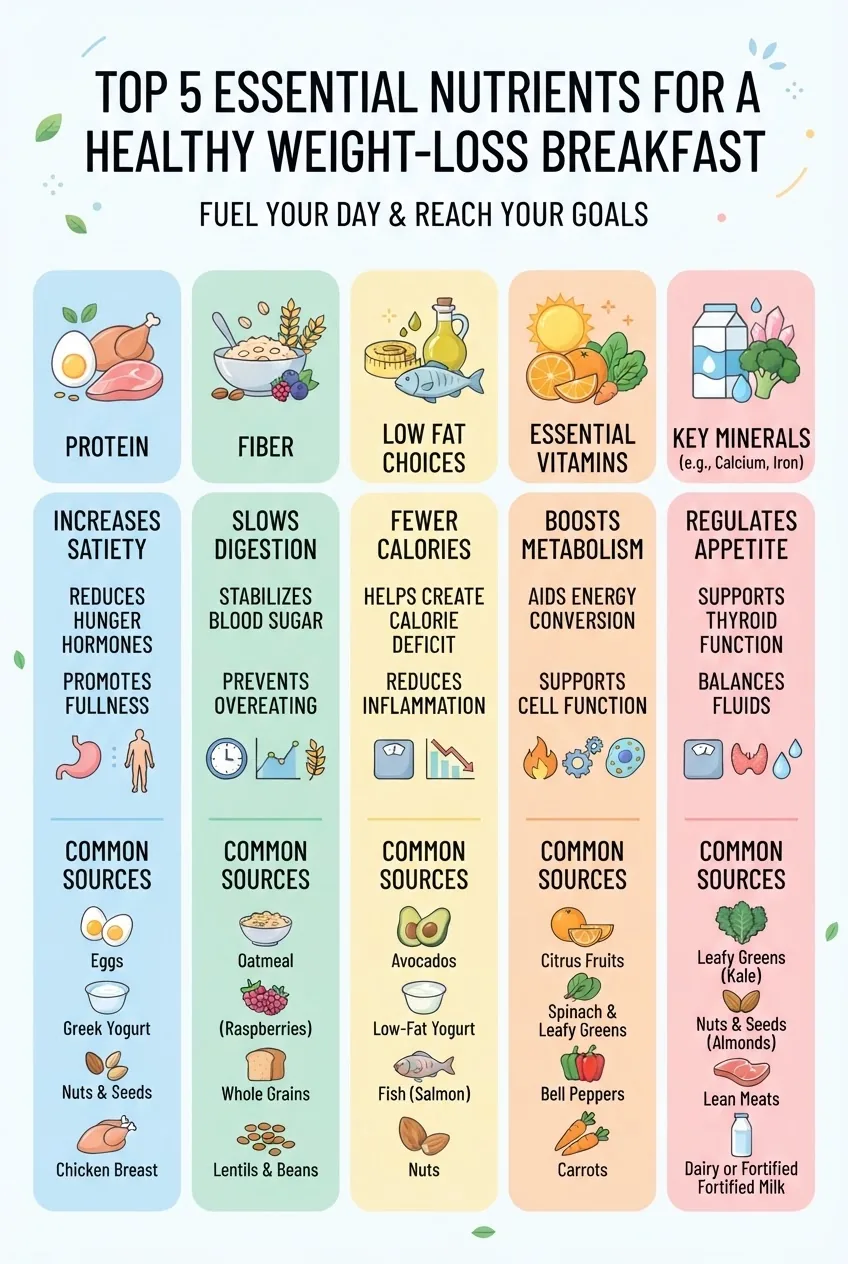
- Protein — preserves muscle, increases satiety: Aim for 15–30 g at breakfast. Sources: 3 large egg whites + 1 whole egg (about 17 g protein), 170 g (3/4 cup) plain nonfat Greek yogurt (15–20 g), 3 oz cooked chicken breast (26 g). Prioritize high-protein breakfasts to help maintain resting metabolic rate during weight loss.
- Fiber — slows digestion, supports fullness: Target 6–10 g per breakfast. Sources: 1/2 cup rolled oats (4 g), 1 cup berries (4 g), 1/2 cup cooked black beans (7–8 g). Fiber-rich choices reduce mid-morning snacking and support gut health.
- Low to moderate healthy fats — flavor and hormone support: Keep fats to 7–15 g for most low-calorie breakfasts. Sources: 1/4 medium avocado (~6–7 g fat), 1 tsp olive oil for sautéing (4.5 g), 10 almonds (~6 g).
- Healthy carbohydrates — fuel and micronutrients: Choose whole grains and fruit for vitamins and steady energy. Examples: 1/2 cup cooked quinoa, 1 slice whole-grain bread, 1/2 cup sweet potato.
- Micronutrients — vitamins and minerals: Include vitamin C (berries, citrus), iron (spinach, beans), calcium (Greek yogurt), and B-vitamins (whole grains, eggs) for energy and recovery.
Roles summarized (quick reference):
| Nutrient | Primary role for fat loss | Examples (portion) |
|---|---|---|
| Protein | Spares muscle, increases thermic effect | Greek yogurt 170 g, 3 eggs |
| Fiber | Improves satiety, lowers glycemic response | Oats 1/2 cup, berries 1 cup |
| Healthy fats | Supports hormones, flavor with limited calories | Avocado 1/4, almonds 10 |
Transition: with the nutrient targets set, you can select the specific low calorie breakfast foods that will deliver those nutrients while keeping calories in check.
Best Low Calorie Breakfast Foods to Promote Fat Loss
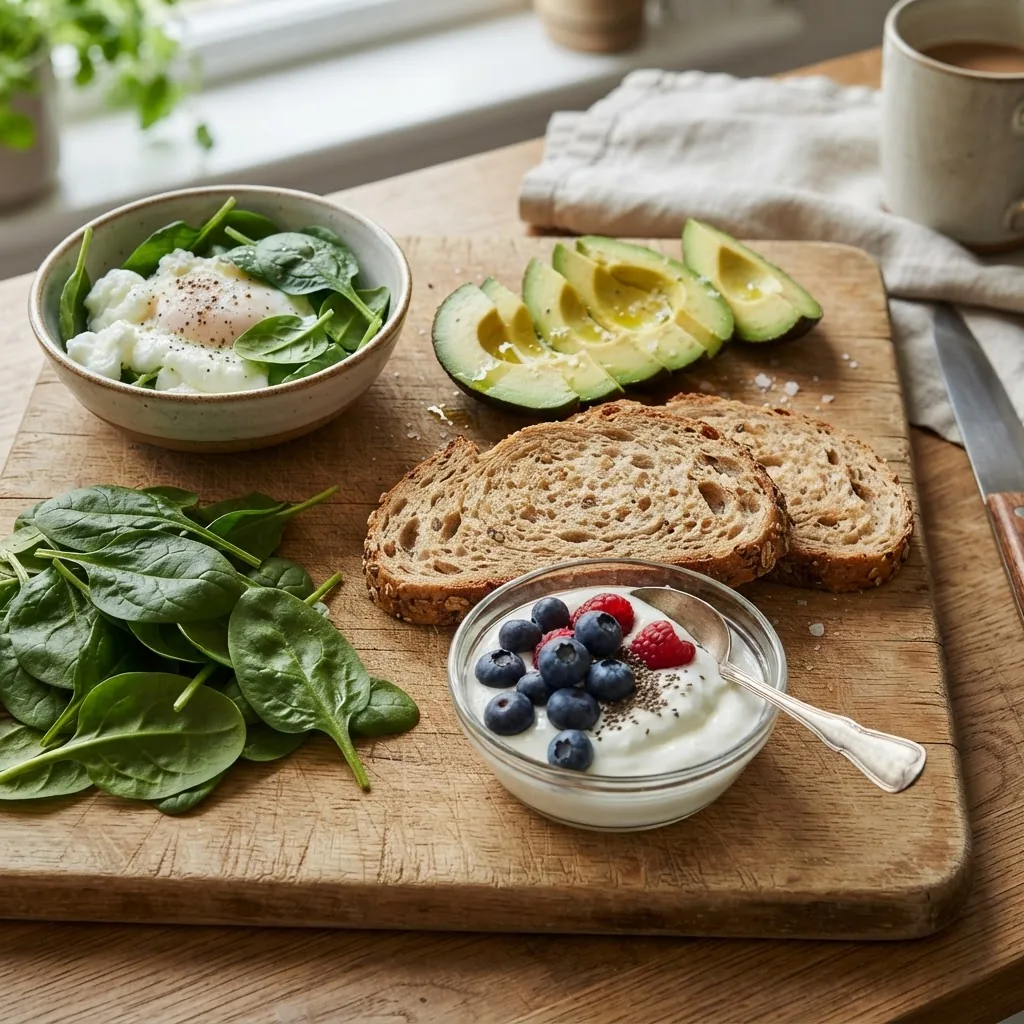
Below are the most reliable, readily available foods to build healthy low calorie breakfasts for fat loss. Each entry lists why it helps, typical portion and approximate calories (based on USDA data).
- Egg whites — 3 large egg whites: ~51 kcal, 11 g protein. Low fat, high-quality protein for satiety and muscle preservation.
- Plain nonfat Greek yogurt — 170 g (3/4 cup): ~100 kcal, 17 g protein. Thick texture supports fullness and pairs with fruit for fiber.
- Rolled oats — 1/2 cup dry (40 g): ~150 kcal, 5 g protein, 4 g fiber. Whole-grain carbs with soluble fiber that slow digestion.
- Berries (blueberries, strawberries) — 1 cup: ~50–60 kcal, 3–4 g fiber. Low-calorie, nutrient-dense, high in antioxidants.
- Spinach and leafy greens — 2 cups raw: ~14 kcal, high volume and micronutrients. Add to omelettes or smoothies to increase meal volume.
- Black beans — 1/2 cup cooked: ~110 kcal, 7–8 g fiber, 7–8 g protein. Use in breakfast bowls for a Tex-Mex twist and lasting satiety.
- Whole-grain bread — 1 slice (28 g): ~70–90 kcal, 3–5 g fiber depending on brand. Pair with lean proteins for balanced breakfasts.
- Avocado (small) — 1/4 medium: ~60–70 kcal, healthy monounsaturated fats. Adds flavor and satiety in small amounts.
- Low-sodium turkey or chicken breast slices — 2 oz: ~60–70 kcal, 12–14 g protein. Great on whole-grain toast for a savory breakfast.
- Nonfat cottage cheese — 1/2 cup: ~80–90 kcal, 12–14 g protein. Excellent high-protein option for quick breakfasts.
healthy breakfast ideas for weight loss can expand these options with variations and swaps.
Transition: now use those foods in practical recipes—below I provide 10–12 ready-to-use breakfast recipes, with three detailed macro breakdowns and clear portion control instructions.
Practical Low Calorie Breakfast Meal Ideas and Recipes
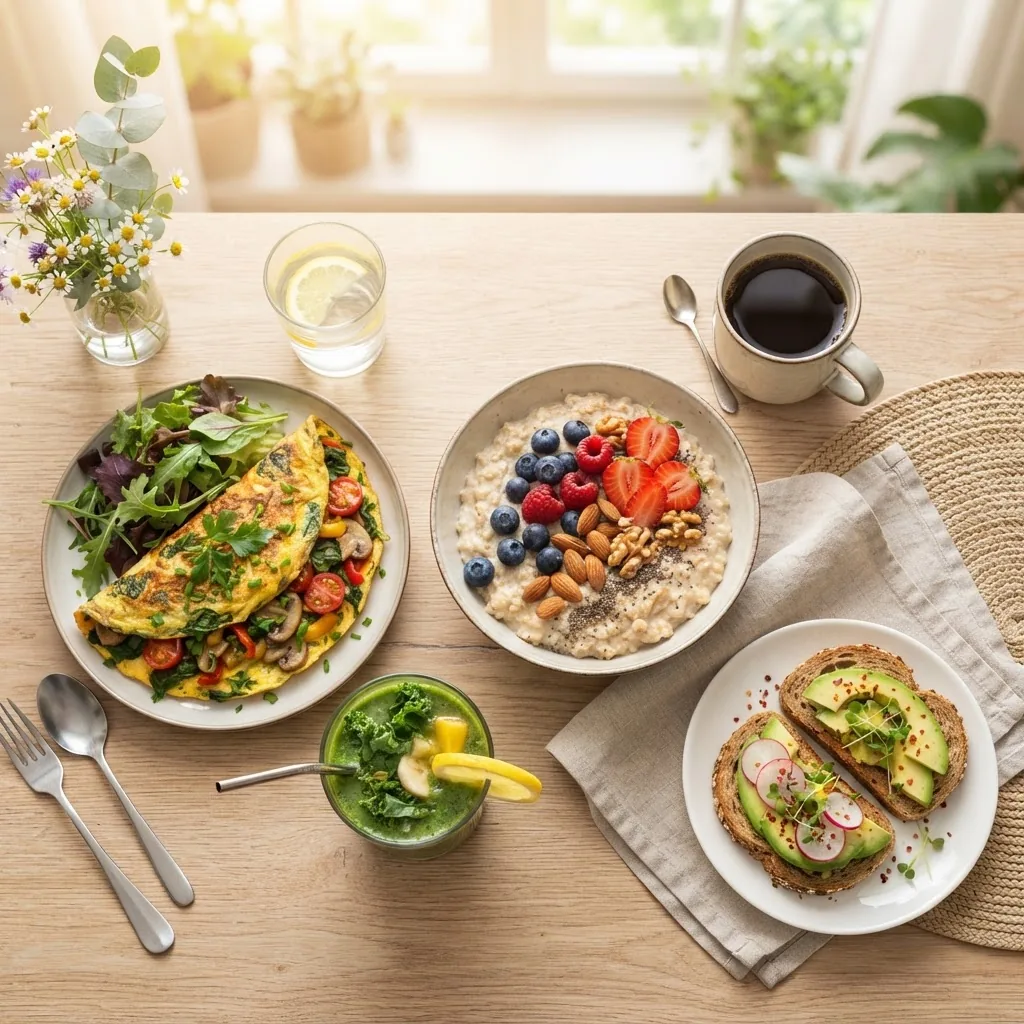
These recipes target 250–450 kcal per serving, are quick to prepare, and scale for meal prep. For calorie and macro calculations I used USDA nutrition data. According to a 2023 USDA report, standardized portion data helps ensure consistent calorie counting in meal prep.
-
Veggie Egg-White Omelette — 230–260 kcal
Ingredients: 4 egg whites (carton) + 1 whole egg, 1 cup spinach, 1/4 cup diced bell pepper, 1/4 cup diced tomato, 1 tsp olive oil for sauté. Method: Sauté vegetables 2–3 minutes in 1 tsp olive oil, add eggs, cook 3–4 minutes. Serve with 1 slice whole-grain toast if desired (+80 kcal). Calories: ~240 kcal (without toast). Macros: ~26 g protein, 8 g carbs, 10 g fat (with oil). -
Greek Yogurt Berry Bowl — 300–320 kcal
Ingredients: 170 g plain nonfat Greek yogurt, 1/2 cup mixed berries, 1 tbsp chia seeds. Method: Stir and top with berries. Calories: ~300 kcal. Macros: ~28 g protein, 30 g carbs, 6 g fat. -
Overnight Oats with Cinnamon and Apple — 350 kcal (Meal-prep friendly)
Ingredients: 1/2 cup rolled oats (40 g), 1/2 cup unsweetened almond milk, 1/2 cup Greek yogurt (nonfat), 1 small apple diced, 1 tsp cinnamon, 1 tbsp chopped walnuts (6 g). Method: Combine in jar, refrigerate overnight. Calories: ~350 kcal. Macros: ~18 g protein, 50 g carbs, 12 g fat. -
Black Bean & Avocado Breakfast Bowl — 360 kcal
Ingredients: 1/2 cup cooked black beans, 1/4 avocado sliced, 1/2 cup cherry tomatoes, 1 cup spinach lightly wilted, 1 tbsp lime juice, salt & pepper. Method: Warm beans, arrange bowl, top with avocado. Calories: ~360 kcal. Macros: ~13 g protein, 45 g carbs, 12 g fat. -
High-Protein Smoothie — 320 kcal
Ingredients: 1 scoop whey or plant protein (~20–25 g protein), 1 cup unsweetened almond milk, 1/2 cup frozen berries, 1 tbsp peanut butter (optional). Method: Blend 45–60 seconds. Calories: ~320 kcal (with PB). Macros: ~28 g protein, 25 g carbs, 10 g fat. -
Turkey & Egg Avocado Toast — 400 kcal
Ingredients: 1 slice whole-grain bread, 2 oz turkey breast, 1 soft-poached egg, 1/4 avocado smashed. Method: Toast bread, layer turkey, add egg and avocado. Calories: ~400 kcal. Macros: ~28 g protein, 30 g carbs, 16 g fat. -
Cottage Cheese & Pineapple Parfait — 260 kcal
Ingredients: 1/2 cup nonfat cottage cheese, 1/2 cup pineapple chunks (fresh), 1 tbsp flaxseed meal. Method: Layer and serve chilled. Calories: ~260 kcal. Macros: ~22 g protein, 25 g carbs, 6 g fat. -
Sweet Potato Hash with Egg — 380 kcal
Ingredients: 3/4 cup diced cooked sweet potato, 1 cup mixed peppers & onions, 1 whole egg + 2 egg whites, 1 tsp olive oil. Method: Sauté vegetables and sweet potato 6–8 minutes, add eggs and scramble 2–3 minutes. Calories: ~380 kcal. Macros: ~22 g protein, 36 g carbs, 12 g fat. -
Protein Pancakes (Quick) — 350 kcal
Ingredients: 1/2 cup rolled oats (blend to flour), 1 scoop protein powder (20 g protein), 1/2 banana, 1/3 cup egg whites. Method: Blend, pan-fry in nonstick skillet with cooking spray for 2–3 minutes per side. Calories: ~350 kcal. Macros: ~28 g protein, 40 g carbs, 6 g fat. -
Mexican Breakfast Wrap — 340 kcal
Ingredients: Low-calorie whole-wheat tortilla (60 g), 2 scrambled egg whites + 1 egg, 1/4 cup black beans, salsa 2 tbsp, cilantro. Method: Fill tortilla with warm ingredients. Calories: ~340 kcal. Macros: ~24 g protein, 34 g carbs, 10 g fat. -
Green Smoothie Bowl (Thicker) — 300–330 kcal
Ingredients: 1 cup baby spinach, 1/2 frozen banana, 1/2 cup frozen mango, 1/2 cup Greek yogurt, splash water. Method: Blend and top with 1 tbsp pumpkin seeds. Calories: ~320 kcal. Macros: ~20 g protein, 45 g carbs, 8 g fat. -
Leftover Chicken & Veggie Breakfast Plate — 280–350 kcal
Ingredients: 3 oz cooked chicken breast, 1 cup roasted vegetables, lemon, herbs. Method: Reheat and enjoy. Calories: ~300 kcal. Macros: ~30 g protein, 15 g carbs, 8 g fat.
Detailed recipe examples with kitchen-tested macronutrient breakdowns (experience-based):
Example 1 — Veggie Egg-White Omelette (Detailed)
Kitchen prep (my standard): whisk 4 liquid egg whites + 1 whole egg (approx. 150 g total). Sauté 1 cup fresh spinach and 1/4 cup diced bell pepper in 1 tsp olive oil (120°C/medium heat) for 2 minutes, add eggs, fold for 3 minutes. Plate with a squeeze of lime.
Nutrition (USDA-based calculation): 4 egg whites (68 kcal, 14 g protein), 1 whole egg (72 kcal, 6 g protein), 1 tsp olive oil (40 kcal, 4.5 g fat), vegetables (~20 kcal). Total: ~200 kcal; with 1 slice whole grain toast add +80 kcal = 280 kcal. Macronutrients: ~26 g protein, 18 g carbs (with toast), 10 g fat.
Example 2 — Overnight Oats (Detailed, meal-prep batch)
Batch prep method I use: mix 4 jars each containing 1/2 cup oats + 1/2 cup plain Greek yogurt + 1/2 cup almond milk + 1 small apple diced + 1 tsp cinnamon. Refrigerate for 8+ hours. Each jar yields ~350 kcal.
Nutrition per jar: oats 150 kcal, Greek yogurt 80–100 kcal, almond milk 15 kcal, apple 52 kcal, walnuts 45 kcal. Total ~350 kcal. Macronutrients per jar: ~18 g protein, 50 g carbs, 12 g fat.
Example 3 — High-Protein Smoothie (Detailed)
Personal notes: use measured scoops and weigh frozen fruit for consistency. Blend 1 scoop whey (25 g protein), 1 cup almond milk (30 kcal), 1/2 cup frozen berries (40 kcal), 1 tbsp peanut butter (90 kcal). Blend 45 seconds on high.
Nutrition: ~320 kcal, Protein ~28 g, Carbs ~25 g, Fat ~10 g. I log these values using USDA online database for accuracy.
400 calorie meals guide and healthy breakfast ideas guide are excellent references if you want more breakfast swaps and portion templates.
Transition: after cooking a few of these, use the following planning tips to save time and stay consistent throughout the week.
Tips for Planning and Preparing Low Calorie Breakfasts on a Busy Schedule
Meal-prep is the multiplier for consistency. Below is a step-by-step meal-prep routine I use on Sundays and a checklist for quick mornings.
- Set your weekly calorie target and divide it. Example: If your daily goal is 1,600 kcal, reserve 350–400 kcal for breakfast, ~450–500 kcal for lunch, and 600–700 kcal for dinner. If you need help planning dinner sizes, see 500 calorie meal ideas or 600 calorie dinner recipes.
- Batch-cook key components. Prepare a double batch of hard-cooked eggs, one large container of overnight oats (or 5 jars), 2 cups cooked quinoa or brown rice, and roast a pan of mixed vegetables. Timings: eggs 12 minutes total (boil 9–12 minutes then ice bath), oats mix 10 minutes active, grains 25–30 minutes.
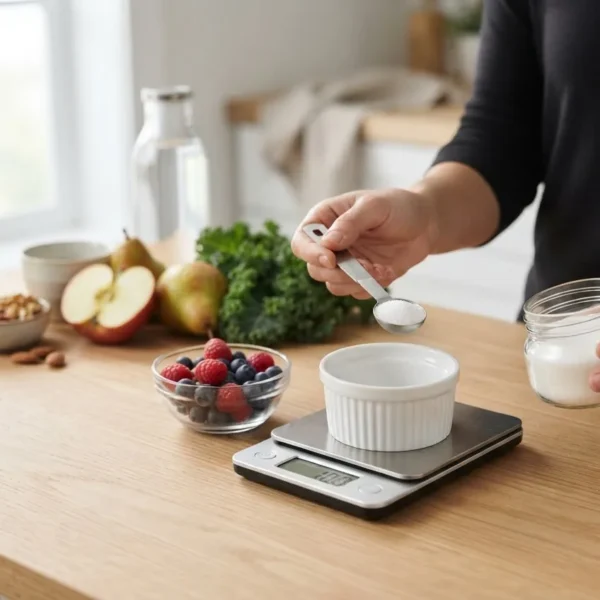
- Portion and label everything. Use a digital food scale to measure exact portions: oats 40 g per jar, Greek yogurt 170 g per serving, chicken 3 oz cooked per container. Label containers with calories and date. This avoids guesswork on busy mornings.
- Pack for grab-and-go. For commuting Texans, place one jar, a small napkin, and cutlery in a reusable tote. Keep smoothies in insulated bottles to drink en route.
- Use time-saving shortcuts. Pre-chopped frozen veggies, canned low-sodium beans, and rotisserie chicken (remove skin, weigh portions) cut prep time in half.
- Budget-friendly sourcing. Buy in-season produce from local Texas farmer’s markets and bulk oats or beans to lower costs. For more on affordable sourcing, see affordable healthy foods guide.
Meal-prep walk-through I use (personal): On Sunday I roast a sheet pan of sweet potatoes and peppers at 200°C (400°F) for 25–30 minutes, cook 6 eggs (boiled) and prepare four overnight oats jars. I portion chicken into 3-oz servings and store in labeled containers. This takes me 90–120 minutes and covers breakfasts for 4–5 days.
Transition: while planning and prep solve many issues, certain mistakes commonly derail low-calorie breakfast efforts—learn to avoid them next.
Common Mistakes to Avoid When Choosing or Preparing Low Calorie Breakfasts
- Assuming “low fat” equals “low calorie.” I once replaced yogurt with “low-fat” flavored varieties and still gained weight because added sugars pushed calories up. Low-fat products often add sugar to preserve taste and can raise total calories; always check calories per serving and sugar content.
- Ignoring hidden calories in drinks and toppings. I used to add flavored creamers and trail mix liberally—those extras pack 100–200 kcal quickly. Measure toppings like nuts (1 tbsp = ~45–50 kcal) and sauces; opt for lower-calorie choices or smaller amounts.
- Over-restricting calories and feeling ravenous later. I tried a 150 kcal “very low calorie breakfast” and ended up snacking before lunch. If hunger is extreme, increase breakfast protein and fiber to 300–400 kcal to maintain a practical deficit without bingeing.
- Not using a food scale or consistent portions. Eyeballing portions led me to unknowingly eat 100–150 extra calories per meal. Weigh dry oats (40 g), measure yogurt (170 g), and weigh proteins (3 oz cooked) to keep accurate totals.
- Relying on low-nutrient “diet” bars for convenience. Bars often lack satiety compared to whole-food breakfasts and can be calorie-dense. If using bars, choose ones with ≥12 g protein and ≤10 g sugar and factor in their calories as part of the meal plan.
Transition: avoid those pitfalls and you’ll be able to tailor breakfasts for any dietary need common in Texas—vegetarian, gluten-free, diabetic-friendly or culturally preferred flavors.
How to Adapt Low Calorie Breakfasts for Different Dietary Needs in Texas
Texas offers diverse culinary influences—use local produce and traditional flavors while keeping calories controlled. Below are adaptation examples and swaps by dietary preference.
- Vegetarian low calorie breakfasts: Replace meat with legumes and dairy: 1/2 cup cooked lentils + spinach + 1 poached egg. For vegetarians seeking further recipe inspiration beyond breakfast, see vegetarian dinner recipes guide.
- Gluten-free options: Use certified gluten-free oats, buckwheat pancakes, or quinoa bowls. 1/2 cup cooked quinoa + diced apple + 1 tbsp almond butter offers ~350 kcal and 10–12 g protein.
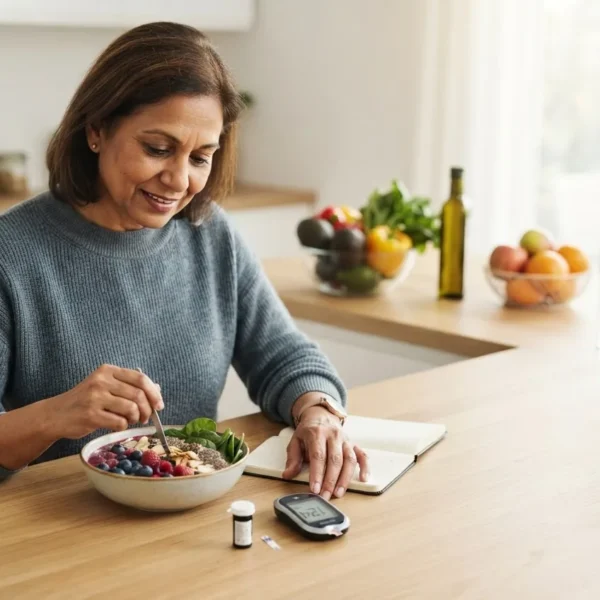
- Diabetic-friendly breakfasts: Favor low-glycemic carbs and protein: Greek yogurt + berries + 1 tbsp chia seeds; or an omelette with non-starchy vegetables. Monitor portions and check postprandial glucose with your usual devices.
- Lower-fat variations: Reduce added oils, prioritize egg whites and nonfat dairy, and add volume with vegetables. Swap 1 tsp oil (40 kcal) for cooking spray and water-sautéing.
- Cultural flavors for Texas palates: Make Tex-Mex bowls: 1/2 cup black beans, 1/2 cup salsa, 2 egg whites + 1 whole egg, and cilantro. Keep portion sizes measured—beans and tortillas add calories quickly.
Transition: you should now have concrete meal options and adaptation strategies; wrap up with concise takeaways and a call to action to keep you moving forward.
Conclusion: Making Low Calorie Breakfasts Work Long-Term for Healthy Weight Loss
Summary: A sustainable low calorie breakfast supports a steady calorie deficit, preserves muscle when you include adequate protein, and reduces hunger through fiber and volume. Aim for 250–450 kcal depending on activity and daily targets, prioritize 15–30 g protein and 6–10 g fiber at breakfast, and use weekly meal-prep to stay consistent.
Actionable next step: choose three recipes from the Practical Recipes section, do one 90–120 minute Sunday prep session, and track intake with a food scale and a calorie app for two weeks. If you’d like more dinner balance, explore the linked 500 and 600 calorie dinner guides to align your whole-day intake.
Common mistakes and how to avoid them (practitioner notes)
From my experience, here are the most frequent failures I observed and how I fixed them.
- I once skipped weighing oats and thought my overnight oats were 300 kcal—turned out they were 450 kcal. Fix: weigh dry grains (40 g per serving) and keep a kitchen scale near your prep station.
- I assumed “fat-free” labelled yogurt would be lower calorie; a flavored variety had 3x the sugar. Fix: buy plain nonfat Greek yogurt and flavor with fresh fruit and cinnamon.
- I relied on protein bars as a meal replacement and hit late-afternoon cravings. Fix: choose whole-food breakfasts with 20+ g protein and add fiber (fruit or oats) to extend satiety.
- I under-portion nuts as “a little” and added 200 extra calories per day. Fix: pre-portion 1-tbsp snack packs (10–12 almonds) and label them.
Checklist: Verify your low calorie breakfasts
- Breakfast calories fall within your agreed range (250–450 kcal) — weigh or log to confirm.
- Protein per meal: 15–30 g — check labels or USDA data.
- Fiber per meal: ≥6 g — aim for fruit, oats or beans.
- Healthy fats limited to 7–15 g (except on higher-activity mornings).
- Meal-prep components labeled and dated; portions pre-measured.
- No hidden high-sugar beverages or extras untracked.
When to call in a professional
Consult a registered dietitian or physician if you have diabetes, eating disorders, thyroid disease, are pregnant, breastfeeding, or if you plan a sustained very low-calorie diet (<1,200 kcal/day for women or <1,500 kcal/day for men) to ensure nutritional adequacy and medical safety.
Final encouragement: small, consistent improvements in breakfast composition and portion control compound quickly. Start with one recipe, prep for three days, and refine portions based on hunger and performance.
Disclaimer: This guide provides general nutrition and meal-prep strategies based on publicly available USDA data and peer-reviewed literature. Individual calorie and macronutrient needs vary—consult a healthcare professional for personalized guidance.