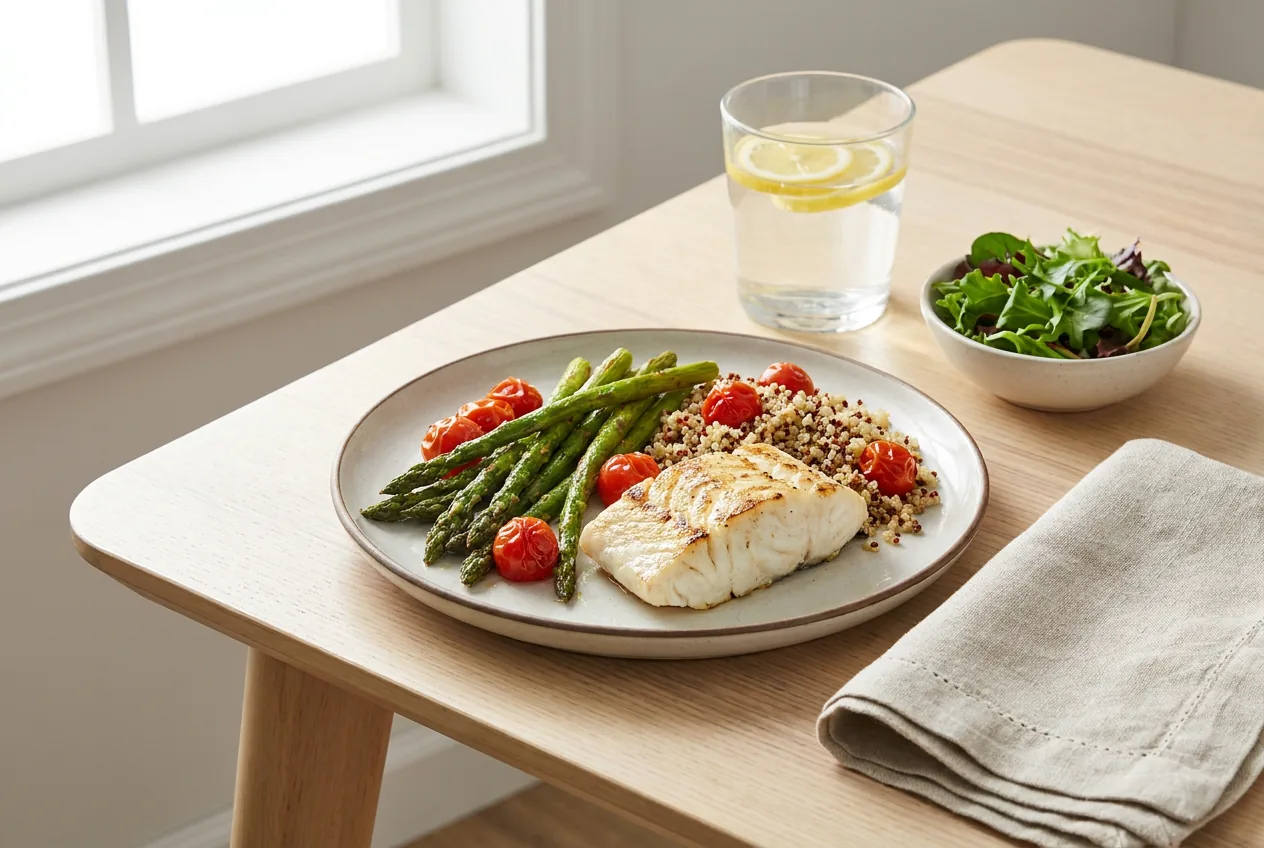
Low calorie dinner ideas hands-on guide: by the end you’ll have a week of balanced, flavorful low-calorie evening meals planned, three make-ahead recipes tested, and a simple shopping list. Expect 90–150 minutes to prepare a weekly plan and two 20–35 minute cooking sessions for nightly recipes. Skill assumed: basic home cooking (knife use, stove, oven, grill).
Before you start
- Tools: chef’s knife, cutting board, 10–12″ nonstick skillet, sheet pan, medium saucepan, digital kitchen scale, 2–4 glass meal prep containers (3-cup and 4-cup sizes).
- Pantry staples: extra-virgin olive oil, balsamic vinegar, low-sodium soy sauce, canned tomatoes, dried herbs, brown rice or quinoa (1–2 cups dry), low-sodium chicken or vegetable stock (32 oz).
- Protein basics: 2 lb boneless skinless chicken breast, 1 lb firm tofu or canned beans, 1 lb salmon or white fish fillets.
- Fresh produce: 1–2 heads broccoli, 1 bunch kale or collards, 3 bell peppers, 1 red onion, 4 limes, 2 avocados (optional), seasonal Texas produce such as poblano peppers or sweet onions.
- Prep time tip: clear 120–150 minutes on a weekend afternoon to batch-roast vegetables and cook grains for the week.
Core steps: follow this hands-on workflow
-
Step 1 — Define what low-calorie dinners mean for you
What Are Low Calorie Dinner Ideas?
Low calorie dinner ideas are practical evening meals designed to be lower in energy (calories) than typical restaurant or comfort-dinner portions while still providing balanced nutrition. A working definition here: dinners built from whole foods and lean proteins, with vegetables as the largest component and mindful portions of grains or fats. These are sometimes called calorie deficit meals because they help create a nightly energy shortfall when part of a full-day plan.
Examples range from a grilled chicken and big salad plate with a small grain serving to a hearty vegetable and bean stew served with 1/2 cup cooked quinoa. Low-calorie does not mean bland: focus on herbs, acid (citrus or vinegar), spice, and contrasting textures for flavor without added oil or sugar.
Typical components:
- Vegetable majority: 1.5–3 cups non-starchy vegetables per plate (steamed broccoli, sautéed greens, roasted bell peppers).
- Lean protein: 3–5 oz cooked portion of chicken breast, fish, tofu, tempeh, or beans.
- Controlled starch: 1/3–1 cup cooked whole grains or starchy vegetables (depending on goals).
- Flavor boosters: herbs, lemon, chili flakes, low-fat yogurt, mustard, salsa verde.
For broader healthy recipe inspiration, see Yummiest Healthy Recipes Guide for Nutritious and Tasty Meals.
-
Step 2 — Recognize the health outcomes you can expect
Health Benefits of Eating Low Calorie Dinners
Eating lower-calorie dinners supports weight management, better overnight metabolic balance, and improved digestion when paired with overall daily calorie control. A core concept is a sustainable calorie deficit: consuming fewer calories than you expend over time. Benefits extend beyond weight—improved blood lipid profiles and blood sugar stabilization are commonly reported when evening meals are lighter and nutrient-dense.
Quick evidence references:
- According to a 2023 U.S. Department of Agriculture report, structured meal planning improves dietary quality and reduces excess calories when whole foods replace processed items (source type: government report, 2023).
- The American Heart Association highlights that meals focused on vegetables, lean proteins, and limited saturated fat support heart health (source type: health organization guidance, 2022–2024).
- Research reviews show higher-protein dinners increase satiety and may reduce evening snacking (source type: peer-reviewed study review, 2019–2021).
Remember: individual calorie needs vary by age, sex, activity level, and medical conditions—use these strategies as general guidance and consult a healthcare professional for personalized advice.
Practical advantages:
- Weight loss support via nightly lower energy load.
- Enhanced sleep for many people when heavy, fatty meals are avoided late.
- Improved nutrient intake by emphasizing fiber and protein at dinner.
For official intake recommendations see the U.S. Dietary Guidelines and for cardiovascular guidance see the American Heart Association. For research on protein and satiety, see a relevant review at the National Library of Medicine: peer-reviewed study.
-
Step 3 — Choose the right ingredients and methods
How to Choose and Prepare Healthy Low Calorie Dinner Recipes
Follow these practical steps to select and prepare dinner recipes that are low in calories but high in nutrition and taste. Define priorities: protein for satiety, fiber-rich vegetables for volume, and healthy fats in measured amounts for flavor and nutrient absorption.
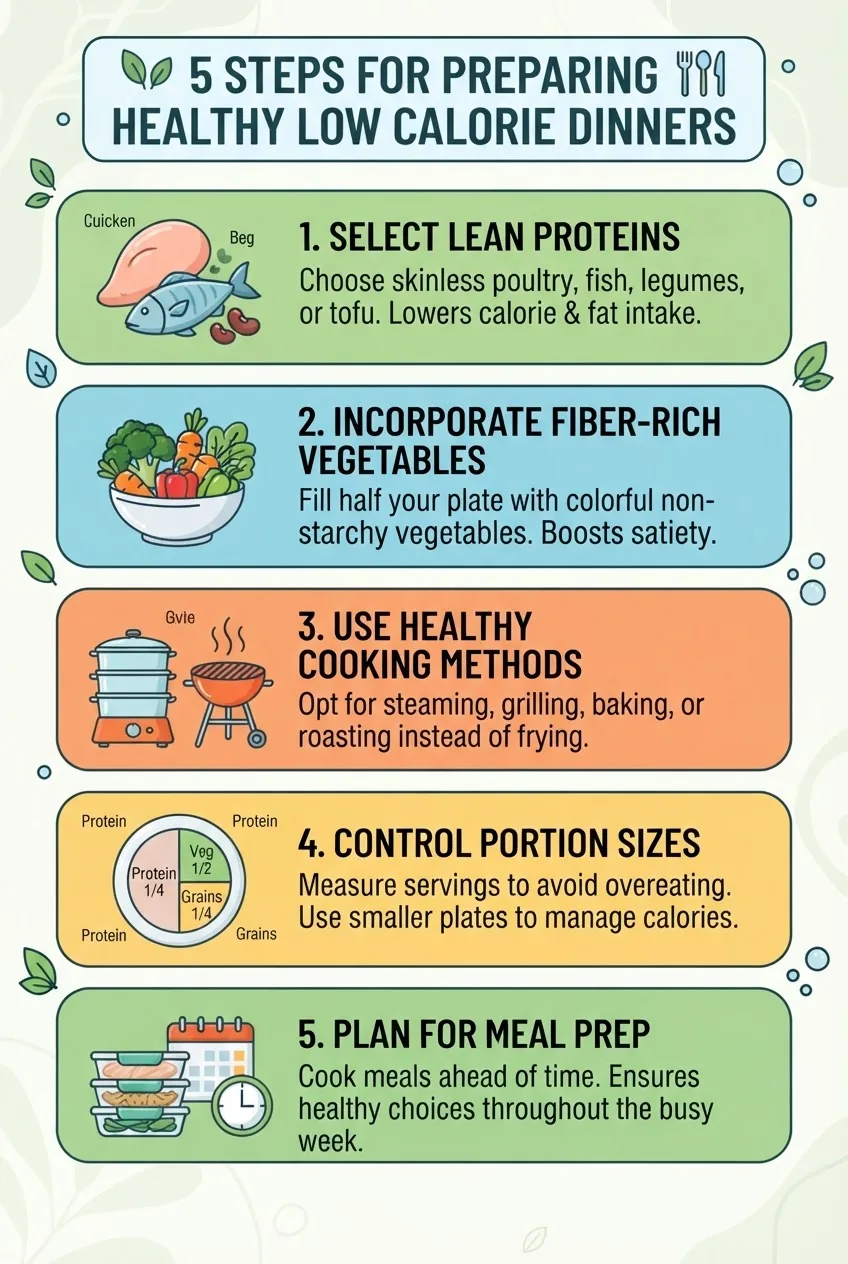
- Select lean proteins first. Aim for 20–35 g protein at dinner when weight loss or maintenance is a goal. Examples: 4 oz (113 g) cooked chicken breast ≈ 26 g protein; 4 oz salmon ≈ 23 g; 1 cup cooked lentils ≈ 18 g. Use a digital scale: raw chicken breast 4 oz ≈ 115 g raw yields ~85–95 g cooked.
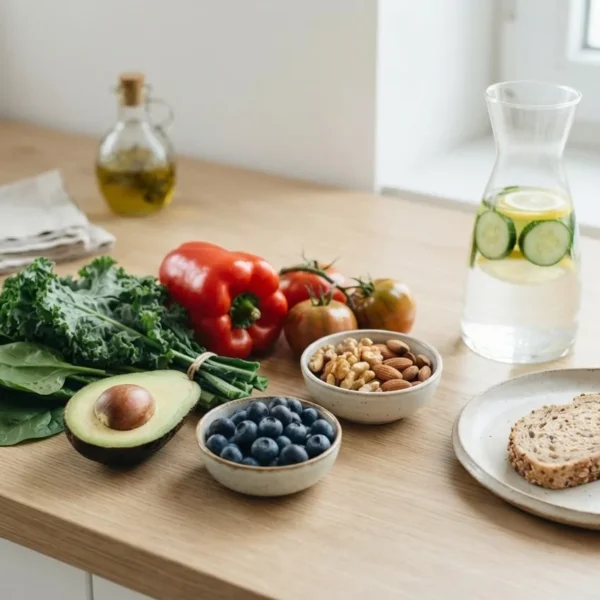
- Prioritize nutrient-dense vegetables. Choose fiber-rich, low-starch choices: broccoli, spinach, kale, bell peppers, zucchini, and Texas-grown produce like poblano peppers or sweet onions for seasonal flavor. Fill at least half your plate with vegetables (1.5–3 cups).
- Use cooking methods that preserve nutrients and cut added fat. Prefer grilling, steaming, broiling, roasting at 375–425°F for 15–30 minutes, or sautéing with 1 tsp oil and 2 tbsp water to finish. Steam for 4–8 minutes depending on vegetable density.
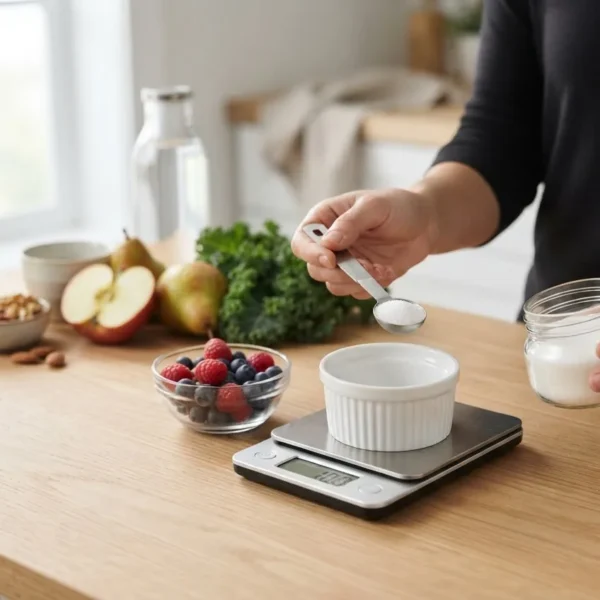
- Control portions with simple measures. Use your hand as a quick guide: palm-sized protein (3–5 oz), cupped hand for grains (1/2–1 cup cooked), and two fists for vegetables. For precise control, measure servings with cups or a kitchen scale for 2–4 weeks, then eyeball portions reliably.
- Include healthy fats in small amounts. Add 1 tbsp olive oil, 1/4 avocado, or 1 tbsp chopped nuts per serving to support nutrient absorption and satiety—these add 80–120 calories but improve flavor and long-term adherence.
- Plan for balanced macros on the plate. Aim for roughly 30–40% protein, 30–40% carbohydrate (mostly fiber-rich), and 20–30% fat by calories for most active adults seeking weight loss and muscle retention—adjust for individual needs.
- Pick recipes you’ll repeat. Simplicity increases adherence: choose 4–6 go-to dinners you can rotate weekly and tweak with spices, citrus, or different vegetables to avoid taste fatigue.
Affordable ingredient sourcing: choose seasonal Texas produce and frozen vegetables when fresh is expensive—frozen is nutrient-dense and cost-effective. For budget guidance see affordable nutritious foods.
-
Step 4 — Cook the go-to recipes and test flavors
Top 10 Easy Low Calorie Dinner Ideas with Recipes
These quick recipes emphasize flavor, whole foods, and ease. Each entry includes brief ingredients, cooking notes, and a calorie estimate (estimates are approximate; adjust by portion size).
-
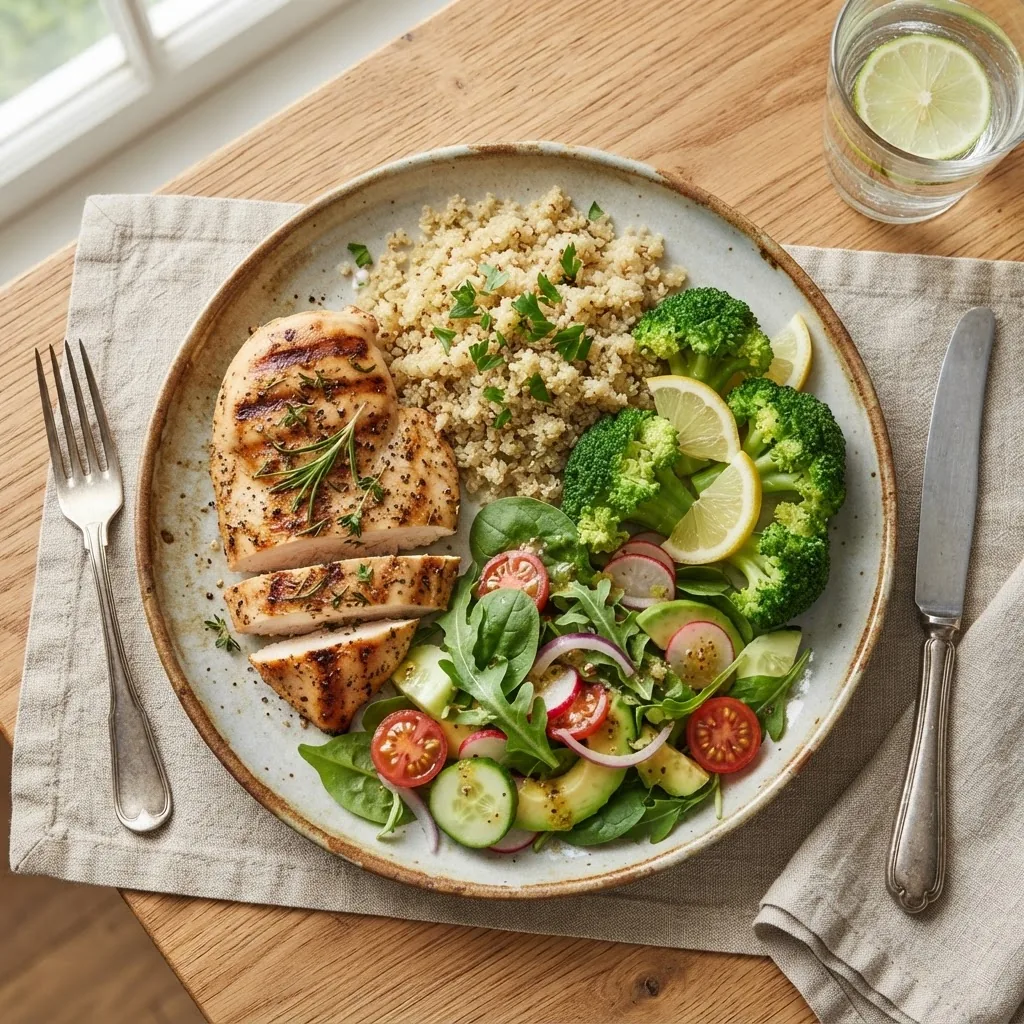
Grilled Lemon-Herb Chicken with Charred Veggies
Ingredients: 4 oz boneless skinless chicken breast, 1 tbsp lemon juice, 1 tsp olive oil, 1 tsp chopped rosemary, 1 cup grilled mixed vegetables (zucchini, bell pepper, red onion), 1/3 cup cooked quinoa.
Cooking notes: Marinate chicken 10–30 minutes; grill 4–5 minutes per side until 165°F internal. Char veggies on high heat 6–8 minutes. Serve with quinoa.
Calories: ~360 kcal.
-
Blackened Fish Tacos (Lettuce Wraps)
Ingredients: 4 oz white fish fillet (tilapia or cod), 1 tsp blackening spice, 3 butter lettuce leaves, pico de gallo, 1/4 cup shredded cabbage, 1 tbsp plain Greek yogurt.
Cooking notes: Pan-sear fish 3–4 minutes per side. Serve in lettuce with yogurt and pico.
Calories: ~300 kcal.
-
Tex-Mex Turkey & Black Bean Skillet
Ingredients: 4 oz lean ground turkey, 1/2 cup canned black beans (rinsed), 1/2 cup diced tomatoes, 1/2 cup roasted poblano peppers, 1/2 cup cooked brown rice, spices: cumin, chili powder.
Cooking notes: Brown turkey, add beans and peppers, simmer 8 minutes. Top with salsa and cilantro.
Calories: ~420 kcal.
-
Garlic Shrimp & Broccoli Stir-Fry
Ingredients: 4 oz shrimp, 2 cups broccoli florets, 1 tbsp low-sodium soy sauce, 1 tsp sesame oil, 1 clove garlic, 1/2 cup cooked brown rice.
Cooking notes: Sauté garlic in 1 tsp oil, add shrimp 2–3 minutes, add broccoli and steam 4–5 minutes with lid.
Calories: ~350 kcal.
-
Roasted Veggie & White Bean Salad with Balsamic
Ingredients: 1.5 cups roasted mixed root or squash, 1/2 cup canned cannellini beans (rinsed), 2 cups mixed greens, 1 tbsp balsamic vinaigrette.
Cooking notes: Roast vegetables 20–25 minutes at 400°F. Toss with beans and greens.
Calories: ~320 kcal.
-
Chicken Fajita Bowl (No Tortilla)
Ingredients: 4 oz sliced chicken breast, 1 cup sautéed bell peppers and onions, 1/2 cup cauliflower rice, 1 tbsp salsa, 1/8 avocado.
Cooking notes: Sear seasoned chicken 4–5 minutes per side, sauté veggies 6–8 minutes. Assemble bowl.
Calories: ~380 kcal.
-
Spicy Tofu & Cabbage Stir with Brown Rice
Ingredients: 4 oz firm tofu (pressed), 2 cups shredded cabbage, 1 tbsp hoisin or lighter stir sauce, 1/2 cup cooked brown rice.
Cooking notes: Pan-fry tofu cubes in nonstick skillet 3–4 minutes per side with minimal oil, then add cabbage and sauce, cook 5 minutes.
Calories: ~360 kcal. Vegetarian option.
More vegetarian low calorie dinners for two are available for smaller households.
-
One-Pan Balsamic Chicken & Brussels Sprouts
Ingredients: 4 oz chicken breast, 1.5 cups halved Brussels sprouts, 1 tbsp balsamic glaze, 1 tsp olive oil.
Cooking notes: Roast at 400°F for 20–25 minutes, tossing halfway.
Calories: ~370 kcal.
-
Lentil & Roasted Pepper Stew
Ingredients: 1 cup cooked lentils, 1 cup roasted peppers and tomatoes, 1 tsp smoked paprika, 1 cup baby spinach.
Cooking notes: Simmer 10 minutes to meld flavors. Serve with 1/2 cup cooked barley or skip grains for lower calories.
Calories: ~360 kcal. See more meatless low calorie dinners.
-
Grilled Salmon with Lime-Dressed Kale Salad
Ingredients: 4 oz salmon, 2 cups massaged kale, 2 tbsp chopped mango, 1 tsp olive oil, lime juice.
Cooking notes: Grill salmon 3–4 minutes per side. Toss kale with oil and lime, top with mango.
Calories: ~420 kcal.
For strictly calorie-specific plans, see related resources such as 400 calorie meals, 500 calorie dinner options, and 600 calorie dinner recipes.
-
Grilled Lemon-Herb Chicken with Charred Veggies
-
Step 5 — Build high-protein dinners without extra calories
High Protein Low Calorie Dinner Options for Satiety and Muscle Health
Protein is the most filling macronutrient per calorie and supports muscle preservation during weight loss. Aim for 25–40 g protein at dinner depending on your body weight and goals; a practical target is 0.25–0.4 g protein per kilogram of bodyweight per meal for many adults who strength train.
Simple high-protein swaps:
- Replace 1/2 cup rice with 1/2 cup lentils to add ~9 g protein.
- Swap a 3 oz cooked chicken thigh (21 g protein) for 4 oz chicken breast (26 g) to up protein without many extra calories.
- Add 1/2 cup Greek yogurt (10–12 g protein) as a sauce or topping.
Protein Source Serving Protein (g) Approx Calories Chicken breast (cooked) 4 oz (113 g) 26 g 120 kcal Salmon (cooked) 4 oz (113 g) 23 g 200 kcal Firm tofu 4 oz (113 g) 10–12 g 90–120 kcal Greek yogurt (nonfat) 1/2 cup 10–12 g 60–70 kcal Mini recipe walkthrough — high-protein skillet chicken & greens (tools: 10″ skillet, spatula, tongs): season 5 oz chicken breast with 1/2 tsp smoked paprika and salt; heat skillet to medium-high, spray 1 second with oil, cook chicken 4–5 minutes per side until 165°F internal; remove and rest 3 minutes; add 2 cups chopped kale and 2 cloves minced garlic to skillet with 2 tbsp water, steam 3–4 minutes; slice chicken and serve over greens with 1 tbsp lemon juice. Yield: ~35 g protein, ~350–380 kcal. This short walkthrough shows how to create a balanced high-protein low calorie dinner using common kitchen tools.
-
Step 6 — Build a weekly prep plan
Meal Prep Strategies for Low Calorie Dinners – Save Time and Stay Healthy
Batch-cooking and proper storage make low calorie meal plans realistic. Below is a time-focused plan and storage guide you can apply in a 120–150 minute weekend prep session.
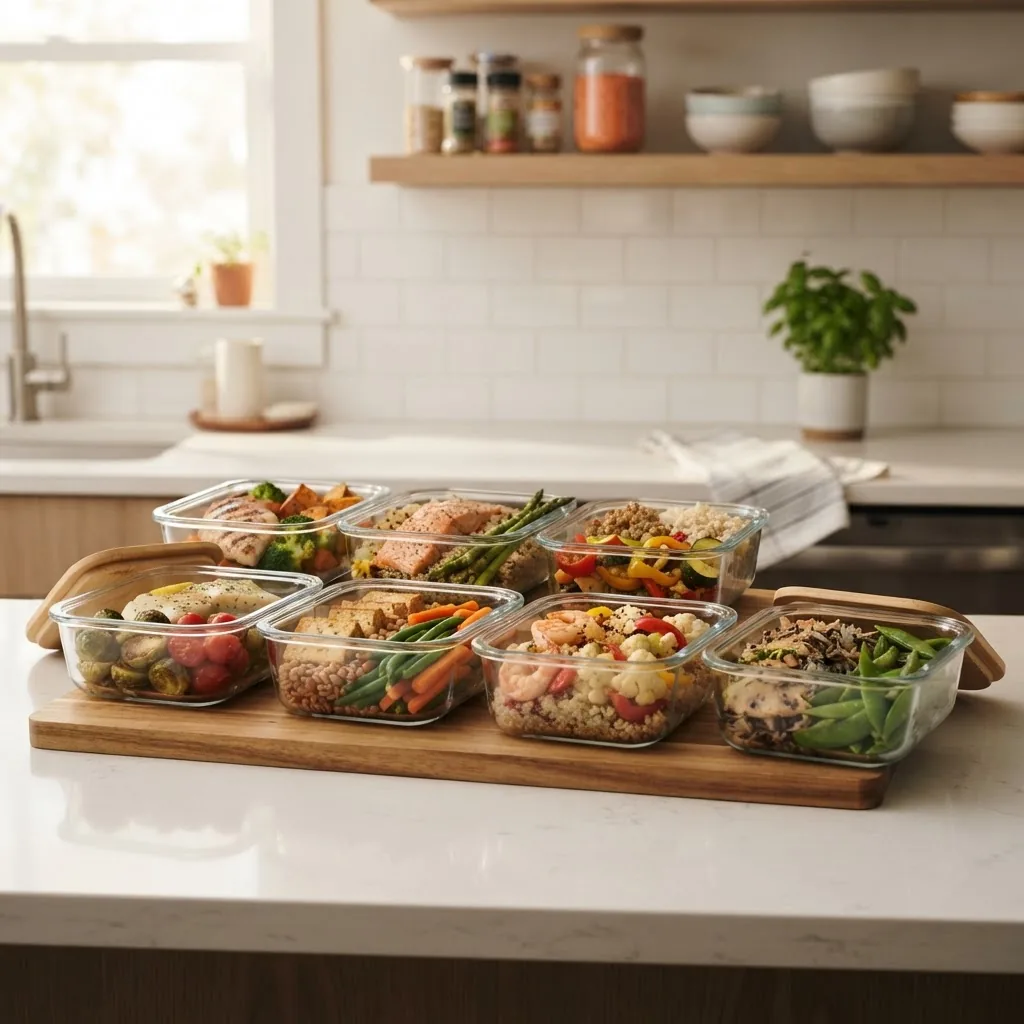
- Plan 4 dinners and 2 flexible sides. Choose two proteins (chicken, tofu/salmon), two vegetable sets (roasted root veggies; quick-steam greens), and one base (brown rice or quinoa). Schedule: 30 minutes for grains, 30–40 minutes for roasting vegetables, 25–30 minutes for proteins (staggered).
- Batch-cook grains and legumes. Cook 2 cups dry brown rice or 1.5 cups dry quinoa to yield 6–8 cups cooked. Store in shallow containers for faster cooling; refrigerate within 2 hours. Cook time: brown rice 40–45 minutes simmering; quinoa 15 minutes.
- Roast vegetables at 400°F for 20–30 minutes. Toss 1.5–2 lbs mixed vegetables with 1–2 tsp oil and spices; roast on sheet pans with space between pieces for browning. Cool and portion into 2–3 cup servings.
- Cook proteins last and flash-cool. Grill or bake chicken breasts at 400°F for 18–22 minutes (depending on thickness) until 165°F. For salmon, bake 12–14 minutes at 425°F until 125–130°F for medium. Slice and portion in 3–5 oz servings.
- Assemble containers for the week. Combine base + protein + vegetables + sauce in glass containers. Label with date. Use within 3–4 days for best quality.
- Freezer-friendly options. Stews, chili, and cooked lentil dishes freeze well for 2–3 months. Portion in single-serve freezer-safe containers and defrost overnight in refrigerator before reheating.
Case example: My typical week prep routine (practitioner example): on Sunday I cook 2 cups dry brown rice (yields ~6 cups cooked), roast 1.5 lbs broccoli and 1.5 lbs sweet potato on two sheet pans (20–25 minutes), and bake 3 chicken breasts (20 minutes). I portion into six containers: 1 chicken + 1 cup broccoli + 3/4 cup rice (three containers) and 1 cup roasted sweet potato + 1 cup black beans + 2 cups greens (three containers). This takes me 120–140 minutes total and gives dinners ready for Monday–Saturday.
For extended meal prep frameworks, see meal prep for the week.
-
Step 7 — Keep full without extra calories
Tips for Maintaining a Low Calorie Diet at Dinner Without Feeling Hungry
Use smart strategies to increase meal volume and satiety while keeping calories lower.
- Volume eating: Fill your plate with low-calorie, high-volume foods—leafy greens, cucumbers, zucchini noodles—so you eat more physically but not more energy.
- Fiber-rich choices: Add 1/2–1 cup legumes, whole grains, or vegetables at dinner; fiber slows digestion and prolongs fullness.
- Hydration: Drink 8–12 oz water 20–30 minutes before dinner to reduce early overeating without affecting nutrient intake.
- Mindful eating: Eat slowly, put utensils down between bites, and aim for a 20–25 minute meal duration to allow satiety signals to register.
- Protein first strategy: Start your meal with a protein and vegetable bite to reduce the amount of grains or starch you consume.
-
Step 8 — Troubleshoot and adapt over time
Frequently Asked Questions About Low Calorie Dinner Ideas
See the FAQ section below for direct, short answers to common questions and troubleshooting tips. The FAQ also includes guidance for special populations and what to do if hunger persists.
-
Step 9 — Make it sustainable and flavorful
Conclusion – Making Low Calorie Dinners Enjoyable and Sustainable
Low-calorie dinners become sustainable when they are flavorful, simple to prepare, and fit your lifestyle. Rotate 4–6 recipes, season boldly with herbs and acids, and rely on meal prep to remove nightly decision friction. Enjoy variety: swap proteins, rotate vegetables, and tweak spice blends to keep meals interesting.
To support day-long balance, pair your evenings with smart morning choices—see healthy breakfast ideas for ways to start the day that complement evening calorie goals.
Call to action: Pick two recipes from the Top 10 list and cook both this week—note portions and satiety after each meal; use the checklist below to confirm you’re keeping dinners low-calorie, nutrient-dense, and satisfying.
Common mistakes and how to avoid them
I’ve seen cooks undercut their low-calorie goals by making a few repeat mistakes; here’s what I learned and how I fixed it:
- Over-saucing: I tripped up by using 2–3 tbsp sauces that doubled calories. Fix: measure sauces—use 1 tbsp of vinaigrette per serving and thin with lemon or broth.
- Undercooking veggies for volume: I used too-firm greens that diminished enjoyment. Fix: lightly steam or roast to improve texture and increase perceived fullness.
- Skipping protein focus: I relied on salads alone and felt hungry later. Fix: always add a 3–5 oz protein portion or high-protein plant swap (tofu, legumes).
- No plan for leftovers: I let cooked food sit uneaten. Fix: portion immediately into meal containers and label with dates.
Quick checklist before you serve dinner
- Protein present: 3–5 oz cooked or plant-protein equivalent.
- Vegetables: at least 1.5 cups non-starchy vegetables per plate.
- Grain/starch measured: 1/3–1 cup cooked, depending on goals.
- Healthy fat measured: 1 tbsp olive oil or 1/4 avocado max (unless higher fat target).
- Flavor boosters used: acid, herbs, spice—no extra sugar.
When to call in a professional
If you have diabetes, kidney disease, are pregnant, breastfeeding, or managing a medical condition that affects metabolism, consult a registered dietitian or physician before making major calorie changes. Also, if you’re losing large amounts of weight quickly (more than 2% body weight in a week) or experiencing fatigue, seek medical advice.