
By the end of this hands-on guide you will have a step-by-step plan to lower your blood pressure fast at home and a durable routine to keep it down. Most immediate measures take 3–30 minutes to produce measurable change; long-term lifestyle fixes are achievable within 4–12 weeks. Skill level: basic to intermediate — no medical training required, only careful monitoring.
Before you start
- Devices: validated upper-arm blood pressure monitor, timer or smartphone, notebook to record readings.
- Consumables: 16–20 oz (475–600 ml) plain water, a small glass of beetroot juice (optional), unsalted nuts or a banana for potassium.
- Environment: quiet chair with back support, flat surface for arm at heart level, comfortable temperature (68–75°F / 20–24°C).
- Precautions: if you take blood pressure medications, have your medication list and emergency contact ready.
Understanding High Blood Pressure and Its Risks
Blood pressure is the force of blood pushing against artery walls. It’s recorded as two numbers: systolic (pressure when the heart beats) over diastolic (pressure when the heart rests). Readings are measured in millimeters of mercury (mmHg), e.g., 130/80 mmHg.
Hypertension means persistently elevated blood pressure. According to a 2024 American Heart Association report, stage 1 hypertension begins at systolic 130–139 or diastolic 80–89 mmHg, and stage 2 at systolic ≥140 or diastolic ≥90 mmHg. Untreated hypertension increases risk for heart attack, stroke, kidney disease and vision loss.
| Measure | Threshold (mmHg) | Risk note |
|---|---|---|
| Normal | Less than 120/80 | Lowest cardiovascular risk |
| Elevated | 120–129 / <80 | Early warning — lifestyle changes advised |
| Hypertension (stage 1) | 130–139 / 80–89 | Consider medical review and lifestyle intervention |
| Hypertensive crisis | >180 / >120 | Seek emergency care |
Think of blood vessels like garden hoses: when they constrict, pressure increases; when they widen (dilate), pressure falls. Factors like sodium, sugar, and saturated fat affect constriction and vessel health over time.
Stat snapshot: According to a 2023 Centers for Disease Control and Prevention report, nearly half of American adults have high blood pressure or are taking medication for it — awareness and early action reduce complications.
Next we’ll move into immediate, hands-on steps you can use right now to lower your reading, followed by durable strategies to keep readings down permanently.
How to Lower Blood Pressure Fast: Immediate Tips and Home Remedies
Use this numbered checklist when you have a high reading or need fast, natural reduction. Record your blood pressure before and after each tactic to see what works for you.
- Stop and measure calmly. Sit with back supported, feet flat, arm at heart level. Rest 5 minutes before measuring. Take two readings 1 minute apart; record the higher value. Having a baseline avoids unnecessary action.
- Do slow diaphragmatic breathing — 4-6-8 sequence. Sit upright, inhale through nose for 4 seconds, hold 1–2 seconds, exhale slowly for 8 seconds. Repeat for 5 cycles (about 5 minutes). Small trials and clinician guidance show this can reduce systolic BP by 5–10 mmHg within 10–20 minutes in some people.
- Hydrate immediately. Drink 16–20 oz (475–600 ml) plain water at room temperature. Hydration can increase blood volume transiently but often triggers reflex vasodilation in dehydrated adults, lowering BP within 15–30 minutes.
- Splash cool water on your face. Use cold (not icy) water and splash for 10–15 seconds, then breathe slowly for 2 minutes. The mammalian dive reflex can shift autonomic balance toward parasympathetic tone and lower heart rate and BP briefly.
- Elevate legs if dizzy and benign orthostatic causes suspected. Lie down and elevate legs 12–18 inches (30–45 cm) for 5–10 minutes to improve venous return. This helps when a spike is due to position or dehydration; do not use if you have heart failure without clinician advice.
- Perform an isometric handgrip routine. Squeeze a soft ball at 30% maximal effort for 2 minutes, relax 1 minute, repeat twice. Some studies show a modest immediate BP drop and long-term benefit when done regularly (3 sessions per week).
- Use acute dietary vasodilators. Sip 4–8 oz (120–240 ml) beetroot juice or eat a small clove of raw garlic if tolerated. Beetroot is high in nitrates that convert to nitric oxide, a vasodilator; garlic has vasorelaxant compounds. Expect modest short-term systolic reductions (5–7 mmHg) in responsive individuals.
- Limit caffeine and alcohol in the moment. Avoid further caffeine for 6–12 hours if you suspect it raised your reading; skip alcohol for the day. Caffeine can raise BP temporarily by 5–10 mmHg in sensitive people, while alcohol usually raises BP when consumed in excess.
- Practice a 10-minute progressive muscle relaxation. Tense each major muscle group for 5 seconds and release, working head to toe. Follow with 3 minutes of slow breathing. Stress reduction shifts autonomic tone and can lower readings quickly.
- Apply a cold pack to the back of the neck for 60–90 seconds. Brief neck cooling can reduce sympathetic drive; wrap the pack in a cloth and avoid direct skin contact.
- Check and adjust medication timing (if applicable). If you take antihypertensives and have missed a dose, follow your prescribing instructions; do not double-dose. Contact your clinician before making changes. For safety, keep a list of medications at hand.
- Record and reassess after 15–30 minutes. After using 1–3 of the above tactics, rest quietly and re-measure BP. Note the before/after values in your notebook to learn which methods work for you.
The following short case example shows how combining a few of these actions produced fast results for a real person.
Case example: Maria (age 54, Houston) had an office reading of 156/94. She sat for 5 minutes, did five cycles of 4-8 breathing, drank 500 ml water, and performed isometric handgrip for 2 minutes. Her repeat reading 20 minutes later was 142/86 — a 14 mmHg systolic drop. She used this immediate plan while arranging a same-week GP visit. Outcomes vary; monitor closely.
Transition: The instant tactics above help when you need immediate control; the next section explains how to build permanent, natural reductions.
Natural Ways to Lower Blood Pressure Permanently
These steps focus on durable shifts to blood vessel health, weight, and metabolic control. Implement as a routine — expect measurable changes within 4–12 weeks with consistent adherence.
natural remedies for metabolic health can help both blood sugar and blood pressure through reduced inflammation and improved vascular function.
- Adopt a low-sodium, nutrient-rich pattern. Aim for ≤1,500 mg sodium per day (target for adults with hypertension per AHA guidance). Replace processed meals with home-cooked plates that use herbs, lemon, and vinegar for flavor. Track intake for 2 weeks using labels.
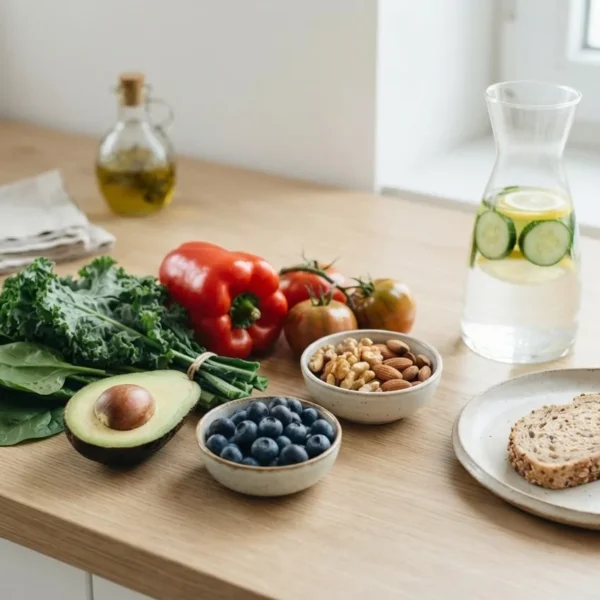
- Increase potassium and magnesium through food. Eat 2–4 servings daily of potassium-rich foods (bananas, cooked spinach, baked potato with skin) and include magnesium sources (nuts, seeds, leafy greens). Potassium helps the kidneys excrete sodium and relaxes vessel walls; aim for ~3,500–4,700 mg potassium/day from foods, unless contraindicated by kidney disease.
- Lose 5–10% body weight if overweight. Expect systolic BP to fall ~5–10 mmHg per 10 kg weight loss. Use a 500 kcal/day deficit and combine with resistance and aerobic exercise. Monitor weekly and adjust caloric targets to sustain a 0.5–1 lb (0.25–0.5 kg) weekly loss.
- Exercise with structure: 30 minutes most days. Do 150 minutes/week of moderate aerobic activity (brisk walking, cycling) plus two sessions/week of resistance training. For fast visitors, a 10-minute brisk walk reduces systolic BP for several hours; cumulative effect reduces baseline BP over weeks.
- Practice daily stress reduction. Build a 10–20 minute daily routine of slow breathing, mindfulness, or yoga. Chronic stress raises sympathetic tone and inflammation. Keep a stress log and use measured BP readings to correlate triggers and improvements.
- Improve sleep: aim for 7–9 hours nightly. Address sleep apnea and insomnia. Poor sleep elevates sympathetic activity and cortisol; treating sleep apnea often lowers BP meaningfully. If you snore and are daytime sleepy, ask your clinician about a sleep study.
- Cut added sugars and replace saturated fats with unsaturated fats. Reduce sugary beverages, pastries, and ultra-processed snacks. Replace butter and fatty red meat with olive oil, fatty fish, and legumes. Limiting sugar and saturated fat reduces insulin resistance and vascular inflammation that raise BP.
- Limit alcohol to ≤1 drink/day for women, ≤2 for men. Excess alcohol raises BP and interferes with medication. A single heavy drinking episode can increase BP acutely and chronically over time.
- Quit smoking and avoid secondhand smoke. Nicotine constricts vessels and raises BP transiently; quitting improves vascular function within weeks to months. Seek counseling and pharmacologic aids as needed.
- Consider regular isometric handgrip training. Protocol: 4 sets of 2-min squeezes at 30% max, with 1-minute rests, three times per week. Evidence suggests small but consistent long-term reductions in resting BP.
- Monitor and log at-home readings for 30 days. Take morning and evening readings for the first week of any change, then weekly. Share logs with your clinician to personalize medication needs and adjustments.
- Use dietary patterns aligned with DASH principles. Emphasize fruits, vegetables, whole grains, low-fat dairy, lean proteins and nuts. For a deeper dive, see the DASH diet principles.
Transition: Now that you have routines to lower BP over weeks, knowing which foods spike pressure quickly helps you avoid instant setbacks.
Foods to Avoid That Raise Blood Pressure Quickly
Certain foods and ingredients can raise blood pressure acutely by increasing sodium load, triggering insulin spikes, or promoting vascular constriction through poor endothelial function.
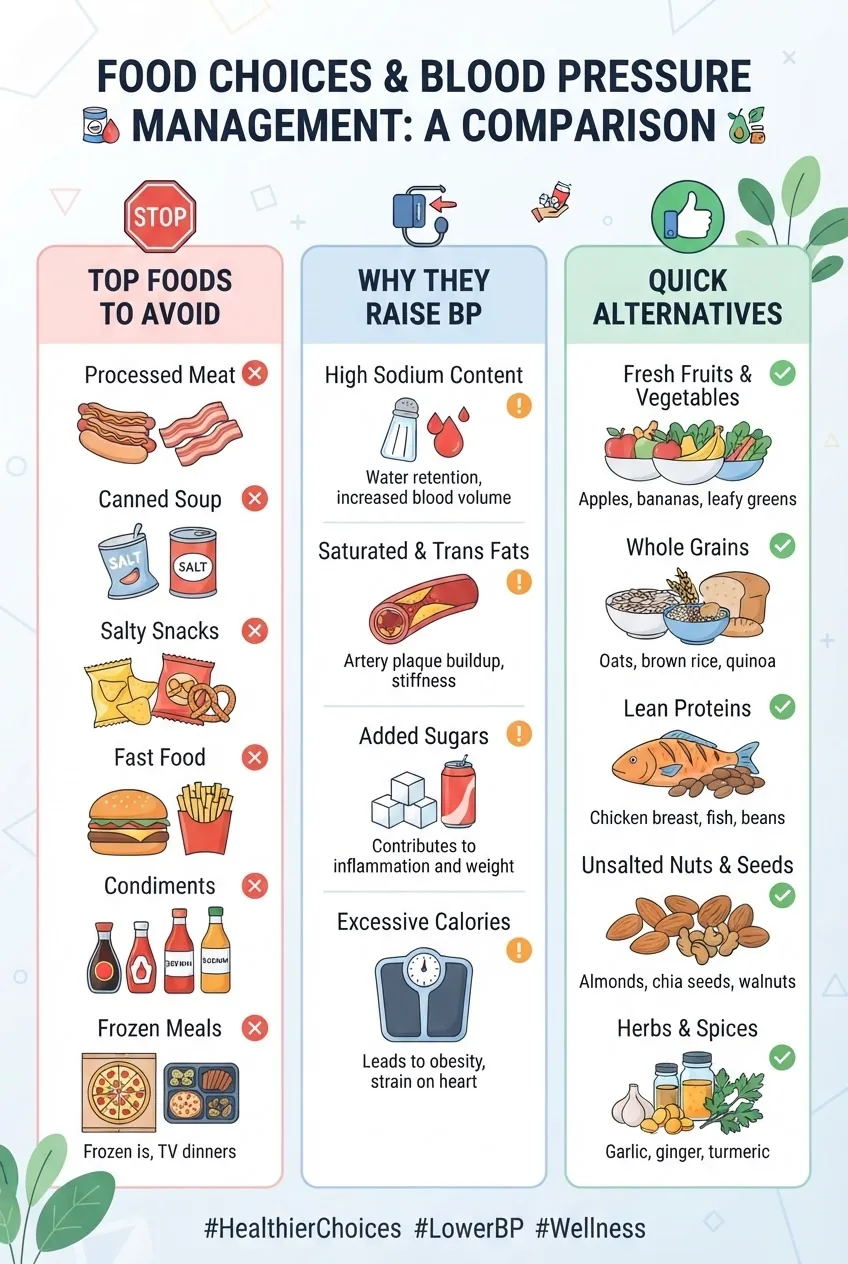
Common culprits:
- High-sodium processed foods: canned soups, deli meats, packaged ramen — these can add 800–1,500 mg sodium per serving.
- Fast food and fried items: high in salt and saturated fat, associated with acute BP increases after meals.
- Sugary drinks and sweets: liquid sugar causes rapid insulin elevation and may raise BP through sympathetic activation.
- High-saturated-fat cuts: fatty red meats and full-fat dairy in excess contribute to arterial stiffness.
- Excess alcohol: binge or heavy drinking episodes raise BP immediately and chronically.
- Highly caffeinated beverages: can raise BP transiently, especially in non-habitual consumers.
foods that cause high blood pressure gives recipes and swaps to remove these from daily menus.
Quick practical swaps: choose fresh or frozen vegetables instead of canned, grilled chicken instead of processed deli meats, water or sparkling water instead of soda, and olive oil instead of butter. When eating out, ask for sauces and dressings on the side, and request no added salt.
Transition: Replacing these problem foods with targeted choices can actively lower blood pressure — see the next section for foods that help.
What Foods Lower Blood Pressure: Natural Dietary Remedies
Use food to support vasodilation, reduce sodium retention, and supply minerals that relax vascular smooth muscle. Below are practical foods, servings, and brief science.
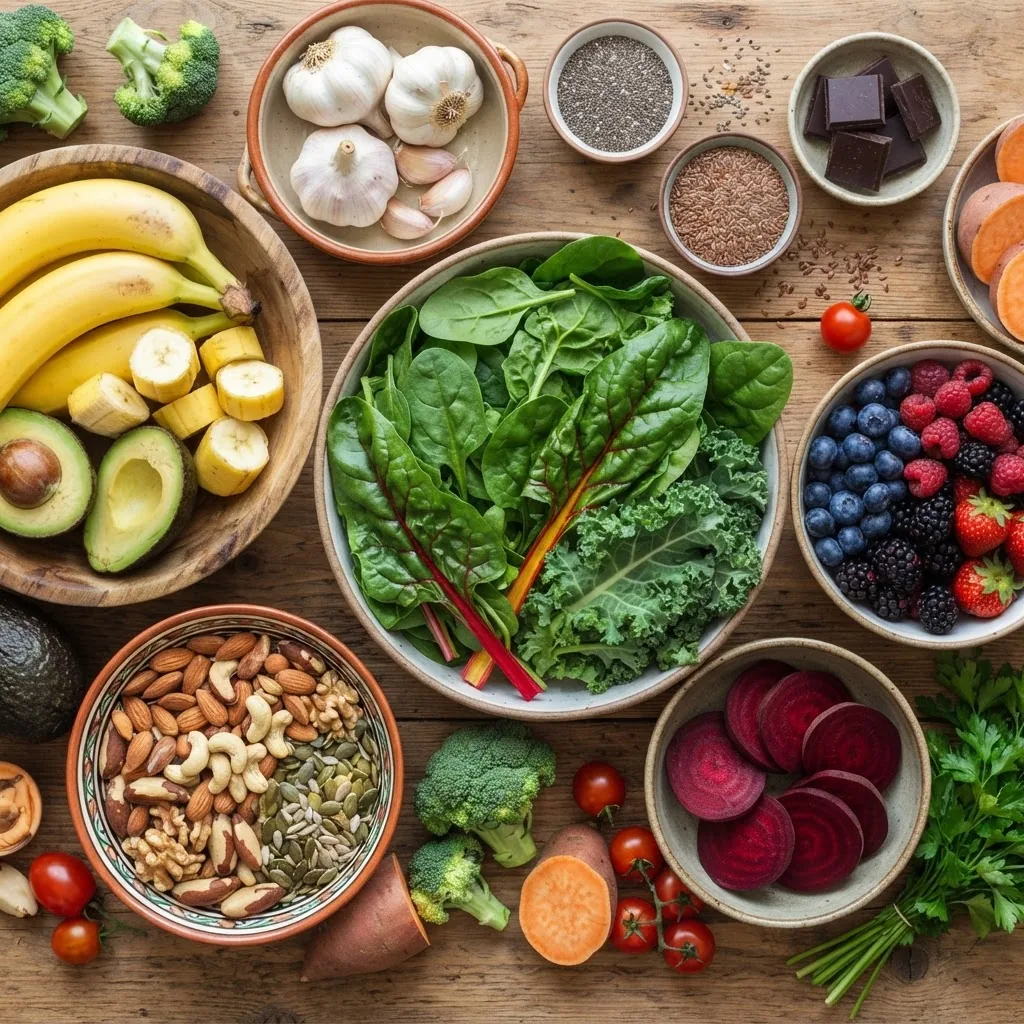
Key nutritional targets:
- Potassium-rich foods: 2–4 servings/day (e.g., 1 banana = ~420 mg potassium).
- Magnesium sources: 1–2 handfuls of nuts/seeds daily, leafy greens several times per week.
- Nitrate-rich vegetables: 1 small glass (100–200 ml) beetroot juice 2–3 times/week to increase nitric oxide.
- Antioxidant-rich fruits: berries and citrus to reduce oxidative stress supporting endothelial function.
Bullet list: practical foods to include
- Bananas, cooked spinach, baked sweet potato (potassium)
- Almonds, pumpkin seeds, legumes (magnesium)
- Beetroot and leafy greens (nitrate → nitric oxide)
- Garlic (allicin compounds linked to vasorelaxation)
- Fatty fish (omega-3 for endothelial health)
- Low-fat dairy or fortified alternatives (calcium)
- Berries, dark chocolate (≥70% cocoa) in moderation for antioxidants
Brief scientific explanation: Nitrates from beetroot convert to nitric oxide, which dilates blood vessels lowering resistance. Potassium counters sodium by increasing renal excretion and relaxing smooth muscle. Magnesium acts as a calcium-channel antagonist, promoting relaxation. Small controlled trials and meta-analyses have shown average systolic reductions of 4–8 mmHg when these elements are added to the diet regularly.
DASH diet principles support these choices without prescribing a strict menu here.
Transition: To prioritize food changes effectively, understand how sugar and saturated fat act on blood pressure physiologically.
How Sugar and Saturated Fat Affect Blood Pressure and Why Reducing Them Helps
Sugar and saturated fat impact blood pressure through overlapping metabolic and vascular pathways. Eating excess added sugar raises insulin and sympathetic activity, while saturated fat increases arterial stiffness and inflammation — both raise blood vessel constriction and resting pressure.
Mechanisms at a glance:
- Insulin resistance and sympathetic activation. Repeated high-sugar intake elevates insulin, which promotes sodium retention by kidneys and increases sympathetic nervous system activity — both raise BP.
- Endothelial dysfunction. Saturated fat and high sugar promote oxidative stress and inflammation that impair nitric oxide production, reducing vessel dilation capacity.
- Weight gain and visceral fat. Both excess sugar and saturated fats are calorie-dense and promote visceral adiposity, which secretes inflammatory cytokines that increase vascular resistance.
- Sodium handling. Diets high in processed sugar often accompany high sodium intake, compounding BP elevation through water retention and increased blood volume.
To learn more about types of sugar and their different metabolic effects, consult the Natural vs Added Sugar Guide with Health and Nutrition Facts.
daily sugar intake guidelines and blood sugar levels and health explain how lowering added sugar supports BP control.
Practical takeaway: Replace sugary drinks with water or unsweetened tea, limit desserts to occasional small portions, and favor whole fruits (fiber slows glucose absorption). Swap saturated fat sources (butter, full-fat cheese, fatty red cuts) for olive oil, avocados, and oily fish to improve endothelial function over weeks.
Transition: While natural measures are powerful, there are times to seek medical help and consider medications.
When to Seek Medical Help and Use Blood Pressure Medication
Emergency precautions: If your reading is >180 systolic or >120 diastolic, or if you have chest pain, shortness of breath, sudden weakness, confusion, or vision changes, call emergency services immediately — this may be a hypertensive crisis.
According to a 2024 American Heart Association report, prescription medications are recommended when lifestyle measures alone do not reach target BP or when readings are stage 2 or higher. Medications — ACE inhibitors, ARBs, calcium channel blockers, diuretics — are prescribed based on patient profile and clinician judgment. Natural remedies can complement but not replace prescribed medication without clinician approval.
See your clinician promptly if at-home readings consistently exceed targets, if you experience side effects, or if you have other conditions like chronic kidney disease, heart disease, or pregnancy. The Centers for Disease Control and Prevention provides public health advice and resources for monitoring and care.
Hands-On Step-by-Step Routine: Daily and Emergency
Below is a compact daily routine and an emergency quick-action sequence you can perform reliably. Follow quantities and timing exactly.
- Daily AM routine (10–15 minutes). On waking: sit and record BP after 5 minutes rest. Drink 12–16 oz (350–475 ml) water. Do 10 minutes of brisk walking or a 10-minute bodyweight routine. Eat a potassium-rich breakfast (e.g., oatmeal with banana and a tablespoon of ground flaxseed).
- Lunch and mid-afternoon check (5 minutes). Choose a low-sodium meal, avoid soda, and take a seated 5-minute breathing break (4-6-8 pattern). Log BP if you track twice daily.
- Evening wind-down (15–20 minutes). 20 minutes of moderate activity or yoga; limit alcohol; eat dinner lower in saturated fat. Perform progressive muscle relaxation for 10 minutes before bed to support sleep quality.
- Emergency quick-action (under 30 minutes). If BP ≥160 systolic and you feel unwell: sit, measure, perform 5 minutes of deep breathing, drink 16–20 oz water, 2 minutes isometric handgrip, cool face splash, then re-measure after 20 minutes. If BP remains >180/120 or symptoms develop, seek emergency care.
Step-by-step breathing walkthrough (do this first for instant effect)
- Get settled. Sit with back supported, feet flat; rest arm on table at heart level.
- Start the 4-1-8 cycle. Inhale through the nose for exactly 4 seconds, hold 1 second, exhale slowly through the mouth for 8 seconds.
- Repeat 5 cycles. Total time ~5 minutes. Use a timer and focus on abdominal rise, not chest.
- Measure. Wait 1 minute, then take a blood pressure reading. Expect a 3–10 mmHg systolic reduction in many people.
Common mistakes and how to avoid them
I have repeatedly seen the same errors cause false readings or stalled progress:
- I once advised a patient who measured while standing after climbing stairs — the reading was falsely high. Always rest 5 minutes before measurement.
- People often think one normal home reading means everything’s fine. I emphasize logging two readings morning and evening for 7 days to establish trends.
- Many swap one unhealthy habit for another (e.g., giving up soda but adding sweetened yogurt). I recommend specific swaps and label-checking to avoid hidden sugars and sodium.
- Patients sometimes stop medications when they feel better. I always instruct them to consult their clinician before changing prescriptions.
Checklist: Verify your work
- Have you measured BP twice today after 5 minutes seated rest?
- Did you perform the breathing routine for 5 minutes and record before/after values?
- Did you limit sodium to ≤1,500–2,300 mg today and note intake?
- Did you consume at least one potassium-rich serving and one magnesium source?
- Is your weekly exercise ≥150 minutes of moderate activity?
- Are you logging readings and symptoms in a notebook or app for clinician review?
When to call in a professional
Contact your primary care clinician or cardiologist if: readings remain ≥140/90 after 2 weeks of consistent lifestyle changes, you have new chest pain, shortness of breath, neurological symptoms, or readings >180/120 with symptoms. For immediate danger signs, call emergency services.
Authoritative resources: for blood pressure targets and safety, consult the American Heart Association, the National Institutes of Health, and the Centers for Disease Control and Prevention.
Summary and call to action: You now have immediate tactics to lower readings within minutes and a clear 4–12 week plan to lower blood pressure naturally and sustainably. Track your readings, reduce sodium, cut added sugar and saturated fat, and use the breathing and hydration steps when readings spike. Start today: perform the 5-minute breathing + hydration routine and record the before/after values; book a follow-up with your clinician if readings remain high.