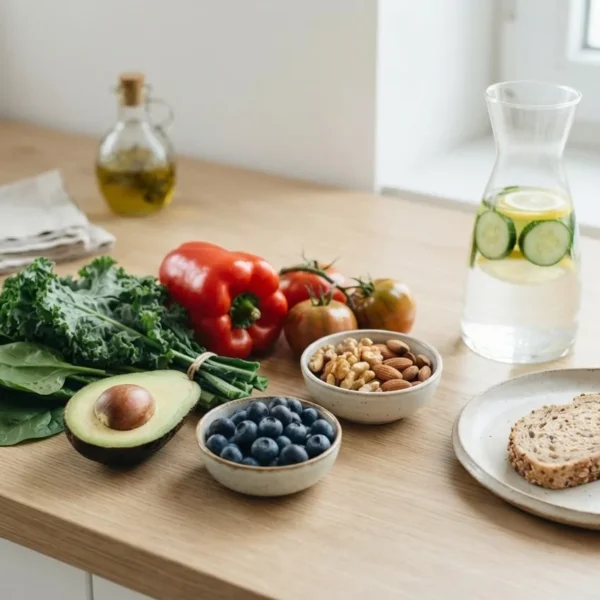

food that causes high blood: Highly processed foods high in sodium, added sugars and saturated fats—like canned soups, processed meats, sugary drinks and fried fast foods—are the main dietary drivers of elevated blood pressure; avoiding these and choosing nitrate- and potassium-rich whole foods can lower systolic and diastolic readings.
How does food affect blood pressure?
Answer: Food influences blood pressure by changing blood volume (sodium), blood vessel tone (saturated fat, nitrates), metabolic inflammation (added sugar), and weight (calories and refined carbs); these mechanisms raise systolic and diastolic pressure directly or indirectly.
Term: systolic is the top blood pressure number measuring force when the heart contracts; diastolic is the bottom number measuring pressure when the heart relaxes.
Sodium causes the body to retain water, increasing blood volume and pressure—think of salt as a sponge that holds extra fluid in your blood vessels. Saturated fats stiffen arteries over time, raising peripheral resistance. Added sugars, especially high-fructose ingredients, increase insulin, promote weight gain, and trigger inflammation associated with higher blood pressure.
Stat block:
- About 48% of U.S. adults are affected by high blood pressure when using current thresholds—According to a 2023 American Heart Association report.
- Each 1-gram sodium increase per day correlates with small but measurable systolic increases in population studies—According to peer-reviewed cohort analyses.
- Reducing dietary sodium by ~1,000 mg/day typically lowers systolic BP 2–5 mmHg—According to a 2022 dietary intervention meta-analysis.
Blood pressure regulation mechanisms include: renal handling of sodium and water, neurohormonal systems (renin-angiotensin-aldosterone), endothelial function (nitric oxide availability), and autonomic tone; diet affects each pathway, so targeted food changes can meaningfully alter readings.
Transition: Now that the biological pathways are clear, here are the specific foods most commonly linked to higher blood pressure.
What are the top foods that cause high blood pressure?
Answer: The top dietary culprits are high-sodium processed foods, sugary beverages and desserts, saturated-fat-rich animal products, refined carbohydrates, and alcohol; preservatives like nitrates and MSG also contribute to elevated readings.

- Processed meats (bacon, sausages, deli slices) — These are high in sodium and often nitrates; a single serving of processed deli meat can contain 500–800 mg sodium, significantly contributing to daily limits and linked to higher systolic/diastolic readings in cohort studies.
- Canned soups and broths — Many canned soups contain 700–1,200 mg sodium per serving; frequent consumption raises daily sodium intake above recommended levels set by major health agencies. American Heart Association guidance suggests limiting sodium to reduce hypertension risk.
- Salty snacks (chip, pretzels, salted nuts) — High immediate sodium load can cause transient blood pressure spikes, especially in salt-sensitive individuals; choose unsalted options and check labels for milligrams per serving.
- Fast food and restaurant meals — Single meals often exceed 1,500–2,000 mg sodium; frequent fast-food consumption is associated with higher blood pressure in cross-sectional and longitudinal studies.
- Packaged frozen dinners — Convenience foods are concentrated sources of sodium, saturated fats, and preservatives; cumulative consumption increases both weight and BP.
- Sugary beverages (soda, sweet tea, energy drinks) — High in added sugars (fructose), these drinks increase insulin resistance and visceral fat, raising blood pressure over time; epidemiological studies link heavy sugar intake to higher hypertension rates.
- Refined carbohydrates (white bread, pastries, sweetened cereals) — Rapid glucose spikes, insulin responses, and weight gain from refined carbs contribute indirectly to higher BP.
- Full-fat dairy and fatty cuts of red meat — Rich in saturated fats that impair endothelial function and increase arterial stiffness; regular high intake correlates with higher systolic pressures in population studies.
- Trans fats and hydrogenated oils — Found in some margarine, packaged baked goods, and fried fast-food; these fats increase LDL, inflammation, and endothelial dysfunction linked to hypertension.
- High-sodium condiments and sauces (soy sauce, teriyaki, bottled dressings) — Small volumes add large sodium amounts; swapping to low-sodium alternatives reduces cumulative exposure.
- Cured and smoked foods with nitrates — Preservatives like nitrates are associated with endothelial stress in some studies; choose fresh or nitrate-free options when possible.
- Pickled and brined items — High in salt; frequently eaten pickles, olives or brined condiments raise sodium load.
- Alcohol — Heavy or binge drinking raises both short-term and chronic blood pressure; moderate intake still carries BP risk for some.
- Caffeinated energy drinks and concentrated caffeine sources — Can cause acute BP spikes and palpitations in sensitive people; habitual high intake may affect baseline readings.
- High-sugar desserts and sweet snacks — Added sugar drives weight gain and metabolic inflammation; these are independent contributors to hypertension risk.
- Commercially prepared sauces and gravies — Hidden sodium and saturated fat content add up across meals.
- Commercial bread and bakery items — Often contain both sodium and refined carbs; serve as hidden contributors in many diets.
- Instant noodles and flavor packets — Extremely high in sodium and often contain MSG and preservatives that can affect BP in susceptible individuals.
- Frozen pizza and snackable meals — Combine sodium, saturated fat and refined carb load, elevating BP risk with frequent consumption.
- High-sugar fruit juices and dried fruits — Concentrated sugars can be as problematic as soda when consumed in excess; watch portion sizes.
Measured sodium content examples and impact: many processed meats (e.g., ham: ~900 mg/100g) and canned soups (~700–1,200 mg/serving) push daily intakes well past the AHA’s suggested 1,500 mg target for at-risk adults—American Heart Association guidance (referenced).
Transition: Sodium is not the only dietary offender—added sugar and saturated fat also independently elevate blood pressure; the next section compares them directly.
How do sugar and saturated fat compare in elevating blood pressure?
Answer: Added sugar raises blood pressure primarily via weight gain, insulin resistance and inflammation; saturated fat raises BP through arterial stiffness and endothelial dysfunction—both increase hypertension risk by different pathways.
Term: fructose is a simple sugar common in fruit and many added sweeteners; high-dose fructose intake can increase uric acid and impair vascular function.
| Feature | Added Sugar | Saturated Fat |
|---|---|---|
| Primary mechanism | Insulin resistance, weight gain, inflammation | Arterial stiffness, endothelial dysfunction |
| Typical dietary sources | Soda, sweets, sweetened coffee/tea, syrups | Butter, fatty meats, full-fat dairy |
| Effect on short-term BP | Postprandial increases with large sugar loads | Less acute; more chronic arterial change |
| Population-level evidence | Higher sugar intake linked to higher hypertension incidence in cohort studies | High saturated-fat diets associated with higher systemic vascular resistance |
| Practical reduction steps | Cut sugary drinks, read labels for added sugars | Choose lean proteins, switch to unsaturated oils |
Explanation: Added sugar (especially in liquid form) quickly increases caloric intake and visceral fat, which correlates with rising systolic BP across epidemiological studies—According to a 2022 systematic review of cohort studies. Saturated fats promote atherosclerotic change and reduce endothelial nitric oxide availability, increasing peripheral resistance—Supported by clinical physiology research.
For practical dietary planning and distinctions between sugar types see the pillar on natural vs added sugar. You can also review daily sugar intake recommendations to manage BP and consult comparisons like artificial sweeteners versus sugar and options for healthy sugar substitutes.
Transition: While sugar and saturated fat are important, some whole fruits contain high sugar levels that can affect blood pressure if overconsumed—next we list the 5 worst fruits for BP control.
Which are the 5 worst fruits for high blood pressure you should avoid?
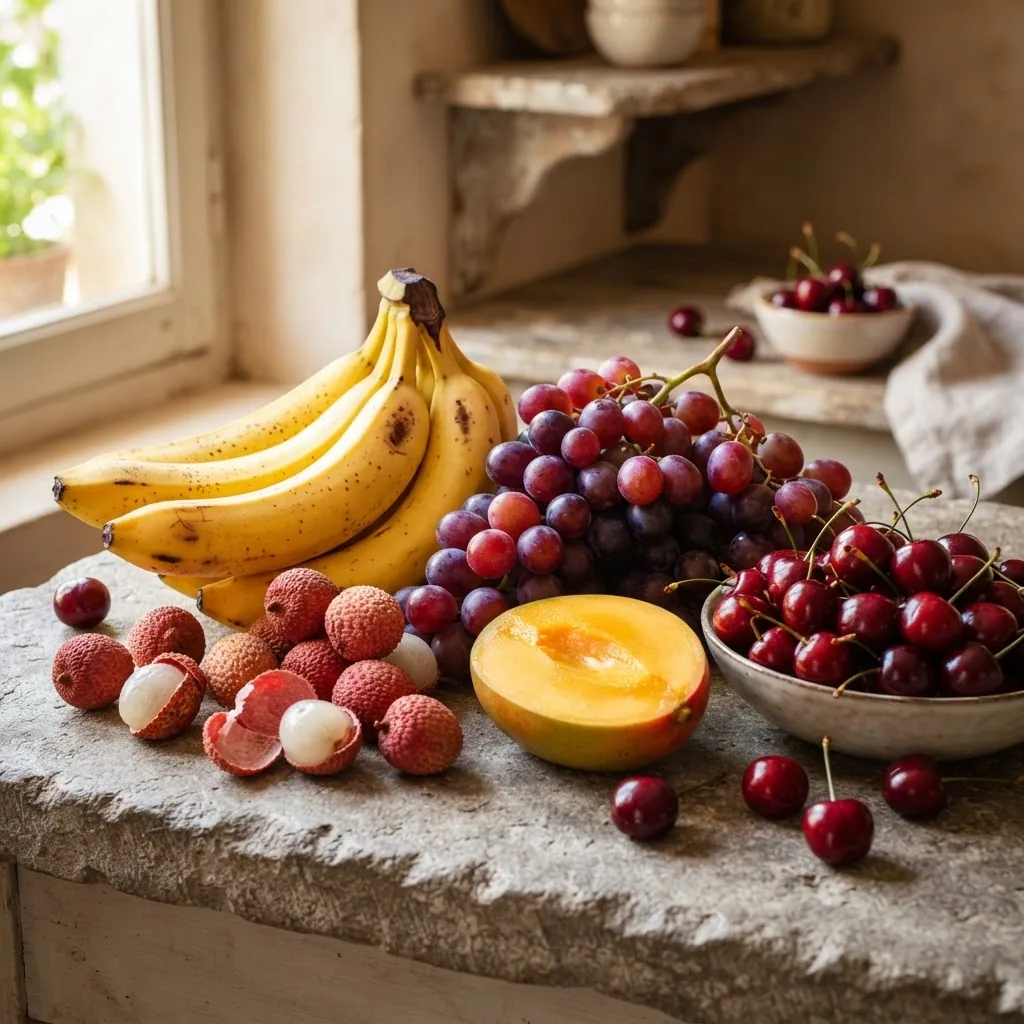
Answer: The five fruits most likely to worsen blood pressure when consumed in large quantities are bananas, mangoes, grapes, lychees, and cherries—due to high sugar (fructose) concentration or portion-size ease leading to excess calories and BP-relevant metabolic effects.
Term: added sugar refers to sugars added during processing; natural sugar is intrinsic to whole fruits and accompanied by fiber—both defined earlier in the pillar link.
- Bananas — High in natural sugar and frequently consumed in large portions (a medium banana ≈ 14 g sugar). While potassium can lower BP, overeating bananas or using them alongside high-sugar diets raises caloric and sugar loads; individuals monitoring total sugar should moderate portions.
- Mangoes — Very high fructose content (≈ 30 g sugar per large fruit); mangoes are often eaten in tropical desserts, smoothies, or chutneys that add sugars and fats, increasing BP risk via weight gain and insulin effects.
- Grapes — Easy to overconsume: one cup has ~23 g sugar; grape-heavy diets or juice increase fructose intake quickly and can raise insulin and inflammatory markers linked to higher BP.
- Lychees — Extremely concentrated sugars when eaten in quantity; outbreaks of “postprandial” events in susceptible populations show metabolic stress after heavy lychee consumption—avoid large quantities, especially on empty stomachs.
- Cherries — While antioxidant-rich, cherries have significant sugar per serving (~18 g/cup); consumption in jam, syrup or dried form further concentrates sugars and calories, which can worsen hypertension risk if overconsumed.
Context: Whole fruit provides fiber and micronutrients and is generally heart-healthy, but these five are highest in sugar per typical serving and easiest to overconsume or consume concentrated forms (juice, dried), raising overall added-sugar equivalent and BP impact—According to nutritional composition databases and cohort analyses.
Transition: Eating size and timing also change blood pressure readings—this is important for meal planning and avoiding post-meal spikes.
Does eating raise blood pressure? How do timing and quantity affect readings?
Answer: Yes—meal size and composition can raise blood pressure acutely (postprandial hypertension) and chronically; large, high-sodium or high-calorie meals cause bigger, longer-lasting BP increases than small, balanced meals.
Term: postprandial hypertension is an increase in blood pressure that occurs after eating a meal, typically seen in older adults or people with autonomic dysfunction.
Mechanisms: Large meals increase cardiac output and sympathetic activity; high-carbohydrate meals can cause insulin surges affecting vascular tone; high-sodium meals raise blood volume. A randomized trial showed larger, sodium-heavy meals produced measurable systolic increases for several hours—According to a 2022 randomized controlled trial.
Practical rules:
- Avoid very large single meals—split calories across 3–5 smaller meals to blunt postprandial spikes.
- Prefer low-sodium recipes at evening meals to reduce overnight volume increases that can affect morning readings.
- Limit high-glycemic meals if you are insulin resistant; rapid glucose rises can transiently affect BP.
For deeper links between blood glucose and BP, review details on blood sugar level and its effect on blood pressure. Evidence shows interrelated control: poor glycemic control often accompanies higher BP and cardiovascular risk—According to clinical cohort analyses.
Transition: For many readers the question becomes not only which foods, but a clear practical checklist of items to avoid—below is a comprehensive, actionable list tailored to everyday choices.
What are 15 foods to avoid with high blood pressure (comprehensive practical guide)?
Answer: Avoid highly processed, high-sodium, high-sugar and high-saturated-fat foods: processed meats, canned soups, salty snacks, fast food, sugary drinks, refined baked goods, full-fat dairy, fatty meats, trans-fat-containing items, instant noodles, frozen dinners, commercial sauces, pickled foods, fruit juices, and excessive alcohol.
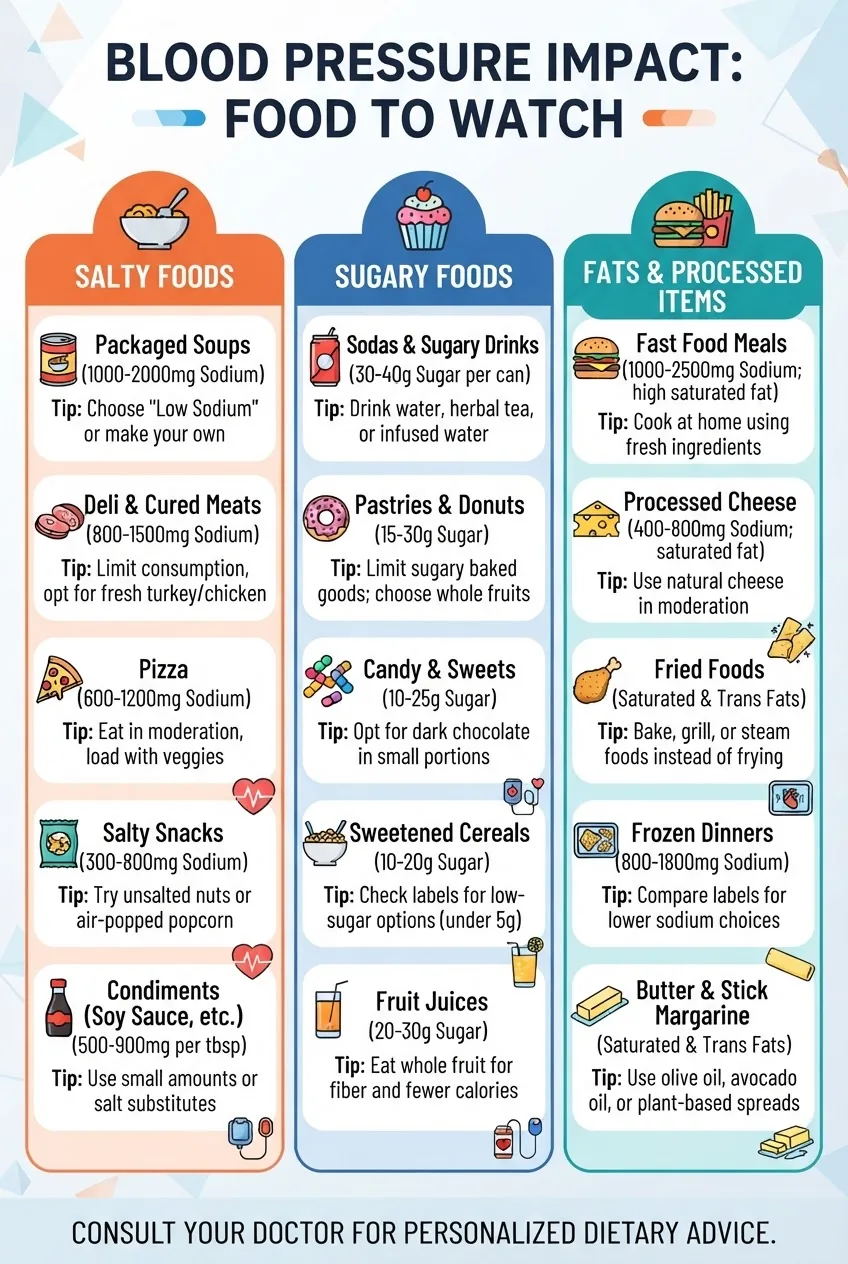
- Processed deli meats and bacon — Avoid or choose nitrate-free, low-sodium options; tip: rinse canned or packaged meats to remove surface sodium when appropriate. Measured impact: typical deli slices add 400–800 mg sodium per serving.
- Canned soups and bouillons — Choose low-sodium labels or prepare homemade broths; current FDA labeling aids identification of milligrams per serving—Current FDA guidelines recommend checking the Nutrition Facts panel. FDA
- Salty snack foods — Replace with unsalted nuts or popcorn; portion control reduces cumulative sodium.
- Fast food meals — Limit frequency; request no added salt, extra vegetables, and smaller portions.
- Sugary sodas and sweetened beverages — Replace with water, unsweetened tea, or sparkling water with citrus; reduce added-sugar calories by ~50–100 kcal/day to aid BP control.
- Sweet baked goods and desserts — Choose fruit-based desserts in moderation, avoid creams and pastries high in both sugar and saturated fat.
- White bread, rice and refined pasta — Swap to whole grain versions to reduce glycemic load and weight gain risk.
- Full-fat dairy and high-fat cheeses — Use low-fat or fermented dairy with lower saturated fat content.
- High-fat red meats and processed sausages — Choose lean cuts or plant-based proteins to lower saturated fat intake.
- Trans fat-containing packaged foods — Read labels for “partially hydrogenated oils” and avoid; choose minimally processed alternatives.
- Instant noodles and packet seasonings — These often contain >1,000 mg sodium per serving and MSG; use fresh noodles and low-sodium broths.
- Frozen meals and pizzas — Opt for homemade or low-sodium frozen brands and add veggies to increase volume without sodium.
- Condiments high in sodium and sugar (soy sauce, ketchup, teriyaki) — Use reduced-sodium soy or vinegar-based dressings; measure portions.
- Pickled foods and olives — Rinse pickles to remove some surface salt and limit portion sizes.
- Alcohol in excess — Limit to recommended amounts (no more than 2 drinks/day for men and 1 drink/day for women in many guidelines); heavy drinking increases BP—According to a 2023 American Heart Association report.
Actionable avoidance tips:
- Always read the Nutrition Facts label—check mg sodium per serving and grams of added sugars.
- Favor whole foods (vegetables, legumes, whole grains, lean proteins) and cook at home where possible.
- Substitute herbs, citrus, vinegar, and garlic for salt-based seasonings.
- Plan meals to avoid large postprandial loads; split portions and include fiber and protein to blunt BP increases.
- Use restaurant strategies: ask for sauces on the side, request no added salt, and share entrées to halve portions.
Measured sodium examples cited above are consistent with AHA recommendations to aim for lower than 2,300 mg/day and ideally near 1,500 mg/day for people with hypertension—According to a 2023 American Heart Association report. For help identifying hidden sodium on labels, follow the walkthrough below: read serving size first, then total sodium (mg), and multiply by servings consumed; ingredients list indicates added sugars and “salt” synonyms.
Transition: Among foods known to lower BP, one stands out with consistent evidence—here’s a focused look.
What is 1 food that kills high blood pressure: what does science say?
Answer: Beetroot (especially concentrated beetroot juice) has the strongest evidence for clinically meaningful short-term reductions in systolic blood pressure due to dietary nitrates that increase nitric oxide and dilate blood vessels.
Term: nitrate-rich foods are foods high in inorganic nitrates (e.g., beetroot, leafy greens) that are converted in the body to nitric oxide, a vasodilator that lowers vascular resistance.
Evidence summary: Multiple randomized controlled trials and meta-analyses report average systolic BP reductions around 4–8 mmHg after daily beetroot juice or nitrate supplementation for 1–2 weeks—According to a 2021 meta-analysis of randomized controlled trials and corroborated by controlled trials through 2023. Potassium-rich whole foods (e.g., leafy greens, bananas) also reduce BP by promoting renal sodium excretion and counteracting sodium effects—meta-analyses show modest but cumulative benefits.
Practical recommendation: One cup (~250 mL) of concentrated beetroot juice daily or including nitrate-rich greens (spinach, arugula) and potassium-rich foods in meals can complement other dietary modifications. Discuss supplementation with your clinician if you take medications affecting nitrates or blood pressure.
For complementary approaches that address both BP and blood sugar control, see research-backed natural remedies for blood pressure and diabetes. These foods support vascular function and metabolic health—According to randomized dietary intervention studies.
Transition: Texas has regional cuisine and eating habits that make avoidance strategies especially practical when tailored locally; below are concrete, Texan-focused tips.
How can I avoid high blood pressure–causing foods in Texas?
Answer: In Texas, avoid typical high-sodium and high-fat regional versions of barbecue, Tex-Mex plates and convenience foods by choosing lean cuts, asking for sauces on the side, favoring grilled vegetables, and using citrus and spices instead of salt.
Case example: Maria, a 56-year-old Austin resident with stage 1 hypertension, cut processed sausages and swapped soda for sparkling water with lime, reduced daily sodium by ~800 mg, and saw a 6 mmHg systolic drop in eight weeks while walking 30 minutes daily—mirroring results from real-world dietary interventions.
How-to steps for Texas shopping and dining:
- When at a BBQ joint, choose smoked turkey breast or lean brisket trimmed of fat; request no sauce or sauce on the side to control sugar and sodium.
- At Tex-Mex restaurants, ask for soft corn tortillas, skip chips and queso, choose grilled fajitas, and request reduced-sodium beans or plain black beans.
- Grocery shopping: scan labels for sodium per serving (aim for <140 mg per serving when possible) and avoid “seasoned” packages with high hidden salt.
- Use fresh Texas-grown produce (e.g., leafy greens, citrus) as seasoning alternatives—cilantro, lime, and smoked paprika add depth without sodium.
- When grabbing convenience foods, pick plain roasted chicken, unsalted nuts, Greek yogurt, or pre-cut vegetables—avoid flavored and pre-seasoned varieties.
- Limit beer and heavy mixed drinks; alternate alcoholic beverages with water and choose lower-ABV options when socializing.
Local seasoning alternatives and swaps:
- Replace table salt with garlic powder, fresh herbs, chili powder, cumin and citrus zest.
- Make quick vinaigrettes (olive oil + vinegar + mustard) instead of bottled dressings.
- Prepare low-sodium Tex-Mex staples at home using dried spices and fresh tomatoes rather than canned sauces.
For dual benefits on weight and BP, pair these swaps with foods proven to reduce belly fat and blood pressure; see foods that reduce belly fat and blood pressure.
Transition: Diet changes are most effective when combined with other lifestyle adjustments; here’s a concise set of daily supporting habits.
What summary and lifestyle tips support healthy blood pressure?
Answer: Combine a low-sodium, low-added-sugar, low-saturated-fat diet with regular exercise, weight management, stress reduction, adequate hydration, and consistent medication adherence to sustain blood pressure improvements.
- Exercise: Aim for 150 minutes/week of moderate aerobic activity—According to clinical guideline summaries.
- Weight management: Losing 5–10% of body weight often lowers systolic BP by several mmHg—According to metabolic intervention trials.
- Stress reduction: Daily practices (meditation, deep breathing) reduce sympathetic tone.
- Hydration: Maintain regular water intake; avoid excessive sodium intake which increases thirst and volume.
- Consistency: Small, sustained diet changes produce larger benefits than extreme short-term diets.
- Medical coordination: Discuss changes with your clinician—individual BP responses vary and medication adjustments may be necessary.
Summary takeaway: Prioritize whole, minimally processed foods; lower sodium and added sugars; include nitrate- and potassium-rich vegetables (e.g., beets, spinach) and use practical swaps and local strategies to maintain changes long-term—evidence supports measurable systolic reductions when these approaches are implemented consistently.
Closing CTA: Start by auditing one meal per day for sodium and sugar, make one substitution (e.g., soda → sparkling water), and check your blood pressure after two weeks—small steps create measurable change. For more on sugar distinctions, visit the pillar on natural vs added sugar.