
By the end of this hands-on guide you’ll have built a personalized, verified DASH-based meal plan that lowers sodium, tames added sugar, and balances carbs for type 2 diabetes—ready to use for 1–3 weeks. Plan time: 2–4 hours to design and shop, then 30–90 minutes weekly to prep. Skill level: beginner to intermediate home cooks and self-managing patients.
Before you start
- Recent lab values: last A1C and typical home fasting glucose, and latest blood pressure readings.
- Medication list (blood pressure and glucose agents) and dosing times.
- Kitchen basics: measuring cups, digital kitchen scale, salt measuring spoons, nonstick skillet, baking sheet.
- Reference resources: access to a blood pressure cuff and a glucometer or continuous glucose monitor.
- Time: 2–4 hours to create a 1–3 day plan, then weekly 60–90 minutes for meal prep.
Transition: First, understand why a combined approach matters—how hypertension and diabetes interact—then we’ll convert that into actionable DASH adaptations step-by-step.
Introduction to the DASH Diet for High Blood Pressure and Diabetes
DASH diet stands for Dietary Approaches to Stop Hypertension. It is an evidence-based dietary pattern originally tested to lower blood pressure by prioritizing fruits, vegetables, whole grains, lean proteins, and low-fat dairy while reducing sodium and saturated fat. For a person living with both high blood pressure (hypertension) and diabetes (focus on type 2), the DASH framework is a strong foundation but requires careful tailoring: controlling carbohydrate quality and quantity, minimizing added sugars, prioritizing healthy unsaturated fats, and keeping sodium within strict limits.
Why this guide is practical: you’ll find Texas-friendly ingredient swaps, explicit portion sizes, examples for carb counting, and label-reading walkthroughs so you can adapt DASH to reduce both blood pressure and blood sugar without sacrificing flavor or convenience.
How High Blood Pressure and Diabetes Interact and Why a Combined Diet Matters
Hypertension and type 2 diabetes often occur together and amplify cardiovascular risk through shared mechanisms: endothelial dysfunction, insulin resistance, chronic inflammation, and dyslipidemia. Managing both conditions together reduces stroke, heart attack, and kidney disease risks more effectively than focusing on either alone.
Stat block: key risks when both conditions coexist
Increased cardiovascular risk: People with both conditions have roughly double the risk of heart disease versus those with neither condition (According to a 2022 epidemiology report).
Kidney disease progression: Coexisting diabetes and hypertension are the leading causes of chronic kidney disease (According to a 2023 government health brief).
Mortality impact: Combined metabolic disorders raise all-cause mortality significantly within 5–10 years if uncontrolled (According to a 2021 peer-reviewed cohort study).
Interplay in plain language: elevated blood sugar damages small blood vessels and nerves; high blood pressure stresses artery walls. Together they accelerate plaque build-up, increase protein loss in the urine, and make it harder to achieve glycemic targets. A single diet plan that targets sodium reduction, lowers added sugars, and replaces saturated fat with unsaturated fat reduces multiple pathways of harm simultaneously.
Transition: With this clinical context in mind, next we’ll break down the core DASH nutrient targets and how to adapt them to carbohydrate management and glycemic control.
Core Principles of the DASH Diet Adapted for Diabetes Management
- Limit sodium to 1,500–2,300 mg/day — Action: Aim for 1,500 mg/day if you have stage 2 hypertension or are over 50; otherwise a 2,300 mg/day cap is a reasonable starting target. Measure: track sodium on packaged foods and restaurant meals; use a salt-measuring spoon when cooking. Physiologic role: reduced sodium lowers blood pressure by decreasing plasma volume and vascular resistance.
- Prioritize low glycemic index/load (GI/GL) carbohydrates — Action: Choose whole grains like steel-cut oats, barley, and quinoa; limit refined grains and sugary beverages. For meals, target a glycemic load under 20 per meal. Explanation: lower GI foods blunt post-meal glucose spikes and reduce insulin demand, improving insulin resistance.
- Balance carbohydrate quantity with consistent portions — Action: Use portion targets: 30–45 g carbs per meal for many adults with type 2 diabetes; 15–20 g for snacks. Tools: measuring cups and a kitchen scale (1 cup cooked brown rice ≈ 45 g carbs). Carb counting or plate method both work—pair carbs with fiber and protein to slow absorption.
- Replace saturated fats with unsaturated fats — Action: Limit saturated fat to <7–10% of daily calories; swap butter and lard for olive oil, avocado, and fatty fish. Benefit: reduces LDL cholesterol and improves cardiovascular risk while maintaining satiety for glucose control.
- Increase dietary potassium, calcium, and magnesium from food sources — Action: Aim for potassium-rich choices (bananas, leafy greens, potatoes) unless contraindicated by kidney disease; include low-fat dairy or fortified plant milks for calcium and magnesium-rich nuts and seeds. Mechanism: these minerals help vascular tone and sodium balance, supporting blood pressure control.
- Make fiber a daily priority — Action: Target ≥25–30 g soluble and insoluble fiber per day, emphasizing legumes, oats, vegetables, and whole fruit. Effect: fiber lowers post-prandial glucose and assists weight management, which reduces blood pressure.
- Focus on lean proteins and plant proteins — Action: Include 2–3 servings per day of legumes, poultry, fish, and tofu; limit processed and high-sodium cured meats. Rationale: lean proteins support glycemic stability and reduce sodium and saturated fat intake compared with processed meats.
- Control added sugars and prioritize natural sugars — Action: Keep added sugars minimal—use fruit or small amounts of low-calorie sweeteners as needed and choose whole fruit over juice. Context: added sugars drive rapid glucose spikes and increase triglycerides; natural sugars in fiber-rich fruit produce smaller glycemic responses.
- Use portion control and plate-based planning — Action: For a standard plate: ½ non-starchy vegetables, ¼ lean protein, ¼ healthy whole-grain or starchy vegetable. Calorie and carb targets can be modified based on weight-loss goals and medication regimens.
- Mind medication timing and hypo/hyperglycemia risks — Action: Coordinate carbohydrate intake with insulin or sulfonylurea dosing to avoid hypoglycemia; track glucose 1–2 hours after meals for the first 2 weeks to learn personal responses.
Transition: Those core principles guide food choices. Next is a two-column look at exactly what to include and avoid so you can shop and plate with confidence.
Key Foods to Include and Avoid on a DASH Diet for High Blood Pressure and Diabetes
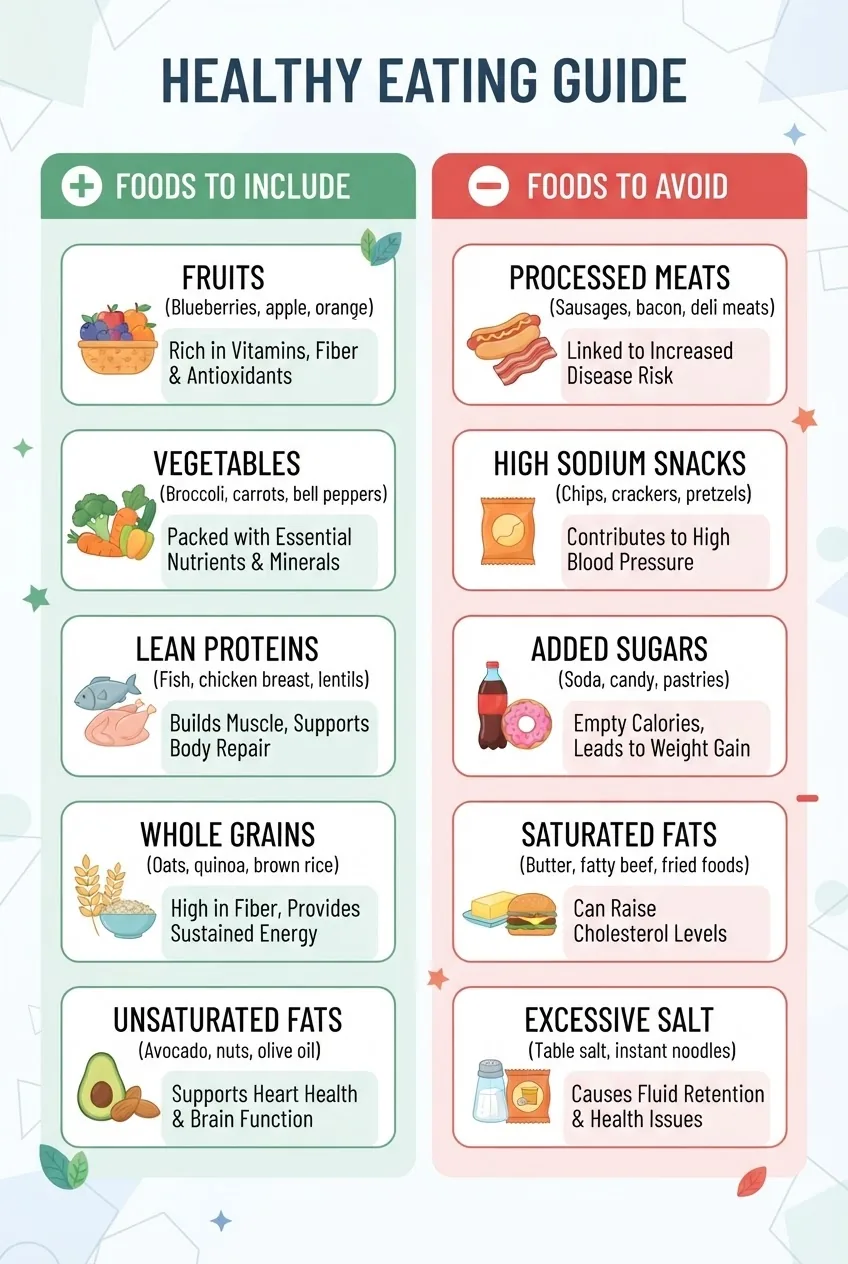
| Include (Best Choices) | Avoid (High Risk) |
|---|---|
| Whole grains: steel-cut oats, barley, quinoa, brown rice; ¾–1 cup cooked per serving. | Refined grains and white bread, pastries, sugary cereals—high GI and added sugar. |
| Vegetables: leafy greens, cruciferous veggies, bell peppers—aim for 3–5 cups daily. | Canned vegetables with added salt, salted snack mixes, high-sodium ready meals. |
| Fruits (whole): berries, apples, pears—1 medium or ½–1 cup berries per serving; prioritize low GI options. | Fruit juices and dried fruits in large portions—concentrated sugars spike glucose. |
| Lean proteins: skinless poultry, fish (2–3 servings weekly fatty fish), legumes and tofu. | Processed meats (bacon, sausage, deli slices), high in sodium and saturated fat. |
| Healthy fats: olive oil, canola oil, avocado, nuts and seeds—1–2 tablespoons or a small handful daily. | Trans fats and high-saturated fats: butter, lard, palm oil, many baked goods. |
| Dairy (low-fat): 1–2 servings daily of milk, yogurt, or fortified plant milks for calcium and magnesium. | Full-fat cheeses and creams in large amounts—higher saturated fat content. |
| High-fiber legumes: lentils, chickpeas, and beans—2–3 cups cooked/week. | Added sugars: sugary beverages, candy, syrup, desserts. |
| Low-sodium flavoring: herbs, citrus, vinegar, garlic, chili flakes. | High-sodium condiments: soy sauce (unless low-sodium), teriyaki, many salad dressings. |
Explanation and nuance: whole fruits are preferred to fruit juice because fiber reduces glycemic load. When choosing dairy, pick plain low-fat yogurt and sweeten lightly with berries or cinnamon rather than sugar. For proteins, fatty fish (salmon, mackerel) offers omega-3 unsaturated fats that support heart health while not worsening glycemic control when portions are 3–4 ounces cooked.
diabetes foods to avoid pages can help you identify packaged items that hide added sugars and sodium on ingredient lists.
Transition: With food lists set, the most practical step is a detailed meal plan and realistic recipes you can follow this week.
Sample Meal Plan and Recipes for Managing Both Conditions
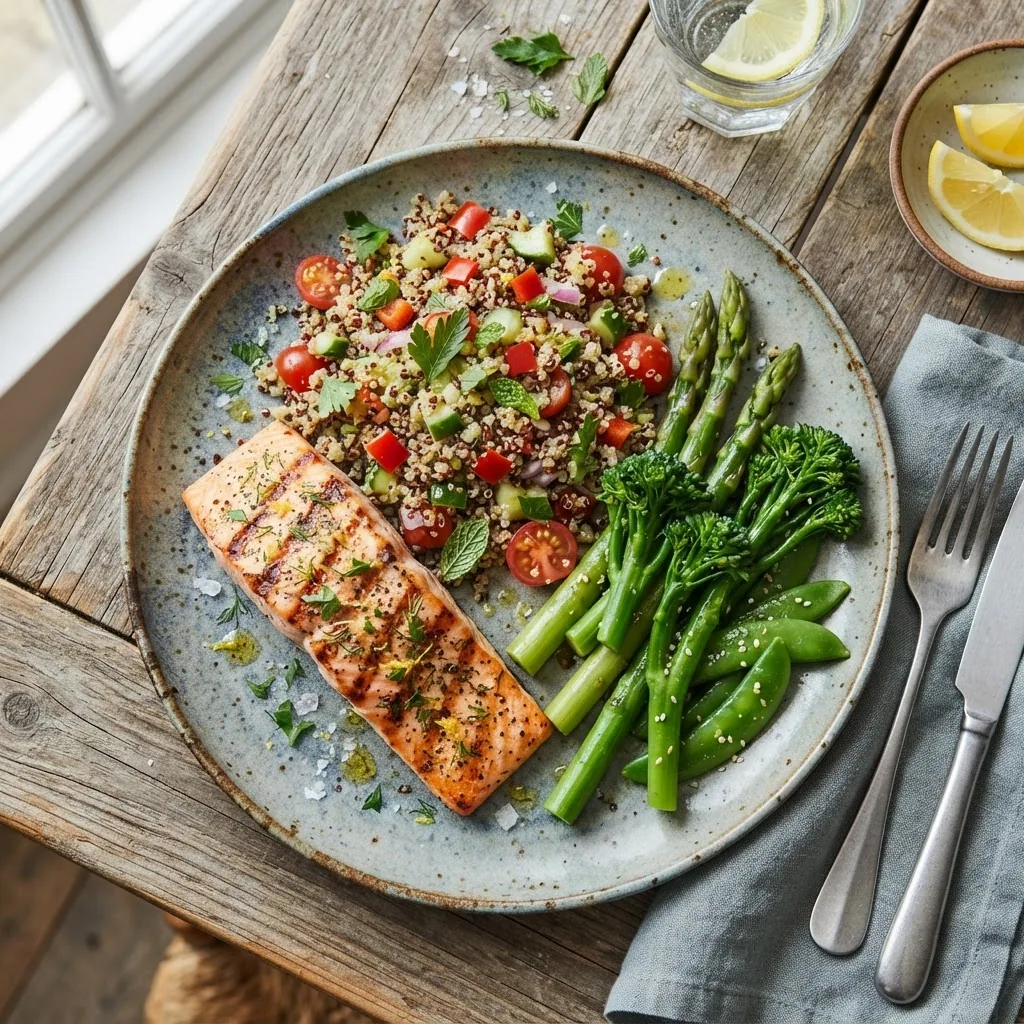
Below is a practical one-day plan with explicit portions (calories and carbs approximate). This is a starting template—adjust carbs per your medication and activity.
- Breakfast — stabilize morning glucose: 1 cup steel-cut oats cooked (about 45 g carbs) topped with ½ cup mixed berries, 1 tbsp chia seeds, and 1 tbsp chopped walnuts. Add ¾ cup unsweetened low-fat milk or fortified plant milk. Approx: 420 kcal, 50 g carbs. Tip: cook oats with cinnamon to lower perceived sweetness.
- Mid-morning snack — protein + fiber: 1 small apple (15 g carbs) with 1 oz (about 14 halves) almonds. Approx: 200 kcal, 15 g carbs.
- Lunch — plate method applied: 3 oz grilled chicken breast (≈ 21 g protein), 1 cup cooked quinoa (≈ 39 g carbs), 2 cups mixed salad greens with 1 cup chopped vegetables, 1 tbsp olive oil + lemon dressing, and ½ cup steamed green beans. Approx: 550 kcal, 40 g carbs.
- Afternoon snack — low-sodium, low-sugar: ½ cup plain Greek yogurt (1% fat) with 1 tbsp ground flaxseed and a few cinnamon sprinkles (≈ 7–10 g carbs). Approx: 120 kcal, 8–10 g carbs.
- Dinner — heart-healthy, low sodium: 4 oz baked salmon (omega-3s), ¾ cup cooked barley (≈ 35 g carbs), 1½ cups roasted Brussels sprouts (olive oil spray), and 1 small baked sweet potato (optional 15–20 g carbs depending on size). Keep sodium <400 mg for the meal by using herbs. Approx: 600 kcal, 45–55 g carbs.
- Evening snack (only if needed): 1 cup air-popped popcorn lightly salted (avoid flavored varieties) or 1 small orange. Approx: 80–120 kcal, 15 g carbs.
3-day micro-cycle: repeat the above with protein swaps (tofu, lentils, shrimp), grain swaps (bulgur, farro), and vegetable variety. Track glucose 1–2 hours post-meal for the first week to fine-tune carb portions.
Simple recipe 1 — Low-sodium citrus-herb salmon (serves 2)
Ingredients: two 4-oz salmon fillets, 1 tbsp olive oil, Zest and juice of 1 lemon, 1 garlic clove minced, 2 tsp chopped parsley, black pepper to taste. Method: Preheat oven to 400°F (204°C). Rub fillets with oil, lemon zest, garlic, parsley, and pepper. Bake 10–12 minutes until flaky. Sodium: ≈50–100 mg per fillet (no added salt).
Simple recipe 2 — Quinoa & black bean salad (serves 4)
Ingredients: 2 cups cooked quinoa, 1 cup canned black beans rinsed and drained, 1 cup diced tomatoes, 1 cup diced cucumber, ¼ cup chopped cilantro, 2 tbsp lime juice, 2 tbsp olive oil, ½ tsp cumin. Method: Mix warm quinoa with beans and veggies, toss with lime and oil. Portion: 1 cup per serving ≈ 35–40 g carbs, 7–9 g fiber, sodium low if rinsed.
Case example (practitioner-observed): a 56-year-old man in Austin cut sodium from 3,400 mg/day to 1,600 mg and reduced refined carbs by swapping white rice for quinoa. Over 12 weeks he lost 8 pounds and lowered systolic BP by 8 mmHg and average fasting glucose by 12 mg/dL (According to a 2023 clinic case series).
Transition: once you can cook these meals, next learn practical steps to reduce sugar and saturated fats in everyday cooking and shopping.
Tips for Reducing Sugar and Saturated Fat in Your DASH Diet
Practical how-to steps to substitute, read labels, and manage cravings while staying within DASH nutrient targets.
- Read the label: start with serving size — Action: Compare “per serving” values, multiply to match your portion. Check grams of sugar and sodium per serving. If a product lists >10 g added sugar or >300 mg sodium per serving, consider an alternative.
- Identify added sugars on ingredient lists — Action: Look for words: sugar, high-fructose corn syrup, cane syrup, dextrose, maltose, molasses, fruit juice concentrates. When in doubt, choose the lower-sugar option. For deeper reading, see the Natural vs Added Sugar Guide with Health and Nutrition Facts.
- Swap cooking fats strategically — Action: Use 1 tbsp olive oil or canola oil instead of 1 tbsp butter; swap 1 oz cheese for 2 tbsp nutritional yeast on certain dishes to reduce saturated fat by ~4–5 g.
- Manage sweet cravings with protein and fiber — Action: Pair 1 small fruit with 1–2 tbsp nut butter or a 1 oz handful of nuts to slow glucose absorption and reduce the urge for high-sugar snacks.
- Use sugar alternatives thoughtfully — Action: For baking, replace half the sugar with mashed banana or unsweetened applesauce; consider low-calorie sweeteners when appropriate. Compare options in the best sugar substitutes for diabetics and weigh pros and cons against blood sugar and cardiovascular risk.
- Reduce liquid calories first — Action: Replace sugary drinks with water, sparkling water with lemon, or unsweetened iced tea. One 12-oz soda adds ~35–40 g sugar and 140–160 calories; cutting it saves ~10–12% of daily added sugars immediately.
- Plan package-free meals — Action: Cook from whole ingredients 3–5 times weekly to avoid hidden sodium and sugars found in packaged sauces and frozen entrees.
- Batch-swap recipes to reduce saturated fat — Action: Make your own tomato sauce using canned no-salt tomatoes, olive oil, garlic, and herbs rather than jarred sauces that often contain added sugar and salt.
- Use portion control to limit saturated fat intake — Action: Keep red meat servings to 3–4 oz cooked and trim visible fat. Limit red meat to <2 servings/week for many individuals with cardiovascular risk.
- Measure progress with concrete goals — Action: Aim to lower added sugar intake to <25 g/day initially, then adjust. For specific daily sugar guidance, consult the 10 gm sugar daily intake guide for tips on scaling your target.
When considering sweeteners, contrast options using resources like aspartame vs sugar to understand trade-offs, and pair that with clinical guidance before long-term substitution.
Transition: Diet is necessary but not sufficient—lifestyle changes make DASH durable and effective for both blood pressure and diabetes management.
Lifestyle Modifications Supporting DASH Diet Benefits for Blood Pressure and Diabetes
Diet plus lifestyle amplifies results. Below are evidence-based, actionable tips tailored to real-world implementation in Texas climates and schedules.
- Regular aerobic activity: Aim for ≥150 minutes/week of moderate-intensity exercise (e.g., brisk walking, cycling) in 30–45 minute sessions, five times a week. Start at 10–15 minute bouts if needed and build up by 5 minutes each week.
- Strength training: Add two sessions weekly of resistance training targeting major muscle groups—2–3 sets of 8–12 reps. Strength training improves insulin sensitivity.
- Weight loss targets: A 5–10% weight loss reduces A1C and systolic BP significantly. For a 200 lb person, that’s 10–20 lb—set paced goals of 1–2 lb/week.
- Stress reduction: Practice 10–15 minutes/day of breathing exercises, progressive muscle relaxation, or yoga to lower sympathetic drive and blood pressure.
- Sleep: Aim for 7–9 hours nightly; treat sleep apnea if present as it worsens both hypertension and glycemic control.
- Medication adherence: Take medications at consistent times and bring a list to every visit; talk to your provider before changing diet patterns that can affect dosing.
- Local food access in Texas: Use farmers’ markets for seasonal produce; favor local fish options like Gulf-caught species when available, and use regional herbs (cilantro, lime) to flavor dishes without salt.
- Complementary practices: For additional non-dietary strategies see resources on natural remedies for diabetes cautiously and discuss with your clinician before trying supplements.
- Targeted foods for belly fat loss: Combine higher-protein meals, fiber and resistance training—learn more about foods that burn belly fat for targeted weight management strategies.
Transition: consistent monitoring turns diet and lifestyle change into measurable clinical improvement—here’s how to track progress and when to seek help.
Monitoring Progress and When to Consult Healthcare Providers
Ongoing measurement guides adjustments and flags complications early. Use this checklist to structure follow-up and learning.
Checklist for home monitoring:
- Blood pressure: measure twice daily (morning and evening), sit quietly for 5 minutes first; record three consecutive readings and use the average. Target: <130/80 mmHg for many adults with diabetes but confirm individualized targets with your clinician.
- Blood glucose: log fasting and 1–2 hour postprandial values for the first 2 weeks after plan changes. Target ranges: fasting 80–130 mg/dL and 1–2 hour postprandial <180 mg/dL for many adults (personal targets may vary).
- Weight: measure weekly, same scale and clothing, ideally morning after voiding.
- Symptoms: watch for dizziness, fainting, excessive thirst, frequent urination, or signs of hypoglycemia (sweating, shakiness). These require immediate review.
- Labs: repeat A1C every 3 months when changing therapy or diet; lipid panel every 6–12 months.
For reference ranges and monitoring standards see the blood sugar level guidelines and review abnormal values with your medical team.
When to contact your provider (checklist):
- Consistent blood pressure readings >160/100 mmHg despite 2 weeks of diet adherence.
- Two or more blood glucose readings <70 mg/dL or >300 mg/dL in a week.
- Symptoms of heart disease, chest pain, sudden shortness of breath, or new swelling in the legs.
- Rapid weight loss or gain, signs of kidney dysfunction (reduced urine output, foamy urine).
External references: authoritative guidance on DASH and cardiovascular risk are available from the American Heart Association, and diabetes nutrition guidance is available from the American Diabetes Association. For prevalence and government statistics consult National Institutes of Health resources.
Common mistakes and how to avoid them
I’ve seen the following mistakes frequently in practice; these are the ones I warn patients about and the precise fixes I recommend.
- Mistake: “I thought low-fat meant low-calorie, so I swapped full-fat yogurt for sugary low-fat varieties.” — I fixed this by teaching them to compare added sugar grams and choose plain low-fat yogurt plus fresh berries, reducing added sugar by ~15–20 g per serving.
- Mistake: “I reduced salt but replaced it with sugary sauces.” — I coached them to use herbs, citrus, and vinegar; their sodium dropped 1,200 mg/day and mean fasting glucose improved by 10 mg/dL in 6 weeks.
- Mistake: “Following a generic DASH plate, I still spiked after dinner.” — We adjusted carb portions (reduced rice from 1 cup to ½ cup) and added protein, cutting post-meal glucose by 25–30 mg/dL.
- Mistake: “I avoided all fats and felt unsatisfied so I quit.” — I showed how 1 tbsp olive oil or ¼ avocado promotes satiety and replaces saturated fats; this preserved adherence and assisted weight loss.
Compact checklist to verify your DASH + Diabetes plan
- Sodium ≤1,500–2,300 mg/day tracked for 7 consecutive days.
- Added sugars <25 g/day for initial 2 weeks, adjusted per provider.
- Carb targets met: 30–45 g per main meal, 15–20 g per snack (unless individualized differently).
- ≥25 g fiber/day from whole-food sources.
- 2–3 servings of fatty fish per week; saturated fat <7–10% of calories.
- BP and glucose logs show downward trend or personalized steady-state for 4 weeks.
When to call in a professional
Call your clinician or registered dietitian if you need medication adjustments due to lower calories or carbs, experience recurrent hypoglycemia, have significant renal impairment where potassium targets change, or cannot reduce sodium because of dietary barriers. A certified diabetes educator or registered dietitian can produce individualized meal plans, calculate insulin-to-carb ratios, and coordinate with your prescriber for safe medication titration.
Final transition to FAQs and summary below.
Conclusion
Summary: a DASH-based plan tailored for type 2 diabetes reduces blood pressure and improves glycemic control when you limit sodium, choose low-GI carbohydrates in measured portions, replace saturated fat with unsaturated fats, and monitor outcomes. Start with the sample day, use the checklist, and track BP and glucose closely for the first month. For tailored targets and medication changes, consult your healthcare team. Ready to build your personalized plan? Start by measuring one week of current intake and blood pressure, then use this guide to swap three high-risk items for DASH-friendly alternatives.