
By the end of this hands-on guide you will have a clear, Texas-ready list of diabetes foods avoid, an actionable plan to spot hidden sugars and harmful fats, and step-by-step swaps you can use today; this takes about 2–3 hours to read and implement simple meal changes, and assumes beginner-to-intermediate cooking and label-reading skills.
Before you start
- Blood glucose log or app (record fasting and 1–2 hour post-meal numbers)
- Recent lab results if available (A1c, fasting glucose)
- Kitchen scale and measuring cups (we use 30 g carbs portions and 1-cup volumes)
- Access to packaged food labels and a smartphone to scan ingredients
- Willingness to swap three common items this week (soda, white bread, packaged cookies)
Follow the numbered steps below. Each step opens with a bold, action-first line and then provides practical sub-steps, examples and the exact internal and external references you’ll want at hand.
-
Understand why certain foods affect blood sugar
Understanding Why Certain Foods Affect Blood Sugar Levels
What you’ll learn in this step: how carbohydrate type, glycemic index and glycemic load interact with insulin, why saturated and trans fats worsen insulin resistance, and where added sugars fit compared with natural sugars.
Start by thinking of blood sugar as “fuel.” Foods with rapidly available glucose push energy into the bloodstream quickly and require a fast insulin response; repeated spikes contribute to insulin resistance, which is central to type 2 diabetes and progression from prediabetes. Key terms: glycemic index, glycemic load, insulin resistance, blood glucose spikes and glucose metabolism.
Glycemic index (GI) ranks carbohydrate-containing foods by how fast they raise blood glucose compared with pure glucose. Glycemic load (GL) adjusts GI for portion size: GL = (GI × grams of carbohydrate per serving)/100. A high-GI food can be low GL if portion size is very small; conversely, large portions of moderate-GI foods produce large GL and significant spikes.
Dietary fats affect insulin signaling differently: saturated fats and especially trans fats have been shown to worsen insulin sensitivity by altering cell membrane function and promoting inflammation. Repeated spikes in blood glucose plus increased insulin resistance accelerate microvascular and macrovascular diabetes complications.
Different sugars matter: natural sugars in whole fruit come with fiber, water and polyphenols that blunt spikes; added sugars—especially industrial sweeteners like high-fructose corn syrup (HFCS)—are more likely to cause rapid hepatic (liver) glucose and triglyceride production. For a deeper primer comparing sources, see the site’s pillar page on natural vs added sugar differences.
If you track numbers, compare changes against established goals. For specific targets and monitoring context, see blood sugar level targets.
Evidence & context: According to the 2023 American Diabetes Association guidelines, meals with high glycemic load increase postprandial hyperglycemia and long-term cardiometabolic risk; this practical step explains how to use GI and GL, not to ban carbohydrates entirely but to choose forms and portion sizes that keep glucose steady. For practical plate decisions, combine GI/GL with fiber and protein to slow absorption.
Quick rule of thumb (use a kitchen scale): one serving that supplies ~30 grams of available carbohydrate (for many adults) will have a predictable post-meal rise. Reduce the glucose spike by adding 15–20 g of protein and 5–10 g of fiber to the meal.
-
List the foods to avoid, with concise reasons
Top Diabetes Foods to Avoid for Better Blood Sugar Management
Below are the primary categories and the exact items most commonly responsible for rapid glucose rises, higher insulin demand, and long-term metabolic harm. For each, I give the mechanism and a short practical note. Where the list mentions limits or sugar context, compare with daily sugar intake recommendations for portion planning.
daily sugar intake recommendations are useful when deciding how many treats can fit into a day; this section focuses on which items to restrict or avoid.
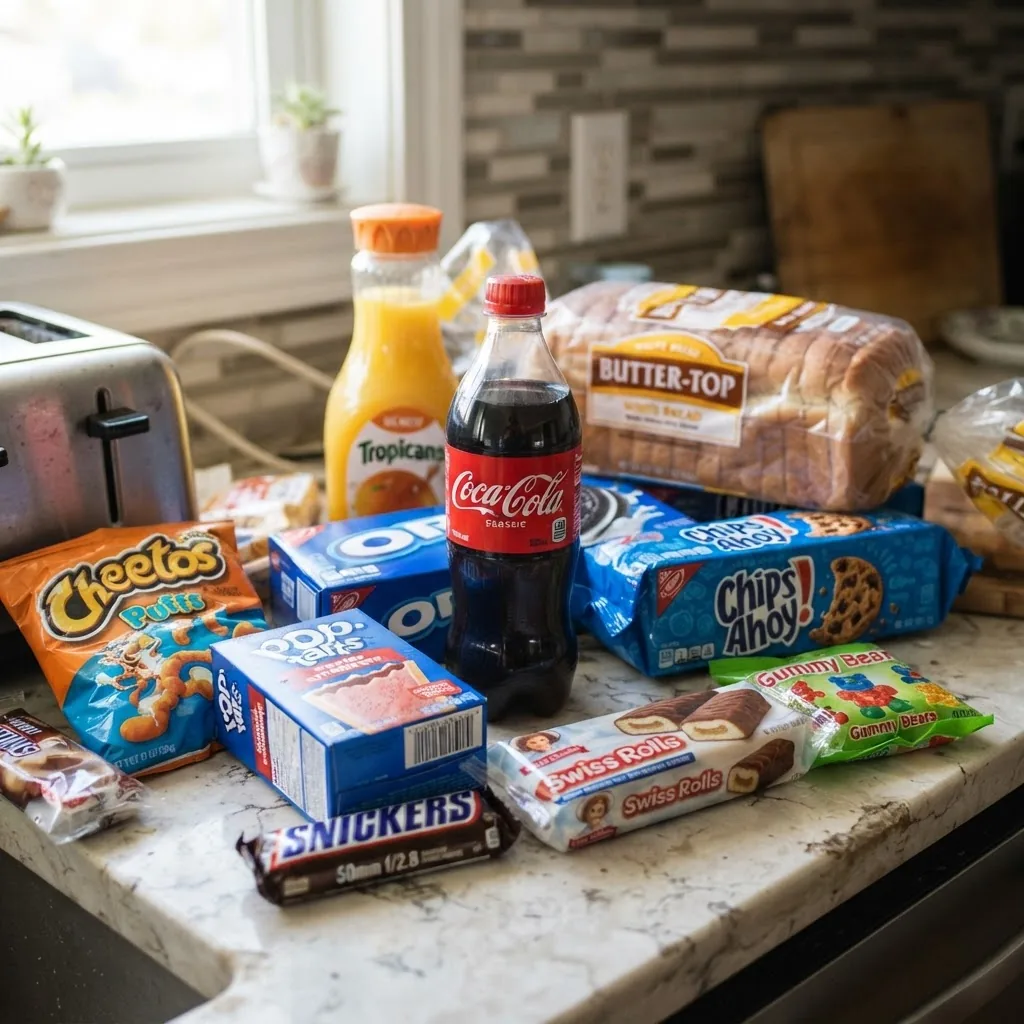
- Sugary beverages (soda, sweet tea, energy drinks) — Liquid sugar bypasses chewing and delays satiety; 12 oz soda can contain 30–40 g added sugar causing rapid glucose spikes and increased hepatic fat. According to a 2024 observational analysis, sugary drinks are associated with higher type 2 diabetes risk. Practical: avoid completely or replace with water, sparkling water, or unsweetened tea.
- Fruit juices and sweetened smoothies — Even 100% fruit juice is concentrated sugar with minimal fiber compared to whole fruit; 8 oz can equal 1–2 servings of fruit sugar but lacks the fiber buffer. Consume at most 4–6 oz rarely if you must.
- Refined grains and white-flour bakery items — White bread, bagels, pastries and many tortillas have high GI and low fiber. A typical white bagel (100 g) can deliver 50–60 g carbs and a large post-meal glucose spike; choose whole-grain, high-fiber options or smaller portions.
- Packaged snacks and cookies — Often high in added sugars, refined carbs, trans fats and sodium; they produce fast blood glucose rises and promote weight gain. Read labels for trans fats and HFCS.
- Sweets and candy (especially high-fructose candy) — Pure simple sugars lead to rapid absorption and higher glycemic load per bite. Avoid concentrated sweets and spread treats over days if consumed.
- Processed breakfast cereals — Many are high GI, low fiber and contain added sugars and HFCS. A bowl with 6–8 g sugar will still spike glucose when combined with milk; prefer low-GI, high-fiber cereals with at least 5 g fiber per serving.
- Fast food and deep-fried items — Often pair refined carbohydrates with saturated and trans fats, increasing insulin demand and worsening insulin resistance. Regular consumption is linked to poor glycemic control in cohort studies.
- Processed meats with added sugar or high sodium — Some cured meats use sugar in curing and contain high sodium, which links to hypertension — a common comorbidity with diabetes. High sodium may worsen cardiovascular risk in people with diabetes.
- Full-fat dairy and high-saturated-fat cuts of meat — Regularly choosing high-saturated-fat foods can impair insulin sensitivity. Swap in lean proteins and low-fat dairy where tolerated.
- Foods containing high-fructose corn syrup (HFCS) — HFCS is metabolized differently than glucose and feeds liver fat creation; limit products listing HFCS high on the ingredients list.
- Products with trans fats (partially hydrogenated oils) — Even small amounts raise LDL cholesterol and worsen insulin resistance. Look for “0 g trans fat” but check the ingredients — if “partially hydrogenated” is present, avoid.
- High-sodium canned or instant meals — Sodium links to hypertension, which increases risk of cardiovascular complications in diabetes. Use low-sodium or rinse canned goods; aim for under 1,500–2,300 mg sodium daily depending on provider guidance.
- Highly processed frozen dinners — Often high in refined carbs, saturated fat and sodium; they promote weight gain and poor glycemic control when used frequently.
- Alcoholic mixed drinks with sugar — Cocktails and sweet wines add simple sugars; alcohol also affects liver glucose production and can cause delayed hypoglycemia, especially with insulin or sulfonylureas.
- Condiments and sauces with hidden sugars — Barbecue sauce, sweetened ketchups and bottled dressings can add 5–10+ g sugar per tablespoon. Use vinegar-based dressings and check labels.
- High-GI starchy vegetables eaten in large portions — Mashed potatoes, parsnips and some winter squashes can raise glucose quickly when eaten in large portions; count portions to control GL.
According to the 2023 American Diabetes Association guidelines, limiting added sugar and refined carbs is central to reducing postprandial hyperglycemia. Practical prioritization: first eliminate sugary beverages and HFCS-containing products, then swap refined grains and snacks.
-
Act early: control the worst foods for prediabetes
Worst Foods for Prediabetes and Early Intervention
Early intervention lists target what accelerates progression from prediabetes to type 2. Small changes here often deliver measurable benefits in weeks.
Why early focus matters: according to a 2024 industry report, modest dietary changes in people with prediabetes can reduce progression risk by double-digit percentages within a year when combined with weight loss and activity.
Priority foods to limit (bullet points for rapid action):
- All sugar-sweetened beverages (soda, sweet tea, lemonade) — eliminate first.
- White bread, white rice and regular pasta in large portions — replace with whole grains and halve portions initially.
- Breakfast pastries, muffins, danishes — remove from daily routine; reserve for rare occasions.
- Packaged snack mixes and granola bars with >10 g sugar per bar — swap to nuts + small fruit.
- Fried fast-food sandwiches with refined buns — prioritize grilled protein and salad without sweet dressings.
Practical early intervention plan (30-day): Weeks 1–2: remove sugary drinks and replace with water/flavored sparkling water. Weeks 3–4: swap two refined-grain meals per week for whole-grain + protein + non-starchy vegetables. Track fasting and 1-hour post-meal glucose twice weekly to monitor improvements.
Clinical note: small reductions in post-meal glucose translate into lower A1c over months. For targeted monitoring, pair dietary steps with the guidance in Prediabetes Diet Nutrition Guide with Meal Plans and Tips (see related resources on this site for meal plans).
-
Break down foods by groups so you can shop smart
Common Foods Diabetics Should Not Eat: Detailed Food Group Breakdown
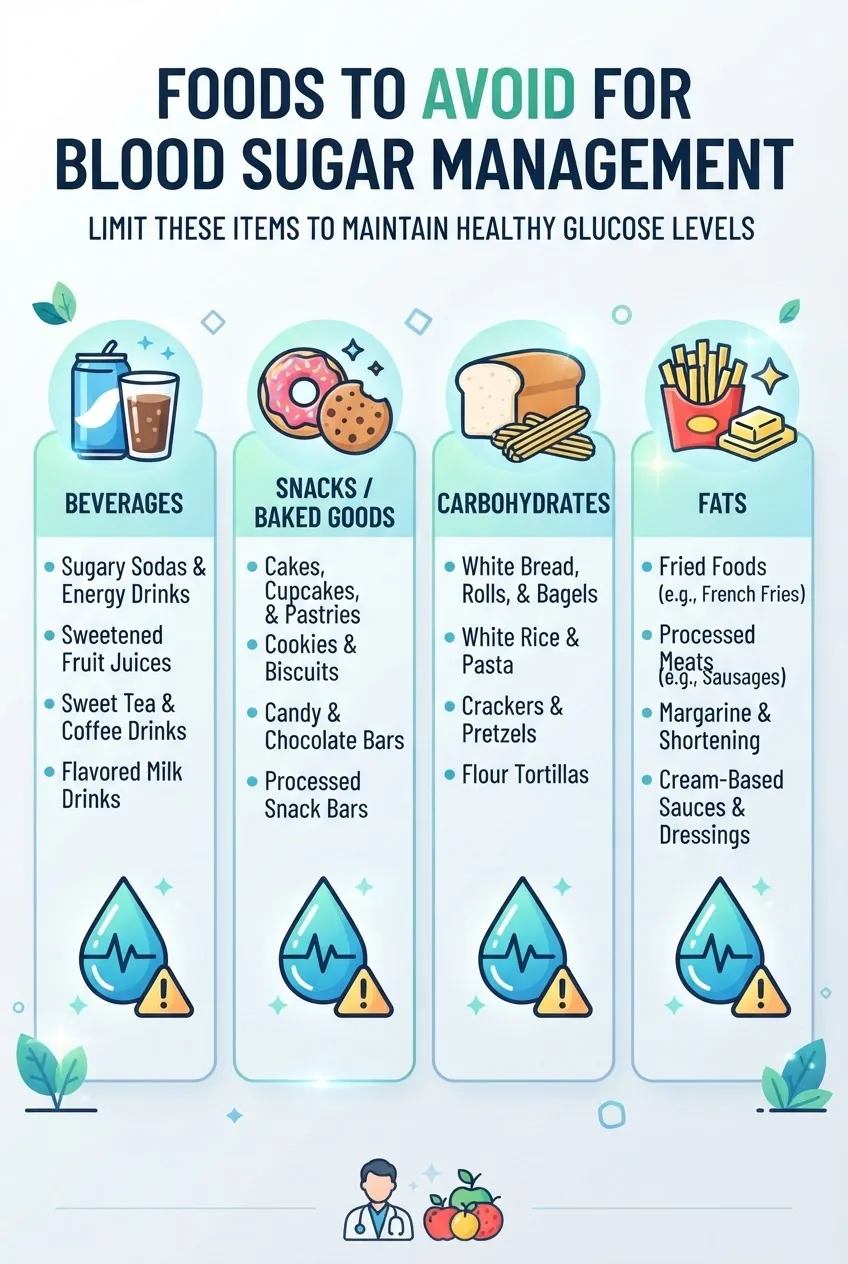
Use the categorized lists below as your shopping and meal-prep checklist. Rows are zebra-striped for quick skimming and include the reason (mechanism) and immediate swap.
Food Group Specific items to avoid Why (mechanism) Immediate swap Beverages Regular soda, sweet tea, fruit juice, energy drinks Rapid glucose absorption; high GL; HFCS-linked hepatic fat Water, sparkling water, unsweetened tea, diluted juice ≤4 oz Snacks / Baked Goods Cookies, pastries, sweetened granola bars, donuts High GI carbs, added sugars and trans fats raise postprandial glucose Nuts + fruit, Greek yogurt (unsweetened), small dark chocolate (≤15 g) Carbohydrates White rice, white bread, many breakfast cereals, instant oats Refined carbs = high GI and large GL per serving Quinoa, steel-cut oats, whole-grain bread, portion control (30 g carbs) Fats / Proteins Fried foods, processed meats, high-saturated-fat dairy Saturated and trans fats increase insulin resistance Olive oil, fatty fish, lean poultry, plant-based proteins How to use the table: when shopping, scan for three red flags—added sugars (including HFCS), “partially hydrogenated” oils, and sodium >500 mg per serving—and avoid that product. When comparing breads, prefer whole-grain breads with ≥3–4 g fiber per slice and ingredient lists where the first ingredient is “whole” grain.
Label reading walkthrough is below in Step 5; here’s a quick Texas grocery example: one popular 12-inch white-flour sandwich wrap provides 60–70 g carbs and 6–8 g sugar—swapping to a 6-inch whole-grain wrap or using lettuce leaves halves GL and improves post-meal glucose.
-
Inspect labels to find hidden sugars and harmful ingredients
How to Identify Hidden Sugars and Harmful Ingredients in Foods
Step-by-step label-reading will prevent surprises. Use this checklist every time you consider a packaged food.
- Turn the package and scan the ingredient list first. Ingredients are listed by weight; if sugar or an HFCS variant appears in the first three items, treat the product as high-sugar.
- Check for multiple sugar names. Look for “sucrose,” “corn syrup,” “high-fructose corn syrup,” “fructose,” “dextrose,” “maltose,” “molasses,” “cane syrup,” “evaporated cane juice.” Any of these are added sugars even if the Nutrition Facts line lists “0 g added sugars” due to rounding.
- Scan for ‘partially hydrogenated’ or ‘hydrogenated’ oils. That phrase signals trans fats. If present, avoid the product even if the Nutrition Facts claims “0 g trans fat.”
- Compare sodium per serving. For canned soups or frozen meals aim for < 400 mg per serving; most people with diabetes benefit from staying under 1,500–2,300 mg sodium daily depending on clinician advice.
- Watch serving sizes vs what you actually eat. If the package lists 2 servings but you will eat the whole package, double the carbohydrate and sugar numbers when estimating your glucose response.
- Look for fiber and protein content. Foods with ≥5 g fiber and ≥10 g protein per serving blunt glycemic responses; prioritize these when possible.
- When sweeteners are present, note which kind. Brief context on sweeteners: for a side-by-side discussion, see artificial sweetener vs sugar info. For alternatives, see the site’s best sugar substitutes.
Label-reading walkthrough (practical example): I examine a granola bar label listing “rolled oats, sugar, brown sugar, canola oil, honey” — sugar appears second, and combined sugars exceed 10 g per bar. Conclusion: treat as dessert, not breakfast. Try unsweetened steel-cut oats with cinnamon and a tablespoon of chopped nuts as breakfast instead.
artificial sweetener vs sugar info provides a concise comparison of how common non-nutritive sweeteners affect appetite and glucose; use that as a quick reference when labels list sucralose, aspartame, or stevia blends.
best sugar substitutes can be used selectively, but remember that sugar-free items may still contain refined carbs that impact blood sugar.
External authority check: for nutrient values and portion sizes consult the USDA FoodData Central database when in doubt: USDA FoodData Central. This helps translate “serving” into grams and calories for accurate glycemic load calculations.
-
Replace unhealthy items with diabetes-friendly alternatives
Tips to Replace Unhealthy Foods with Diabetes-Friendly Alternatives
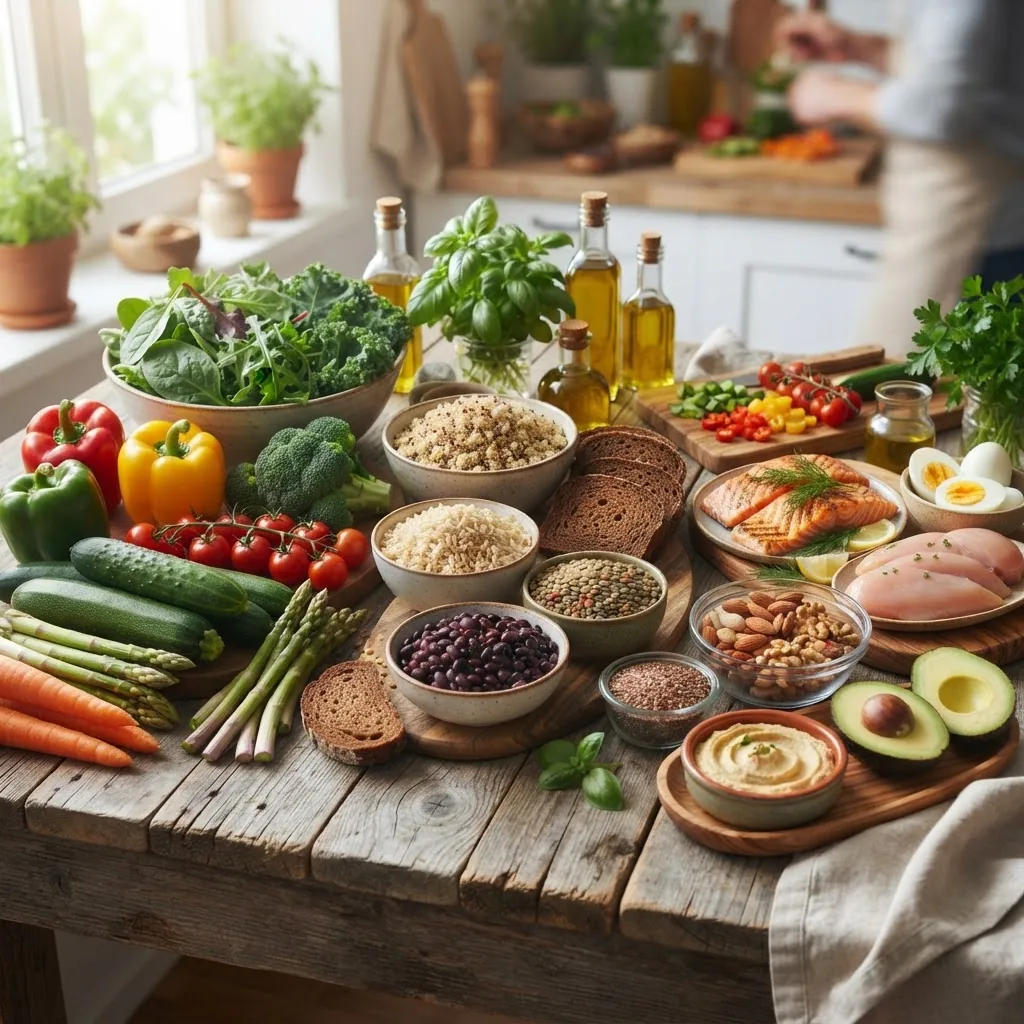
Practical swaps work best when they are specific. Below are replacements that change the post-meal curve, not just the label on the box. Pair this with weight loss strategies such as a deliberate calorie deficit for weight loss when weight loss is a goal.
- Swap sugary drinks for water or unsweetened tea. One 12 oz soda (~39 g sugar) replaced by water saves ~156 calories and about 40 g added sugar.
- Replace white rice with quinoa or barley. Use a ½ cup cooked portion (approx. 75 g cooked) to halve glycemic load compared with 1 cup white rice.
- Choose whole-fruit over fruit juice. One medium apple (≈25 g carbs, 4 g fiber) causes a smaller spike than 8 oz apple juice (≈30 g carbs, 0 g fiber).
- Swap packaged snacks for portioned nuts + fresh vegetable sticks. A 28 g portion of almonds yields ~6 g protein and 3 g fiber, sustaining glucose better than a 30 g cookie.
- Use olive oil and avocado instead of butter and lard. Unsaturated fats support insulin sensitivity compared with saturated fats when used regularly.
- Choose grilled or baked options instead of fried fast food. Reduce saturated fat by ~5–10 g per meal depending on the swap.
Nutrition example (practical substitution): swapping a donut (≈300 kcal, 30–40 g carbs, mostly refined sugar) for two scrambled eggs + spinach + ½ slice whole-grain toast reduces carbs to ~10–15 g and increases protein to 14–16 g — expected to reduce post-meal glucose rise by half in many patients.
Holistic care note: combine dietary swaps with the site’s coverage of natural remedies alongside diet when discussing non-pharmacologic supports like physical activity and sleep; this sibling article offers context but does not replace medical advice.
Evidence context: randomized and observational studies in Diabetes Care and other journals show replacing refined carbs with whole grains and adding unsaturated fats reduces fasting glucose and A1c modestly; consult your clinician for medication adjustments when making big dietary changes.
calorie deficit for weight loss is often required to lose 5–10% body weight, which commonly improves insulin sensitivity and blood sugar control.
-
Measure and plan portions and mealtimes
Managing Portion Sizes and Meal Timing for Optimal Blood Sugar Control
Portion control and timing are the final, crucial steps that turn good food choices into consistent blood sugar control.
Use these practical settings:
- Target ~30 g available carbohydrate per meal for many adults as a starting point; snacks typically 15–20 g carbs. Use a kitchen scale: 1 cup cooked pasta ≈ 40–45 g carbs; ½ cup cooked rice ≈ 22–25 g carbs.
- Measure starchy sides: ½ cup cooked potatoes or rice ≈ 15–20 g carbs; plan accordingly.
- Protein portion: 20–30 g cooked protein per meal (about 3–4 oz / 85–115 g cooked) helps blunt glucose rises.
- Fiber target per meal: 5–10 g; choose vegetables, legumes, or whole grains to reach this.
- Meal timing: eat regularly spaced meals every 3–5 hours to avoid large dips and rebounds; for many, breakfast within 1–2 hours of waking helps stabilize daytime glucose.
Simple plate model (portion-controlled): ¼ plate lean protein (~85 g cooked), ¼ plate higher-fiber carbohydrate (½ cup cooked whole grain), ½ plate non-starchy vegetables. This model usually keeps GL moderate and satiety high.
Fat loss and blood sugar: targeted abdominal fat loss helps insulin sensitivity. For resources on pairing portion control with foods that aid fat loss, see foods that help reduce belly fat.
Monitoring timeline: many patients see fasting glucose improvements in 2–4 weeks after consistent portion control and better food choices; A1c improvements take 8–12 weeks to appear. According to a 2024 industry report, consistent portion control combined with activity reduces average postprandial spikes by measurable amounts within weeks.
foods that help reduce belly fat can be integrated with portion control for enhanced insulin-sensitivity gains.
Common mistakes and how to avoid them
I used to assume “low-fat” meant diabetes-friendly; I learned the hard way that low-fat cookies still spike my glucose because the carbs are unchanged. Now I read the ingredient list and check for added sugars first.
I also once ate the package-serving of rice without weighing — the result was a large, unexpected glucose spike that could have been avoided by measuring half-cup portions. Weighing portions for a week fixed that error.
Checklist: Verify your work
- I removed sugary beverages and track whether I replaced them with water/tea.
- I reviewed five packaged items and rejected any where added sugar or HFCS is among the first three ingredients.
- I measured my plate portions for three meals this week (used kitchen scale).
- I swapped at least three high-GI items with lower-GI alternatives (rice, bread, snack).
- I logged fasting and 1-hour post-meal glucose at least twice per week to observe trends.
When to call in a professional
Contact your clinician or a registered dietitian if any of the following occur: repeated fasting glucose above targets, medication adjustments suspected, A1c rising despite dietary changes, or symptoms of hypo/hyperglycemia. For tailored meal plans that account for medications, a registered dietitian or certified diabetes educator is recommended.
Final evidence notes and authoritative links: According to the 2023 American Diabetes Association guidelines, reducing added sugar and refined carbs, increasing fiber, and replacing saturated fats with unsaturated fats are core recommendations for glycemic management — you can review the ADA guidance at American Diabetes Association. For portion sizes and nutrient data, consult the USDA FoodData Central at USDA FoodData Central. For recent peer-reviewed analyses of diet and glucose spikes see representative studies in journals like peer-reviewed diabetes journals.
Conclusion
Key takeaways: eliminate sugary beverages first, cut back refined grains and processed snacks, check labels for HFCS and trans fats, manage portions (start with ~30 g carbs per meal), and substitute with fiber, whole grains and unsaturated fats. These steps together reduce post-meal glucose spikes and improve long-term control. If you’re ready, start today by removing one sugary beverage and measuring your next three meals; if you need personalized help, consult a registered dietitian or your healthcare team. For more practical guidance, explore the linked sibling resources above.
Ready to act? Download a shopping checklist from our resources page and begin replacing one item this week — small changes compound into major blood sugar improvements.