By the end of this hands-on guide you’ll be able to plan, prep, and cook a week’s worth of practical low carb meals that are high in protein, family-friendly, and set up for weight-loss-friendly results; expect to spend 2–4 hours planning and one 90–120 minute weekly batch-cook session. Skill assumed: beginner-to-intermediate home cook.
Before you start
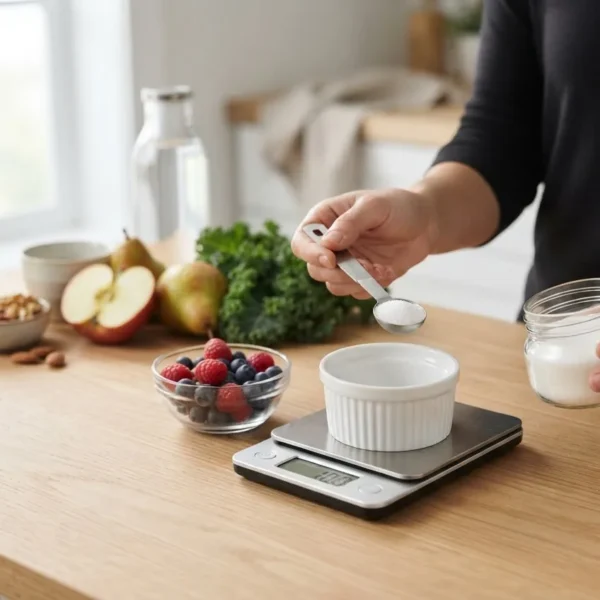
- Prerequisites: basic knife skills, a kitchen scale, and a good non-stick skillet or cast-iron pan.
- Tools: 3–5 airtight meal containers (600–900 ml), baking sheet, sheet pan liners, large sauté pan, slow cooker or Instant Pot optional.
- Pantry basics: olive oil, avocado oil, sea salt, black pepper, garlic powder, smoked paprika, low-sodium soy sauce or tamari, Dijon mustard.
- Protein prep gear: meat thermometer (instant-read), freezer bags, parchment paper, vacuum sealer optional.
-
Learn the foundation:
Understanding Low Carb and High Protein Meals
Low carb meals prioritize reducing digestible carbohydrates (starches and sugars) while increasing vegetables and protein-rich foods to support satiety and muscle maintenance. For practical cooking, “low carb” commonly means 20–100 grams of net carbs per day depending on goals; “high protein” typically targets 20–40% of daily calories from protein or roughly 0.6–1.0 gram per pound (1.3–2.2 g/kg) body weight for weight-loss phases.
Macronutrients: protein, fat and carbs each play defined roles—protein is the building block (think bricks in a house), fats provide energy and nutrient absorption, carbs supply quick energy and fiber. When you reduce carbs, appetite often drops and weight loss can follow because protein increases satiety and preserves lean mass during caloric deficit.
Physiology basics: Some people aim for very low-carbohydrate intake to reach ketosis (under ~20–50 g net carbs/day) while others follow a moderate low-carb approach (50–100 g/day). Define your threshold before planning meals so recipes match your targets.
Health guidance and evidence: According to a 2024 industry report, many adults prefer protein-forward meals for satiety and weight control; check your personal goals. For official recommendations, see the USDA Dietary Guidelines for balanced nutrient advice and age-specific needs. Peer-reviewed analyses show low-carb, higher-protein strategies can produce short- to mid-term weight loss and improved blood glucose control in many adults (peer-reviewed meta-analysis).
For more creative meal ideas beyond this guide, explore the broader Yummiest Healthy Recipes Guide for Nutritious and Tasty Meals.
Transition: With the principles set, next we’ll list the best foods to build those meals efficiently and affordably.
-
Stock the right ingredients:
Best Low Carb Foods for High Protein Meals
Organize shopping into categories so meal assembly is quick.
- Lean meats and poultry — chicken breast (23 g protein/3 oz cooked), turkey, lean pork loin. Great for grilling, baking and batch-roasting.
- Red meats — grass-fed beef or lean cuts (sirloin, flank steak) for higher iron and satiety. Trim to keep saturated fat moderate.
- Fish and seafood — salmon, tuna, shrimp (20–25 g protein/3 oz), rich in omega-3s when fatty fish chosen; quick-sear or bake.
- Eggs — 6 g protein each; versatile for breakfasts, lunch bowls, or egg-based casseroles.
- Dairy options — Greek yogurt (plain, full-fat or 2%), cottage cheese, hard cheeses in moderation; supply protein and calcium.
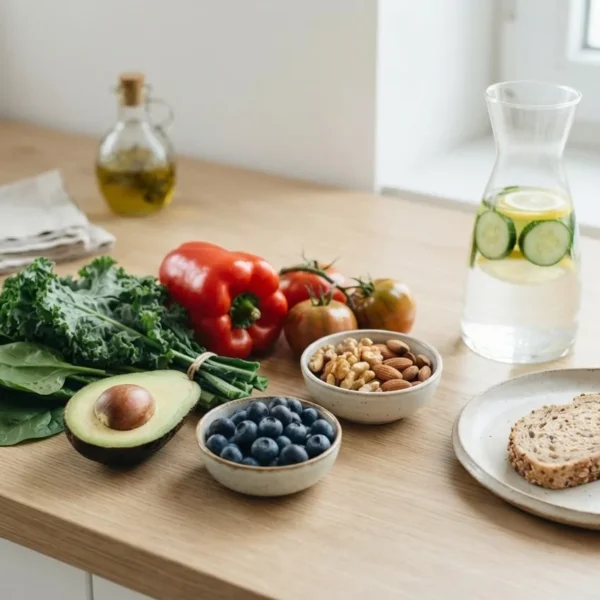
- Low-carb vegetables — leafy greens, broccoli, cauliflower, zucchini, bell peppers, asparagus; high fiber and low net carbs.
- Nuts and seeds — almonds, walnuts, chia and flax (use as garnish—watch portions: 1 oz = ~6–7 g protein, but also calorie-dense).
- Plant proteins (non-vegetarian flexible) — tofu, tempeh, edamame for vegetarian or mixed-meal options.
For budget-conscious shopping, check the guide to cheap nutrient-dense foods.
Chicken is a staple—see easy chicken recipes rich in protein for prep ideas.
Practical buying tips: buy whole chickens on sale and break down for breasts and thighs (save bones for stock), buy salmon frozen in portions (3–4 oz), and buy large tubs of plain Greek yogurt to portion for breakfasts and sauces.
Transition: Those foods translate directly into fast, family-ready breakfasts, lunches and dinners next.
-
Create go-to meals:
Easy Low Carb Meal Ideas for Breakfast, Lunch, and Dinner
Below are practical ideas (3–4 examples each) with short assembly notes so you can cook quickly and stay within low carb, high-protein goals.
Breakfast (quick, portable, protein-forward)
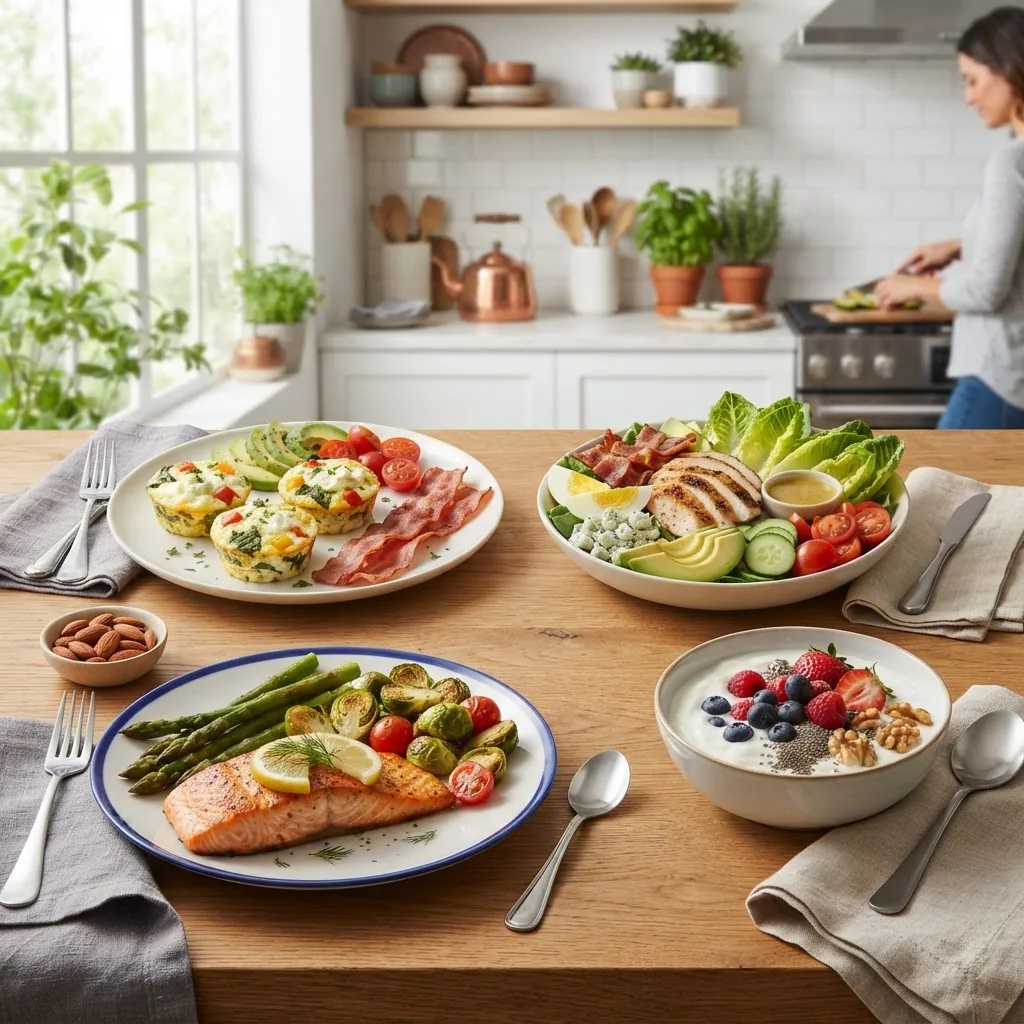
- Vegetable omelet with feta — 3 eggs, 1 cup spinach, 1/4 cup chopped bell pepper, 1 oz feta; cook in 1 tsp olive oil. (~22–25 g protein)
- Greek yogurt bowl — 3/4 cup plain Greek yogurt, 1 Tbsp chia seeds, 1/4 cup berries, 1 Tbsp crushed almonds. (~18–20 g protein)
- Smoked salmon scramble — 2 eggs + 2 egg whites, 2 oz smoked salmon, chives; serve on a bed of arugula. (~25–28 g protein)
- Breakfast egg muffins (make-ahead) — mix 8 eggs, 1 cup chopped broccoli, 6 oz diced turkey sausage; bake 18–20 minutes at 350°F, portion into 6 muffins. (~14 g protein per muffin)
Complementary ideas in healthy breakfast ideas for easy mornings.
Lunch (portable, keeps well)
- Chicken salad lettuce wraps — 4 oz shredded rotisserie chicken, 1 Tbsp Greek yogurt, celery, mustard, wrap in romaine leaves. (~30 g protein)
- Steak and vegetable bowl — 4 oz grilled flank steak, 1 cup sautéed zucchini and bell pepper, 1/2 avocado. (~28–32 g protein)
- Egg and tuna salad — 2 hard-boiled eggs + 3 oz canned tuna, 1 Tbsp olive oil mayo, chopped cucumber; eat over greens. (~30 g protein)
- Tofu and edamame bowl — 4 oz firm tofu (pan-seared), 1/2 cup edamame, sesame-garlic dressing. (~22 g protein)
Dinner (family-friendly, high protein)
- Grilled chicken with cauliflower mash — 5 oz chicken breast (season, grill 6–7 minutes per side to 165°F), 1 cup cauliflower mash (steam 10 min, mash with 1 Tbsp butter and 2 Tbsp Greek yogurt). (~40 g protein)
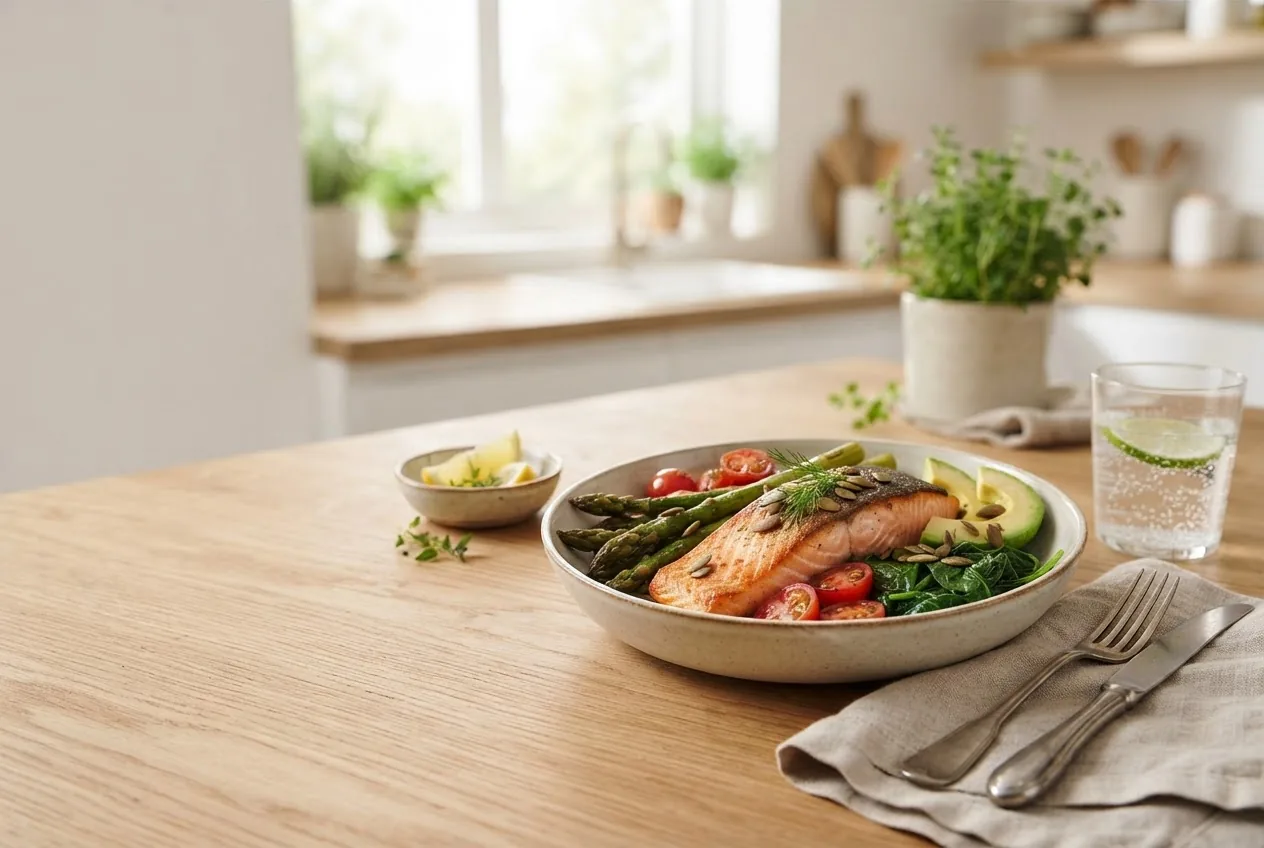
- Salmon sheet-pan dinner — 5 oz salmon fillet, 1 cup asparagus, 1/2 cup cherry tomatoes; roast 12–15 minutes at 400°F. (~34 g protein)
- Turkey & vegetable stir-fry — 6 oz ground turkey, 2 cups mixed low-carb veggies, 1 Tbsp tamari; serve over cauliflower rice. (~45 g protein)
- Beef fajita bowls (low-carb) — 4 oz steak strips, peppers & onions, guacamole; omit tortillas, serve on lettuce. (~28–32 g protein)
If you want plant-forward options, see quick vegetarian dinner recipes for two and budget-friendly vegetarian low carb options.
Transition: Recipes are great, but specific high-protein, low-carb recipe walkthroughs make it easier to execute consistently; the next section gives cookable recipes with timings.
-
Cook the core recipes:
High Protein Low Carb Recipes for Weight Loss and Health
The recipes below are designed for weight-loss-friendly portions and clearly list cook times, temps, and protein counts. If you’re also tracking calories, pair these with the 400 calorie meals for healthy, balanced eating resource for portion tweaks.
1. Lemon-Garlic Grilled Chicken Breast (serves 4)
Ingredients: four 5-oz chicken breasts, 2 Tbsp olive oil, 2 cloves garlic (minced), juice of 1 lemon, 1 tsp smoked paprika, 1 tsp salt. Marinate 20–30 minutes. Grill over medium-high heat 6–7 minutes per side until internal temp reaches 165°F. Rest 5 minutes, slice. Per serving: ~40 g protein, 3 g carbs. Serve with 1 cup steamed broccoli.
2. Sautéed Salmon with Basil Pesto Zucchini Noodles (serves 2)
Ingredients: two 5-oz salmon fillets, 2 medium zucchinis spiralized (~4 cups noodles), 2 Tbsp pesto (prepared), 1 Tbsp olive oil. Sear salmon 4 minutes skin-side down then 3 minutes flesh-side; finish in oven at 400°F for 3–4 minutes if needed. Sauté zucchini noodles 2–3 minutes, toss with pesto, top with salmon. Per serving: ~34 g protein, 6–8 g net carbs.
3. One-Pan Turkey Taco Skillet (serves 6)
Ingredients: 2 lbs lean ground turkey, 1 large onion, 2 bell peppers, 1 cup diced tomatoes (no sugar added), 2 Tbsp taco seasoning (low-sodium), 2 cups riced cauliflower. Brown turkey 6–8 minutes, add vegetables and seasoning, cook 8–10 minutes, stir in riced cauliflower 4 minutes. Yield ~6 portions: ~38 g protein per portion.
4. Egg + Cottage Cheese Breakfast Bake (serves 8)
Ingredients: 10 eggs, 2 cups low-fat cottage cheese, 1 cup chopped spinach, 1 cup diced ham, 1/2 cup grated cheddar. Whisk eggs + cottage cheese, fold in spinach & ham, bake in greased 9×13 at 350°F for 30–35 minutes until set. Slice into 8: ~18–20 g protein per slice.
Cooking tips: always use an instant-read thermometer for meats (chicken 165°F, pork loin 145°F with 3-minute rest, beef steaks 130–145°F depending on desired doneness). Batch-cook proteins (roast 6–8 chicken breasts at 400°F for 25–30 minutes) and portion into airtight containers while still slightly warm to reduce condensation.
For calorie-conscious dinners suitable for families, see 400 calorie meals for healthy, balanced eating.
Transition: If you cook for a household, the next section helps adapt these recipes for kids and picky eaters while keeping protein high and carbs controlled.
-
Adapt meals for everyone at the table:
Family-Friendly Low Carb Dinner Ideas

Family dinners must balance taste, texture and portion sizing. Here are adaptable recipe models and tips for kids and teenagers.
Recipe examples and adaptations
- Build-your-own taco bowls — Offer 3 oz cooked ground turkey or chicken per adult, 2 oz per child, and sides: shredded lettuce, diced tomatoes, cheese, guacamole. Serve cauliflower rice for low-carb eaters; add a small corn tortilla for children if needed. Portion tip: adults 4–6 oz protein, children 2–3 oz.
- Sheet-pan chicken & peppers — 5 oz chicken breast per adult, roast with peppers and onions; for kids, cut into strips and serve with a yogurt-based dip. Roast 20–25 minutes at 425°F.
- Salmon cakes with green beans — Mix 12 oz canned salmon, 1 egg, 1/4 cup almond flour, 1/4 cup chopped parsley; form 8 small patties. Pan-fry 3 minutes per side. Serve with steamed green beans and a lemon yogurt sauce.
Kid-friendly flavor hacks: mild spices, grated cheese, dips (Greek yogurt-based ranch), and fun plating (mini skewers, bento-style). For teenagers or active family members, increase protein portions by an extra 2–4 oz per meal.
To pair family meals with calorie targets, consult 500 calorie dinner ideas for nutritious meals and 600 calorie dinner recipes for healthy eating for portion control.
Transition: Families need repeatable systems—below are meal-prep strategies to make these dinners realistic during busy weeks.
-
Plan and prep once, eat all week:
Tips for Low Carb Meal Prep and Planning
Use a 5-step weekly workflow. Implementing these steps will cut dinner-cooking time to 15–25 minutes on weeknights.
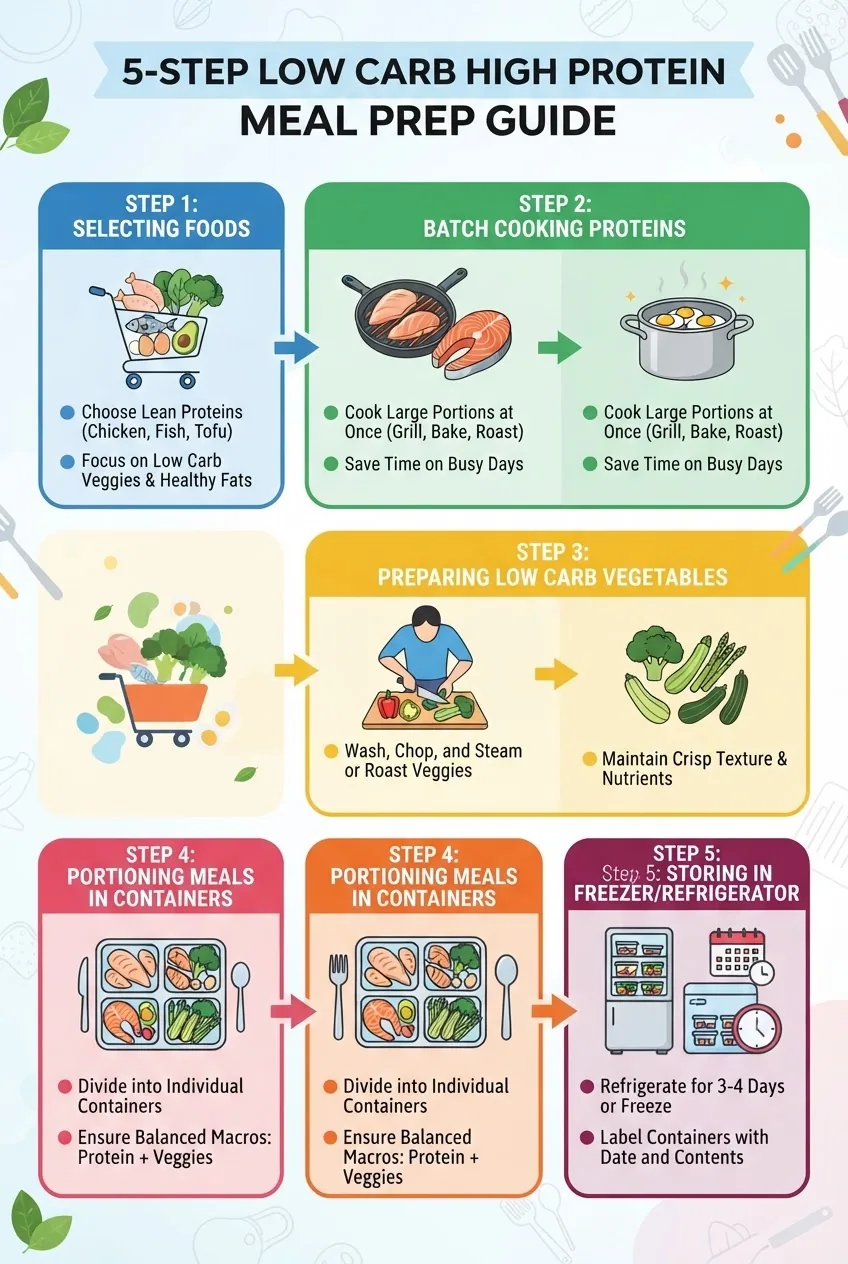
- Select the week’s proteins and sides — Plan 3–4 protein sources (e.g., 2 lbs chicken breast, 1.5 lbs salmon, 1 lb ground turkey). Aim for 20–40 g protein per adult serving. Use a shopping list that groups items by refrigeration vs. pantry.
- Batch-cook proteins — Roast chicken breasts at 400°F for 25–30 minutes (5 oz portions), bake salmon at 400°F for 12–15 minutes, brown ground turkey in a large skillet for 8–10 minutes. Cool to 140°F before refrigerating to slow bacterial growth.
- Prep low-carb vegetables — Roast cauliflower and broccoli (400°F, 20–25 minutes) or blanch green beans (3–4 minutes). Spiralize zucchinis right before serving or store dry in paper towels to avoid sogginess.
- Portion and label — Use containers sized 600–900 ml. Portion adult meals with 5–6 oz protein, 1–1.5 cups vegetables, 1/4–1/2 avocado when included. Label with date and contents; refrigerate up to 4 days.
- Freeze extras properly — Freeze single-serve meals in airtight containers for 2–3 months. Thaw overnight in fridge; reheat to 165°F. For sauces and dressings, store separately to maintain texture.
Best practices: rotate proteins each week to keep meals interesting, make double batches of rubs/sauces and freeze in 2–3 Tbsp portions, and use vacuum sealing or airtight freezer bags to prevent freezer burn.
Transition: Even with planning, common challenges arise—here are practical solutions based on real kitchen experience.
-
Anticipate problems and fix them fast:
Common Challenges and Solutions in Following a Low Carb High Protein Diet
- Carb cravings — Solution: increase protein at meals (add an extra ounce of chicken or an egg) and include crunchy low-carb vegetables (celery, cucumber) to replace the sensory experience of carbs.
- Feeling low on energy — Solution: ensure you’re eating 20–30 g of protein per meal and adequate fats (1–2 Tbsp olive oil, 1/4 avocado). If symptoms persist, re-evaluate carb threshold and consult a clinician.
- Picky kids — Solution: serve deconstructed plates (protein + plain veggies + a dip) and slowly introduce seasonings. Use smaller portions of unfamiliar items.
- Too expensive — Solution: rotate cheaper proteins (eggs, canned fish, ground turkey), buy frozen vegetables, and use sales to stock the freezer.
- Nutrient gaps — Solution: include dark leafy greens, a serving of dairy or fortified alternative daily, and consider a multivitamin after discussing with your healthcare provider.
Each bullet above is a solution tested in household kitchens and suitable for a Texas-style protein-forward approach where meat and poultry feature prominently.
-
Finalize and review your plan:
Frequently Asked Questions
See the FAQ section below for concise, snippet-optimized answers to common questions. After FAQs, you’ll find a practical checklist and when to call in a professional.
Common mistakes and how to avoid them
I once roasted a whole batch of chicken breasts at too-high heat, leaving the exterior tough and interior dry; now I always use 400°F for 25–30 minutes and check with an instant-read thermometer at 160–162°F so the final carryover reaches 165°F. I also used to store hot foods uncovered—condensation ruined texture—so I now cool for 20 minutes uncovered then refrigerate in labeled containers.
Another repeated error was over-salting early; I now season lightly before cooking and finish with a pinch to taste. For vegetables, I learned to undercook slightly during batch prep (blanch 2 minutes less than eating time) so reheating doesn’t turn produce to mush.
Quick checklist before serving
- Protein cooked to safe temp (chicken 165°F, salmon 145°F, ground turkey 165°F).
- Meals portioned: adults 4–6 oz protein; children 2–4 oz depending on age.
- Vegetables prepped and reheatable without sogginess.
- Sauces stored separately if freezing.
- Containers labeled with date; fridge items used within 4 days.
When to call in a professional
Consult a registered dietitian or your healthcare provider if you have diabetes, kidney disease, or are pregnant/breastfeeding before starting a high-protein low-carb plan. For persistent GI issues, unexplained fatigue, or dramatic weight changes, seek medical guidance promptly.
Conclusion
Key takeaways: adopt a clear carb threshold, prioritize high-quality protein sources, batch-cook proteins, and use simple low-carb vegetables to build family-friendly meals. Track portions and reheating temperatures, and consult a clinician for individualized adjustments. Ready to try a 90–120 minute weekly batch-cook? Start with two proteins, one vegetable roast, and the egg bake outlined above. For more ideas, explore our broader recipe library.
Explore additional inspiration in the Yummiest Healthy Recipes Guide for Nutritious and Tasty Meals.