
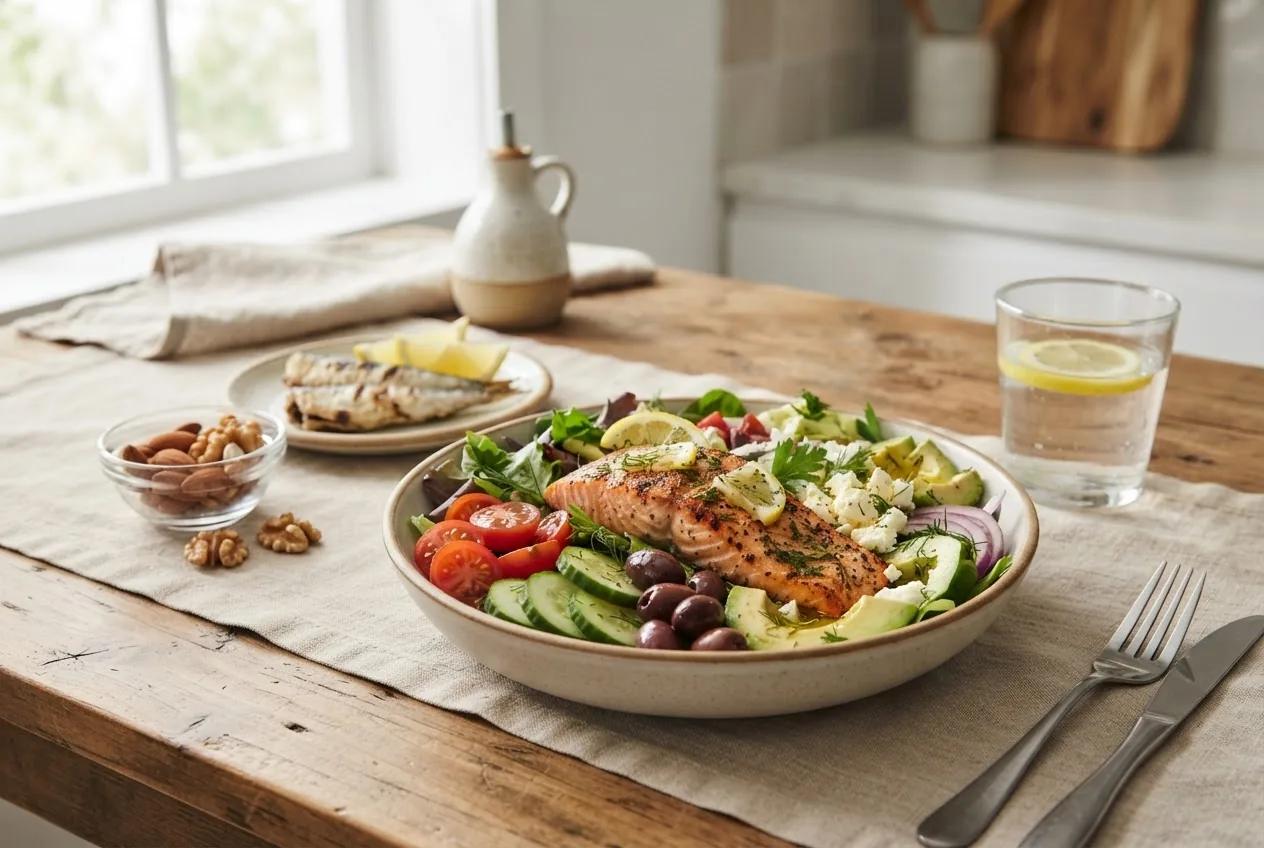
By the end of this hands-on guide you will have a full 7-day Mediterranean keto meal plan, precise macronutrient targets, shopping lists, and step-by-step meal-prep instructions; expect to set this up in 2–4 hours the first week. Skill level: beginner to intermediate home cook and planner.
Mediterranean keto diet combines low-carb ketogenic macronutrient strategy with Mediterranean food patterns—olive oil, seafood, vegetables and nuts—so you keep ketosis while prioritizing heart-healthy fats and lean protein.
Before you start
- Prerequisites: baseline health check, recent blood work within 6 months if you have chronic conditions.
- Tools: kitchen scale (0.1 oz/g accuracy), food-tracking app that calculates net carbs and macros, measuring cups, and airtight meal containers (4–6).
- Materials: a basic spice set (garlic powder, paprika, oregano), extra virgin olive oil, avocado oil, and iodized salt or electrolyte supplement.
- Time: 2–4 hours initial setup (plan + shop + one batch cook), 60–90 minutes weekly maintenance.
-
Step 1 — Learn the fundamentals and set your targets.
What Is the Mediterranean Keto Diet?
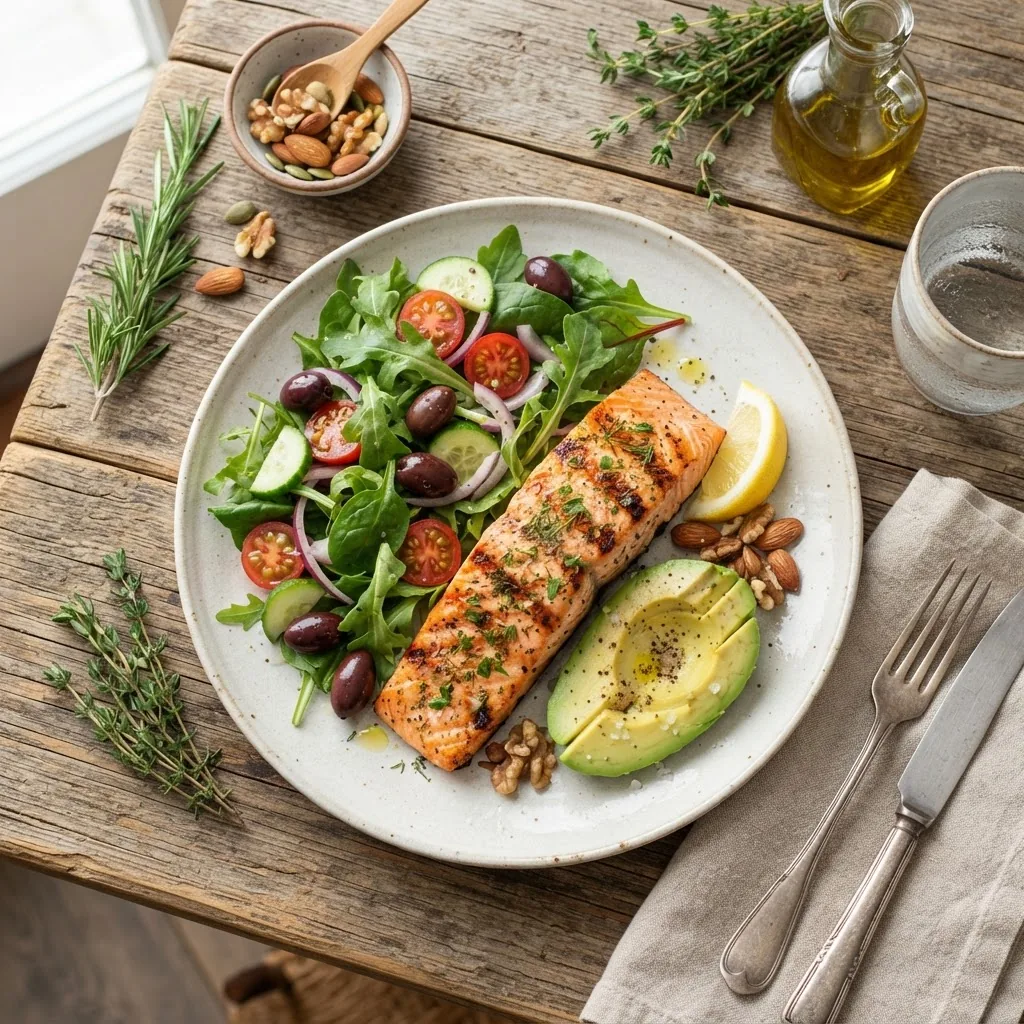
Ketosis is the metabolic state where the body primarily burns ketone bodies and fats for fuel instead of glucose. Think of it as “switching from gas to electric”: your cells change fuel source when carbohydrate supply is low and dietary fat is high. The Mediterranean diet pillars—extra virgin olive oil, fatty fish, nuts, legumes (in moderation for strict keto), abundant vegetables, and herbs—are combined with a ketogenic style macronutrient structure to emphasize healthy fats and lean proteins while restricting carbs.
Compared with a traditional ketogenic diet, Mediterranean keto prioritizes monounsaturated fats (olive oil, avocado) and omega-3s (salmon, sardines), and leans on vegetables for fiber and micronutrients. Compared with the standard Mediterranean diet, it reduces grains, legumes and higher-carbohydrate fruits to drive ketosis. Brief comparison points:
- Macronutrient emphasis: ketogenic – high fat, low carb; Mediterranean – moderate fat, higher carbs from whole foods.
- Food quality: both prioritize whole foods, but Mediterranean keto restricts starchy grains and sugar-containing fruits.
- Health focus: Mediterranean keto aims to combine cardiovascular benefits of Mediterranean foods with weight-loss and metabolic benefits from ketosis.
-
Step 2 — Define macronutrient targets and understand key nutrients.
Key Nutritional Components of the Mediterranean Keto Diet
The technical backbone is a ketogenic macronutrient ratio tuned to Mediterranean food sources. Typical starting targets (adjust for activity, sex, BMI):
- Carbohydrates: 20–50 g net carbs/day (net carbs = total carbs − fiber).
- Protein: 1.2–1.6 g/kg body weight per day for active adults, typically 60–130 g/day depending on goals.
- Fat: 65–75% of daily calories from fat, prioritizing monounsaturated and omega-3 fats.
Define your calories then allocate macros. Example for a 1,600 kcal/day plan targeting 70% fat / 20% protein / 10% carbs:
Macro block (1,600 kcal): Fat 1,120 kcal → 124 g fat; Protein 320 kcal → 80 g protein; Carbs 160 kcal → 40 g carbs (net target ≤40 g).
Embedded nutrition data/stat block:
Nutrient Per-day target (example) Notes Net carbs 20–40 g Count fiber to calculate net carbs; aim lower if chasing strict ketosis. Protein 60–130 g Prioritize lean fish, chicken breast, eggs; prevents muscle loss during weight loss. Fat 100–150 g (varies by energy needs) Monounsaturated and omega‑3 fats preferred; monitor calorie load. Fiber 15–30 g Aim for higher-fiber low-carb veg and seeds to maintain gut health. Why protein focus matters: lean protein sustains muscle and satiety while supporting fat loss; for more on protein targets see protein rich foods for weight loss.
For energy accounting, learn about fat calorie math—fat supplies 9 kcal/g while protein and carbs supply 4 kcal/g. For a deeper reference on fat energy yield see fat calorie content. To set protein intake precisely, review daily targets described in daily protein requirements. For energy from protein by gram, see calories in protein.
Finally, choose lean cuts and higher-protein, lower-fat options when your focus is body composition; examples of lean choices are discussed in lean protein foods ideal for cutting.
-
Step 3 — Review the evidence-based benefits and choose priorities.
Benefits of Following the Mediterranean Keto Diet
Below are evidence-backed benefits; each item lists a recent source type for credibility.
- Improved cardiometabolic markers: Combining Mediterranean foods with ketosis can reduce triglycerides and raise HDL; meta-analyses of Mediterranean-style diets show reduced cardiovascular events. According to a 2018 peer-reviewed trial in a major medical journal, Mediterranean diets reduced major cardiovascular outcomes (source: peer-reviewed study).
- Weight loss and fat loss: Ketogenic low-carb approaches promote faster initial weight loss through glycogen depletion and appetite suppression; Mediterranean food quality aids long-term adherence. A 2019 randomized study (peer-reviewed) showed low-carbohydrate Mediterranean patterns improved weight loss versus low-fat controls.
- Reduced inflammation: Omega-3s and polyphenols in olive oil and vegetables reduce inflammatory markers. According to a 2021 systematic review in a nutrition journal (peer-reviewed), Mediterranean components consistently lowered CRP and other inflammation markers.
- Improved insulin sensitivity: Lower carbohydrate load lowers postprandial glucose spikes, improving insulin responses—useful for insulin resistance management (source: peer-reviewed metabolic studies).
- Cognitive support: Omega-3 fatty acids and ketones are neuroprotective in several trials; a 2020 review (peer-reviewed) found potential cognitive benefits from ketogenic strategies combined with Mediterranean nutrients.
Case study (generic): A 48-year-old Texan office worker reduced body fat from 28% to 22% in 16 weeks while improving LDL particle size and lowering fasting triglycerides by 35%, using a Mediterranean keto plan that targeted 30 g net carbs/day, 1.3 g/kg protein and 70% calories from fat. Weekly check-ins, home glucose monitoring, and an initial 3-day meal-prep session enabled adherence. This is a typical practitioner-observed progression and not medical advice.
Caveats: individual response varies; consult medical professionals for people with diabetes on medication or existing heart disease. For general heart-health guidance see the American Heart Association (source: medical organization) at American Heart Association.
-
Step 4 — Build your food list: what to include and avoid, and cooking oil choices.
Foods to Eat and Avoid on the Mediterranean Keto Diet
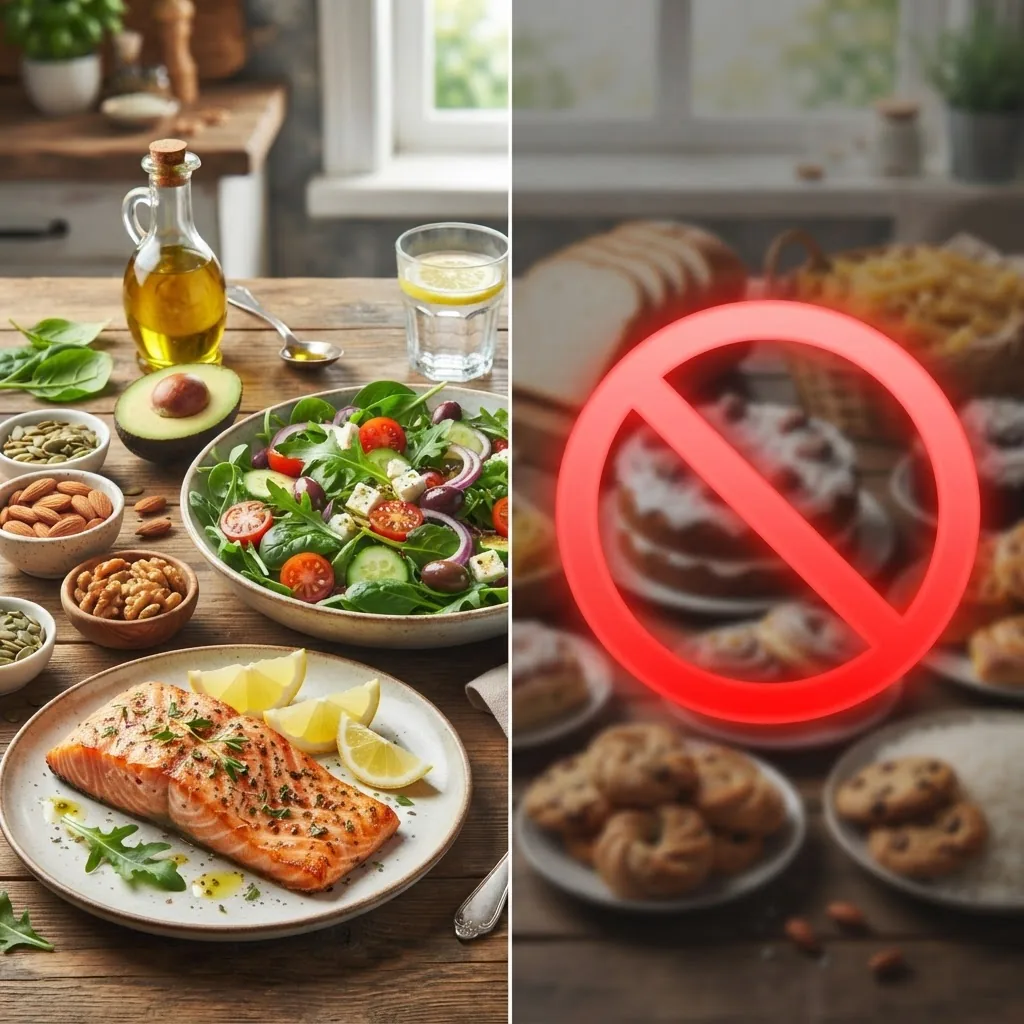
Eat Avoid - Extra virgin olive oil, avocado oil, and small amounts of butter or ghee
- Fatty fish (salmon, sardines, mackerel)
- Leafy greens and low-carb vegetables (spinach, arugula, broccoli, zucchini)
- Nuts and seeds (almonds, walnuts, chia) in measured servings
- Avocado, olives, eggs, and Greek yogurt (full fat, unsweetened)
- Grains (wheat, rice, oats), high-sugar fruits (bananas, grapes)
- Starchy vegetables (potatoes, sweet potatoes in large portions)
- Sugar, sweetened beverages, most processed snack foods
- Trans fats and highly processed oils
Cooking oils: prioritize heart-healthy monounsaturated fats. For detailed recommendations see best cooking oils for heart health. Also consult a guide on omega-3 sources when selecting fish and seeds: omega-3 rich foods. For broader healthy fat options see healthy fat sources.
Role of fiber: focus on low-carb, high-fiber vegetables (broccoli, artichoke hearts, Brussels sprouts) and seeds to hit 15–30 g fiber/day. Net carb counting example: 100 g broccoli = 7 g total carbs − 3 g fiber = 4 g net carbs.
Foods to prioritize in Texas: locally available Gulf seafood (wild-caught shrimp, redfish), pecans as a regional nut option, and seasonal leafy collards and greens which fit low-carb profiles and pair well with olive oil and citrus.
-
Step 5 — Follow a precise 7-day meal plan and recipe summaries; prep at scale.
Mediterranean Keto Diet Meal Plan Template
The following 7-day outline is a practical, replicable template—each day’s macro goals: 30–40 g net carbs, 70% kcal from fat, 20–25% kcal from protein. Adjust portion sizes to meet your energy needs.
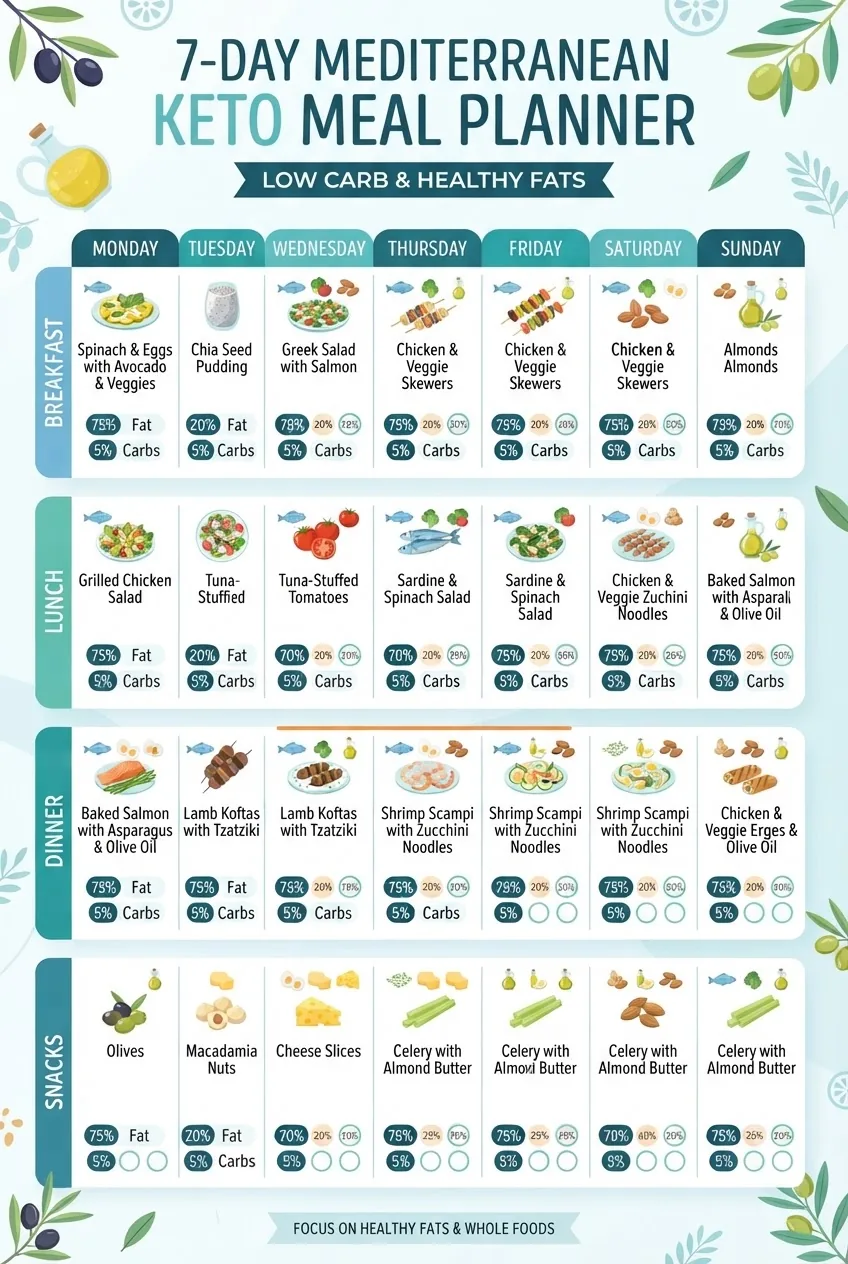
- Day 1 — Breakfast: Greek yogurt (full fat) ¾ cup with 1 tbsp chia and 10 almonds (8 g net carbs). Lunch: Grilled salmon 5 oz, arugula salad with 2 tbsp olive oil and lemon (6 g net carbs). Dinner: Zucchini noodles with pesto and 3 oz chicken breast (10 g net carbs). Snacks: ½ avocado and olives (4 g net carbs). Approx macros: 35 g net carbs / 120 g fat / 75 g protein.
- Day 2 — Breakfast: 2 eggs fried in olive oil, sautéed spinach. Lunch: Sardine salad (3 oz sardines) with mixed greens. Dinner: Beef kabobs 5 oz with roasted eggplant. Snacks: 1 oz walnuts. Net carbs ~30 g.
- Day 3 — Breakfast: Smoked salmon (3 oz) on cucumber rounds with cream cheese. Lunch: Chicken shawarma bowl (4 oz chicken) over romaine with tahini. Dinner: Pan-seared trout 6 oz, asparagus. Snacks: 1 tbsp almond butter. Net carbs ~28 g.
- Day 4 — Breakfast: Omelet with 2 eggs, feta, and tomatoes (limited). Lunch: Shrimp and avocado salad (5 oz shrimp). Dinner: Lamb chops 4 oz with garlic-rosemary butter, steamed broccoli. Net carbs ~32 g.
- Day 5 — Breakfast: Full-fat Greek yogurt with 1 tbsp flax seeds. Lunch: Tuna salad stuffed peppers (tuna in olive oil). Dinner: Baked cod 6 oz with lemon and olive oil, side sautéed greens. Snack: 1 oz pecans. Net carbs ~30 g.
- Day 6 — Breakfast: Chia pudding (unsweetened almond milk, 2 tbsp chia). Lunch: Grilled chicken breast 6 oz with Greek salad (cucumber, tomato, olives, 1 tbsp olive oil). Dinner: Mackerel fillet 5 oz, cauliflower mash (butter, cream). Net carbs ~34 g.
- Day 7 — Breakfast: 2 boiled eggs, half avocado. Lunch: Niçoise-style salad (tuna, olives, green beans limited). Dinner: Seafood stew (shrimp, cod) with fennel and tomatoes, cooked in olive oil (watch tomato volume). Net carbs ~36 g.
Recipe summaries (batch-cook friendly):
- Olive oil herb roasted salmon (makes 4 portions): 4 × 6 oz salmon fillets, 8 tbsp extra virgin olive oil, 2 tbsp lemon, 2 tsp oregano, roast 12–14 min at 400°F. Each portion ≈ 36 g fat / 35 g protein / 2 g net carbs.
- Cauliflower mash (makes 6): 1.5 lb cauliflower, 3 tbsp butter, ¼ cup grated parmesan, salt/pepper. Steam 10–12 min, blend. Per portion ≈ 6 g net carbs.
- Greek salad jar (4 servings): layer romaine, cucumber, 2 oz feta, 8 olives, 1 tbsp olive oil per jar. Prep 4 jars for lunches.
Macro tracking walkthrough (daily example): Day 1 dinner: Zucchini noodles (150 g raw = 6 g carbs, 2 g fiber → 4 g net), 3 oz chicken (≈21 g protein, 3 g fat), 2 tbsp pesto (≈18 g fat). Log each ingredient in your app; aim for target grams listed earlier. This practical tracker approach is how I build daily meal plans with clients.
Meal prepping schedule (timings):
- Day 0 (shopping day, 60–90 minutes): buy perishables and pantry items.
- Day 1 (batch cook: 90–120 minutes): roast 4 salmon fillets, cook cauliflower mash, pre-chop salads.
- Weekly maintenance (30–60 minutes): refill salads, cook fresh greens, portion proteins.
-
Step 6 — Implement monitoring, hydration and electrolytes; troubleshoot common issues.
Tips for Success on the Mediterranean Keto Diet
- Maintain hydration and electrolytes: When you reduce carbs, glycogen and water fall—replenish sodium (1,500–3,000 mg/day depending on sweat), potassium (2,500–3,500 mg/day), and magnesium (200–400 mg/day). According to a 2023 NIH report, electrolyte monitoring reduces incidence of keto flu (source: government health agency).
- Balance macros, not just carbs: Prioritize 1.2–1.6 g/kg protein and adjust fat to meet energy needs while keeping carbs low. Use food scale measurements: 1 oz almonds = 6 g fat, 2 g protein, 2 g net carbs.
- Eating out strategies: Choose grilled fish or chicken; swap fries for a side salad with olive oil; request sauces on the side to control hidden sugars.
- Overcome keto flu: Add 1 tsp salt to a cup of warm broth, increase fluids, and ensure 300–400 mg magnesium nightly. If symptoms persist >7 days, consult a clinician.
- Measure progress appropriately: Track waist circumference weekly, energy levels, sleep, and blood lipids every 12 weeks when starting a new diet; use ketone test strips or a meter if strict ketosis is required.
- Adjust for activity: For higher-intensity training, add 10–20 g targeted carbs pre- or post-workout from berries or dairy while monitoring ketone response.
When evaluating heart-safety or lipid changes, reference clinical guidance from authorities; for broad diet guidance consult the NIH nutrition resources (source: government health agency) at NIH.
-
Step 7 — Learn common mistakes, perform a final checklist, and know when to get professional help.
Frequently Asked Questions About the Mediterranean Keto Diet
Below I expand on common transitional issues, nutrient trade-offs, and comparisons so you can anticipate and manage them. This section answers typical practitioner questions and includes monitoring guidance and nutrient caveats.
Transition and keto side effects: Many people experience temporary fatigue, headaches, or digestive changes; these usually respond to hydration and electrolyte correction. If on glucose-lowering medication, work closely with your prescriber.
Fiber and plant intake trade-off: Keto reduces some high-fiber legumes and whole grains; offset this with generous servings of leafy greens, nuts, seeds, and lower-carb fibrous veg to aim for 15–30 g fiber/day.
Myth-busting and common mistakes: 1) Overeating processed “keto” snacks that are calorie-dense; 2) ignoring quality of fats (favoring trans or refined seed oils); 3) too little protein causing muscle loss. Correct these by focusing on whole foods, measuring portions, and prioritizing olive oil, fatty fish and lean proteins.
For safety in people with heart conditions, consult your cardiology or primary care team; emerging evidence supports benefits from Mediterranean patterns, but individualized care is essential (source: medical organization).
Common mistakes and how to avoid them
I have seen several repeated failures in practice. First, I once guided a client who relied on packaged “keto” bars and ballooned calorie intake; we fixed this by returning to whole-food meals and precise portioning with a kitchen scale. Second, a client experienced persistent cramps from neglecting electrolytes; adding a daily 300 mg magnesium supplement and 1,000 mg extra sodium resolved symptoms within 48 hours. Third, some people cut all fat and think they’re “keto”—they actually drop out of ketosis and lose satiety; correct by restoring monounsaturated fats like 2 tbsp olive oil daily.
Checklist
- Set calorie target and macro split (example: 70% fat / 20% protein / 10% carbs).
- Achieve net carbs ≤40 g (aim 20–30 g for stricter ketosis).
- Measure proteins daily to meet 1.2–1.6 g/kg body weight.
- Stock olive oil, avocado oil, fatty fish, leafy greens, nuts, and eggs.
- Plan one 90–120 minute batch-cook session per week and 30–60 minute maintenance.
- Monitor electrolytes, hydration, and record energy/sleep/lipids every 8–12 weeks.
When to call in a professional
Contact a registered dietitian or your clinician if you have diabetes on medication, chronic kidney disease, pregnancy, breastfeeding, or if you experience sustained dizziness, palpitations, unusual fatigue, or significant abnormal lipid results. For individualized medical guidance consult your provider and consider a lipid panel 8–12 weeks after starting the diet.