
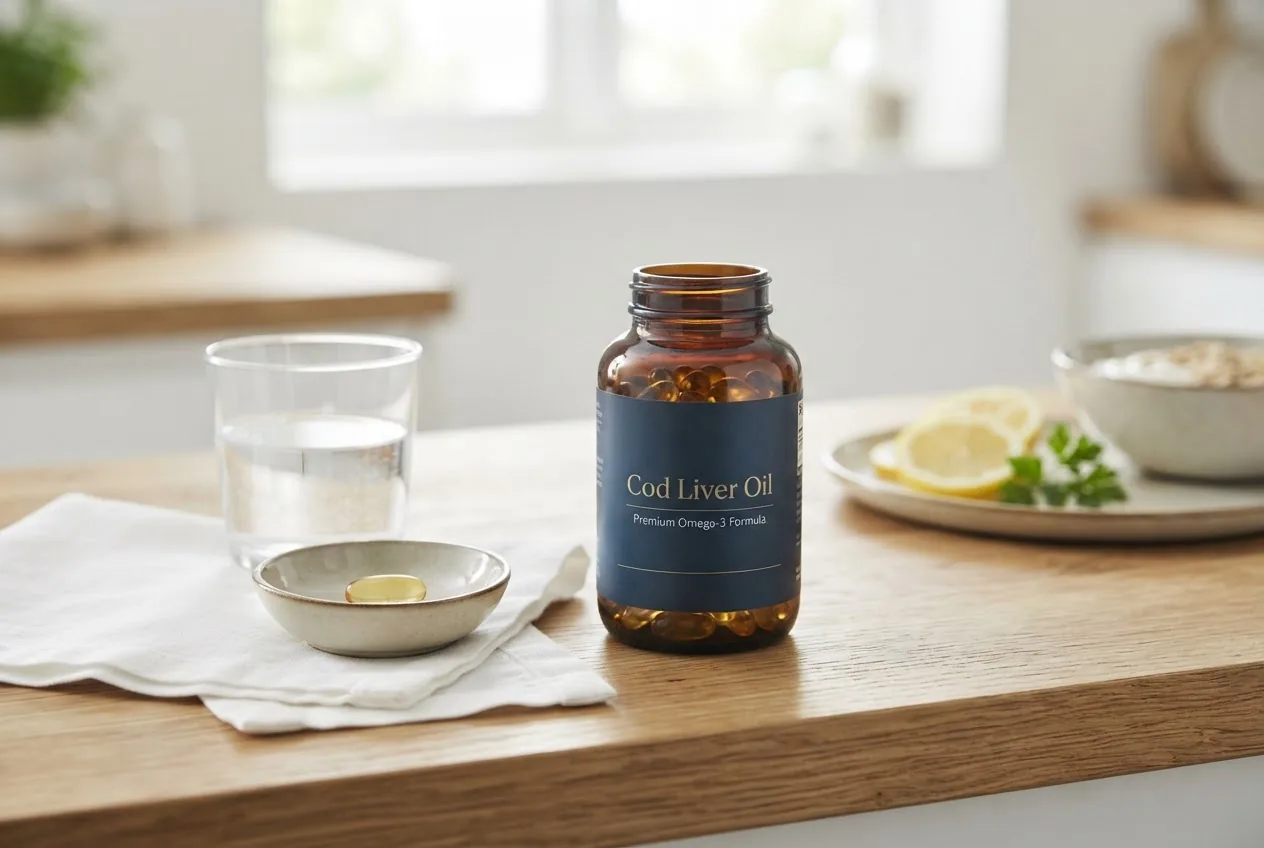
Omega XL side effects are mainly mild digestive complaints, fishy aftertaste, and rare risks like vitamin A toxicity or increased bleeding; cod liver oil provides omega-3s and vitamins A and D, so benefits must be weighed against these specific safety concerns and drug interactions. Consult a clinician for personal advice.
What Is Omega XL and How Does It Relate to Cod Liver Oil Supplements?
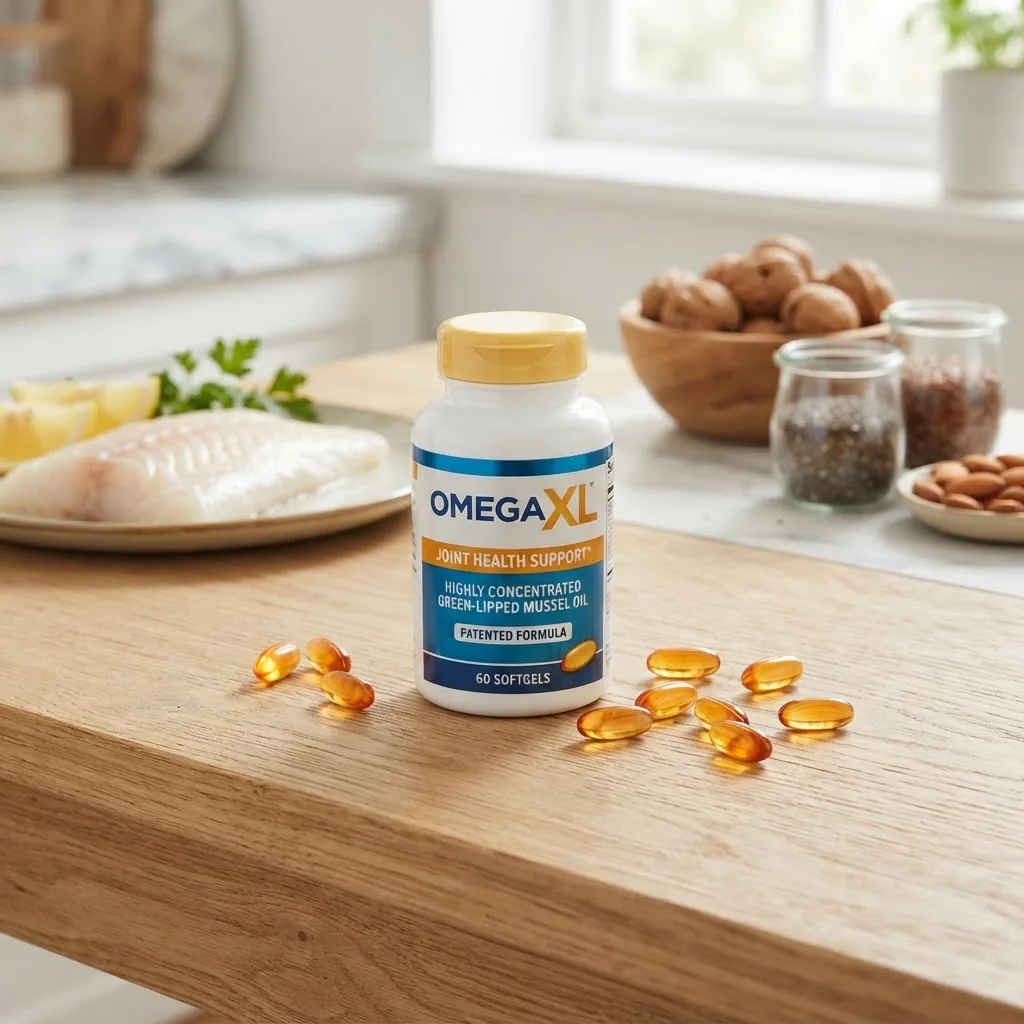
Answer: Omega XL is a brand of omega-3 supplement marketed for joint support and inflammation relief; it is formulated from marine oil sources related to cod liver oil but may differ in concentration of omega-3s and vitamins, so side-effect profiles overlap but are not identical.
Omega XL: a commercial omega-3 supplement branded for joint health, typically containing concentrated marine oils and supporting ingredients.
Cod liver oil: oil extracted from the liver of Atlantic cod that naturally contains omega-3 fatty acids (EPA and DHA) plus vitamins A and D.
Omega XL’s marketing positions it as a natural anti-inflammatory for joint health; product formulations can vary by batch and manufacturer. Many consumers and clinicians group Omega XL with cod fish oil and other omega 3 supplement types because all provide long-chain omega-3 fatty acids that modulate inflammation biochemistry.
Key ingredient comparisons:
- EPA and DHA (omega-3 fatty acids): principal active agents for anti-inflammatory effects and cardiovascular support.
- Vitamins A and D: often present in cod liver oil but usually absent or lower in pure fish oil concentrates; these fat-soluble vitamins affect toxicity risk and dosing decisions.
- Other additives: some Omega XL formulations include botanicals or joint-targeting cofactors that change tolerability and interactions.
For readers who want a benefits overview balanced with risks, see the dedicated benefits guide on cod liver oil and fish oil benefits. cod liver oil and fish oil benefits
Regulatory context: dietary supplements in the U.S. are regulated under a post-market framework by the U.S. Food and Drug Administration; accurate labeling and manufacturing quality matter for safety. According to the FDA’s dietary supplements guidance (consumer safety page), manufacturers must ensure product safety before marketing. FDA dietary supplements information
Transition: Next we will list the most common, practical side effects consumers report with Omega XL and cod liver oil supplements.
What are the Common Side Effects of Omega XL and Cod Liver Oil Supplements?
Answer: The most common side effects are mild digestive issues, fishy aftertaste or belching, nausea, loose stools, and occasional allergic skin reactions; they usually appear within days to weeks and resolve with dose adjustment or stopping the supplement.
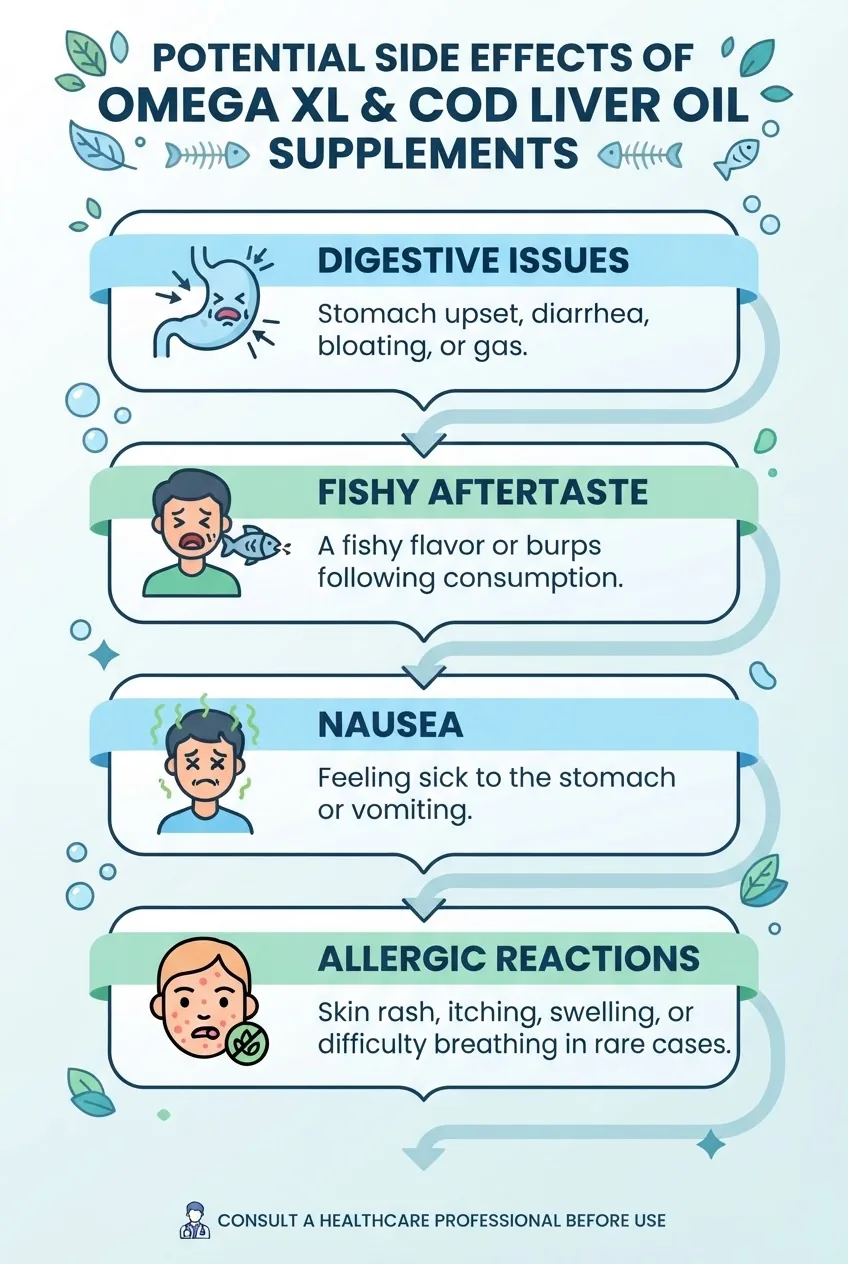
Below is a detailed, enumerated list of common side effects with practical notes on frequency and management drawn from user reports, clinical summaries, and supplement safety reviews.
-
Digestive issues (bloating, indigestion, loose stools):
Why it happens: oils can alter gastric emptying and bile stimulation; concentrated omega-3s are lipophilic and may cause mild gastrointestinal upset. Management: take with food, split doses, or reduce dose. Many experience improvement within 3–7 days.
-
Fishy aftertaste or reflux (fishy belch):
Why it happens: partial digestion of oil in stomach can lead to retrograde release of volatile fish oils. Management: freeze capsules, take with meals, switch to enteric-coated formulations or krill oil. Anecdote: several Omega XL users reported fishy belch in forum threads but switched brands to reduce this symptom.
-
Nausea and mild vomiting:
Why it happens: high-fat supplements can provoke nausea in sensitive individuals or if taken on an empty stomach. Management: try smaller doses, consume with a carbohydrate-protein meal, or discontinue if persistent.
-
Headache or dizziness:
Why it happens: uncommon but reported; may relate to individual sensitivities or interaction with blood pressure medications. Management: monitor blood pressure, consult a clinician if headaches are severe or new.
-
Allergic reactions (rash, hives, itch, respiratory symptoms):
Term: Allergic reaction is an immune response to a substance perceived as harmful, causing symptoms from mild skin reactions to severe anaphylaxis. Those with fish or shellfish allergies risk cross-reactivity; stop supplement immediately and seek medical care if breathing difficulty occurs.
-
Bad taste, oral irritation or mouth numbness:
Why it happens: impurities or flavoring agents in some batches. Management: try a different lot or brand and check manufacturing quality.
-
Body odor changes or skin oiliness:
Why it happens: high intake of certain fatty acids can subtly change sweat composition; rare and usually not harmful.
-
Elevated blood sugar in some cases:
Why it happens: evidence is mixed; monitor fasting glucose if you have diabetes. According to a 2022 clinical review, small changes were observed in select populations, but overall evidence is inconsistent (peer-reviewed review).
-
Mild increases in LDL cholesterol sometimes reported:
Why it happens: high-dose omega-3 supplements can raise LDL-C in certain people while lowering triglycerides; monitor lipid panel if using high doses. According to a 2021 lipid study, variability depends on formulation and dose (peer-reviewed study).
-
Unpleasant gastrointestinal gas:
Why it happens: altered microbiome substrate and increased fat load; usually transient.
-
Interaction-related mild bleeding/bruising at higher doses:
Why it happens: omega-3s have mild antiplatelet effects; most healthy adults on standard doses (<3 g/day EPA+DHA) do not experience clinically significant bleeding, but risks increase with anticoagulant medications. See the drug interaction section below for specifics.
Comparison note: many side effects overlap with standard fish oil side effects because the active omega-3 components are similar regardless of source.
Transition: Less common but serious risks require focused attention—read the next section for rare but important side effects and how to identify them early.
What Serious and Rare Side Effects of Omega XL and Cod Liver Oil Should I Be Aware Of?
Answer: Serious and rare risks include vitamin A toxicity (hypervitaminosis A) from cod liver oil, clinically significant blood thinning and bleeding when combined with anticoagulant drugs, and, rarely, liver toxicity or severe allergic reactions; these require medical evaluation and monitoring.

This section breaks the major rare risks into clear subsections with defined terms, evidence references, and practical monitoring strategies you can use at home and with your clinician.
Vitamin A Toxicity from Cod Liver Oil
Answer: Cod liver oil contains preformed vitamin A, and chronic high intake can cause hypervitaminosis A with symptoms like headache, bone pain, hair loss, and liver dysfunction; avoid excessive consumption and monitor total vitamin A from all sources.
Term: Hypervitaminosis A is vitamin A toxicity resulting from excessive intake of preformed vitamin A (retinol), which accumulates in the liver and causes systemic symptoms.
How much vitamin A is risky: adult upper intake levels (UL) for preformed vitamin A are commonly set at 3,000 mcg (10,000 IU) daily; cod liver oil brands vary in vitamin A content, with some providing a large fraction of the UL per teaspoon or capsule. According to a 2023 NIH Office of Dietary Supplements factsheet, consumers should total vitamin A intake across diet and supplements before exceeding the UL. NIH Vitamin A fact sheet
Symptoms to watch for:
- Dizziness, headaches, blurred vision
- Bone and joint pain, increased fracture risk with chronic high intake
- Skin peeling, hair loss
- Liver enlargement or abnormal liver tests
Case evidence: clinical case reports document hypervitaminosis A from excessive cod liver oil use, especially when individuals supplemented with additional vitamin A products. According to a 2019 clinical case series, stopping cod liver oil led to symptom resolution over weeks to months (peer-reviewed case report).
Practical guidance: check label for retinol/retinyl palmitate content, sum dietary and supplement sources, and avoid additional vitamin A supplements if taking cod liver oil regularly. Pregnant people should be especially cautious because excess vitamin A is teratogenic.
Blood Thinning and Interaction with Medications
Answer: Omega-3 fatty acids have mild antiplatelet effects which can increase bleeding risk when combined with anticoagulants (warfarin), antiplatelet drugs (aspirin, clopidogrel), or certain herbal supplements; clinical monitoring and dose adjustments may be required.
Term: Anticoagulants are drugs that reduce blood clotting to prevent or treat thrombosis; common examples include warfarin and direct oral anticoagulants (DOACs).
Mechanism and evidence: omega-3s inhibit platelet aggregation and alter eicosanoid signaling; while typical doses (<3 g/day EPA+DHA) rarely cause major bleeding alone, observational studies and randomized trials show small increases in bleeding parameters when combined with anticoagulants. According to a 2022 systematic review of randomized controlled trials, clinically significant bleeding events were uncommon but caution is recommended for those on therapeutic anticoagulation (peer-reviewed systematic review).
Specific interaction notes:
- Warfarin (coumadin): omega-3s may potentiate anticoagulation; frequent INR checks are recommended if starting or stopping supplements.
- Aspirin and antiplatelet drugs: additive effects may increase bruising or bleeding; discuss with prescriber.
- Herbal supplements (ginkgo, garlic, high-dose vitamin E): can compound antiplatelet effects.
Management: if you take anticoagulants, inform your clinician before starting Omega XL or cod liver oil; schedule INR or coagulation testing per provider guidance and avoid self-adjusting prescription medication based on supplement use alone.
Transition: the next section summarizes benefits versus risks so you can weigh whether cod liver oil is a net positive for your health goals.
Is Cod Liver Oil Good for You? Benefits vs Risks Summary?
Answer: Cod liver oil provides beneficial omega-3 fatty acids and vitamins A and D that support heart, joint, and immune health, but the presence of preformed vitamin A and potential drug interactions create risks that require individualized weighing of pros and cons.
Pros (benefits):
- Provides EPA and DHA for cardiovascular support, triglyceride lowering, and anti-inflammatory effects.
- Supplies vitamins A and D in a food-based matrix, which can be helpful in deficiency states.
- Some users report improved joint comfort and reduced stiffness—consistent with omega 3 benefits for arthritis symptoms (clinical trials show modest symptomatic improvement).
Cons (risks):
- Risk of vitamin A excess with chronic high intake or combined supplements.
- Possible fishy aftertaste, gastrointestinal side effects, and allergy risk for fish-sensitive individuals.
- Drug interactions that may increase bleeding risk; variable product quality across manufacturers.
| Feature | Cod Liver Oil | Fish Oil (concentrate) |
|---|---|---|
| EPA/DHA content | Moderate, varies by brand | Often higher per capsule in concentrated formulas |
| Vitamin A & D | Present (retinol form) | Usually minimal or absent |
| Bleeding risk | Mild to moderate at high doses | Similar at high doses |
| Best for | People needing vitamin A/D plus omega-3s | Targeted omega-3 supplementation without added vitamins |
Nutrition context: cod liver oil can be part of a diet that includes lean proteins and healthy fats. For guidance on balancing protein and fats in weight management, review the pillar on protein rich food for weight loss. protein rich food for weight loss
To understand how cod liver oil fits with protein intake goals, see the summary on protein requirements. protein requirements
To explore naturally omega-3 rich foods as alternatives or complements, read best food sources of omega 3. best food sources of omega 3
For people cutting calories while maintaining healthy fats, see best foods for cutting. best foods for cutting
Transition: If you decide to use Omega XL or cod liver oil, follow clear safety steps: dosing, quality checks, and monitoring are essential—outlined next.
How to Safely Use Omega XL and Cod Liver Oil Supplements?
Answer: Start at the lowest effective dose, take with meals, check labels for vitamin A content, discuss with your healthcare provider if on medications, and choose third-party tested products; monitor symptoms and labs when indicated.
Step-by-step safe usage guidance:
- Check ingredients and vitamin A content: Examine label for retinol/retinyl palmitate quantity; if you take other vitamin A supplements, avoid duplication. According to a 2024 NIH report on cod liver oil composition, vitamin A content varies widely across products. NIH cod liver oil facts
- Start low and go slow: Begin with a smaller than recommended dose for 1–2 weeks to assess tolerance, then increase gradually if needed. Typical omega-3 dosing for general health is 250–1000 mg combined EPA+DHA daily; therapeutic doses for triglyceride reduction may be higher and require medical supervision (According to a 2021 clinical guideline).
- Take with food: Consume with a meal that includes fats to improve absorption and reduce gastrointestinal upset.
- Check for third-party testing: Look for seals from USP, NSF, or IFOS that test for purity, potency, and absence of heavy metals; poor-quality supplements can contain oxidized lipids that increase side effects.
- Watch for interactions: If you take anticoagulants, statins, or blood pressure drugs, consult your provider. If on warfarin, arrange INR checks after starting or stopping omega-3 supplements. Define drug interactions early with your clinician—avoid unsupervised changes.
- Pregnancy and breastfeeding considerations: Avoid high-dose preformed vitamin A; follow obstetric guidance. According to a 2020 obstetric review, low-dose omega-3 supplementation can be safe and beneficial but cod liver oil’s vitamin A content creates teratogenic risk at high intakes.
- Monitoring: For long-term high-dose use, monitor liver function tests, lipid panel, and bleeding signs; check vitamin A levels if clinically indicated. Clinical labs provide objective monitoring when risk factors exist.
- Dose guidance resources: For caloric context of fats in supplements, consult the calorie guide for fats. calorie guide for fats
- Time to notice effects and side effects: Benefits like reduced joint stiffness may be noticed in 4–12 weeks; side effects often appear within days to weeks (see FAQ below and the “How long does it take for fish oil to work” resource for more). how long does it take for fish oil to work
Quality considerations: choose products with transparent sourcing, lot-specific testing, and clear EPA/DHA labeling. If a product promises unrealistic outcomes with no ingredient transparency, question the claims and consult third-party test results.
Transition: If you’re concerned about side effects but still want omega-3 benefits, consider alternative supplements with different side-effect profiles—covered next.
What Are Alternative Omega 3 Supplements with Fewer Side Effects?
Answer: Alternatives include purified fish oil concentrates (enteric-coated), krill oil, algal (plant-based) DHA supplements, and emulsified omega-3 formulations; each has pros and cons for tolerability, sustainability, and vitamin content.
Comparison table of common omega-3 options with pros and cons:
| Supplement | Pros | Cons |
|---|---|---|
| Enteric-coated fish oil | Reduces fishy aftertaste, improved tolerability | Similar EPA/DHA profile; still seafood-derived |
| Krill oil | Phospholipid-bound DHA/EPA, often lower fishy aftertaste | Costlier; limited long-term data vs fish oil |
| Algal (plant-based) DHA | No fish allergy risk or fishy taste; sustainable | Often provides DHA but may lack EPA unless blended |
| Purified, concentrated fish oil | High EPA/DHA per capsule; lower volume | May still cause GI upset; quality varies |
For broader dietary fat guidance and alternative heart-healthy sources, see our guide on healthy fat choices. healthy fat choices
If you want to replace cod liver oil with whole-food sources of omega-3s, consult the Best Food Sources of Omega 3 guide linked above for fatty fish and plant options. best food sources of omega 3
Transition: If you suspect harm from a supplement, know the warning signs and when to seek immediate care—see the checklist below.
When Should I See a Doctor: Signs My Omega XL Supplement May Be Causing Harm?
Answer: Seek prompt medical attention for difficulty breathing, facial swelling, severe bleeding, persistent abdominal pain, jaundice, vision changes, or neurological symptoms; call emergency services for anaphylaxis or major bleeding.
Clear checklist of warning signs:
- Difficulty breathing, throat tightness, or facial swelling—possible anaphylaxis
- Uncontrolled bleeding, large bruises, or prolonged bleeding from minor cuts
- Severe abdominal pain, persistent nausea/vomiting, jaundice, or dark urine—possible liver involvement or vitamin A toxicity
- Sudden severe headache, vision changes, or neurological deficits
- New or severe allergic skin reactions with spreading rash or blistering
Routine but urgent: if you have minor bleeding or bruising while on anticoagulants plus omega-3s, contact your prescribing clinician for guidance and possible lab testing; do not stop prescribed anticoagulants without provider advice.
Transition: Below are concise answers to common questions readers ask about Omega XL and cod liver oil side effects.
Experience: One Texas-based Omega XL user reported reduced joint stiffness within eight weeks but developed mild fishy belching and switched to an enteric-coated krill oil after consulting their physician, who checked INR due to concurrent low-dose aspirin use.