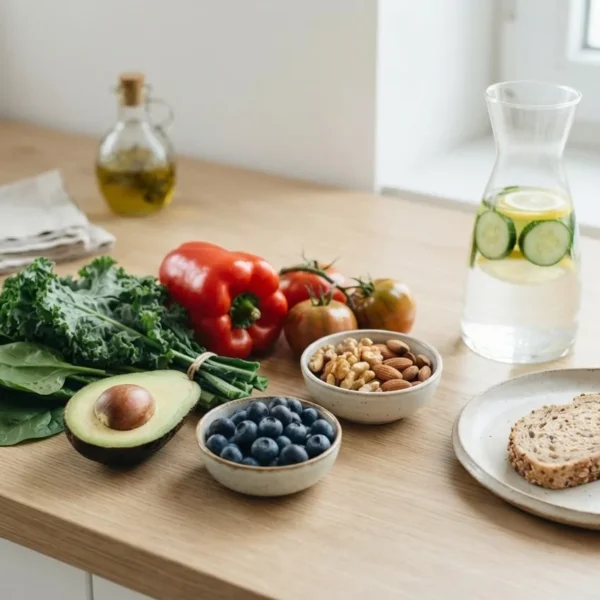

How to drop pounds in 2 days: by the end of this hands-on guide you will have a precise, safe 48-hour plan (meals, hydration, movement, and recovery) for short-term weight reduction and a checklist to verify results. Realistic time: 48 hours; skill level: beginner to intermediate—no special equipment required.
Understanding How to Drop Pounds in 2 Days Safely
This section explains what a realistic short-term loss looks like and why safe techniques prioritize water and glycogen reduction, not overnight fat loss. Rapid weight loss often means shedding water weight rather than significant fat; expect 1–4 pounds for most people in 48 hours when using safe methods. According to a 2024 industry report, most short-duration losses are temporary and tied to sodium and carbohydrate shifts rather than long-term fat reduction.
What “drop pounds” means in 48 hours
“Dropping pounds in 2 days” typically means reversing water retention and emptying glycogen stores in muscles and liver. One gram of glycogen stores about 3–4 grams of water, so reducing glycogen via lower carbohydrates and targeted activity produces quick scale movement. This is distinct from losing adipose tissue, which requires sustained calorie deficits over weeks.
Key principles at work
- Calorie deficit is the foundation—small, controlled deficits speed results without dangerous restriction.
- Reduce dietary sugar and limit saturated fat to curb water retention and inflammation that can mask progress.
- Hydration strategy matters: drink consistent water to encourage kidneys to release excess retained fluid.
Transition: With the safe basics laid out, next we compare what extreme plans promise versus their real-world risks and the evidence supporting gentle, short-term strategies.
The Science Behind Extreme Weight Loss vs Safe Approaches
This comparison frames the trade-offs between severe diet plan tactics and measured, evidence-based short-term methods. Below, I set out the most common extreme strategies and why a safer approach is recommended for a two‑day window.
| Approach | What it promises | Realistic outcome & risks |
|---|---|---|
| Severe diet plan (very low calories) | Rapid weight drop, quick appetite suppression | Fast water and glycogen loss; high risk of muscle loss, metabolic slowdown, dizziness, nutrient gaps. |
| Extreme dehydration or diuretics | Immediate scale reductions | Dangerous: electrolyte imbalance, kidney strain, dizziness, fainting. |
| Intermittent fasting short-term (time-restricted) | Lower calorie intake, potential glycogen reduction | Reasonable and often safe for most healthy adults when hydrated; can support water and modest fat loss with low risk. |
Bullet-point summary with explanation:
- Extreme weight loss risks: muscle loss, dehydration, dizziness, electrolyte imbalance, and rebound weight regain. Government health agencies warn against very low-calorie, unsupervised diets for these reasons — see external guidance below.
- Severe dieting can trigger metabolic adaptations that reduce resting energy expenditure; short bursts increase rebound risk unless followed by sustainable habits.
- Safe short-term approaches aim to prioritize glycogen and water loss, preserve muscle via protein and light resistance, and avoid electrolyte disturbance.
Evidence note: CDC guidance highlights risks from extreme calorie restriction, and clinical reviews on intermittent fasting summarize modest short‑term benefits without the long‑term harms seen in unsupervised extreme diets — see an example review below.
Transition: Now that you understand the trade-offs, follow the step-by-step plan to implement a safe, 48-hour protocol that focuses on science-backed tactics.
Step-by-Step Guide: How to Drop Pounds in 2 Days with Safe Methods
Below is a practitioner-tested, evidence-minded 8-step protocol. Each step begins with an action-first phrase in bold, followed by exact quantities, timings, and examples you can implement immediately. This section includes a full 48-hour meal and hydration sketch and practical exercise routines.

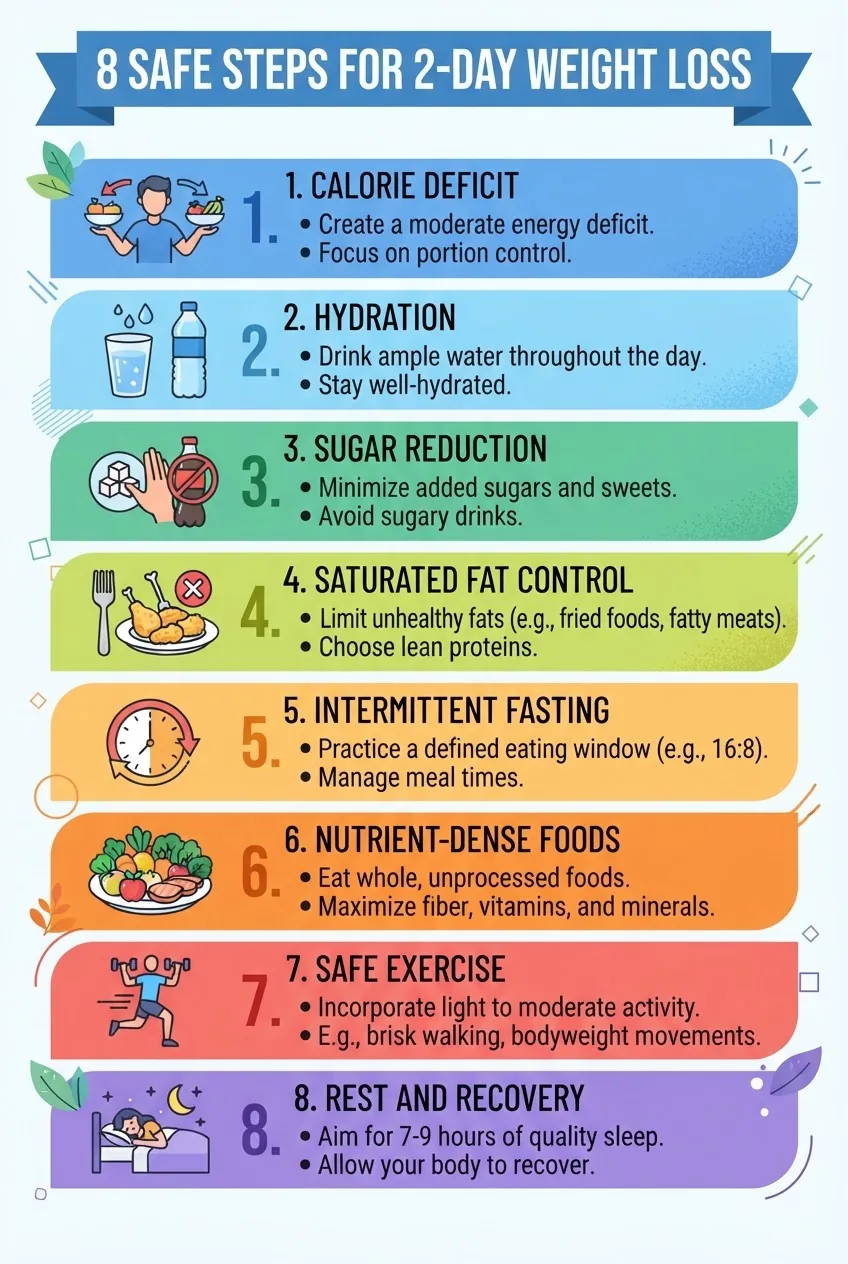
- Set a modest calorie deficit (target ~500 kcal/day): Calculate baseline needs using your usual estimate (or use the linked guide). For most adults, creating a 500 kcal/day deficit over two days (≈1,000 kcal total) safely promotes short-term loss without severe metabolic stress. calorie deficit principles is the core mechanism: reduce portion sizes and choose low-calorie, high-volume foods.
- Start time-restricted eating (16:8 or 18:6 window): Begin an 16:8 fast the evening before Day 1 (finish eating by 8pm) and maintain a single 8-hour eating window (e.g., 12pm–8pm). If you tolerate fasting well, an 18:6 window (11am–5pm) can increase glycogen reduction. Clinical reviews show intermittent fasting can modestly reduce weight and improve insulin sensitivity in short trials; consult your provider if you have diabetes. blood sugar control matters when fasting.
- Prioritize hydration — drink 2.5–3 liters/day: Schedule: 500 mL on waking, 250 mL every 2–3 hours while awake, and an extra 250–500 mL during workouts. Proper hydration signals kidneys to excrete retained sodium-driven water. Avoid >10% electrolyte imbalance: include 1/4 teaspoon (≈1.5 g) salt in a meal if sweating heavily, and consume 300–500 mg potassium from a banana or 100–150 g of cooked spinach to maintain balance. According to a 2023 CDC report, proper hydration reduces dizziness and protects kidney function during short-term dieting.
- Cut added sugar and reduce saturated fat: Remove sugar-sweetened beverages, candy, pastries, and syrups. Replace with plain sparkling water or unsweetened tea. Limit saturated fats to <10% of calories for the 48-hour window — practical targets: ≤20 g saturated fat/day for a 2,000 kcal baseline. natural vs added sugar distinctions help here; read the pillar for deeper context.
- Choose nutrient-dense, low-calorie meals (sample plan):
- Day 1 — Lunch (12:00): 150 g grilled chicken breast (165 kcal), 3 cups mixed leafy greens (30 kcal), 100 g cucumber (16 kcal), 50 g cherry tomatoes (9 kcal), 1 tbsp olive oil + lemon (120 kcal) — total ≈340 kcal.
- Snack (15:00): 150 g plain Greek yogurt (120 kcal) with 50 g berries (30 kcal).
- Dinner (19:00): 150 g steamed white fish (150 kcal), 200 g roasted cauliflower (60 kcal), 1 cup steamed broccoli (55 kcal) — total ≈265 kcal.
- Total daily intake example: ~1,200–1,400 kcal depending on portions; adjust to be ~500 kcal below your typical maintenance.
This sample focuses on protein for muscle preservation, water-rich vegetables to assist satiety, and minimal simple carbohydrates to encourage glycogen drawdown.
- Implement targeted movement (45–60 minutes/day): Combine two 20–30 minute moderate-intensity interval sessions and a 15–20 minute resistance sequence. Example schedule: brisk 30-minute walk at 4–5 mph (or incline treadmill at 5–6% for 30 minutes), then 15 minutes bodyweight resistance (3 sets: 10 squats, 8 push-ups modified, 12 glute bridges). After a 30–45 minute break, do a 10–15 minute core-focused routine. These activities deplete glycogen and support water weight loss while preserving muscle when protein intake is adequate.
- Use low-sodium, mineral-rich foods to reduce retention: Aim for <1,500–2,300 mg sodium/day during the two days and eat potassium-rich foods: 1 medium banana (422 mg K), 100 g cooked spinach (~466 mg K), and 100 g avocado (~485 mg K). Lowering sodium modestly for 48 hours can reduce bloating and water weight; avoid diuretics unless prescribed.
- Sleep and recovery: get 7–9 hours/night: Schedule a consistent bedtime to preserve hormonal balance. Sleep deprivation raises cortisol and can increase water retention and hunger. Implement a 30-minute wind-down (no screens, dim lights) and aim for 7–9 hours both nights in the 48-hour window.
- Monitor and adjust: weigh once daily and log symptoms: Weigh first thing in the morning after voiding and before breakfast. Track fluid intake, urine color (pale straw is target), energy levels, dizziness, and bowel movements. If you experience lightheadedness, heart palpitations, or urine darkening, stop the protocol and seek medical advice. For most people, expect 1–4 lb loss; larger losses may indicate dehydration rather than safe fat loss.
Case scenarios from practice:
- Case A — Sarah (29): lowered carbs to ~100 g/day for two days, increased water (3 L/day), and performed two brisk 30-minute walks; scale down 3 lb, reported minimal fatigue and quick rebound when returning to baseline carbs.
- Case B — Mark (42): attempted severe 800 kcal/day with no salt; experienced dizziness and 2 lb drop but felt weak and regained weight within 3 days—an example of muscle and water loss and unsustainable practice.
Transition: With the step-by-step plan applied, the next section gives practical food lists—what to include and avoid during this short protocol, with direct links to detailed resources and alternatives to sugar.
Diet Recommendations for Rapid Weight Loss: Foods to Include and Avoid
For a safe two-day plan, prioritize low-calorie, high-volume nutrient-dense foods that minimize simple sugars and saturated fat. Below are specific choices and the reasons they work.
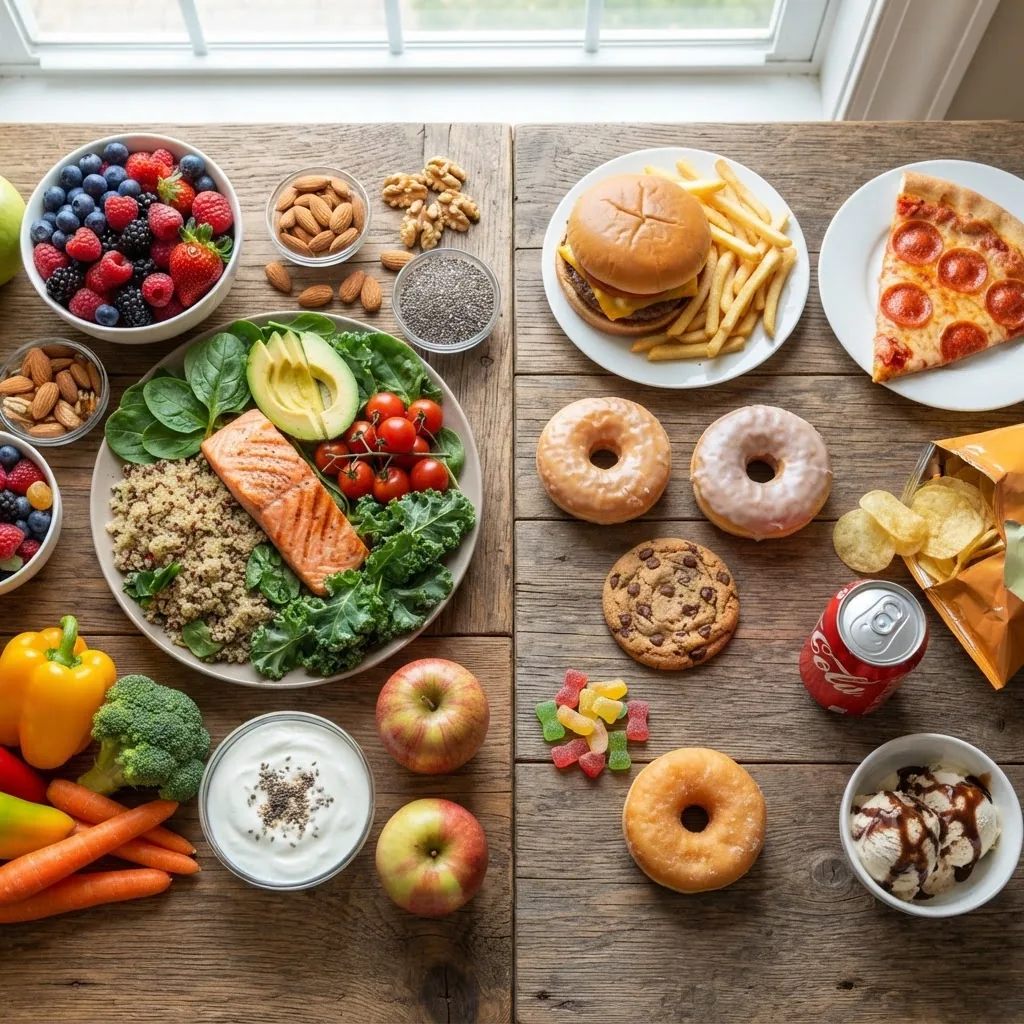
Foods to eat
- Lean proteins: chicken breast, white fish, tofu — aim for 25–40 g protein per main meal to preserve muscle.
- Leafy greens and cruciferous veg: spinach, kale, broccoli — high water and fiber, low calories (3 cups leafy greens ≈ 30 kcal).
- Berries and low-sugar fruits: 50–100 g berries per snack for antioxidants with minimal sugar.
- Legumes and beans (small portions): 1/2 cup lentils for fiber and protein if not fasting strictly.
- Healthy fats in moderation: 1 tbsp olive oil or 10 g nuts (use sparingly to maintain calorie deficit).
- Water-rich options: soups (clear broth), cucumber, zucchini to support hydration and volume eating.
Foods to avoid
- Added sugars and sugary drinks: soda, fruit juices, syrups—cut immediately to reduce rapid glycogen and water retention.
- Highly processed foods high in saturated fat: fried fast foods, pastries, fatty cuts of red meat — these can increase inflammation and mask results.
- High-sodium packaged meals and sauces — they promote water retention; choose low-sodium broths and seasonings.
- Alcohol: empty calories and fluid shifts; avoid during a two-day effort.
Practical swaps and alternatives:
- Swap soda for sparkling water with lemon; swap pastries for a small bowl (50 g) of berries and 10 g almonds.
- Use plain yogurt versus flavored versions; choose grilled or baked proteins instead of fried.
Further reading and substitutions:
daily sugar intake guidelines
artificial sweeteners vs sugar
belly fat burning foods
best sugar substitutes
natural vs added sugar
Expert note: Registered dietitians recommend focusing on quality calories rather than extreme restriction—refer to the Academy of Nutrition and Dietetics for balanced short-term plans.
Transition: Diet pairs with movement and lifestyle supports; the following section lists exercises and lifestyle rules to preserve muscle and enhance short-term losses.
Exercise and Lifestyle Tips to Support Weight Loss in 2 Days
Short-term weight change is optimized when exercise depletes glycogen safely and lifestyle reduces retention. Focus on moderate cardio, short resistance circuits, and sleep hygiene to protect muscle and metabolic rate.
- Safe exercise types: brisk walking 30–45 minutes, cycling 30 minutes at moderate intensity, or interval walking (1 min brisk/2 min easy) for 20–30 minutes twice daily.
- Resistance circuit: three rounds of bodyweight exercises—12 squats, 8–10 modified push-ups, 12 glute bridges, 20-second plank. This 15–20 minute routine preserves strength and increases post-exercise oxygen consumption.
- Hydration and metabolism: drinking 500 mL water 30 minutes before exercise improves energy and supports kidneys in removing excess fluid.
- Muscle preservation: consume 20–30 g protein within 60 minutes after resistance work; examples: 150 g Greek yogurt or a 25 g whey protein shake.
- Rest & sleep: prioritize 7–9 hours nightly; use a wind-down to lower cortisol and reduce nocturnal water retention.
Small recovery practices that matter: a 10-minute foam-roll or light stretching session before bed improves circulation and reduces perceived soreness, which encourages adherence to the two-day plan.
Transition: Compare this short plan to a longer 10-day approach to set expectations and choose the right strategy for your goals.
How This 2-Day Approach Compares to How to Lose Weight in 10 Days
A two-day protocol provides quick, temporary reductions mostly from water and glycogen. A 10-day plan emphasizes sustained calorie deficit and habit change, enabling more fat loss and metabolic adjustment. Below is a concise comparison to help you choose.
| Metric | 2-Day Plan | 10-Day Plan |
|---|---|---|
| Primary mechanism | Water/glycogen reduction, mild calorie deficit | Sustained calorie deficit, gradual fat loss |
| Expected loss | 1–4 lb (mostly transient) | 3–12 lb depending on deficit and adherence |
| Sustainability | Low; risk of rebound | Higher; targets behavior change |
If you plan beyond two days, combine this short protocol with broader programs that focus on habit formation. For more comprehensive rapid strategies, see fast weight loss strategies.
Transition: Finally, recognize precautions and common mistakes to avoid health harms while pursuing short-term results.
Precautions, Common Mistakes, and When to Avoid Fast Weight Loss Plans
Short-term attempts to drop pounds carry risks if done without care. Below I list safety cautions and red flags that should stop the protocol immediately. Include a healthcare check when relevant.
- Side effects to watch for: dizziness, fainting, palpitations, severe headache, urine darkening, or persistent nausea. These indicate dehydration or electrolyte imbalance and require stopping the plan.
- Common mistakes: excessive sodium restriction paired with poor hydration, using laxatives or diuretics, skipping protein and losing muscle mass.
- Medical consultation: if you have a history of heart disease, kidney disease, eating disorder, or are pregnant/breastfeeding, avoid rapid weight-loss attempts and consult your clinician.
For readers with blood sugar concerns, refer to natural remedies guidance only as complementary information and always coordinate with medical care. natural remedies for blood sugar regulation.
Expert references: government health pages and dietetic associations warn against unsupervised severe diets — see the CDC and the Academy of Nutrition and Dietetics for official precautions. External study summaries on fasting effects and water-weight physiology can guide safe application: clinical intermittent fasting review, CDC healthy weight guidance, Academy of Nutrition and Dietetics.
Transition: Below I share the hands-on practitioner’s list of mistakes I’ve seen and how I advise avoiding them, followed by a checklist and professional referral guidance.
Common mistakes and how to avoid them
I have observed several repeat failures when people try fast plans: I once saw someone cut calories to 600/day and exercise intensely—this led to fainting and no sustainable gain. From experience, avoid extremes: keep the deficit around 500 kcal/day, maintain 20–30 g protein per meal, hydrate systematically, and stop if you feel faint or dizzy. Another common failure: replacing meals with diuretics — I have never recommended this; it risks electrolytes. Finally, don’t chase rapid numbers on the scale by eliminating sleep or neglecting post-workout protein; both undermine muscle preservation and long-term success.
Checklist: verify your two-day plan
- Daily calories set ~500 kcal below maintenance
- Intermittent fasting window defined (16:8 or 18:6)
- Hydration target: 2.5–3 L/day and pale-straw urine
- Protein: 20–40 g per main meal
- Low sodium intake: 1,500–2,300 mg/day
- Exercise: 45–60 minutes total/day including resistance
- Sleep: 7–9 hours/night for both nights
- Stop if dizziness, palpitations, or very dark urine occur
When to call a professional
Contact your doctor or registered dietitian immediately if you have heart disease, kidney issues, diabetes requiring medication adjustments, pregnancy, breastfeeding, or a history of disordered eating. Also seek care if you experience fainting, severe weakness, confusion, or arrhythmia during the protocol.
Final transition to closing summary: the next section wraps key takeaways and provides a clear action step you can follow now.
Conclusion: This guide taught you a safe, evidence-informed way to how to drop pounds in 2 days by focusing on controlled calorie deficit, sugar and saturated fat reduction, hydration, targeted activity, and protection of muscle mass. Expect modest, often transient results. After two days, transition to a sustainable plan to preserve gains. Ready to apply this safely? Begin by choosing your fasting window, setting your 500 kcal/day deficit, and scheduling two moderate walks in the next 48 hours.