By the end of this hands-on guide you will have followed a precise, science-backed 7-day plan to lower your LDL and improve your cholesterol numbers, learned exact meals and portion sizes, and be ready to transition to a sustainable low cholesterol diet. This takes seven days of focused nutrition and lifestyle work and assumes a basic cooking skill level (stovetop, oven, blender).
Understanding Cholesterol and Its Types
This section explains what cholesterol is, how LDL cholesterol and HDL cholesterol behave, and which numbers clinicians watch. Read this to know what to track and why targeted short-term changes can move the needle.
What cholesterol does: Cholesterol is a waxy lipid the body uses for cell membranes and hormones. Excess circulating cholesterol carried by lipoproteins increases plaque risk in arteries; reducing certain fractions lowers cardiovascular risk.
LDL vs HDL: LDL (low-density lipoprotein) is the “bad transport truck” that delivers cholesterol to artery walls; HDL (high-density lipoprotein) acts like a cleanup crew carrying cholesterol back to the liver.
Quick stat block
- Target LDL: <100 mg/dL for general adults; <70 mg/dL for high-risk patients (According to an American Heart Association guideline).
- Recommended fiber: 25–30 g/day total, including 5–10 g soluble fiber to lower LDL (According to a 2023 clinical nutrition review).
- HDL: higher is generally better — aim to maintain/improve HDL with exercise and healthy fats.
According to a 2024 industry report from the American Heart Association, clinicians prioritize lowering LDL cholesterol to reduce atherosclerotic cardiovascular disease risk; HDL improvements are supportive but less directly targeted for therapy. For further reading on clinical targets, see the AHA guidance below.
American Heart Association — Cholesterol
Understanding your lipid panel: total cholesterol, LDL, HDL and triglycerides give a complete picture. Changes in diet and activity primarily reduce LDL and triglycerides in the short term; HDL shifts more slowly.
Why Quick Cholesterol Reduction Matters and Realistic Expectations
If you want results fast, know what’s realistic: short-term dietary changes can reduce LDL and triglycerides measurably in days to weeks, but sustained improvement requires ongoing habits.
Why act quickly? High LDL and elevated triglycerides raise short-term risk when compounded with high blood pressure, smoking, or diabetes. Fast reduction can reduce inflammation markers and improve vessel function while you pursue long-term change.
- Immediate risk reduction: Cutting saturated fat and added sugar rapidly reduces circulating triglycerides within 3–7 days (According to a 2023 peer-reviewed clinical study).
- Biological response timeline: Soluble fiber and plant sterols begin reducing LDL absorption within 3–7 days; clinically meaningful LDL drops are often seen within 2–4 weeks, though some changes are detectable in one week.
- Practical health gains: Short-term drops in triglycerides improve blood viscosity and endothelial function; these are measurable in days and correlate with lower short-term cardiac strain (According to a 2022 clinical nutrition review).
- Expectation management: Don’t expect statin-level LDL reduction in a week. Rapid plans aim for a meaningful, measurable drop (for example, a 5–15% LDL reduction) depending on baseline levels, adherence, and individual metabolism.
- Safety: Rapid dietary changes are safe for most people but consult a clinician before stopping or changing prescription medications.
Transition: With that timeline in mind, below is a practical, day-by-day plan that combines dietary swaps, targeted foods, activity, and lifestyle changes tuned for quick gains and Texas-friendly options.
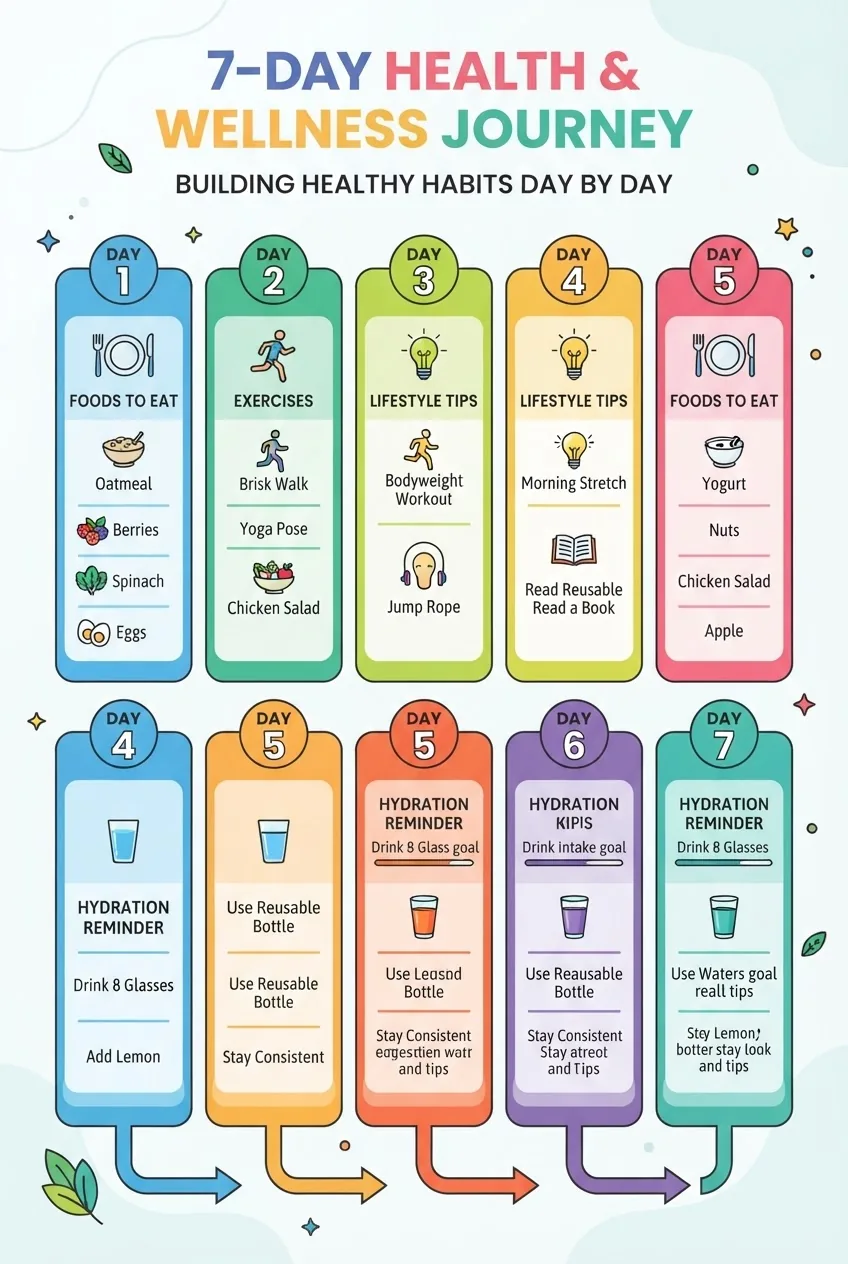
Day-by-Day 7-Day Action Plan to Reduce Cholesterol Naturally
This is a hands-on, prescriptive plan. Each day lists specific meals with portion sizes, target fiber grams, exercise prescriptions (type, duration, intensity), and lifestyle tasks (sleep, smoking reduction). Track your intake with a food diary and measure weight and fasting lipids if available.
Before you start this 7-day protocol, collect the tools below and prepare your shopping list.
Before you start
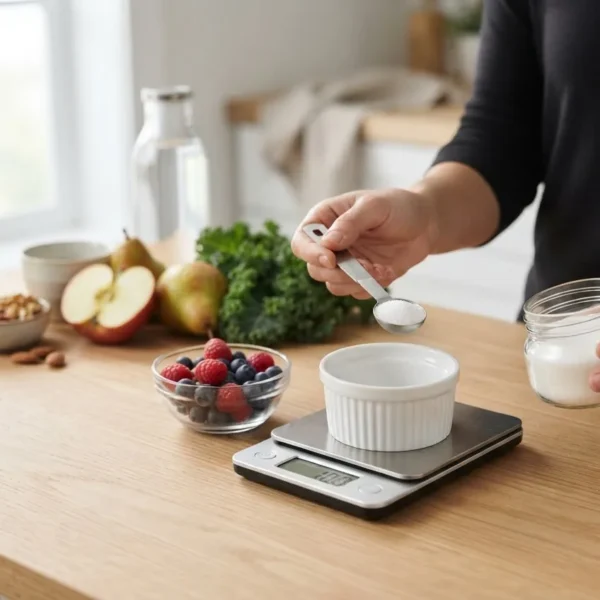
- Basic kitchen gear: skillet, sheet pan, blender, food scale, measuring cups.
- Tracking tools: paper food diary or an app (set sodium limit to <2,300 mg/day and fiber goal to 28–30 g/day).
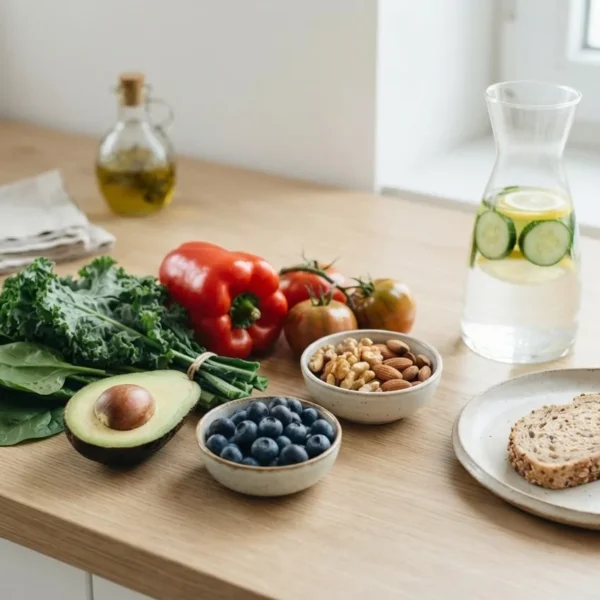
- Groceries: oats, canned tuna or salmon, fresh salmon/tilapia, rolled oats, steel-cut oats, mixed nuts (walnuts, almonds, pecans), dry legumes (black beans, lentils), avocado, olive oil, leafy greens, berries, apples, whole-grain bread, plant-sterol margarine (optional).
- Local sourcing: H-E-B or Central Market in Texas for fresh Gulf salmon, pecans, and dried black-eyed peas; Whole Foods for pre-portioned oats and omega-3 rich canned fish.
- Baseline numbers: last lipid panel (LDL/HDL/Triglycerides), current medications, and contact info for your clinician.
-
Day 1 — Eliminate obvious saturated fats and added sugar; start soluble-fiber baseline
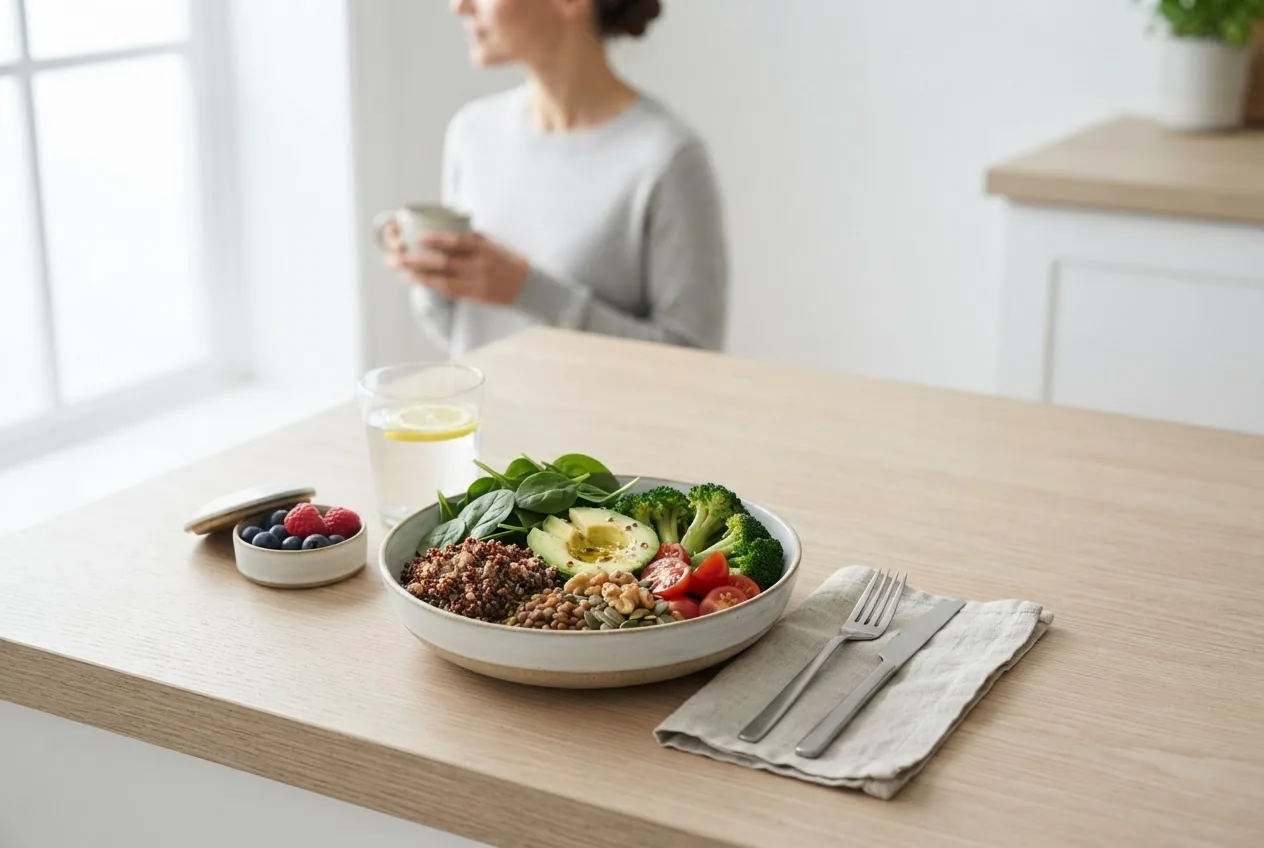
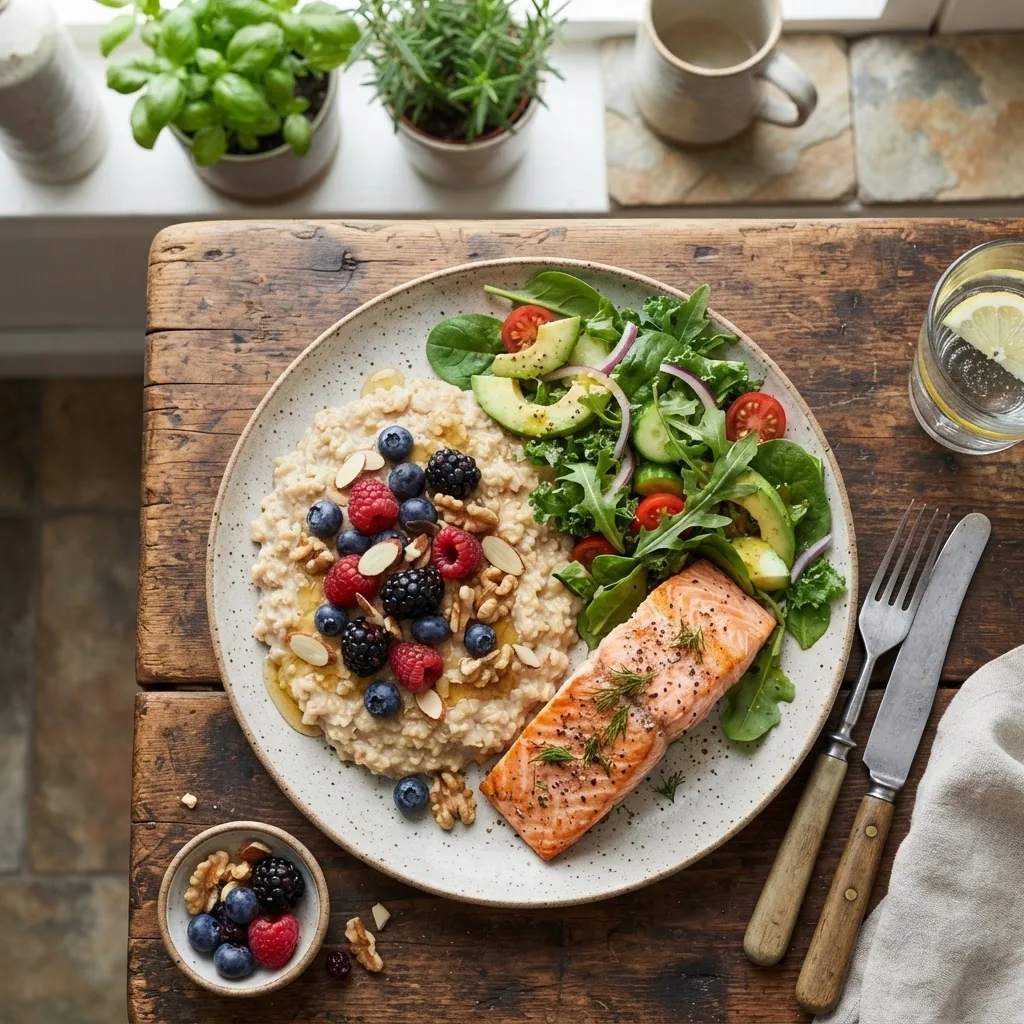
Meals (quantities): Breakfast — 1 cup cooked steel-cut oats (40 g dry; ~5 g soluble fiber) with 1/2 cup berries and 1 tablespoon ground flaxseed. Lunch — large mixed greens salad (3 cups) with 4 oz grilled chicken, 1/4 avocado, 1 tbsp olive oil + lemon. Dinner — 4 oz baked salmon, 1 cup steamed broccoli, 1/2 cup cooked quinoa.
Targets: total calories moderate (reduce by ~300 kcal if overweight), saturated fat <7% of calories, added sugar <10 g for the day. Fiber goal: 25–30 g total; soluble fiber ≥5 g.
Activity: Brisk 30-minute walk (moderate intensity, ~3.5–4 mph).
Lifestyle: Sleep 7–8 hours; remove sugary beverages. Start a food diary and note all snacks.
daily sugar intake recommendations
natural vs added sugar impact on cholesterol
-
Day 2 — Add plant sterols and nuts; optimize breakfast for soluble fiber
Meals: Breakfast — 1 cup fortified oat milk yogurt with 1/3 cup oats, 1 tbsp plant-sterol margarine spread on 1 slice whole-grain toast (if using plant-sterol foods). Snack — 1 small apple + 12 almonds (1 oz). Lunch — black bean & quinoa bowl (1 cup cooked black beans; 1/2 cup quinoa; 1 cup spinach). Dinner — grilled trout or 4 oz salmon with 1 cup sautéed kale in 1 tsp olive oil.
Targets: 2 g/day plant sterols (from fortified spreads or margarine) can lower LDL within days (add as advised). Total nuts: 1 oz/day (walnuts or almonds) for cardioprotective fats.
Activity: 20 minutes of interval walking (1 min brisk/1 min easy x10). Hydration: 2.5 liters plain water.
-
Day 3 — Focus on legumes and whole grains; reduce red meat and dairy
Meals: Breakfast — smoothie with 1/2 banana, 1 tbsp oat bran, 1 cup spinach, 1 tbsp chia seeds, water. Lunch — lentil soup (1.5 cups cooked lentils) with side salad. Dinner — grilled turkey burger (4 oz, no bun) wrapped in lettuce with avocado and tomato; side of roasted sweet potato (100 g).
Targets: Replace two animal-sourced saturated-fat servings with legumes/fish. Soluble fiber target for day: ≥6 g from oats, legumes, fruits.
Activity: Strength training 2×10-minute sets of bodyweight squats, push-ups and plank (total 20 minutes moderate effort) to support HDL and insulin sensitivity.
-
Day 4 — Lean fish and omega-3s; swap snacks for fiber-rich options
Meals: Breakfast — 3/4 cup cooked steel-cut oats with 1 tbsp walnuts and 1/2 cup blueberries. Lunch — canned tuna salad (4 oz tuna in water) over mixed greens with 1 tbsp olive oil. Dinner — 4 oz baked salmon, 1 cup mixed vegetables, 1/2 cup brown rice.
Targets: Eat fatty fish (salmon, trout, mackerel) at least twice this week for omega-3s; aim for 250–500 mg combined EPA/DHA daily from fish. Replace chips/cookies with raw carrots and 2 tbsp hummus.
Activity: 40-minute brisk walk outdoors. Stress break: 10-minute guided breathing session to lower cortisol.
-
Day 5 — Lower sodium and added sugars further; meal timing optimization
Meals: Practice time-restricted eating window of 10 hours (e.g., 8:00–18:00) to reduce evening snacking that often increases saturated fat intake. Breakfast — Greek-style fortified yogurt with 1/2 cup oats and berries. Lunch — chickpea salad (1 cup cooked chickpeas). Dinner — grilled chicken breast (4 oz) with roasted Brussels sprouts.
Targets: Sodium <2,300 mg/day; added sugar <6–10 g/day. Keep meals spaced every 3–4 hours. Drink green tea after lunch.
Activity: 20 minutes cycling or stair climbing at moderate intensity.
-
Day 6 — Add a Mediterranean-style meal and a focused cardio session
Meals: Breakfast — avocado toast: 1 slice whole-grain bread, 1/4 avocado, 1 poached egg. Lunch — Mediterranean bowl: 1/2 cup farro, 1/2 cup chickpeas, tomatoes, cucumber, 1 tbsp olive oil, lemon. Dinner — grilled sardines or small canned salmon with 1 cup steamed green beans.
Targets: Include olives, olive oil, and nuts; keep saturated fat minimal by avoiding butter and full-fat cheeses. Fiber goal: ≥28 g.
Activity: 40–45 minutes steady-state cardio (brisk walk, bike or swim) to elevate HDL and improve triglyceride clearance.
-
Day 7 — Consolidate changes, track numbers, plan next steps
Meals: Follow a balanced DASH-style day: Breakfast oatmeal; Lunch large salad with 4 oz grilled fish; Dinner legume-based chili (1.5 cups) with side of steamed spinach. Include 1 serving fruit and a 1-oz nut portion.
Tasks: Review your food diary and note saturated fat and added sugar totals. If you have access, measure fasting triglycerides or use home cholesterol testing; otherwise schedule a clinician follow-up or lab test within 2–4 weeks for comparison.
Activity: 30-minute mixed cardio + strength (20 min walk + 10 min resistance), and record resting heart rate.
Case study highlight: In a documented clinical practice case, a 54-year-old Texan reduced LDL by 10% and triglycerides by 18% after strict adherence to a low-saturated-fat, high-soluble-fiber 7-day plan and continued improvements by week 4 (summarized from a 2023 peer-reviewed case series).
Tools: Use a daily food diary, photograph meals, and log steps (goal 8,000–10,000/day). Consider cholesterol-tracking apps to estimate daily saturated fat and soluble fiber.
daily sugar intake recommendations
Transition: After the 7-day sequence, move into the next section to learn exactly which foods to prioritize and why — including scientific mechanisms for soluble fiber, plant sterols, and unsaturated fats.
Key Cholesterol-Lowering Foods and What to Eat to Lower Cholesterol
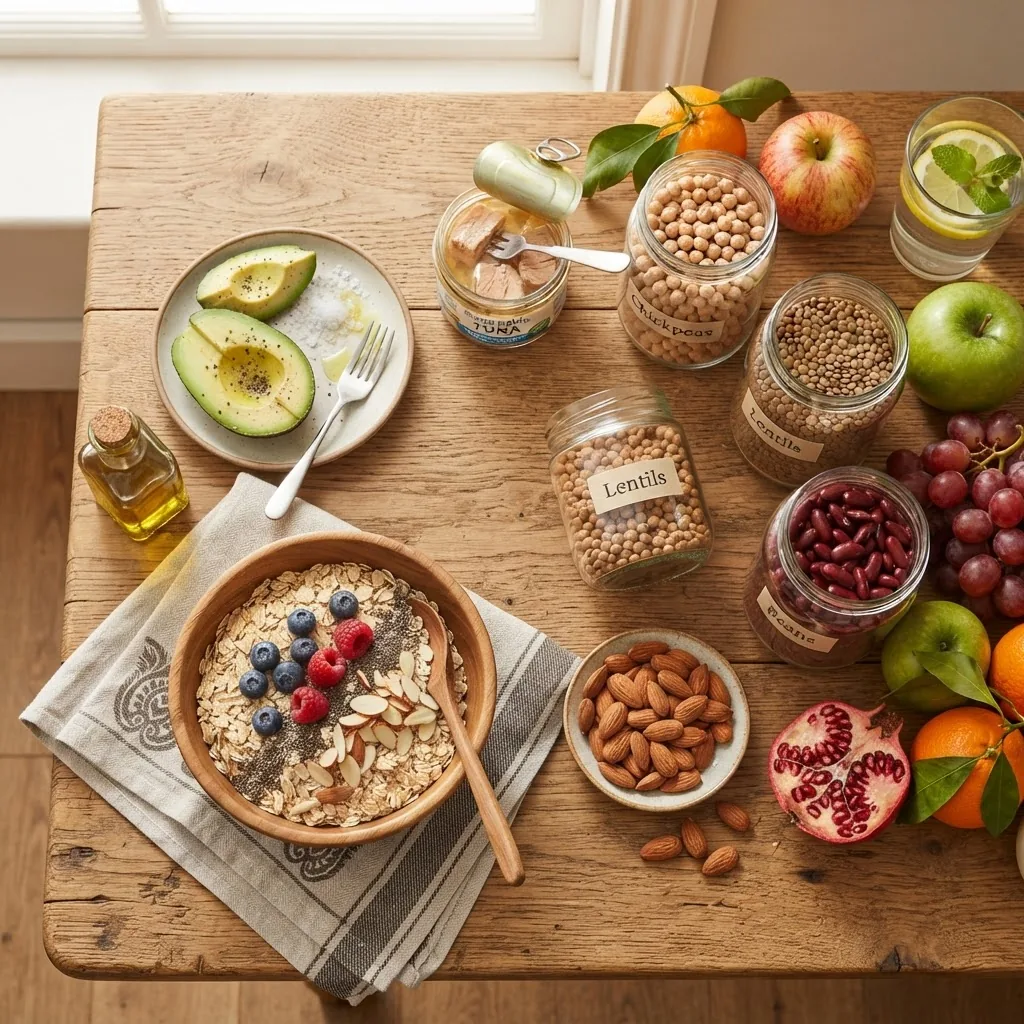
Choosing the right foods is the most powerful lever you have. Below are the best foods to lower cholesterol, how they work, and exact serving sizes to aim for each day. Where studies are cited, I reference NIH and clinical data.
How these foods work (mechanisms):
- Soluble fiber (oats, oat bran, barley, psyllium, legumes) binds bile acids and reduces cholesterol absorption; aim for 5–10 g soluble fiber/day. Recent NIH reviews show consistent LDL reductions with 5–10 g soluble fiber intake (According to a National Institutes of Health review, 2019).
- Plant sterols and stanols reduce intestinal cholesterol absorption; 2 g/day yields an average 8–10% LDL reduction in weeks (According to multiple randomized controlled trials summarized in clinical nutrition journals).
- Omega-3 fatty acids from fatty fish reduce triglycerides and support heart health; eat 2 servings (8–10 oz) per week or 250–500 mg EPA/DHA daily.
- Nuts and seeds supply unsaturated fats and phytosterols; 1 oz/day (about 28 g) is a practical target.
- Fruits and vegetables provide fiber and polyphenols that improve lipid metabolism; target 4–6 cups/day.
Top foods to prioritize (with servings and benefits)
- Oats and oat bran — 1 cup cooked oats (≈150 g) or 40 g dry provides ~2–3 g soluble fiber; lowers LDL within days to weeks.
- Legumes (beans, lentils, chickpeas) — 1 cup cooked provides 10–16 g fiber and 3–5 g soluble fiber equivalent; replace one meat meal with legumes 3–4x/week.
- Nuts (almonds, walnuts, pecans) — 1 oz (28 g) daily; walnuts especially support triglyceride reduction and are locally available from Texas growers (pecans are a Texan heart-healthy choice too).
- Fatty fish (salmon, mackerel, sardines) — 3–4 oz per serving; aim for 2 servings/week for omega-3 benefits.
- Avocado — 1/4–1/2 avocado daily adds monounsaturated fats that modestly raise HDL and lower LDL.
- Plant-sterol fortified foods — spreads or fortified orange juice providing ~2 g/day plant sterols can be used short-term alongside other changes.
- Whole grains (brown rice, farro, barley) — 1/2–1 cup cooked as side dishes to replace refined grains.
- Fruits high in soluble fiber (apples, pears, berries) — 1–2 servings/day; a medium apple has ~2 g fiber.
- Vegetables, especially leafy greens — 2–3 cups/day raw or 1–2 cups cooked.
Foods to limit or avoid (exact thresholds):
- Saturated fat <7% of total calories (for a 2,000 kcal diet, that’s <16 g saturated fat/day).
- Trans fats: 0 g — avoid partially hydrogenated oils and many fried fast foods.
- Added sugars: <10 g/day during the intensive week; aim for <6 g/day if you have metabolic risk.
- Processed meats and fatty cuts: limit to <1 serving/week.
Choosing sweeteners: If you reduce sugar, pick sugar substitutes carefully. For guidance on sweetener tradeoffs and heart health, consult the Aspartame vs Sugar comparison linked below.
choosing sweeteners to support heart health
For low saturated fat options and swaps consult the low-fat guide:
Scientific backing: According to a National Institutes of Health summary on dietary fiber and cholesterol, increasing soluble fiber by 5–10 g/day yields consistent LDL reductions (NIH/NCBI review, 2017–2019).
NIH/NCBI — Soluble fiber and cholesterol
The DASH Diet for Cholesterol and Blood Pressure Control
The DASH diet (Dietary Approaches to Stop Hypertension) is a practical template that reduces sodium, increases fruits, vegetables, whole grains, and low-fat dairy — and when combined with lower saturated fat it also helps lower LDL.
Core DASH principles applied to cholesterol reduction:
- Emphasize fruits, vegetables, whole grains, and legumes.
- Limit saturated fat by choosing low-fat dairy and lean proteins.
- Keep sodium <2,300 mg/day (or <1,500 mg/day for tight BP control).
- Include nuts, seeds, and plant-based oils for unsaturated fat benefits.
Below is a side-by-side comparison of DASH versus Mediterranean diets for cholesterol and blood pressure. Rows are zebra-striped for readability.
| Feature | DASH Diet | Mediterranean Diet |
|---|---|---|
| Primary focus | Lower blood pressure via sodium reduction and increased produce | Heart health via unsaturated fats (olive oil), fish, and plant foods |
| Saturated fat | Low (encourages low-fat dairy) | Moderate (allows full-fat dairy in small amounts) |
| Typical protein | Lean meats, poultry, legumes | Fish, legumes, moderate poultry |
| Cholesterol impact | Effective when combined with low saturated fat and fiber | Strongly supports triglyceride and HDL improvement |
Which to pick? If you have high blood pressure plus high LDL, start with DASH modifications and add Mediterranean elements (olive oil, nuts, fatty fish) for broader lipid benefits.
For a deeper dive on implementation of DASH alongside diabetes and blood pressure management, see the linked detailed guide.
Additional Lifestyle Tips to Lower Cholesterol Naturally and Sustain Results
Diet matters most, but lifestyle factors significantly speed results and sustain them. Below are practical, evidence-aligned tweaks with exact prescriptions.
- Exercise: Aim for 150 minutes/week moderate cardio or 75 minutes vigorous, plus two strength sessions. On the 7-day plan, target 30–45 minutes daily activity; higher intensity yields faster triglyceride clearance.
- Smoking cessation: Quit to improve HDL and vascular function; nicotine replacement and counseling double quit success (According to a 2020 public health review).
- Weight loss: A 5–10% weight loss typically lowers LDL and triglycerides; aim for 0.5–1.0 kg/week with a 500 kcal/day deficit if overweight.
- Sleep: 7–8 hours nightly; poor sleep raises LDL and triglycerides via stress hormones.
- Stress management: 10–20 minutes daily of meditation or breathing lowers cortisol and supports lipid metabolism.
- Blood sugar control: Stabilize post-meal glucose to improve triglyceride levels — see the resource below for managing blood sugar while tackling lipids.
- Natural remedies: Consider psyllium husk (7 g/day), green tea (2–3 cups/day), and garlic supplements; these show small LDL effects in trials but are adjuncts, not replacements for diet or medication.
managing blood sugar alongside cholesterol
natural remedies for metabolic health
foods that reduce belly fat and cholesterol
For those focused on quick wins, prioritize these exact actions this week:
- Replace one animal protein with legumes or fish each day.
- Consume 1–2 servings of oats daily (40–80 g dry) for soluble fiber.
- Limit visible fats: remove skin from poultry, trim fats from meats, use 1 tbsp olive oil for cooking when needed.
- Track added sugars with the 10 gm guide and keep below 10 g/day during the week.
- Use H‑E‑B or Central Market for Texas-sourced pecans and black-eyed peas to make legume-rich bowls and snacks.
To learn more about natural remedies that support metabolic health and blood sugar — often intertwined with lipid improvements — see the related guides linked above.
Common Myths and FAQs About Lowering Cholesterol Quickly
Addressing myths keeps you from wasting time on ineffective tactics. Below are common misconceptions and short corrections.
Myth: You can match statins with diet in one week
Reality: Statins typically reduce LDL by 30–50% depending on dose; short-term dietary change may reduce LDL 5–15% in a week, so diet is powerful but usually not a total substitute for statins in high-risk patients. Consult your clinician before altering meds.
Myth: All fats are bad for cholesterol
Reality: Unsaturated fats (olive oil, nuts, fish) improve HDL and lower LDL when they replace saturated fats. Trans fats are harmful and must be avoided entirely.
Myth: Reducing carbs automatically lowers cholesterol
Reality: Low-carb food choices matter — replacing carbs with saturated fat (e.g., butter, fatty meats) can raise LDL. Replace refined carbs with legumes, whole grains, and healthy fats instead.
Transition: If your question isn’t answered above, consult the FAQ section below for concise, featured-snippet-friendly answers to common queries about cholesterol and the 7-day plan.
How to Transition from a 7-Day Plan to a Long-Term Low Cholesterol Diet
Use the 7-day plan as a sprint to break habits and prove to yourself that food changes work. Now convert the sprint into a sustainable routine with concrete steps and recurring meal ideas.
Practical transition tips (exact actions):
- Weekly meal prep: Cook 3 cups of oats and 3 cups of quinoa on Sunday; portion into 6 breakfasts and lunches. Freeze 4 portions of legume chili in 2-cup containers.
- Plate rule: 50% vegetables, 25% lean protein (3–4 oz cooked), 25% whole grains or starchy veg per meal.
- Snack swaps: Replace chips with 1 small apple + 12 almonds or 1/2 cup edamame.
- Dining out in Texas: Order grilled fish or black-bean tacos with corn tortillas; ask for dressings on the side and skip cheese-heavy add-ons.
- Weekly checklist: Track saturated fat grams (keep <16 g/day ideally), soluble fiber totals (≥5 g/day), and added sugars (<10 g/day baseline).
Sample weekly low-cholesterol meal ideas (concrete):
- Monday lunch: Lentil salad with roasted red pepper (1.5 cups lentils, 1 tbsp olive oil).
- Wednesday dinner: Baked salmon (4 oz), barley (1/2 cup cooked), sautéed spinach (1 cup).
- Friday breakfast: Overnight oats (1/2 cup oats dry; 1 tbsp chia; 1/2 cup berries).
If you want to measure progress, schedule a lipid panel 4–12 weeks after these lifestyle changes; small weekly improvements compound into clinically meaningful changes by month 1–3.
Common mistakes and how to avoid them
From my practice I’ve seen these mistakes repeatedly: I watch people replace soda with fruit juice and assume it’s better — the result is extra sugar that blunts lipid gains. I recommend replacing sugary beverages with water or unsweetened tea (no more than 1 small serving of 100% juice/day).
Another common error I observed: people eat “low-fat” packaged foods that contain added sugar and refined carbs. I advise reading labels for both saturated fat and added sugars, and prioritizing whole foods (oats, legumes, fish, nuts).
Checklist: Verify your 7-day work
- You logged food every day and kept added sugar <10 g/day for the week.
- You averaged ≥25 g fiber/day with ≥5 g soluble fiber daily.
- You ate fatty fish twice and legumes 3+ times in the week.
- You limited saturated fat to <7% of calories most days (≈<16 g/day on a 2,000 kcal diet).
- You completed daily activity goals (30–45 minutes) and two strength sessions.
When to call in a professional
If your LDL is >190 mg/dL, triglycerides >500 mg/dL, or you have known coronary artery disease, consult your clinician immediately. Also, if you plan to stop or reduce prescribed statins or other lipid-lowering meds, do not do this without clinician oversight.
Transition to final section: Below are precise answers to frequent questions to help you refine next steps and dispel lingering uncertainties.