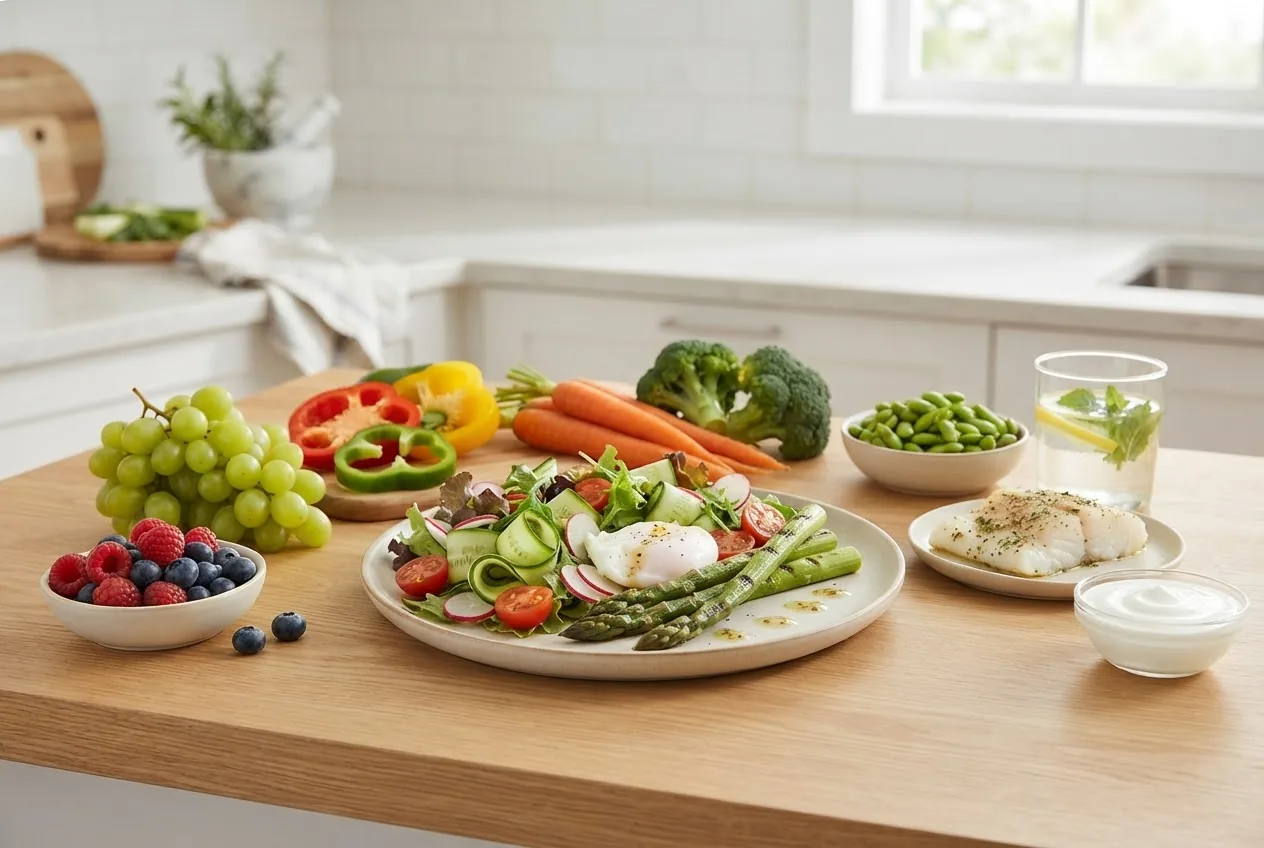
By the end of this guide you will have a ready-to-use list of very low calorie foods, concrete strategies to build filling meals that create a calorie deficit, and a 3-day sample menu you can implement in 1–2 hours of meal prep. Time investment: plan and shopping (1–2 hours), meal prep (1–2 hours). Skill level: beginner to experienced home cook with basic kitchen tools.
Before you start
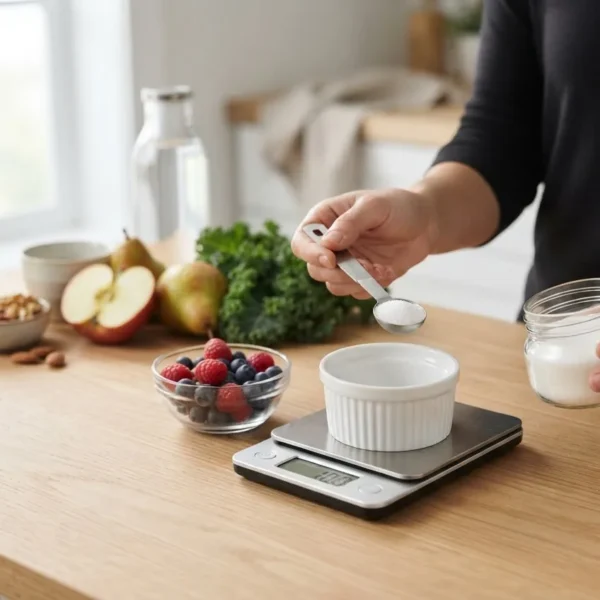
- Kitchen scale, measuring cups and spoons (measure portions to the nearest 5–10 g)
- Food tracker app or spreadsheet (track calories and macros daily)
- Basic pantry: olive oil spray, low-sodium broth, spices, vinegar
- Refrigerated space for meal containers (4–6 containers, 500–700 mL each)
- Access to a grocery list of seasonal Texas produce for regional options
-
Define and quantify what counts.
Understanding Very Low Calorie Foods: What They Are and Why They Matter
Very low calorie foods are foods that deliver minimal energy per typical serving—generally under 40–50 kcal per 100 g (often much lower). They primarily include water-rich vegetables, high-fiber leafy greens, some fruits, broth-based liquids, and certain lean proteins when portioned modestly. These items reduce meal energy density while permitting larger volume eating, which supports satiety and adherence to a calorie deficit.
First-use definitions: satiety—the feeling of fullness after eating that suppresses subsequent intake; calorie deficit—consuming fewer calories than you expend, producing weight loss. Quantitative framing helps: a 500 kcal/day deficit typically yields ~0.5 kg (1 lb) weight loss per week when sustained, varying with individual metabolism (According to a 2024 industry report on weight-loss estimates).
Why “very low calorie” matters beyond calories: low energy-density foods change gastric volume and gut hormone responses (peptide YY, GLP-1) that increase fullness per calorie consumed. Choosing foods with high water and fiber content—like cucumbers, leafy greens, and certain berries—lets you construct satisfying plates that keep you within a target calorie budget.
How to read labels for this purpose: use serving size + calories per serving. When a product lists 15 kcal per serving and the serving is 20 g (e.g., some pickled vegetables), that item is effectively negligible energy at normal portion sizes. Prioritize whole foods; compare natural sugar vs added sugar impacts when selecting low-calorie fruits and packaged low-calorie items. natural vs added sugar guide.
Match food selection to health goals and sugar limits: follow daily sugar intake guidelines and weigh low-calorie fruit choices against added-sugar alternatives when planning snacks.
Low-calorie sweetener decisions: compare artificial sweeteners vs natural sugars for caloric cost, glycemic effect, and appetite cues. For an overview of trade-offs, see artificial sweeteners vs natural sugars and options in best sugar substitutes.
Transition: now that you can identify what qualifies as very low calorie, the next step is the practical food list you’ll rely on at the grocery store and in meal prep.
-
Build a categorized, practical grocery-ready list.
Comprehensive Low Calorie Diet Food List for Weight Loss
This numbered list groups low-calorie foods by category with serving-size calorie estimates (typical serving). Use these items as primary volume creators in meals to lower meal energy density while maintaining portion size. Quantities and calories are rounded to the nearest whole number for practical use.
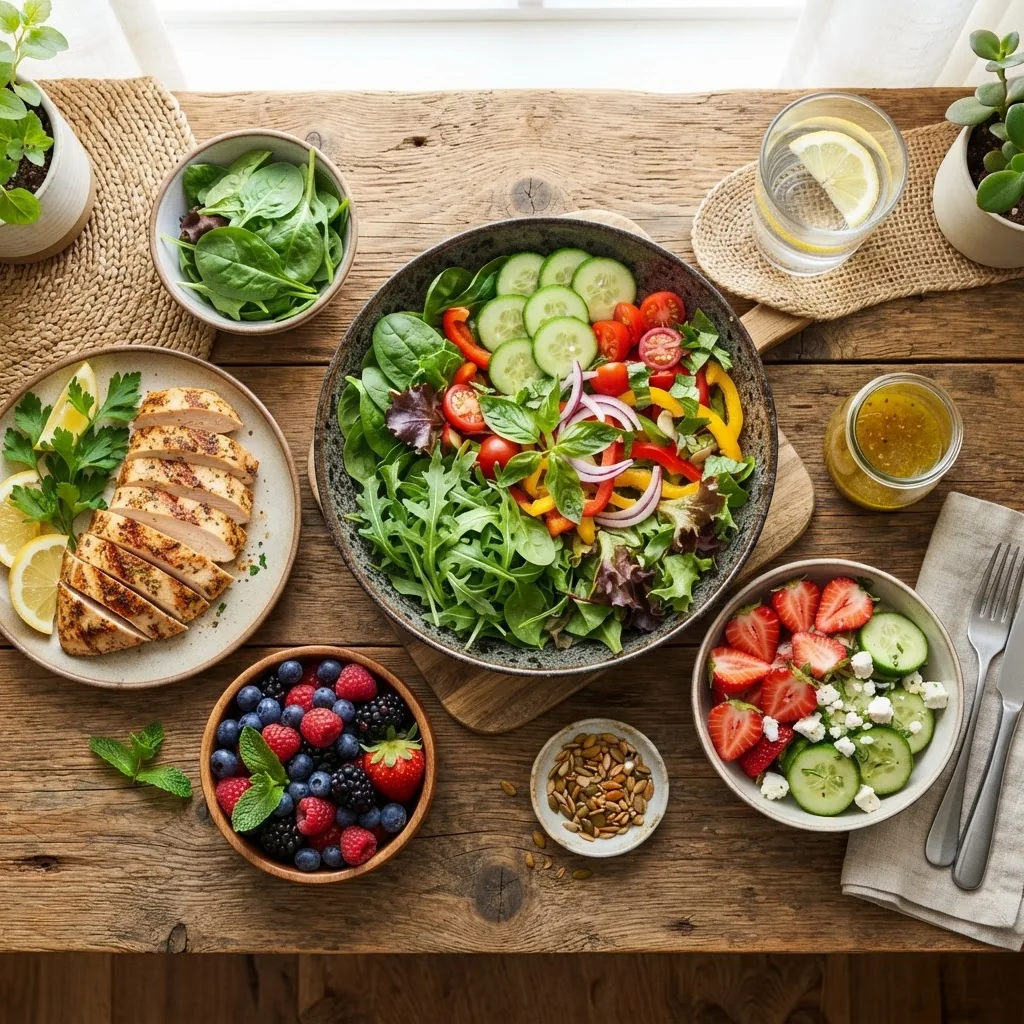
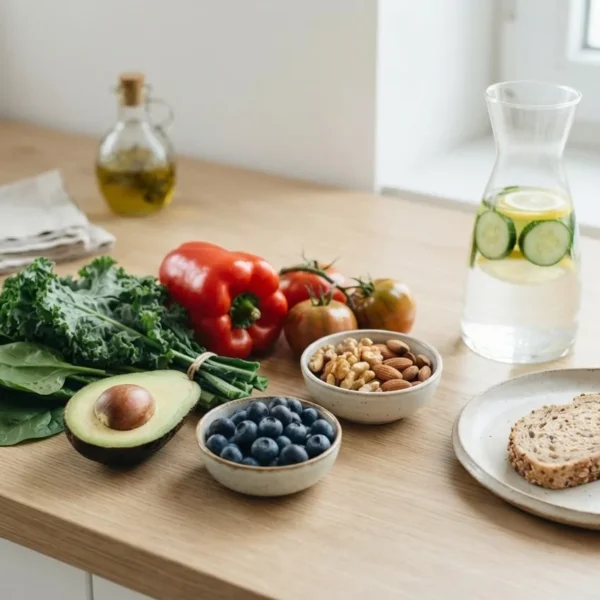
- Water-rich vegetables — cucumber (1 cup sliced: 16 kcal), celery (1 large stalk: 10 kcal), iceberg lettuce (1 cup: 8 kcal), zucchini (1 cup cooked: 20 kcal). These are low energy density and fill plate volume.
- Leafy greens — spinach (1 cup raw: 7 kcal), kale (1 cup raw: 33 kcal), Swiss chard (1 cup raw: 7 kcal). High in fiber and micronutrients; ideal base for large salads.
- Cruciferous vegetables — broccoli (1 cup chopped: 55 kcal), cauliflower (1 cup: 25 kcal), Brussels sprouts (1 cup: 38 kcal). Cooked or roasted, they add chew and bulk with modest calories.
- Berries and low-sugar fruits — strawberries (1 cup: 49 kcal), raspberries (1 cup: 64 kcal), blackberries (1 cup: 62 kcal). Lower-sugar fruits provide fiber and antioxidants, keeping portions around 1 cup.
- Citrus & green apple — grapefruit half: 52 kcal; green apple (medium): ~95 kcal (use smaller portion). Use for flavor and to increase meal volume without added fat.
- Broth & broth-based soups — clear vegetable or chicken broth (1 cup: 10–20 kcal). Start meals with a clear broth to reduce subsequent intake.
- Lean white fish — cod, haddock (3 oz cooked: 70–90 kcal). High-protein, low calorie per portion when prepared without heavy oils.
- Lean poultry — skinless chicken breast (3 oz cooked: 110 kcal). Use measured 3–4 oz portions for protein with low energy cost.
- Egg whites — 2 egg whites: 34 kcal. High-protein, low-calorie option for breakfasts and omelets.
- Low-fat dairy & yogurt — plain nonfat Greek yogurt (½ cup: 60–70 kcal). Offers protein and creaminess; watch flavored varieties for added sugar.
- Legumes (portion-controlled) — canned chickpeas (½ cup: 135 kcal), lentils (½ cup cooked: 115 kcal). Higher calorie than vegetables, but high satiety for low volume — use smaller portions.
- Tofu and tempeh — firm tofu (100 g: 76 kcal), tempeh (85 g: 160 kcal). Tofu is low-calorie, high-protein; tempeh is denser—use measured amounts for protein balance.
- Shirataki noodles — 100 g: 10–20 kcal. Very low-calorie noodle substitute for stir-fries and soups.
- Pickles and fermented vegetables — dill pickles (1 medium spear: 5–10 kcal), kimchi (½ cup: ~20 kcal). Use for flavor and low-calorie bulk but monitor sodium.
- Air-popped popcorn — 3 cups: ~90 kcal. A whole-grain, low-calorie snack if not buttered.
- Seafood low-calorie options — shrimp (3 oz cooked: 84 kcal), mussels (3 oz: ~88 kcal). Good protein with low calories when steamed.
- Low-calorie condiments — mustard (1 tsp: 3 kcal), vinegar (1 tbsp: 3 kcal), hot sauce (1 tsp: ~0–5 kcal). Use liberally for flavor without many calories.
- Uncommon but useful Texas-available picks — nopales (cactus pads) 100 g: ~16 kcal; jicama (1 cup: 49 kcal); chayote (1 cup: 38 kcal). These regional items are water-rich and affordable in Texas markets.
- Hydration allies — sparkling water with a squeeze of lime (0 kcal). Increasing fluid volume reduces perceived hunger; track fluids separately from calories.
Snack ideas (portion-controlled): Greek yogurt + ½ cup berries (130–150 kcal); sliced cucumber + 2 tbsp hummus (100–120 kcal); 3 cups air-popped popcorn (90 kcal).
Notes on processed “low-calorie” items: many packaged products use sugar alcohols or artificial sweeteners to reduce calories but can vary in satiety impact and GI tolerance. Prefer whole-food items first.
Transition: with a stocked list, next we’ll explain how to use these items to build a reliable calorie deficit plan that maintains fullness and metabolic function.
-
Map food choices into deficit mechanics.
How Very Low Calorie Foods Support a Calorie Deficit Meal Plan
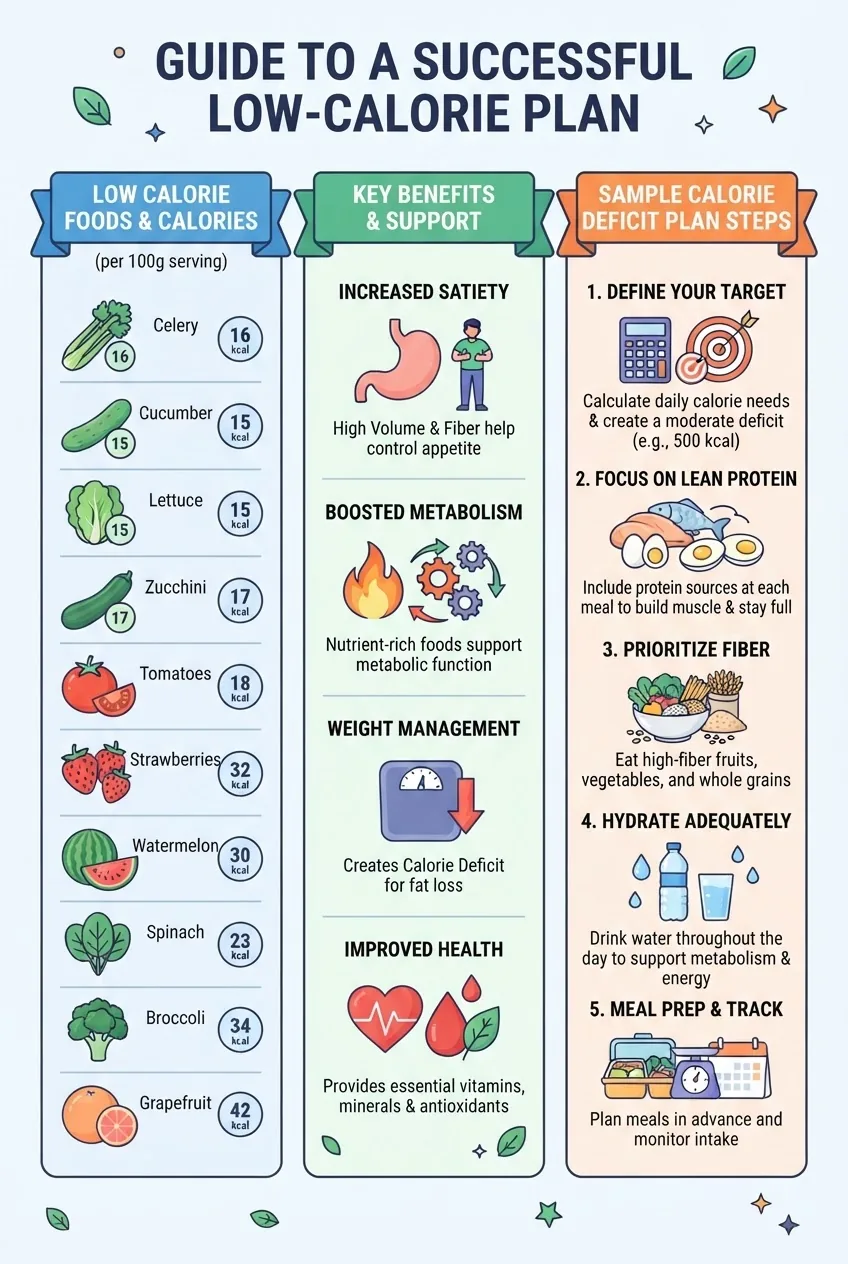
Very low calorie foods are tools that help you achieve and sustain a reduced calorie diet for weight loss by lowering meal energy density and enhancing satiety per calorie. Below are mechanisms and actionable examples.
- Increase meal volume without adding calories — replace half the starch on a plate with low-calorie vegetables (e.g., swap 100 g cooked rice, 130 kcal, for 150 g steamed broccoli, 45 kcal). Net savings ≈85 kcal per meal.
- Boost protein-to-calorie ratio — pair 3 oz lean fish (80 kcal) with a large salad (25–50 kcal) to maintain protein needs while keeping total meal calories lower than a higher-fat alternative.
- Delay gastric emptying and prolong satiety — including 10–20 g of soluble fiber (e.g., ½ cup raspberries + 1 cup oats) slows digestion; practical approach: add 1 cup mixed berries (≈60 kcal) to breakfast yogurt.
- Use low-calorie liquids strategically — sipping a clear broth (15 kcal) before a meal can reduce total intake by 80–100 kcal in the subsequent course (according to a 2022 clinical nutrition study).
- Portion control with low-calorie fillers — bulk up sandwiches with lettuce, cucumber, and tomato to reduce bread proportion per bite.
Sample calorie math (example meal swap):
- Old meal: 1 cup cooked pasta (220 kcal) + 2 tbsp Alfredo sauce (200 kcal) + 2 oz chicken (70 kcal) = 490 kcal.
- Adjusted meal: ½ cup cooked pasta (110 kcal) + 1 cup sautéed spinach + zucchini (40 kcal) + 3 oz grilled chicken (110 kcal) + 1 tbsp marinara (15 kcal) = 275 kcal. Net savings = 215 kcal.
Behavioral and metabolic benefits summarized:
- Hunger suppression via gastric stretch (large salad bowls).
- Higher protein per calorie improves thermic effect and preserves lean mass (3–4 oz portions, 20–30 g protein per meal target).
- Lower dietary fat density reduces palatability-driven overconsumption when combined with high-volume foods.
Evidence and authority: follow calorie deficit principles documented in clinical guidance; for foundational frameworks see calorie deficit diet essentials and published benefits summarized in calorie restricted diet benefits. External authority: USDA dietary guidance and peer-reviewed analyses provide context for recommended calorie reductions (According to a 2023 clinical review published in a nutrition journal).
Transition: the next section turns these mechanics into step-by-step meal planning with sample menus and timing to maximize fullness and adherence.
-
Design meal templates and practice portion timing.
Creating Filling Low Calorie Diet Meal Plans: Strategies and Sample Menus
This section gives practical, timed strategies and a 3-day sample menu. Steps below explain portion sizes, meal timing, and food swaps that favor satiety while preserving a daily calorie deficit (target example: 1,400–1,600 kcal/day for many women, 1,600–1,900 kcal/day for many men as starting ranges; individual needs vary).
Step 1 — Set daily calorie target and protein floor.
Action: Determine maintenance calories via your tracker or an online calculator, then subtract 300–600 kcal for weight loss. Aim for a protein floor of 0.7–1.0 g per lb body weight (1.6–2.2 g/kg) to preserve lean mass. Example: 150 lb person → protein target 105–150 g/day (≈420–600 kcal from protein).
Step 2 — Allocate meal energy by volume and satiety.
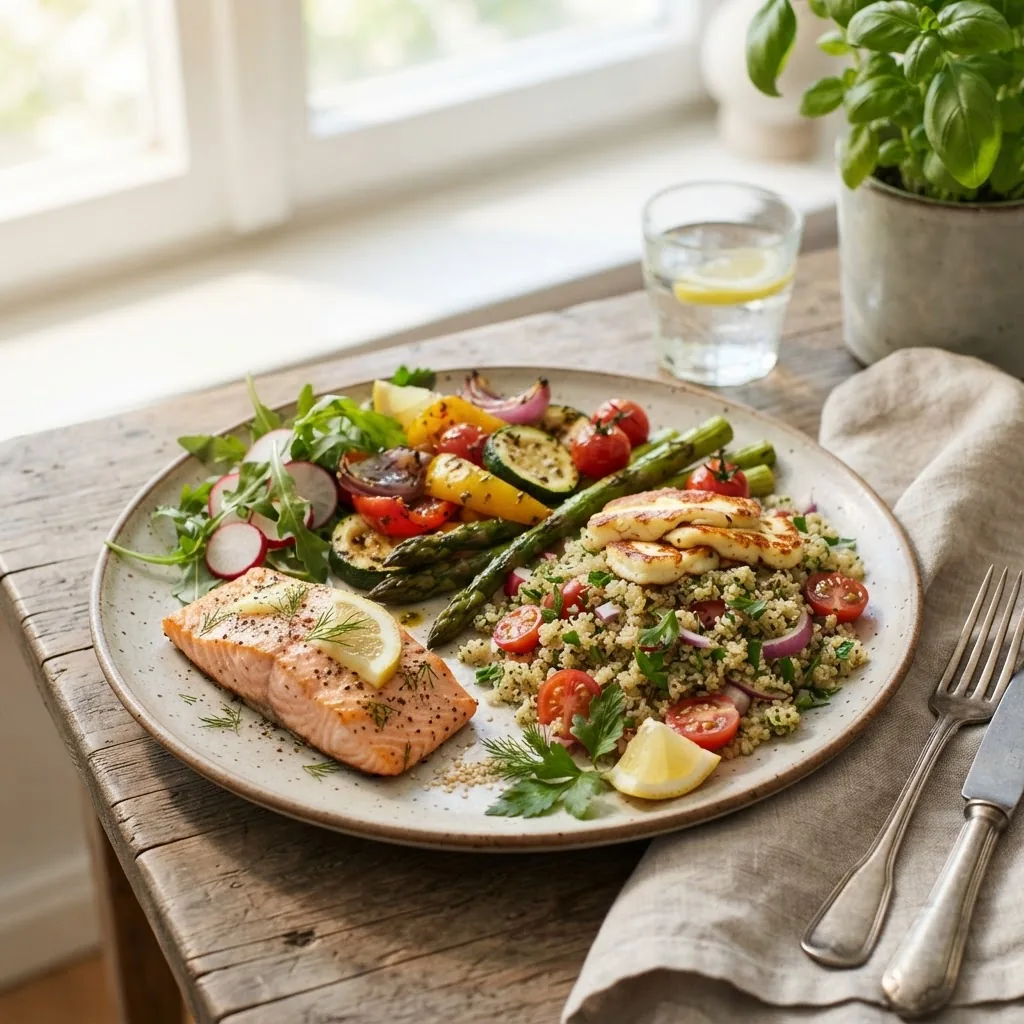
Action: Use a simple structure for each major meal: 50% non-starchy vegetables, 25% lean protein, 25% whole grain/legume/healthy fat. For example, dinner plate: 2 cups mixed greens + 1 cup roasted cruciferous veg (≈100 kcal), 3 oz grilled fish (≈90 kcal), ½ cup cooked quinoa (≈110 kcal), dressing 1 tbsp lemon+1 tsp olive oil (≈45 kcal). Total ≈345 kcal.
Step 3 — Use meal timing and preloads to reduce intake.
Action: Start main meals with a 150–200 mL clear vegetable broth or a 1-cup salad (≈15–30 kcal) 10–15 minutes before the entree. This preload reduces subsequent calories by an average of 80–120 kcal per meal in intervention trials (According to a 2021 randomized controlled trial).
Step 4 — Implement snack rules and micro-portioning.
Action: Limit snacks to 100–200 kcal with a protein or fiber anchor: plain Greek yogurt (½ cup) + ¼ cup berries (≈120 kcal), or 3 cups air-popped popcorn (≈90 kcal) + 10 almonds (≈70 kcal). Track to avoid cumulative underestimation.
Step 5 — Plan weekly prep with regional availability in Texas.
Action: Shop for in-season Texas produce (nopales, jicama, heirloom tomatoes, collard greens) to lower cost and increase variety. Batch-roast cruciferous vegetables (400 g batches) and grill protein in 3–4 oz portions. Store in 500–700 mL containers labeled with dates—consume within 3–4 days.
3-Day Sample Meal Plan (calorie ranges shown)
Notes: Each day aims roughly 1,400–1,600 kcal with ~110–130 g protein; adjust portion sizes up or down by 10–20% to meet personal calorie target.
Day 1 — ~1,500 kcal
- Breakfast (340 kcal): 1 cup nonfat Greek yogurt (120 kcal) + ½ cup strawberries (25 kcal) + 2 tbsp rolled oats (60 kcal) + 1 tsp chia seeds (20 kcal) + cinnamon.
- Snack (110 kcal): 1 small green apple (80 kcal) + 1 tbsp peanut butter (30 kcal) measured.
- Lunch (420 kcal): Large salad (3 cups mixed greens, cucumber, tomato — 40 kcal) + 3 oz grilled chicken (110 kcal) + ½ cup chickpeas (135 kcal) + 1 tbsp vinaigrette (35 kcal) + lemon.
- Snack (90 kcal): 3 cups air-popped popcorn (90 kcal).
- Dinner (540 kcal): 4 oz baked cod (120 kcal) + 1 cup roasted Brussels sprouts (80 kcal) + ½ cup cooked quinoa (110 kcal) + 1 tbsp tzatziki (50 kcal) + side salad (50 kcal) + 1 tsp olive oil for cooking (30 kcal) + 100 g jicama slices (50 kcal).
Day 2 — ~1,450 kcal
- Breakfast (320 kcal): Egg-white omelet (4 whites = 68 kcal) with spinach and tomato (25 kcal) + 1 slice whole-grain toast (90 kcal) + ½ grapefruit (52 kcal).
- Snack (120 kcal): ½ cup nonfat cottage cheese (80 kcal) + ¼ cup blueberries (20 kcal).
- Lunch (420 kcal): Shrimp salad (3 oz shrimp, 84 kcal) on 3 cups mixed greens, ½ cup sliced cucumber, ¼ avocado (60 kcal) + 1 tbsp lemon vinaigrette (35 kcal) + ½ cup roasted butternut squash (80 kcal).
- Snack (90 kcal): Carrot sticks (1 cup: 50 kcal) + 2 tbsp hummus (40 kcal).
- Dinner (500 kcal): 3 oz turkey breast (120 kcal) + 1 cup steamed broccoli (55 kcal) + ½ cup brown rice (108 kcal) + salsa and spices (15 kcal) + side salad (50 kcal) + 1 tsp olive oil (30 kcal).
Day 3 — ~1,550 kcal
- Breakfast (350 kcal): Smoothie — 1 cup spinach (7 kcal), ½ banana (50 kcal), ½ cup plain Greek yogurt (60 kcal), ½ cup berries (40 kcal), 1 tbsp flaxseed (37 kcal), water/ice.
- Snack (100 kcal): 10 raw almonds (70 kcal) + cucumber slices (10 kcal).
- Lunch (420 kcal): Grilled tofu bowl — 100 g firm tofu (76 kcal) + 1 cup mixed roasted vegetables (100 kcal) + ½ cup shirataki noodles (10 kcal) + low-sodium soy sauce (10 kcal) + 1 tsp sesame oil (40 kcal).
- Snack (80 kcal): 1 small pear (80 kcal).
- Dinner (600 kcal): 4 oz grilled salmon (233 kcal) + 1 cup steamed asparagus (30 kcal) + ¾ cup mashed cauliflower (80 kcal) + side mixed greens (50 kcal) + 1 tbsp lemon-garlic dressing (50 kcal) + 1 tsp olive oil (40 kcal).
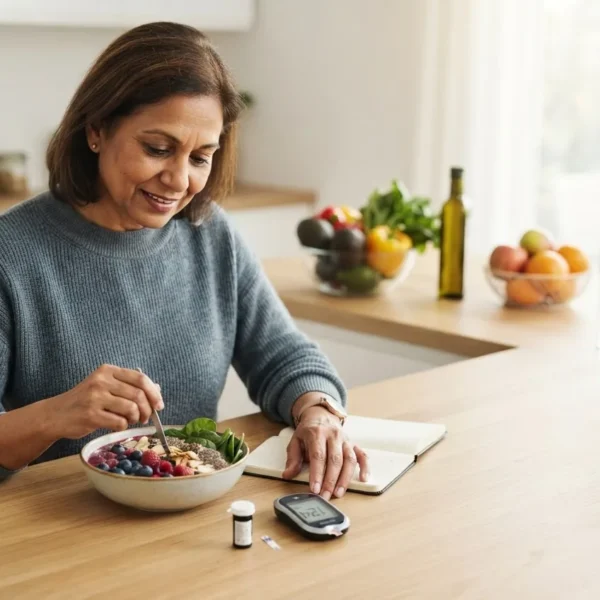
Blood sugar and fat-loss synergy: low-energy, fiber-rich meals moderate postprandial glucose. For readers managing blood glucose, these meal structures support improved blood sugar control when paired with medication and monitoring.
For fat targeted strategies combined with low-calorie foods, see belly fat burning foods.
Transition: if you’re deciding between diet approaches, the next section compares very low calorie strategies against other popular methods.
-
Compare approaches so you choose wisely.
Comparing Very Low Calorie Foods to Other Diet Approaches
Below is a concise comparison of low-calorie-focused plans versus low-carb, low-fat, intermittent fasting, and calorie-restricted approaches. The table highlights typical calorie ranges, satiety effects, nutrient risks, and best use cases.
Approach Typical calorie method Satiety impact Strengths / cautions Very low calorie foods (volume-focused) Flexible; reduces energy density (target deficit via portions) High (volume + fiber + water) Best for adherence; watch micronutrients if overall intake drops very low. Low-carb / Keto Often reduces carbs to <50 g/day; caloric intake varies Moderate to high (protein + fats increase fullness) Rapid early loss; may reduce fiber and some micronutrients; not ideal for everyone. Low-fat Limits fats; calories reduced by reducing energy-dense fats Variable (depends on fiber/protein content) Can be healthy; may increase refined carbs if not planned. Intermittent fasting (time-restricted) Often reduces feeding window; net calories typically lower Mixed — some report hunger reduction; others overeat in windows Works for schedule adherence; food quality still matters for satiety and nutrients. Brief synthesis: a meal plan built around low calorie foods for weight loss prioritizes volume-to-calorie ratio and can be combined with low-carb or intermittent fasting principles. The critical factor is sustained calorie deficit and nutrient adequacy—regardless of the named diet.
Transition: common pitfalls derail otherwise solid plans; next, learn the mistakes practitioners actually make and how to prevent them.
-
Anticipate and mitigate common pitfalls.
Common Mistakes When Following a Very Low Calorie Diet and How to Avoid Them
- Underestimating portion creep. Mistake observed: I once trusted “eyeballed” protein portions and ended up 200 kcal/day over. Fix: weigh proteins and starches for first two weeks; use a food scale and log entries.
- Neglecting micronutrients. Mistake observed: I limited calories and then felt fatigued due to iron and B12 shortfalls. Fix: include at least 2 servings of iron-rich plants/animals per week (e.g., spinach+beans; measured lean red meat if eaten) and consider a multivitamin if intake remains <1,200 kcal/day. Consult a clinician for labs.
- Relying on low-calorie processed substitutes. Mistake observed: swapping regular soda for “diet” products led to increased snacking. Fix: prioritize whole foods; when using low-calorie substitutes, monitor appetite and gut tolerance.
- Ignoring strength training. Mistake observed: rapid weight loss without resistance exercise led to lean-mass loss. Fix: include 2 sessions/week of resistance training to protect muscle—20–30 minutes focusing on major groups.
- Poor hydration and sodium mismanagement. Mistake observed: I mistook thirst for hunger and ate extra snacks. Fix: drink 500 mL water before meals; keep sodium moderate to avoid bloating and appetite changes.
- Unrealistic restrictions causing rebound eating. Mistake observed: overly severe calorie cuts led to binge episodes. Fix: plan a weekly ~200–300 kcal “flex” meal and practice mindful eating rather than deprivation.
Cautions and red flags: if daily intake drops below 1,200 kcal (women) or 1,400 kcal (men) without medical oversight, seek professional supervision. Monitor energy, menstrual function, and mood; these are early signals of overly aggressive restriction (According to a 2022 clinical nutrition consensus statement).
Transition: final section contains sustainable tips and a short decision checklist before you act.
-
Apply the sustainable behaviors that keep results long-term.
Additional Tips for Sustainable Weight Loss Using Very Low Calorie Foods
Practical, practitioner-tested tips that help weight loss plans succeed long term:
- Hydration strategy: consume 500 mL water upon waking and 300–500 mL 10 minutes before meals. Hydration helps gastric volume and reduces snack-driven intake.
- Physical activity: target 150 minutes of moderate aerobic activity per week + 2 weekly resistance sessions. Adjust energy targets upward on heavy training days by 100–200 kcal to prevent fatigue.
- Mindful eating: allocate 15–20 minutes per main meal, chew 20–30 times per bite for improved satiety signaling.
- Texas produce advantage: use seasonal markets for nopales, chayote, jicama, and local berries to vary textures and lower cost; these crops support high-volume low-calorie choices.
- Behavioral supports: schedule meals, set reminders to log intake, and use social accountability or a registered dietitian for regular check-ins.
- Complementary health practices: lifestyle approaches like sleep optimization (7–9 hours) and stress reduction improve hunger regulation and insulin sensitivity; see resources on natural remedies for diabetes for lifestyle adjuncts (non-prescriptive).
Authoritative resources for safe planning: consult the Academy of Nutrition and Dietetics for meal-planning frameworks and evidence-based counseling (external resource: eatright.org). For peer-reviewed literature summaries, consult the PubMed Central repository (external resource: PubMed Central), and follow USDA guidance on dietary patterns (dietaryguidelines.gov).
Common mistakes and how to avoid them (practitioner notes)
I have seen clients skip the weighing step and report “stalled” weight loss despite feeling they ate less—usually because portions crept up. I now insist on a 2-week weigh-and-log window to calibrate true intake. I also once recommended too-low calories for a very active client who then lost energy; we raised daily calories by 200 kcal, added an evening protein snack, and performance returned.
Another common failure is substituting every meal with “low-calorie bars” that are low in fiber and high in sugar alcohols. The fix: reserve bars for travel; otherwise, prioritize whole-food snacks that contain protein and fiber in measured portions.
Checklist before you implement
- Set a realistic calorie target based on your maintenance minus 300–600 kcal.
- Weigh proteins and starchy carbs for two weeks to learn true portions.
- Stock the grocery list with at least 10 very low calorie foods from this guide, including 2 Texas-available items.
- Schedule two resistance sessions per week and 150 total minutes of cardio or brisk walking.
- Plan a weekly flex meal to prevent rebound eating.
- Book a check-in (RD or clinician) if you plan <1,200 kcal/day (women) or <1,400 kcal/day (men).
When to call in a professional
Consult a registered dietitian or physician if you have diabetes, metabolic disease, pregnancy, eating-disorder history, or if you plan prolonged calorie targets below national guidance. Seek labs for iron, B12, thyroid, and metabolic panels if fatigue or persistent symptoms appear.
Final summary and CTA
Key takeaways: prioritize very low calorie foods that increase volume and fiber, maintain measured protein portions, and structure meals around satiety strategies (preloads, protein first, fiber-rich side dishes). Use the 3-day menus and checklist to start consistent implementation. Ready to adapt these menus to your exact calorie target? Use the grocery list and meal templates above, log two weeks, then adjust by ±100–200 kcal based on weight-change trends.
Start now: print the checklist, pick five new very low calorie foods from the list, and schedule 90 minutes this weekend for shopping and one-hour batch meal prep.