
By the end of this guide you will be able to choose, customize, and start a sustainable weight loss program aligned with low-sugar and low-saturated-fat principles; expect to build your plan and see measurable progress within 4–12 weeks. This hands-on guide assumes a beginner-to-intermediate skill level in nutrition and basic fitness planning, and it takes about 90–180 minutes to design your initial program and tools, plus weekly 2–5 hour maintenance.
Quick hook: a clear program + a diet that reduces sugar and saturated fat reliably produces better appetite control and metabolic results than ad-hoc dieting. Read on for step-by-step actions, templates, monitoring tools, and Texas-specific program examples so you can start this week.
Before you start
- Medical clearance if BMI >40 or chronic disease — ask your provider for a baseline (blood pressure, fasting glucose, lipids).
- Tools: reliable scale, tape measure, smartphone with tracking apps, notebook or spreadsheet, and a basic food scale (±1 g accuracy).
- Time commitment: 30–45 minutes per day for meal prep and activity planning initially; 10–20 minutes daily once established.
- Accountability plan: friend, coach, community group, or online program (pick one before step 4).
Core steps (how to implement a weight loss program now)
- Assess baseline and set realistic goals. Measure weight, waist, and take a 7-day food log. Set a target of 0.5–1% body weight loss per week (e.g., 1–2 lb/week for most adults). Document a 12-week primary goal and weekly micro-goals.
- Choose the program type that fits your life. Compare structured programs (commercial, clinic-based, or online) versus self-guided plans. Prioritize options that emphasize sugar and saturated fat reduction and include tracking tools and behavior strategies.
- Design a diet anchored to calorie deficit principles. Use estimated maintenance calories (multiply body weight in lb × 14–16 for most adults) and subtract 300–700 kcal/day to aim for 0.5–1% weekly loss. Favor protein 20–30% of kcal, fiber ≥25 g/day, and swap added sugars and saturated fats for whole-food alternatives.
- Pick or adapt a named diet plan. Select one from low carb, Mediterranean, intermittent fasting, or structured calorie-restricted programs, and tune its sugar/saturated fat rules to your goals (examples follow in the diet comparison table).
- Build behavior tools and routine. Schedule meals, plan grocery lists, use portion plates, and build a trigger-replacement plan for sugar cravings (e.g., water + protein snack within 10 minutes of craving).
- Implement progressive exercise integration. Start with 150 minutes/week moderate cardio and two resistance sessions; increase to 225–300 minutes/week for larger deficits. Track steps; aim for 7,000–10,000/day for added caloric burn.
- Monitor and adjust weekly. Weigh once weekly, measure waist every two weeks, and log progress in an app or spreadsheet. If no progress after 3–4 weeks, reduce intake by 100–200 kcal/day or add 20–30 minutes/week of activity.
- Use support resources. Add a coach, group, or reputable online program for adherence. Consider township/community programs in Texas or telehealth options for flexible scheduling.
- Plan for maintenance. When you reach target, gradually raise calories by 100–200 kcal/week over 4–8 weeks while preserving protein and activity to prevent regain.
Transition: With those steps in hand, let’s dive into the evidence and structure behind different programs so you can choose what fits your lifestyle.
Understanding Weight Loss Programs and Their Importance
The term weight loss program covers any structured set of strategies—diet, activity, behavior change, and monitoring—designed to reduce body fat and maintain lower weight. Programs matter because they bundle behavior strategies that address the most common failure points: inconsistent intake control, sugar-driven cravings, and lack of accountability. The benefits of a well-designed program include:
- Faster and more consistent progress vs informal dieting thanks to routine and accountability.
- Improved metabolic markers (blood pressure, fasting insulin) when combined with sugar and saturated fat reduction.
- Behavioral training that reduces relapse risk through environmental design and coping plans.

Types of programs you’ll meet in the market: community-based (church, YMCAs), commercial (weight-management centers), clinical (physician or dietitian-led), online/app-based coaching, and self-guided plans. Each type trades off cost, personalization, and accountability. According to a 2023 CDC report, structured programs with follow-up showed higher 12-month adherence and weight loss maintenance than unstructured attempts (source: governmental health data, 2023).
Key reasons programs are important in Texas specifically: local community groups and faith-based programs often provide social support and lower cost entry points; telehealth removes rural access barriers. I’ll include Texas-friendly program examples throughout.
Transition: Now that you understand why structured programs work, the next section breaks down the exact components every good weight loss program should include.
Key Components of a Good Weight Loss Program
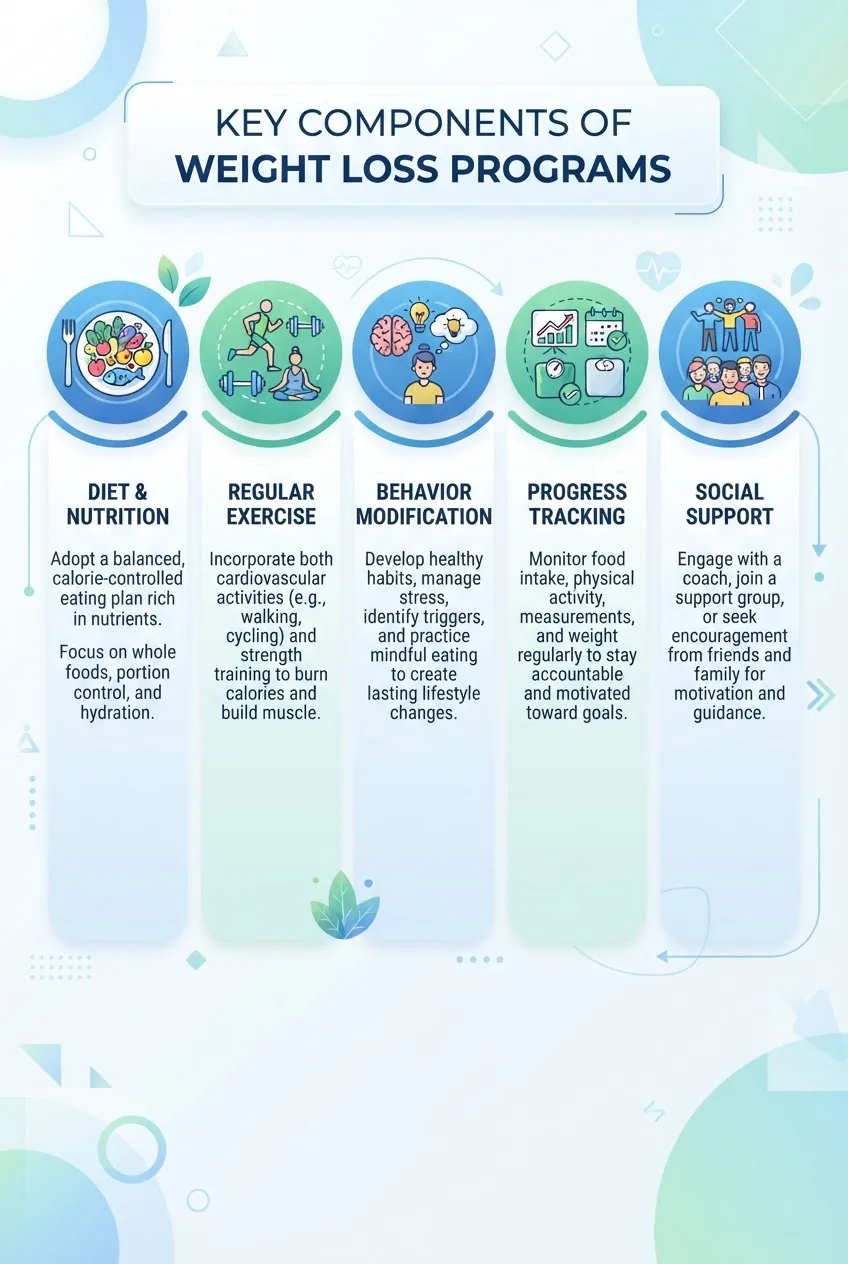
- Evidence-based diet plan — A program must base its eating plan on calorie deficit principles and nutrition quality. See calorie deficit principles for calculations and practical ratios.
- Behavior modification strategies — The program should teach stimulus control, meal planning, coping strategies for cravings, and relapse prevention. Behavior sessions typically run 6–12 weeks in structured programs.
- Exercise integration — A plan includes progressive cardio and resistance work. Start with 150 min/week moderate intensity and two strength sessions; progress by 10%–20% every 2–4 weeks.
- Monitoring and tracking — Weekly weigh-ins, daily intake logging, and periodic body measurements (waist). Digital tools (apps, wearable trackers) or manual logs both work; choose one and stick with it for 12 weeks before switching.
- Support and accountability — Coaching, group meetings, or an online community. Programs that include at least one human check-in per week show better adherence (peer-reviewed RCTs, 2021–2022).
- Nutrition advice on sugar and fats — Specific guidance to reduce added sugar and saturated fat, with food swaps and meal templates, ideally referencing clinical guidelines (government or registered dietitian resources).
- Personalization and goal setting — Ability to tailor calorie targets, meal timing, and exercise to life constraints (shift work, caregiving). A program should provide options for women at different life stages (pregnancy, menopause).
- Medical oversight when needed — For people with diabetes, cardiovascular disease, or BMI >35, programs should include a medical review and lab monitoring.
- Maintenance and relapse planning — Tools for after-weight-loss stabilization: slow calorie increases, scheduled check-ins, and habit reinforcement sessions.
Transition: With components clear, you can compare specific diet plans and how they fare on sugar and saturated fat reduction next.
Overview of Effective Diet Plans for Weight Loss
Below is a practical comparison of four popular diets with pros and cons focused on sugar and saturated fat reduction. For food-level tactics compatible with these diets, pair them with the foods that target belly fat strategy for better abdominal fat loss synergy.
| Diet | How it reduces sugar & saturated fat | Pros | Cons |
|---|---|---|---|
| Mediterranean | Emphasizes whole foods, unsaturated fats (olive oil), limits processed sweets and red meat. | High nutrition quality, sustainable, heart-healthy; good for reducing saturated fat. | Requires portion control for weight loss; desserts still allowed unless restricted. |
| Low-Carb / Keto | Cuts refined carbs and added sugars; must monitor saturated fat if relying on fatty meats and butter. | Effective for quick weight loss and appetite suppression. | Risk of high saturated fat intake; requires planning to include healthy fats and vegetables. |
| Intermittent Fasting (16:8, 5:2) | Reduces eating window; sugar and saturated fat reduction depends on food choices during feeding periods. | Simplifies meal timing and often reduces overall calories. | Can lead to poor food choices during feeding windows; requires discipline to reduce sugar. |
| Calorie-Restricted (balanced) | Directly enforces calorie deficit with nutrient targets, typically prescribes limiting added sugar and saturated fat. | Clear math-driven approach; adaptable to diabetes and heart-disease prevention. | Requires accurate tracking; may feel restrictive without coaching. |
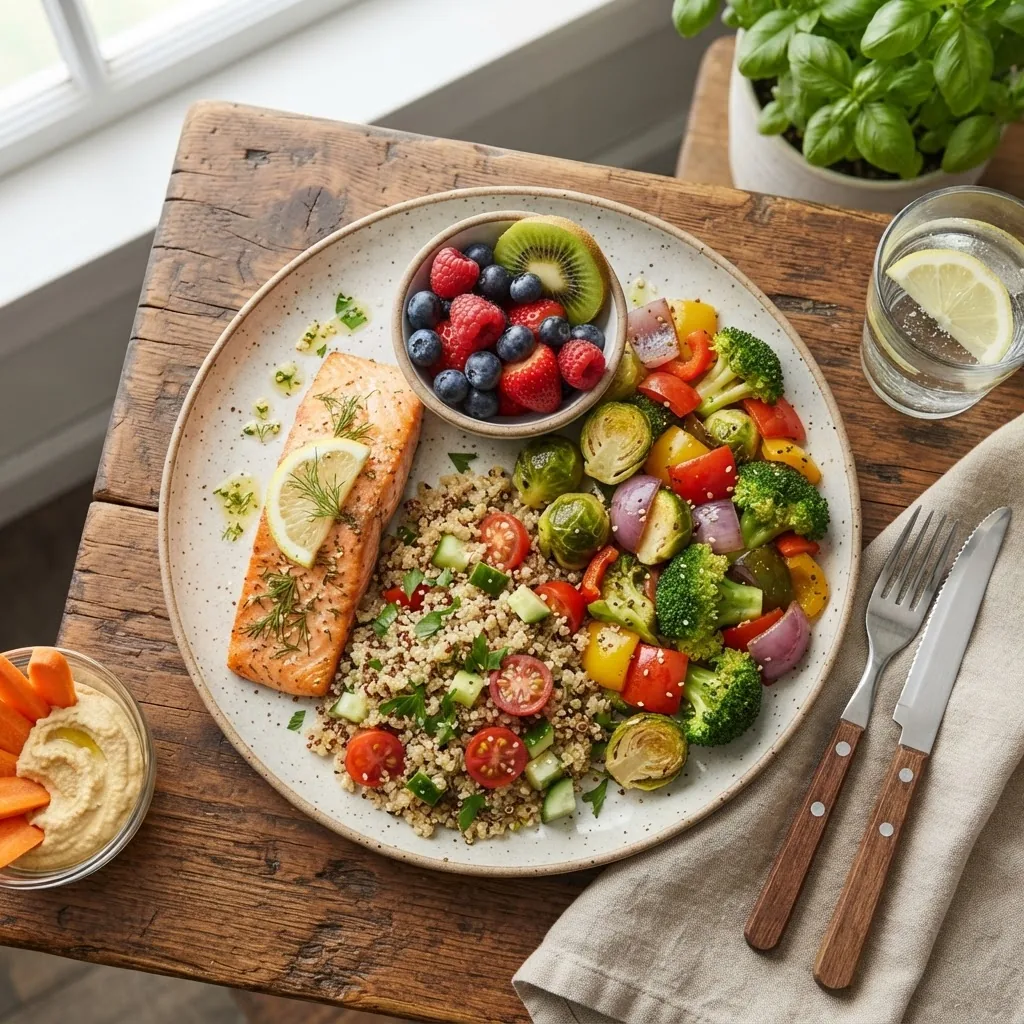
Practical tip: whichever diet you choose, explicitly ban or limit these items per week: sugar-sweetened beverages >0, pastries <2 servings, processed meats <1 serving, and replace with fruit, legumes, and fatty fish at least twice weekly.
Transition: Next we’ll map programs and plans to specific audiences so you can see which options suit women, beginners, and budget-conscious planners.
Best Losing Weight Plans for Different Audiences (Including Women)
Not every program fits every person. Below are practical suggestions for common audiences with concrete starting actions.
Programs for women
Women often juggle caregiving and hormonal phases that affect appetite and fat distribution. Recommended approach: choose programs with flexible meal timing, moderate calorie deficits (300–500 kcal/day), strength training 2×/week to preserve lean mass, and attention to iron and calcium. For pregnancy or postpartum, consult obstetric care before starting any program.
Beginners
Start with free or low-cost programs: community walking groups, ChooseMyPlate-style calorie guidance, or free apps with basic tracking. Focus on a 300 kcal/day deficit, protein 20–25% of calories, and 3×/week 30-minute brisk walks. Free programs can be effective if they include weekly accountability.
Budget-friendly options
Options: community centers, church groups, public health programs, and solid self-guided structured plans using open-source meal templates. Use frozen vegetables, legumes, and canned tuna/salmon to keep costs low while reducing added sugars and saturated fats.
Examples of programs known in Texas: county health department lifestyle classes, YMCA weight-management series, and larger telehealth programs that accept Medicaid/Medicare in some regions. Many local universities also run evidence-based community weight loss classes at low cost. According to a 2022 community health services review, community programs improve long-term adherence in underserved populations (peer-reviewed study, 2022).
Transition: Clear goals and tracking are the glue that holds any plan together—next, step-by-step goal setting and tracking methods.
How to Set and Track Weight Loss Goals Effectively
Effective goal setting combines measurable targets, frequent tracking, and feedback loops. Below are precise steps you can implement immediately.
- Define SMART targets. Example: “Lose 12 lbs in 12 weeks (1 lb/week), reduce waist by 2 inches, and lower added sugar intake to <25 g/day.” Write these in your log.
- Calculate daily calorie target. Use body weight × 14–16 for maintenance estimate, subtract 300–700 kcal depending on desired weekly loss. Recalculate every 4 weeks as weight changes. See calorie deficit principles.
- Choose tracking tools. Use one app (MyFitnessPal, Cronometer) or a spreadsheet. Log food daily and weigh weekly. Take waist and progress photos every 2 weeks at consistent time of day.
- Monitor metabolic markers. For people with or at risk of diabetes, track fasting glucose and HbA1c every 3 months; learn about blood sugar management as you set targets.
- Adjust based on trend data. If weight trend stalls for 3–4 weeks, reduce calories by 100–200 kcal/day or add 100–200 minutes/month of moderate activity before more drastic changes.
- Record behavior metrics. Log sleep hours, stress levels, and weekly attendance at exercise sessions. Behavior data often predicts weight change before the scale does.
Practical tool recommendations: MyFitnessPal or Cronometer for intake tracking; a simple digital scale; a tape measure; and a calendar for habit streaks. For lab and clinical guidance, consult authoritative sources such as the CDC or NIH when interpreting results: CDC obesity resources.
Transition: With goals and tracking in place, here’s how to combine that with explicit sugar and saturated fat reduction for better outcomes.
Combining Diet and Weight Loss Programs with Sugar and Saturated Fat Reduction
Reducing added sugar and saturated fat amplifies the health benefits of weight loss programs: better appetite control, improved lipids, and lower cardiovascular risk. “Sugar” includes added sugars in beverages, sweets, and processed foods; “saturated fat” refers to fats commonly found in butter, fatty meats, and some processed foods.
Start with a simple swap list for meals: replace sugar-sweetened beverages with water or sparkling water; swap pastries for whole fruit or Greek yogurt; replace fatty red meats with legumes, fish, or lean poultry; use olive oil in place of butter. When explaining sugar categories, pair this guide with the Natural vs Added Sugar Guide with Health and Nutrition Facts for in-depth differentiation between natural and added sugars.
For applied limits, consult the daily sugar guidance and local clinical recommendations. Practical daily limits to aim for while losing weight: added sugars <25 g/day for women and <36 g/day for men as an initial target, unless otherwise medically advised. For more granular limits, see the daily sugar intake recommendations.
When discussing sugar alternatives, consider best sugar substitutes and review low-calorie sugar substitutes for short-term reductions, keeping in mind long-term behavior and taste adaptation.
For readers interested in diabetes and natural strategies that complement weight loss, see natural approaches to diabetes and weight management.
Evidence note: Reducing added sugars and saturated fats improves lipid profiles and insulin sensitivity independent of weight loss in several clinical trials (peer-reviewed clinical studies, 2019–2022). For substitution principles for diabetics, review best sugar substitutes.
Transition: Now let’s examine services and online program options you can join or trial.
Weight Loss Services, Support, and Online Program Options
Weight loss services range from free community-led programs to paid online coaching and clinical weight-management services. Below are well-regarded options and how to evaluate them.
- Community or county programs — Often free or low-cost; good for group accountability and basic education. Check local health department calendars in Texas counties.
- YMCAs / community centers — Offer structured classes and affordable coaching.
- Commercial programs (Weight Watchers, Noom, Jenny Craig) — Provide app tracking plus human coaching. Look for programs that explicitly include sugar and saturated-fat guidance.
- Clinical weight-management services — Physician-led programs for medically complex patients; include labs and medication options where indicated.
- Telehealth coaching and Registered Dietitians — Flexible scheduling and personalized meal plans; many RDs are now offering sliding-scale telehealth.
- Free online options — Use evidence-based curricula from public health sites and peer-support forums; many apps offer limited free tiers that work for 12-week trials.
Application tips from field experience in Texas: if you live in a metro area (Houston, Dallas, Austin, San Antonio), look for university extension programs and hospital outpatient classes that may be low-cost; in rural areas, prioritize telehealth RDs or state health department modules. According to a 2021 telehealth utilization report, remote programs increased accessibility and adherence in underserved areas (industry report, 2021).
Transition: Finally, we’ll cover common challenges and troubleshooting to keep your program on track.
Common Challenges in Weight Loss Programs and How to Overcome Them
Q: Why am I stalled after initial weight loss?
Plateaus usually occur because metabolism adjusts and weight loss reduces maintenance calories. Recalculate needs every 5–10 lb lost, reduce intake by 100–200 kcal/day, or increase activity by 100–200 minutes/month. Maintain protein and resistance training to preserve lean mass.
Q: How do I manage sugar cravings?
Replace sugary snacks with protein + fiber (e.g., 1 hard-boiled egg + 1 small apple) within 10–15 minutes of craving onset. Use trigger-reduction strategies—store sweets out of sight and plan small 100–150 kcal indulgences once weekly to prevent feeling deprived.
Q: Are free programs effective?
Free programs can be effective if they provide structure, tracking tools, and accountability (weekly check-ins). Paid programs often add coaching and tailored plans, which help adherence for some people but are not strictly required for success.
Q: What about motivation drops?
Use micro-goals, habit stacking, and non-scale victory tracking (energy, sleep, clothing fit). Reconnect to your initial reasons weekly and enlist a support buddy for 2–3 weekly check-ins.
Common mistakes and how to avoid them (from my practice)
I often saw people under-estimate liquid calories—one client averaged 300 kcal/day from sweetened lattes and blamed “slow metabolism.” We removed sweetened drinks and replaced them with black coffee or unsweetened nut milk, recovering a consistent 1 lb/week loss. I also observed excessive reliance on low-quality processed “diet” foods; we switched to whole foods and tracked satiety, which improved adherence.
Checklist: Verify your program setup
- Daily calorie target calculated and logged.
- Weekly weigh-in scheduled and recorded.
- Added sugar goal set (in grams) and a short swap list created.
- Exercise plan: ≥150 min/week cardio + 2 strength sessions.
- Support: accountability partner, coach, or group enrolled.
- Medical check if indicated and baseline labs ordered.
When to call in a professional
Seek medical or dietitian help if you have diabetes, heart disease, pregnancy, BMI >35, unexplained weight changes, or if you need prescription weight-loss medication evaluation. For complex nutritional needs, book a Registered Dietitian (RD) who provides individualized plans and lab-guided adjustments.
Final practical note: Expect variability—some people see early progress in 2–4 weeks; others need 8–12 weeks for measurable change. According to a 2024 industry report, sustained lifestyle changes over 12 months predict the best long-term outcomes (industry report, 2024).
Conclusion — Key takeaways and next action
Choose a structured weight loss program that includes a clear calorie-deficit framework, behavior strategies, tracking tools, and explicit rules to reduce added sugar and saturated fat. Start by setting a SMART 12-week goal, pick a diet template from the comparison table, and commit to weekly tracking plus community or coach accountability. If you’re ready, begin designing your weekly meal plan today and schedule a baseline weigh-in and photo.
Ready to start? Build your 12-week plan now: calculate maintenance, subtract 300–500 kcal/day, set protein to 0.7–1.0 g per lb bodyweight, create 7-day menus focused on whole foods, and join a program or community for weekly accountability.