Best hydrating beverages are more than a list of drinks — they are choices that restore fluid balance, replace electrolytes, and support recovery after exercise or illness. This guide explains which beverages and foods work best for adults, how they compare physiologically, and practical steps to rehydrate safely and effectively.
Introduction to Hydration and the Importance of Choosing the Best Hydrating Beverages
Maintaining fluid balance supports temperature regulation, nutrient transport, and blood volume; choosing the right liquids matters when you aim to prevent or recover from dehydration. Signs of dehydration range from mild thirst and dry mouth to dizziness and low urine output. For practical monitoring, check urine color hydration indicators to confirm hydration status — urine color hydration indicators.
Dehydration can alter cardiovascular function: review guidance on effects of dehydration on blood pressure when symptoms include lightheadedness or fainting risk — effects of dehydration on blood pressure.
When people ask whether fluids boost energy, fluid status is part of the answer — see evidence on hydration benefits on energy levels for everyday performance and mood — hydration benefits on energy levels.
Understanding how much water your body contains helps explain fluid needs; read more about water composition in the body to put beverage choices in context — water composition in the body.
For foundational definitions, see our primer on hydration definition and health effects — it clarifies terms used across this guide — hydration definition and health effects.
Severe lack of fluids leads to documented harms; review the side effects of dehydration if you want a concise list of consequences — side effects of dehydration.
Some people experience abdominal pain with dehydration — learn about stomach pain caused by dehydration and when to seek care — stomach pain caused by dehydration.
Finally, refresh on core physiology: why water is essential for body functions ties beverage choice to cellular processes and organ health — why water is essential for body functions.
Transition: With basic signs, risks, and physiology covered, next we’ll explain what makes a drink truly effective at rehydration.
What Makes a Beverage Good for Hydration? Key Components Explained
Not all fluids hydrate equally. A drink’s effectiveness depends on how quickly and completely it replaces water and salts lost from the body. Here are the main components that determine hydration efficiency:
- Water content: Pure water provides volume to restore blood and cellular fluid. Higher water content increases dilution and renal clearance.
- Electrolytes: Sodium, potassium, and magnesium are critical for fluid retention, nerve function, and muscle activity. Sodium helps the body retain water; potassium supports cellular balance.
- Osmolality: This is the concentration of solutes (salts and sugars) in a liquid. Drinks with osmolality close to blood plasma (~285–295 mOsm/kg) are absorbed more efficiently.
- Sugar content: Carbohydrates speed intestinal absorption at moderate doses via sodium-glucose transporters, but excess sugar increases osmolality and can delay gastric emptying.
- Volume and palatability: A beverage you can drink comfortably in sufficient volume will rehydrate better than one with ideal composition that you avoid due to taste.
- Caloric and additive load: Artificial colors, high sugars, and excessive calories are downsides for everyday hydration; consider trade-offs for performance situations.
Physiological mechanisms: fluids enter the body via gastric emptying and intestinal absorption. Gastric emptying accelerates with moderate volumes and low osmolality; intestinal sodium-glucose cotransporters assist water uptake when sodium and glucose are present in balanced amounts. When I say electrolytes for the first time here, I’m referring specifically to sodium, potassium, and magnesium — key ions that maintain blood pressure, nerve impulses, and muscle contraction.
Research methods: hydration effectiveness is often measured using plasma osmolality, urine osmolality, body weight change, and markers like serum sodium. According to a 2019 peer-reviewed review, effective rehydration solutions balance sodium and carbohydrate to maximize net fluid absorption (source type: peer-reviewed journal, 2019).
Practical rule-of-thumb: for everyday hydration, plain water suffices; for recovery from heavy sweat losses or diarrhea, choose beverages supplying sodium and potassium to prevent ongoing losses and restore osmotic balance.
When discussing beverage volumes, understand established guidance: see how beverage effectiveness interacts with quantity in our review of the hydration effects of 2 liters of water for foundational quantity context.
Transition: Armed with the components of good hydration, we can now review specific beverages and how they compare in everyday use.
Top Best Hydrating Beverages for Everyday Consumption
-
Water (plain tap or filtered)
Description: Zero-calorie, neutral-tasting fluid ideal for replacing routine losses. Read more about types of water and minerals in specialized guides.
Benefits: Immediate fluid replacement, calorie-free, widely available, supports all day hydration. Best for mild dehydration and maintenance.
Cautions: Lacks electrolytes for heavy sweat losses or diarrhea. For mineral context, consult best water for hydration and mineral benefits — best water for hydration and mineral benefits.
-
Coconut water
Description: Natural drink high in potassium, moderate in sodium, with natural sugars.
Benefits: Better potassium replacement than most sports drinks; low to moderate calories; pleasant taste increases intake.
Cautions: Variable sodium content — not ideal after heavy sodium losses (e.g., prolonged sweating) unless paired with salty snack or added salt; check labels for added sugars.
-
Oral Rehydration Solutions (ORS)
Description: Formulated mixes (WHO or pharmaceutical) with precise sodium-glucose balance to maximize fluid absorption.
Benefits: Gold standard for dehydration from diarrhea or vomiting; restores plasma osmolality and electrolytes efficiently. Supported by WHO guidelines and clinical trials (source type: clinical body guidance and peer-reviewed studies, ongoing updates).
Cautions: Flavor can be salty; not always necessary for mild dehydration. Keep ORS available for illness-related dehydration.
-
Low-sugar Sports Drinks
Description: Commercial formulations that include sodium, potassium, and carbohydrates to support endurance exercise.
Benefits: Replace electrolytes and provide carbs for prolonged activity; lower sugar versions reduce excess calories.
Cautions: Regular high-sugar sports drinks can add calories and may not be necessary for light activities. Compare labels and opt for lower-sugar formulas when possible.
-
Electrolyte Waters
Description: Waters fortified with electrolytes (sodium, magnesium, potassium) and minimal or zero sugar.
Benefits: Good for mild-to-moderate rehydration with minimal calories; convenient daily use for those who dislike plain water.
Cautions: Sodium content varies; some brands have very low sodium and provide little retention benefit after large losses.
-
Herbal Teas (caffeine-free)
Description: Infusions of herbs like chamomile, mint, or rooibos consumed hot or cold.
Benefits: Hydrating when caffeine-free, soothing during illness, easy to drink in volume, can add minerals if steeped with mineral water.
Cautions: Avoid high-caffeine teas for rehydration purposes; some herbal preparations interact with medications — consult providers.
-
Milk (dairy or fortified plant milk)
Description: Nutrient-dense beverage with water, electrolytes, protein, and carbohydrates.
Benefits: Effective for post-exercise rehydration and muscle recovery due to protein and sodium content (source type: peer-reviewed exercise nutrition studies, 2016–2021).
Cautions: Higher calorie; lactose intolerance or sensitivity limits use in some adults.
-
Fruit Juices (diluted)
Description: Natural juices supply water, potassium, and simple sugars. Dilution reduces osmolality and sugar load.
Benefits: Pleasant flavor encourages intake; potassium-rich choices (orange, watermelon) support electrolyte balance.
Cautions: High sugar content if undiluted; aim for 50–70% juice diluted with water for rehydration.
-
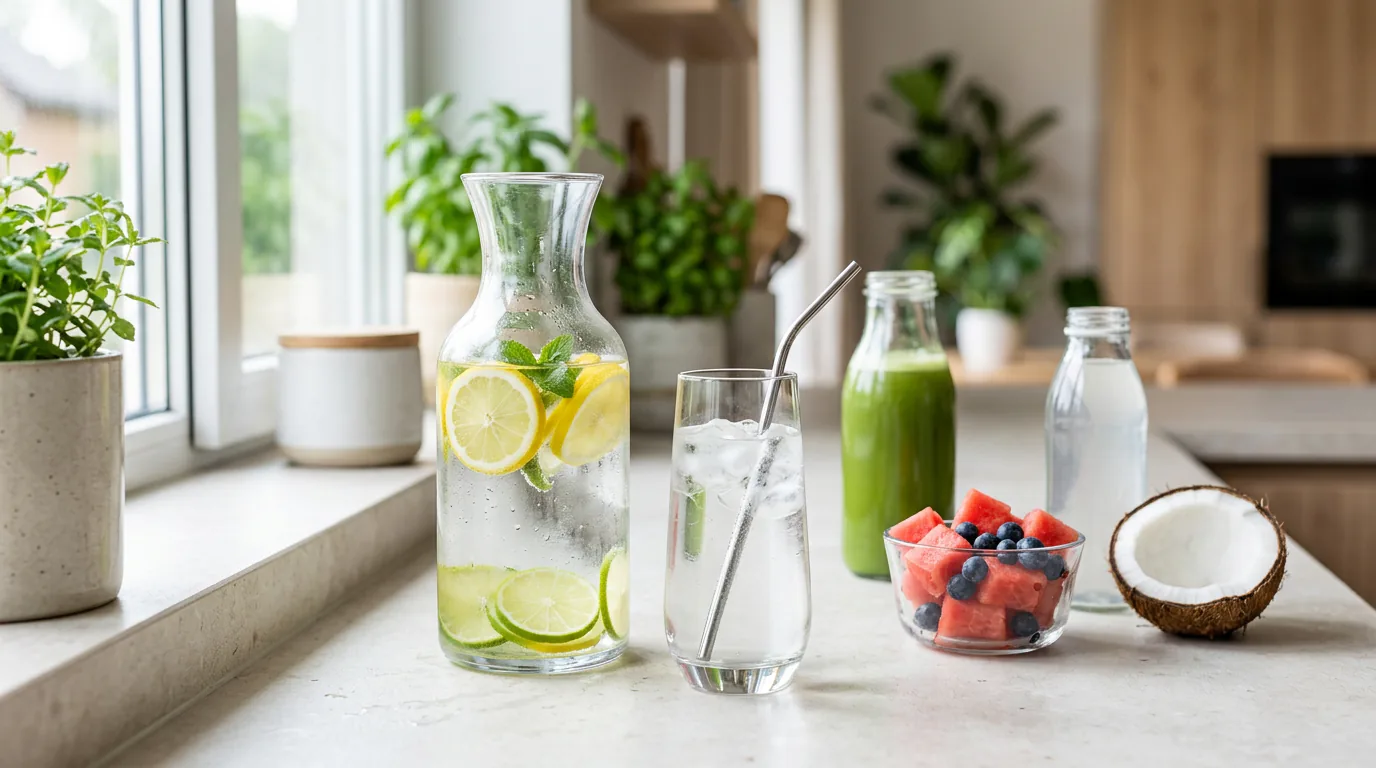
Infused Water (fruit/ herb)
Description: Water steeped with slices of citrus, berries, cucumber, or herbs for flavor.
Benefits: Enhances palatability, increases voluntary intake, no added sugar; ideal for daily hydration maintenance.
Cautions: Nutrient contribution is minimal; not sufficient alone for severe dehydration.
-
Small amounts of caffeinated beverages
Description: Coffee or tea in moderate quantities (below 300 mg caffeine/day) can contribute to fluid intake.
Benefits: Provides water volume and is acceptable in daily totals. Recent studies show minimal net diuretic effect at typical consumption levels (source type: peer-reviewed studies, 2014–2020).
Cautions: In high doses, caffeine has a mild diuretic effect and may worsen symptoms like palpitations or anxiety. For acute dehydration prioritize non-caffeinated fluids. For myth clarity see our piece on does coffee count towards hydration? .
Transition: After comparing common beverages, the next section integrates drinks with hydrating foods and practical recovery strategies for adults recovering from dehydration.
Best Drinks and Foods for Hydration and Dehydration Recovery in Adults
Recovery from dehydration in adults depends on cause and severity. For mild dehydration from exercise or heat, beverages may suffice; for moderate-to-severe fluid loss due to illness (e.g., vomiting, diarrhea), structured rehydration with electrolytes and food is often required. For illness-related options, consult our detailed dehydration recovery options during illness.
Here’s a practical synergy of drinks and foods to recover fluid and electrolyte balance:
-
Oral Rehydration Solution + Bland Carbs
Why: ORS replaces sodium and glucose in the right ratio to pull water into the bloodstream and tissues. Combine with bland carbohydrates (toast, rice, crackers) to stabilize energy. WHO-style ORS is recommended for diarrhea-related dehydration (source type: clinical body guidance).
How to prepare homemade ORS (walkthrough): Mix 1 liter of clean water with 6 level teaspoons of sugar and 1/2 teaspoon of salt. Drink small, frequent sips until urine output normalizes. This formula approximates low-osmolar ORS recommended globally — clinical guidance: WHO/UNICEF manuals (source type: clinical body guidance).
-
Broths and Clear Soups + Vegetables
Why: Broths supply sodium, warm liquids soothe the gut, and vegetable content provides water and potassium. Chicken or vegetable broths are easy to digest and suitable during mild illness recovery.
-
Coconut Water + Banana
Why: Coconut water provides potassium; pairing with a banana adds carbohydrates and more potassium. Use for mild-to-moderate losses not dominated by sodium loss (e.g., after light-to-moderate exercise).
-
Milk or Yogurt Smoothies
Why: Contain water, electrolytes (calcium, potassium), and protein to support tissue repair after exertion. Yogurt provides probiotics that may help during or after gastrointestinal illness.
-
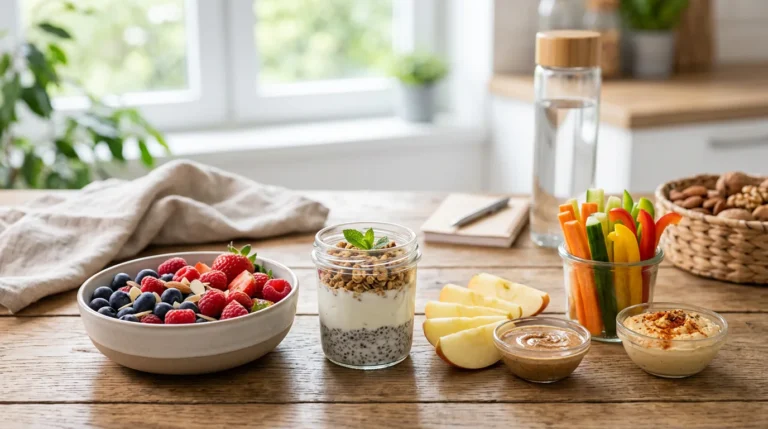
High-water Fruits and Vegetables
Examples: Watermelon (92% water), cucumber (95% water), strawberries (91%), oranges (87%). These contribute both fluid and micronutrients; combine them with a salty snack (whole-grain crackers) when sodium replacement is needed.
-
Electrolyte-Enhanced Drinks + Salty Snacks
Why: If sodium is low after heavy sweating, pairing electrolyte drinks with a salty snack helps retain fluid. Avoid high-sugar drinks unless you need immediate carbohydrate energy.
-
Small, Frequent Intakes
Why: For vomiting or ongoing losses, small sips every 5–10 minutes minimize the risk of re-triggering vomiting and improve net absorption. Aim for 100–200 ml per 10–15 minutes initially, scaling up as tolerated.
Case scenario (post-exercise): A 35‑year-old who completed a long run with muscle cramps can drink 500–750 ml of a low-sugar sports drink within 30 minutes and eat a banana or salted potato to restore potassium and sodium. Clinical trial data show such combinations speed recovery of plasma electrolyte concentrations and reduce cramping risk in endurance athletes (source type: peer-reviewed trial, 2018).
Case scenario (diarrhea-related dehydration): An adult with frequent watery stools should prioritize ORS immediately and eat bland foods as tolerated. If vomiting prevents oral intake or signs of severe dehydration appear, seek emergency care.
Transition: Now we’ll compare commercial hydration options so you can choose the most appropriate product when shopping.
Comparing Commercial Hydration Options: Sports Drinks, Electrolyte Waters, and Supplements
| Product Type | Typical Sodium (mg/serv) | Typical Potassium (mg/serv) | Sugar (g/serv) | Best Use | Cautions |
|---|---|---|---|---|---|
| Standard Sports Drink | 200–350 | 30–100 | 14–35 | Endurance exercise >60–90 min | High sugar; caloric load; dental concerns |
| Low-sugar Sports Drink | 150–300 | 20–80 | 2–10 | Moderate sweating, training | May contain artificial sweeteners |
| Electrolyte Water | 10–150 | 5–50 | 0–2 | Daily maintenance, mild rehydration | Low sodium; limited use after heavy losses |
| Coconut Water | 25–60 | 250–600 | 6–15 | Potassium replenishment, light activity | Low sodium; variable sugar |
| ORS (WHO or pharmacy) | 75–90 (low-osmolar) | 20–30 | ~20 (glucose) | Diarrhea, vomiting, moderate-to-severe dehydration | Salty taste; not for long-term daily caloric use |
| Plain Water | 0–10 | 0–10 | 0 | Mild hydration, daily intake | No electrolytes for heavy losses |
Explanation and trade-offs:
- Sports drinks contain the sodium and carbohydrate mix that supports endurance performance, but their sugar content varies widely. Choose low-sugar formulas for everyday use.
- Electrolyte waters are convenient and calorie-free but often contain sodium too low to offset heavy sweat losses.
- ORS remains the most effective for illness-related dehydration because it’s designed to restore electrolytes and water in balance; WHO and clinical guidelines support ORS for diarrheal dehydration (source type: clinical body guidance, WHO).
For detailed clinical guidance on dehydration signs and when to use ORS versus IV therapy, consult professional resources such as the Mayo Clinic on dehydration treatment. For public-health background on water and health, see the CDC resource on water and nutrition: CDC water and nutrition. For peer-reviewed evidence on electrolyte formulations and absorption, consult a review in nutrition science: peer-reviewed hydration review.
Transition: Next, we address common myths and mistakes that can reduce hydration effectiveness or harm recovery efforts.
Common Myths and Mistakes About Hydration Drinks and Dehydration
-
Myth: Coffee always causes dehydration.
Fact: Moderate coffee intake contributes to fluid balance; habitual consumers develop tolerance to caffeine’s mild diuretic effect. For deep dives, see does coffee count towards hydration?. -
Myth: Alcohol hydrates because it is liquid.
Fact: Alcohol has diuretic properties and impairs fluid regulation; it worsens dehydration risk, especially with exertion or heat. For full effects, read effects of alcohol on hydration. -
Myth: Fruit juices are the best rehydration option.
Fact: Undiluted juices are high in sugar and can increase osmolality; dilute juices to lower sugar load or pair with sodium sources for balanced rehydration. -
Myth: All sports drinks are the same.
Fact: Formulations vary in sodium, potassium, and sugar; read labels and choose low-sugar options for routine hydration. -
Myth: You can self-treat severe dehydration at home.
Fact: Severe dehydration with confusion, fainting, or very low urine output requires urgent medical attention; do not delay professional care. For fasting-related guidance, see water fasting rules and safety. -
Myth: Diuretics (coffee, tea) always cause net fluid loss.
Fact: Regular, moderate consumption contributes to daily intake; only high, sudden doses produce noticeable diuresis. -
Myth: Sports drinks should be used constantly to stay hydrated.
Fact: Overuse adds excess calories and sugars; reserve sports drinks for long-duration exercise or high sweat losses. -
Myth: Soft drinks are harmless hydration choices.
Fact: Many soft drinks are high in sugar and lack electrolytes; consider healthier options in our guide: soft drinks and healthier hydration choices.
Transition: With myths dispelled, apply practical daily strategies to make hydration habits reliable and effective.
Practical Tips for Choosing and Using Hydrating Beverages Throughout the Day
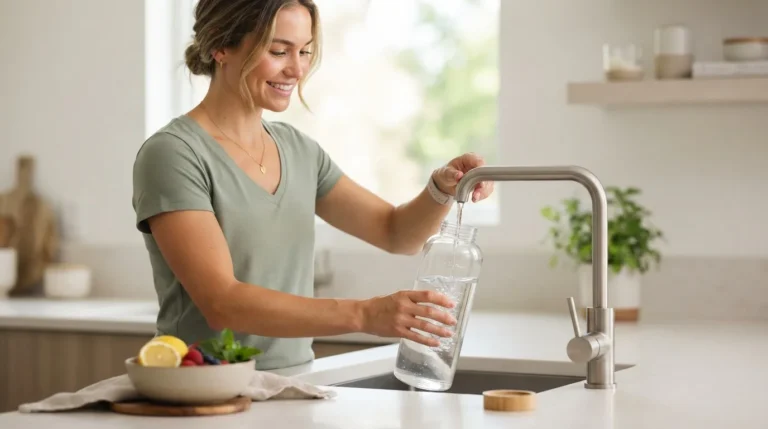
- Make plain water your baseline: sip regularly and carry a bottle. For deeper routines, review our 5 tips to stay hydrated and improve wellness for habit tools and scheduling.
- Match beverage to need: choose ORS for illness, low‑sugar sports drinks for long workouts, and electrolyte water or coconut water for mild-to-moderate needs.
- Monitor volume with tools: use a hydration intake calculator explained to personalize daily goals and account for activity and climate.
- Track servings visually: refer to the water bottle size chart and glass of water serving sizes to measure intake easily.
- Be cautious with high daily goals: consider the health considerations of drinking a gallon of water if you aim for aggressive volumes. Balance intake to avoid electrolyte dilution.
- Use timing strategically: drink 200–300 ml before exercise, sip during activity every 10–20 minutes, and rehydrate with 500–750 ml in the first 30–60 minutes after intense exercise.
- Pair fluids with food when recovering from illness: bland carbohydrates, fruit, and broths add energy and electrolytes to fluids.
- Personalize by goals: if weight management is a focus, check hydration tips for weight loss that incorporate beverage timing and appetite effects.
- Set reminders and environmental cues: keep a filled bottle visible, use app timers, and drink with meals to build consistent intake.
- Use reliable calculators for daily targets and adjust for weather and activity through the daily water intake recommendations and the hydration intake calculator explained to translate recommendations into bottles and glasses.
- Know the limits: educate yourself about the risks of drinking too much water and avoid excessive intake that can cause hyponatremia.
Transition: These practical tips make it easier to choose and use hydrating beverages that fit your life and needs. Finally, we summarize the key actions you can take to integrate these choices long-term.
Conclusion: Integrating the Best Hydrating Beverages into a Healthy Lifestyle
Choose fluids based on context: plain water for routine hydration, ORS for illness-related losses, and electrolyte-containing beverages for heavy sweating. Pair hydrating foods with drinks to supply water, sodium, and potassium. Monitor status using urine color and personalized intake calculators, and seek medical care for severe dehydration. Start small—carry a bottle, include a high-water fruit daily, and keep ORS available for illness. For more habit-building strategies, follow the practical suggestions and tools linked above to make hydration a reliable part of wellness.
Frequently Asked Questions
What are the best hydrating beverages for adults?
The best hydrating beverages for adults are plain water for routine needs, oral rehydration solutions (ORS) for illness-related dehydration, and low-sugar electrolyte or sports drinks after heavy sweating; coconut water and broths are useful for mild-to-moderate electrolyte replacement.
How do electrolyte drinks compare to plain water for hydration?
Electrolyte drinks supply sodium and potassium that help retain fluids and restore osmotic balance, making them superior to plain water when significant salt is lost (e.g., heavy sweating or diarrhea); for mild fluid loss, plain water often suffices.
What foods help improve hydration during dehydration recovery?
High-water fruits and vegetables (watermelon, cucumber, oranges), broths, yogurt, bananas, and soups provide water plus electrolytes and carbohydrates, supporting fluid absorption and energy during dehydration recovery.
How can I make a homemade oral rehydration solution?
Mix 1 liter of clean water with 6 level teaspoons of sugar and 1/2 teaspoon of salt to approximate low-osmolar ORS. Sip small amounts frequently until urine output and symptoms improve; seek care for severe cases.
How long does it take to rehydrate after dehydration?
Mild dehydration often improves within hours with adequate fluids and rest; moderate dehydration may require 24–48 hours of structured rehydration including electrolytes; severe dehydration can require immediate medical treatment and intravenous fluids.
What should I avoid drinking when I am dehydrated?
Avoid high-sugar or high-alcohol beverages and large amounts of caffeine during acute dehydration; these can increase osmolality or act as diuretics. Prioritize low-sugar electrolytes or ORS when rehydrating.
Is it safe to drink only water to stay hydrated?
Drinking only water is safe for routine hydration but may not replace electrolytes lost during prolonged sweating or illness. In those situations, include electrolyte-containing drinks or foods to restore sodium and potassium.
How does caffeine affect hydration levels?
Moderate caffeine intake contributes to daily fluid balance and has minimal net diuretic effect in habitual consumers; excessive caffeine can cause mild diuresis and worsen dehydration symptoms in high amounts.