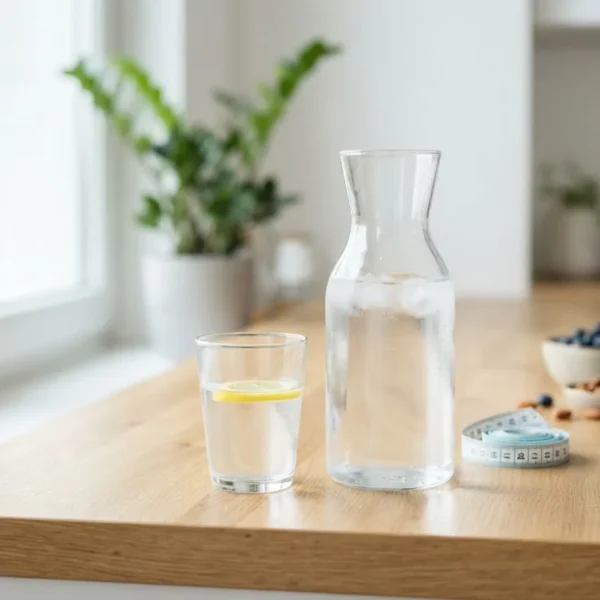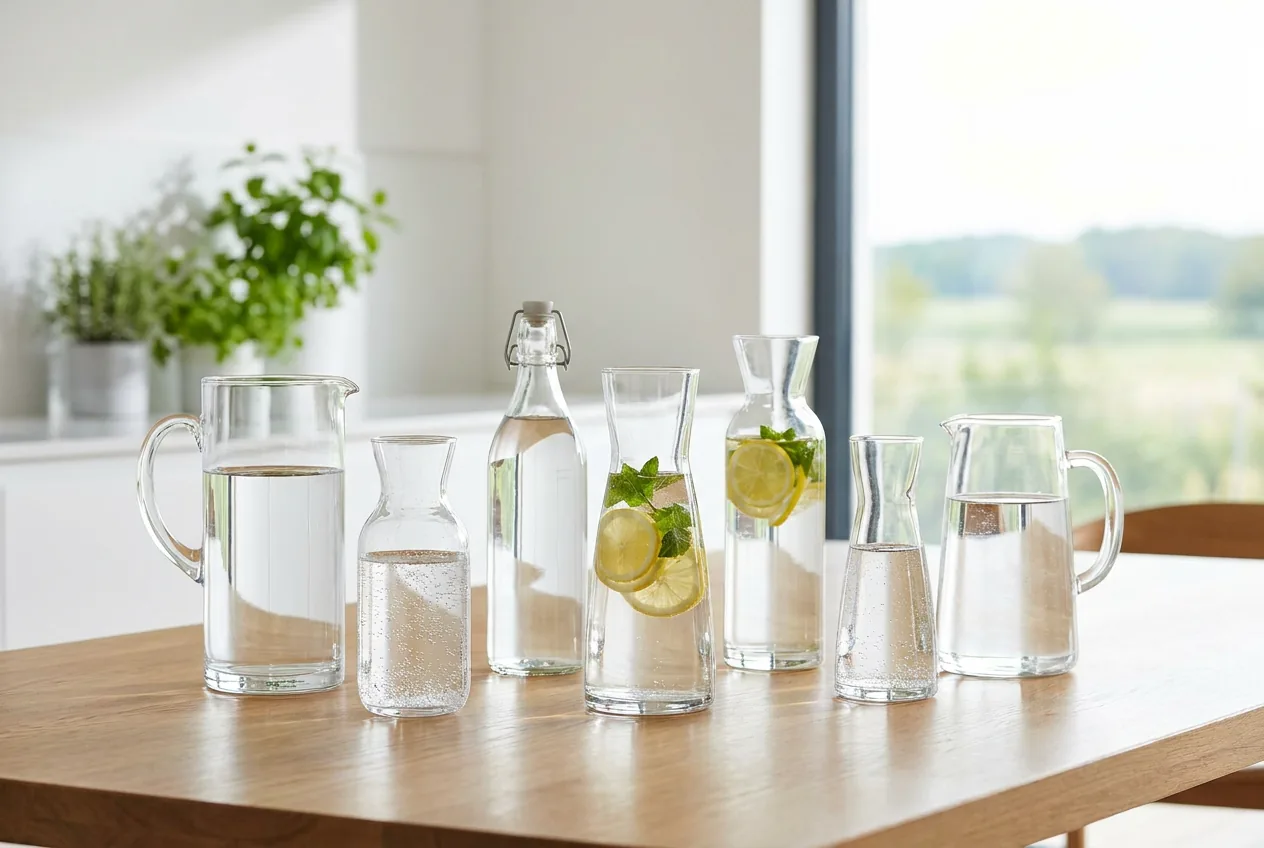
The best water for hydration is clean, safe water with balanced electrolytes and low contaminants — typically high-quality municipal tap or filtered spring water for daily use; mineral or electrolyte-enhanced water for recovery; and purified (RO) water when contaminants are present. Choose based on source safety, mineral needs, and local water quality reports.
What practical criteria define the best water for hydration?
Answer: The best water for hydration balances safety (low contaminants), bioavailable minerals/electrolytes, neutral-to-mild pH, and palatability, plus affordability and environmental impact.
Those criteria map to measurable attributes you can check:
- Safety: contaminant levels under regulatory limits (lead, PFAS, microbes).
- Electrolytes/minerals: sodium, potassium, magnesium, calcium that support fluid balance.
- pH: between about 6.5–8.5 is acceptable for most people; extreme pH changes aren’t necessary for hydration.
- Taste and odor: affects voluntary intake and adherence to hydration habits.
- Cost and sustainability: per-liter cost and single-use plastic impact.
Electrolytes: charged minerals like sodium, potassium, magnesium, and calcium that carry electrical signals and regulate fluid balance.
Contaminant: any unwanted chemical, metal, or microbe present in water that can harm health or taste.
Is tap water a good choice for everyday hydration?
Answer: Yes — in most U.S. cities, properly treated municipal tap water is a safe, cost-effective source of hydration and often the best daily option when confirmed by the local water quality report.
Why tap water commonly works:
- Municipal systems are regulated by the EPA and must publish Consumer Confidence Reports (CCR) annually describing contaminant levels and treatment methods.
- Tap water typically contains beneficial minerals (calcium, magnesium) that support electrolyte balance.
- Cost per liter is far lower than bottled water, reducing financial and environmental costs.
When to be cautious:
- If local CCR reports show elevated lead, PFAS, nitrates, or microbial advisories, use filtered or bottled sources until resolved.
- Older homes with lead pipes or galvanized plumbing may require point-of-use filtration certified for lead removal.
Consumer Confidence Report (CCR): an annual municipal water quality report summarizing test results, contaminants, and compliance with EPA standards.
How does bottled water compare to tap water for hydration?
Answer: Bottled water can match tap for safety and mineral content but is usually costlier and less sustainable; choose bottled spring or mineral water when taste or portable convenience matters, and avoid single-use plastic where possible.
Comparison factors:
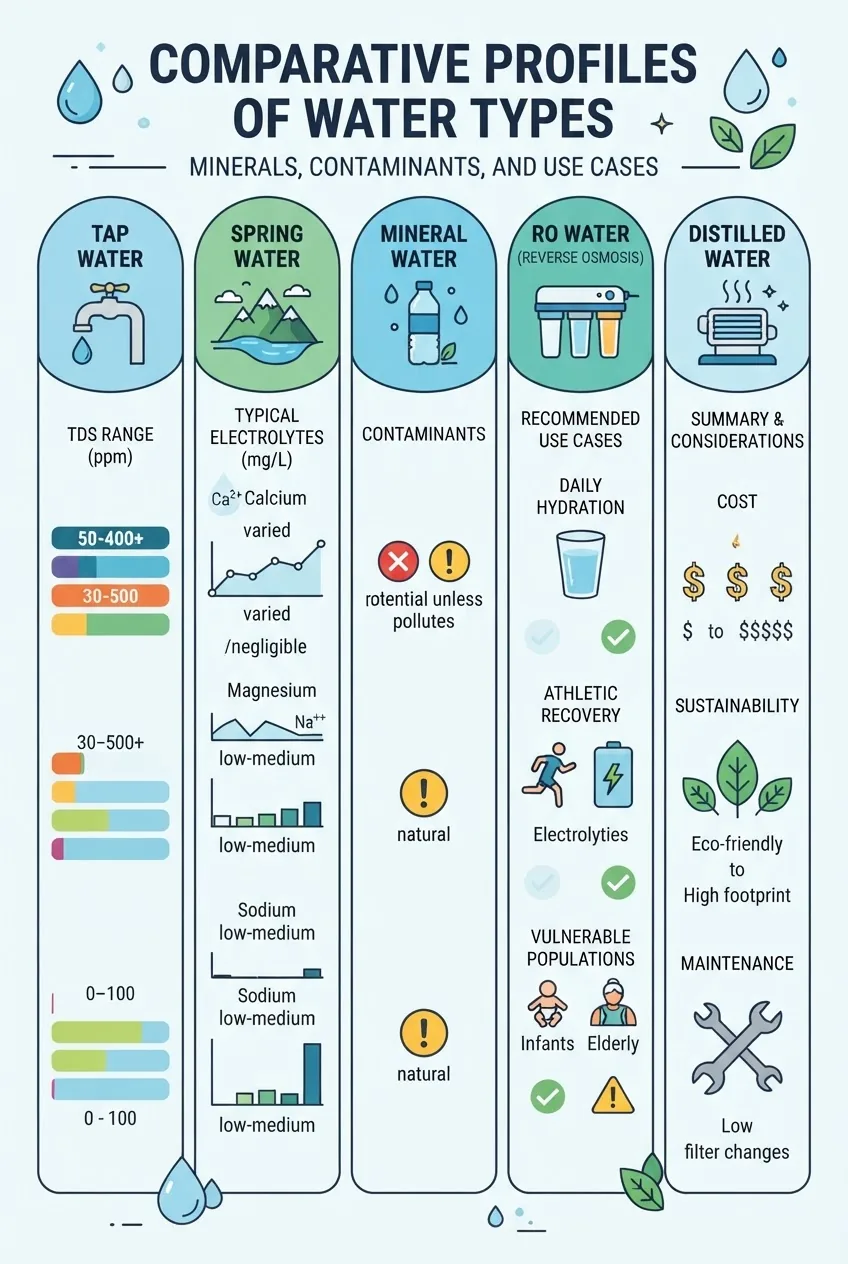
| Type | Typical Mineral Profile | Cost per L | When to choose |
|---|---|---|---|
| Municipal tap | Low–moderate minerals | <$0.01 | Daily use if safe |
| Spring | Moderate minerals | $0.50–$2.00 | Taste preference; outdoor use |
| Mineral | High calcium/magnesium | $1.00–$3.00 | Electrolyte support, flavor |
| Purified/RO | Very low minerals | $0.50–$2.00 | When contaminants present |
| Distilled | Near zero minerals | $0.50–$1.50 | Medical devices, certain labs |
Key takeaway: bottled water is not inherently healthier than tap; verify source and certifications when choosing for health reasons.
Which water types supply electrolytes for better hydration?
Answer: Natural mineral water, spring water, and electrolyte-enhanced bottled waters supply measurable sodium, potassium, calcium, and magnesium; they are useful when replacing losses from sweat or illness.
Electrolyte content matters when:
- Performing prolonged exercise (>60 minutes) or heavy sweating.
- Recovering from gastrointestinal losses (diarrhea, vomiting).
- When specific clinical conditions require electrolyte supplementation (physician-directed).
Typical electrolyte sources:
- Mineral water — naturally higher in magnesium and calcium.
- Sports drinks — formulated with sodium and carbohydrates for rapid absorption.
- Electrolyte tablets or powders — added to water for targeted dosing.
TDS: total dissolved solids; a lab measure (ppm) of minerals and salts dissolved in water that correlates with perceived mineral content.
Is alkaline water healthier or better for hydration?
Answer: Alkaline water (higher pH) does not consistently improve hydration versus regular water for healthy people; benefits are mostly anecdotal and not strongly supported by clinical evidence.
What alkaline water is and when it matters:
pH: a numeric scale (0–14) measuring acidity or alkalinity; 7 is neutral. Drinking water pH typically ranges 6.5–8.5.
- Hydration: pH does not change water’s basic hydrating capacity — cellular rehydration depends on electrolyte balance and osmolarity.
- Acid reflux or specific digestive conditions: some people report symptom relief, but evidence is limited and individual.
- High-pH water may have a slightly different taste which can affect intake.
When is purified or RO water the best choice?
Answer: Choose reverse osmosis (RO) or other purified water when tests show contaminants (lead, PFAS, high nitrate, or microbial risks), or when sensitive populations (infants, immunocompromised) need the lowest contaminant exposure.
Reverse osmosis defined:
Reverse osmosis (RO): filtration using semipermeable membranes to remove dissolved solids, metals, and many chemical contaminants from water by applying pressure to force water through the membrane while rejecting impurities.
RO advantages and limits:
- Removes >90% of many contaminants including lead, arsenic, and many PFAS molecules depending on membrane and pre-treatment.
- Produces very low TDS water, which may taste flat and lacks minerals — remineralization or occasional mineral intake from food is advisable.
- Requires maintenance (membrane and filter replacement) and generates wastewater (brine) at a system-dependent ratio.
What contaminants should you test for in Texas tap water?
Answer: In Texas, prioritize testing for lead (service lines), nitrates (agricultural areas), arsenic, disinfection byproducts, and PFAS (industrial sites), plus routine bacterial contamination if you have a private well.
Testing guidance:
- Municipal users: review Consumer Confidence Reports first; order confirmatory testing from a state-certified lab if unusual results appear.
- Well owners: test annually for total coliforms, nitrates, and local contaminants; test after flooding or nearby land-use change.
- Special tests: request lead, arsenic, uranium, PFAS, and volatile organic compounds (VOCs) if risk factors exist.
Where to get tests: contact your county extension office or a state-certified laboratory; the Texas Commission on Environmental Quality (TCEQ) has resources for well owners.
How do water hardness and minerals affect hydration and taste?
Answer: Hard water (higher calcium and magnesium) supplies dietary minerals and a fuller taste; it does not impair hydration but can influence soap behavior and appliance scaling.
Hardness: concentration of calcium and magnesium ions in water, often expressed as mg/L of calcium carbonate (CaCO3).
Practical effects:
- Health: hard water is safe and contributes modestly to daily calcium and magnesium intake.
- Hydration: minerals slightly change osmolarity but don’t reduce water’s ability to rehydrate under normal conditions.
- Domestic: increased scaling in kettles, water heaters, and reduced soap lathering; some households prefer softened water for appliances.
Which filtration systems remove specific contaminants and what do they cost?
Answer: Carbon filters remove chlorine, VOCs, and improve taste; RO removes most dissolved solids and metals; ion exchange softeners remove hardness; UV kills microbes; costs range from $20 filter pitchers to $500–$3,000 installed systems depending on capacity and features.
Quick reference table of common filtration options:
| System | Removes | Approx. Cost | Maintenance |
|---|---|---|---|
| Pitcher carbon filter | Chlorine, taste, some VOCs | $20–$60 | Cartridge every 1–3 months |
| Under-sink carbon | Chlorine, VOCs, taste | $100–$400 | Cartridge 6–12 months |
| Reverse osmosis (RO) | Lead, arsenic, many PFAS, TDS | $300–$3,000 | Membrane & filters 1–5 years |
| UV sterilizer | Bacteria, viruses (no chemicals) | $150–$600 | Lamp replacement annually |
| Water softener (ion exchange) | Calcium, magnesium (hardness) | $600–$2,500 | Salt replenish; resin 5–15 years |
Buying tip: match the system to the contaminant — carbon filters won’t remove lead reliably; RO is better for dissolved metals but wastes water and removes minerals.
How often should filtration components be replaced to keep water safe?
Answer: Replace cartridge filters every 3–12 months, RO membranes every 2–5 years, UV lamps annually, and softener resin per manufacturer schedules; follow flow reduction or taste changes as signs for earlier replacement.
Signs you need replacement:
- Noticeable change in taste or odor.
- Reduced flow rate from faucet or filter housing.
- Visible discoloration or particulate in filtered water.
Maintenance checklist:
- Keep replacement dates and purchase spare cartridges.
- Follow flushing procedures after replacing filters.
- Sanitize housings annually if recommended by manufacturer.
How should people with medical conditions choose water for hydration?
Answer: Individuals with kidney disease, heart failure, hypertension, or electrolyte disorders should follow clinician guidance on sodium, potassium, and fluid quantity; choose low-sodium/low-mineral water or purified water per medical advice.
Condition-specific guidance:
- Kidney disease: monitor potassium and phosphorus sources; some mineral waters are high in potassium and may be restricted.
- Hypertension: choose low-sodium water and avoid electrolyte drinks with high sodium unless advised.
- Heart failure: fluid restrictions may apply; count water intake toward daily fluid limit.
Clinical coordination: consult nephrologist or cardiologist before changing water sources or using concentrated electrolyte supplements.
What water is best for athletes and intense exercise?
Answer: For short workouts (<60 minutes) plain water is best; for prolonged or heavy sweating, use water with added sodium and carbohydrates (sports drink) or mineral water plus a snack to replace electrolytes and support performance.
Practical recommendations:
- Before and during moderate exercise: sip cool water at regular intervals to maintain volume.
- During long-duration (>60–90 minutes) or high-heat exercise: use a sports drink with 20–30 mmol/L sodium and 4–8% carbohydrate concentration for optimal fluid absorption.
- Post-exercise: rehydrate with water plus a snack or electrolyte-containing beverage to restore glycogen and electrolytes; weigh-in/weight-out methods estimate fluid loss.
Example recovery: If an athlete loses 1.0 kg during training, drink ~1.2–1.5 L with electrolytes to rehydrate and replace losses.
How do you calculate water needs for different people and climates?
Answer: Estimate baseline needs by weight (about 30–35 mL/kg/day) and add adjustments for activity, heat, pregnancy, or illness; use sweat-rate measurements for precise athletic planning.
Worked examples:
- Sedentary adult 70 kg: 70 kg × 35 mL = 2,450 mL/day (approx. 2.4 L).
- Athlete with 2-hour training losing 1.5 kg: base need 3.0 L + replacement 1.8–2.25 L (1.2–1.5 × loss) = 4.8–5.25 L total that day.
- Hot climate adjustment: increase baseline by 0.3–1.0 L/day depending on heat exposure and sweating.
Method to measure sweat rate:
- Weigh without clothes before exercise (kg).
- Exercise for a standard time without drinking (record duration and intensity).
- Weigh after exercise and add fluid consumed (kg ≈ L) to determine net loss per hour.
Adjust drinking schedule to replace hourly losses and maintain body weight within 1% during prolonged efforts when performance is critical.
How should households in Texas store drinking water safely?
Answer: Store water in food-grade, sealed containers away from heat and chemicals; rotate supplies every 6–12 months for tap-filled containers and follow bottler expiration dates for purchased water.
Storage best practices:
- Use BPA-free, food-grade containers; glass or stainless steel preferred for long-term taste maintenance.
- Keep containers in a cool, dark place away from gasoline, pesticides, or solvents.
- Label with fill and rotate dates; replace stored tap water every 6–12 months if not treated with preservatives.
Emergency reserves: maintain at least a 3-day supply of water (3 liters per person per day) and a 2-week supply where possible for Texas households in hurricane or grid-outage zones.
How much does choosing a particular water option impact annual costs and the environment?
Answer: Annual cost varies widely: tap costs pennies per liter; bottled water and large RO systems cost hundreds to thousands annually; environmental impact is highest for single-use bottled water and RO wastewater; choose refillable containers and efficient filters to lower costs and footprint.
Cost range examples (annual estimates):
- Tap water for household drinking: <$10–$30/year (negligible in most U.S. cities).
- Bottled water for regular use (1 L/day): $180–$1,000/year depending on brand and packaging.
- Home RO system (purchase and maintenance): $300–$1,000 first year; $100–$300/year thereafter for replacements and water waste costs.
Environmental considerations:
- Single-use plastic bottles produce the highest per-liter lifecycle emissions and waste.
- RO systems generate wastewater; choose high-efficiency units and consider reclaiming greywater where appropriate.
- Refillable bottles and municipal tap use minimize carbon and waste footprints.
How do you taste-test and evaluate if a water source encourages sufficient drinking?
Answer: Assess water by odor, taste, and mouthfeel; consumers hydrate more consistently with water they find pleasant — if a source tastes metallic, chlorinated, or flat, switch to appropriate filtration or alternative sources to maintain intake.
Taste test protocol:
- Cold, neutral glass at 10–12°C simulates typical drinking conditions.
- Smell for chlorine, sulfur, or musty odors; any strong scent suggests treatment or contamination issues.
- Note aftertaste: metallic or chemical tastes indicate dissolved metals or contaminants requiring testing.
Behavioral tips to increase intake:
- Use chilled or lightly flavored (citrus, cucumber) water to encourage consumption without added sugars.
- Keep water visible and accessible — bedside, workspace, and car containers.
What are common myths about ‘healthiest’ water and what does evidence say?
Answer: Myths include claims that alkaline water cures disease, that distilled water is superior for health, or that bottled water is always purer than tap — evidence shows hydration depends on safety and electrolytes, not marketing claims.
Myth vs. evidence summary:
- Alkaline water cures disease: insufficient high-quality clinical evidence; benefits are minimal for healthy individuals.
- Distilled water is healthier: it removes minerals and contaminants but lacks electrolytes; not necessary for routine hydration.
- Bottled water purity: variable — regulation differs (FDA vs. EPA) and not always stricter than municipal standards.
How can you test and verify water quality at home?
Answer: Use a combination of municipal CCR review, DIY test kits for basic contaminants (lead, chlorine, nitrate), and certified laboratory analysis for definitive results on metals, PFAS, and microbes.
Practical testing steps:
- Check your water utility’s CCR for baseline data.
- Use EPA-certified lab testing for authoritative results when risks exist; order specific tests (lead, PFAS, arsenic, nitrate).
- Home test kits: convenient for screening but less reliable than certified labs; use them to flag issues requiring lab confirmation.
Interpreting results: compare values to EPA Maximum Contaminant Levels (MCLs) or state guidance; consult local health departments for context and remediation options.
What specific water advice should Texas residents follow given local climate and infrastructure?
Answer: Texans should prioritize water quality checks after storms/floods, test private wells annually, maintain emergency reserves for heat and hurricanes, and use filtration for known local contaminants like agricultural nitrates or industrial PFAS where applicable.
Texas-focused recommendations:
- After heavy rainfall or flooding, flush taps and test well water before use.
- Rural/private well owners: test for coliform bacteria, nitrates, and nearby agricultural runoff indicators.
- Urban dwellers: request CCRs from municipal utilities and investigate lead in older housing stock.
- Maintain an emergency water supply given high heat risks and occasional service interruptions.
For more general hydration strategies and five practical tips, see the pillar resource on hydration and well-being: Essential Guide with 5 Tips to Stay Hydrated and Healthy.
How do you choose a water option for infants, toddlers, and pregnant people?
Answer: Infants under 6 months should use safe municipal tap water boiled when advised or commercially prepared infant formula water; toddlers and pregnant people should avoid water with high nitrate or lead and follow clinician advice on fluoride and mineral intake.
Specific precautions:
- Infant formula: use safe municipal water; boil when local advisories indicate microbial contamination.
- Lead exposure: avoid using hot tap water for formula preparation; use cold tap or filtered water certified for lead reduction.
- Pregnant people: test private wells for nitrates and arsenic and consult obstetric providers about fluoride or mineral intake concerns.
What practical buying checklist helps pick the healthiest bottled water?
Answer: Check source type, third-party testing/certifications, mineral/TDS information, bottling date, recyclable packaging, and cost-per-liter before buying bottled water for health-focused use.
Checklist items:
- Source: spring, mineral, or purified — choose based on desired mineral content.
- Certifications: look for independent lab results, NSF/ANSI certifications, and transparent testing data.
- Label data: TDS, mineral concentrations (mg/L), pH, and bottling date.
- Packaging: opt for recyclable or refillable containers to reduce environmental impact.
How should travelers and hikers select water for safe hydration outdoors?
Answer: For day hikes, carry treated tap or bottled water; for multi-day trips, use reliable filtration plus chemical disinfection or UV sterilization for source water that may contain microbes, and consider electrolyte tablets for prolonged exertion.
Field selection rules:
- Carry at least 1–2 L per person for day hikes; more in heat.
- Use lightweight filters (ceramic, hollow-fiber) that remove bacteria and protozoa; combine with chemical disinfectants or UV for viruses if risk exists.
- Pre-treat cloudy water by pre-filtering with cloth before using a purifier.
What are recommended daily habits to make the healthiest water choice for hydration?
Answer: Regularly drink palatable, safe water; keep a refillable bottle; verify local water quality; use appropriate filtration for identified contaminants; and adjust intake for activity, heat, and medical needs.
Practical daily routine:
- Start the day with a glass of cool water to encourage intake.
- Carry a refillable bottle and aim for steady sips rather than infrequent large volumes.
- Use filtered tap water at home if municipal quality is questionable, and keep spare filters on hand.
- Track intake with simple goals (bottle refills or timed reminders) tailored to your weight and activity level.
For background on risks of inadequate intake and strategies to maintain hydration, read our related piece on the side effects of not drinking enough water: Guide to 16 Alarming Side Effects of Not Drinking Enough Water.
How do you transition your household from bottled to healthier, sustainable water sources?
Answer: Audit current consumption, test tap water, install an appropriate home filtration system (carbon or RO as needed), switch to refillable bottles, and phase out single-use bottled water while tracking cost and taste acceptance.
Stepwise plan:
- Calculate current bottled water use and cost.
- Review municipal CCR; test if concerned.
- Select and install the simplest effective filtration (pitcher, under-sink carbon, or RO) and keep spare cartridges.
- Provide family members with attractive refillable bottles and chilled water stations.
- Monitor acceptance: adjust filtration or remineralize RO water if taste issues limit adoption.
How can you safely remineralize purified water for everyday use?
Answer: Reintroduce minerals with commercially available remineralization cartridges, a pinch of balanced mineral salt, or by mixing purified water with a small proportion of mineral or spring water according to manufacturer or dietitian guidance.
Methods and guidance:
- Commercial remineralization filters: add calcium and magnesium to improve taste and electrolyte content post-RO.
- Mineral drops/tablets: standardized products provide predictable mineral amounts; follow dosing instructions.
- Simple kitchen method: add a measured 1/8 to 1/4 teaspoon of balanced mineral salt per liter for modest mineral restoration — consult a dietitian when used regularly or for medical conditions.
How do regulatory standards affect the healthiest water choices?
Answer: EPA sets enforceable limits for public water systems in the U.S.; bottled water is regulated by the FDA with different testing frequencies; understanding these differences helps consumers evaluate safety and testing transparency.
Regulatory highlights:
- EPA: sets Maximum Contaminant Levels (MCL) for public water systems and requires Consumer Confidence Reports.
- FDA: regulates bottled water as a packaged food, with standards for identity and quality but different monitoring schedules.
- State agencies (e.g., TCEQ) may impose additional local requirements and provide resources for well owners.
Which water should you avoid or treat before drinking?
Answer: Avoid untreated surface water (streams, lakes), suspect well water after flooding, and any municipal supply under boil or do-not-drink advisories; treat with boiling, filtration plus disinfection, or choose bottled water until resolved.
Treatment options by risk:
- Microbial contamination: boil for 1 minute (3 minutes above 2,000 m elevation), or use certified filters plus chemical/UV disinfection.
- Chemical contamination: filtration systems like RO or activated carbon followed by certified laboratory testing; boiling does not remove chemical contaminants.
How do you balance mineral intake from water versus food and supplements?
Answer: Use water as a modest, complementary mineral source; rely on varied diet for most calcium, magnesium, and potassium needs, and adjust water choice only when clinically indicated or for marginal dietary gaps.
Guidance:
- Mineral water can contribute to daily calcium and magnesium, but typical dietary sources (dairy, leafy greens, nuts) provide larger amounts.
- Do not depend solely on water to meet electrolyte needs during illness or heavy exertion; use medical or sports-grade rehydration solutions if required.
- Track total daily intake if on mineral-restricted diets for medical reasons.
Frequently Asked Questions
What is the single healthiest water to drink every day?
Safe, treated municipal tap water or high-quality filtered tap water is the healthiest daily choice for most people because it balances safety, low cost, beneficial minerals, and low environmental impact; choose bottled mineral water or electrolyte drinks only when specific needs or preferences require them.
How can I tell if my home water has dangerous contaminants?
Check your utility’s Consumer Confidence Report for municipal systems; for wells or suspected problems, use a state-certified laboratory test for lead, nitrates, arsenic, PFAS, and microbes; use home test kits only for preliminary screening and confirm positives with lab testing.
Does drinking mineral water hydrate better than plain water?
Mineral water provides extra magnesium and calcium that support electrolyte balance but does not hydrate faster than plain water in healthy individuals; it can help replace minerals lost during heavy sweating or illness where electrolyte replacement is needed.
Should athletes drink alkaline or electrolyte water during competitions?
Athletes should prioritize electrolyte content and carbohydrate concentration over pH; for events longer than 60 minutes, choose sports drinks or electrolyte-enhanced water with sodium and carbohydrate for optimal hydration and performance rather than relying on alkaline claims.
Is reverse osmosis water safe for daily drinking long-term?
RO water is safe but low in minerals; if used long-term, consider remineralizing or ensuring adequate dietary intake of calcium and magnesium; RO is advisable when tap water contains harmful contaminants that exceed safe levels.
How much water should I carry per person for a hot-weather day trip in Texas?
Carry at least 2–3 liters per person for a hot-weather day trip in Texas; increase to 4–5 liters if hiking vigorously or exposure to high heat is prolonged, and include electrolyte options for extended exertion or heavy sweating.
What is the best way to remove lead from household water?
Install a point-of-use filter certified to NSF/ANSI Standard 53 for lead reduction on faucets used for drinking and cooking, replace cartridges per schedule, and flush cold water lines before use; consider replacing lead service lines where feasible.
Can I safely use bottled water for infant formula?
Yes, commercially prepared bottled water labeled as safe for infants or low in contaminants can be used; when using tap water, follow local advisories and boil if microbial contamination is suspected; avoid hot tap water directly from the faucet for formula mixing.