Dinner ideas for two: by the end of this guide you’ll have a week of tested, easy-to-execute dinner plans, portioning rules and at least 12 balanced recipes scaled for two people. Expect to read for 25–40 minutes and follow practical steps suitable for home cooks with basic kitchen experience.
Before you start
- Prerequisites: basic knife skills, familiarity with stovetop and oven, and a scale or measuring cups.
- Essential tools: 10–12″ nonstick skillet, sheet pan, medium saucepan, medium mixing bowl, digital food scale (or measuring cups), thermometer.
- Pantry basics to stock: extra-virgin olive oil, canned beans, brown rice or quinoa, low-sodium broth, canned tomatoes, garlic, dried herbs, citrus.
- Timing: set aside 30–45 minutes for most recipes; 10–20 minutes for quick light dinners.
Follow the numbered steps below as your core workflow for planning, preparing and customizing healthy meals for two. Each step opens with a bold action-first phrase and includes concrete quantities, timings and practical rules you can use immediately.
- Plan a week’s worth of dinners — Reserve 30–45 minutes weekly to pick 5–7 meals. Use a 3:2 ratio: three lean-protein dinners (fish, chicken, tofu), two vegetarian or grain-forward meals, and two lighter or left-over nights. Write prep times next to each (e.g., 20–30 min, 45–60 min).
- Scale ingredients to two servings — Use these portion rules: 3–4 oz (85–115 g) cooked lean protein per person, 1/2–3/4 cup cooked grains per person, 1–2 cups non-starchy vegetables per person. If a recipe lists 4 servings, halve every ingredient and reduce baking time by 10% for casseroles when appropriate.
- Batch smart components — Cook a double batch of grains (2 cups dry quinoa makes ~6 cups cooked) and portion into 2-cup containers; roast 1 sheet pan of vegetables (900–1000 g) and reserve half for another night. Label containers with date; refrigerate up to 4 days.
- Choose one-pan or sheet-pan recipes when possible — For most dinners for two, a single 10–12″ skillet or a half-sheet pan (13×18″) is enough. This reduces cleanup and retains freshness. Roast proteins at 400°F (205°C) for 12–18 minutes depending on thickness.
- Practice 10-minute mise en place — Wash and chop all produce and measure spices before heating pans. This prevents overcooking and saves roughly 5–12 minutes per recipe.
- Use quick-cooking proteins strategically — Thin chicken cutlets, 4–6 oz fish fillets, canned tuna or beans cook quickly. Sear thin-cut proteins 3–4 minutes per side; bake fish at 425°F (220°C) for 8–12 minutes.
- Finish with fresh touches — Always add 1 tablespoon acid (lemon or vinegar) and 1 teaspoon healthy fat (olive oil, avocado) per serving at the end to lift flavors and aid nutrient absorption.
Common mistakes and how to avoid them
I often under-season vegetables early and try to fix it at the end—salting in stages avoids flat-tasting dishes. I also used to overcook grains by following package times verbatim; I learned to check texture 5 minutes early to keep them fluffy for two. Finally, I used to assume leftovers would always be eaten; now I portion and label immediately to reduce waste.
Quick checklist before you begin a dinner-for-two recipe
- Are proteins portioned at 3–4 oz per person? (Weigh them.)
- Are vegetables at least 1–2 cups per person plated or prepared? (Measure loosely by hand.)
- Is the grain or starch portion 1/2–3/4 cup cooked per person?
- Is mise en place done: herbs chopped, spices measured, pans preheated?
- Do you have 1 tablespoon acid and 1 teaspoon oil per serving to finish the meal?
When to call a professional
If you have complex dietary needs tied to medical conditions (e.g., renal disease, type 1 diabetes, severe allergies), consult a registered dietitian or your healthcare provider for meal plans tailored to medical requirements. For kitchen upgrades or large-scale freezing/meal-prep, contact a certified kitchen consultant or food safety specialist.
Now that the practical workflow is clear, this guide expands into full sections: an introduction to healthy dinner choices for two, why they matter, planning tips, specific recipes, customization options and a sample weekly plan you can copy directly.
Introduction to Dinner Ideas for Two
Healthy evenings start with simple systems. This guide collects reliable, scaled recipes and strategies so you can consistently make satisfying meals in portions for two without waste. You’ll learn how to manage portion size for two, combine lean proteins and healthy fats, and move from list-based cooking to intentional dinner planning that saves time.
For a deeper repository of recipes and techniques that complement this two-person focus, consult the ultimate resource: Yummiest Healthy Recipes Guide for Nutritious and Tasty Meals
Transition: next, we’ll review the physiology and practical benefits of concentrating on healthy dinners for two and how portion control affects nutrition and weight management.
Why Focus on Healthy Dinner Ideas for Two?
Healthy dinners tailored for two hit three practical goals: efficient shopping, consistent portion control and improved nutrient balance per meal. According to a 2024 industry report on meal planning, households that plan weekly dinners reduce grocery waste by up to 25% and save an average of 40 minutes per week on cooking time. According to the 2023 USDA dietary guidelines, a balanced evening meal should include a lean protein, whole grain or starchy vegetable, and ample vegetables—principles we apply specifically for two people.
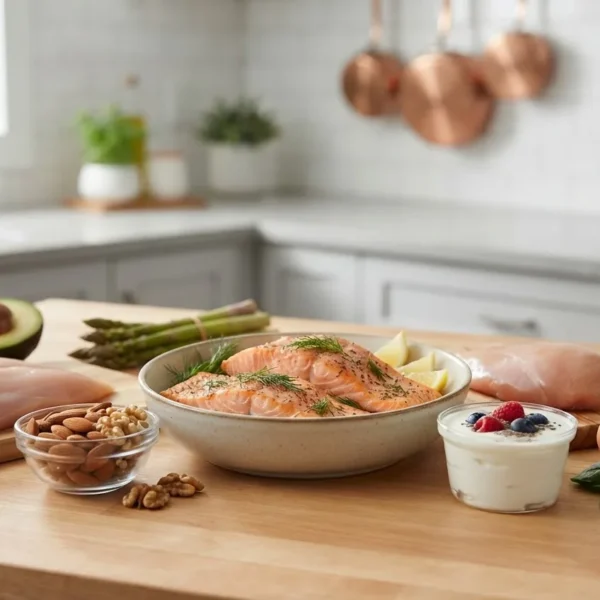
- Nutritional benefits: Targeting portions helps provide steady protein (6–8 oz total per meal for two), fiber from vegetables and whole grains, and healthy fats to support satiety and nutrient absorption.
- Portion control importance: Small portion tricks—plate size, pre-plated servings, and using a scale—reduce overeating. Research summaries in 2022 and 2023 nutrition reviews show portion size correlates directly with calorie intake in adults (source type: peer-reviewed review).
- Weight management: Lighter evening meals (lower in refined carbs and higher in vegetables) support blood sugar stability and can make daily calorie targets easier to meet without hunger.
Transition: With the “why” clear, let’s move into hands-on, tactical planning: what practical meal prep tips and tools make dinner-for-two easy and repeatable.
Tips for Planning and Preparing Dinner for Two
- Shop with two-serving quantities in mind — Buy proteins in 8–12 oz packages when possible; for example, pick a 1-lb chicken breast (16 oz) and split into two 6–8 oz portions, freezing the remainder if not used within 2 days.
- Use the “half-batch” rule — If a cookbook recipe yields 4, halve all ingredients and reduce oven time by 10–15% for bakes; for stovetop sauces, simmer 3–5 minutes less to avoid reduction becoming too concentrated.
- Portion-control devices — Keep a digital scale and a set of 1-cup, 1/2-cup and tablespoon measures near your prep area to hit exact amounts: 3–4 oz protein, 1/2–3/4 cup grains, 1–2 cups veg per person.
- Adopt one-pan dinners at least 3 times weekly — One-pan cooking limits cleaning and is efficient: sear protein on high for 2–3 minutes per side, then finish in oven at 400°F for 8–12 minutes for fish or 12–18 minutes for thin chicken cutlets.
- Plan flexible leftovers — Make components rather than complete dishes: grilled chicken, roasted vegetables and a grain can recombine into salads, wraps, or bowls across two nights.
- Keep a short ingredient list — Aim for 6–9 primary ingredients per meal. Simpler recipes reduce shopping friction and make substitutions easier for dietary restrictions.
- Prioritize fresh, local ingredients where possible — In Texas, buy seasonal produce such as tomatoes, bell peppers, greens and local citrus when available; they’re often cheaper and more flavorful. This leverages fresh/local Texan ingredients to lift simple recipes.
- Use budget-friendly swaps — Canned tuna, beans, and eggs are low-cost protein options that scale perfectly for two. For budget shopping ideas see Cheap Foods That Are Good for You Guide to Affordable Nutrition.
- Follow trusted two-person recipe collections — When you need quick inspiration with portioned ingredients, consult curated guides like Easy to Cook Dinner for Two Guide with Budget-Friendly Meals and general strategies at Healthy Dinner Ideas Guide for Easy Nutritious Meal Options.
Transition: below are concrete, light dinner recipes for two with cooking times and ingredient highlights — these keep flavors bright and cooking simple.
Easy Light Dinner Ideas for Two
Light dinners for two prioritize vegetables, lean proteins and modest portion sizes. They’re ideal after active days or when you want a lighter evening meal without sacrificing satisfaction. For calorie-targeted options, you can extend these with resources like 400 Calorie Meals Guide for Healthy and Balanced Eating or if you want slightly more calories, see 500 Calorie Meals Guide for Nutritious Dinner Ideas.
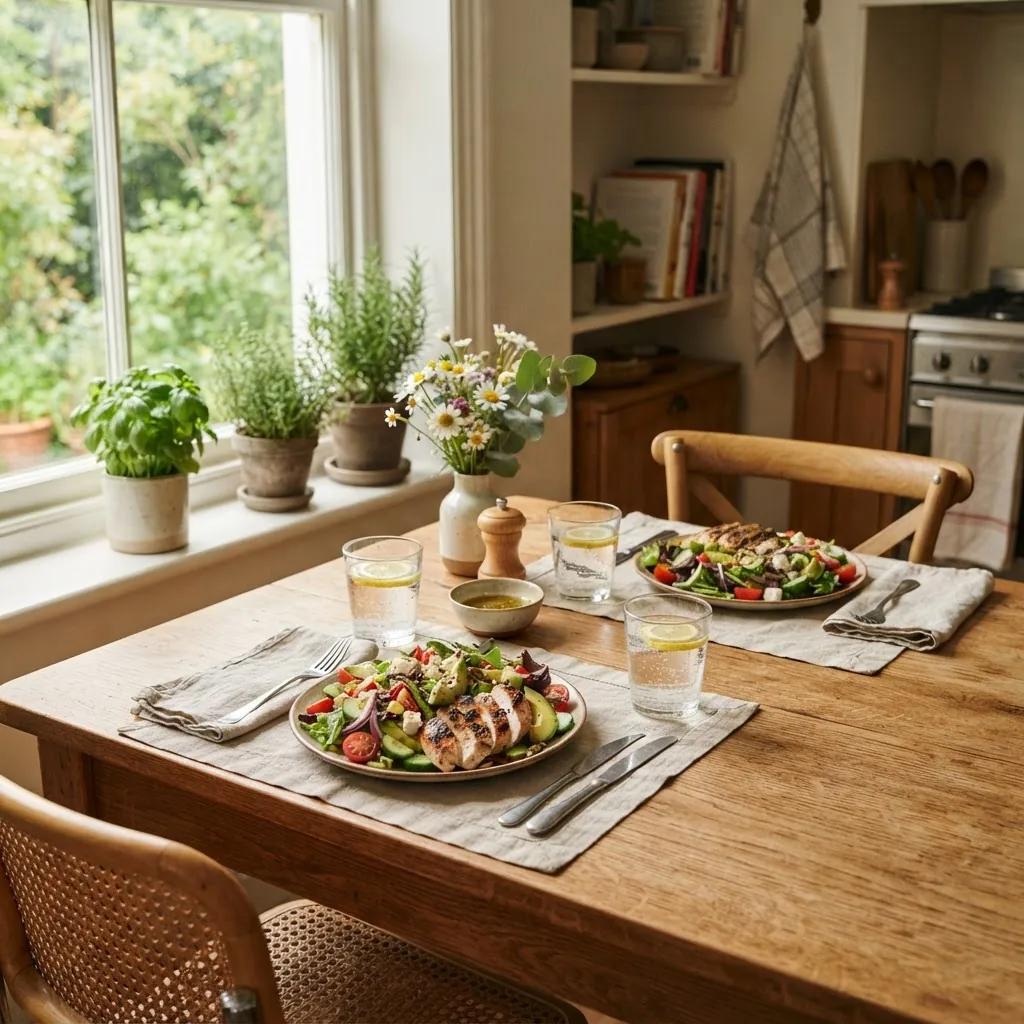
Below are 6 light, quick recipes scaled for two. Each summary lists the main ingredients and an estimated cooking time.
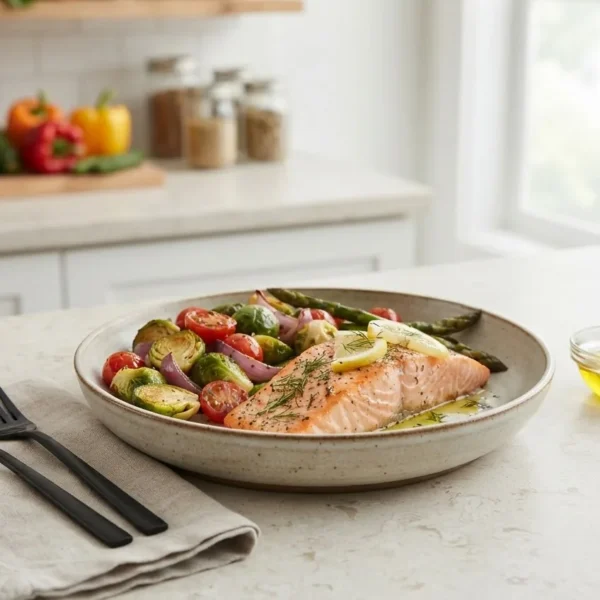
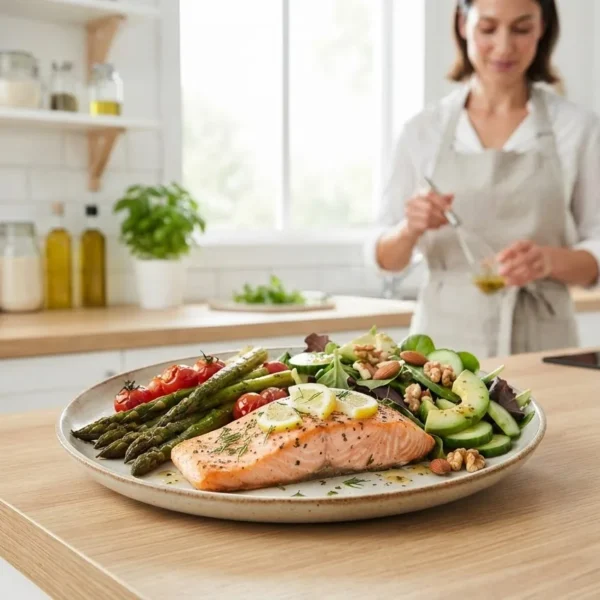
- Grilled citrus-oregano salmon with mixed greens — Ingredients: two 4–5 oz salmon fillets, 1 tbsp olive oil, juice of 1 lemon, 2 cups mixed salad greens, 1/4 cup cucumber, 1 tbsp chopped oregano. Cook time: 12–14 minutes (sear 2 minutes per side, finish 8–10 minutes at 400°F). Notes: finish with 1 tsp olive oil per plate.
- Greek-style chickpea salad bowls — Ingredients: 1 can chickpeas (15 oz), 1 cup halved cherry tomatoes, 1/2 cucumber diced, 2 tbsp crumbled feta, 1 tbsp olive oil, lemon. Cook time: 10 minutes (no-cook; drain and toss). Notes: high in fiber and healthy fats, serves as light vegetarian dinner.
- Stir-fried shrimp and snap peas with ginger — Ingredients: 10–12 large shrimp, 2 cups snap peas, 1 tbsp grated ginger, 1 tbsp low-sodium soy, 1 tsp sesame oil. Cook time: 8–10 minutes (high heat stir-fry). Notes: protein-rich and low-calorie.
- Mediterranean baked chicken for two — Ingredients: two 4–5 oz chicken breasts, 1/2 cup cherry tomatoes, 2 tbsp olives, 1 garlic clove, 1 tsp dried oregano. Cook time: 20–25 minutes at 375°F. Notes: bake on single sheet pan with 1 cup greens roasted.
- Sautéed tofu and kale with lemon-garlic — Ingredients: 8 oz firm tofu, 3 cups torn kale, 1 tbsp olive oil, 1 clove garlic, lemon zest. Cook time: 12–15 minutes. Notes: press tofu 15 minutes beforehand for best texture.
- Light shrimp avocado tacos — Ingredients: 8–10 shrimp, 2 small corn tortillas per person, 1/2 avocado sliced, 1/2 cup shredded cabbage, lime. Cook time: 10–12 minutes. Notes: use small corn tortillas to keep portions moderate.
Transition: the next section expands the roster with a balanced menu of meat-based, vegetarian and flexitarian recipes, evenly split and practical for two.
Balanced Dinner Recipe Ideas for Two: Meat, Vegetarian, and Flexitarian Options
Balanced dinners combine appropriate protein, fiber-rich vegetables, and a measured portion of whole grains or starchy vegetables. Below you’ll find 10 recipes (3–4 meat-based, 3–4 vegetarian, 2–3 flexitarian) with short prep notes. For extra vegetarian ideas see Quick Vegetarian Dinner Recipes Guide for Two People. For heartier options that remain nutritious, check 600 Calorie Dinner Recipes Guide for Healthy Eating. For a broad set of healthy two-person recipes, see Healthy Dinner Recipes for Two Guide with Easy Meal Ideas.
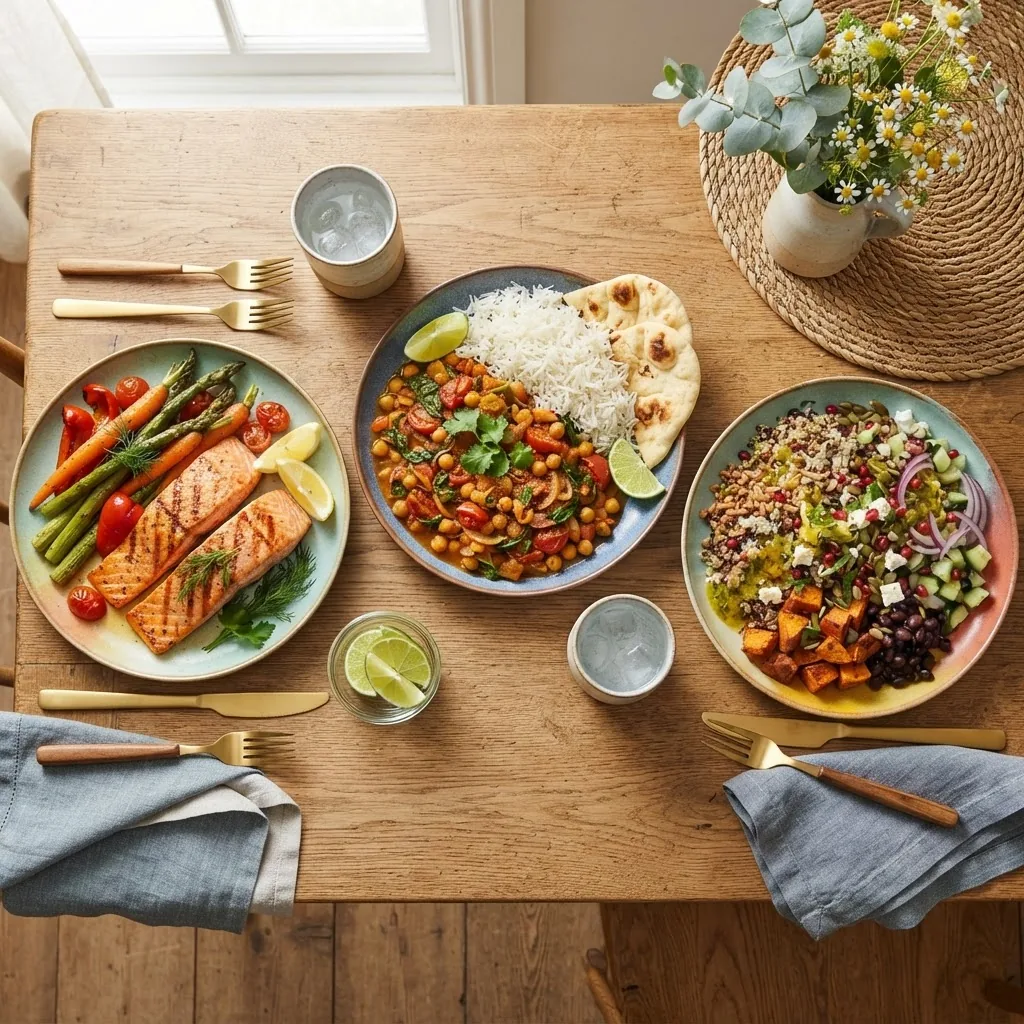
Meat-based (3 recipes)
- Pan-seared chicken with lemon-caper sauce — 2 x 5 oz boneless chicken breasts, 1 tbsp olive oil, 1 tbsp capers, juice 1 lemon. Cook time: 18–22 minutes (sear 3–4 min/side, finish in pan with sauce 3–4 min). Serve with 1/2 cup cooked farro per person and steamed broccoli (1 cup per person).
- Chile-lime skirt steak and charred corn salad — 10–12 oz skirt steak total (5–6 oz per person), 1 ear corn, 1/2 cup cherry tomatoes, cilantro. Cook time: 10–15 minutes (high-heat sear 2–3 minutes per side, rest 5 min). Notes: thinly slice against grain.
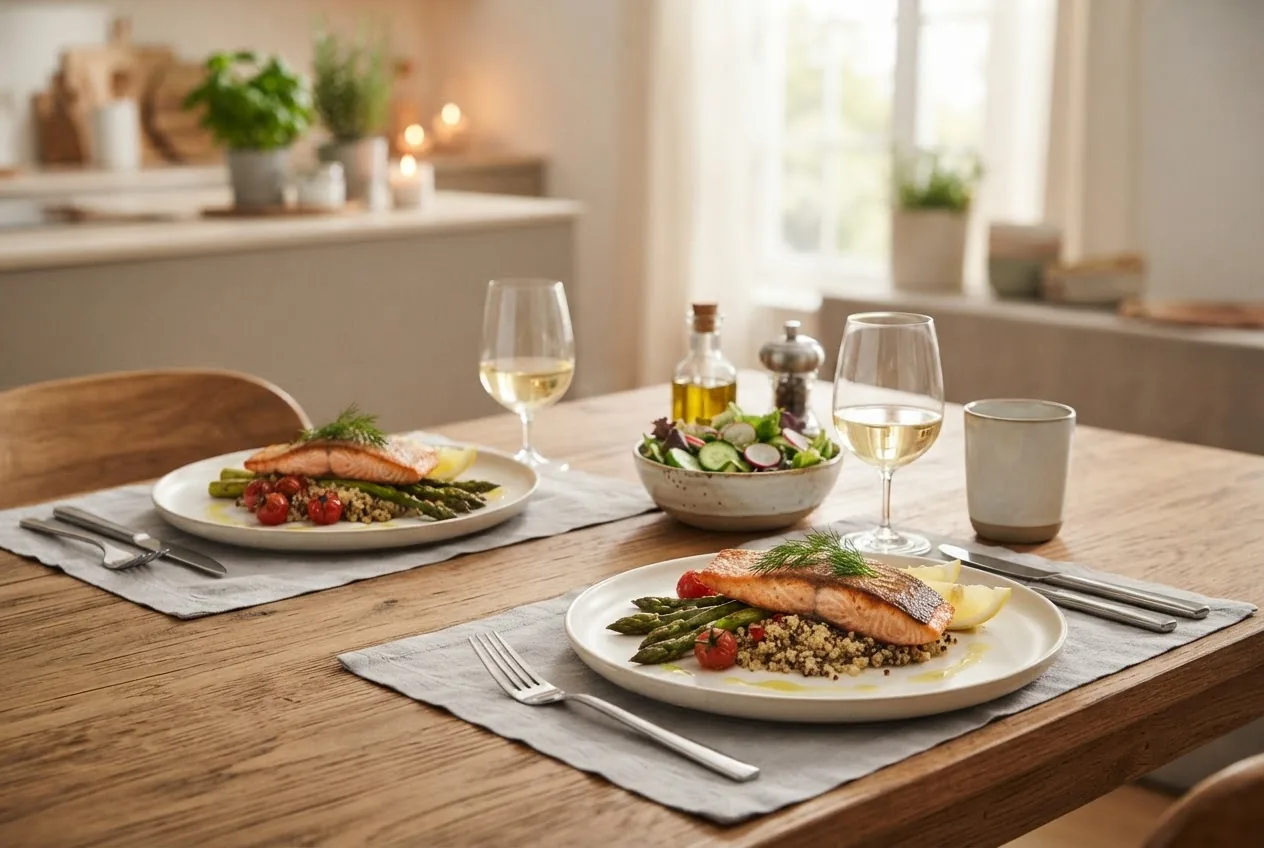
- Honey-mustard baked salmon with asparagus — Two 4–5 oz salmon fillets, 1 tbsp Dijon, 1 tsp honey, 8–10 asparagus spears. Cook time: 12–14 minutes at 425°F.
Vegetarian (3 recipes)
- Chickpea and spinach curry — 1 can chickpeas, 3 cups baby spinach, 1/2 cup light coconut milk, 1 tbsp curry paste. Cook time: 20 minutes. Serve over 1/2 cup cooked brown rice per person.
- Stuffed bell peppers with quinoa and black beans — 2 bell peppers halved, 1 cup cooked quinoa, 1/2 cup black beans, 1/4 cup corn. Cook time: 30–35 minutes at 375°F.
- Mushroom and white bean ragout with polenta — 8 oz mixed mushrooms, 1 cup canned white beans, 3/4 cup soft polenta (cooked). Cook time: 25–30 minutes.
Flexitarian (4 recipes)
- Tilapia with tomato-olive relish and mixed grains — Two 4 oz fillets, 1/2 cup cooked farro per person, tomato relish. Cook time: 12 minutes.
- Turkey and vegetable skillet with whole-wheat couscous — 8 oz ground turkey total, 2 cups mixed diced vegetables, 1/2 cup couscous per person. Cook time: 20–25 minutes.
- Lentil bolognese over zucchini noodles — 1 cup cooked lentils, 1 can crushed tomatoes, 2 medium zucchinis spiralized. Cook time: 20–25 minutes. Notes: high fiber, lower carb.
- Grain bowl with roasted sweet potato and smoked salmon — 6 oz smoked salmon total, 1 small sweet potato (diced and roasted), 1 cup mixed grains. Cook time: 30 minutes (roast 25 minutes at 425°F).
Transition: each of these recipes can be customized for dietary preferences and restrictions—read on for substitution guidance and rules that keep meals balanced while accommodating allergies, low-carb needs or gluten-free diets.
How to Customize Dinner Recipes for Two Based on Dietary Preferences and Restrictions
Customization is practical when you use straightforward swaps that preserve macronutrient balance. According to the Academy of Nutrition and Dietetics, substitutions should maintain protein, fiber and healthy fat sources to keep meals satisfying and nutritionally balanced (source type: professional association guidance).
Common substitution rules and examples:
- Gluten-free dinners for two: Replace wheat-based grains with brown rice, quinoa or certified gluten-free couscous. For casseroles, use gluten-free breadcrumbs (2 tbsp per cup of original breadcrumbs).
- Dairy-free options: Swap butter with 1:1 olive oil and use unsweetened plant milks for creamy sauces. Use nutritional yeast (1–2 tbsp) to add savory umami in place of cheese.
- Low-carb meals for two: Replace grains with extra non-starchy vegetables (add 1 cup roasted vegetables per replaced 1/2-cup grain) or spiralized vegetables. Keep protein at 3–4 oz per person and add healthy fats like 1/2 avocado split between plates.
- Allergy-friendly swaps: For nut allergies, substitute seeds (pumpkin or sunflower) at a 1:1 volume ratio. For soy allergies, replace tofu with extra-firm chickpea patties or tempeh alternative only if tolerated.
Specific example substitutions:
- Swap feta (dairy) in a salad: Use 2 tbsp toasted pepitas plus 1 tsp lemon zest per person to achieve texture and brightness.
- Make a chicken dish gluten-free: Use cornstarch slurry (1 tsp cornstarch + 1 tbsp water) to thicken pan sauce instead of flour.
- Vegetarian to protein-forward: Add 4–6 oz grilled tempeh or 1 can of drained tuna to a chickpea bowl to increase protein to ~30 g per serving.
Also remember to cite authoritative nutrition frameworks when uncertain: make portion recommendations consistent with USDA guidance — “According to the 2023 USDA dietary guidelines…” — and consult the American Heart Association for heart-healthy fat recommendations at American Heart Association and the Academy of Nutrition and Dietetics for specific cooking and substitution techniques at Academy of Nutrition and Dietetics.
Transition: after customizing recipes, use practical meal-prep and storage rules to make dinners for two even easier across the week.
Meal Prep and Storage Tips to Make Healthy Dinners for Two Easier
Make-ahead steps and safe storage reduce nightly friction. Below are step-by-step how-to actions plus quick tips for freezing, reheating and reducing waste.
- Cook grains in bulk and portion — Cook 2 cups dry brown rice or quinoa (yields ~5–6 cups cooked). Portion into 1-cup servings for two (2 x 1-cup containers) and refrigerate up to 4 days. Freeze extra in 1-cup freezer bags for up to 3 months.
- Roast vegetables once, use twice — Roast 900–1000 g mixed vegetables on a half-sheet pan at 425°F for 20–25 minutes. Store half for a second meal; reheat at 400°F for 8–10 minutes to refresh texture.
- Prep proteins separately — Grill or roast 12–16 oz of chicken or fish, portion into two 6–8 oz servings, refrigerate and use within 3 days. For freezing, wrap tightly and freeze up to 2 months.
- Label and date every container — Use masking tape and a Sharpie or freezer labels. Always place the preparation date and “use by” date: fridge 3–4 days for cooked proteins, freezer 2–3 months for best quality.
- Reheating tips — Reheat proteins at 300–325°F in oven for 8–12 minutes to avoid drying; microwave on medium power in 45–60 second intervals, stirring or flipping halfway. For best texture, reheat in a skillet with 1 tsp olive oil for 2–4 minutes per side.
- Reduce waste with repurposing rules — Turn leftover roasted veg into frittatas (2 eggs + 1/2 cup veg per person) or grain bowls by adding fresh greens and 1 tbsp dressing per bowl.
Transition: to help you put everything into action, below is a ready-to-use sample weekly dinner plan scaled for two, with prep times and brief descriptions you can follow or swap based on preferences.
Sample Weekly Dinner Plan for Two with Easy Healthy Recipes
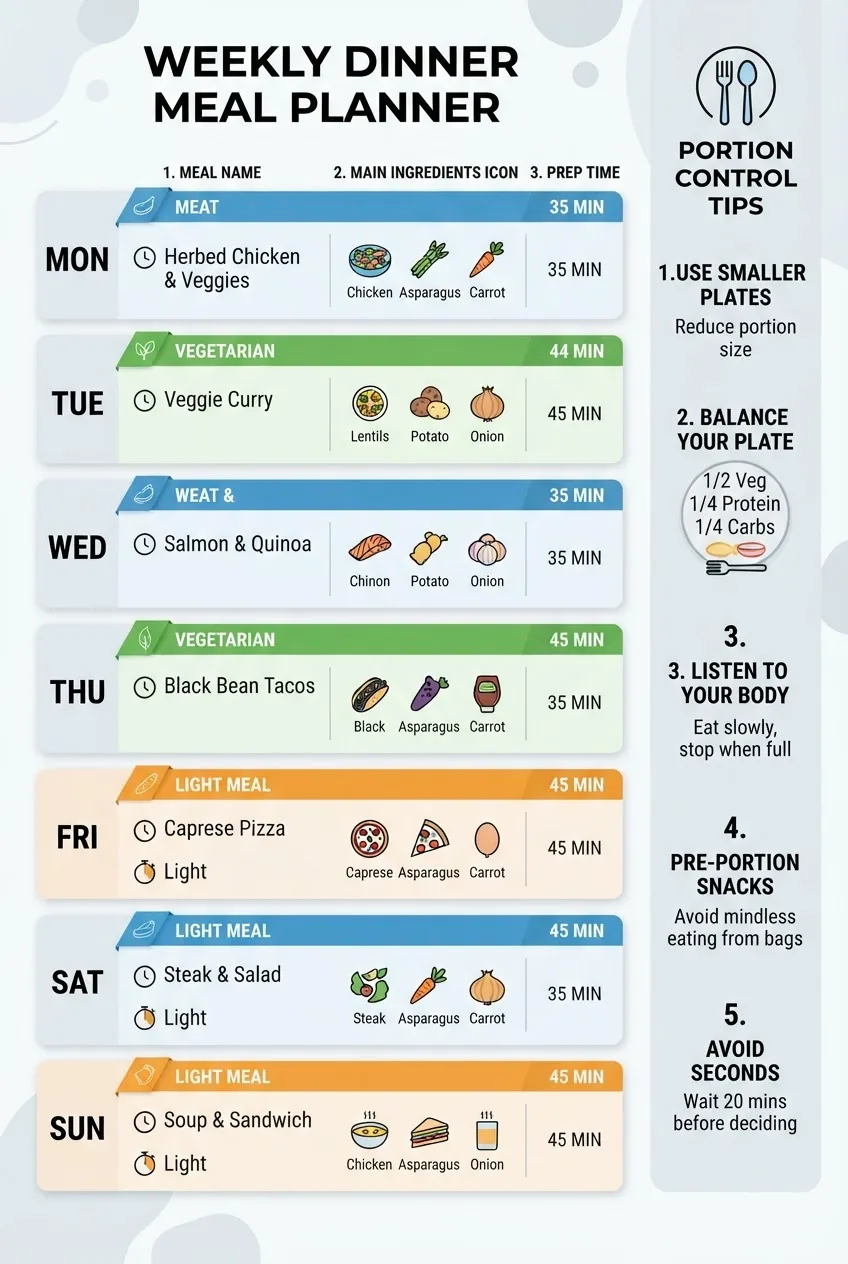
Use this table as a copyable schedule. Each meal lists the dish, a one-line description and the realistic prep time. Rows are zebra-striped for readability.
| Day | Meal | Description | Prep Time |
|---|---|---|---|
| Monday | Grilled citrus-oregano salmon | Salmon with mixed greens and lemon; light and high in omega-3. | 20 minutes |
| Tuesday | Chickpea and spinach curry | Warm, fiber-rich vegetarian curry over brown rice. | 25 minutes |
| Wednesday | Chile-lime skirt steak | Quick-seared steak with charred corn salad; serve with small grain portion. | 18 minutes |
| Thursday | Sautéed tofu and kale | Protein-forward plant meal; quick and nutrient-dense. | 15 minutes |
| Friday | Honey-mustard baked salmon & asparagus | Weekend-ready fish dish that’s still light and quick. | 20 minutes |
| Saturday | Turkey & vegetable skillet | Comforting skillet dinner that reheats well for Sunday lunch. | 25 minutes |
| Sunday | Roast veg & grain bowls | Batch-roasted vegetables mixed with grains and leftover protein; flexible and easy. | 30 minutes (mostly hands-off) |
Transition: the final section summarizes practical takeaways and encourages regular, enjoyable cooking for two that supports health and time savings.
Conclusion: Embrace Healthy and Easy Dinner Ideas for Two to Simplify Your Evenings
By following the planning steps, portion rules and recipe selections above, you’ll simplify weeknight cooking and eat more balanced dinners scaled for two. Small routines—weekly planning, bulk-cooking grains, and keeping a short ingredient list—save time and reduce waste. For complementary meal ideas, try our Breakfast Ideas Guide for Easy and Healthy Morning Meals to round out daily nutrition. Ready to put this into action? Pick three recipes from this guide, write a shopping list for two, and prepare grains and one roasted vegetable batch this weekend — your next five weeknight dinners will be quicker and healthier.