

By the end of this hands-on guide you will have a structured, heart-healthy prediabetes diet nutrition plan you can follow for 6–12 weeks, including daily menus, portion sizes, and measurable targets; this takes about 2–4 hours to set up and assumes basic cooking skills and comfort with reading food labels.
Before you start
- Prerequisites: recent fasting glucose or A1c result, basic kitchen equipment (measuring cups, kitchen scale), notebook or tracking app.
- Tools: a digital food scale (grams), a pedometer or phone activity tracker, a blood glucose meter if recommended by your clinician.
- Reference materials: ADA prediabetes guidelines printout, MyPlate or USDA nutrient tables (links below).
Transition: Start with a clear summary of what prediabetes means and which nutrition priorities affect progression — then use the step-by-step sections to build meals and habits tailored for Texas tastes and heart health.
-
Assess and document — Read this section, gather your labs, and set targets.
Understanding Prediabetes and Its Nutritional Needs
Prediabetes means blood glucose levels are higher than normal but not high enough for a diabetes diagnosis; it commonly reflects insulin resistance and signals increased risk for type 2 diabetes and cardiovascular disease. Aim to reduce progression risk through tailored dietary changes, weight management, and regular activity.
What to track: fasting glucose, A1c, body weight, waist circumference, and blood pressure. Use tracking apps or a simple notebook, recording daily meals and portion sizes for at least one week to establish a baseline.
How nutrition matters: carbohydrate quality and quantity determine post-meal glucose rises; dietary saturated fat affects cardiovascular risk; fiber slows absorption and improves insulin sensitivity. These are core principles you will apply in meal planning.
Blood sugar numbers and monitoring: consult your clinician for targets, but see blood sugar level guidelines for testing context and thresholds before you change medications.
Evidence snapshot: lifestyle intervention trials show modest weight loss (5–7% body weight) and dietary changes reduce progression risk. According to a 2021 peer-reviewed systematic review, structured lifestyle programs lowered diabetes incidence significantly over 3 years (peer-reviewed journal). Key study summary.
Clinical authority: for official diagnostic criteria and prevention resources, see the American Diabetes Association prediabetes guidance. ADA prediabetes information.
-
Learn the building blocks — Use the guidelines below to design meals and swaps.
Key Components of a Prediabetes Diet Nutrition Plan
Transition: With diagnostics and goals defined, you now select specific food targets and portion rules that lower glycemic responses, provide sustained energy, and protect the heart.
Core nutrition principles to apply:
- Control carbohydrate quality and quantity: prioritize whole grains, legumes, vegetables, and controlled servings of fruit; limit refined carbs and sugary drinks.
- Favor fiber-rich foods: aim for 25–35 g fiber/day (women 25 g, men 30–35 g as a working target from USDA guidance).
- Choose heart-healthy fats: replace saturated fats with monounsaturated and polyunsaturated fats (olive oil, canola, nuts, seeds, avocado).
- Reduce saturated fat: keep saturated fat under 7–10% of total calories for those with elevated LDL or cardiovascular risk; this aligns with heart-health guidance.
- Limit added sugars: prefer whole foods and use strategies to lower added sugar intake; see the natural and added sugars explainer for deeper detail.
- Balance meals: each meal should include protein (20–30 g), fiber (5–10 g), controlled carbs (30–45 g), and a small amount of healthy fat (1–2 servings, e.g., 1 tbsp olive oil, 1/4 avocado).
- Glycemic index and glycemic load: prioritize low-GI choices and control glycemic load by reducing total carbs per meal and adding protein/fiber to reduce peaks.
- Portion control: use a palm-portion method (protein = palm, carbs = cupped hand, fats = thumb) and validate with a scale during setup weeks.
Practical carbohydrate targets (adjust with clinician):
- Typical starting plan: 130–180 g carbohydrates/day, distributed across meals (30–45 g per meal, 10–15 g per snack) for many adults seeking gradual improvement.
- Lower-carb option: 100–130 g/day for those under clinician guidance or aiming for faster glycemic control and weight loss.
Sugar substitutes: judicious use of non-nutritive sweeteners can reduce added sugar intake while supporting palatability. For a practical assessment of options, consider the best sugar substitutes.
Tools and tracking: use a carb-counting app, food scale for the first two weeks, and a weight log. Set an immediate target: lose 5–7% body weight in 6 months if overweight, as evidence shows this reduces progression risk (lifestyle studies).
Sources and authority: USDA MyPlate guidelines support proportion strategies and nutrient targets; see their resources for portion visual cues. USDA MyPlate.
-
Map foods into do and don’t lists — Use the table below to guide groceries and swaps.
Best Foods to Eat and Avoid for Prediabetes
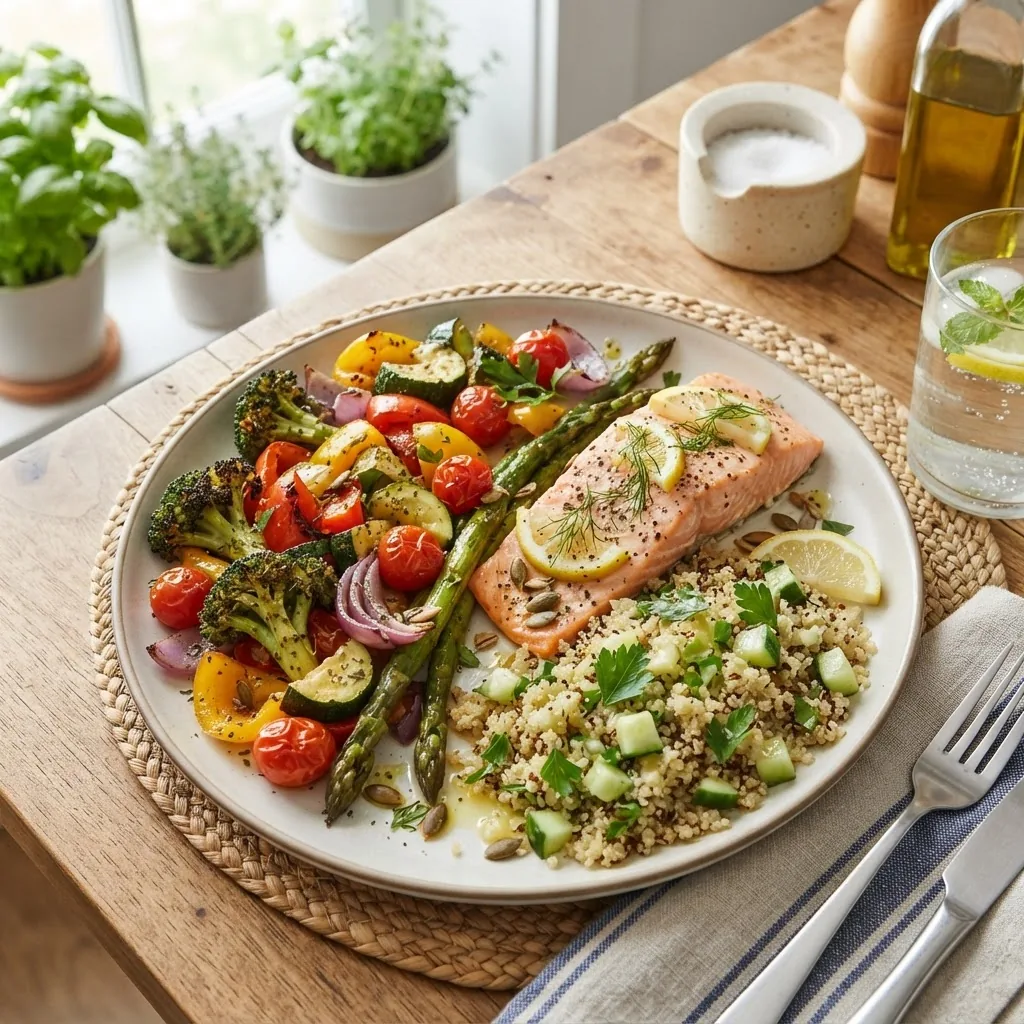
Transition: this two-column comparison lets you shop and cook with confidence — focus on nutrient density, fiber, and low saturated fat.
Foods to Include Foods to Avoid • Non-starchy vegetables (spinach, kale, broccoli) — 1–2 cups/meal
• Whole grains (steel-cut oats, quinoa, barley) — 1/2 cup cooked portion
• Legumes (beans, lentils) — 1/2 cup cooked per serving
• Lean protein (chicken breast, fish, tofu) — 3–4 oz (~85–113 g) per meal
• Nuts and seeds (almonds, chia) — 1 oz (28 g) snack portions
• Berries and whole fruit — 1 small apple or 1/2 cup berries per serving• Sugar-sweetened beverages and fruit drinks — avoid entirely; replace with water or unsweetened tea
• Refined grains (white bread, pastries) — limit to occasional use
• Processed meats and high-saturated-fat cuts (bacon, fatty sausages) — avoid regular consumption
• Packaged snacks with added sugars (cookies, candy) — swap for nuts or Greek yogurt
• Full-fat dairy in large servings (heavy cream, full-fat cheese) — use reduced-fat options in moderation• Fatty fish (salmon, sardines) — 3–4 oz twice weekly for omega-3s
• Olive oil and avocado — 1 tbsp olive oil, 1/4 avocado portions
• High-fiber breakfast choices (oats with flax) — 1/2–3/4 cup cooked oats
• Fermented foods in moderation (plain yogurt, kefir) — 3/4 cup serving• Sugary cereals and many granola bars — often >15 g added sugar/serving
• Deep-fried fast foods and doughnuts — high in saturated and trans fats
• Sweetened condiments and sauces (sweetened BBQ, some salad dressings) — check labels for added sugar• Texas-local examples: grilled Gulf fish, black beans (frijoles negros), roasted sweet potato in controlled portions, and fresh salsas with lime and cilantro.
• Hydration: plain water, sparkling water, unsweetened iced tea.• High-carb Tex-Mex pitfalls: large flour tortillas (limit to 1 small tortilla or use whole-wheat/low-carb alternative), refried beans made with lard (choose low-fat or homemade versions).
• When considering sugar alternatives, review evidence on sugar substitutes like aspartame to weigh pros and cons.Additional guidance: when in doubt, read labels for serving size, total carbohydrate, fiber, and added sugars. Use the “per serving” numbers to keep each meal within your carbohydrate target.
For a more detailed list of restrictive items, cross-check with the foods to avoid for blood sugar control.
-
Create and test sample menus — Build daily and weekly plans using the menus below; measure and adjust.
Meal Planning for Prediabetes: Sample Day and Weekly Plans
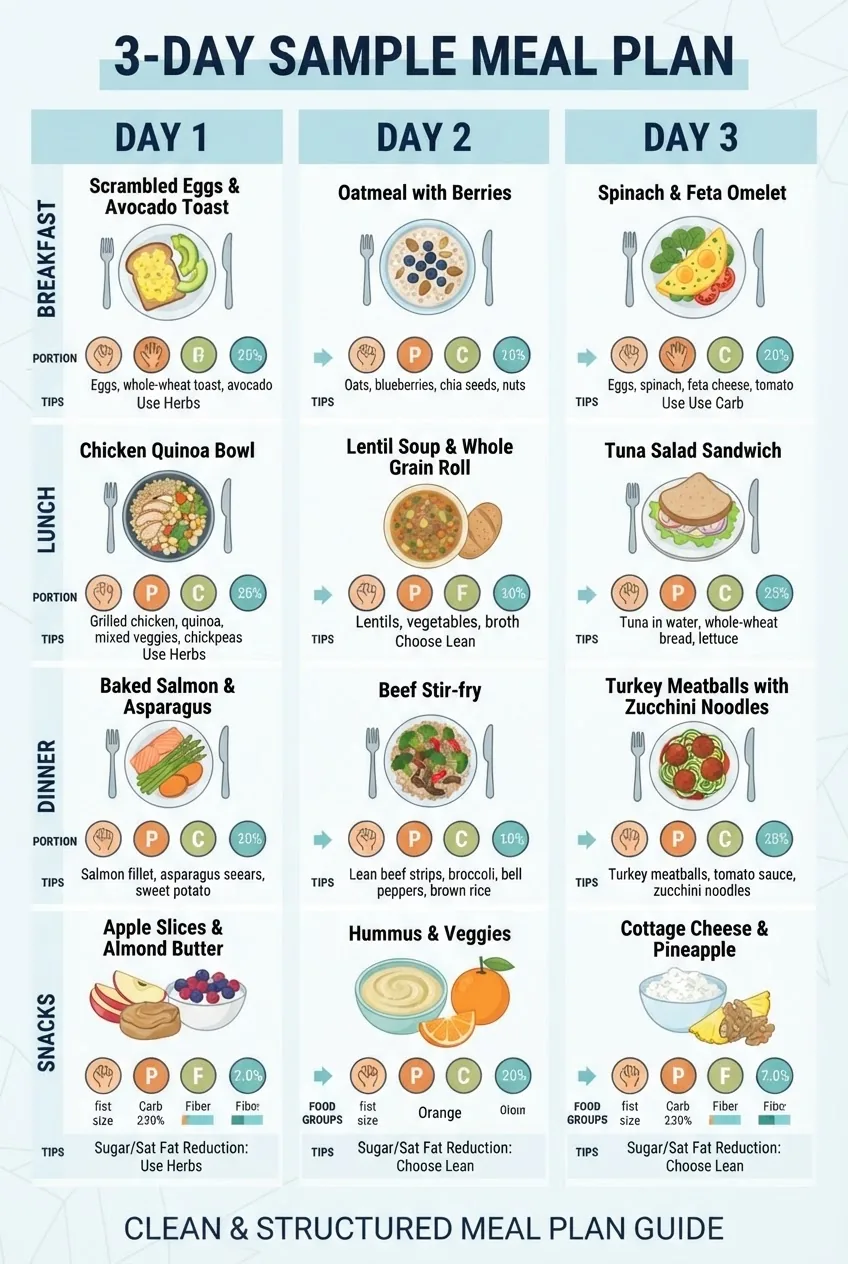
Transition: apply portion targets and swaps into concrete menus. Use the 3-day rotating plan below as a starter; repeat and swap proteins or vegetables while keeping carbs and portions consistent.
-
Sample Day A — balanced moderate-carb (approx 1500–1700 kcal):
- Breakfast (approx 350 kcal): 1/2 cup steel-cut oats cooked (27 g carb), topped with 1/3 cup blueberries, 1 tbsp chia seeds, and 6–8 almonds; 1 cup black coffee or unsweetened tea.
- Snack (approx 150 kcal): 3/4 cup plain Greek yogurt (unsweetened) + 1 tsp cinnamon.
- Lunch (approx 420 kcal): 3 oz grilled chicken breast (85 g), large mixed green salad (2 cups) with 1/2 cup cherry tomatoes, 1/2 cup cucumber, 1 tbsp olive oil + vinegar, and 1/2 cup cooked quinoa (20–25 g carb).
- Snack (approx 150 kcal): 1 small apple with 1 tbsp natural peanut butter (watch portion: 1 tbsp).
- Dinner (approx 450 kcal): 4 oz baked Gulf salmon, 1 cup roasted non-starchy vegetables (broccoli, zucchini), 1/2 cup mashed sweet potato (20 g carb), 1 tsp olive oil.
-
Sample Day B — lower-carb option (approx 1300–1500 kcal):
- Breakfast: 2 scrambled eggs with spinach and 1/4 avocado; 1 slice whole-grain toast (15 g carb).
- Snack: 1 oz mixed nuts (almonds/walnuts).
- Lunch: Large lentil and vegetable soup (1 cup cooked lentils ~20 g carb) with side salad and 2 tbsp hummus.
- Snack: 1/2 cup cottage cheese with sliced cucumber.
- Dinner: Grilled shrimp fajita bowl — 3 oz shrimp, peppers, onions, 1/3 cup brown rice, salsa, lime, 1 tbsp Greek yogurt as crema.
-
Sample Day C — higher-fiber plant-forward (approx 1600 kcal):
- Breakfast: Smoothie with 1/2 banana, 1 cup spinach, 1/2 cup unsweetened almond milk, 1 tbsp ground flax, and 1 scoop protein powder (check sugar content).
- Snack: 1/2 cup edamame.
- Lunch: Black bean salad — 1/2 cup black beans, corn (1/4 cup), tomato, onion, cilantro, lime, and 1 tbsp olive oil; serve over 1 cup mixed greens.
- Snack: 1 small pear.
- Dinner: Turkey chili (lean turkey, tomatoes, kidney beans 1/2 cup) and 1/2 cup brown rice.
Weekly plan structure (repeat and rotate):
- Plan Monday–Sunday: 5 structured days with controlled carbs and two flexible lower-carb days to encourage adherence.
- Weekly targets: average carbs 120–160 g/day, fiber 25–35 g/day, saturated fat <7–10% total calories if cardiovascular risk is present.
- Portion control: weigh proteins to 3–4 oz cooked (85–113 g), carbs measured in 1/2-cup cooked increments or 15–30 g carb equivalents, fats in tbsp or 1-oz nut portions.
- Batch cooking: cook beans, quinoa, and roast vegetables in 2–3 hour weekend session to save 30–45 minutes on weekday meal prep.
Measurement checkpoints: weigh weekly, measure waist circumference monthly, and check A1c or fasting glucose every 3 months (or as advised). Use these data to adjust calories and carb distribution.
Case study (practical example): Javier, a 52-year-old Texan with BMI 31 and A1c 5.9%, used this plan with a 1500–1600 kcal, ~140 g carbs/day program, adding 30 minutes brisk walking 5 days/week. After 6 months he lost 8% body weight and reduced A1c to 5.6% — an improvement consistent with lifestyle studies. According to a 2022 randomized lifestyle trial summary, similar interventions showed meaningful A1c and weight reductions over 6–12 months (peer-reviewed clinical trial). Study reference.
-
Sample Day A — balanced moderate-carb (approx 1500–1700 kcal):
-
Practice meal-time tactics — Implement the tips below to make your plan sustainable.
Practical Tips for Healthy Eating with Prediabetes
Transition: these actionable habits help stabilize blood glucose and improve adherence to the meal plans above.
- Start meals with protein and fiber: begin lunches and dinners with a salad, vegetable soup, or a 3–4 oz protein portion — this lowers glycemic response to the carbohydrate portion.
- Use plate method: 1/2 non-starchy vegetables, 1/4 lean protein, 1/4 whole grains/starchy vegetable. Measure initial weeks with a food scale to learn portions.
- Manage cravings: allow a 100–150 kcal treat twice weekly instead of daily strict bans to maintain adherence; pair with protein to buffer glucose excursions.
- Smart dining out: choose grilled proteins, request sauces on the side, ask for double vegetables instead of fries, and split portions — avoid buffets and large combo meals.
- Cooking methods: favor grilling, roasting, steaming, and sautéing in 1 tbsp oil; avoid deep frying. Use herbs, citrus, and smoked paprika for flavor instead of sugary sauces.
- Hydration and alcohol: prioritize water; limit alcohol to ≤1 drink/day for women or ≤2 for men and avoid sugary mixers — alcohol can destabilize glucose control.
- Label reading practice: check total carbohydrate, fiber, and added sugars per serving; subtract fiber from total carbs to estimate glycemic impact in many cases.
- Meal timing and snacks: eat every 3–4 hours to prevent large swings; each snack should include protein or fat to blunt carbohydrate spikes.
- Use apps and devices: track intake for 2–4 weeks; pair with activity data to quantify calorie deficit and glucose trends. For guidance on managing sugar amount, see daily sugar intake recommendations.
Behavioral tips: plan meals, prep snacks, and set grocery lists to prevent impulse buys. Use a “2-minute rule”: if it takes under two minutes to decide, default to the healthier option in your plan.
-
Align diet with heart protection — Reduce saturated fat and choose unsaturated fats intentionally.
Heart Healthy and Diabetic Diet Principles in Prediabetes Nutrition

Transition: because prediabetes increases cardiovascular risk, align your diet with heart-healthy principles to reduce long-term risk while improving metabolic outcomes.
Key principles:
- Limit saturated fat: aim for <7–10% total daily calories from saturated fat if LDL or other risks are elevated; choose lean proteins and low-fat dairy when appropriate.
- Increase unsaturated fats: include 1–2 servings daily of olive oil, avocado, nuts, or fatty fish; these fats support lipid profiles and help satiety.
- Fiber and whole foods: each 10 g/day increase in fiber is associated with improved cholesterol and glucose markers (meta-analyses).
- Sodium moderation: reduce high-sodium processed foods to help blood pressure control, which is central to cardiovascular risk management.
Data/stat block (guideline references):
According to a 2023 ADA report, structured lifestyle and dietary interventions that reduce saturated fat and increase fiber lower cardiovascular risk markers in individuals with prediabetes (professional report).
Practical swaps:
- Swap butter for 1 tsp olive oil when sautéing; limit high-fat cheese to 1 oz portions.
- Choose fish twice weekly (3–4 oz per serving) for omega-3 intake instead of cured processed meats.
- Opt for nuts (1 oz) as snacks instead of chips; they provide unsaturated fats and fiber to blunt post-meal glucose.
-
Combine diet with lifestyle actions — Use these steps to enhance insulin sensitivity and prevent progression.
Lifestyle Considerations Beyond Diet to Prevent Diabetes Progression
Transition: diet is necessary but not sufficient; combine nutrition with weight loss, exercise, and stress management to maximize prediabetes reversal chances.
Action items:
- Lose 5–7% body weight in 6 months: set a calorie deficit (example: 500 kcal/day deficit generally yields ~0.45 kg/week loss). See calorie deficit for weight loss for structured approaches.
- Move daily: aim for 150 minutes/week of moderate-intensity activity (e.g., brisk walking 30 minutes ×5 days) plus two resistance sessions weekly to preserve lean mass.
- Target visceral fat: include core and resistance training; certain foods also help (see belly fat burning foods).
- Manage sleep and stress: aim for 7–9 hours/night; practice brief stress-reduction (5–10 minute breathing or walk) which can reduce cortisol-driven glucose dysregulation.
- Consider natural adjuncts cautiously: review evidence and consult clinicians; additional strategies are summarized in the natural remedies for diabetes review.
- Monitor and review: repeat basic labs every 3–6 months to detect improvement or need for treatment changes; maintain communication with your healthcare team.
Behavioral targets: set micro-goals (e.g., walk 10 minutes after lunch daily for two weeks) and increase incrementally. For many, combining a 500 kcal/day deficit with regular activity yields steady, measurable improvements in glucose control.
Common mistakes and how to avoid them
I’ve seen people undercut progress by skipping measurement: once I counseled a client who believed “a little more” cooked rice was harmless; without weighing, their carbs doubled at dinner and their weekly averages didn’t improve. I now always recommend using a digital scale for the first 2–4 weeks.
Another frequent error: swapping sugary snacks for low-fat packaged bars that still contain 15–20 g added sugars. I advise checking labels and choosing whole-food snacks (1 oz nuts + piece of fruit) instead.
Finally, neglecting saturated fat: one patient reduced carbs but replaced them with processed meats and full-fat cheese; their LDL rose. I recommend replacing with lean proteins and plant fats and checking lipid panels at 3 months.
Checklist — verify your plan
- Daily carbs averaged 120–160 g (or clinician-guided target) across meals and snacks.
- Fiber intake ≥25 g/day and at least 3 servings of non-starchy vegetables per day.
- Saturated fat kept under 7–10% calories if cardiovascular risk present.
- Protein at 20–30 g per meal and healthy fats included (olive oil, nuts).
- Weighing/portion measuring used for the first 2–4 weeks.
- Planned physical activity: 150 minutes/week moderate + 2 resistance sessions.
- Follow-up lab scheduled in 3 months with primary care provider.
When to call in a professional
Consult your clinician or registered dietitian if you have A1c ≥6.0%, fasting glucose consistently above target, are on glucose-lowering medications that might require adjustment, have significant comorbidities (heart disease, CKD), or if you’re pregnant. For complex cases, a formal referral to diabetes prevention programs or medical nutrition therapy is recommended.
Final transition to close: the sections above give practical steps, meals and metrics — use the checklist to audit progress, and iterate menus every 2–4 weeks while monitoring labs.
Conclusion
This hands-on guide provided a clear, measurable path to implement a practical prediabetes diet nutrition program: define targets, apply portion rules, use the sample meal plans, and adopt heart-healthy fat strategies. Start by measuring one week of current intake, pick one sample day, and commit to 6–12 weeks of the plan — then reassess labs. If you’re ready, begin meal prep today and schedule a follow-up with your clinician in 3 months.