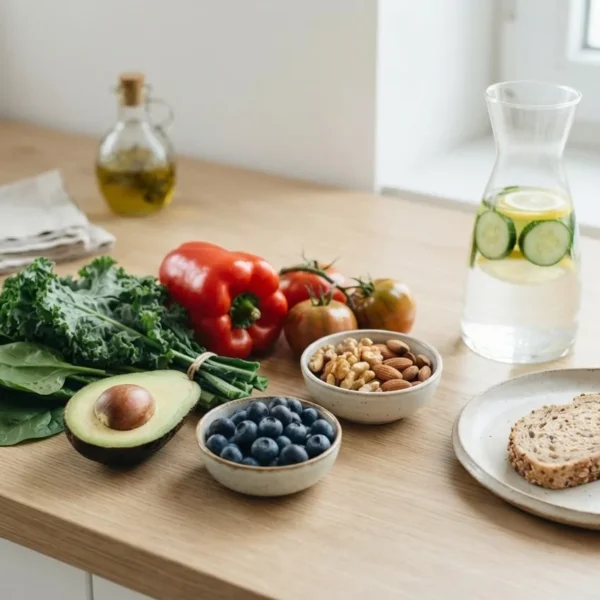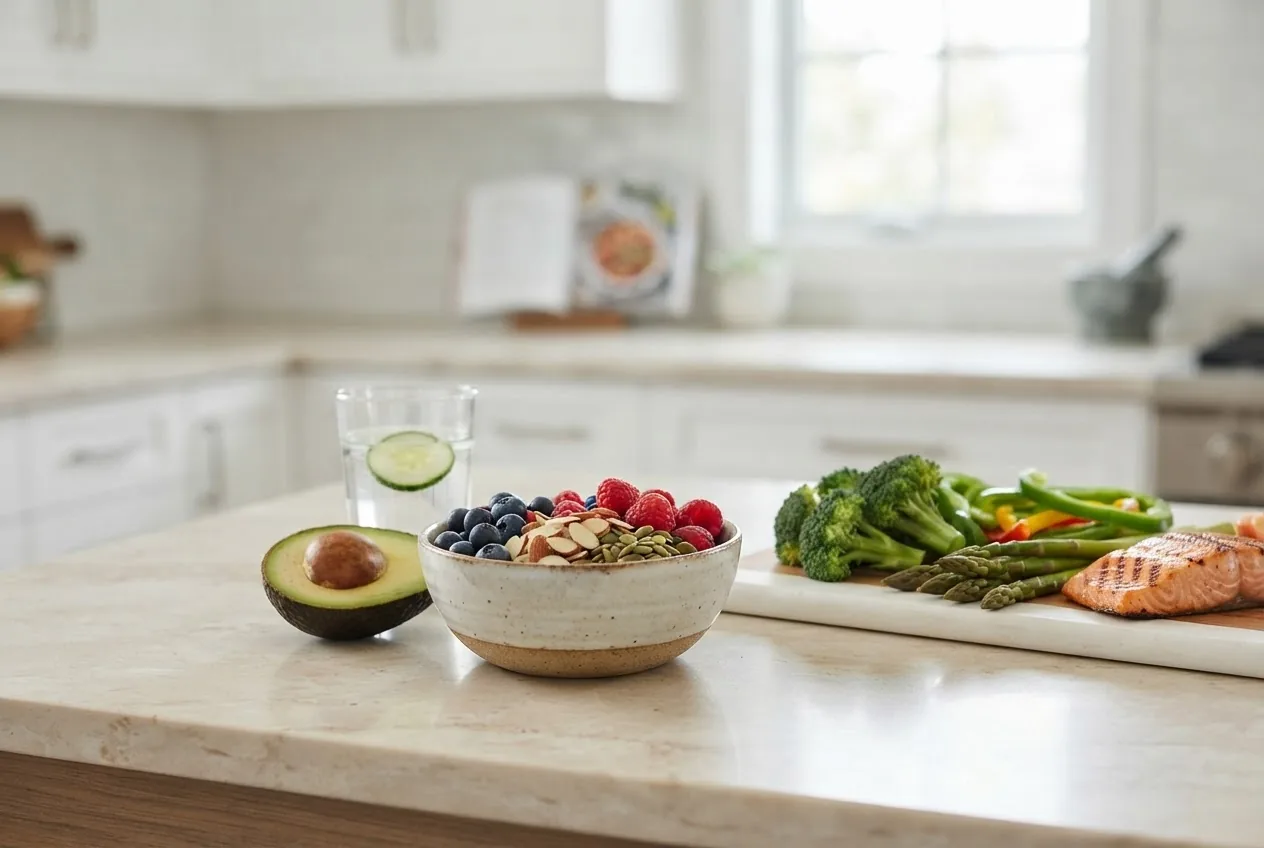
Glucose examples: common foods containing glucose include fruits (grapes, apples), honey, starchy grains (white bread, rice), and processed sweets and sodas — these raise blood sugar at different rates depending on fiber, starch, and refinement, so recognizing which foods spike blood sugar helps manage post-meal glucose effectively.
Understanding Glucose: Definition and Role in the Body?
Answer: Glucose is the primary blood sugar and cellular fuel; the body absorbs dietary glucose (or converts starches to glucose) and uses insulin to move glucose into cells for energy or storage, so understanding its chemical nature and role clarifies why some foods raise blood sugar faster than others.
Glucose: a simple sugar (monosaccharide) that circulates in blood and serves as the body’s main short-term energy source.
Glucose, chemically C6H12O6, is a monosaccharide — one of the smallest carbohydrate units — that cells metabolize for ATP production during cellular metabolism. After meals, carbohydrates break down to glucose or other simple sugars, increasing blood glucose (blood sugar). The pancreas responds by releasing insulin, a hormone that helps tissues absorb glucose; without adequate insulin action, glucose remains elevated in blood.
Define another term at first use:
Monosaccharide: the simplest carbohydrate unit, such as glucose or fructose, absorbed directly into the bloodstream.
Blood glucose is tightly regulated by insulin and counter-regulatory hormones (glucagon, epinephrine). In healthy adults, insulin increases after carbohydrate ingestion to promote glucose uptake into muscle, fat, and liver; excess glucose is stored as glycogen or converted to fat. For people with insulin resistance or diabetes, this regulation is impaired, making food choice and timing critical for preventing spikes.
Natural vs Added Sugar Guide with Health and Nutrition Facts
According to a 2023 NIH report on dietary sugars and metabolism, distinguishing glucose from other sugars (fructose, sucrose) and from starches clarifies how different foods affect postprandial blood sugar and insulin response (source: NIH).
Transition: With glucose defined and its role explained, next we categorize where glucose appears in everyday foods and how natural and processed sources differ.
Common Glucose Examples in Foods and Their Categories?
Answer: Foods containing glucose fall into natural sources (fruits, honey), starchy complex carbohydrates (bread, rice, potatoes), and processed/refined carbohydrates (sweets, soda, pastries); the glucose amount and form (free glucose vs starch) determine absorption speed and blood sugar impact.
Simple sugars vs complex carbohydrates: Simple sugars include monosaccharides (glucose, fructose) and disaccharides (sucrose); complex carbs are chains of sugars (starch, oligosaccharides) that require digestion first.
Below are categorized, Texas-USA–relevant examples with brief notes on glucose content and form.
Natural glucose-containing foods
- Fruits: grapes, apples, bananas, mangoes — contain glucose, fructose, and fiber; whole fruit releases glucose more slowly than juice because fiber slows absorption.
- Honey: a mix of glucose and fructose; free glucose in honey raises blood sugar relatively quickly in small volumes.
- Milk and dairy: lactose (glucose + galactose) provides glucose after digestion; dairy’s protein and fat moderate spikes.
- Vegetables: starchy vegetables (potatoes, corn, sweet potatoes) contain complex starch that converts to glucose during digestion.
According to a 2022 USDA nutrient database summary, the glucose-equivalents per portion vary widely (e.g., 1 medium apple ≈ 19 g total sugar, largely fructose + glucose; a cup of white rice yields 35–45 g available glucose-equivalents after starch digestion).
Starch and complex carbohydrate sources (glucose via digestion)
- White bread and rolls: refined starch quickly broken into glucose; common in Texas breakfast sandwiches and fast-food tacos.
- White rice: high-starch, rapid conversion to glucose — used in Tex-Mex bowls and sides.
- Pasta and tortillas: refined varieties spike faster than whole-grain options; corn tortillas vary by processing.
- Potatoes (mashed, fries): high starch content and often served with fat — the starch converts to glucose rapidly unless cooled (which increases resistant starch).
Processed and refined carbohydrate sources
- Sugary drinks: soda, sweet tea, energy drinks contain free glucose and high-fructose corn syrup; liquid sugars produce fast spikes because absorption requires little digestion.
- Pastries and cakes: contain refined flour + added sugars and often fat; the combination can produce sharp glucose rises and prolonged elevated blood sugar.
- Cereals and bars: many breakfast cereals and snack bars contain added sugars and refined grains that raise glucose quickly.
- Condiments and sauces: ketchup, barbecue sauce, bottled dressings often include added sugars that add glucose load even in small servings.
Practical glucose estimates: a 12-oz soda typically provides 30–40 g of rapidly absorbable sugars (mainly free glucose equivalents via sucrose/HFCS), while a medium baked potato (without skin) can yield 30–35 g glucose after starch digestion (source: USDA nutrient data).
Role of fructose and sucrose: Fructose (fruit sugar) is metabolized primarily by the liver and has a different effect on blood glucose, while sucrose is a disaccharide of glucose and fructose; both deliver glucose units but at different rates depending on the food matrix.
Impact of food form and fiber: intact fruit (fiber-rich) releases glucose slower than fruit juice; whole grains deliver glucose more slowly than refined flour because fiber and intact grain structure slow digestion and absorption.
According to a 2023 NIH review of carbohydrate absorption and glycemic response, fiber-rich foods blunt and delay peak glucose compared with equal carbohydrate amounts from refined sources (source: NIH report).
Transition: Understanding categories and real-world examples sets the stage to explain precisely how specific foods and their properties cause blood sugar spikes.
Low Glycemic Index Foods for Diabetics Guide and Benefits
How Foods Spike Blood Sugar: Mechanisms Explained?
Answer: Foods spike blood sugar when digestible carbohydrates enter the bloodstream faster than insulin can move glucose into cells; factors include simple sugar content, starch structure, lack of fiber, and processing that increases rapid absorption, which together determine glycemic index and glycemic load.
Glycemic index (GI): a ranking of carbohydrate-containing foods by how quickly they raise blood glucose compared to a reference (glucose or white bread).
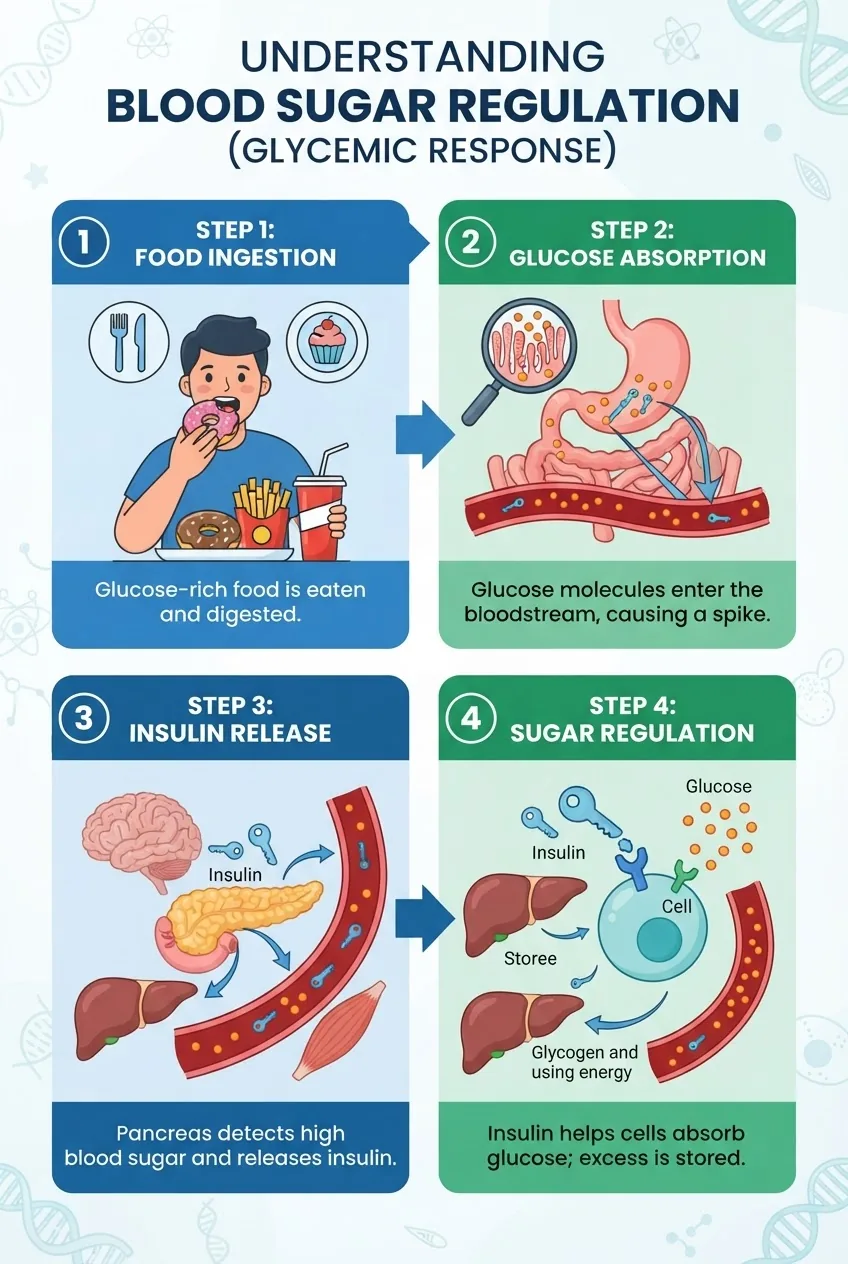
Mechanism steps: ingestion → digestion (starch → glucose, sucrose → glucose+fructose) → absorption into bloodstream → rise in plasma glucose → pancreatic beta cells release insulin → insulin facilitates cellular glucose uptake. When absorption is fast (liquids, refined carbs) blood glucose peaks quickly and sharply; when slow (fiber, fat, protein), peaks are lower and delayed.
Define another key term on first use:
Glycemic load (GL): a measure that multiplies a food’s GI by its available carbohydrate per typical serving to estimate blood sugar impact in real-world portions.
Why processed foods spike more: refining removes fiber and breaks down complex starches into smaller particles, increasing surface area for digestive enzymes and speeding conversion to glucose. Liquid sugars (soda, juice) bypass chewing and stomach slowing mechanisms, so glucose reaches the small intestine quickly and absorption is rapid.
Insulin response nuance: insulin release depends on both the magnitude and the rate of glucose rise — a quick high peak triggers a strong insulin response and sometimes a reactive dip later, causing hunger and potential subsequent overeating. According to American Diabetes Association guidelines, glycemic index and portion control together help manage postprandial glucose excursions (source: American Diabetes Association).
Fiber and other macronutrients: soluble fiber forms viscous gels that slow carbohydrate digestion and absorption; protein stimulates insulin moderately while also increasing satiety; fat delays gastric emptying, reducing peak glucose but potentially prolonging elevated levels. These effects explain why a meal with protein, fiber, and healthy fat produces a blunted glucose curve compared to the same carbs alone.
Individual variability: genetics, insulin sensitivity, gut microbiome, and recent activity affect response. For clinical benchmarks on how spikes relate to health, consult the blood sugar level guide.
Transition: With mechanisms clear, the next section lists specific foods commonly eaten in the U.S. and Texas that cause fast spikes, with portion sizes and expected spike strength.
Detailed Guide to Foods that Spike Blood Sugar Rapidly?
Answer: Foods most likely to spike blood sugar rapidly are those with high GI, high glycemic load per typical portion, low fiber, and liquid or finely processed form — common culprits include soda, white bread, pastries, sugary cereals, many fast-food items, and certain starchy restaurant sides.

Below is a numbered table comparing spike potential with typical U.S./Texas portions, expected spike strength, typical GI range, and practical notes for moderation.
| # | Food (typical portion) | Available carbs / sugars | Expected spike strength | GI range (approx.) | Notes |
|---|---|---|---|---|---|
| 1 | 12-oz soda | 30–40 g sugars | High | ~65–80 | Liquid sugar → very rapid absorption; avoid or swap for sparkling water. |
| 2 | Donut (medium) | 25–35 g carbs | High | ~70 | Refined flour + sugar; often paired with coffee (no mitigation). |
| 3 | White bread slice | 12–15 g carbs | Moderate–High | 70–75 | Two slices with jam equals spike similar to soda if fiber/protein absent. |
| 4 | White rice (1 cup) | 40–45 g carbs | High | 72–89 (varies by type) | Restaurant bowls often add sauces — raising glycemic load and calories. |
| 5 | Pancakes with syrup (2 medium) | 40–60 g carbs | High | 65–85 | Syrup adds free sugars; pairing with eggs/protein reduces peak. |
| 6 | Sugary cereal (1 bowl) | 30–45 g carbs | High | 70–85 | Often eaten with low-fat milk — little mitigation; choose high-fiber cereals. |
| 7 | Mashed potatoes (1 cup) | 35–40 g carbs | Moderate–High | 70–90 | Fat (butter) slows peak but overall load remains high. |
| 8 | Fruit juice (8 oz) | 20–30 g sugars | High | ~50–70 | Lacks fiber; whole fruit is preferable to reduce spike. |
| 9 | BBQ sauce (2 tbsp) | 8–12 g sugars | Low–Moderate | Varies | Hidden sugars add up across a meal — watch condiments. |
| 10 | Honey (1 tbsp) | 17 g sugars | Moderate | ~60 | Contains free glucose; small amounts still raise blood sugar noticeably. |
Notes on sugar alcohols and substitutes: sugar alcohols (erythritol, xylitol) provide fewer absorbable carbs and usually lower glycemic impact, but some (maltitol) raise blood sugar more; consider sugar substitutes for diabetic-friendly swaps.
When discussing alternatives, readers often ask about specific artificial sweeteners. See the comparison of common options like aspartame for metabolic effects: sugar substitutes like aspartame.
Clinical evidence: a 2024 industry meta-analysis on glycemic responses found that refined, low-fiber foods consistently yield higher peak postprandial glucose and larger glycemic loads than the same carbohydrate amounts in whole-food forms (source: NIH summary).
Transition: The table identifies high-risk foods; the next section gives practical dietary strategies to moderate glucose intake and blunt spikes.
Diabetes Foods to Avoid Guide for Better Blood Sugar Control
Managing Blood Sugar Spikes: Practical Dietary Tips with Glucose Considerations?
Answer: Reduce blood sugar spikes by combining carbohydrates with fiber, protein, and healthy fats; choosing whole or minimally processed carbs; controlling portions; and timing activity — specific habits like swapping soda for water, choosing whole fruit over juice, and adding beans or nuts to meals blunt spikes effectively.
Below are evidence-based, actionable tips with rationale and brief examples tuned to Texas eating patterns.
- Prioritize whole foods and fiber: choose whole fruit, whole grains, and legumes; fiber slows glucose absorption and lowers peak. Example: swap white rice for brown rice or add black beans to Tex-Mex bowls.
- Pair carbs with protein and healthy fat: add grilled chicken, eggs, avocado, or nuts to a carbohydrate meal to blunt the glycemic response.
- Prefer low-GI choices: opt for steel-cut oats, barley, or whole-wheat tortillas instead of refined options; see Low Glycemic Index Foods for Diabetics Guide and Benefits for options.
- Watch liquid calories: eliminate or limit sugary sodas, sweet teas, and fruit juices; choose water, unsweetened tea, or sparkling water instead.
- Control portions and frequency: use smaller plates, measure typical portions (one cup rice vs 1/2 cup), and avoid grazing on refined snacks; review daily sugar intake recommendations for limits.
- Include resistant starch where possible: cooled potatoes or rice develop resistant starch that reduces glycemic impact.
- Use sugar substitutes judiciously: consider non-nutritive sweeteners for reducing free sugar while noting metabolic and taste preferences; see sugar substitutes and sugar substitutes like aspartame.
- Time physical activity: a 10–20 minute walk after a carbohydrate-heavy meal reduces postprandial glucose by increasing muscular glucose uptake (source: 2022 NIH activity study).
- Read labels for hidden sugars and starches: identify maltose, dextrose, HFCS, and syrups in ingredient lists and check total carbs per serving; below is a quick walkthrough:
Label walkthrough: For packaged taco shells, check “Total Carbohydrate” grams and serving size, then note “Added Sugars” grams. Foods with >15 g added sugar per serving are likely to produce a fast spike; if “Fiber” is 3 g or more per serving, the net effect may be moderated.
Weight-management connection: reducing glucose spikes often reduces calorie intake and central adiposity; see foods that help reduce belly fat for complementary food choices.
Caveats: individual responses vary; people on glucose-lowering medications should consult providers before exchanging carbs for sugar substitutes or significantly changing carb intake. For managing total carbohydrate goals, review “How Many Carbs Should Diabetics Eat a Day” and related meal-planning guides in the site network.
Transition: Many myths and regional habits shape perceptions about sugar and fats; the next section separates common myths from fact with Texas-specific examples.
Care for Diabetic Guide with Healthy Lifestyle Tips
Common Myths and Facts About Glucose and Blood Sugar in Texas Diets?
Answer: Myths such as “fruit is always bad” or “saturated fat directly spikes blood sugar” are incorrect; fruit’s fiber mitigates glucose compared to juice, and saturated fat affects insulin sensitivity over time but does not acutely raise blood glucose like sugars or refined starches do.
| Myth | Fact | Texas context |
|---|---|---|
| All fruit spikes blood sugar badly | Whole fruit contains fiber and has lower glycemic impact than fruit juice or candy. | Fresh peaches or apples at farmers markets are healthier choices than canned fruit in syrup. |
| Saturated fat causes immediate blood sugar spikes | Saturated fat influences long-term insulin sensitivity but doesn’t acutely raise blood glucose like carbs do. | Barbecue with fatty brisket influences metabolic health long-term; pair with vegetables and controlled carbs to manage spikes. |
| Sugar alcohols are always safe for blood sugar | Many sugar alcohols have low glycemic impact, but their effects vary; maltitol raises blood glucose more than erythritol. | Read labels on candies and diet foods sold in local stores; sugar alcohol content varies widely. |
According to a 2024 industry review on dietary saturated fat and glucose metabolism, saturated fat is linked to insulin resistance risk when consumed in excess, but acute post-meal glucose remains primarily carbohydrate-dependent (source: 2024 industry report).
Transition: With myths addressed, here’s a concise, Texas-localized action plan you can implement right away.
Obesity Diet Guide with Dietary Modification Strategies
Summary and Localized Action Plan for Texas Readers?
Answer: Prioritize whole fruits, whole grains, legumes, lean proteins, and water; avoid or limit sodas, pastries, white bread, and sugary condiments; use portion control and post-meal walks to reduce spikes — start by replacing one high-GI item per day with a lower-GI alternative.
- Grocery swaps: choose whole-wheat tortillas, brown rice, and canned beans over white bread, white rice, and refried beans with added lard.
- Dining out: ask for salsa instead of sugary barbecue sauce and prioritize grilled meats with salad and beans instead of fries and rolls.
- Monitoring: use a glucometer or continuous monitor if recommended by your provider to track personal responses.
- Consultation: discuss medication and meal changes with your healthcare team; individual responses vary.
Conclusion: Recognize glucose examples in common Texas meals, choose lower-GI options, pair carbs with fiber/protein/fat, and monitor portions and liquid sugars to limit post-meal spikes. Take one concrete step today—swap a soda for water at your next meal—and track how you feel or what your glucose reading shows.