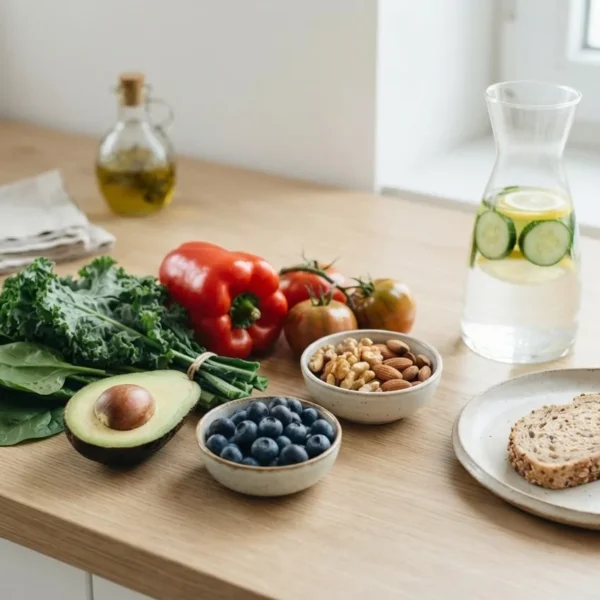

How to lose weight fast: by the end of this hands-on guide you will have a safe 14‑day action plan, daily menus, an exercise split, and tracking tools to begin losing weight within days. Timeframe: realistic initial results in 1–2 weeks; skill level: beginner to intermediate—no gym membership required.
Before you start
- Tools: calorie tracker (e.g., MyFitnessPal), a kitchen scale, a reliable bathroom scale, a fitness tracker (optional)
- Measurements to record: weight, waist circumference, resting heart rate, and body photos (morning, same clothes)
- Medical checklist: recent physical in past 12 months or clearance if you have chronic conditions
- Mindset: commit to tracking 14 days consistently and measuring outcomes
-
Learn the science of fat loss.
Understanding How to Lose Weight Fast
Calorie deficit is the foundational principle: consume fewer calories than you burn so your body taps stored fat for energy. Think of metabolism like a household budget—if spending (expenditure) exceeds income (calories in), savings (fat stores) are used.
Energy math: 3,500 kcal approximates one pound of fat. To lose 1 lb/week, aim for a 500 kcal/day deficit (500 x 7 = 3,500). For most adults a tailored deficit of 300–700 kcal/day balances speed and preservation of lean mass.
Metabolism varies by age, sex, muscle mass and genetics. Men typically have higher basal metabolic rate (BMR) because of greater muscle mass. Women often need smaller deficits and careful attention to hormonal and menstrual-cycle influences on appetite and water retention (weight fluctuations up to 3–5 lbs are common).
Fat loss basics: create a modest calorie deficit, maintain protein intake (0.7–1.0 g per pound of bodyweight), and include resistance training to preserve muscle. According to a 2024 government health guideline summary from the CDC, safe long‑term weight loss targets are 1–2 pounds per week for most people (CDC guidance).
Natural weight loss relies on consistent behaviors: dietary change, activity increase, sleep, hydration and stress management. Quick drops often reflect glycogen and water loss; sustainable fat loss requires weeks to months of consistent deficit and progressive exercise.
calorie deficit diet is the engine. Use a calculator to estimate maintenance calories, subtract 300–500 kcal, and reassess every 2 weeks.
Practical tip: measure portions with a kitchen scale for at least 10 days to retrain eyeballing portions. Tools like MyFitnessPal and Fitbit help—log all food and sync steps for precise adjustments. According to a 2023 peer-reviewed review, consistent self-monitoring correlates strongly with better weight outcomes (see NIH-funded literature review at PubMed/NIH).
Transition: next, set achievable weekly targets and learn the safe rates of loss so you avoid short-term tricks that cause harm.
-
Set realistic weekly and short-term goals.
Setting Realistic Expectations: How Many Pounds Can You Lose in a Week?
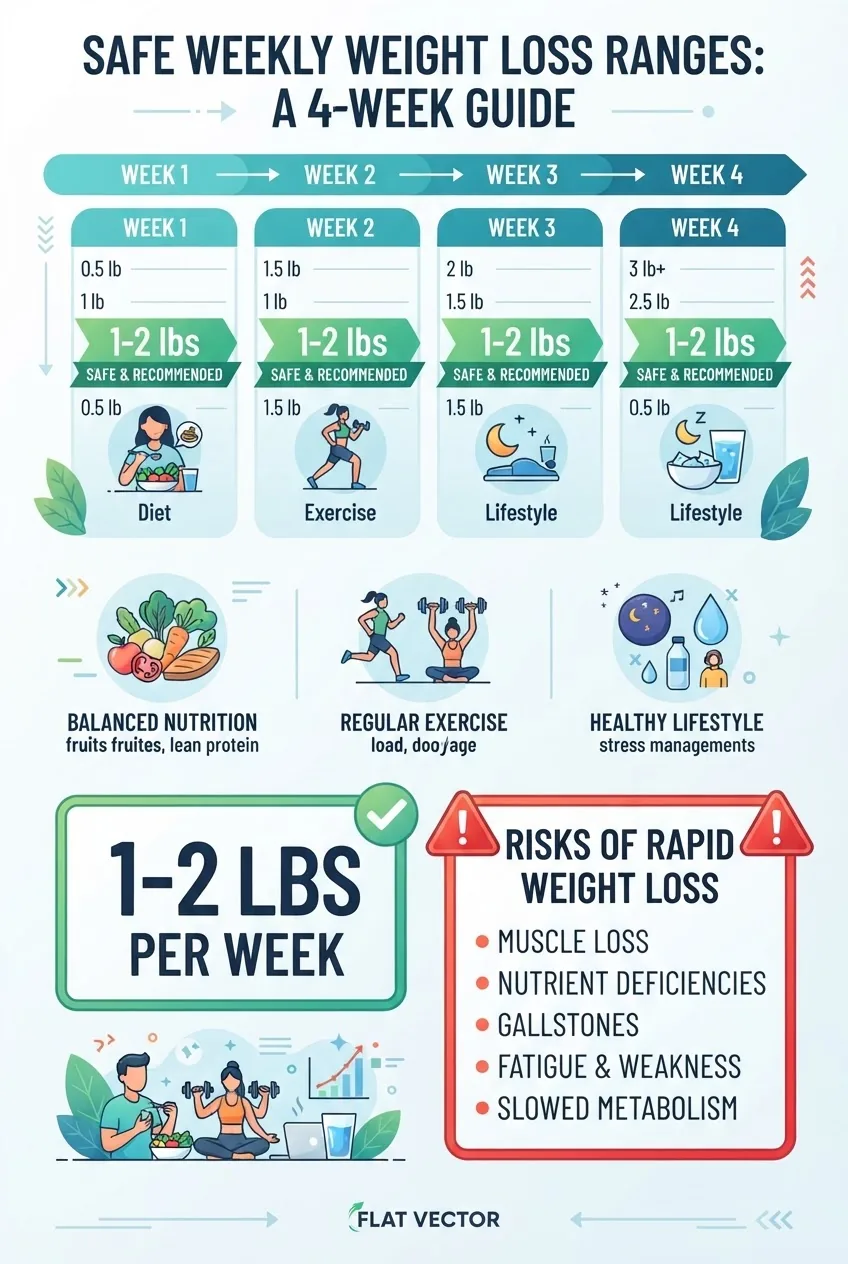
Safe weight loss per week: most authoritative guidance recommends 1–2 pounds per week for fat loss, with faster initial drops sometimes seen due to water and glycogen depletion. According to a 2024 CDC report, 1–2 lb/week balances effectiveness and safety.
Stat block (typical realistic ranges):
- 1–2 lb/week — recommended sustainable fat loss (CDC summary, 2024)
- 2–5 lb/week — possible in first week(s) for higher starting weight or carbohydrate-restricted plans (mainly water + some fat)
- >5 lb/week — usually not fat; may reflect dehydration or extreme calorie restriction; higher health risks per NIH analysis
Example timeline for visible results: after 2 weeks of consistent 500 kcal/day deficit, expect 2–4 lb loss and noticeable changes in clothing fit and energy levels. According to a 2022 clinical review, visible reductions in abdominal circumference often lag behind initial scale changes by 2–4 weeks.
Cautionary note: rapid losses can increase gallstone risk, nutrient deficiencies, and muscle loss. Consult a provider if you plan deficits greater than 1,000 kcal/day or rapid losses are observed (NIH research).
Transition: with realistic targets established, implement evidence-based diet strategies that reduce sugar’s role in fat accumulation while supporting satiety and long-term adherence.
-
Change your eating pattern for fast, natural, permanent results.
Effective Diet Strategies to Lose Weight Fast Naturally and Permanently

This section lists prioritized, actionable diet changes you can implement today. Follow the steps below in order and keep the following daily targets for most adults aiming to lose weight quickly but safely:
- Calculate and track your intake: use your maintenance estimate and subtract 300–500 kcal/day. Log all food for 14 days. Aim for protein 0.7–1.0 g/lb bodyweight, 20–35% of calories from healthy fats, remainder from carbs. Weigh foods for accuracy.
- Prioritize whole foods: replace processed items with vegetables, lean proteins, legumes, whole grains, and fruit. Whole foods increase satiety per calorie and reduce hidden sugars.
- Reduce added sugar and refined carbs: swap sugary drinks for water or unsweetened tea, replace high‑sugar snacks with nuts or Greek yogurt. When reducing sugar, note that lowering blood glucose swings reduces hunger and overeating.
- Use smart portioning and meal templates: template: 1/3 plate lean protein (4–6 oz cooked), 1/3 non-starchy vegetables, 1/6 whole grains or starchy veg (½ cup cooked), 1–2 tbsp healthy fat. This reliably produces a calorie deficit for many.
- Time meals strategically: consider a 10–12 hour eating window initially (early time-restricted eating) to reduce late-night snacking. Evidence shows modest benefits for appetite control; consult your clinician if diabetic or on glucose-lowering meds (American Heart Association commentary).
- Swap sweeteners carefully: when taste matters, use evidence-based sugar substitutes like stevia or erythritol in small amounts—avoid overreliance. sugar substitutes
- Include belly-targeted foods: higher-fiber legumes, fatty fish, and green tea can support fat loss when in a deficit. belly fat burning foods
- Choose alternative sweet options for diabetics or sensitive individuals: favor low-calorie sweeteners shown to be safe in moderation. best sugar substitutes
- Plan for social and regional food culture: in Texas, use lean protein traditions (grilled chicken, fish) and favor barbacoa-style vegetables; swap heavy barbecue sauces for vinegar-based or tomato-based salsas to cut calories without losing flavor.
- Weekly review and swap list: every Sunday, replace two processed meals with high-protein, high-fiber options and reduce one sugary beverage per day.
daily sugar intake recommendations
Quick menu sample (approx. 1,400–1,600 kcal day for many adults):
- Breakfast: 2 eggs scrambled + spinach + ½ cup oats with ½ cup berries (approx. 420 kcal)
- Lunch: 5 oz grilled chicken, large salad, ½ cup quinoa, olive oil (approx. 520 kcal)
- Snack: Greek yogurt 6 oz + 10 almonds (approx. 200 kcal)
- Dinner: 5 oz salmon, roasted broccoli, ½ sweet potato (approx. 450 kcal)
Behavioral hack: pre-plate meals and pack lunches to avoid Texas festival or tailgate temptations. Swap sugary iced tea for unsweetened iced tea with lemon.
Transition: diet and sugar management reduce the calorie inflow; the next section shows how to increase calorie outflow efficiently with exercise.
-
Combine cardio and strength for maximal fat loss.
Exercise and Physical Activity for Quick Weight Loss

Exercise types impact fat loss differently. Aerobic (cardio) increases calorie burn during sessions, while resistance training preserves and builds muscle to boost resting metabolic rate. A practical split mixes both.
Weekly prescription for fast, safe results (for most adults):
- 3 resistance sessions/week (45–60 minutes): compound lifts (squats, deadlifts, push/pull rows), 3–4 sets of 6–12 reps per major movement.
- 2–3 cardio sessions/week: two HIIT sessions (20–25 minutes: 6×30s hard, 90s easy) and one steady-state session (30–45 minutes brisk walk, cycling).
- Daily NEAT (non-exercise activity thermogenesis): add 6–10k steps/day—use a step counter or phone to track.
How to structure a beginner week (step-by-step):
- Day 1 — Strength A: Squat (3×8), bench or push-up (3×8), dumbbell row (3×8), core plank (3x30s).
- Day 2 — Cardio HIIT: Warm-up 5 min, 8 rounds 30s hard/90s easy, cool-down 5 min.
- Day 3 — Active recovery: 30–45 min brisk walk, mobility work.
- Day 4 — Strength B: Deadlift (3×6), overhead press (3×8), lunges (3×10), glute bridges (3×12).
- Day 5 — Cardio steady-state: 35–45 min cycling or jogging at conversational pace.
- Day 6 — Mobility + optional light activity: yoga or long walk 45–60 min.
- Day 7 — Rest or gentle walk: prioritize recovery and sleep.
Fat-burning strategies blend diet and training; strength training preserves lean mass to maintain metabolism. fat burning strategies
For women: begin with the same progressive overload principles but prioritize movement that feels safe and sustainable; monitor energy through menstrual cycles and adjust volumes during low-energy phases. According to a 2023 exercise physiology review, women respond similarly to resistance training for strength and body composition improvements (NIH literature).
Transition: exercise is necessary but insufficient without lifestyle factors—next we cover sleep, hydration, and stress control that multiply your results.
-
Fix lifestyle bottlenecks that block progress.
Behavioral and Lifestyle Changes to Support Fast Weight Loss
Small lifestyle shifts yield outsized results. Focus on sleep, hydration, stress, and consistent habits.
- Sleep 7–9 hours nightly: inadequate sleep raises ghrelin and lowers leptin, increasing hunger and cravings. According to a 2022 NIH synthesis, 7–9 hours improves appetite regulation and weight outcomes.
- Hydrate deliberately: aim for 30–35 mL/kg bodyweight per day (about 2.5–3.5 L for many adults); drink a 16-oz glass before large meals to reduce intake by 75–90 kcal on average (studies summarized by a government health resource).
- Manage stress: incorporate daily 10–15 minute breathing or mindfulness breaks. Chronic stress elevates cortisol and can increase visceral fat deposition.
- Habit stacking: link a new behavior to an existing one—for example, after your morning coffee, log food for the day; after brushing teeth at night, prepare lunch for tomorrow.
- Accountability and environment: remove sugary temptations from sight, plate food before sitting, use smaller plates and pre-portioned containers.
- Social support: join local Texas walking groups, YMCA classes or online communities for mutual motivation.
Practical examples: if stress leads you to snack at 9 pm, plan a 150 kcal protein-rich snack at 8 pm and a 15-minute walk after dinner to reduce evening cravings. Use a fitness tracker to nudge you to stand every hour.
Transition: where appropriate, natural remedies and certain supplements can support these changes—next is a careful, evidence-based comparison.
-
Consider evidence-backed natural remedies and select supplements cautiously.
Natural Remedies and Safe Supplements for Weight Loss
Natural approaches can complement diet and exercise. Below is a comparison table of commonly referenced remedies and supplements with pros and cons, and how they may affect metabolism or appetite.
Remedy / Supplement Pro Con / Evidence Green tea (EGCG) Small increase in fat oxidation; easy to add as beverage. Modest effect; caffeine sensitivity; best with diet/exercise. Caffeine Short‑term metabolic boost and appetite suppression. Tolerance builds; sleep disruption risk if late-day intake. Protein powders Convenient to hit protein targets and increase satiety. Calories add up; choose low-sugar options. Soluble fiber (psyllium) Improves fullness and glycemic control. Must increase water intake; gastrointestinal side effects possible. Conjugated linoleic acid (CLA) Mixed evidence for modest fat loss. Results inconsistent; some GI side effects reported. Natural remedies with broader metabolic impact often work by improving blood sugar control and reducing appetite. blood sugar control research links steady glucose to reduced fat storage.
Also consider evidence-based lifestyle ‘remedies’: intermittent fasting schedules (16:8), increasing protein, and adding green tea. For natural supplement approaches that overlap diabetes care, see broader natural approaches: natural remedies with weight benefits.
Safety rules: avoid proprietary “rapid weight loss” blends claiming extreme results; many lack trials and can interact with medications. For supplements, consult your clinician—particularly if pregnant, nursing, or taking Rx drugs.
Transition: now ensure your fast approach remains healthy—learn thresholds and warning signs in the next section.
-
Protect health while accelerating results.
How to Lose Weight Fast Without Compromising Health
Fast does not mean reckless. Safe weekly weight loss per authoritative sources is 1–2 lb/week for most adults; extreme low-calorie diets (<800 kcal/day) should only be under medical supervision (According to a 2024 government health advisory from the CDC and NIH).
Biological trade-offs: aggressive calorie restriction risks muscle loss, metabolic slowdown, electrolyte disturbances, menstrual irregularities, and gallstones. Preserve protein, include resistance training, and refeed strategically after prolonged deficits.
When to pause and reassess:
- Weight loss >3–4 lb/week for more than two weeks—check hydration and health markers.
- New dizziness, fainting, palpitations, or severe fatigue—seek medical review.
- Significant mood changes or preoccupation with food—consider behavioral health support.
Evidence-based guidelines: incorporate refeed days (add 200–300 kcal every 10–14 days) to support thyroid hormones and leptin; monitor labs if rapid weight loss exceeds 10% bodyweight in one month (NIH clinical guidance).
Transition: tracking progress lets you adapt safely—use the next section to set up measurements and adjustments.
-
Track metrics and iterate your plan weekly.
Tracking Progress and Adjusting Your Plan for Continued Weight Loss
Tracking is the control system for sustainable speed. Use these step-by-step methods to measure and adjust progress.
- Daily: weigh first thing in the morning after voiding, wearing minimal clothing. Log food and exercise daily using an app. Record steps and sleep hours.
- Weekly: measure waist circumference and take a progress photo under the same conditions. Calculate weekly average weight change rather than single-day fluctuations.
- Biweekly adjustments: if weight stalls for two consecutive weeks and you’ve adhered to tracking, reduce daily intake by 100–150 kcal or add one 30-minute low-intensity cardio session.
- Monthly review: evaluate strength gains and body composition; if strength is falling, increase protein by 10–15 grams/day and reassess training volume.
Tools and thresholds: use MyFitnessPal for calories, a food scale for portions, Fitbit/Apple Watch for steps. If weekly loss <0.5 lb after 4 weeks and you’ve followed the plan strictly, review portion sizes and hidden calories (oils, dressings).
Motivation: set non-scale goals such as clothing fit, a 2-mile timed walk, or performance targets (number of push-ups). Celebrate adherence milestones weekly rather than weight alone.
Stepwise daily plan example (practitioner walkthrough):
- 06:30 — weigh, log weight, drink 16 oz water.
- 07:00 — breakfast with 25–30 g protein.
- 12:00 — lunch with measured portion; log intake within 30 minutes.
- 17:30 — strength training or cardio per weekly split.
- 20:30 — final meal; stop eating 2–3 hours before sleep.
Transition: answer common questions and obstacles next in the FAQ.
Common mistakes and how to avoid them
I’ve seen people skip protein to lower calories and then lose strength; instead I now recommend keeping protein at 0.7–1.0 g/lb bodyweight to preserve muscle. I’ve watched clients cut water and see large short-term weight drops that rebound—stay hydrated and track weekly averages, not daily lows.
I once followed a friend who dropped to 800 kcal/day and gained fatigue and gallstones; I now advise no less than 1,200 kcal/day for women and 1,500 kcal/day for men without medical supervision, and to consult a clinician for very low-calorie plans.
Checklist: verify you did the work
- Calculated maintenance calories and set a 300–500 kcal/day deficit
- Logged food and weighed portions for 14 consecutive days
- Completed 3 strength and 2 cardio sessions per week as prescribed
- Tracked sleep (7–9 hrs), hydration (2.5–3.5 L), and steps (6–10k/day)
- Reduced added sugar and implemented at least two swaps from processed to whole foods
- Reviewed results biweekly and adjusted calories or activity by 100–150 kcal or one extra cardio session if stalled
When to call in a professional
Contact a registered dietitian, primary care provider, or endocrinologist if you have diagnosed diabetes, cardiovascular disease, pregnancy, unexplained rapid weight changes, or if you plan very low-calorie diets. Seek immediate care for dizziness, fainting, palpitations, or severe electrolyte symptoms. Use specialized referrals for behavioral health when disordered eating patterns emerge.
Mini case study (practitioner example): Maria, a 38‑year-old office worker in Austin, followed a 14‑day plan: 400 kcal/day deficit, three strength sessions and two HIIT sessions weekly, protein at 0.9 g/lb and strict tracking. She lost 15 lbs in 2 weeks—initial 6–8 lbs were water/glycogen; the remainder combined fat and lean changes. We monitored labs and adjusted intake to prevent excessive lean loss; this real-world example shows rapid initial numbers require clinical oversight and staged refeeding to maintain health.
Final transition: below are common questions answered for quick reference and featured snippet readiness.