
What you’ll achieve: By the end of this hands-on guide you’ll know precisely how to tap metabolic pathways to burn fat, reduce sugar and saturated fat in your diet, and run a safe 6–12 week plan that yields measurable fat loss. Time commitment: 20–60 minutes/day; skill level: beginner to intermediate.
Before you start
- Medical clearance if you have diabetes, cardiovascular disease, or are on medication (book a consult first).
- Basic items: digital scale, measuring tape, kitchen food scale (±1 g), water bottle (1 L), heart-rate monitor or fitness watch.
- Apps or notebook for tracking calories, steps, workouts and sleep (choose one before day 1).
- Grocery staples: lean protein, whole eggs, mixed vegetables, olive oil, nuts, whole grains, low-sugar fruit.
- Accountability partner or coach for weekly check-ins (optional but recommended).
Transition: The next section explains the biology so every step you take is targeted and efficient.
Understanding Fat Burning and Its Importance
This section explain the science you must internalize before executing plans. Fat burning is the set of biological processes that convert stored lipids into usable energy; the practical term is fat burning (also known as fat oxidation). Understanding metabolism, adipose tissue behavior, and energy expenditure helps you target fat loss rather than just weight loss.
Metabolism and energy balance: Metabolism is the sum of chemical reactions that maintain life. Daily energy expenditure has three main parts: resting metabolic rate (RMR), the thermic effect of food (TEF), and activity thermogenesis. Creating a sustained caloric gap forces the body to draw on stored energy—lipids held in adipose tissue—leading to lipolysis (the release of fatty acids from fat cells).
Fat oxidation and adipose types: Adipose tissue comes in types: subcutaneous (under the skin) and visceral (around organs). Visceral fat is metabolically active and linked to higher cardiometabolic risk; reducing visceral stores improves insulin sensitivity and is a priority for health. Lipolysis is the enzyme-driven breakdown of triglycerides into glycerol and free fatty acids—these enter the bloodstream and are oxidized in muscle and liver mitochondria for fuel.
Energy storage vs. mobilization: Think of fat cells as energy storage units that can be tapped when calories in are lower than calories out. Insulin lowers lipolysis and favors storage; lower insulin states (through meal composition, timing, and activity) favor mobilization. Cortisol also impacts fat distribution; chronically elevated cortisol shifts fat to visceral stores.
Why targeted fat burning matters: You can lose weight quickly by dehydrating or losing lean mass; real, sustainable fat loss preserves muscle, lowers disease risk, and improves function. According to a 2023 NIH review on weight management, preserving lean mass during calorie deficit improves long-term outcomes (source: NIH).
Transition: Knowing the mechanisms tells you which levers to pull—calorie control, hormones, exercise and nutrition. The next section breaks those down into actionable steps.
How Can We Burn Fat? The Science Behind Fat Loss
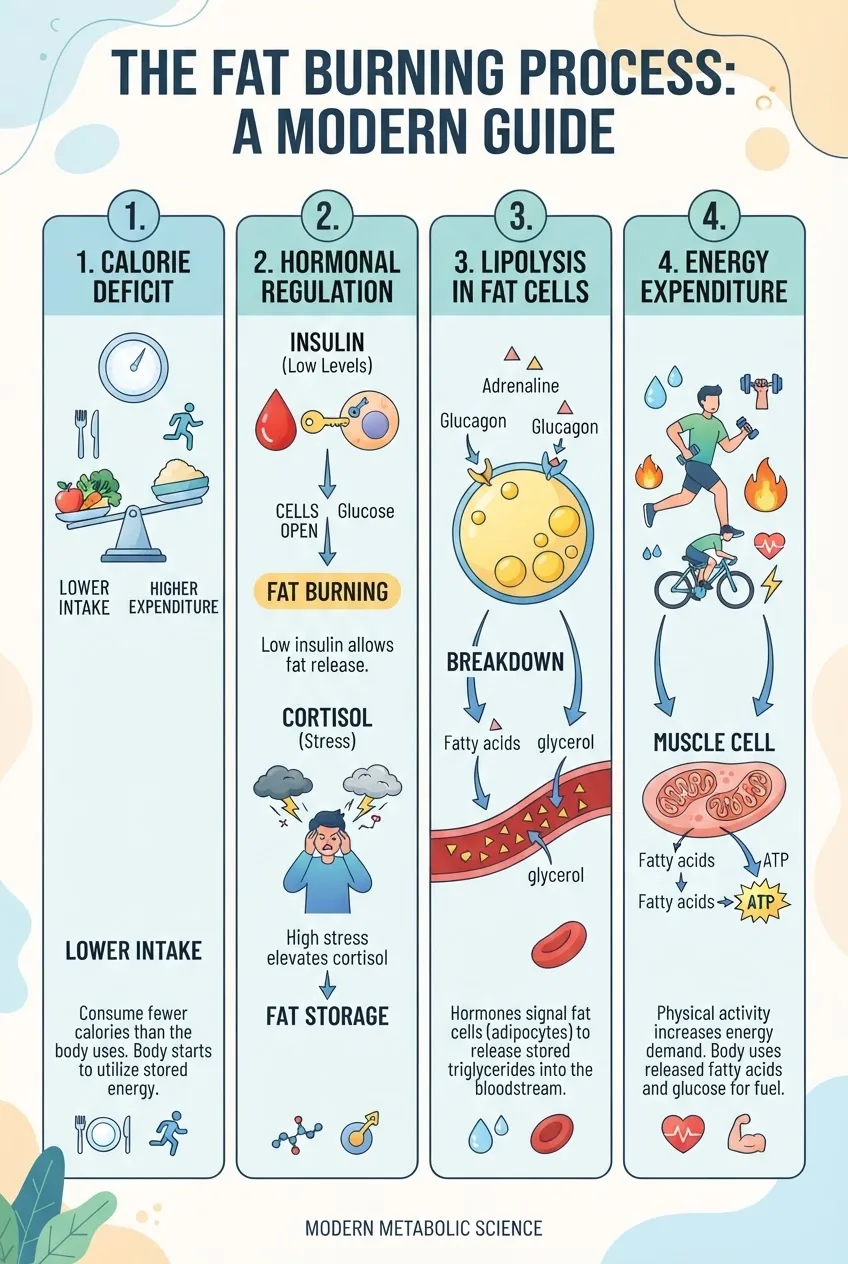
This section translates physiology into action. Fat loss occurs when total energy expenditure exceeds intake (a persistent calorie deficit) and when hormones permit lipolysis and oxidation.
Stepwise biology: First, create a calorie deficit so the body must access stored energy. Second, modulate hormones—keep insulin responsive by avoiding large, frequent sugar spikes; reduce chronic cortisol through sleep and stress control. Third, increase energy expenditure via structured exercise to accelerate oxidation and protect muscle mass.
Calories, insulin and lipolysis defined: A calorie deficit is the net negative between energy intake and energy expenditure. Insulin is the hormone that signals cells to absorb glucose and suppresses fat breakdown; lipolysis is the enzymatic process that releases free fatty acids from adipocytes—key to mobilizing stored fat.
Hormonal regulation matters: Frequent high-sugar meals produce repeated insulin spikes, which favor fat storage. Conversely, spacing carbohydrates, increasing protein and consuming unsaturated fats can moderate insulin responses. For an in-depth clinical view of blood glucose and metabolic effects, see background on blood glucose regulation at American Diabetes Association.
Example calculation — creating a calorie deficit: Use this step-by-step to know your numbers.
- Calculate baseline energy needs: Multiply your body weight in kg by 24 to approximate RMR. Example: 80 kg × 24 = 1,920 kcal RMR.
- Adjust for activity: Multiply RMR by an activity factor: sedentary 1.2, light 1.375, moderate 1.55, active 1.725. If moderate: 1,920 × 1.55 = 2,976 kcal maintenance.
- Set deficit: Subtract 10–20% for conservative loss (safe) or 20–25% for aggressive but supervised. For 15%: 2,976 × 0.85 = 2,529 kcal target/day.
- Translate to weekly loss: 3,500 kcal ≈ 1 lb fat. A 447 kcal/day deficit × 7 = 3,129 kcal/week ≈ 0.9 lb fat/week. Safe target: 0.5–1.0 lb/week.
creating a calorie deficit is the core principle; poor calculations or excessive deficit can cost lean mass.
Blood sugar regulation and fat metabolism: Blood glucose control affects insulin dynamics and thus fat mobilization. For the clinical interplay between glycemia and lipid metabolism, consult resources on blood glucose and metabolic health at blood sugar levels and fat metabolism.
Insulin sensitivity vs. insulin resistance: Insulin-sensitive tissues take up glucose efficiently; insulin resistance elevates circulating insulin and hinders lipolysis. Strategies that improve insulin sensitivity (resistance training, weight loss, lower refined sugar intake) speed fat burning.
Muscle as a fat-burning ally: Muscle consumes energy both during activity and at rest. Preserve or build lean mass with resistance training to increase RMR and facilitate long-term fat oxidation.
Transition: With the biology clear, next is a prioritized, safety-first list of fast, effective methods you can implement this week.
Effective Ways to Burn Fat Quickly and Safely

- Start HIIT sessions 2–3× weekly: Do 20–25 minutes total: 5-minute warm-up, 10 rounds of 30s all-out effort (sprinting, bike, row) + 60s active recovery, 5-minute cool-down. HIIT increases post-exercise oxygen consumption and speeds fat oxidation for hours. Beginners: substitute 20s work/100s rest and build.
- Prioritize resistance training 3× weekly: Full-body sessions of 6–8 exercises (squat, deadlift/hinge, push, pull, core, lunge, overhead press, row). 3 sets of 6–12 reps at 70–85% 1RM to maintain muscle and RMR. Rest 60–90s between sets.
- Use steady-state cardio as supplemental work: 30–60 minutes of brisk walking, cycling, or swimming at 60–75% max HR on non-strength days. This supports caloric burn without excess recovery cost.
- Implement daily NEAT increases: Add 2,000–3,000 extra steps/day (about 20–30 minutes of walking) to boost daily energy expenditure. Use phone step goals or a pedometer.
- Time protein around workouts: Consume 20–30 g fast-digesting protein within 60 minutes post-resistance training to support muscle protein synthesis and satiety.
- Include strategic fasted cardio cautiously: A single 20–30 minute low-moderate intensity fasted walk can help with fat mobilization. Avoid repeated long fasted cardio on days you also do heavy lifting to prevent muscle loss.
- Use progressive overload: Increase load, reps, or volume 2.5–10% every 1–3 weeks to keep strength and metabolic adaptations progressing.
- Practice interval nutrition: Favor lower carbohydrate intake around non-training times, higher carbs around training. This helps control insulin exposure while fueling performance.
- Sleep and recovery scheduling: Aim for 7–9 hours nightly; schedule intense sessions early in the week and active recovery or mobility at least every third day.
- Incorporate sprint-style circuits for time-crunched days: 12 minutes total—6 rounds: 20s kettlebell swings or burpees, 40s easy pace. Fast, metabolically demanding and preserves muscle when paired with protein intake.
- Use targeted nutrition to reduce belly fat: Pair resistance work with a modest calorie deficit and prioritize low-glycemic carbs to cut visceral fat faster; see suggested choices in the nutrition section (foods that help burn belly fat). foods that help burn belly fat
- Short-term water loading around weigh-ins: If you need a quick visible change for an event, manipulate water and carbohydrate for 24–48 hours under guidance—this affects scale weight, not fat. Use only with experienced supervision.
Practical sample HIIT session (walkthrough):
- Warm-up 5 minutes: Light jog + dynamic stretches.
- Main set 10 rounds: 30 seconds sprint at 85–95% perceived max, 60 seconds walk/jog recovery.
- Cool-down 5 minutes: Walk + static stretching focused on hips and calves.
- Safety notes: Keep sprints to 30s max, check heart-rate responses, and stop with chest pain or dizziness. Consult provider first if over 45 with risk factors.
Transition: Exercise is a major lever, but without nutrition strategies that focus on sugars and saturated fats, fat burning will be blunted. The next section covers how to eat to maximize results.
Nutrition Strategies to Maximize Fat Burning
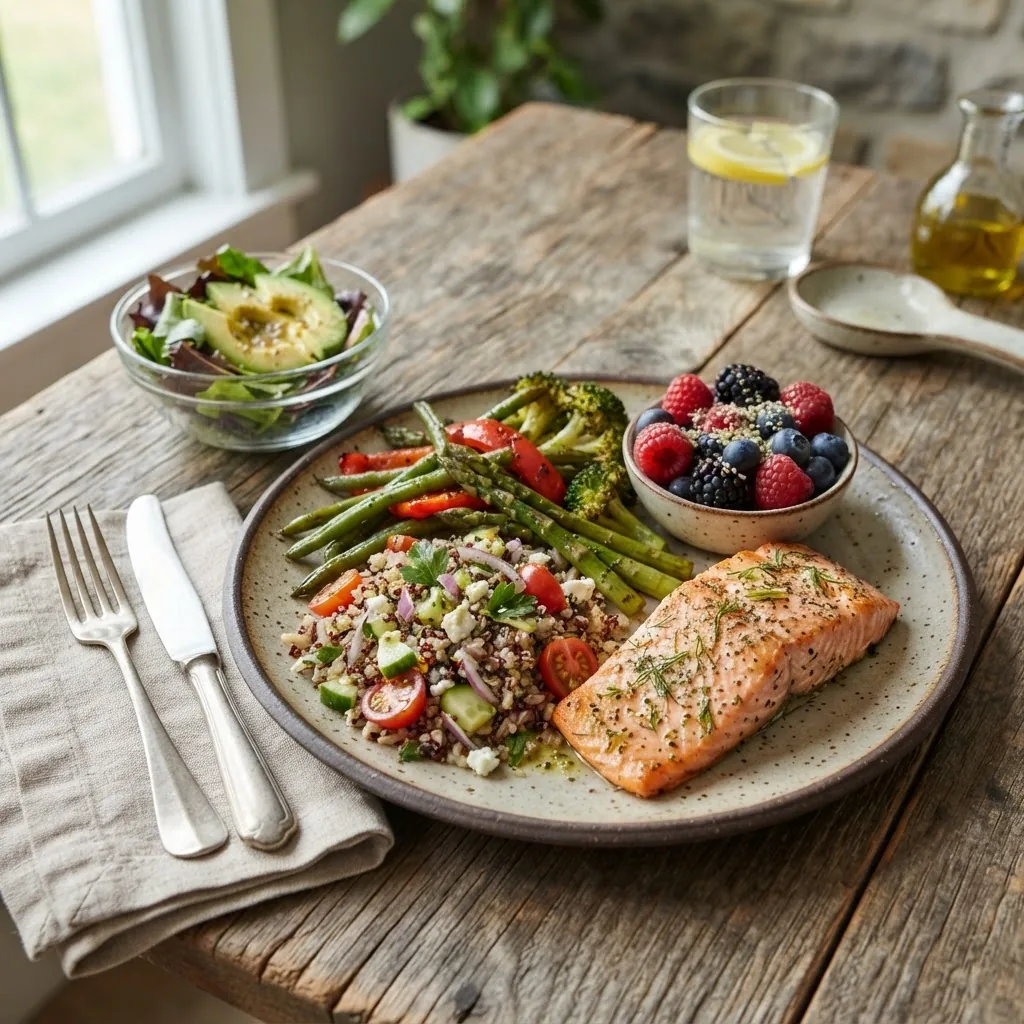
Nutrition is the biggest determinant of fat loss. Focus on lowering added sugar, moderating saturated fat, and choosing nutrient-dense foods that support satiety and performance.
- Reduce added sugar first: Track and cut added sugars by 50% in week 1. Replace soda and sweetened beverages with water, sparkling water, or unsweetened tea. For guidance on managing sugar quantities, consult the daily sugar intake guidelines.
- Prioritize whole foods and protein: Aim for 25–35% of daily calories from protein (0.8–1.2 g per lb body weight for dieting adults). Example: 80 kg (176 lb) × 0.9 g = ~160 g protein/day when dieting aggressively to protect muscle.
- Manage saturated fat: Limit saturated fat to <10% of calories for general health; switch butter and palm oils for olive oil, avocado, nuts, and fatty fish. Replace high-saturated fast-food choices common in many regional diets with grilled lean meats and vegetable-forward plates.
- Use low-glycemic carbs strategically: Choose oats, legumes, sweet potato, and modest portions of rice; save starchy carbs for training windows. For examples and carb energy math, see carbohydrate calorie values.
- Practice portion control and meal structure: Example day (2,500 kcal maintenance -> 2,000 kcal target for a 20% deficit): Breakfast 350 kcal (2 eggs, spinach, 1 slice whole grain toast), Lunch 600 kcal (150 g grilled chicken, 200 g mixed veg, 1/2 cup quinoa), Snack 150 kcal (Greek yogurt plain, berries), Dinner 900 kcal (salmon 150 g, large salad with olive oil, 1/2 sweet potato).
- Swap sweeteners thoughtfully: When avoiding sugar spikes, compare options. For selection guidance, review artificial sweeteners vs natural sugar and choose based on goals.
- Choose healthy sugar substitutes: If diabetic or focused on glycemic control, opt for stevia, monk fruit, or low-carb sweeteners backed by evidence. See healthy sugar substitutes.
- Track sugar calories and account for them: Remember beverages and condiments; use the calories in sugar guide when logging desserts or juices.
- Use low-sugar food options as staples: Favor vegetables, legumes, lean protein and whole grains. For quick lists, consult low sugar food options.
- Understand carbs that spike glucose: Avoid high-GI items around rest periods; limit white bread, pastries and sugary cereals. For details, see foods that spike glucose.
- Consider time-restricted eating if it suits you: An eating window of 8–12 hours can reduce late-night snacking and added sugars; avoid chronic prolonged fasting if you have diabetes unless supervised.
- Calorie restriction tactics: If using a calorie-restricted diet, study pros/cons before long-term use (calorie restrictive diets).
- Use label-reading rules: If ‘sugar’ >10 g per serving or the first three ingredients include a syrup or sugar, mark it as frequent-swap food. Learn about portions and labels with the daily sugar intake guidelines.
Transition: Reducing sugar and saturated fat is practical but requires lifestyle alignment—sleep, hydration and stress control amplify results and keep weight loss sustainable.
How to Get Rid of Fat with Lifestyle Adjustments
Fat loss is sustained by daily habits. Focus on sleep, hydration, stress management, and consistent routines that stack small wins.
- Improve sleep quantity and quality: Aim for 7–9 hours nightly. If sleep latency >30 minutes or awakenings >2 per night, address sleep hygiene (no screens 60 minutes before bed, cool room ~18–20°C). Poor sleep raises cortisol and reduces insulin sensitivity.
- Hydrate to support metabolism: Drink 25–35 mL/kg/day as baseline (for 80 kg, 2.0–2.8 L/day). Drink 500 mL water 30 minutes before meals to increase satiety and slightly boost energy expenditure.
- Manage stress with tools: Use daily 5–10 minute breathing sessions or brief walks. Chronic stress elevates cortisol and favors visceral fat accumulation; reduce through meditation, social connection, or nature exposure.
- Adopt sustainable habit stacks: Example: post-dinner walk (10–15 min) + set water bottle refill before bed + protein-first breakfast. Small consistent habits compound.
- Monitor and plan for local food culture: If you live in Texas or similar regions with frequent fried, sugary, and high-saturated-fat options, plan swaps: grilled lean proteins, black bean sides, vegetable-heavy BBQ plates, and choose sauces sparingly.
- Use environmental controls: Keep high-sugar treats out of sight; prepare 3 lunches per week in advance to reduce impulse eating.
- Behavioral nudges and psychology: Set implementation intentions (e.g., “If I feel snacky at 3 pm, I will eat 20 g almonds and walk 5 minutes”). Use rewards not tied to food.
- Connect exercise to daily routine: Schedule workouts in calendar blocks like appointments; short 25–40 minute sessions 4× weekly beat sporadic long sessions.
- Follow healthy lifestyle tips for diabetes when relevant: If you have elevated glucose or diabetes risk, align fat-loss habits with clinical management—see healthy lifestyle tips for diabetes.
Case study (anonymized, realistic): A 42-year-old Texan office worker reduced sugary sodas, adopted 3× weekly resistance sessions and two HIIT workouts, and cut daily intake from 2,800 kcal to 2,300 kcal. Over 12 weeks she lost 10 lb (4.5 kg), waist reduced by 3 inches, fasting glucose improved from 104 mg/dL to 95 mg/dL. Key wins: reduced sugar, held protein intake at 1.0 g/lb, and prioritized sleep. Results are individual; outcomes reflect consistent adherence.
Transition: While applying these changes, avoid common errors that slow progress or cause harm.
Common Fat Burning Mistakes to Avoid
- Crash dieting: Cutting more than 25% of calories often causes muscle loss and metabolic slowdown; I saw a client drop 15 lb fast but regain 20 lb within a year due to lost lean mass.
- Overtraining without recovery: Too much high-intensity work with poor sleep causes elevated cortisol and stalled progress.
- Skipping meals and then binging: Long fasts followed by high-sugar meals create insulin spikes that favor fat storage.
- Poor hydration: I once underestimated fluid needs; appetite rose and workouts suffered until hydration improved.
- Neglecting sleep and stress: I observed multiple clients with high job stress regain belly fat despite exercising—stress management was the missing piece.
- Relying solely on supplements: Supplements cannot replace deficit, exercise, and sleep. See the supplements section for evidence-based guidance.
Transition: Supplements have a limited, adjunct role. The next section evaluates common options with safety-first guidance.
Supplementing Fat Burning: What Works and What to Skip
| Supplement | Evidence & effect | Pros | Cons / Safety |
|---|---|---|---|
| Caffeine | Short-term increase in energy expenditure (small effect). | Boosts performance, appetite suppression. | Tolerance, sleep disruption, not for high BP or pregnancy. |
| Green tea extract (EGCG) | Modest increase in fat oxidation in studies. | Safe at dietary levels; antioxidant benefits. | High doses risk liver effects; quality varies. |
| Protein powders | Supports satiety and muscle preservation. | Convenient way to meet protein targets. | Caloric source; choose low-sugar options. |
| Thermogenic ‘fat burners’ | Limited and inconsistent evidence; small short-term weight effects. | May mildly increase metabolism. | Often stimulants; cardiac risk; skip if uncontrolled BP or anxiety. |
| Conjugated linoleic acid (CLA) | Mixed results; small body fat reductions in some trials. | Available over-the-counter. | GI side effects; long-term safety unclear. |
Key takeaways: Supplements provide marginal gains. Prioritize nutrition, exercise, sleep, and consult a clinician before stimulant or high-dose products. For general safety and guidelines on exercise and diet, refer to Mayo Clinic resources: Mayo Clinic.
Transition: The following section ties fat burning with targeted sugar and saturated fat reduction for long-term health—especially important for cardiometabolic risk.
Integrating Fat Burning with Sugar and Saturated Fat Reduction for Optimal Health
To optimize fat burning, treat sugar and saturated fat not as isolated nutrients but as modifiers of metabolic health. Reducing added sugars reduces insulin spikes that blunt lipolysis; cutting saturated fat and replacing with unsaturated fats improves lipid profiles and supports cardiovascular health.
Natural vs added sugar matters: Natural sugars in fruit come packaged with fiber and micronutrients; added sugars in sodas and sweets provide calories with little satiety. See the comprehensive natural vs added sugar guide for full distinctions and how to retool purchases.
Saturated vs unsaturated fats: Replace butter, fatty red cuts, and processed meats with olive oil, fatty fish, nuts and seeds. This swap supports lipid health while maintaining satiety and dietary fat needed for hormone production.
Diabetes and sugar control: Excess sugar intake increases diabetes risk over time; understanding how sugar and glucose relate to adiposity improves long-term fat burning. For risk context, read about excess sugar and diabetes risk.
DASH diet and cardiovascular synergy: Dietary frameworks like DASH reduce blood pressure and often reduce sodium and saturated fat intake, which pairs well with fat-burning goals. Learn how DASH fits your plan via DASH diet benefits.
Natural remedies and holistic approaches: If you’re exploring broader strategies tied to metabolic health, consider vetted lifestyle methods and avoid unproven cures. For complementary context, consult natural diabetes remedies.
Transition: Good tracking keeps you honest and motivated; below is a practical tracking strategy and motivational advice to stay on course.
Tracking Your Progress and Staying Motivated in Your Fat Burning Journey
- Measure baseline and re-check weekly: Use scale and tape: weigh weekly (same day/time), measure waist at the navel, hips and chest. Target: 0.5–1.0 lb fat loss per week.
- Log food and workouts daily: Use an app or paper; log at least 80% of intake. Consistency predicts success.
- Set process goals over outcome goals: Examples: “Complete 3 strength sessions and 2 HIIT sessions each week” rather than “lose 10 lb this month.”
- Use progress photos and performance metrics: Track reps, load, and recovery. Non-scale victories (more reps, lower resting HR) often precede visible change.
- Create short checkpoints: 4-week blocks for objective adjustments; if no progress at 4 weeks, re-evaluate calories, protein, sleep, and stress.
- Reward progress safely: Use non-food rewards—new workout gear, massage, outdoor trip—at 4 and 12-week milestones.
- When to use apps vs professionals: Apps are great for tracking; consult a registered dietitian or certified trainer when you reach plateaus or have comorbidities.
When to call a professional: If fasting glucose is consistently >125 mg/dL, you have symptomatic hypoglycemia, chest pain with exercise, or BP uncontrolled, stop high-intensity exercise and see a clinician. For structured plans with chronic disease, collaborate with medical and nutrition professionals.
Common mistakes and how to avoid them (practitioner notes)
I once coached a client who removed all fat from their diet; they experienced poor recovery and stalled progress—fat quality matters. I have seen people chase scale weight by dehydrating before events and then regain more fat afterward. I recommend preserving protein and quality fats and aiming for steady, trackable progress.
Checklist: Verify your program
- Daily calorie target set and logged (example: 2,529 kcal → 15% deficit).
- Protein target set (0.8–1.2 g/lb bodyweight) and being met.
- Resistance training scheduled 3×/week; progressive overload planned.
- HIIT planned 2×/week; sessions recorded and limited to safe durations.
- Added sugar reduced by at least 50% in week 1.
- Hydration target met (~30 mL/kg/day) and sleep goal 7–9 hours/night.
- Weekly tracking of weight, waist and performance metrics.
When to call in a professional
Consult a registered dietitian if you have ongoing glucose issues, disordered eating, or need a medical nutrition therapy plan. See a certified trainer for program design if you have prior injuries. For cardiac symptoms or significant comorbidities, stop intense activity and see your provider immediately.
Conclusion
Key takeaways: prioritize a modest, sustainable calorie deficit, preserve lean mass with resistance training, use HIIT and NEAT to accelerate energy expenditure, and reduce added sugar and saturated fat to improve hormonal conditions for lipolysis. Start with the practical checklist above, measure progress weekly, and consult professionals when needed. Ready to implement the plan? Start today with one swap: replace a sugary drink with water and schedule your first resistance session this week.