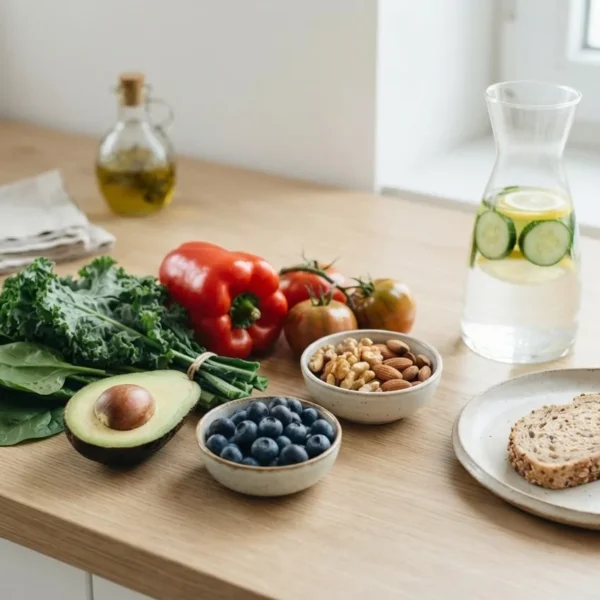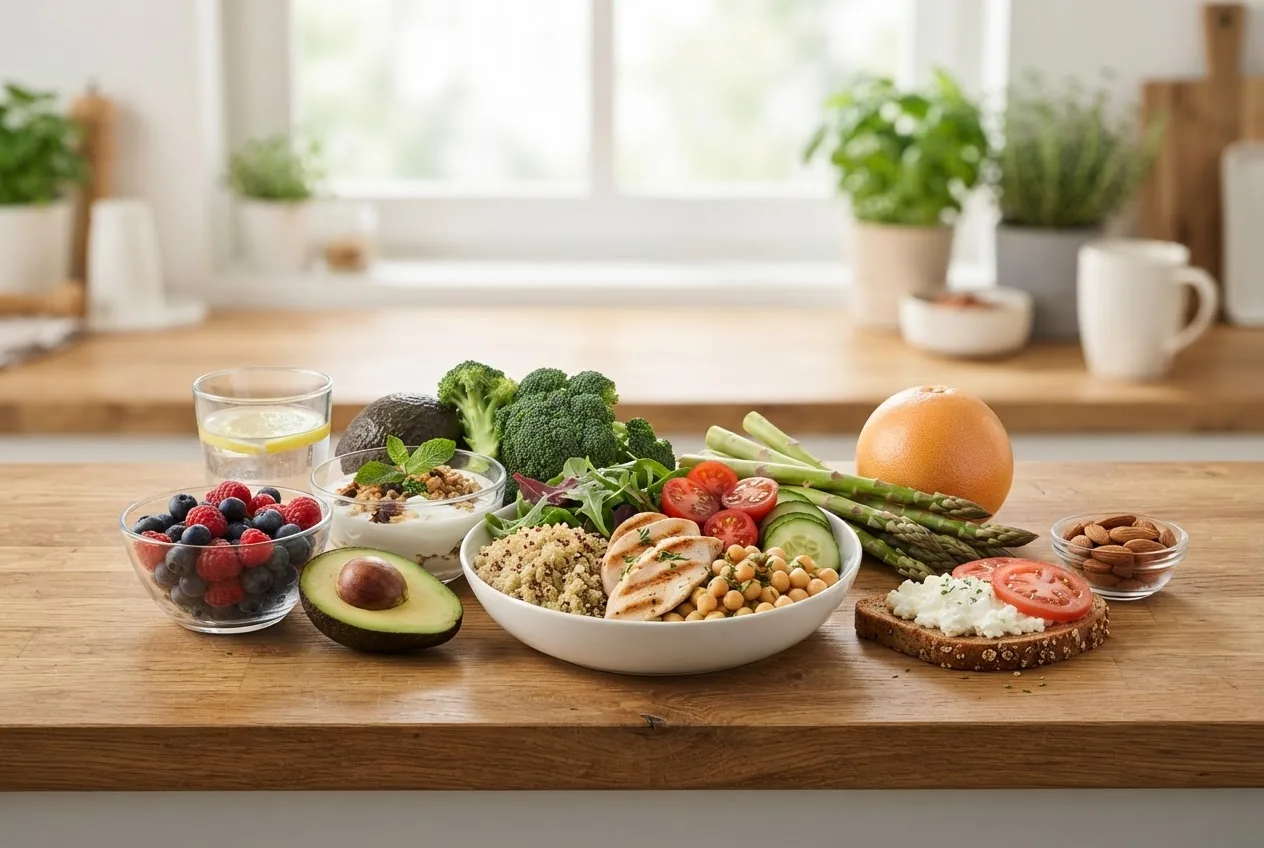
Answer: Low fat diet foods are items naturally low in total and saturated fat—fruits, vegetables, whole grains, lean proteins, legumes and low-fat dairy—that support weight loss and heart health by reducing calorie density and cholesterol-raising fats while increasing fiber and nutrient density for sustainable healthy eating.
Introduction to Low Fat Diet Foods for Health and Weight Loss
Answer: Choosing low fat diet foods helps reduce calorie intake and saturated fat exposure, supporting weight loss and cardiovascular health when paired with fiber-rich, whole-food choices and reduced added sugars.
Term: Low fat diet foods — foods with low total fat content (commonly defined as 3 g fat or less per serving for packaged foods) or foods naturally low in fat such as most fruits, vegetables, legumes and lean proteins.
This guide focuses on practical, Texas-friendly options and a natural, holistic approach: emphasizing plant-based choices, fiber-rich whole foods, and strategies to lower both saturated fat and added sugar for better wellness. For broader guidance linking sugar with fat reduction, see the natural vs added sugar guide.
Caveat: individual fat needs vary by age, activity and health goals; consult a registered dietitian or clinician for personalized plans. According to a 2024 clinical guideline summary, tailored macronutrient adjustments improve long-term adherence and outcomes (source type: clinical guideline summary).
Understanding Fat: Types and Impact on Health
Answer: Dietary fats include saturated, unsaturated (monounsaturated and polyunsaturated) and trans fats; saturated and trans fats raise LDL cholesterol and cardiovascular risk, while unsaturated fats can improve lipid profiles and support metabolic health when used instead of saturated fats.
Term: Saturated fat — a type of dietary fat with no double bonds between carbon atoms, typically solid at room temperature and found in animal fats, butter and some tropical oils.
Term: Unsaturated fat — fats with one or more double bonds; includes monounsaturated (MUFA) and polyunsaturated fats (PUFA) found in plant oils, nuts, seeds and fish.
Term: Trans fat — industrial or naturally occurring fats with trans double bonds; industrial trans fats raise LDL and lower HDL cholesterol and should be avoided.
| Fat Type | Sources | Health Impact |
|---|---|---|
| Saturated fat | Butter, cheese, fatty beef, coconut oil | Raises LDL cholesterol; linked to higher CVD risk when consumed in excess |
| Monounsaturated (MUFA) | Olive oil, avocados, nuts | May lower LDL and support heart health when replacing saturated fat |
| Polyunsaturated (PUFA) | Fatty fish (omega-3), sunflower oil, flaxseed | Includes essential fats; omega-3s reduce inflammation and may lower heart disease risk |
| Trans fat | Partially hydrogenated oils, some baked goods | Increases LDL and decreases HDL; strong evidence for harm — avoid |
Guideline context: American Heart Association (AHA) recommends limiting saturated fat and replacing it with unsaturated fats to lower cardiovascular risk (source type: professional association guideline). For food-specific fat content consult the USDA Food Composition Database (source type: government nutrition database).
How much fat for weight loss: individualized, but many programs reduce total fat intake and energy density to create a calorie deficit. See guidance on fat gram targets in the fat gram recommendations for weight loss.
Comprehensive Low Fat Foods List for Everyday Eating
Answer: A practical low fat foods list includes fat-free fruits and vegetables, lean poultry and fish, legumes, low-fat dairy, whole grains, and smart snacks—each chosen for low total and saturated fat while providing fiber, protein and micronutrients.
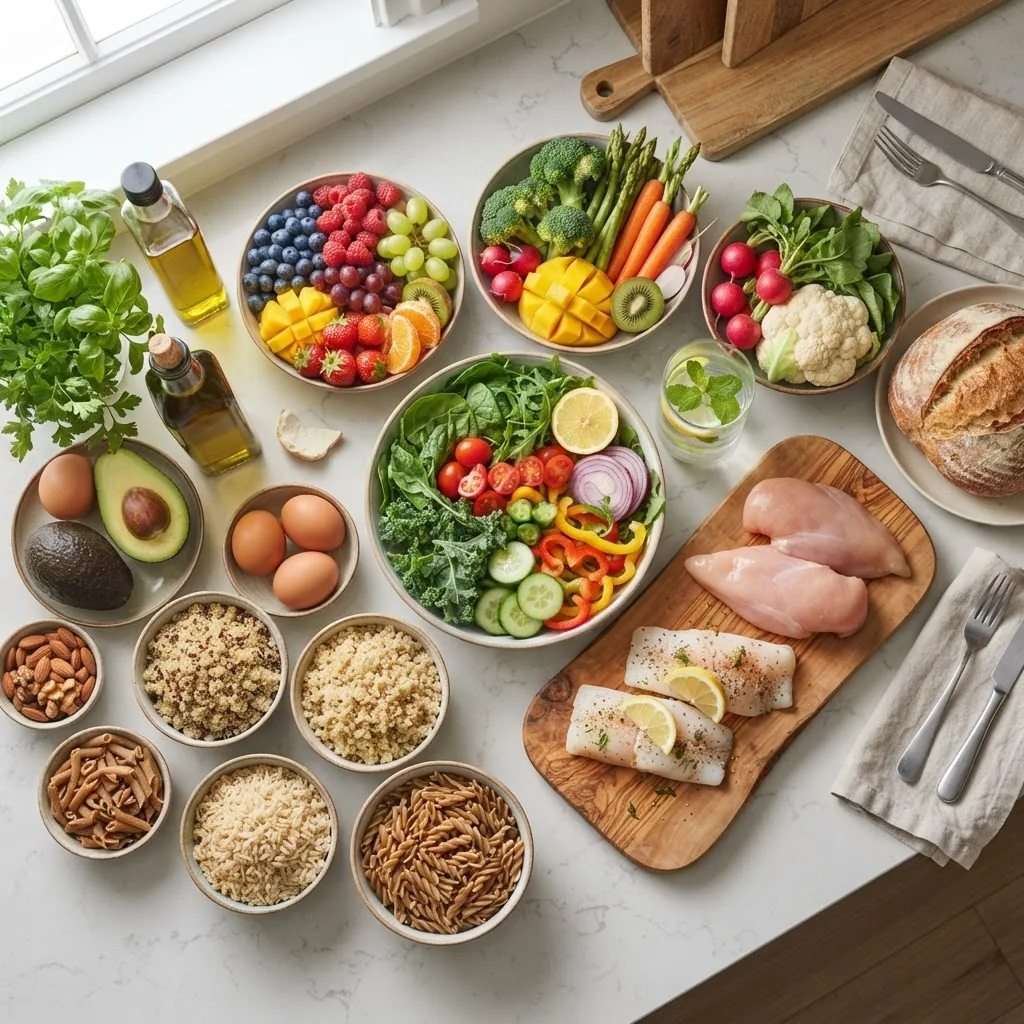
Format below: organized categories with short nutritional notes and tips for Texas-style availability (seasonal produce, common grocery options). “Fat free” here refers to foods naturally containing negligible fat rather than highly processed “fat free” packaged products which may contain added sugars or sodium.
-
Fat-free fruits (0–0.5 g fat per typical serving)
- Apples — high in fiber (pectin), 95 kcal, zero saturated fat.
- Oranges, grapefruit — vitamin C, hydrating and low calorie.
- Berries (strawberries, blueberries) — antioxidant-rich, low sugar varieties available.
- Melons (cantaloupe, watermelon) — bulk and hydration for low-calorie fullness.
-
Fat-free vegetables
- Leafy greens (spinach, kale) — very low fat, high fiber and micronutrients.
- Cruciferous (broccoli, cauliflower) — fiber and plant compounds supporting satiety.
- Bell peppers, cucumbers, zucchini — crunchy, low-calorie snacks or sides.
- Tomatoes — low fat, versatile and nutrient-dense.
-
Lean proteins (low total and saturated fat)
- Skinless chicken breast — lean, high-quality protein; pan-roast with spices instead of frying.
- Turkey breast — similar profile, good deli alternatives that are low sodium.
- White fish (cod, tilapia) — low fat, low calorie, quick to grill or bake.
- Shellfish (shrimp, crab) — low-fat protein; watch added butter or sauces.
-
Plant-based proteins and legumes
- Beans (black, pinto, chickpeas) — low fat, high fiber and protein; great for soups and salads.
- Lentils — fast-cooking, iron-rich, very low fat per serving.
- Tofu (firm, water-pressed) — low saturated fat; press and bake or stir-fry with minimal oil.
- Edamame — snackable, protein-rich and low in saturated fat.
-
Low-fat dairy and alternatives
- Skim or 1% milk — lower in total fat; fortified versions provide vitamin D and calcium.
- Low-fat yogurt (plain) — choose non-added-sugar options and add fruit.
- Low-fat cottage cheese — high protein, low saturated fat.
- Plant milks (unsweetened almond, oat) — check labels for added sugars.
-
Whole grains and higher-fiber carbs
- Oats — soluble fiber (beta-glucan) supporting cholesterol reduction.
- Brown rice, farro, barley — lower fat, provide sustained energy.
- Whole-wheat breads and pastas — choose high-fiber options to improve satiety.
-
Low-fat snacks and convenience picks
- Air-popped popcorn — low fat and high volume (no butter).
- Fresh fruit, raw veggies with low-fat hummus — combination of fiber and protein.
- Rice cakes with sliced tomato and pepper — low fat, low calorie.
- Greek yogurt with cinnamon and berries — higher protein, modest fat content.
-
Zero or near-zero fat condiments
- Mustard, vinegar-based dressings (homemade) — flavor with minimal fat.
- Salsa, hot sauce — low fat, add volume without many calories.
- Lemon/lime juice, herbs and spices — fat-free ways to boost taste.
-
Drinks and beverages
- Water, sparkling water, herbal teas — zero fat and calorie-free options.
- Black coffee — zero fat if consumed plain; avoid whipped cream or full-fat creamers.
Shopping note: Fat-free packaged labels can hide added sugars and sodium; always read the Nutrition Facts. For precise fat values, consult the USDA Food Composition Database (USDA FoodData Central).
Low Saturated Fat Foods and Their Role in a Heart-Healthy Diet
Answer: Low saturated fat foods—plant-based oils, lean proteins, seafood and fiber-rich whole grains—help lower LDL cholesterol and reduce cardiovascular risk when they replace saturated fat sources in the diet.
Term: Low saturated fat foods — foods containing minimal saturated fat per serving, often defined in guidelines as part of a heart-healthy dietary pattern.
- Oily fish (salmon, mackerel) — provide omega-3s and are low in saturated fat relative to red meats.
- Olive and canola oils — sources of MUFAs and PUFAs to replace butter and lard.
- Nuts and seeds (unsalted) — heart-protective fats when consumed in moderation (portion size matters).
- Legumes and whole grains — contain negligible saturated fat and provide cholesterol-lowering fiber.
- Low-fat dairy and lean poultry — lower saturated fat alternatives to full-fat options.
Benefit summary:
- Lower LDL cholesterol by replacing saturated fats with unsaturated fats (source type: professional association guideline).
- Reduced cardiovascular disease risk observed in dietary pattern studies emphasizing low saturated fat intake (source type: peer-reviewed epidemiologic reviews).
- Improved overall caloric profile that supports weight loss when combined with portion control (source type: clinical weight management review).
For official limits and replacement strategies, see the American Heart Association (AHA) guidance on saturated fat (source type: professional association guideline) and use the USDA database for exact saturated fat content in commonly eaten foods (USDA FoodData Central).
Healthy Plant-Based Low Fat Foods and Fiber-Rich Options
Answer: Healthy plant-based low fat foods—beans, lentils, vegetables, fruits, whole grains and some soy products—are naturally low in saturated fat and high in fiber, which promotes satiety, improves cholesterol and supports weight loss.
Term: Fiber — indigestible plant matter (soluble and insoluble) that slows digestion, increases fullness, and helps reduce LDL cholesterol when consumed regularly.
Plant-forward eating emphasizes fiber-rich options that reduce calorie density while delivering vitamins, minerals and phytochemicals. Fiber also moderates blood sugar responses, making plant-based low fat choices valuable for metabolic health; see guidance on managing blood sugar with diet and consider natural dietary strategies for diabetes when appropriate (source type: clinical nutrition summaries).
Examples of high-fiber, low-fat plant foods and impact:
- Legumes (1 cup cooked): 12–16 g fiber, minimal fat; supports fullness and cholesterol reduction.
- Oats (1/2 cup dry): high soluble fiber (beta-glucan) linked to modest LDL lowering (source type: peer-reviewed nutrition study).
- Whole fruits (pears, apples) with skin: 4–6 g fiber, fat-free, promote satiety and decrease overall calorie intake.
- Vegetables like broccoli and Brussels sprouts: high fiber, low calorie, provide bulk in meals.
- Whole grains (barley, brown rice): add fiber and texture, slowing digestion and stabilizing energy.
Health impact: diets rich in plant-based, fiber-forward foods correlate with lower rates of heart disease and better weight management in prospective cohort studies (source type: peer-reviewed cohort reviews). Practical Houston- and Austin-friendly tips: use black beans in Tex-Mex bowls, add lentils to chili, and choose whole-grain tortillas.
Sample Low Fat Diet Plan and Menu Ideas for Weight Loss
Answer: A sample low fat diet plan emphasizes breakfasts with whole grains and fruit, lean lunches and dinners centered on vegetables and lean proteins, plus fiber-rich snacks—structured to create a sustainable calorie deficit while minimizing saturated fat and added sugars.
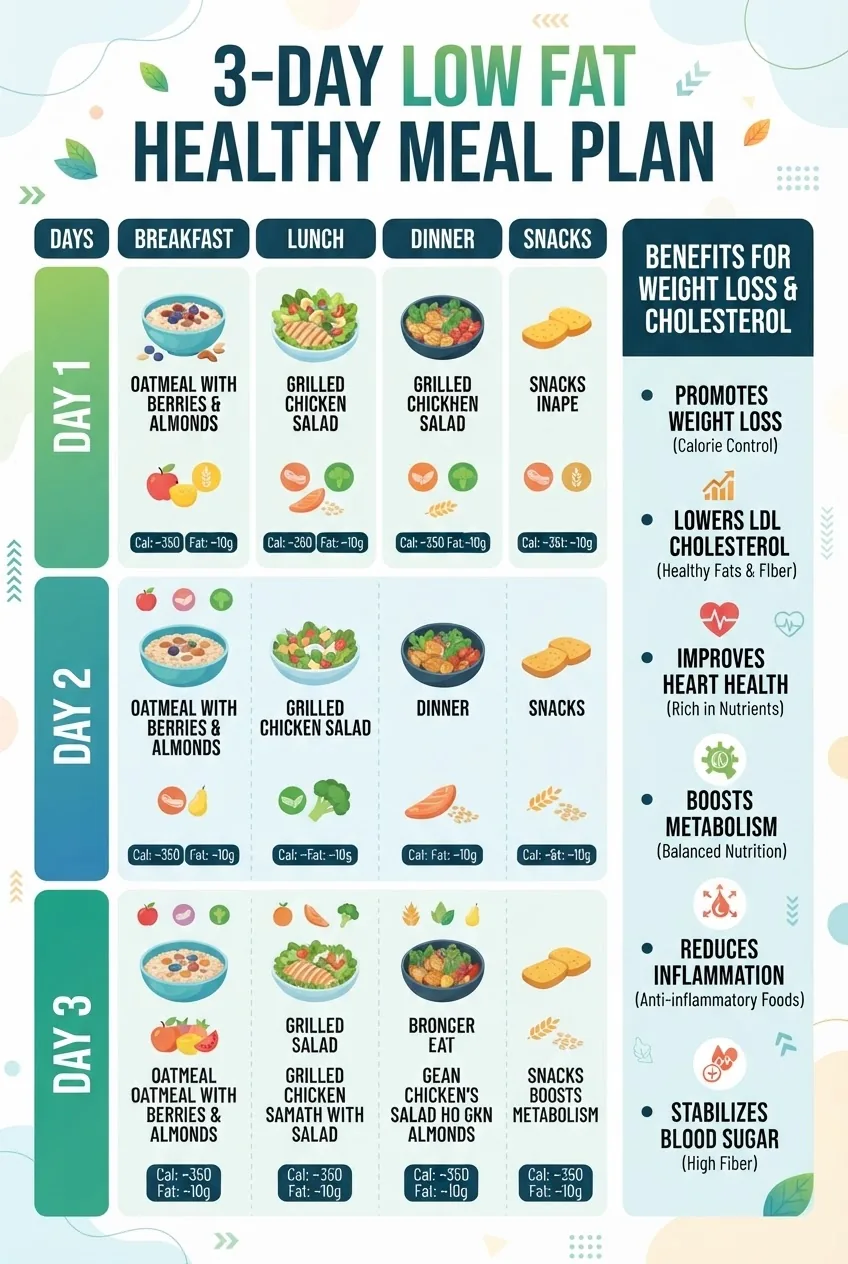
How to use this plan: aim for a modest calorie deficit guided by your basal metabolic rate and activity level. For sugar limits within the menu, review daily sugar intake recommendations. Substitute sugar alternatives as discussed in sugar substitutes in low fat diets and choose options from best sugar substitutes for weight loss when needed. To target abdominal fat reduction, pair this menu with recommendations from foods that help reduce belly fat and maintain a caloric deficit consistent with calorie deficit for weight loss.
Three-day sample menu (approximate fat guidance noted)
-
Day 1
- Breakfast: 1 cup cooked oats with ½ cup mixed berries and cinnamon (low fat; ~5 g fat).
- Snack: 1 medium apple (0 g fat).
- Lunch: Mixed green salad with 4 oz grilled chicken breast, 1 cup chickpeas, lemon vinaigrette (use 1 tsp olive oil) (~6–8 g fat).
- Snack: Carrot sticks with 2 tbsp low-fat hummus (~3 g fat).
- Dinner: Baked cod with roasted asparagus and ½ cup brown rice (~4 g fat).
-
Day 2
- Breakfast: Smoothie — 1 cup unsweetened almond milk, 1 banana, 1 tbsp ground flaxseed, handful spinach (~3 g fat; flax adds healthy PUFA).
- Snack: Nonfat Greek yogurt with cinnamon and 2 tbsp oats (~0–2 g fat).
- Lunch: Whole-wheat wrap with turkey breast, lettuce, tomatoes, mustard (~3 g fat).
- Snack: Handful (0.5 oz) unsalted almonds — small portion to keep fat modest (~7–8 g fat).
- Dinner: Lentil chili with tomatoes, peppers, and side salad (~2–4 g fat).
-
Day 3
- Breakfast: Two-egg white omelet with mushrooms, spinach and salsa (~0–1 g saturated fat).
- Snack: Pear (0 g fat).
- Lunch: Quinoa salad with black beans, corn, cilantro and lime (minimal fat; use 1 tsp olive oil if needed).
- Snack: Air-popped popcorn (no butter) (~0–1 g fat).
- Dinner: Grilled shrimp tacos on corn tortillas with cabbage slaw and avocado salsa (limit avocado to 1/8–1/4 fruit per taco to control fat) (~6–8 g fat depending on portion).
Practical meal-building steps:
- Fill half your plate with vegetables and fruits, one-quarter with lean protein, and one-quarter with whole grains or starchy vegetables.
- Replace butter with herbs, lemon juice or small amounts of olive oil; when using oil, measure (1 tsp = ~4.5 g fat).
- Prioritize legumes and fish for protein 2–3 times weekly; use poultry and lean cuts of pork sparingly.
- Limit added sugars and refined carbs—see sugar substitutes in low fat diets for options; learn about the impact of artificial sweeteners in the context of weight loss in the best sugar substitutes for weight loss.
- Track portions to maintain a calorie deficit; see the calorie deficit for weight loss guide for calculations and pacing.
Evidence and sourcing: randomized controlled trials and meta-analyses show low fat diets can produce clinically meaningful weight loss when energy intake is reduced; for example, randomized comparisons report similar weight loss across reduced-fat and reduced-carbohydrate strategies when calories are matched (source type: peer-reviewed randomized trial reviews).
Practical Tips for Shopping and Cooking Low Fat Meals
Answer: Shop for whole, unprocessed foods; read labels for saturated fat and added sugars; use measured oils, swap full-fat dairy for low-fat alternatives, and adopt cooking methods like baking, steaming and grilling to reduce added fat.
- Make a list by category (produce, lean proteins, legumes, whole grains) and shop perimeter aisles first where whole foods are located.
- Read Nutrition Facts: choose items with lower total fat and less saturated fat per serving; watch serving sizes.
- Use cooking methods that require little or no oil—steaming, baking, poaching, grilling and air-frying with a light spray.
- Measure oils: use a teaspoon for dressings and sautés; 1 tsp olive oil ≈ 40 calories and 4.5 g fat.
- Replace butter with fruit purees or avocado in baking where appropriate to reduce saturated fat and maintain moisture.
- Increase fiber: add beans, oats, and vegetables to recipes to boost satiety and lower net meal energy density.
- Plan leftovers for lunches to avoid high-fat restaurant options; portion into single-serving containers to control intake.
- Choose unsweetened plant milks and low-sodium, low-fat canned beans; rinse canned beans to remove excess sodium.
Common Myths and FAQs About Low Fat Diet Foods
Answer: Common myths include “fat-free is always healthier” and “you must eliminate all fats”; balanced low fat patterns focus on replacing saturated and trans fats with nutrient-rich unsaturated fats, while ensuring essential fatty acid needs are met.
Term: Fat-free vs low fat — “Fat-free” means little or no fat by labelling rules, but products may contain more sugar or sodium to replace mouthfeel; “low fat” typically contains less fat per serving but may still include beneficial unsaturated fats.
- Myth: “Fat-free foods automatically lead to weight loss.” Reality: many fat-free packaged foods add sugars, increasing calories—whole foods and portion control matter more (source type: nutrition observational analyses).
- Myth: “You must avoid all fats.” Reality: essential fatty acids (omega-3 and omega-6) are necessary for health; low fat diets should include measured amounts of healthy fats from nuts, seeds and fish (source type: clinical nutrition guidance).
- Myth: “Low fat always lowers cholesterol.” Reality: replacing saturated fats with refined carbs doesn’t improve heart risk; replace saturated fats with unsaturated fats and fiber instead (source type: professional association guideline).
Trust signals and caveats: outcomes vary by individual metabolic profile and adherence. For medical conditions or medication interactions, consult a clinician. According to a 2023 American Heart Association report, personalized dietary counseling improves cardiovascular risk factors more than generic advice (source type: professional association report).
Conclusion: Integrating Low Fat Diet Foods into a Balanced Lifestyle
Answer: Integrate low fat diet foods by prioritizing whole plant-based choices, lean proteins, and measured healthy fats while reducing saturated fats and added sugars; combine with portion control and activity for sustainable weight loss and heart health.
Key takeaways: focus on fiber-rich, low-fat plant foods; replace saturated fats with unsaturated options; plan meals and shop intentionally; track portions for a calorie deficit when weight loss is the goal. For step-by-step sugar guidance alongside fat reduction, review the natural vs added sugar guide.
Next step: try the sample 3-day menu, adapt portion sizes to your energy needs, and consult a registered dietitian for personalized plans. Small, consistent changes to cooking and shopping habits deliver measurable benefits for cholesterol and weight over months (source type: longitudinal diet intervention studies).