By the end of this guide you will have a customizable, printable clean eating meal plan for one to two weeks, a linked shopping list, a step-by-step meal-prep schedule, and adaptations for family or weight-loss goals. Expect to spend a focused 2–4 hours planning and one 2–3 hour block for weekly meal prep. Skill level: beginner-intermediate with basic knife and stovetop familiarity.
Before you start
- Prerequisites: basic kitchen tools (chef’s knife, cutting board, 3 glass food storage containers, 1 sheet pan, measuring cups), pantry staples (olive oil, sea salt, pepper, dried herbs).
- Materials: printable 7-day template (use the table below), a blank shopping-list template, and one reusable grocery bag per trip.
- Time blocks: 30–45 minutes to plan; 2–3 hours to shop and prep for 7 days; 45–60 minutes weekly to refresh produce and re-batch-cook proteins.
Transition: With your tools and time set, the core of this guide (below) walks you through creating a weekly plan, shopping efficiently, and prepping for success.
What Is a Clean Eating Meal Plan?
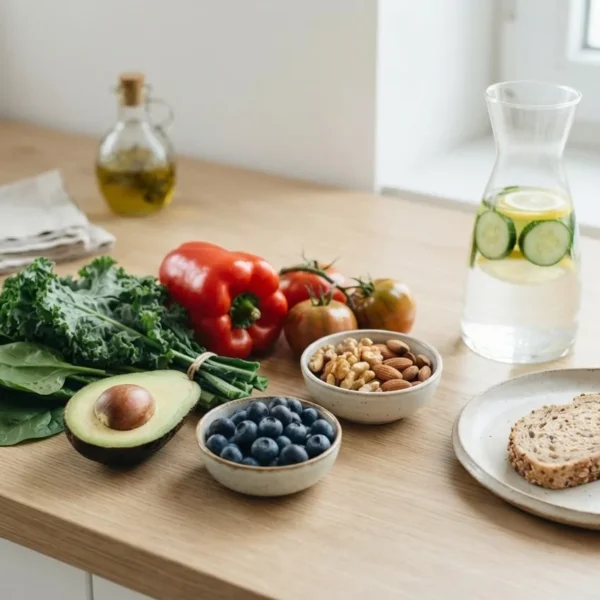
A clean eating meal plan prioritizes whole foods and minimally processed ingredients—lean proteins, whole grains, legumes, fruits, vegetables, nuts, and seeds—while limiting highly processed foods, added sugars, and industrial trans fats. The focus is quality of ingredients (natural, minimally processed), consistent nutrient balance (protein, carbohydrates, healthy fats), and predictable meal structure so cooking and shopping become repeatable, time-saving processes.
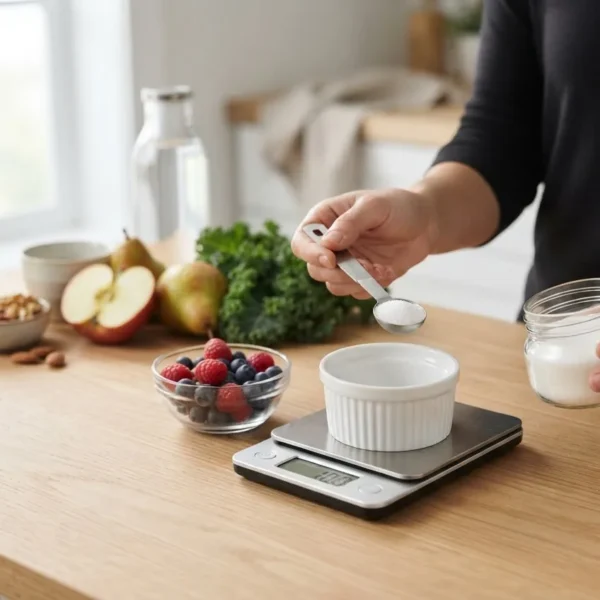
Core principles: choose single-ingredient foods where possible, read labels for hidden sugars and industrial oils, and prefer cooking methods like roasting, steaming, grilling, and sautéing over frying in commercial oils. Define portion control not by restrictive rules but by simple, repeatable measures: 3–4 oz cooked lean protein per adult serving, 1/2–1 cup cooked whole grains, 1–2 cups non-starchy vegetables per meal, and 1 serving of healthy fat (1 tablespoon olive oil, 1/4 avocado, or 12 almonds).
Think of your weekly meal plan as a roadmap that guides grocery trips and daily choices. If you want a deeper foundation on how these habits form over months, see How to Eat to Live Guide with Healthy Diet Habits.
To support basic concepts of “what to eat” vs “what to avoid,” cross-reference the clear comparisons in healthy vs unhealthy food choices and a practical primer on daily food intake in guide to consuming healthy food.
Definitions to know (brief): macronutrients—protein, carbohydrates, and fats—are the primary calorie sources that should be distributed across meals for satiety and performance; portion control is the practice of using simple measures (plate method or hand-guide) to keep serving sizes consistent. For practical plate-layouts, USDA MyPlate templates remain a helpful visual tool: MyPlate.
Transition: Understanding the definition and the plate model leads naturally to measurable benefits you can expect from following a clean eating approach.
Benefits of Following a Clean Eating Meal Plan
- Improved digestion and gut health — Emphasizing fiber-rich whole foods (vegetables, legumes, whole grains) supports regularity and microbiome diversity. According to a 2023 USDA report on dietary fiber trends, diets higher in whole foods correlate with improved bowel regularity and nutrient absorption (dietary guidelines).
- Weight management and sustainable fat loss — Clean meals reduce empty calories and added sugars; combined with portion control, they help create a moderate calorie deficit without extreme hunger. See structured program comparisons like the 21 Day Fix meal plan benefits for how programming complements clean eating.
- Increased energy and stable blood sugar — Whole grains and balanced macronutrients stabilize glucose swings; proteins and fats slow absorption, reducing mid-afternoon crashes.
- Reduced inflammation markers — Diets rich in vegetables, omega-3s, and antioxidants are associated with lower inflammatory biomarkers in multiple nutrition studies (see peer-reviewed literature linked below).
- Better nutrient density per calorie — Clean meals deliver vitamins and minerals without empty energy, improving long-term health and disease risk profiles. For data on population dietary patterns and health metrics, consult NIH and USDA resources.
- Improved meal satisfaction and reduced cravings — Emphasizing protein, fiber, and whole-food fats increases satiety; pairing foods that promote fullness helps maintain adherence.
- Practical family and budget benefits — Bulk-cooking simple whole foods (rice, beans, roasted vegetables) lowers per-meal cost and reduces reliance on takeout.
- Long-term lifestyle change — Clean eating principles are flexible and customizable for cultural preferences, making healthy habits easier to sustain than rigid, short-term diets. For broader population statistics and outcomes, read the analysis on dietary factors and statistics for healthy eating.
Transition: Those benefits are achievable when you structure meals deliberately — the next section shows step-by-step how to create a weekly clean eating plan you can actually follow.
How to Create Your Own Clean Eating Weekly Meal Plan
This section is the hands-on core. Follow these steps to build a 7- to 15-day plan that matches tastes, budget, and family needs. The approach below emphasizes measurable actions, quantities, and timings so you can implement immediately.
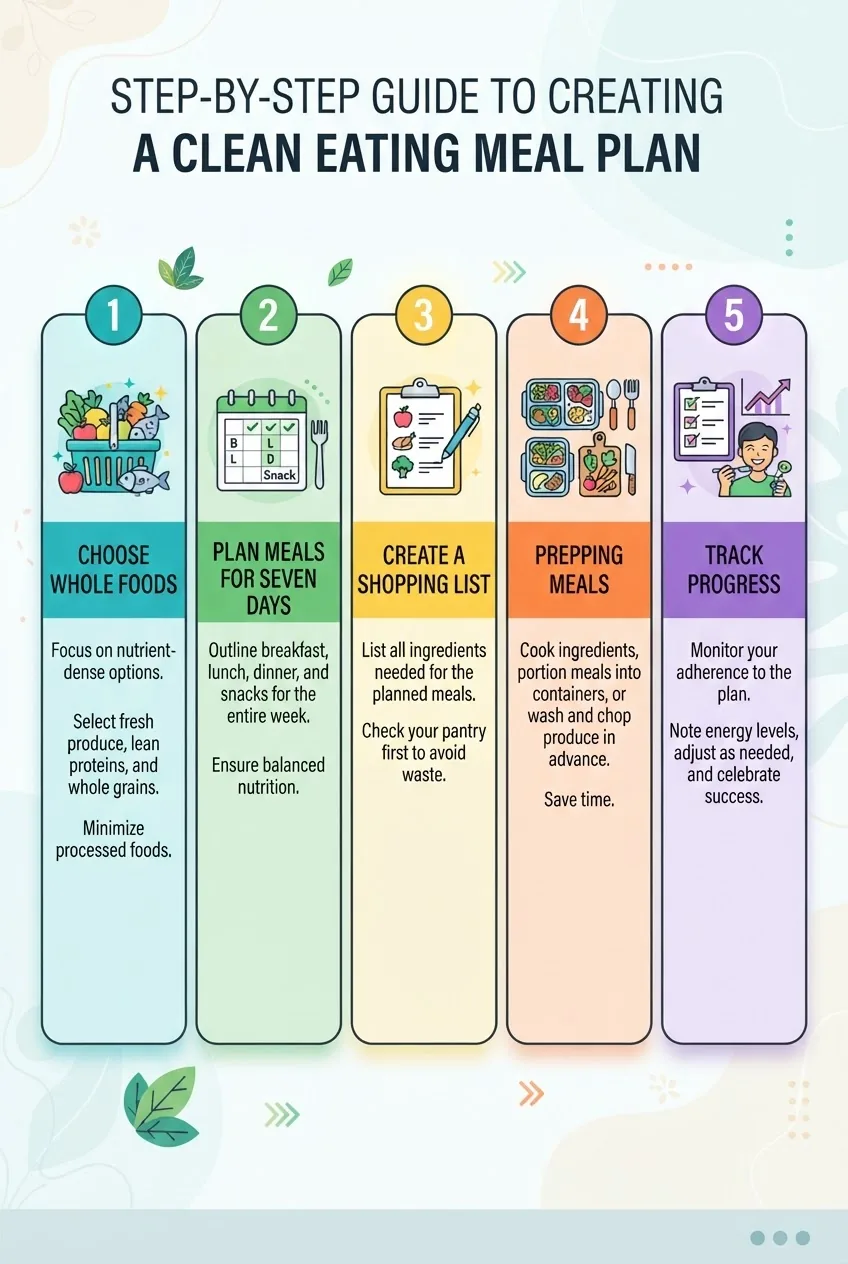
- Define your goals and daily targets. Write down your primary objective (example: lose 1 lb/week, maintain weight, or feed family of four). For weight loss, target a 300–500 kcal/day deficit. For macronutrients, aim for a starting ratio of 30% protein, 40% carbohydrates, 30% fat for general satiety and weight management; adjust based on activity. Use the plate method as a quick portion guide: 1/2 non-starchy vegetables, 1/4 lean protein (3–4 oz cooked per adult), 1/4 whole grains or starchy veg (1/2–1 cup cooked).
- Audit your pantry and fridge. Spend 20–30 minutes listing usable staples and expirations. Keep: 2–3 cups dry whole grains (brown rice, quinoa), 4–6 cans low-sodium beans, 2–3 types of dried herbs, olive oil (250–500 mL), and 2–4 frozen vegetable bags. Throw out or donate heavily processed items that won’t fit the plan.
- Choose a weekly meal template. Pick a structure that matches your schedule. Example template for a 1-week plan for one adult: 7 breakfasts, 5 lunches (2 planned leftovers), 7 dinners, 2 snack slots per day. For families, multiply servings and add one flexible “kid swap” option per dinner (e.g., plain grilled chicken + veggie sticks).
- Select 5–7 core dinner recipes. Keep variety manageable: 2 fish-based dinners, 2 poultry, 1 red meat or plant-protein, 2 vegetarian. Each recipe should serve 4 if feeding a family or be batchable into 3–4 portions. Examples: sheet-pan lemon-garlic salmon with broccoli (4 x 4 oz salmon fillets), turkey and vegetable chili (makes 8 cups; 1.5 cups per serving), roasted vegetable quinoa bowls (6 cups cooked quinoa, roast 8 cups mixed veg).
- Plan breakfasts that repeat twice weekly. Make 2–3 grab-and-go breakfasts: overnight oats (1/2 cup oats, 3/4 cup milk, 1 Tbsp chia), Greek yogurt parfait (6 oz yogurt, 1/2 cup berries, 2 Tbsp nuts), and egg muffins (6 eggs, 1 cup chopped vegetables, yields 6 muffins; 2 muffins per serving).
- Map lunches for convenience and leftovers. Use dinners intentionally: cook double on Monday to provide Tuesday lunch. Build three salad/grain-lunch templates: grain bowl (1/2 cup cooked grain + 3–4 oz protein + 1 cup greens), mason jar salad, and soup + whole-grain toast (1.5 cups soup).
- Create a precise shopping list from the plan. Convert recipes to quantities: for a household of two for 7 days, list proteins in pounds (e.g., 2.5 lb chicken breasts, 1 lb salmon), produce in counts or cups (8 cups leafy greens, 6 apples), and pantry items by unit (1 jar tomato sauce, 1 lb quinoa). See the shopping list example later in this article.
- Schedule one main prep session and two refresh sessions. Main prep: 2–3 hours on your chosen day. Tasks: cook grains (3 cups dry yields ~6 cups cooked), roast 8 cups mixed vegetables at 425°F for 20–25 minutes, bake 12 egg muffins (20 minutes at 350°F), portion proteins into 3–4 serving containers. Refresh sessions: 20–30 minutes mid-week to re-batch salads and cook fresh produce.
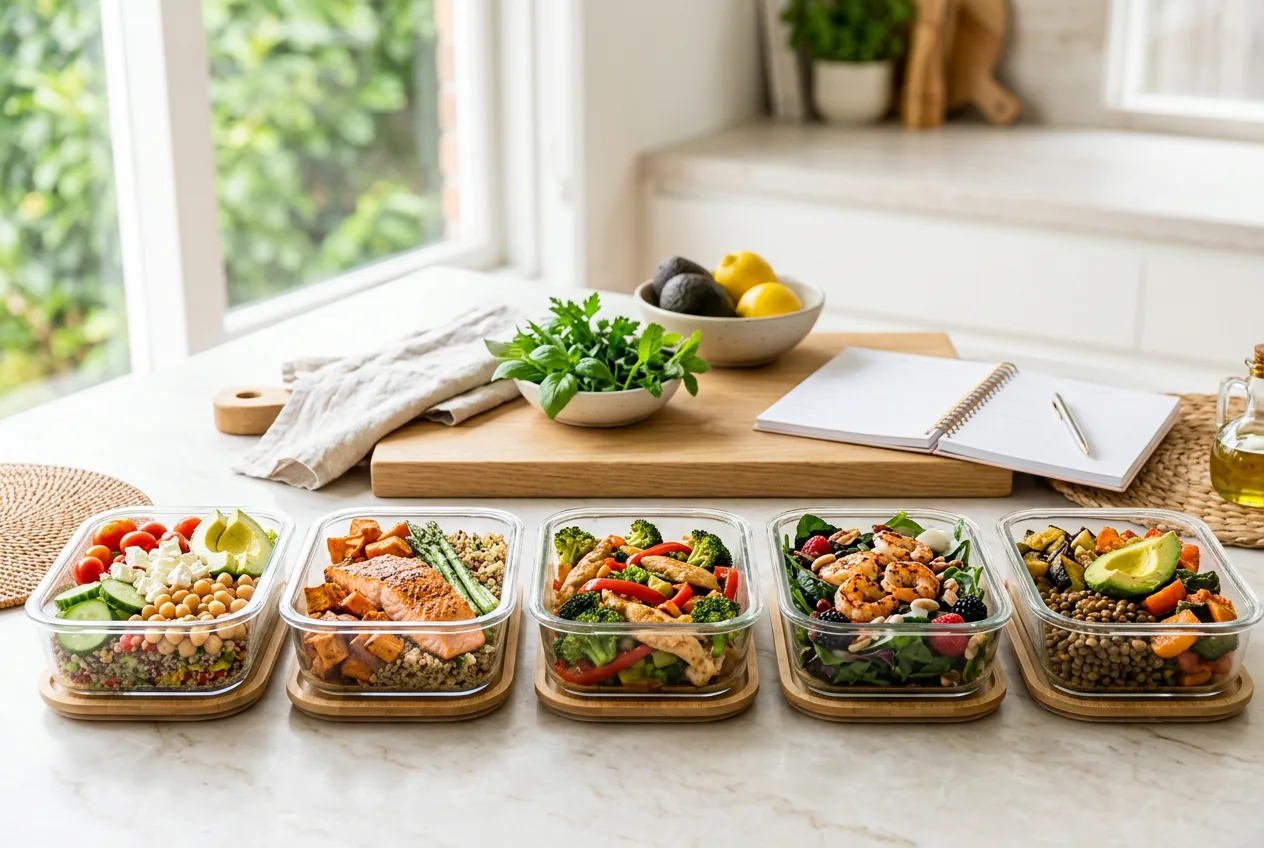
- Portion and store correctly. Use glass containers and label with date. Protein: 3–4 oz per adult portion; grains: 1/2–1 cup cooked; vegetables: 1–2 cups. Refrigerate meals for 3–4 days, freeze any extra beyond day 4. Thaw overnight in fridge before use.
- Track nutrition and adherence for two weeks. Use a simple log (paper or app): record meals and hunger levels, energy, and weight weekly. After two weeks, adjust calories +/-150–250 kcal depending on trend and feelings of satiety.
Common mistakes and how to avoid them
I once planned an entire week with too many fresh greens and minimal dressing — by day three the salads were wilted and meals felt bland. Fix: batch-roast hardy vegetables (carrots, broccoli) and store greens separately; pack dressings in small containers. I also overestimated how much my family would eat of a new spicy dish; always plan a mild “kid swap” option (plain protein + starch) to avoid waste.
Other real errors: under-seasoning bulk-cooked veggies, forgetting to reheat safely (reheat to 165°F), and skipping the mid-week refresh. Avoid these by tasting while cooking, using a probe thermometer, and blocking a 20–30 minute mid-week refresh in your calendar.
Checklist to verify your plan
- Meals planned for 7 or 15 days with serving sizes and macronutrient targets noted.
- Shopping list broken into store sections and quantified (lbs, cups, units).
- One 2–3 hour main prep block scheduled; two 20–30 minute refresh blocks set.
- Containers labeled with dates; freezer portions not older than 3 months.
- Contingency meals ready (2 quick dinners or pantry meals) for busy nights.
When to call in a professional
Consult a registered dietitian if you have complex medical conditions (diabetes requiring insulin adjustments, chronic kidney disease, pregnancy with specific nutritional needs) or need a medically-prescribed calorie or macronutrient plan. If weight-loss stalls for >12 weeks despite adherence, a professional review is warranted.
Transition: With your planning steps and checklist complete, use the sample week below to jumpstart your implementation. The sample includes breakfast, lunch, and dinner plus portion suggestions and quick prep notes.
Sample 7 Day Healthy Clean Eating Meal Plan with Breakfast, Lunch, and Dinner
This one-week plan assumes one adult (multiply quantities by number of household members). Portions: Breakfasts ~350–450 kcal, Lunches ~400–600 kcal, Dinners ~500–700 kcal. Snacks optional: 150–200 kcal (1 piece of fruit + 12 nuts).
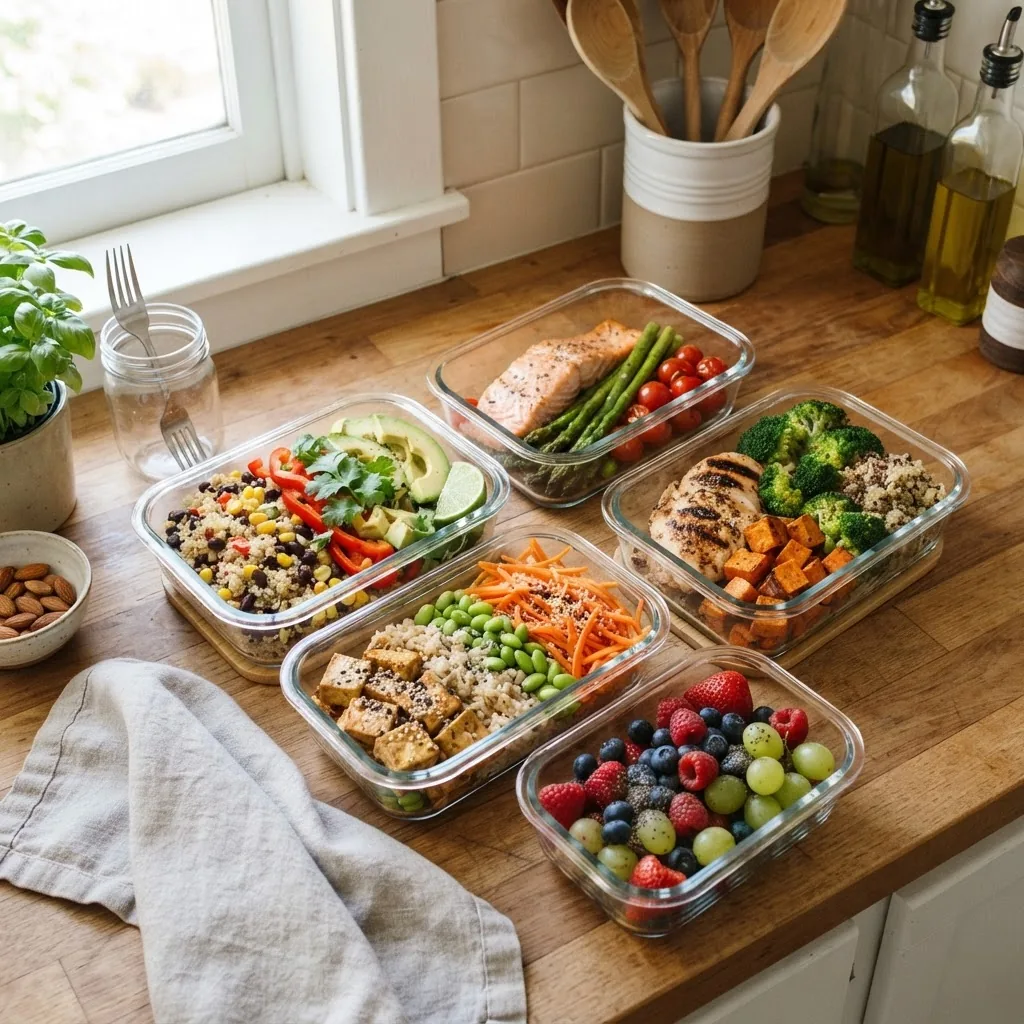
| Day | Breakfast | Lunch | Dinner | Prep Notes |
|---|---|---|---|---|
| Monday | Overnight oats: 1/2 cup oats, 3/4 cup milk, 1 Tbsp chia, 1/4 cup berries | Grain bowl: 1/2 cup cooked quinoa, 3 oz grilled chicken, 1 cup mixed greens, 1/4 avocado | Sheet-pan salmon (4 oz) + roasted broccoli (1.5 cups) + 1/2 cup brown rice | Cook quinoa for lunches (1 cup dry → ~3 cups cooked). Roast veg for 20–25 min at 425°F. |
| Tuesday | Greek yogurt (6 oz) + 1/2 cup berries + 2 Tbsp chopped nuts | Leftover salmon + salad (1 cup greens) + 1/2 cup quinoa | Turkey & vegetable chili (1.5 cups) + side salad | Make a double batch of chili (makes 6–8 servings). |
| Wednesday | Egg muffins (2) + 1 slice whole-grain toast | Mason jar salad: 3 oz turkey breast, 1/2 cup chickpeas, 1 cup mixed veg | Stir-fry: 3 oz tofu or shrimp, 2 cups mixed veg, 1/2 cup brown rice | Bake muffins: 20 mins at 350°F. Pre-chop stir-fry veggies. |
| Thursday | Smoothie: 1 cup spinach, 1 banana, 1 scoop protein, 1 cup almond milk | Leftover chili (1.5 cups) + 1 small apple | Grilled chicken (4 oz) + roasted sweet potato (3/4 cup) + steamed green beans | Grill extra chicken for Friday’s salad. |
| Friday | Greek yogurt parfait (6 oz yogurt + 1/2 cup berries) | Grilled chicken salad: 4 oz chicken + 2 cups greens + vinaigrette | Veggie-packed pasta: 1 cup whole-wheat pasta + 1.5 cups roasted veg + 2 Tbsp parmesan | Cook pasta al dente; reserve 1 cup pasta water for sauce. |
| Saturday | Avocado toast: 1 slice whole-grain bread + 1/4 avocado + 1 poached egg | Leftover pasta (1 cup) + side salad | Beef or lentil tacos: 3 small corn tortillas + 3 oz protein + pico + cabbage slaw | Prep slaw in advance; warm tortillas just before serving. |
| Sunday | Veggie omelet (2 eggs + 1 cup veggies) + salsa | Quinoa & roasted veg bowl (1 cup) with tahini drizzle | Slow-cooker chicken stew (1.5 cups) + 1/2 cup couscous | Set slow cooker in the morning; portion into 3–4 meals. |
Transition: Use timing tips and dinner scheduling to improve outcomes; learn more about optimal dinner timing in best time to eat dinner for health. To maximize satiety, incorporate the top foods that promote fullness (protein, fiber, water-rich veggies).
Transition: If your goal is weight loss, the next section provides a 15-day focused chart using clean eating principles with calorie-conscious guidance and modifications for exercise.
15 Days Weight Loss Diet Chart Using Clean Eating Principles
This 15-day chart is calorie-conscious and designed for a moderate daily deficit (approximately 300–500 kcal/day). It pairs portion-controlled meals with weekly weigh-ins and light-to-moderate exercise 3–5 times per week. According to a 2024 industry report on weight-management strategies, gradual calorie reduction with increased protein and fiber preserves lean mass while promoting fat loss.
- Days 1–3: Stabilize and hydrate. Focus: remove sugary drinks, aim for 2.5–3 L water/day. Meals: high-protein breakfasts (eggs or Greek yogurt), lunches with 3–4 oz protein + 1 cup veg + 1/2 cup whole grains, dinners lean protein + 2 cups non-starchy veg, limit added fats to 1 Tbsp olive oil per meal. Daily calories target: 1,500–1,800 kcal for many women, 1,800–2,200 kcal for many men (adjust by activity).
- Days 4–7: Increase fiber and volume. Add one extra cup of non-starchy vegetables daily. Snacks: 1 apple + 12 almonds or raw veg sticks + 2 Tbsp hummus. Continue weigh-in at end of Day 7 and note energy levels.
- Days 8–11: Slight carb cycling for adherence. Two lower-carb days (120–150 g carbs) with higher protein (35% of calories) and two moderate-carb days (150–200 g carbs) to support workouts. Meals remain whole-food based; avoid refined grains and sugary sauces.
- Days 12–15: Re-assess and re-feed strategically. Keep protein high, modestly increase healthy fats on a re-feed day to ~35% of calories to prevent metabolic slow-down (choose 1–2 meals high in nuts, avocado, fatty fish). Weigh and adjust: if weight loss <0.5 lb/week, reduce daily calories by 100–150 kcal; if energy drops markedly, increase by 100–150 kcal.
- Exercise and recovery guidance. Pair with 150 minutes/week of moderate activity (brisk walking, cycling) and two strength sessions. For advice on syncing exercise and meal timing, consult health, diet, and exercise synergy.
Clinical citations: When referencing nutrient targets and weight-management evidence, rely on government and peer-reviewed sources. For example, baseline calorie guidance and food-group emphasis align with recommendations summarized on DietaryGuidelines.gov and evidence syntheses hosted by PubMed/NIH.
Transition: Planning and shopping reduce friction — the section below shares practical shopping and budgeting strategies tailored for clean eating, with a Texas-friendly note on sourcing local produce.
Tips for Meal Planning and Shopping for Clean Eating
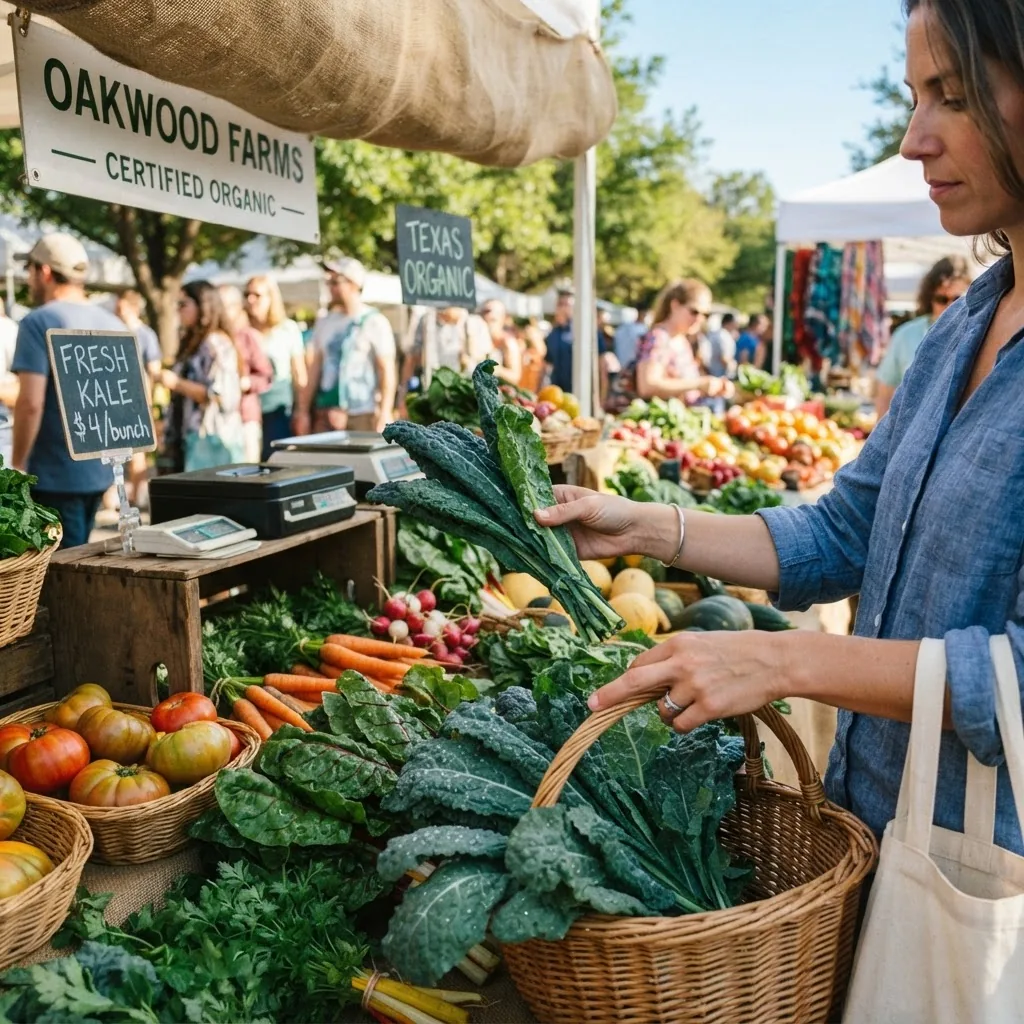
Smart shopping is the lynchpin of any successful clean eating meal plan. Use these practical tips and a sample shopping list to streamline your trips and lower costs.
- Shop your plan, not impulse. Convert recipes to a sectioned list: Produce, Meat/Fish, Dairy/Alternatives, Pantry, Frozen. Quantify in household units: e.g., 2.5 lb chicken breasts, 1 lb brown rice, 8 cups mixed salad greens.
- Buy seasonally and locally where possible. Texas farmers’ markets often have in-season tomatoes, greens, and squash at lower prices; buy 2–3 days’ worth of delicate greens and bulk-roast or freeze the rest.
- Choose frozen produce strategically. Frozen berries and vegetables are often as nutritious as fresh and save money—use for smoothies and cooked dishes.
- Focus on single-ingredient labels. For pantry buys, prefer cans/packets with only one or two ingredients (e.g., canned tomatoes with salt, no sugar).
- Budget hacks. Plan two inexpensive meals per week (bean chili, lentil soup) to keep costs down; prioritize buying fresh protein in sale quantities and freezing portions.
- Shop with a 60–90 minute plan. No more than 10–12 store sections; leave time to compare unit prices and check expiration dates.
- Use a standard weekly grocery checklist. Staples to keep stocked: 1 bottle olive oil (250–500 mL), 1 jar nut butter, 2–3 cans low-sodium beans, 1 lb oats, 1 box whole-grain pasta, 1 bag frozen mixed vegetables (32 oz), and herbs/spices (dried oregano, cumin, chili powder).
- Meal-planning tools. Use a simple spreadsheet or free meal-planner app to generate a shopping list from your selected meals and to auto-calculate quantities.
- Preserve freshness. Store leafy greens in a paper towel-lined container to absorb moisture; keep herbs like cilantro in a jar with 1 inch water and a loose plastic bag on top for 4–7 day life.
For additional culturally diverse recipes and shopping strategies, check Comida Saludable nutritious eating tips, which provides Hispanic-inspired clean-eating adaptations and produce choices suited to Texas markets.
Transition: Family life and dietary restrictions require sensible modifications — the next section explains how to adapt the plan for children, gluten-free needs, and vegetarian diets.
Adapting the Clean Eating Meal Plan for Families and Special Diets
A practical clean eating plan must fit family schedules and any medical or ethical dietary requirements. Below are clear adaptation rules and examples you can apply immediately.
- Families — bulk + simple swaps. Double or triple proteins and grains when batch-cooking. For kids, offer “build-your-own” plates: protein, whole-grain side, raw veg. Keep seasonings mild and allow a plain protein option (grilled chicken or beans).
- Gluten-free adaptation. Replace wheat products with certified gluten-free oats, brown rice, quinoa, corn tortillas, and gluten-free pasta. Check canned goods and condiments for hidden gluten-containing thickeners.
- Vegetarian and vegan options. Swap animal proteins for legumes (3/4–1 cup cooked beans per serving), tofu (4 oz), tempeh (3–4 oz), and modest amounts of nuts and seeds. Increase variety to prevent micronutrient gaps, and include fortified foods (B12-fortified plant milk).
- Allergies and intolerances. Remove the allergen and replace with equivalent macronutrient sources: dairy-free? use 6–8 oz soy or pea-protein yogurt; nut allergy? sunflower seed butter or extra seeds.
- Kid-friendly tactics. Serve one new vegetable in a familiar format (roasted sweet potato fries) and avoid pressuring—offer 2–3 consistent healthy options. Keep snack portions small and predictable: 1 small banana or 10 baby carrots + 2 Tbsp hummus.
- Portion scaling and family math. Multiply adult serving sizes by household members but consider different caloric needs: children typically need 1/2–3/4 adult portions depending on age; teens may need nearly adult portions.
Transition: Even with a plan and adaptations, common challenges will arise. The following section provides solutions to keep you consistent and on track.
Common Challenges and How to Stay Consistent with Your Clean Eating Meal Plan
- Time constraints — solution: micro-prep. If you lack a 2–3 hour block, split prep: 30 minutes nightly to chop veggies and 45 minutes twice weekly to cook proteins. Freeze individual portions to avoid nightly stress.
- Eating out — solution: learned swaps. Choose grilled proteins, request dressings/sauces on the side, and pick vegetable-based sides. Avoid buffets and built-your-own counters where added oils and sugars are unknown.
- Cravings and social situations — solution: planned indulgences. Allow one modest weekly treat (150–300 kcal) to maintain adherence. Use the 80/20 rule: 80% of meals aligned with your plan, 20% flexible.
- Boredom — solution: rotate flavors. Use 4–5 spice blends (lemon-herb, chili-lime, garlic-parsley, curry) and rotate them across the same core proteins to create variety.
- Plateauing — solution: small adjustments. If weight loss stalls for >3 weeks, reduce cereal and liquid calories by 100–150 kcal and add a 10–15 minute daily walk after dinner. For medical contrasts with extreme caloric approaches, read competitive eating insights to understand opposing caloric strategies.
Transition: To finish, we summarize the measurable next steps and provide a final encouragement to start with one consistent week and iterate from there.
Conclusion and Next Steps for Healthy Eating Success
By following this guide you now have a practical roadmap: a definition of clean eating, a step-by-step planning and prep process, a sample 7-day menu, a 15-day weight-loss chart, shopping guidance, and family adaptations. Start by implementing the sample week, schedule your 2–3 hour prep block, and track results for two weeks. If you need tailored calorie or medical guidance, consult a registered dietitian.
Next step: download or copy the 7-day table above into your planner, create the shopping list for the week, and book your prep session this weekend. Small, repeatable actions are how sustainable habits form.