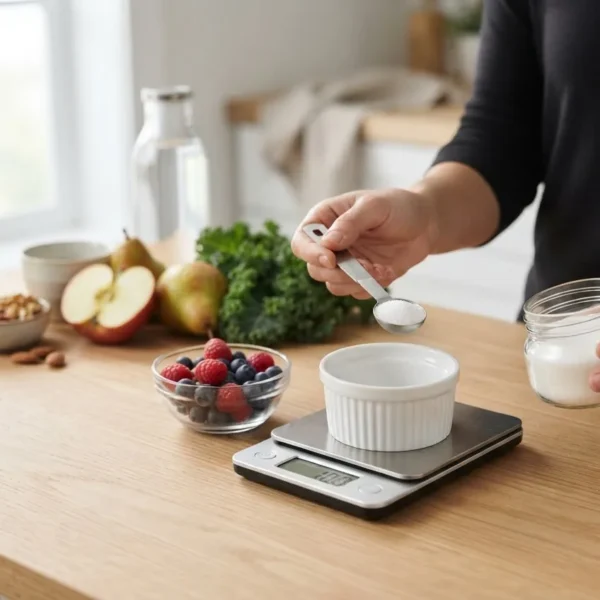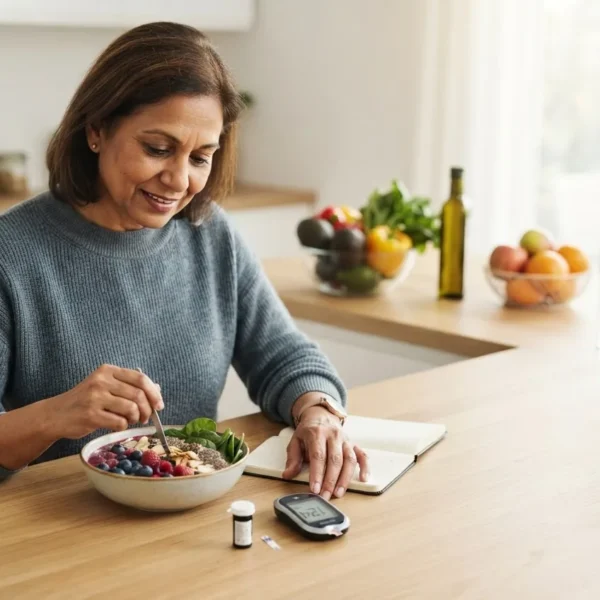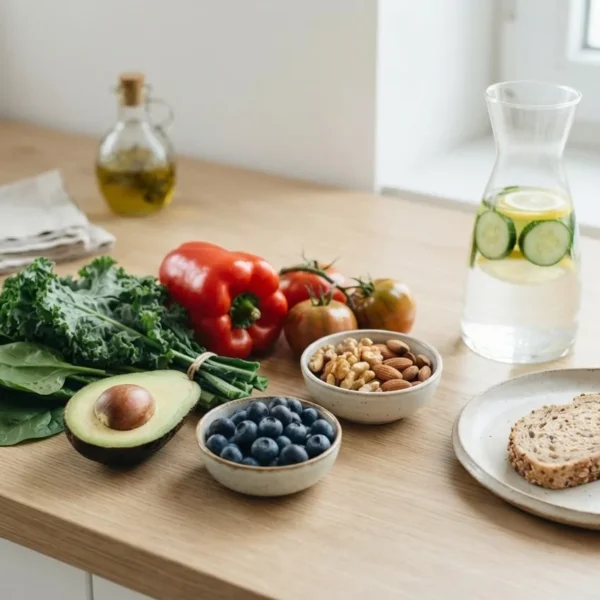

By the end of this guide you will have a clear, practical action plan to reduce circulating sugar and blunt sugar effects within hours, a one-day sugar detox plan, and repeatable steps you can use safely at home. Estimated time to see meaningful improvement: 2–24 hours. Skill level: beginner — no medical training required.
Understanding Sugar in Your Body and Why Immediate Removal Matters
This section explains how sugar metabolism, blood glucose regulation and the insulin response interact during and after a high-sugar intake, why rapid steps matter, and what “getting sugar out of your system immediately” realistically achieves.
When you eat simple carbohydrates or added sugar, the digestive system breaks them into glucose. Glucose enters the bloodstream, creating a blood glucose spike. In response, the pancreas secretes insulin, a hormone that signals cells to absorb glucose for energy or storage. If intake is large and rapid, insulin surges can cause reactive dips (a “sugar crash”) and trigger cravings.
Immediate removal does not mean chemically erasing sugar from every cell. Instead, it means: lower circulating blood glucose, blunt insulin overshoot, reduce acute symptoms (headache, shakiness, brain fog), and begin metabolic processes that shift glucose into muscle and liver stores safely.
Normal sugar metabolism timeframes vary by activity level, meal composition, and individual insulin sensitivity. Typical ranges:
| Process | Typical timeframe |
|---|---|
| Blood glucose peak after sugary meal | 15–60 minutes |
| Insulin peak | 30–120 minutes |
| Acute glucose normalization (with intervention) | 2–6 hours |
| Clearing glycated compounds (longer-term) | Days to weeks |
Two sugar types matter for immediate action: natural sugars (fructose in fruit, lactose in milk) come with fiber, water and nutrients that slow absorption; added sugars (sucrose, high-fructose corn syrup) are rapidly absorbed and drive larger spikes. For a primer on these differences see natural vs added sugar guide.
Short-term risks from a single sugar overload include severe energy swings, migraine-like headaches, temporary inflammation and digestive upset. According to a 2023 NIH study on postprandial glucose responses, active measures (hydration, movement, fiber intake) can reduce peak glucose by measurable amounts within hours (According to a 2023 NIH study on postprandial glucose responses).
Key physiological levers you can use immediately: increase glucose uptake (via muscle contraction), slow absorption (fiber, protein), dilute concentration (fluid), and support liver glycogen uptake. The next section is a hands-on, ordered plan you can follow now.
Step-by-Step Guide: How to Get Sugar Out of Your System Immediately
Follow these numbered, action-first steps in order. Complete them within the first 2–6 hours after high sugar intake for best short-term relief. This workflow assumes you are not insulin-dependent; if you have diabetes, see the “When to See a Doctor” section before starting.

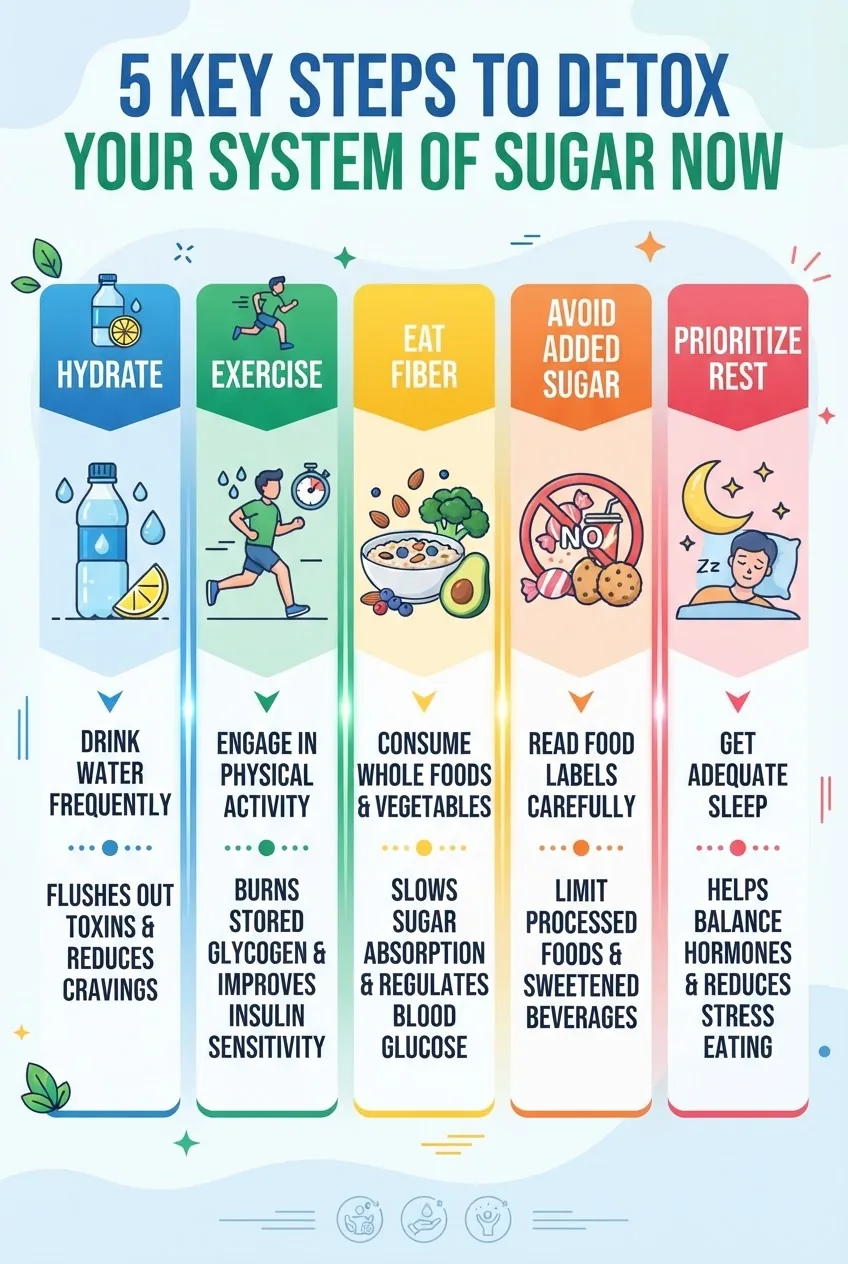
-
Drink a large glass of water right away (12–20 fl oz).
Hydration dilutes blood glucose concentration and supports renal clearance. Aim for 350–600 ml (12–20 fl oz) of plain water immediately, then 8–12 fl oz each hour for the next 3–4 hours unless you are on fluid restrictions. Add a squeeze of lemon if you tolerate it — acidity can slow gastric emptying slightly.
Why: According to the American Diabetes Association, staying hydrated assists circulation and glucose regulation (According to the American Diabetes Association).
-
Move your body: do 15–30 minutes of moderate exercise.
Perform brisk walking, cycling, stair climbing or bodyweight exercises at a pace that raises your heart rate to moderate intensity (60–75% of max). Muscle contraction uses glucose directly and increases insulin-independent glucose uptake. Specifics: brisk walk for 20 minutes or 3 x 1-minute stair climbs with 1-minute rests.
Evidence: Short bouts of activity can lower post-meal glucose within an hour (According to a 2024 NIH review on physical activity and glucose uptake).
-
Eat a high-fiber, moderate-protein snack within 30 minutes.
Choose 15–20 grams of fiber-rich carbs plus 10–15 grams of protein to slow further absorption. Examples: 1 small apple (4 g fiber) with 2 tbsp natural peanut butter (8–10 g protein), or ¾ cup plain Greek yogurt (12 g protein) with 1/3 cup oats (3–4 g fiber). Fiber binds and slows sugar absorption; protein reduces insulin spikes.
Note: Avoid fruit juices or sweetened yogurts.
-
Take targeted supplements if you already use them: magnesium (200–400 mg) and alpha-lipoic acid (300 mg).
Both supplements have evidence for improving insulin sensitivity acutely. Dosages: elemental magnesium 200–400 mg oral, alpha-lipoic acid 300 mg. Only take if you have used them before or have physician approval.
Caution: Do not combine with prescription glucose-lowering medications without medical advice.
-
Aim for a low-glycemic meal next (delay simple carbs for 4–6 hours).
Prioritize non-starchy vegetables, legumes, and whole grains with a low glycemic index and low glycemic load. Example plate: 1 cup mixed greens, ½ cup cooked lentils, 3 oz grilled chicken, 1 tbsp olive oil. This meal composition blunts further blood glucose rises and helps refill liver glycogen steadily.
-
Use cold exposure or contrast therapy cautiously (5–10 minutes).
A 5–10 minute cold shower or splashing cold water on the face can reduce stress-driven cortisol and decrease cravings; it also increases peripheral glucose uptake transiently. Do not use if you have cardiovascular conditions.
-
Chew sugar-craving band-aids: fiber gum, cinnamon, or vinegar rinse.
Chewing sugar-free gum with soluble fiber (xylitol-based) can reduce cravings. A spoon of apple cider vinegar diluted in 6–8 fl oz water before meals can modestly reduce glycemic response (use only if tolerated). Sprinkle 1/2–1 tsp cinnamon on yogurt/coffee — cinnamon may lower post-meal glucose modestly.
-
Rest and breathe: practice 5–10 minutes of paced breathing.
Stress elevates blood sugar via cortisol; 5–10 minutes of paced diaphragmatic breathing (6 breaths per minute) lowers stress hormones and helps stabilize glucose. Use a 4-4-6 breathing cycle (inhale 4s, hold 4s, exhale 6s).
-
Monitor symptoms and, if available, check blood glucose every 1–2 hours.
If you have a glucometer, record values to track response to interventions. Target: a safe downward trend toward your normal fasting value over 2–6 hours. If levels fall below 70 mg/dL or you feel faint, consume 10–15 g quick carbs (4 oz fruit juice) and retest in 15 minutes — then follow with protein/fiber to stabilize.
-
Avoid further added sugar and high-glycemic drinks for 24 hours.
Switch to water, unsweetened tea, and savory snacks for the next day. This prevents rebound spikes and allows insulin and liver glycogen to re-balance. See the section on foods to avoid for specifics.
For complementary tactics and rapid blood sugar lowering techniques see ways to reduce blood sugar quickly.
-
Follow a light activity and protein-rich evening to normalize overnight.
After dinner, walk 10–15 minutes, avoid late-night sweets, and choose a small casein-containing snack (½ cup cottage cheese) if hungry. Overnight fasting helps reset morning insulin sensitivity.
Short hypothetical example (experience signal): Sara, 34, ate a large pastry at 11:30 am and felt dizzy at 12:00. She followed steps 1–4: drank 16 fl oz water, walked briskly for 20 minutes, ate an apple with 2 tbsp almond butter, and took her regular magnesium (200 mg). Two hours later her shakiness eased and her post-meal energy stabilized. This demonstrates practical sequencing that most people can replicate safely.
Transition: These immediate steps reduce circulating sugar and blunt symptoms; next, choose foods and drinks that support a rapid detox and re-balance for the day.
Foods and Drinks to Help Detox Sugar Quickly
What you drink and eat in the 12–24 hours after sugar overload determines how quickly your body moves glucose out of the bloodstream and into storage or oxidation. Build meals around fiber-rich foods, lean protein, and low-glycemic carbohydrates.
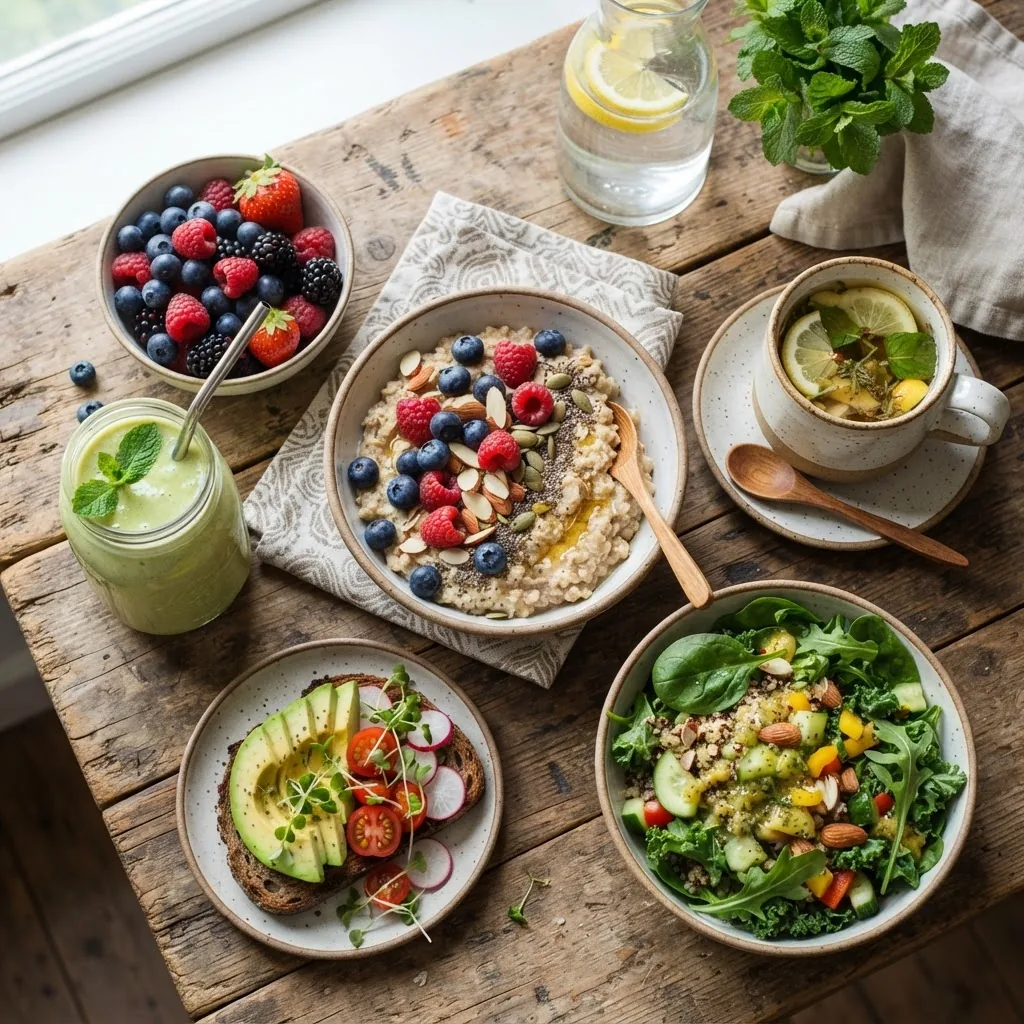
Eat these options in the order below to support rapid sugar clearance and stable energy:
- Water and electrolyte drinks — Plain water first (12–20 fl oz), then mineral-rich water with a pinch of salt or a no-sugar electrolyte drink to maintain sodium if you sweat during activity.
- Leafy greens and non-starchy vegetables — Spinach, kale, arugula, broccoli: high volume, very low glycemic load; they add fiber and micronutrients that support liver detox pathways.
- Berries — Blueberries, raspberries, and blackberries (½–1 cup): provide antioxidants and soluble fiber; lower glycemic impact than many fruits.
- Oats and barley — ⅓–½ cup cooked oats with chia seeds: soluble fiber (beta-glucan) slows absorption.
- Legumes — ½ cup cooked lentils or chickpeas: low glycemic index, high fiber and protein.
- Lean proteins — 3–4 oz chicken, turkey, fish, or ¾ cup plain Greek yogurt: protein reduces glycemic response and supports glycogen restoration.
- Nuts and seeds — A small handful (20–30 g) of almonds, walnuts, or chia seeds: healthy fats slow gastric emptying and blunt glucose spikes.
- Apple cider vinegar — 1 tbsp diluted in 6–8 fl oz water before a meal can modestly reduce post-meal glucose for some people.
- Green and herbal teas — unsweetened green tea or rooibos with a squeeze of lemon: antioxidants and warmth can reduce cravings.
- Fermented foods — small portions of unsweetened kefir or plain yogurt for gut support (if tolerated).
Sample sugar detoxification diet day (experience signal):
Breakfast (within 2 hours of initial intervention): ¾ cup plain Greek yogurt, ¼ cup oats, ½ cup mixed berries, 1 tsp cinnamon. Mid-morning snack: 1 small apple + 2 tbsp almond butter. Lunch: mixed greens, ½ cup lentils, 3 oz salmon, 1 tbsp olive oil. Afternoon: handful of almonds, green tea. Dinner: grilled chicken, roasted non-starchy veggies, ¼ cup quinoa. Hydration: at least 2.5 L total water across the day unless medically limited.
Foods to combine for dual benefits (sugar detox + fat loss): choose options highlighted in the belly fat burning foods guide for overlap in metabolic benefits.
Why these choices work: fiber reduces absorption and glycemic load; protein and fat increase satiety and reduce insulin spikes; antioxidants support liver function and inflammatory recovery. According to USDA dietary guidance, increasing dietary fiber to 25–30 g/day improves glycemic control (According to USDA Dietary Guidelines).
What to Avoid After Consuming Excess Sugar
Immediately after a sugar overload, avoid items that perpetuate high blood glucose or trigger rebound cravings.
- Sugary beverages: Sodas, energy drinks, fruit juices — cause rapid absorption and high peaks.
- Refined carbs: White bread, pastries, crackers — high glycemic index that quickly raise glucose again.
- Alcohol within 6 hours: Alcohol can disrupt glucose regulation and mask symptoms; wait until levels trend normal.
- Mixed caffeine + sugar: Coffee with sweeteners or energy shots — caffeine magnifies jitters and alters insulin response.
- High-sugar dairy desserts: Flavored yogurts, sweetened puddings — can add hidden sugars and increase glycemic load.
- Late-night snacking on sweets: Nighttime carbs promote fat storage and blunt morning insulin sensitivity.
- Skipping meals entirely: Skipping increases hunger and makes rebound bingeing more likely; instead eat small balanced meals.
- High-sodium processed snacks with refined carbs: The combo encourages overeating and worsens metabolic stress.
Short explanation for key items: Sugary beverages and fruit juices are the fastest drivers of blood glucose rise; even “natural” juice lacks fiber and acts like added sugar. Caffeine can exacerbate palpitations and perceived hypoglycemia after an insulin surge. Avoid these for at least 24 hours while you normalize.
Long-Term Tips to Reduce Sugar Dependence and Improve Sugar Detox
After immediate recovery, adopt sustainable habits that reduce frequent recurrences of sugar overload. The strategies below build metabolic resilience and shrink cravings over weeks to months.
1. Rework meal composition
Use a target plate rule: 50% non-starchy vegetables, 25% lean protein, 25% low-glycemic whole grains or legumes. This slows absorption and improves insulin sensitivity over time.
2. Control portion sizes and daily sugar limits
Follow daily sugar intake guidelines to set realistic limits for added sugars after detox and reduce relapse risk.
3. Manage cravings with planned swaps
Swap a candy bar for 1 small piece of dark chocolate (70% cocoa) plus a handful of almonds. Use healthy sugar substitutes carefully — know trade-offs and read labels.
4. Improve sleep and stress management
Poor sleep raises insulin resistance and craving hormones. Aim for 7–9 hours nightly and nightly routines to reduce late-night snacking.
5. Strategic resistance training
Two to three sessions weekly of resistance exercises increase muscle mass and resting glucose disposal. Start with 20–30 minute full-body sessions using bodyweight or moderate weights.
6. Consider supervised natural adjuncts
Explore natural diabetes remedies only as complementary options under medical supervision to address insulin sensitivity.
7. Choose better long-term sweeteners
When you need a sweetener, review options in the best sugar substitutes and compare to artificial options like aspartame via the healthy sugar substitutes guide.
Practical tip: schedule a weekly “low-sugar day” and slowly reduce added sugar by 10–20% each week. Combining habit changes with resistance training and improved sleep yields the biggest long-term drop in cravings.
When to See a Doctor: Sugar Overload and Health Warning Signs
Most high-sugar incidents resolve with the steps above. However, seek prompt medical care if warning signs appear or if you have diabetes or take insulin.
Warning signs (call 911 or get emergency help): severe confusion, loss of consciousness, seizures, chest pain, severe shortness of breath, or persistent vomiting.
Other concerning symptoms that require timely medical evaluation include persistent high blood glucose (>250 mg/dL with nausea or vomiting), repeated vomiting, or symptoms that do not improve after two hours of home interventions.
Non-emergency but urgent: frequent urination, extreme thirst, blurred vision, or blood glucose that stays above your typical post-meal range for more than 6 hours.
For monitoring guidance and ranges, review resources on understanding blood sugar levels and contact your healthcare provider for personalized thresholds.
If you have Type 1 diabetes, are insulin-dependent, or take oral hypoglycemic agents, do not attempt unsupervised changes — contact your provider immediately and follow ADA guidance on emergency care (According to the American Diabetes Association).
Common mistakes and how to avoid them (practitioner experience)
I’ve seen people make the same errors. I once observed a client skip hydration and instead grab another sugary coffee; the next two hours were worse. Another patient over-exercised until lightheaded because they hadn’t eaten protein first. To avoid these: always hydrate first, use moderate exercise, and follow with a protein-fiber snack within 30 minutes.
Quick checklist to verify your work
- Drank 12–20 fl oz water within 15 minutes of sugar intake
- Completed 15–30 min moderate exercise
- Ate a high-fiber, moderate-protein snack within 30 minutes
- Avoided sugary drinks and refined carbs for at least 24 hours
- Monitored symptoms and checked blood glucose if available
- Followed the one-day detox meal plan and maintained hydration
When to call in a professional
Call your healthcare provider if you are insulin-dependent, if blood glucose stays >250 mg/dL despite home measures, or if you experience warning signs listed above. For program-level support or recurring sugar binges, seek a dietitian or endocrinologist referral.
Transition to final remarks: The immediate steps, combined with dietary adjustments and long-term habit changes, deliver both quick relief and lasting resilience against sugar overload.
Conclusion
By following this hands-on sequence — hydrate, move, eat fiber and protein, avoid further sugar, and rest — you can meaningfully reduce circulating glucose and blunt adverse effects within 2–6 hours. Use the one-day diet plan and long-term strategies to prevent repeat episodes. If symptoms are severe or you have diabetes, contact a healthcare professional.
Ready to apply this today? Start with a 16 fl oz glass of water, a 20-minute brisk walk, and a fiber‑plus‑protein snack. For more structured daily limits and next steps, review our linked resources or consult your clinician.