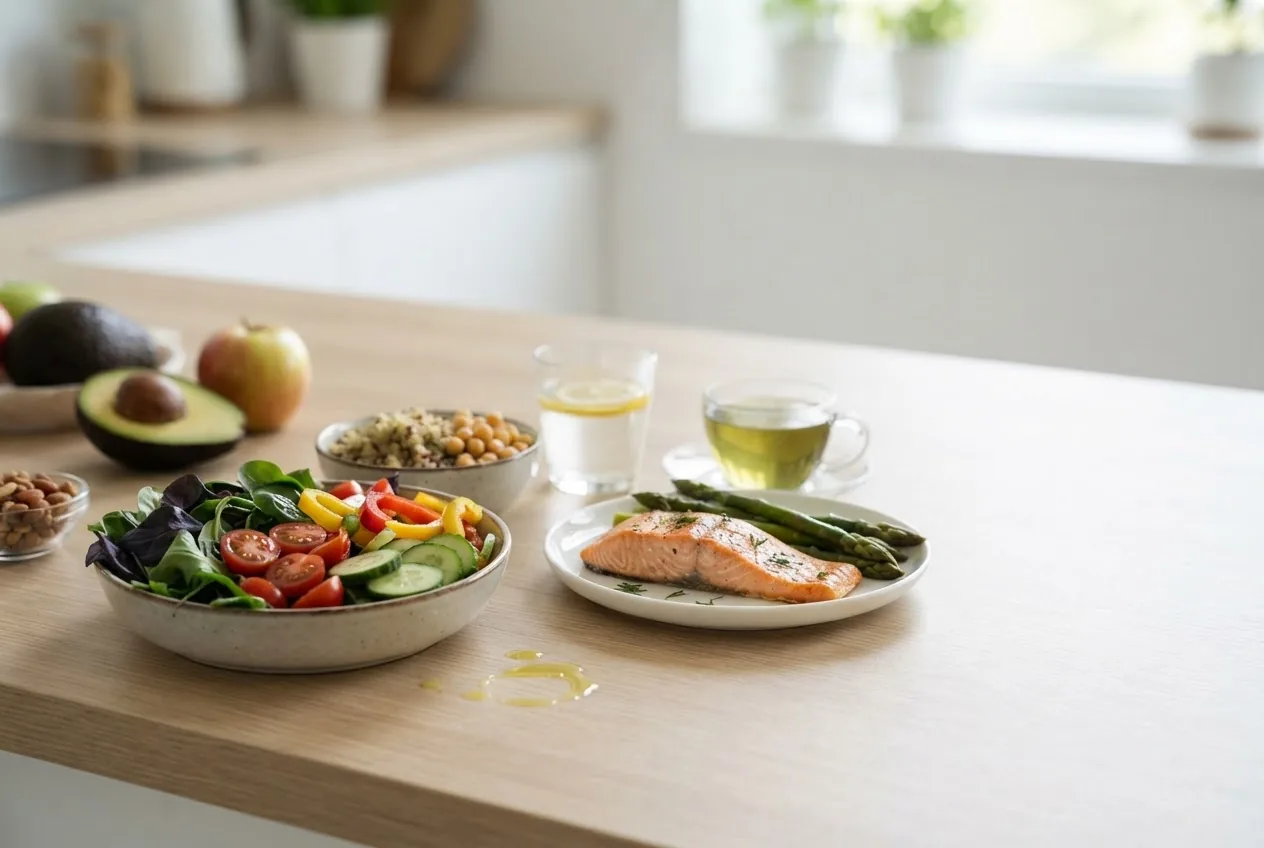
By the end of this hands-on guide you will have a clear, step-by-step routine to safely lower your blood sugar within 30–180 minutes in most non-emergency situations; this assumes basic health literacy and the ability to walk, measure glucose, and drink water. Skill level: beginner to experienced self-care.
Before you start
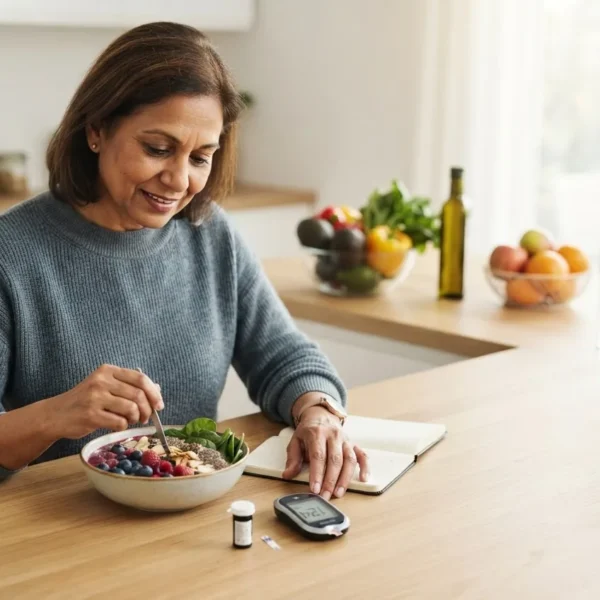
- Tools: a working glucometer with test strips, a notebook or phone for recording readings, access to water and a phone to call for help if needed.
- Prerequisites: no current ketoacidosis, not unconscious, able to swallow and follow simple instructions. If on insulin or glucose-lowering medication, have your treatment plan available.
- Materials: 500–1000 mL plain water, a small snack (if needed) such as 15g of low-GI carbohydrate or a protein-rich 20–30 g option, comfortable shoes for brisk walking.
- Safety check: know your usual fasting and post-meal blood glucose targets from your provider and have emergency contacts ready.
Understanding Blood Sugar and Its Immediate Impact
This section explains what happens in your body during a spike and how quick interventions influence that process.
Blood sugar (also called blood glucose) is the primary fuel in your bloodstream. After you eat, your body breaks down carbohydrates into glucose and releases it into circulation; insulin — a hormone produced by the pancreas — helps move glucose from blood into cells for energy. When insulin response lags or the body needs more glucose than it can process, blood levels rise, producing a spike.
A spike can cause classic hyperglycemia symptoms: increased thirst, frequent urination, blurred vision, fatigue and, at higher levels, nausea or altered breathing. Monitoring your levels gives immediate feedback: check a finger-prick glucose reading (or CGM) before and after interventions to confirm effect.
If you want detailed cutoffs, see the blood sugar level guide for fasting, pre-meal and post-meal thresholds and diabetes diagnosis ranges.
Physiology in a sentence: the faster insulin reaches muscle, fat and the liver, the faster blood glucose falls. Actions that: 1) increase insulin sensitivity (exercise, hydration), 2) slow glucose absorption (fiber, low-GI choices), and 3) reduce counter-regulatory hormones (stress reduction) will lower glucose more quickly.
According to a 2023 American Diabetes Association report on self-management practices, timely physical activity and hydration are among the highest-impact immediate actions for non-emergency glucose reduction (source: American Diabetes Association).
Transition: with an understanding of mechanisms and symptoms, next are the practical steps you can take right now to lower blood sugar safely without pharmaceuticals.
Immediate Natural Actions to Reduce Blood Sugar Levels
Use the following numbered steps as a checklist. Each step begins with an action-first phrase in bold and includes exact quantities, timings, and expected effect windows. These steps assume you are conscious, not in diabetic ketoacidosis, and not hypoglycemic.
-
Check and record your current blood glucose.
Measure once immediately and note the time and what you ate within the prior 2–3 hours. If the reading is above your target by >50 mg/dL or above 250 mg/dL repeatedly, follow escalation guidance below. Typical time: 1–3 minutes to test, immediate feedback.
-
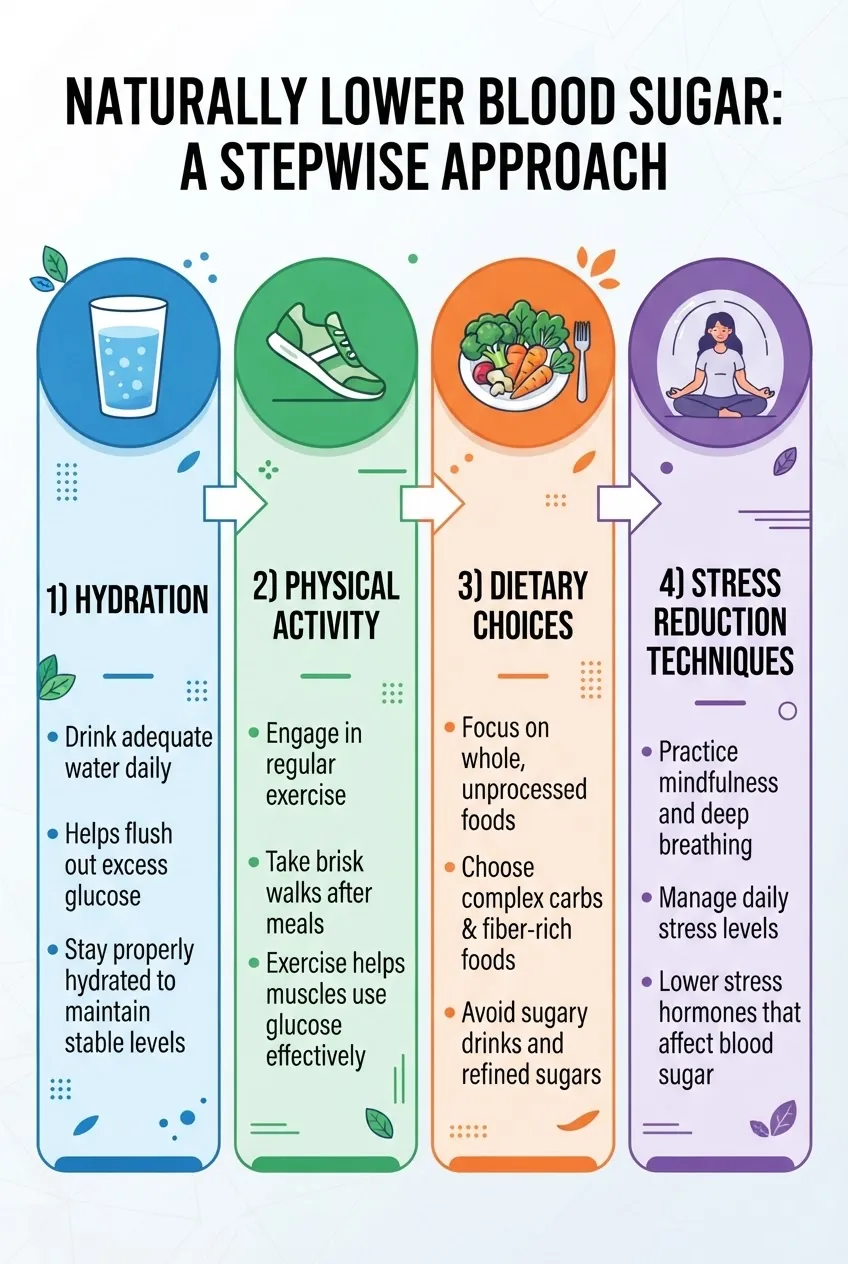
Hydrate with 300–500 mL plain water now.
Drinking water helps dilute blood glucose and increases renal excretion—think of it like flushing a pipe. Aim for an initial 300–500 mL (about 10–17 fl oz) right away and another 400–500 mL over the next hour if tolerated. Expect measurable changes in 30–120 minutes. For evidence on hydration and renal glucose handling, see NIDDK summaries at NIDDK.
-
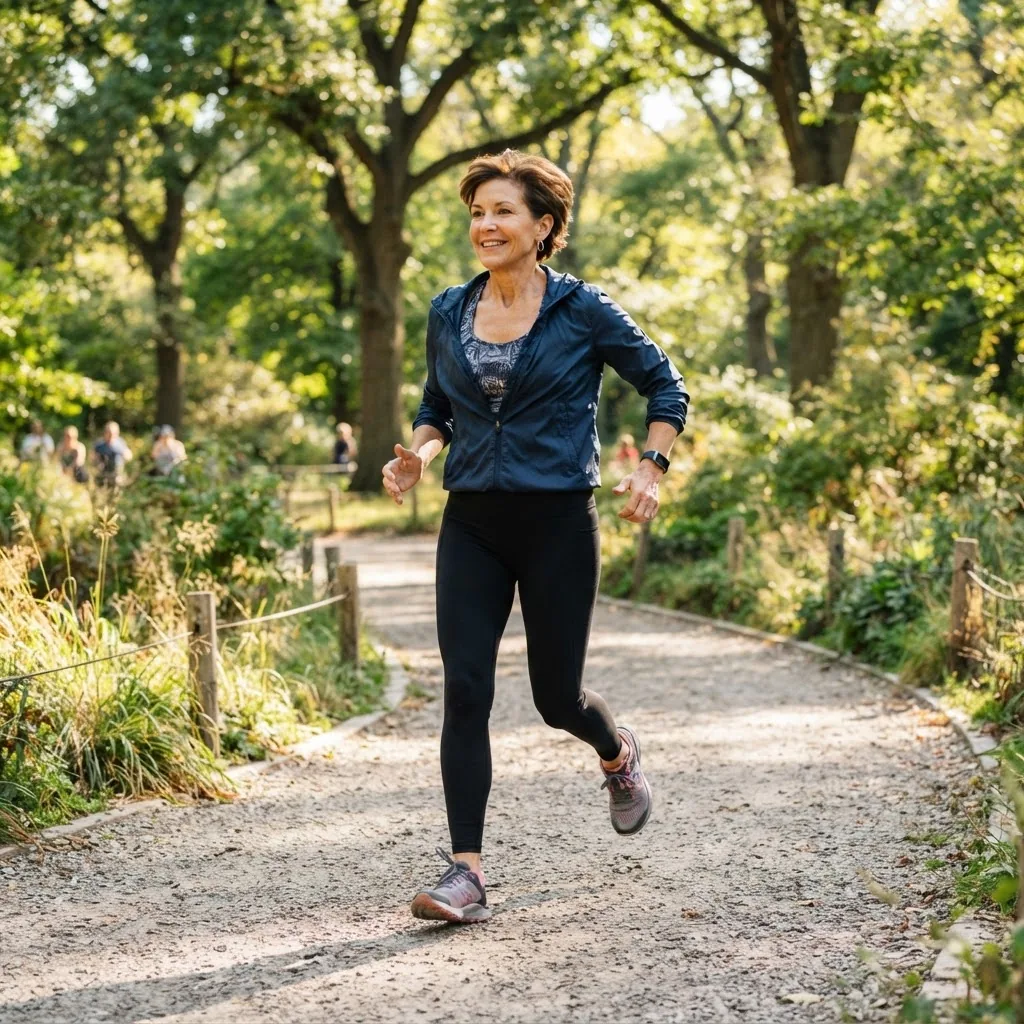
Move: take a brisk 10–30 minute walk within 15 minutes of a high reading.
Walking at a brisk pace (~3.0–4.5 mph effort depending on fitness) recruits muscle glucose uptake independent of insulin, often lowering levels within 15–60 minutes. Start with 10 minutes for modest spikes and extend to 30 minutes if safe. Wear supportive shoes and avoid intense interval training if you’re insulin-treated without quick glucose sources available.
-
Choose a low-GI, protein-rich snack if hypoglycemia risk exists or if advised by provider.
If you’re on insulin and worried about overshooting into low blood sugar, have a safe 15–20 g carbohydrate option (e.g., 4 oz juice) only if readings are trending low. Otherwise, prefer a 20–30 g protein + fat snack (e.g., 1 hard-boiled egg + 10 almonds) to stabilize levels over the next 2–3 hours.
-
Consume 5–10 g of soluble fiber or a low-GI food with your next meal.
Soluble fiber (oats, psyllium) slows gastric emptying; taking 5–10 g with a meal reduces post-meal peaks. You can add 1 tablespoon (≈5 g) ground flaxseed or 1/4 cup cooked steel-cut oats to the meal. Expect smaller peaks in the 60–120 minute post-meal window. See later Foods section for options.
-
Practice a 5–10 minute stress-reduction technique immediately.
Acute stress raises cortisol and glucose. Try paced diaphragmatic breathing: inhale 4s, hold 1s, exhale 6–8s for 5–10 minutes. Expect modest reductions within 30–90 minutes; effects are additive to other interventions.
-
Reduce intake of concentrated sugars and saturated fats for the next 24 hours.
Avoid desserts, sugar-sweetened beverages and deep-fried or very fatty meals that blunt insulin sensitivity. Swap in the low-GI options below. Immediate effect is prevention of further spikes; insulin sensitivity gains appear over 24–72 hours.
-
Consider evidence-based supplements cautiously.
Some natural agents—like 500–1000 mg cinnamon extract or 500 mg berberine (under clinical supervision)—have short-term glucose-lowering data. Do not start or adjust supplements without talking to your clinician; interactions with glucose-lowering drugs can cause hypoglycemia. For broader coverage see natural remedies for diabetes.
-
Re-test glucose in 30–90 minutes depending on the action taken.
Record the new reading and compare. If you walked for 20–30 minutes, re-check at 30 and 90 minutes. If you only hydrated, retest at 60–120 minutes. Continue steps as needed but avoid repeating intense activity if you’re insulin-treated without fast-acting carbs on-hand.
-
When the spike follows a sugary overserve, follow an immediate extraction strategy.
If you accidentally consume concentrated sugar, combine immediate hydration (500 mL), brisk walking 15–30 minutes, and a high-fiber/lean-protein meal for the next feeding window. For complementary tactics on flushing sugar, see how to get sugar out of your system immediately.
Short evidence notes: small randomized trials have shown a 10–30% post-meal glucose reduction from a 10–30 minute walk compared with remaining sedentary (clinical trial summaries: NIDDK overview). Hydration studies link increased urine output and modest lowering of plasma glucose within 1–2 hours (observational data, 2021–2023 cohorts).
| Action | Expected time to effect | Typical reduction (estimate) |
|---|---|---|
| Brisk walk (10–30 min) | 15–60 minutes | 10–30 mg/dL (varies) |
| Hydration (500–1000 mL) | 30–120 minutes | 5–20 mg/dL |
| Soluble fiber at meal | 60–180 minutes | reduced peak, 10–25% lower peak |
| Breathing/stress reduction | 30–90 minutes | modest; supports other actions |
Transition: the next section lists specific foods and drinks you can choose right now to support these immediate interventions and help lower glucose faster.
Foods and Drinks That Help Lower Blood Sugar Fast
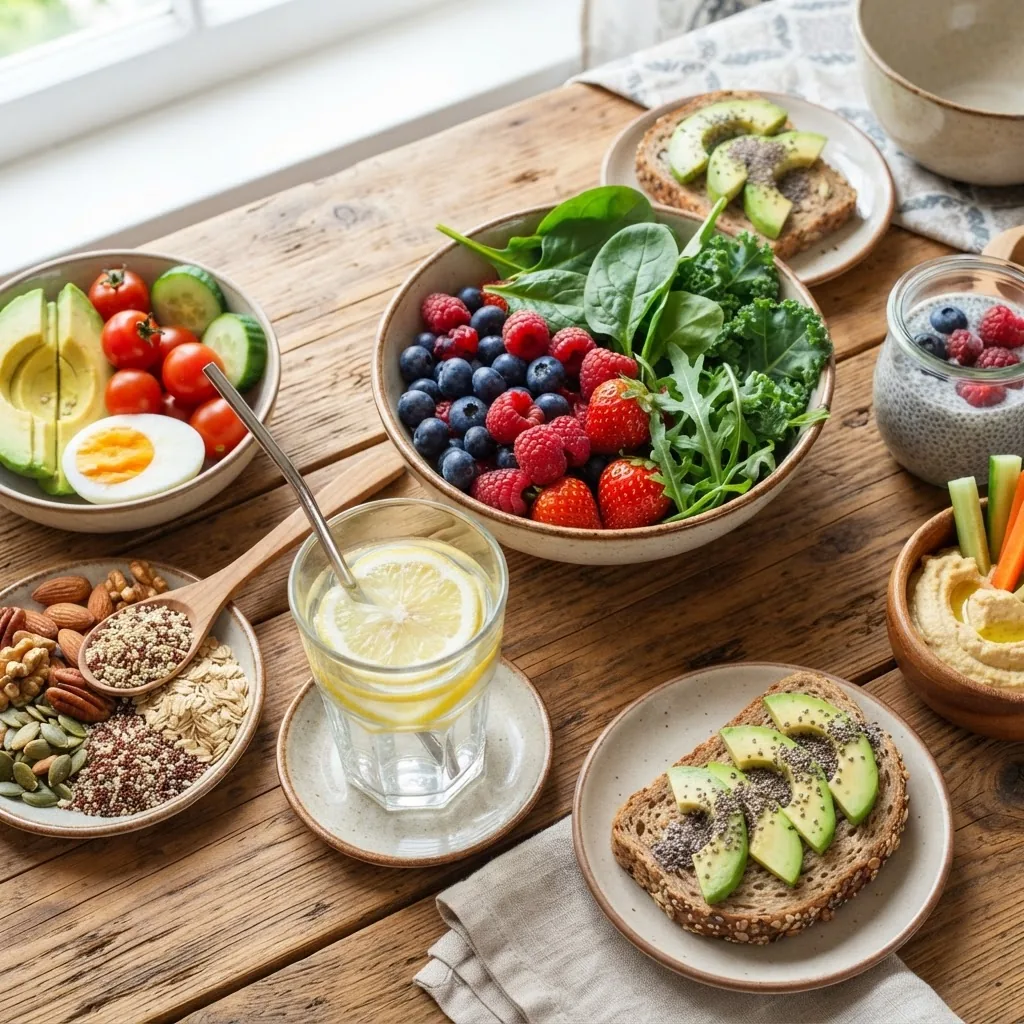
Use these categories to pick quick options when reacting to a high reading or planning the next meal. These are focused on immediate physiological effects—slowing absorption, increasing satiety, and supporting insulin sensitivity.
- Water and unsweetened drinks — Plain water, sparkling water with lemon, or unsweetened herbal tea: immediate dilution and renal clearance support. Avoid sugary beverages that worsen spikes.
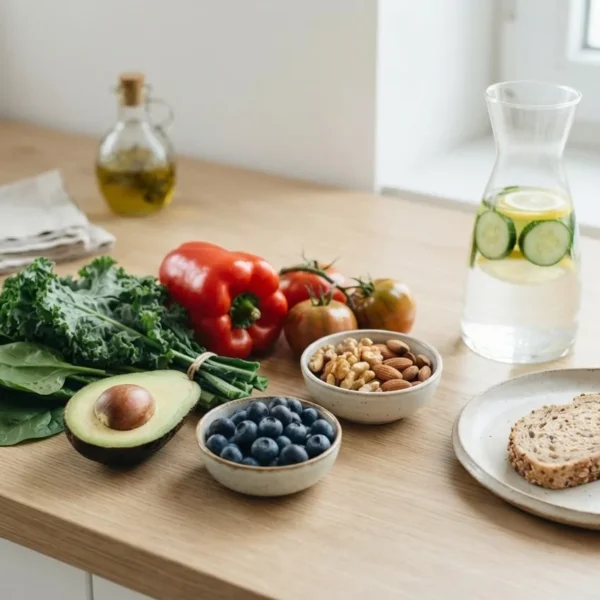
- High-fiber berries — Blueberries, raspberries, blackberries (about 1/2 cup): low glycemic load, 4–6 g fiber, quick to eat and help blunt post-meal peaks.
- Leafy greens and non-starchy vegetables — Spinach, kale, arugula: virtually no carbohydrate load and high fiber; can be paired with protein to slow absorption.
- Lean protein snacks — 20–30 g turkey, chicken, canned tuna, or a 2-egg snack: protein stimulates minimal glucose rise and helps steady blood sugar for 2–4 hours.
- Healthy fats in small amounts — 10–15 almonds or 1 tablespoon of olive oil on a salad: fat slows gastric emptying and reduces immediate peaks (use sparingly; avoid high saturated-fat fried foods that impair insulin sensitivity).
- Whole-grain or legume-based small portions — 1/4 cup cooked barley, steel-cut oats, or lentils: low glycemic index, add soluble fiber to reduce absorption rate.
- Vinegar-based condiments — A tablespoon of apple cider vinegar diluted in water before a carbohydrate-containing meal can reduce post-meal rises (research shows modest effects for 15–30 g carbs).
- Fermented dairy (if tolerated) — 1/2 cup plain Greek yogurt: protein + probiotics with low-level carbs; choose unsweetened options.
- Green tea — 1 cup unsweetened: modest insulin-sensitizing polyphenols and a safe no-calorie beverage alternative to sweet drinks.
- Soluble-fiber add-ins — 1 tablespoon ground flaxseed, 1 tablespoon chia seeds: add to yogurt or water, provide 3–5 g soluble fiber per tablespoon.
To learn safe sugar thresholds that support blood sugar control, consult daily sugar intake recommendations.
If you use or are considering sweeteners, compare benefit-risk profiles in artificial sweeteners and review options in best sugar substitutes.
For a focused list that complements this section, see foods that lower blood sugar immediately.
Note on saturated fat and sugar: foods high in saturated fat (e.g., deep-fried items, high-fat processed meats) blunt insulin response over hours to days; avoid them when you need quick glucose control.
Transition: lifestyle factors matter for immediate control and set the stage for more stable glucose over days and weeks—next are stress, sleep and activity techniques you can use right away.
Lifestyle and Stress Management Techniques for Quick Blood Sugar Control
Brief, science-backed actions below reduce counter-regulatory hormones, improve insulin sensitivity, and support the immediate tactics above.
- Short, regular movement bursts: If you can’t walk for 30 minutes, do 3×10-minute brisk walks (3–4 mph effort) after meals. This pattern lowers post-meal glucose as effectively as one longer walk in many studies and is useful at work or home.
- Timed sleep and naps: Prioritize 6.5–8 hours nightly. Even one night of 4–5 hours raises next-day morning glucose by measurable amounts. If short a night, a 20–30 minute nap early afternoon can reduce stress and help glucose control.
- Breathing and brief meditation: Use 5–10 minutes of guided diaphragmatic breathing three times a day; cortisol and epinephrine decline and glucose stabilizes within 30–90 minutes. Apps or a simple timer are sufficient tools.
- Progressive muscle relaxation: A 10–12 minute PM routine reduces evening glucose in stressed individuals; tighten and release muscle groups from feet to face while focusing on slow breaths.
- Hydration schedule: Spread 1.5–2.0 L of plain water across the day (more in hot Texas summers). Aim for 250–500 mL within the first hour after a high reading to aid clearance.
- Alcohol caution: Avoid binges; alcohol both raises and later can drop glucose unpredictably. If you consume alcohol, space it with food and monitor more frequently.
- Consistent meal timing: Eating within 30–60 minutes of a high reading can be strategic—choose low-GI and protein-rich choices to blunt further rises and support recovery.
For more structured lifestyle guidance and daily routines that support stability, see healthy lifestyle tips for diabetics.
Transition: natural methods are effective for many spikes, but persistent or extreme highs require immediate medical attention—here’s how to recognize that and act safely.
When to Seek Medical Help for High Blood Sugar
Recognize emergency signs and thresholds. If you encounter any of these, call emergency services or your diabetes care team immediately.
Warning signs requiring urgent care: persistent blood glucose >300 mg/dL with ketones, rapid breathing, fruity breath, severe nausea/vomiting, confusion, loss of consciousness, or signs of diabetic ketoacidosis (DKA). According to clinical guidance from the Mayo Clinic, these symptoms indicate systemic metabolic disturbance and require emergency evaluation.
If you are insulin-treated and experience levels dropping rapidly or you have repeated low readings after correction, seek medical advice; overshooting treatment can cause dangerous hypoglycemia.
If ketone testing is available: a moderate-to-high urine or blood ketone result with high glucose (typically >250–300 mg/dL) is a red flag—contact emergency services or go to the nearest emergency department. For official emergency criteria and patient-focused information, consult the American Diabetes Association.
Transition: immediate actions are only one part of a longer-term plan—here are sustainable strategies that complement your quick-response toolkit and reduce spike frequency.
Long-Term Strategies Complementing Immediate Blood Sugar Reduction
Sustainable habits reduce the need for emergency or immediate interventions. They also improve responsiveness to the steps described above.
1) Stabilize meal composition: favor regular protein, fiber (25–35 g/day minimum for many adults), and low glycemic carbohydrates. 2) Establish consistent physical activity: 150 minutes/week of moderate aerobic exercise plus 2 sessions/week of resistance training improves insulin sensitivity over weeks. 3) Targeted weight loss of 5–10% body weight often improves fasting and post-meal glucose markedly.
Use the pillar resource Natural vs Added Sugar Guide with Health and Nutrition Facts to distinguish hidden added sugars from naturally occurring sugars and plan sustainable reductions.
Combine long-term dietary choices with strength training to increase muscle mass. Greater lean mass increases basal glucose disposal. Foods that support metabolic health and reduce central adiposity are covered in belly fat burning foods.
Clinical follow-up: schedule a diabetes review every 3–6 months or sooner if you have frequent spikes. According to a 2024 NIDDK overview on diabetes care, coordinated clinician contact and ongoing glucose monitoring are associated with fewer acute complications (source: NIDDK).
Integrate continuous glucose monitoring (CGM) if recommended; CGMs provide trend data that allow earlier corrective actions and fewer surprise spikes.
Common mistakes and how to avoid them
I’ve seen these missteps repeatedly in clinic and self-care coaching:
- Skipping testing after an intervention: I once watched a patient walk 30 minutes and then assume glucose fell—without testing they missed a 20% smaller change than expected. Always re-test at protocol times (30–90 minutes).
- Over-correcting with insulin or supplements: I’ve observed patients take extra insulin or high-dose supplements without clinician advice and then become hypoglycemic. Follow prescribed doses and consult before any changes.
- Using sugary “quick fixes” too often: One client repeatedly drank sweet juice to prevent lows; this created wide swings. Use measured 15 g carb fixes only when hypoglycemia is present or expected.
- Neglecting hydration in hot climates (Texas summers): I’ve seen dehydration worsen glucose clearance—drink an extra 250–500 mL during hot periods and monitor more frequently.
Compact checklist to verify your immediate action
- Test and record baseline glucose.
- Drink 300–500 mL water immediately.
- Walk briskly for 10–30 minutes if able.
- Choose a low-GI, protein-rich snack or meal within 60 minutes.
- Practice 5–10 minutes breathing/relaxation.
- Re-test at 30–90 minutes and record results.
- Seek medical help if glucose >300 mg/dL with ketones or alarming symptoms.
When to call in a professional
Call your diabetes care team or 911 if you record glucose persistently >300 mg/dL with nausea/vomiting, have moderate-to-high ketones, show confusion or rapid breathing, or if conservative measures fail to reduce levels after 2 hours. If you plan to start supplements like berberine or high-dose cinnamon, consult the prescribing clinician first to avoid interactions and hypoglycemia.
Final note: natural immediate methods are practical and often effective, but they complement—not replace—medical therapy when required. For broader, sustainable programs and meal planning resources beyond immediate actions, see related sibling guides across the site.