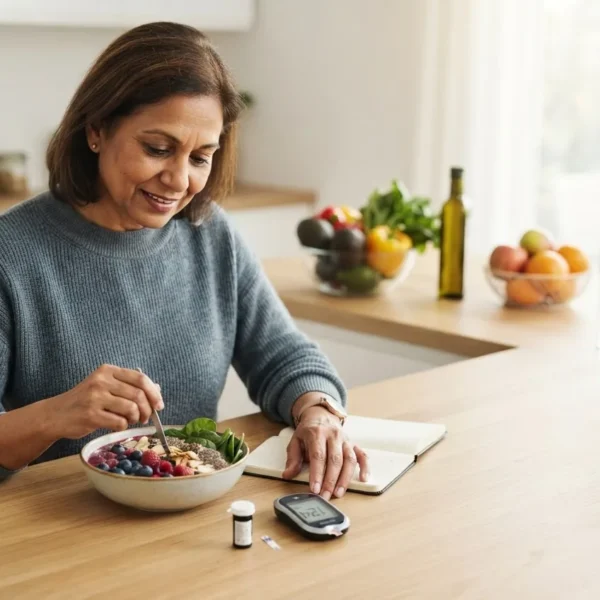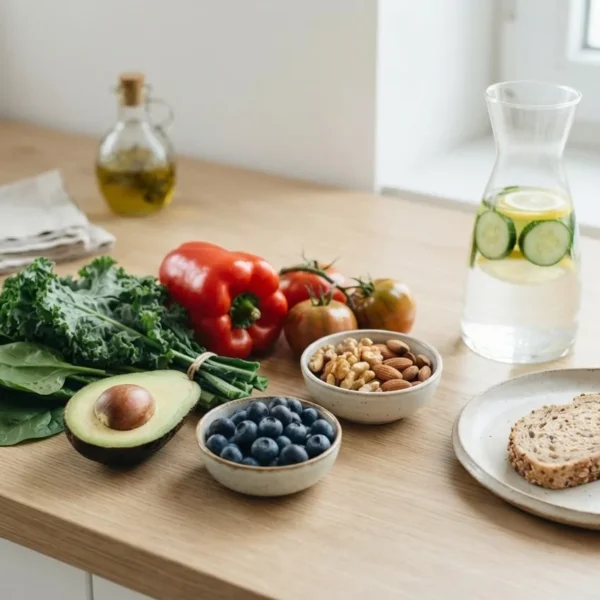
how to stop craving sugar: by the end of this hands-on guide you’ll have a concrete 8–10 step plan to reduce and control sugar cravings, simple daily habits to follow, and tools to measure progress. Expect to see measurable changes in 2–6 weeks; this assumes you are a motivated beginner comfortable tracking food and habits.
Before you start, gather the right mindset and tools so you can apply each step with precision.
Before you start
- Notebook or habit-tracking app (daily logging).
- Kitchen scale and measuring spoons (to portion snacks and treats).
- Reusable water bottle (goal: 2.5–3 L/day for most adults in active climates like Texas).
- Basic grocery list template (protein, fiber-rich vegetables, whole grains, nuts).
- Support contact (friend, partner, or local group) for accountability.
Transition: first we’ll explain the biology and psychology so each step you take is grounded in why cravings happen — then move into the stepwise plan you can follow daily.
Understanding Why You Crave Sugar
sugar cravings are rarely just about taste — they are a mix of biology, brain chemistry and learned behaviors. When you eat sugar, your body digests it into glucose that raises blood glucose briefly, causing a small surge in insulin and a downstream drop. This rapid swing — a blood sugar spike followed by a dip — often triggers hunger and the urge for more quick energy. That physiological cycle gets wrapped into a behavioral loop: cue → routine → reward.
On the brain side, sweet foods stimulate dopamine release in reward pathways (the same circuits involved in habit loops), which reinforces repeat behavior. While the term sugar addiction is debated in academia, behavioral science recognizes sugar-driven reward learning: repeated pairing of stress relief, pleasure or convenience with sweet foods builds conditioned responses.
Hormones and sleep also matter. Low sleep raises ghrelin (hunger hormone) and reduces leptin (satiety hormone), tipping balance toward high-calorie, sugary choices. Cortisol spikes from stress increase preference for high-energy foods, fueling emotional eating. Women may notice cyclical changes tied to menstrual hormone shifts; estrogen and progesterone modulate appetite and cravings.
Another major factor: the food environment. Highly processed foods with concentrated refined sugars are engineered for palatability — rapid sweetness, fat and salt combinations that make them easy to overconsume. Those foods create stronger feedback for the reward system than whole foods with naturally occurring sugars, slowing the learning that satisfies hunger in sustainable ways.
Blood sugar regulation is central but simple to understand: steady fuel from meals containing fiber, protein and fat produces a slower rise and fall of glucose, reducing the physiological trigger for craving. That’s why breakfasts with eggs, beans or Greek yogurt tend to prevent mid-morning sweet cravings better than a bagel or sweet cereal.
Psychological triggers are layered on: boredom, social cues (office snacks, afternoon sweet breaks), habit timing (dessert after dinner), sensory triggers (sight or smell) and emotional states. Recognizing the trigger narrows the intervention: if stress leads to sweets, stress-management tactics reduce cravings; if the sight of cookies does it, environment control (out of sight, out of mind) helps.
For a clear reference on types of sugars and why whole-food sugars behave differently in the body, see the pillar comparison on
natural vs added sugar.

Transition: knowing why cravings arise helps you see the health consequences of acting on them — next we examine those effects so your motivation is grounded in measurable outcomes.
The Health Impact of Excess Sugar Consumption
Excess consumption of refined sugars is linked to several measurable health consequences. Regularly eating large amounts of added sugar contributes to increased caloric intake and weight gain: according to a 2022 public health review, diets high in added sugars are associated with higher body mass index trends over time (source: systematic review, 2022 public health literature).
Metabolic effects are not only weight-related. Frequent sugar-driven blood glucose spikes followed by insulin responses can increase long-term metabolic strain and insulin resistance risk. For a deeper look at glycemic consequences, see the overview on the
effects of high blood sugar levels, which explains the measurable impacts of repeated high glucose.
There’s also inflammation: several observational studies cited by nutrition researchers in 2021–2023 link diets high in added sugars with markers of systemic inflammation, which in turn correlates with cardiovascular risk markers (source: peer-reviewed nutrition journals, 2021–2023).
Energy crashes are a common short-term consequence you can feel: after a sugar spike, the rapid fall in glucose can cause fatigue, fogginess and cravings that lead to another sugary intake — a repeat cycle that disrupts productivity and mood. One workplace nutrition survey (industry report, 2023) found 62% of respondents reported mid-afternoon sugar-driven energy slumps affecting work.
Dental health is also directly affected: sugar feeds oral bacteria that produce acid and promote cavities — in dental epidemiology reports (public health data, 2020–2022), high added-sugar diets were consistently associated with higher tooth decay prevalence.
Importantly, national recommendations exist to help guide limits: according to the 2023–2024 USDA Dietary Guidelines, adults should limit added sugars to less than 10% of daily calories — roughly 12 teaspoons (about 50 grams) for a 2,000-calorie diet (USDA Dietary Guidelines, 2023–2024).
These impacts are cumulative: reducing frequent high-sugar exposures lowers risk factors for weight gain, inflammation and energy instability. Transition: armed with the health reasons, you’ll next learn to spot the personal triggers that keep you reaching for sweets.
Recognizing Your Personal Sugar Craving Triggers
Triggers are the specific cues that reliably lead you to eat sugar. They fall into several categories: physiological (low blood sugar, tiredness), emotional (stress, boredom), environmental (availability, social norms), and habitual (time of day, pairing rituals like “TV + dessert”).
Start by tracking for two weeks: log each time you have a sugary food or a strong craving. Record time, location, mood, hunger level (scale 1–5) and what preceded the craving. That simple exercise reveals patterns: late-afternoon office hunger, stress after meetings, or dessert always after a family meal.
Brief trigger-identification exercises:
- Habit mapping: write a three-column table (cue, behavior, reward) and fill in five recent craving events.
- Stress scale: rate your stress 1–10 before each craving — if average >6, stress is a primary driver.
- Environment audit: note visibility and ease of access — are sweets stored on countertops or at eye-level in the pantry?
Exercise example (use this exact tool): for each craving this week, mark a checkbox for these options: “hungry,” “bored,” “emotional,” “social,” “saw food,” “habit/time.” After seven days, count which boxes are most frequent. That most frequent category is the first target for intervention.
Hormonal and life-stage triggers: women tracking menstrual cycles often see sugary food preference 3–5 days before menses when progesterone rises; consider planning extra protein-rich meals in that window. In Texas summers, heat and disrupted routine may increase dehydration-related cravings (swapping sugary beverages for water frequently helps).
Transition: once you know your triggers, use the step-by-step strategies below to directly replace the old routine and prevent reward reinforcement that keeps cravings alive.
Practical Step-by-Step Strategies to Stop Craving Sugar
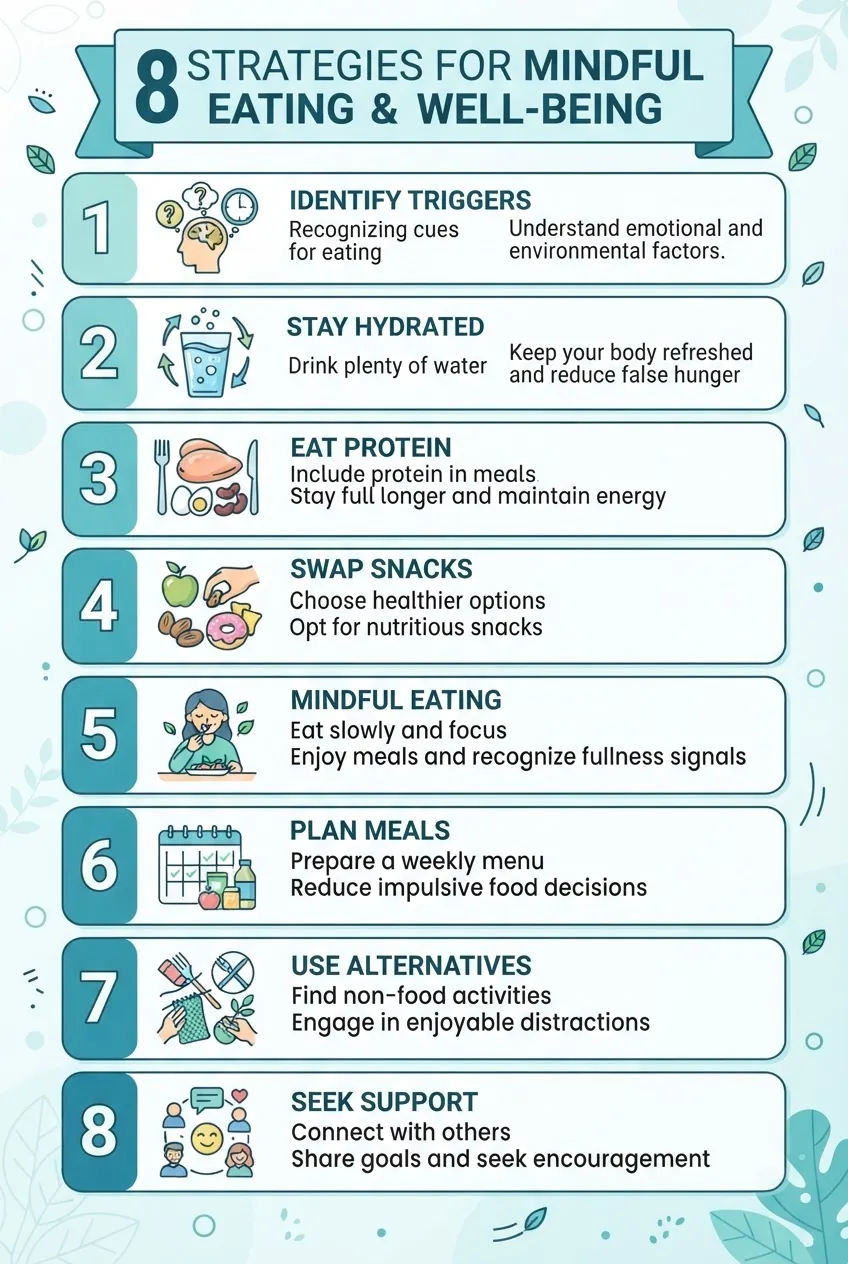
Follow these 10 actionable steps as a program. Each step begins with a bold action-first phrase you can apply immediately. Use a notebook to track adherence every day for 30–42 days to form new habits.

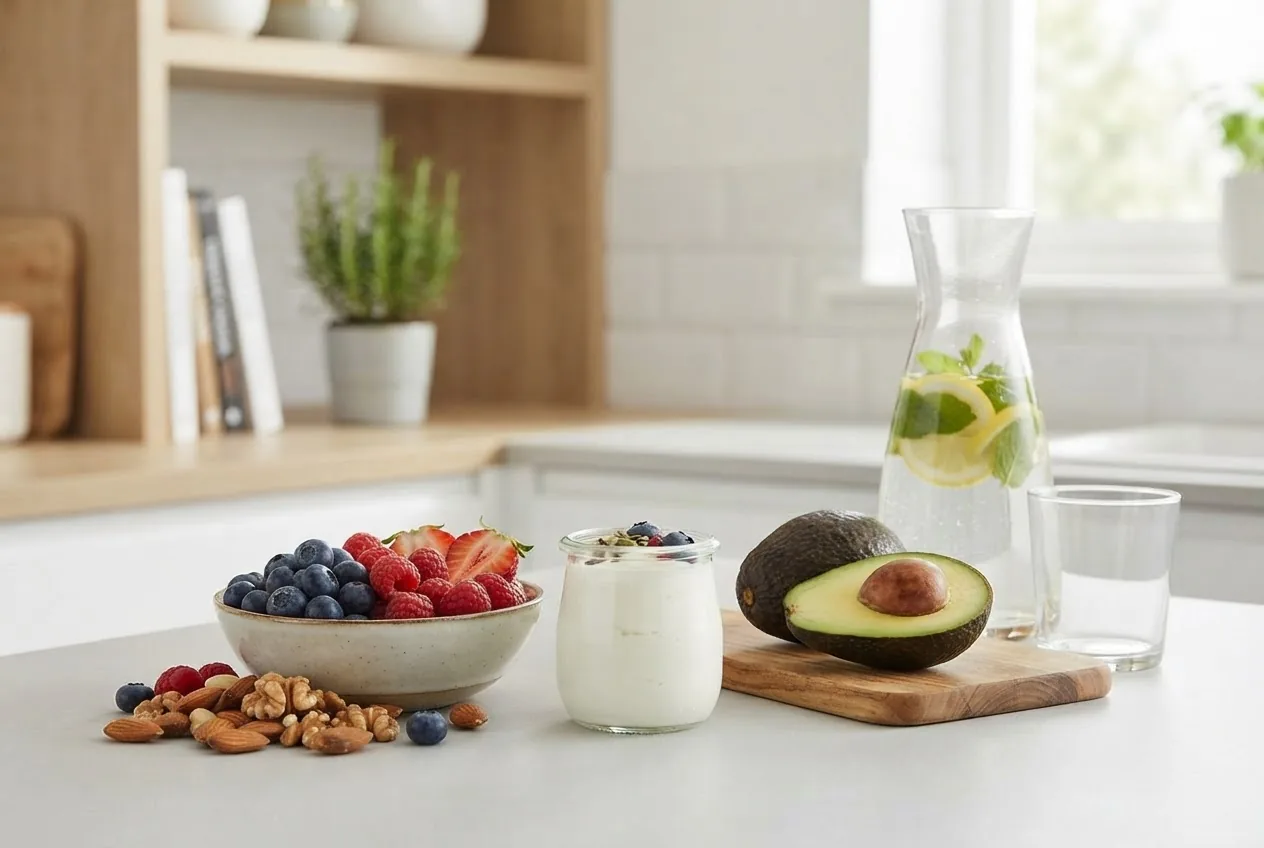
- Start each day with a protein-and-fiber breakfast. Aim for 20–30 grams of protein (e.g., 2–3 eggs, 150 g Greek yogurt, or a 30 g protein shake) plus 8–12 g fiber from berries, oats or vegetables. This combination stabilizes morning blood sugar and reduces mid-morning sweet urges.
- Hydrate on a schedule. Drink 250–350 ml (8–12 oz) of water within 30 minutes of waking, then at least 200–300 ml every hour during the day to reach 2.5–3 liters (adjust for activity and heat). Dehydration often disguises as a sugar craving.
- Eat protein and healthy fats at snacks and meals. Target 15–25 g protein and 10–15 g healthy fat per snack (example: 30 g almonds + 1 small apple). Protein and fat slow glucose absorption and reduce physiological drive for sugar.
- Time meals to avoid long gaps. Eat every 3–4 hours; don’t let gaps exceed 5 hours. A typical day: breakfast at 7–8 am, snack at 10–11 am, lunch at 12–1:30 pm, snack at 3–4 pm, dinner by 7–8 pm. Regular timing prevents blood sugar dips that trigger cravings.
- Swap, don’t deny — prepare healthy alternatives. Replace an afternoon cookie with Greek yogurt + cinnamon + ½ cup berries, or 2 tbsp nut butter on celery. Use the “swap formula”: same texture or ritual + healthier composition = better adherence.
- Use mindful-eating micro-practices at craving moments. Pause for 5 minutes: take three deep breaths, name the emotion (stress, boredom), and rate craving intensity 1–10. If >7, use an alternative coping action (walk 10 minutes, call a friend). Mindfulness reduces impulsive reward-driven eating by disrupting automatic habit loops.
- Clean your environment and plan your grocery list. Remove visible high-sugar temptations from countertops; store treats in opaque containers in a high cupboard. For groceries, plan 70% of your cart as whole-food staples (lean protein, vegetables, nuts) and 30% as flexible items to avoid feeling deprived.
- Read labels and choose lower-added-sugar products. Choose foods with <50% of calories from added sugars as a rule of thumb. When comparing items, check the “added sugars” line (grams) and serving size. A good practical threshold: prefer items with ≤6 g added sugar per serving for snacks.
- Use structured short detox windows if needed. Apply a 7–14 day “reduction window” limiting added sugars to ≤25 g/day (about 6 teaspoons) to reset taste preference. Many people report sweets tasting much sweeter after a 10-day reduction, making long-term control easier.
- Build social and professional support. Share goals with 1–2 people, join a local group or online forum, or schedule a short coaching or nutrition consult. Accountability doubles adherence in many behavior-change trials (behavioral studies, 2019–2022).
Practical resources and further reading: for recommended limits and context on daily targets, review the
daily sugar intake recommendations. For sample plans after quitting sugar, see
no sugar diet meal plans.
Common mistakes and how to avoid them
I often see people try to quit sugar by banning all treats immediately, then crash and binge on day three. From my practice, the better pattern is gradual substitution plus a 7–14 day reduction window in week two, which preserves morale and reduces relapse risk.
Another common error: not tracking context. I observed a client who blamed “late-night cravings” — once we logged events, we discovered they occurred after skipping protein at dinner. Fixing dinner composition removed the nightly urge.
Checklist: Verify your steps
- Track cravings daily for 14 days.
- Breakfast contains ≥20 g protein and ≥8 g fiber.
- Hydration target met: 2.5–3 L/day (adjusted for activity/heat).
- Meals/snacks every 3–4 hours; no gaps >5 hours.
- At least one swap prepared for common cravings.
- Environment audit completed and temptations reduced.
- Support person or accountability system in place.
When to call in a professional
If cravings are uncontrollable, interfering with work or relationships, or if reducing sugar causes withdrawal-like symptoms (severe mood swings, insomnia, or physical symptoms), seek care. Consider a registered dietitian for personalized meal planning or a licensed therapist experienced with addictive behaviors (CBT). For complementary approaches, review
natural remedies for sugar-related health issues (use alongside professional advice).
Transition: after implementing short-term tactics you need sustainable alternatives that still satisfy your taste and ritual preferences; the next section compares options and trade-offs.
Healthy Sugar Alternatives and How to Use Them Wisely
Choosing an alternative requires balancing taste, glycemic impact, and long-term habit formation. Below are common categories, with pros and cons to guide practical use.
| Type | Examples | Pros | Cons / Practical notes |
|---|---|---|---|
| Natural whole-food sugars | Whole fruit, dates (used sparingly) | Contains fiber, vitamins; slower absorption | Calories still count; portion control needed |
| Low-calorie natural sweeteners | Stevia, monk fruit | Zero/low calories; minimal glycemic effect | May maintain sweet preference if overused |
| Sugar alcohols | Erythritol, xylitol | Lower glycemic impact; sugar-like taste | Large amounts can cause GI upset |
| Artificial sweeteners | Aspartame, sucralose, saccharin | Very low or zero calories; widely available | Taste differences; potential effects on appetite; research mixed |
Detailed guidance:
- Whole fruit first: when you want sweetness, prioritize 1 medium fruit (e.g., apple, orange) or ½ cup berries. Fruit offers fiber and micronutrients that candies lack.
- Use low-calorie natural sweeteners sparingly: 1–2 drops of liquid stevia or ¼ tsp monk fruit to cut sugar in homemade yogurt or coffee reduces added-sugar intake without sustaining large sweet cravings.
- Limit sugar alcohols to <20 g/day: they add bulk and sweetness but can cause digestive distress in higher quantities; start with small amounts.
- Consider artificial sweeteners cautiously: For comparison and context on long-term use, review guidance on
artificial sweeteners like aspartame. If you use them, pair with efforts to reduce overall sweet preference. - Portion control matters: even “natural” sweet treats (dates, dried fruit) should be limited to 1–2 servings per day (serving = ~1 tbsp dates or ¼ cup dried fruit).
- Contextual swaps: when baking, reduce recipe sugar by 25–50% and add spices (cinnamon, vanilla) to maintain perceived sweetness while training taste buds down.
For recommendations oriented toward people seeking non-sugar sweeteners for medical reasons, see the practical review of the
best sugar substitutes.
Transition: alternatives are a tool, not a cure. Sustainable change requires habit design — we’ll cover how to lock in low-sugar habits next.
Building Long-Term Habits to Maintain Low Sugar Intake
Long-term success depends on repeated, small wins and systems that reduce friction. Behavioral science labels this “habit formation” — cue-routine-reward loops updated with new behaviors and reinforced over 21–84 days depending on complexity.
Practical habit-building steps:
- Start with a keystone habit: choose one action (e.g., protein breakfast) and commit to it for 21 days before adding another. Keystone habits drive secondary changes (better hunger control, fewer snacks).
- Use implementation intentions: write plan statements like “If I feel a sugar urge at 3 pm, then I will walk 10 minutes and eat 1 serving of nuts.” Implementation intentions convert intentions into predictable responses.
- Plan grocery shop and meal prep: make two 30-minute meal-prep sessions per week to pre-portion snacks (e.g., 6 snack bags with 30 g nuts + 1 clementine) to prevent impulse buys.
- Adopt a relapse protocol: define steps when you lapse: log what happened, decide a short corrective action (extra protein meal tonight), and restart without guilt. This reduces the “I blew it” spiral.
- Monitor progress with objective metrics: weekly weigh-ins, energy rating scale (1–10), and a cravings frequency tally. Track trends not day-to-day noise.
Grocery tips I use with clients in Texas: buy seasonally abundant fruits (e.g., blackberries, peaches) for fresh-sweet options, choose Texas-grown pecans for satisfying fats, and shop perimeter aisles first to avoid processed food aisles. For choices that support fat loss while reducing cravings, consult the guide on
foods that support fat burning.
Habit reinforcement strategies:
- Stack small rewards: after 7 days of hitting targets, allow one mindful treat (≤1 serving).
- Use visual cues: a jar with pebbles representing temptation-free days provides a simple tactile reward.
- Automate decisions: subscribe to a fruit-and-nut box delivery so healthy options arrive without thought.
Transition: building habits reduces the need for constant willpower. If cravings persist or feel like addiction, professional options exist — next section outlines when to seek help and what to expect.
When to Seek Professional Help for Sugar Addiction
Many people can reduce sugar with the steps above. Seek professional support if any of these red flags appear: cravings cause significant distress, you experience loss of control with severe binge episodes, or sugar use impacts work, relationships or mental health.
Professional resources and approaches:
- Registered Dietitian Nutritionist (RDN): individualized meal plans and medical nutrition therapy for coexisting conditions.
- Licensed mental health clinician: Cognitive Behavioral Therapy (CBT) and Acceptance and Commitment Therapy (ACT) are evidence-based approaches for compulsive eating and habit change. Behavioral addiction frameworks from addiction science can be applied to food-related reward learning (NIDA resources on reward circuitry, 2020–2023).
- Medical evaluation: if cravings are accompanied by extreme fatigue, weight changes, or hormonal irregularities, a primary care provider can check metabolic and endocrine causes and refer accordingly.
- Structured programs and groups: community behavioral-change programs and peer groups provide accountability. Research shows group-based interventions often improve retention and outcomes (behavioral trials, 2018–2022).
For those exploring complementary or alternative options alongside professional care, see resources about
natural remedies for sugar-related health issues. Always inform treating clinicians about supplements or alternative therapies you plan to use.
Transition: now that you know when to ask for help, the final section summarizes key actions, gives encouragement, and provides a compact checklist to verify your plan.
Summary and Encouragement for Your Sugar-Free Journey
Key takeaways: identify your triggers, stabilize blood glucose with protein and fiber, hydrate, reorganize your environment, and use mindful swaps rather than rigid bans. Expect adaptation over 2–6 weeks; taste preferences shift, and cravings usually lessen with consistent practice.
Real-world example: a client in Austin tracked cravings for 21 days and found most occurred between 3–4 pm after a carb-heavy lunch. They switched to a 350–400 kcal lunch with 30 g protein and added a 10-minute walk at 2:30 pm. Within two weeks their cravings fell from daily to twice weekly and they reported steadier energy at work.
Case study snapshot: before — 5 sugary snacks/day, constant energy dips; after 8 weeks — reduced to 1 intentional treat/week, improved sleep, and reported sustained mood. That outcome was achieved by stepwise substitution, environmental control and 1 monthly RDN check-in.
Final checklist
- Track cravings for two weeks and identify top trigger category.
- Implement protein-rich breakfasts and protein/fat snacks.
- Hydrate to 2.5–3 L/day (adjust for activity/heat).
- Use environment changes: hide or remove obvious temptations.
- Practice mindful 5-minute breathing at craving onset.
- Have one accountability contact and schedule regular check-ins.
Encouragement: breaking a sugar habit is like breaking a chain link by link. Each small change reduces the pull of the previous routine. Track progress, be kind to yourself through lapses, and celebrate the small wins.
Call to action: start today — log cravings for the next 7 days and implement step 1 (protein breakfast) tomorrow morning. Small, consistent moves deliver the biggest long-term results.