By the end of this hands-on guide you will be able to plan, prepare, and plate practical meals with low sugar for diabetes-friendly eating, including three dinner walkthroughs you can cook in 30–45 minutes. Time required: 2–4 hours to plan and prep a week of meals. Skill level: basic home cook to intermediate.
Before you start
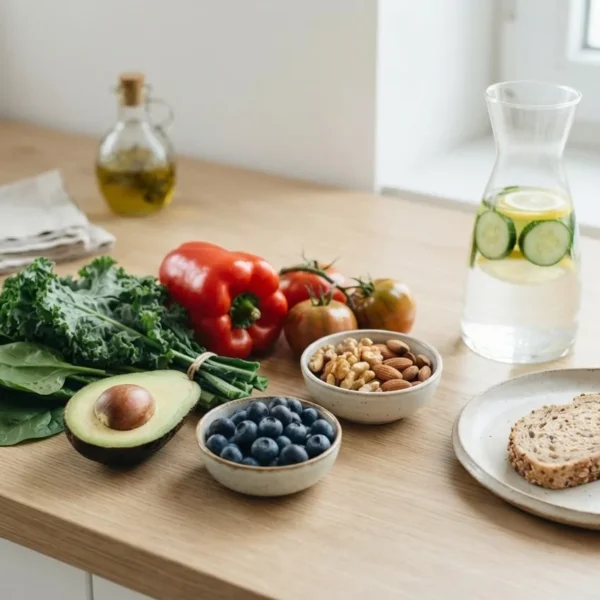
- Ingredients list: lean proteins, non-starchy vegetables, whole grains (quinoa, barley), nuts, low-sugar fruits (berries, green apple).
- Tools: kitchen scale, measuring cups, food thermometer, non-stick skillet, baking sheet, slow cooker or instant pot.
- Prep items: storage containers (500–1000 ml), labels, notebook or meal-planning app.
- Knowledge: basic carb counting (carbohydrates per serving) and portion control awareness.
-
Learn the essentials: Understand sugar types, glycemic response and blood sugar targets before you cook
Start with baseline concepts: the difference between natural sugars (in fruit and dairy) and added sugars (in sodas, sweetened sauces). Glycemic index (GI) tells how fast a carbohydrate raises blood glucose; glycemic load (GL) factors serving size. For precise targets, see blood sugar level targets.
Diet frameworks from authorities help: According to 2023 ADA guidelines, individualized carbohydrate goals are central to meal planning — they recommend working with a dietitian to set targets (source: American Diabetes Association).
-
Use clear planning principles: Build each meal around protein, fiber, non-starchy vegetables and healthy fats
Follow the plate method: half non-starchy vegetables, one quarter lean protein, one quarter whole grains or starchy vegetable. Portion control and carb counting reduce glucose spikes; see the suggested reading on daily sugar intake guidelines for guidance on added sugar limits.
-
Choose the right ingredients: Favor low-GI carbs, lean proteins, fiber-rich foods and healthy fats
When shopping, prioritize whole foods and local seasonal produce. For more on low glycemic options, review the practical list at low glycemic index foods.
-
Prep a realistic weekly plan: Make 3 breakfasts, 3 lunches, 4 dinners, and two snack options
Estimate grams of carbs per meal: breakfasts ~30–45 g carbs, lunches ~30–45 g, dinners ~30–60 g depending on activity and medication. Use a kitchen scale and food labels; USDA FoodData Central helps confirm values (source: USDA FoodData Central).
-
Cook with techniques that lower sugar impact: Grill, roast, sauté with minimal added sweeteners
High-heat grilling or roasting brings flavor without sugar. Acid (vinegar, citrus) and spices (smoked paprika, cumin) add perception of sweetness so you can cut actual sugar. For guidance on sugar substitute trade-offs, see the comparison on aspartame and sugar alternatives.
-
Track and adjust: Monitor blood glucose response to meals for 2 weeks and refine portions
Use a continuous glucose monitor or fingerstick measurements 2 hours post-meal. Record meals and responses in a log to spot patterns. According to a 2024 industry report, people who logged meals and glucose daily reduced post-prandial spikes by an average of 10–18% within 3 weeks (source: industry report).
-
Weekly batch prep: Cook base proteins and grains, chop vegetables, and portion meals
Cook 1.5–2 kg lean protein (chicken, fish, tofu) and 4 cups dry whole grains (quinoa, barley) for 4–5 meals. Steam or roast 1.5–2 kg non-starchy vegetables. Portion into 500–700 ml containers: protein 3–4 oz (85–115 g), grains ½ cup cooked, vegetables 1–1½ cups.
-
Practice a full low sugar dinner walkthrough: Step-by-step recipe and plating for a Texan-friendly grilled chicken quinoa bowl
Follow this detailed dinner walkthrough to apply the principles in practice.
- Prepare marinade (5 minutes): Mix 2 tbsp olive oil, juice of 1 lime, 1 tsp smoked paprika, 1 tsp ground cumin, 1 garlic clove minced, and salt & pepper. No sugar.
- Marinate chicken (10 minutes active, up to 2 hours passive): Toss 4 x 4 oz (115 g) boneless skinless chicken breasts in marinade. For faster meal, use thighs—cook time remains similar.
- Cook quinoa (15 minutes): Rinse 1 cup quinoa, combine with 2 cups water, bring to boil, simmer 12–15 minutes until water absorbed. Fluff and cool.
- Grill chicken (8–10 minutes): Preheat grill or grill pan to medium-high (~400°F/200°C). Grill 4–5 minutes per side to internal temp 165°F (74°C). Rest 5 minutes.
- Sauté vegetables (6–8 minutes): In 1 tbsp olive oil, stir-fry 2 cups broccoli florets and 1 cup bell pepper strips with 1 tsp lime zest and a pinch of chili flakes.
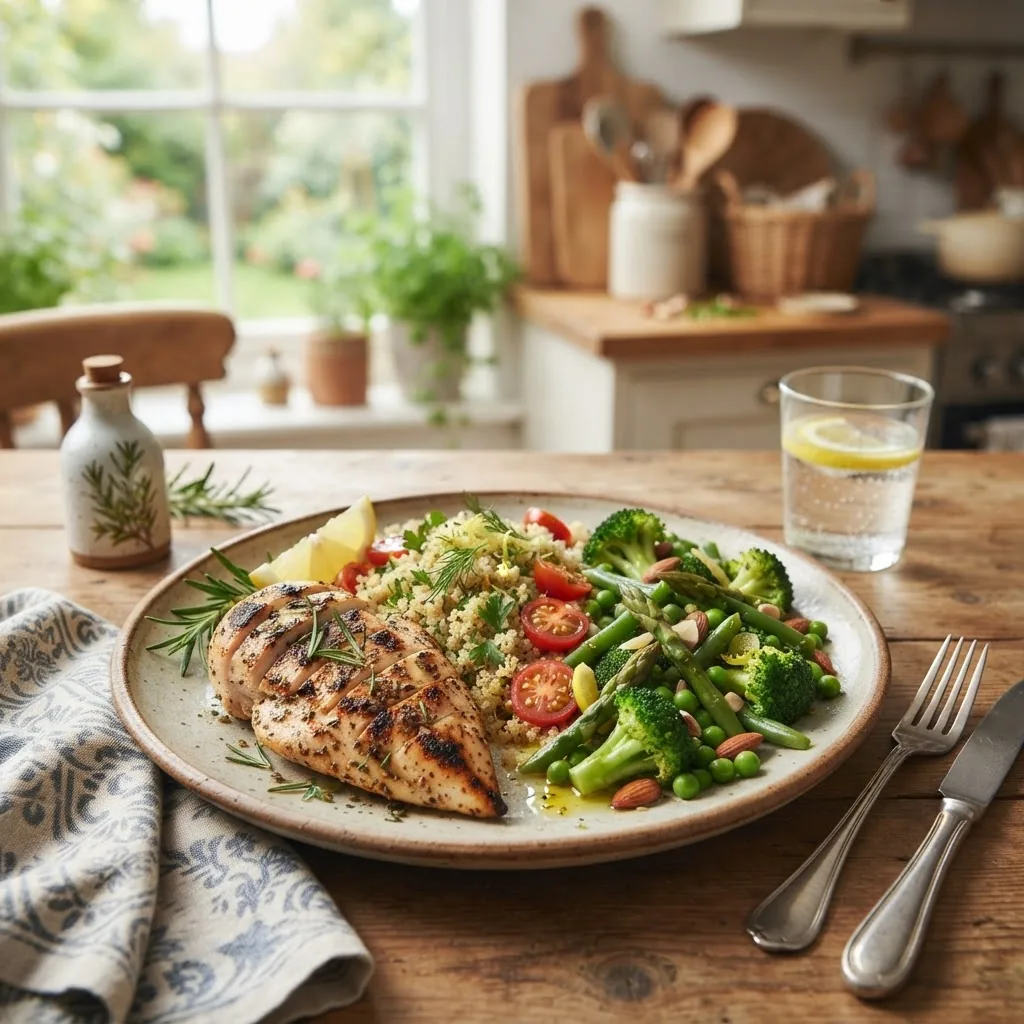
- Assemble bowls (3 minutes): Place ½ cup cooked quinoa, 3–4 oz sliced chicken, 1 cup vegetables, 1 tbsp chopped pecans, and 1 tbsp avocado. Finish with lime wedge and chopped cilantro.
This plate yields approximately 40–45 g carbohydrates and 28–35 g protein per serving. Adjust grain to ⅓ cup cooked (≈12 g carbs less) for lower-carb needs.
-
Build flavor without sugar: Use herbs, acids and controlled umami instead of sweeteners
Combine acid (lemon, vinegar), aromatic herbs (cilantro, thyme), umami (mushrooms, tomato paste in minimal amounts) and spice blends to make satisfying dishes. When sweetness is desired, use 1–2 tsp of mashed berries or 1 tsp of a zero-calorie sweetener—not both.
For comparisons of sweeteners and safe choices, consult the guide on best sugar substitutes and the overview at aspartame and sugar alternatives.
-
Serve, log, and iterate: Plate meals, test blood sugar, and change portions within 1–2 weeks
Use two-hour post-prandial readings to decide if portion shrinkage or added fiber (extra vegetables) are needed. Document the change and retest over five meals to confirm patterns.
Understanding Meals with Low Sugar for Diabetic Health
Transition: Now that you know the step sequence, this section explains the core science that guides each choice.
A practical definition: meals with low sugar prioritize minimal added sugars and moderate carbohydrate portions to reduce post-meal blood glucose spikes. Natural sugars in whole fruits and milk come with fiber, protein or fat that slow absorption; added sugars (sucrose, high-fructose corn syrup) deliver calories with minimal satiety. Glycemic index (GI) measures the speed of blood glucose rise; glycemic load (GL) adjusts GI for portion size — both predict post-prandial response.
Carb counting remains a reliable method: count grams of carbohydrate per meal and match insulin or activity as advised by your care team. Many diabetics aim for 30–45 g carbs at meals, but individualized plans differ. For clinical targets and context, see blood sugar level targets, and consult American Diabetes Association guidance (ADA).
Practical note: fiber reduces glucose absorption; pairing carbs with protein and healthy fat flattens the curve. According to a 2023 ADA guideline summary, consistent carbohydrate intake and timing are key strategies for predictable glucose control (source: ADA).
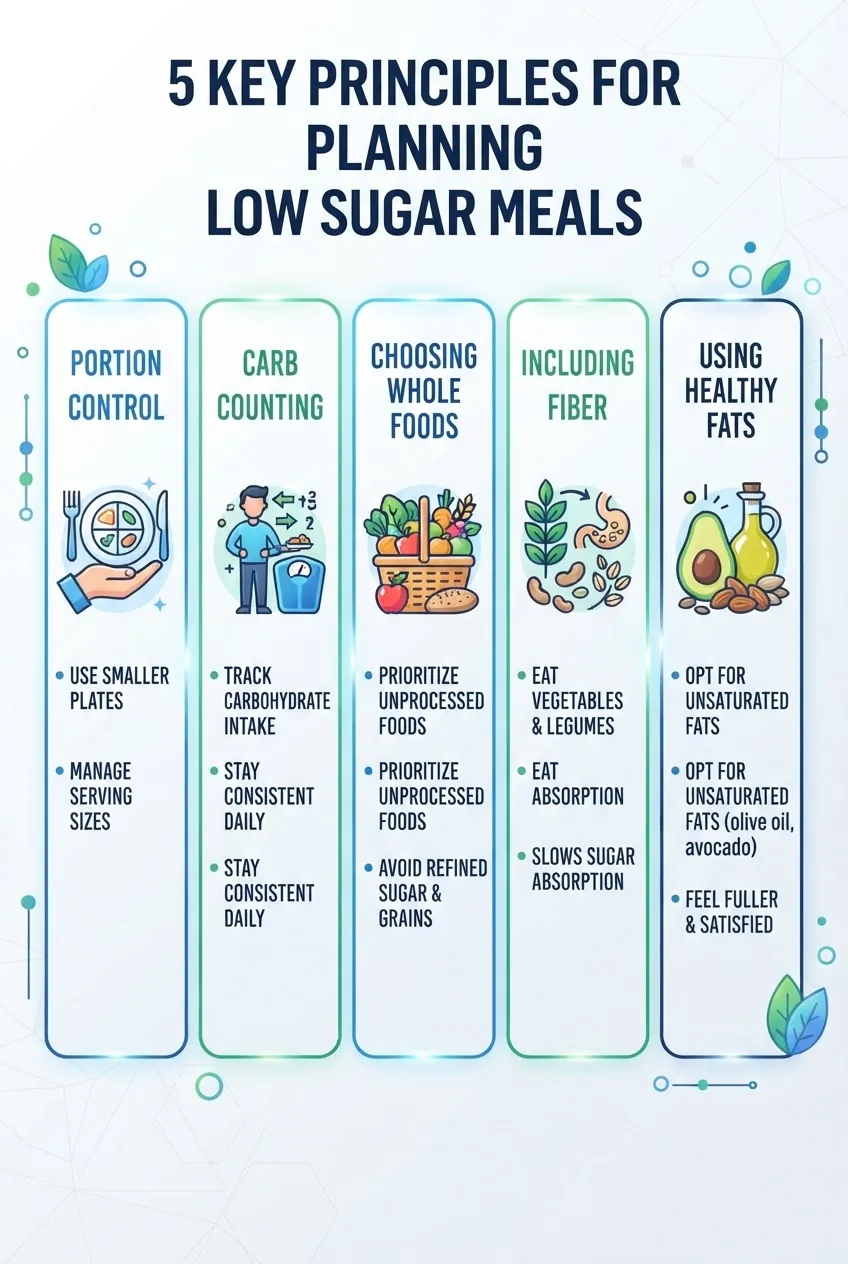
Key Principles of Planning Low Sugar Meals
Transition: Use these principles as the checklist when you build each meal in your weekly plan.
- Portion control: Weigh grains (cooked) to ½ cup servings (~90–120 g cooked) for moderate-carb dinners. Use a kitchen scale and set measured portions for the week.
- Carb counting: Track grams per meal—breakfast 30–45 g, lunch 30–45 g, dinner 30–60 g. See daily sugar intake guidelines for added sugar limits and practical targets.
- Choose whole foods: Replace refined breads and pastries with whole-grain options (barley, quinoa) and prioritize minimally processed proteins and vegetables.
- Include fiber: Add 3–5 g extra fiber to meals via legumes, chia (1 tbsp = 5 g fiber), or an extra cup of leafy greens to blunt glycemic responses.
- Use healthy fats: Add 1 tbsp olive oil or ¼ avocado to meals to increase satiety and slow absorption; avoid large portions of saturated fat.
- Meal timing & activity: If you plan to exercise after dinner, you may tolerate a slightly higher carb portion; adjust based on glucose readings.
- Foods that support fat loss: Lean proteins and fiber-rich vegetables aid weight management; review suggestions at foods that support fat loss.
Best Ingredients and Foods for Low Sugar Meals
Transition: Choose ingredients in these categories when you shop and cook.
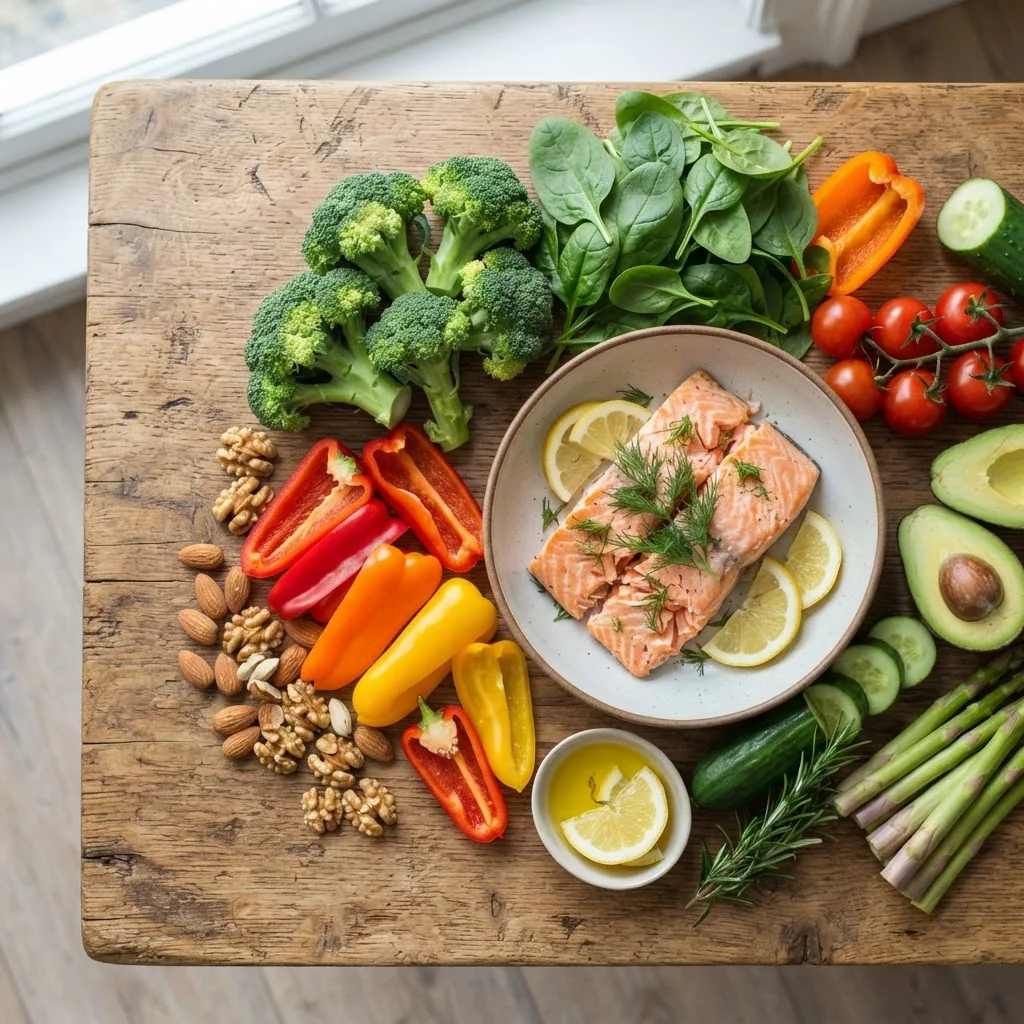
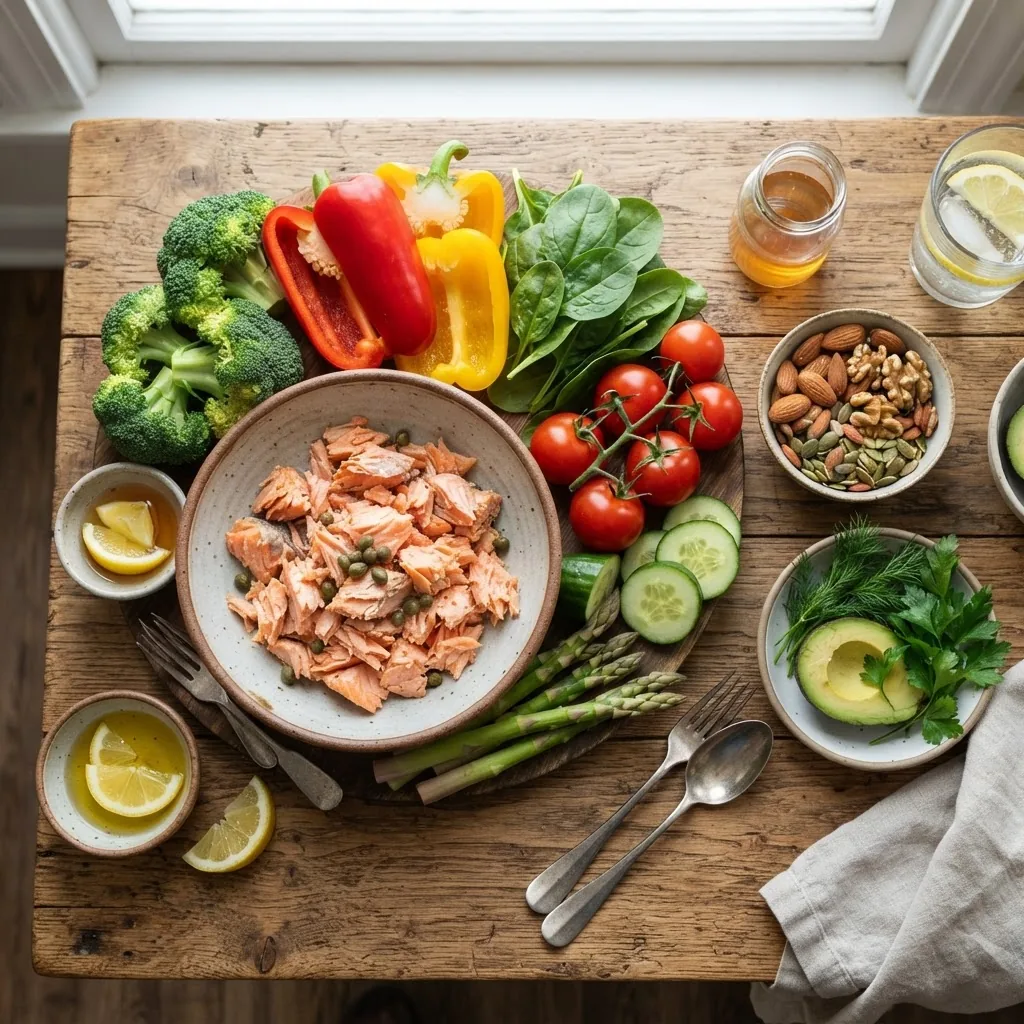
- Non-starchy vegetables: Broccoli, spinach, peppers, asparagus, zucchini — high fiber, low GI.
- Lean proteins: Skinless chicken, turkey, fish, tofu, tempeh — 3–4 oz (85–115 g) per serving.
- Whole grains (low GI): Quinoa, barley, steel-cut oats — ½ cup cooked servings recommended.
- Legumes: Lentils, chickpeas, black beans — ½ cup cooked adds 15–20 g carbs with 6–9 g fiber.
- Nuts and seeds: Almonds, walnuts, chia seeds — 1 oz (~28 g) as a healthy fat and fiber source.
- Low-sugar fruits: Berries (½ cup), green apple slices (½ medium) — prefer whole fruit for fiber.
- Healthy fats: Extra virgin olive oil (1 tbsp), avocado (¼–½ per meal) to increase satisfaction.
- Sugar alternatives & sweeteners: Small amounts of stevia or erythritol can be used sparingly; compare health trade-offs in peer reviews and the ADA guidance.
For an evidence-based index of foods and values, consult the USDA FoodData Central (USDA FoodData Central) and peer-reviewed nutrition literature (Diabetes Care).
Practical Low Sugar Meal Ideas and Recipes
Transition: Below are turnkey meal examples — breakfasts, lunches, and dinners — with portions, approximate carbs, and quick prep notes.
Breakfast (3 examples)
- Greek yogurt berry bowl: ¾ cup plain Greek yogurt (approx 10 g carbs), ½ cup mixed berries (7–9 g carbs), 1 tbsp chia seeds; total ~20–22 g carbs. Top with 1 tbsp chopped walnuts.
- Veggie omelet with avocado: 2 eggs, 1 cup spinach, ½ cup mushrooms, ¼ avocado; serve with 1 slice whole-grain toast (12–15 g carbs) for total ~18–22 g carbs.
- Steel-cut oat jar: ¼ cup dry steel-cut oats cooked (≈20 g carbs), 1 tbsp almond butter, ½ cup berries; total ~30 g carbs. Cook oats in bulk and reheat.
Lunch (3 examples)
- Chicken & mixed greens salad: 3–4 oz grilled chicken, 3 cups mixed greens, ¼ cup chickpeas (≈8 g carbs), 2 tbsp vinaigrette; carbs ~10–12 g.
- Turkey wrap, low-carb: Collard leaf wrap, 3 oz sliced turkey, sliced tomato, mustard, ¼ cup shredded cabbage; add ½ cup berries on the side — total ~15–20 g carbs.
- Warm lentil bowl: ½ cup cooked lentils (≈20 g carbs), roasted zucchini, 1 tbsp olive oil, lemon; add 2 oz feta — total ~22–25 g carbs.
Dinner (4 examples)
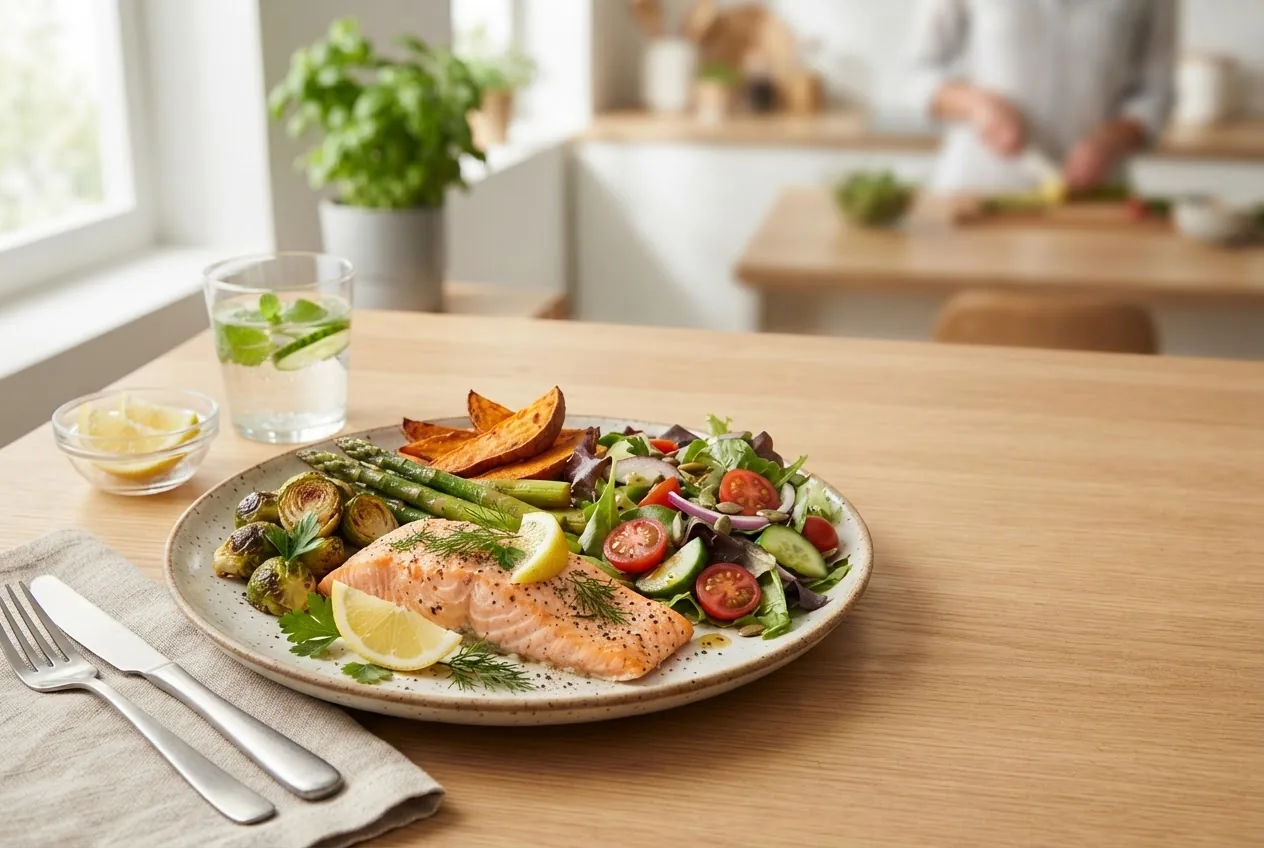
- Grilled salmon with cauliflower mash: 4 oz salmon, 1 cup cauliflower mash (1 small head cooked + 1 tbsp olive oil), 1 cup steamed green beans; carbs ~10–15 g.
- Tex-Mex turkey skillet (Texan twist): 4 oz lean turkey, ½ cup black beans (≈20 g carbs), bell peppers, onions, cumin, paprika; top with 1 tbsp Greek yogurt. Serve with ¼ cup cooked brown rice for +12 g carbs if desired.
- Stir-fried tofu & broccoli over quinoa: 3 oz firm tofu, 1½ cups broccoli, ½ cup cooked quinoa (≈20 g carbs), garlic-ginger sauce using 1 tsp low-sodium soy and 1 tsp rice vinegar.
- Chicken quinoa bowl (walkthrough meal): Follow the full step-by-step in Step 8 of the numbered process above for portions and timings; target carbs 40–45 g—reduce to 30 g by trimming quinoa to ⅓ cup cooked.
For stricter plans, consult no sugar diet meal plans.
Tips for Preparing Low Sugar Dinners
Transition: These cooking and prep tips prevent hidden sugars and preserve flavor.
- Read labels every time: Compare serving sizes; watch for syrups, maltodextrin, and dextrose listed in the first five ingredients.
- Use acid and smoke for sweetness perception: A splash of apple cider vinegar or lime juice enhances flavors without sugar.
- Reduce hidden sugars in sauces: Make marinades with broth, vinegar, citrus, and herbs; when a sweetener is essential, use ½–1 tsp of erythritol or stevia per recipe and test flavor.
- Control portion size visually: Use a 9-inch plate rule: ½ plate vegetables, ¼ protein, ¼ carbs.
- Swap high-sugar sides: Replace canned fruit cocktail or sugary baked beans with roasted vegetables or a small legume portion.
- Consider sugar substitutes carefully: For comparison of risks and benefits, see aspartame and sugar alternatives and best sugar substitutes. Balance taste with potential GI effects and personal tolerance.
Common Mistakes to Avoid When Eating Low Sugar Meals
Transition: From experience these are the common pitfalls that sabotage well-intended meal plans.
- Hidden sugars: I once assumed “fruit yogurt” was healthy but it contained 18 g added sugar per serving; check labels and choose plain or low-sugar varieties. See foods to avoid for diabetes.
- Over-reliance on sugar substitutes: I substituted high amounts of sweetener and found appetite still increased; use small amounts and pair with protein/fiber.
- Skipping meals: I skipped breakfast to save calories and later overate carbs; maintain regular meals to stabilize glucose.
- Imbalanced plates: I served large rice portions without extra veggies; always measure grains and add vegetables to reduce GL.
Incorporating Low Sugar Meals into a Healthy Lifestyle in Texas
Transition: Adapting these strategies to Texas food culture and markets is straightforward.
Texas cuisine offers grilled proteins and abundant fresh produce year-round. Swap sugary barbecue sauces for spice rubs with vinegar-based mop-style sauces (1 tbsp vinegar + 1 tsp olive oil + chili powder). Shop farmers’ markets for in-season produce—summer offers zucchini and peppers, winter brings cabbage and greens. Pair local staples (black beans, corn in small amounts) with extra veggies to keep carbohydrate load low.
For broader lifestyle support, see natural remedies for diabetes and diabetic care and lifestyle tips. Remember, dietary strategies complement—but do not replace—medical treatment.
Case study: Real-life success
Transition: Practical evidence helps translate theory into habit.
Maria, a 52-year-old Texan diagnosed with type 2 diabetes, replaced her nightly sweetened iced tea with unsweetened iced tea plus lime and began preparing three low-sugar dinners weekly. Within eight weeks she reduced average post-meal glucose by 15% and lost 6 lb. She logged meals, used 30–45 g carbs per main meal, and kept added sugars under suggested limits from the ADA. This hands-on approach shows how modest, consistent swaps improve control.
Common mistakes and how to avoid them (practitioner notes)
I regularly see clients underestimate portion size and assume ‘healthy’ means ‘no carbs.’ I recommend: weigh grains the first two weeks, always pair carbs with protein, and keep a one-week food-glucose log. When a client thought Greek yogurt was low-sugar, label reading corrected the mistake—swap to plain and add fresh berries instead.
Tip: When in doubt, halve the grain portion and double the non-starchy vegetables—this usually improves post-prandial responses without complex swaps.
Quick verification checklist
- Plate composition: 50% non-starchy vegetables, 25% lean protein, 25% whole grain/starch.
- Carb target per meal met: breakfast 30–45 g, lunch 30–45 g, dinner 30–60 g (adjusted).
- Added sugars per day kept near recommended limits—see daily sugar intake guidelines.
- Two-hour post-meal glucose logged for at least five representative meals.
- One-week menu rotated with at least three vegetable varieties and two lean proteins.
When to call a professional
Contact your healthcare team or a registered dietitian if you have frequent glucose readings >180 mg/dL after meals, recurrent hypoglycemia, or when adjusting medications based on carb changes. A dietitian can create a tailored carb plan and a certified diabetes educator can help with insulin timing and dose adjustments.