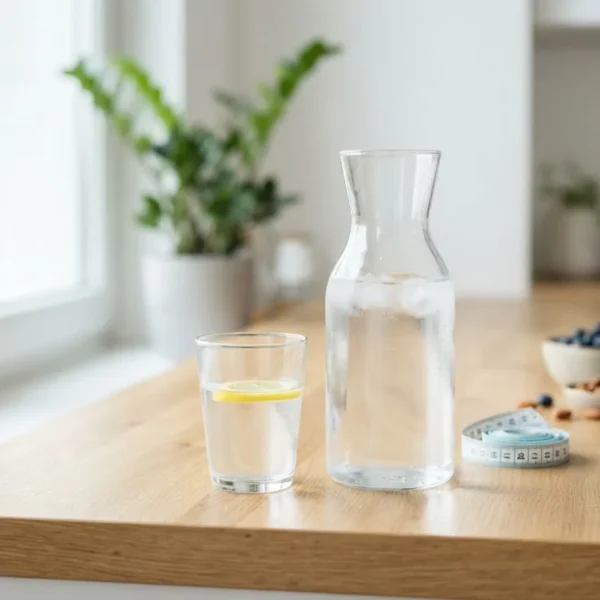
Water is essential because it performs core physiological functions: it regulates body temperature, transports nutrients and waste, cushions tissues and joints, participates in chemical reactions, and maintains blood volume and electrolyte balance—every cell depends on water for structure and metabolism, so inadequate intake quickly impairs physical and cognitive performance.
What are the primary functions of water in the body?
Answer: Water supports life by regulating temperature, transporting nutrients and wastes, acting as a solvent for biochemical reactions, cushioning organs and joints, maintaining blood volume, and enabling cellular processes like metabolism and waste removal.
Term: Metabolism: the chemical processes inside cells that convert food and oxygen into energy and cellular building blocks.
Elaboration: Each function has measurable mechanisms and outcomes:
- Temperature regulation — water stores and redistributes heat through circulation and evaporation (sweating) to keep core temperature stable.
- Transport — blood plasma (about 90% water) moves oxygen, hormones, glucose, amino acids, and removes carbon dioxide and metabolic wastes.
- Solvent and reaction medium — many biochemical reactions occur in aqueous solution; hydrolysis reactions directly use water molecules.
- Cushioning and lubrication — cerebrospinal fluid, synovial fluid, and interstitial fluid protect and lubricate the brain, joints and tissues.
- Volume and pressure maintenance — adequate water preserves circulating blood volume, supporting blood pressure and organ perfusion.
How does water support cellular processes and transport?
Answer: Water provides the medium for nutrient transport, waste removal, and intracellular chemical reactions by maintaining osmotic balance and enabling diffusion and active transport across membranes.
Term: Osmosis: the passive movement of water across a semipermeable membrane from lower solute concentration to higher solute concentration.
Elaboration: Cells depend on precise fluid and ion gradients:
- Diffusion happens faster in water; oxygen, carbon dioxide and small solutes move to where they are needed via concentration gradients.
- Osmotic balance controls cell size—too much water causes swelling, too little causes shrinkage and impaired function.
- Active transport (ATP-dependent) requires water as the surrounding medium and often co-transports ions in solution.
- Blood and lymph are aqueous carriers that distribute hormones and immune cells to tissues.
How much water should you drink each day?
Answer: Daily water needs vary, but a practical baseline is 25–35 mL per kg body weight (or roughly 2.7 L/day for women and 3.7 L/day for men from all fluids and foods), adjusted for activity, heat, pregnancy, and illness.
Term: Baseline requirement: an evidence-based starting intake value that must be individualized by context and physiology.
Elaboration: Common guidance and how to use it:
- Institute of Medicine (IOM) reference intakes: about 2.7 L/day for adult women and 3.7 L/day for adult men from fluids (includes beverages and water in food).
- Weight-based method: 25–35 mL/kg. Example: a 75 kg person → 1,875–2,625 mL (plus additional for activity and heat).
- Activity and environment add needs: add 350–700 mL per hour of moderate exercise in temperate conditions, more in heat.
- Special states: pregnancy (+300 mL/day) and breastfeeding (+700–1,000 mL/day) typically require higher intake.
Worked example (Texas summer): a 80 kg outdoor worker. Baseline 25–35 mL/kg = 2,000–2,800 mL. Add 1,000–1,500 mL for heavy outdoor work and heat → target ≈ 3–4.3 L/day from all sources.
What factors increase or decrease individual water requirements?
Answer: Requirements change with age, body size, climate, exercise, illness, diet (salt/protein/alcohol), pregnancy, breastfeeding, medications and medical conditions like kidney disease.
Term: Electrolytes: electrically charged minerals (sodium, potassium, chloride, magnesium) that regulate fluid balance and nerve/muscle function.
Elaboration: Specific modifiers and approximate effects:
- Hot, dry, or humid climates increase sweat losses — water needs rise by hundreds to thousands of milliliters daily.
- Exercise intensity: high-intensity or long-duration exercise can increase needs by 0.5–2 L/hour depending on sweat rate.
- High-protein, high-fiber, high-sodium diets require more water for metabolism and renal excretion.
- Diuretics, some antihypertensives, and caffeine in high doses affect fluid loss; medications may require monitoring.
- Aging: older adults often have reduced thirst sensation and renal concentrating ability, increasing dehydration risk even at normal intakes.
What are the stages and signs of dehydration?
Answer: Dehydration progresses from mild (thirst, dry mouth, darker urine) to moderate (reduced urine output, lightheadedness, fatigue, increased heart rate) to severe (confusion, low blood pressure, rapid breathing, organ dysfunction) and requires escalating interventions.
Term: Hypovolemia: a clinical state of decreased circulating blood volume, commonly caused by fluid loss, which can reduce oxygen delivery to tissues.
Elaboration: Signs by stage with recommended responses:
| Stage | Key signs | Action |
|---|---|---|
| Mild (loss <2% body weight) | Thirst, dry lips, dark urine, slight fatigue | Increase fluid intake, monitor urine color |
| Moderate (2–5%) | Dizziness, decreased urine, rapid pulse, muscle cramps | Oral rehydration with water + electrolytes; stop exertion |
| Severe (>5–10%) | Confusion, low BP, fainting, minimal urine output | Emergency care: IV fluids and medical evaluation |
How does hydration affect physical performance and recovery?
Answer: Even 1–2% body weight water loss impairs endurance, strength, cognitive focus and increases perceived exertion; proper hydration improves performance, thermoregulation, and recovery by supporting nutrient delivery and waste removal.
Elaboration with specific performance impacts:
- Endurance: dehydration reduces blood volume, limiting oxygen delivery and heat dissipation, shortening time-to-fatigue.
- Strength/power: muscle contractility and electrolyte balance are sensitive to hydration, so force production declines with fluid loss.
- Recovery: hydration accelerates glycogen resynthesis, reduces muscle soreness via improved clearance of metabolic byproducts, and supports sleep quality.
- Cognitive function: attention, reaction time and decision-making suffer with modest dehydration; hydration before and during tasks mitigates declines.
Practical guidance: weigh yourself before and after exercise to estimate sweat loss (1 kg ≈ 1 L). Replace 150% of measured loss over the next 2–6 hours including electrolytes for heavy sweating.
Which beverages and foods count toward hydration?
Answer: Plain water, milk, tea, coffee (in moderate amounts), low-sugar sports drinks, and water-rich foods (fruits/vegetables) all contribute to fluid intake; highly alcoholic or very sugary drinks can dehydrate or reduce net hydration value.
Term: Net fluid contribution: the effective hydration value of a beverage after accounting for its diuretic or osmotic effects.
Elaboration and simple comparisons:
| Beverage/Food | Hydration value | Notes |
|---|---|---|
| Plain water | High | Zero calories, ideal for volume |
| Milk | High | Contains electrolytes and protein for recovery |
| Coffee/tea (moderate) | Moderate–High | Caffeine slightly diuretic at high doses; typical servings hydrate |
| Sports drinks | Moderate–High | Useful for prolonged exercise to replace electrolytes and carbs |
| Sugary sodas / alcohol | Low–Negative | May cause diuresis or osmotic effects; not ideal for rehydration |
Foods: cucumbers, watermelon, oranges, soups and stews contribute 70–90% water by weight and can supply substantial fluid, especially in meals.
When and why should you use electrolyte solutions instead of plain water?
Answer: Use electrolyte solutions when you have moderate-to-severe sweating, vomiting, diarrhea, or prolonged exercise (>60–90 minutes), because they replace sodium, potassium and other ions needed to retain ingested fluids and maintain muscle and nerve function.
Term: Oral rehydration solution (ORS): a balanced mixture of water, salts and glucose designed to rapidly restore fluid and electrolyte balance.
Elaboration: Why electrolytes matter:
- Water alone can dilute plasma sodium in large volumes if sodium losses are high, risking hyponatremia; adding sodium preserves osmotic balance and promotes retention.
- Sodium encourages water absorption in the gut via sodium-glucose cotransport mechanisms.
- Potassium and magnesium replace intracellular losses and help prevent cramps and cardiac rhythm issues in severe losses.
Practical choices: commercial sports drinks, oral rehydration salts (ORS) packets, or homemade solutions (e.g., water + small salt + sugar) are appropriate; follow concentration guidance to avoid excess sugar or salt.
Can you drink too much water and how does hyponatremia occur?
Answer: Yes; excessive water intake can cause hyponatremia (low blood sodium) when water dilutes plasma sodium faster than kidneys excrete it—symptoms range from nausea to seizures and can be fatal if severe and untreated.
Term: Hyponatremia: a condition where blood sodium concentration is abnormally low, typically below 135 mmol/L, impairing cellular function and causing neurologic symptoms.
Elaboration: How it happens and who is at risk:
- Rapid consumption of large volumes of hypotonic fluids during prolonged exercise (e.g., endurance events) without electrolytes.
- Impaired water clearance due to kidney disease, heart failure, liver disease, or certain medications (antidepressants, NSAIDs).
- Syndrome of inappropriate antidiuretic hormone (SIADH) where ADH levels prevent water excretion.
Prevention: match intake to thirst and sweat losses, include sodium for prolonged exertion, and seek medical guidance if on medications or with chronic disease that affects fluid handling.
How do you calculate sweat rate and replace fluid lost during activity?
Answer: Measure body weight before and after exercise (without clothing weight changes), add fluid consumed and subtract urine loss; sweat rate (L/hour) = (pre-weight − post-weight + fluid intake − urine) / exercise hours.
Elaboration with step-by-step example:
- Weigh nude or in minimal dry clothing immediately before exercise and after towel-dry and weigh again.
- Record fluid consumed during the session and any urine passed.
- Calculate net mass loss: pre − post + fluid consumed − urine volume = total sweat loss (kg ≈ liters).
- Divide by exercise duration to get L/hour sweat rate.
Example: Pre 80.0 kg, post 79.2 kg, drank 0.5 L, no urine. Sweat loss = (80.0 − 79.2) + 0.5 = 1.3 L over 2 hours → 0.65 L/hour. Replace with ~0.65 L/hour or include slightly more in recovery to achieve 150% of loss over 2–4 hours.
What practical hydration plan works for daily life in Texas?
Answer: Build a plan around baseline intake (25–35 mL/kg), add about 500–1500 mL/day for hot outdoor days or heavy activity, schedule fluids (upon waking, with meals, before/during/after exercise), include electrolyte drinks when sweating heavily, and monitor urine color and body weight changes.
Elaboration with a template and timing suggestions:
- Morning: 300–500 mL on waking to replace overnight water losses and support cognition.
- With meals: 200–350 mL per meal and 100–200 mL between meals to distribute intake.
- Pre-exercise: 200–400 mL in the 1–2 hours before training; adjust if heavy sweating is expected.
- During exercise: 150–350 mL every 15–20 minutes for moderate activity; increase for higher sweat rates.
- Post-exercise recovery: replace 125–150% of fluid lost in the first 2–6 hours, include electrolytes if sweat loss substantial.
Texas note: In hot seasons plan extra breaks, carry a refillable bottle (target convenient volumes like 500 mL or 1 L) and prioritize shaded/rested work periods when possible to reduce extreme losses.
How should special populations adjust hydration: children, older adults, pregnant and breastfeeding people?
Answer: Children need fluid matched to activity and temperature with easy access to fluids; older adults should proactively schedule fluids due to reduced thirst; pregnant people add ~300 mL/day and breastfeeding ~700–1,000 mL/day extra; clinical conditions may require medical guidance.
Elaboration by group:
- Children: smaller reserves and higher surface area-to-mass ratio increase vulnerability—offer fluids before, during and after play and illness; ORS for diarrhea.
- Older adults: encourage regular drinking, check urine color, and consider medical review for medications that affect kidneys or electrolytes.
- Pregnancy: increased plasma volume and fetal needs mean higher baseline; watch for signs of preeclampsia and consult prenatal care providers about intake.
- Breastfeeding: high-volume milk production requires sustained intake and attention to thirst and urine frequency.
How do kidneys regulate water balance and what signs indicate impaired renal handling?
Answer: Kidneys regulate water via filtration, reabsorption and hormone-mediated mechanisms (ADH and aldosterone); signs of impaired renal handling include persistent fluid retention or edema, concentrated urine despite adequate intake, low urine output, or electrolyte abnormalities.
Term: Antidiuretic hormone (ADH): a hormone released by the pituitary that increases water reabsorption in kidney collecting ducts, reducing urine volume.
Elaboration: Physiology and clinical flags:
- When plasma osmolarity rises, ADH increases water reabsorption to dilute plasma; when osmolarity falls, ADH decreases and kidneys excrete excess water.
- Aldosterone adjusts sodium reabsorption, which indirectly affects water retention through osmotic forces.
- Clinical signs of dysregulation: unexplained nocturia, progressive ankle swelling, sudden changes in body weight, or lab abnormalities (low sodium, high creatinine) require medical evaluation.
What practical tests and signs can you use to monitor hydration day-to-day?
Answer: Use urine color and volume, thirst, body weight changes around activity, and regular monitoring of energy and cognitive function; for clinical precision, blood electrolyte panels and urine-specific gravity are used by clinicians.
Elaboration with how-to steps:
- Urine color: pale straw to light yellow generally indicates adequate hydration; darker yellow suggests increasing deficit.
- Urine frequency: 4–7 times per day is common for adequately hydrated adults; very infrequent production suggests dehydration.
- Body weight tracking: for athletes or heat-exposed workers, weigh before and after key sessions to quantify losses and fine-tune replacement.
- Subjective cues: persistent thirst, dry mouth, decreased sweating in heat, and cognitive sluggishness are warning signs.
How do different climates and seasons affect hydration strategy?
Answer: In hot and humid climates sweat loss increases and heat stress risk rises; in cold or high-altitude climates insensible water loss and respiratory water loss can also increase, so adjust volume and electrolyte intake seasonally and situationally.
Elaboration and Texas-specific notes:
- Hot, dry heat (common in Texas inland areas) increases evaporative and sweat losses—plan accessible fluids, frequent breaks and electrolyte-containing drinks for long outdoor exposure.
- Humid heat reduces evaporation efficiency, raising core temperature even when sweat is present—emphasize cooling strategies and monitor work-rest cycles.
- Cold or high-altitude: shivering and increased ventilation raise water requirements despite reduced thirst; schedule routine drinking.
How does diet influence water needs and what foods help hydration?
Answer: High-salt, high-protein, high-fiber diets increase water demand for excretion and digestion; water-rich foods like fruits, vegetables, soups and yogurts contribute significantly and improve satiety while aiding hydration.
Elaboration and food examples:
- High-sodium meals: require more water to maintain plasma osmolarity and support renal excretion—pair with additional fluids.
- High-protein diets raise obligate urine volume to excrete nitrogenous wastes—add 300–500 mL/day per higher protein intake.
- Hydrating foods: watermelon (~92% water), cucumber (~95%), oranges (~87%), tomatoes (~94%), soups and broths provide both fluid and electrolytes.
Which common medications and health conditions require modified hydration advice?
Answer: Diuretics, ACE inhibitors, NSAIDs, antidepressants and antiepileptics can alter fluid and electrolyte balance; conditions like heart failure, kidney disease, liver disease, diabetes and SIADH require individualized fluid prescriptions from clinicians.
Elaboration and practical cautions:
- Diuretics increase urine output and often require planned increases in intake and monitoring of electrolytes.
- Heart failure patients may be placed on fluid restrictions to prevent fluid overload—follow medical instructions strictly.
- Kidney disease: impaired excretion means too much fluid can cause edema or hypertension; nephrology guidance is essential.
- Always consult a healthcare provider before making significant hydration changes when chronic disease or regular prescription medications are present.
What are practical habits and tools to improve daily hydration compliance?
Answer: Use scheduled drinking, carry a refillable bottle, set volume goals per bottle, use alarms or apps sparingly, flavor water minimally to increase palatability, and pair drinking with regular habits (meals, toilet breaks, exercise).
Elaboration with habit examples:
- Morning routine: drink 300–400 mL before breakfast.
- Bottle method: choose a 1-L bottle and aim to refill 2–4 times depending on your target intake.
- Meal pairing: drink 200–300 mL with each meal and snack.
- Pre-bed: avoid excessive fluid immediately before sleep if nocturia is a concern—small sip to avoid dryness is fine.
Tools: reusable bottles with volume markers, urine color charts, and simple weight-tracking for exercise sessions help quantify and reinforce behavior.
How should dehydration from diarrhea or vomiting be treated at home?
Answer: For mild-to-moderate dehydration use oral rehydration solutions (ORS) that replace water, sodium and glucose; continue feeding if tolerated, and seek medical care for infants, the elderly, or signs of severe dehydration.
Elaboration with a home-treatment checklist:
- Start ORS: sip frequently in small amounts (5–15 mL every few minutes) if nausea is present.
- Avoid plain water alone for severe losses—ORS improves absorption and reduces risk of hyponatremia.
- Resume light, familiar foods as tolerated; breastfeeding and formula feeding should continue with professional guidance for infants.
- Seek urgent care if persistent vomiting, high fevers, blood in stool, decreased responsiveness, or very low urine output occur.
How do hydration needs change during travel, flights, or long drives?
Answer: Air travel increases respiratory water loss and cabin pressure/dehydration effects; plan extra fluids, limit alcohol, and use scheduled sips—driving requires safe, measured hydration to avoid excess bathroom stops while keeping alertness high.
Elaboration with travel tips:
- Flights: carry a refillable bottle and drink before boarding; cabin humidity is low—aim for extra 250–500 mL during long flights.
- Long drives: hydrate before leaving, take planned breaks, and avoid large volumes right before travel to minimize distractions.
- Cross-continental travel: adjust to local climate and activity; schedule hydration around time zone changes to support circadian adjustment.
What are evidence-backed strategies for preventing dehydration in outdoor workers and athletes?
Answer: Implement work-rest cycles, heat acclimatization, scheduled drinking plans using sweat-rate data, provide shaded hydration stations, use monitoring (weigh-ins, urine color), and include electrolyte replacement during prolonged or intense heat exposure.
Elaboration with operational steps:
- Heat acclimatization: gradual increase in exposure over 7–14 days reduces sweat sodium loss and improves tolerance.
- Scheduled drinking: set concrete volumes per hour based on measured sweat rates rather than drinking to thirst only in high-stakes or vulnerable populations.
- Education and access: ensure ready availability of cool fluids and shaded rest breaks; train supervisors to recognize early signs of heat illness.
How do you use urine color and frequency to self-assess hydration accurately?
Answer: Use urine color charts under natural light—pale straw to light yellow indicates adequate hydration; consistently dark urine, low frequency, or strong odor suggest increasing dehydration and the need to increase intake.
Elaboration and limitations:
- Limitations: B vitamins, some foods and medications change urine color and can mislead the assessment.
- Frequency context: very high fluid intake increases frequency and is normal; low frequency combined with other symptoms is concerning.
- Combine methods: use urine color along with body-weight monitoring and symptom checks for a more accurate picture.
How does hydration relate to weight loss and appetite control?
Answer: Adequate hydration can support weight-loss efforts by improving satiety, reducing calorie-containing beverage consumption, and optimizing exercise performance, which helps maintain energy expenditure.
Elaboration with practical tips:
- Drinking ~500 mL of water before a meal can reduce calorie intake modestly by increasing fullness.
- Replacing sugary drinks with water reduces total caloric intake and improves glycemic control over time.
- Better exercise performance with hydration supports higher energy expenditure and consistent training.
What are the environmental and economic considerations of different water choices?
Answer: Tap water is typically the lowest-cost and lowest-environmental-impact choice in the U.S.; bottled water increases plastic waste and cost—choose reusable bottles and consider local water quality reports when deciding.
Elaboration with a simple cost-comparison table:
| Source | Approx. cost per liter | Environmental impact |
|---|---|---|
| Municipal tap water | <$0.01–$0.05 | Low when using reusable bottles |
| Filtered water (home system) | $0.02–$0.10 | Moderate; reduces plastic waste |
| Bottled water | $0.50–$3.00+ | High plastic and transport footprint |
Tip: In Texas, check local water quality reports if taste or municipal alerts concern you; use certified filters if needed rather than relying on bottled water routinely.
Which authoritative resources and further reading should Texans consult?
Answer: Consult local public health departments for water advisories, the CDC or state health sites for dehydration guidance, and evidence-based hydration overviews from government health agencies for clinical specifics.
Elaboration: Relevant internal resources from this site include the pillar hydration guide and condition-specific pages that expand practical tips and calculations:
- See the Essential Guide with 5 Tips to Stay Hydrated and Healthy for practical daily strategies: Essential Guide with 5 Tips.
- For consequences of low intake, refer to the Guide to 16 Alarming Side Effects of Not Drinking Enough Water: Guide to 16 Alarming Side Effects.
- To calculate daily targets precisely, use the How Much Water Should You Drink a Day calculator: Daily Water Intake Guide.
How do you create a personalized daily water target—worked calculator example?
Answer: Use the weight-based rule (30 mL/kg as a midline), add allowances for exercise (0.5–1.5 L/hour) and heat (+0.5–1.5 L/day), then convert to bottles or scheduled sips to implement the target.
Step-by-step worked example for a Texas resident:
- Baseline: 30 mL/kg. For a 90 kg adult: 90 × 30 = 2,700 mL/day.
- Hot day adjustment: +800 mL/day (outdoor work) → 3,500 mL/day.
- Exercise: 1 hour morning jog with sweat rate 0.8 L/hour → add 800 mL → 4,300 mL/day.
- Implementation: use a 1-L bottle and plan to drink 4 full bottles (1 L each) plus small sips throughout the day, aiming for 4.3 L total.
Monitoring: re-check body weight changes on similar activity days and adjust the target up or down by 100–300 mL as needed.
Are there simple rules of thumb to remember about hydration?
Answer: Key rules: drink to thirst while adjusting during high sweat situations, monitor urine color and body-weight changes, replace electrolytes for prolonged losses, and avoid extreme overconsumption that risks hyponatremia.
Elaboration with a concise checklist:
- Rule 1: Start the day with water (300–500 mL).
- Rule 2: Sip frequently rather than gulping large volumes sporadically.
- Rule 3: If sweating heavily, include sodium-containing fluids or snacks.
- Rule 4: If you have chronic disease or take certain medicines, consult a clinician before changing your intake significantly.
Frequently Asked Questions
Why is water essential for human life?
Water is essential because it enables biochemical reactions, regulates temperature, transports nutrients and waste, maintains blood volume and electrolytes, and physically cushions organs—without sufficient water these core systems fail and survival time can be measured in days.
How much water should I drink in Texas heat?
In Texas heat, start with your baseline (25–35 mL/kg) and add 500–1500 mL daily for hot conditions or strenuous outdoor work, plus 300–1,000 mL per hour of heavy sweating; monitor urine color, weight changes and symptoms to fine-tune intake.
Does drinking coffee count toward hydration?
Yes—moderate coffee and tea contribute to total fluid intake; while caffeine has mild diuretic effects at high doses, normal servings still hydrate and count toward daily fluid goals for most people.
What should I do if I suspect severe dehydration?
If severe dehydration signs appear—confusion, fainting, very low urine output, rapid breathing or weak pulse—seek emergency medical care immediately; at home, do not force large volumes by mouth if vomiting or altered consciousness is present.
How can I prevent hyponatremia when exercising long hours?
Prevent hyponatremia by drinking according to thirst and measured sweat losses, including sodium in fluids or snacks during prolonged exercise, and avoiding excessive hypotonic fluid intake beyond replacement of losses.
Do foods significantly contribute to daily hydration?
Yes—water-rich foods like fruits, vegetables, soups and dairy can contribute 20–30% of daily fluid intake and significantly help hydration, especially when combined with regular fluid consumption.
How can older adults avoid dehydration at home?
Older adults should schedule regular drinking times, keep fluids visible and accessible, monitor urine color, limit diuretics near bedtime, and consult healthcare providers about medications that affect fluid balance.