chicken recipe chicken recipe — by the end of this hands-on guide you’ll be able to plan, marinate, cook and plate five simple, healthy chicken dishes using chicken breast in about 60–120 minutes total (spread across prep and cook). Skill level: confident home cook to enthusiastic beginner.
This guide shows exactly what to buy, how to prep and marinate with sensory cues, the safe cooking temperatures to hit, quick recipes for lunch and dinner, and tested storage tips so leftovers stay tasty. Read “Before you start”, follow the numbered steps below, then check the common mistakes and the final checklist before serving.
Introduction to Chicken Recipes for Healthy and Yummy Meals
This Hands-On Guide is part of a larger resource collection — see our Yummiest Healthy Recipes Guide for Nutritious and Tasty Meals for broader meal ideas. Transitioning from planning to plate is easiest when you think of chicken as a versatile, lean base: fast to cook, forgiving with marinades, and compatible with Texas-style flavors (smoky chili, citrus, cilantro) as well as simple Mediterranean herb profiles.
What you’ll achieve: ready-to-eat lunches, weeknight dinners, and reliable leftover strategies centered on chicken breast and a couple of one-pan techniques. You’ll also get practical Texan lunch examples and sensory marinating walkthroughs drawn from local home kitchens.
Before you start
- Prerequisites: basic knife skills, thermometer use, and a clean cutting board.
- Tools & materials: oven (or reliable grill), heavy skillet (cast-iron preferred), baking sheet, wire rack, instant-read thermometer, zip-top bags, and an airtight container for storage.
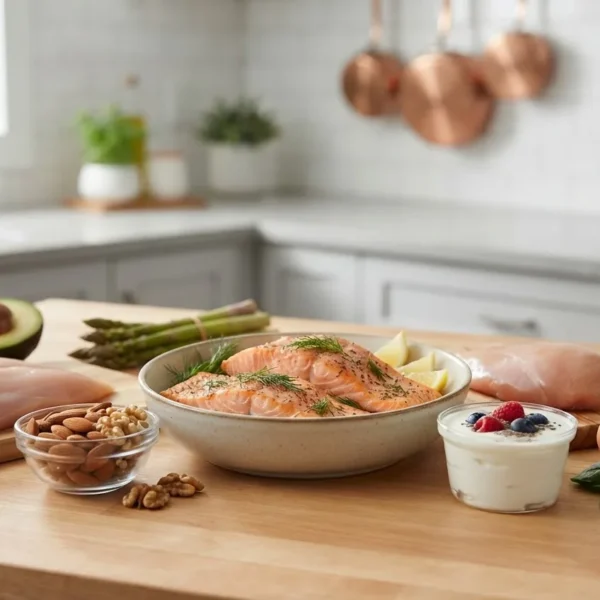
- Main ingredients to have on hand: boneless skinless chicken breasts (6–8 oz each), olive oil, lemons, garlic, kosher salt, black pepper, dried herbs (oregano/thyme), chili powder, low-sodium soy sauce, plain yogurt (optional), and basic vegetables.
Benefits of Using Chicken Breast in Your Recipes
Chicken breast is a staple for healthy home cooking because it’s lean, widely available, and adapts to many cooking methods like grilling, baking and steaming. Below are clear, evidence-backed benefits and how they map to everyday meals.
- Lean protein source: A typical 3.5 oz (100 g) cooked chicken breast provides about 31 g protein and roughly 3.6 g fat — data from USDA FoodData Central (2024, government database).
- Low in saturated fat: Compared with darker cuts, breast meat lowers saturated-fat intake, aligning with American Heart Association guidance on heart-healthy proteins (2023, health organization guidance).
- Versatility: Works with grilling, baking, sautéing and steaming; takes marinades well and pairs with whole grains and vegetables for balanced meals.
- Cost-effective: When bought in bulk or on sale, chicken breast is an economical protein — see our Affordable healthy foods guide for budgeting tips.
- Muscle and satiety: High protein content supports muscle maintenance and satiety, helpful for lunchtime fullness without excess calories.
- Diet flexibility: Fits into low-carb, DASH, Mediterranean or balanced eating patterns — see the Dash diet meal plan for heart-healthy meal ideas using chicken breast.
Transition: With benefits clear, next we walk through exact cooking steps and safety measures so you get juicy, safe chicken every time.
Essential Tips for Cooking Perfect Chicken Every Time
Follow these numbered, action-first steps for reliably cooked chicken. I rely on an instant-read thermometer and tactile cues like slight springiness and clear juices. Where I reference safety thresholds, I cite USDA guidance.
- Choose the right cut and thickness. For even cooking, select boneless skinless chicken breasts trimmed to roughly 1″–1.25″ thickness. If your breast is thicker, halve it horizontally (butterfly) or pound to ¾” with a meat mallet using a zip-top bag to avoid tearing. Thicker pieces take longer and increase uneven doneness.
- Pat dry and season early. Pat chicken dry with paper towels — moisture equals steaming, not searing. Season with ¾–1 tsp kosher salt per 8 oz breast and ¼–½ tsp black pepper; add dried herbs or rubs now for a quick 10–15 minute dry-brine that improves texture.
- Marinate when flavor matters. Marinate 30 minutes to 2 hours in the fridge for light citrus or herb flavors; up to 8–12 hours for yogurt- or oil-based marinades. Never marinate longer than 24 hours for chicken breast (acidic marinades will start breaking down the meat). For safety, always marinate in the refrigerator, not at room temperature.
- Preheat your cooking surface. Oven method: Preheat to 375°F (191°C). Skillet: heat over medium-high to reach a surface temperature that sizzles when water droplets flicked on it evaporate immediately. Grill: preheat to medium-high (about 400–450°F target grate temperature).
- Sear then finish for juiciness. For stovetop-to-oven: Sear 2–3 minutes per side in 1 tbsp oil on a hot skillet, then transfer to a 375°F oven for 8–12 minutes, depending on thickness. Use an instant-read thermometer to confirm.
- Use precise internal temperature targets. Cook chicken to an internal temperature of 165°F (74°C) at the thickest part per USDA guidance (2024, government guidance). For slightly more forgiving juiciness, remove the chicken at 160°F and let rest 3–5 minutes; carryover will bring it to 165°F. Always verify temperature in the thickest area.
- Rest before slicing. Rest breasts 5–7 minutes under loose foil to let juices redistribute. Slicing immediately squeezes out moisture; resting yields juicier meat.
- Quick-cook methods for time-sensitive meals. Fast pan-sear: thin-cut breasts (¾”) cook 3–4 minutes per side. Poaching: simmer gently for 12–15 minutes. Grill: 4–6 minutes per side depending on thickness. Adjust times for appliance variation — thermometer is the reliable measure.
- Avoid drying mistakes. Common fixes: if the exterior chars before internal temp is reached, lower direct heat and finish covered in oven; if the meat seems dry, make a quick pan sauce (deglaze with ¼ cup stock + 1 tsp mustard + lemon juice) to add moisture.
- Food safety and handling. Thaw frozen chicken in the fridge (24 hours for a 1–2 lb pack) or sealed bag in cold water changed every 30 minutes. Wash hands and sanitize surfaces after raw chicken contact. Use separate cutting boards for meat and produce to avoid cross-contamination. For full USDA safety practices, see USDA Guidelines and the official resource at USDA Food Safety.
Transition: Now that you can confidently cook chicken, use these sample recipes to bring variety for lunches and dinners.
Easy and Yummy Chicken Breast Recipes for Lunch and Dinner
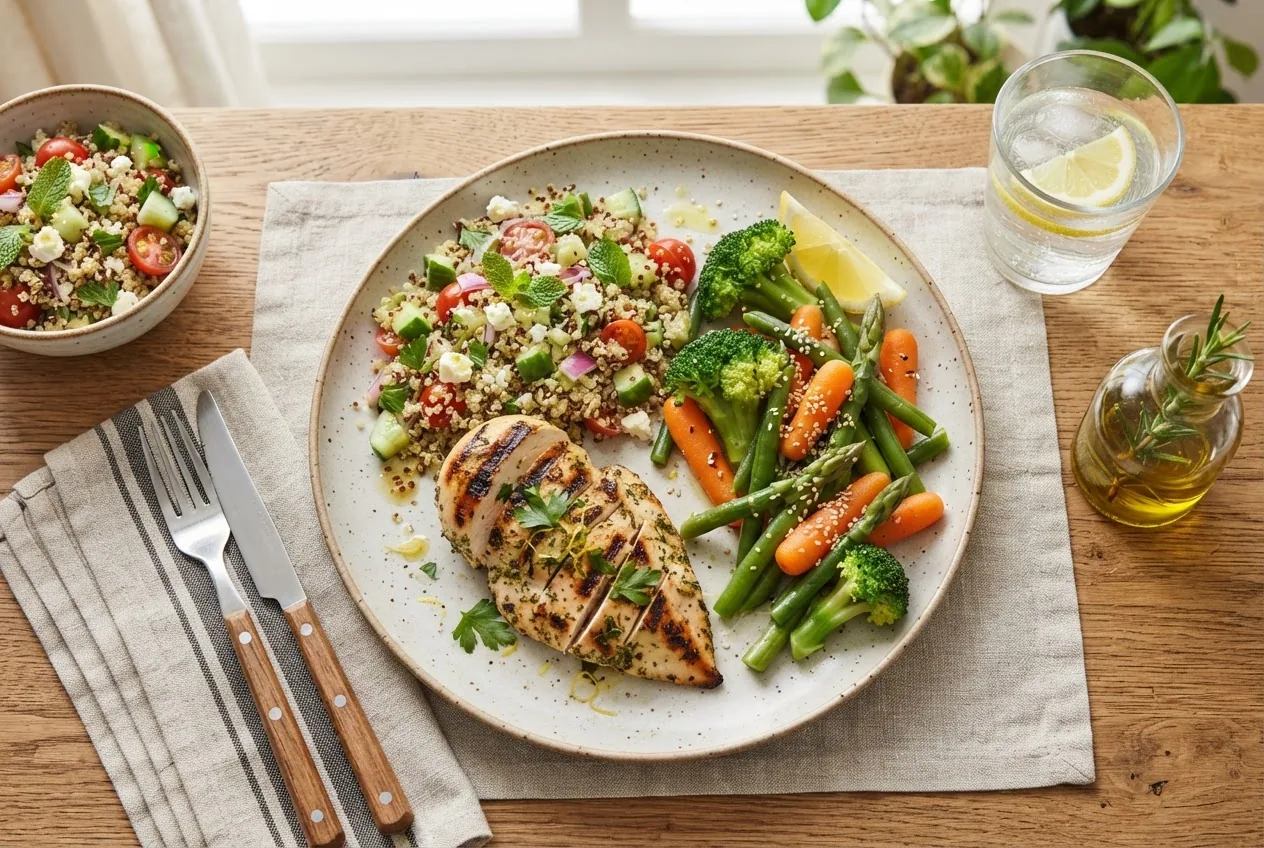
Below are 10 recipe ideas with primary ingredients, simple steps, and why they work for a quick healthy meal. Many are adapted for Texas pantry staples (lime, chili, cilantro) and common kitchen equipment (oven, skillet, grill).
- Grilled Lemon-Garlic Chicken with Quinoa Salad — Ingredients: 6–8 oz chicken breast, juice of 1 lemon, 1 tsp minced garlic, 1 tbsp olive oil, ½ tsp salt, quinoa, cherry tomatoes, cucumber. Quick method: marinate 30 min, grill 4–6 min per side, rest 5 minutes. Great for picnic lunches and pairs with greens.
- Texan Chili-Rubbed Chicken Tacos — Ingredients: chicken breast sliced thin, 1 tsp chili powder, ½ tsp smoked paprika, ¼ tsp cumin, corn tortillas, cabbage slaw. Cook: rub and sear 3–4 min per side, slice, assemble with slaw. Ideal lunchable street-food-style meal.
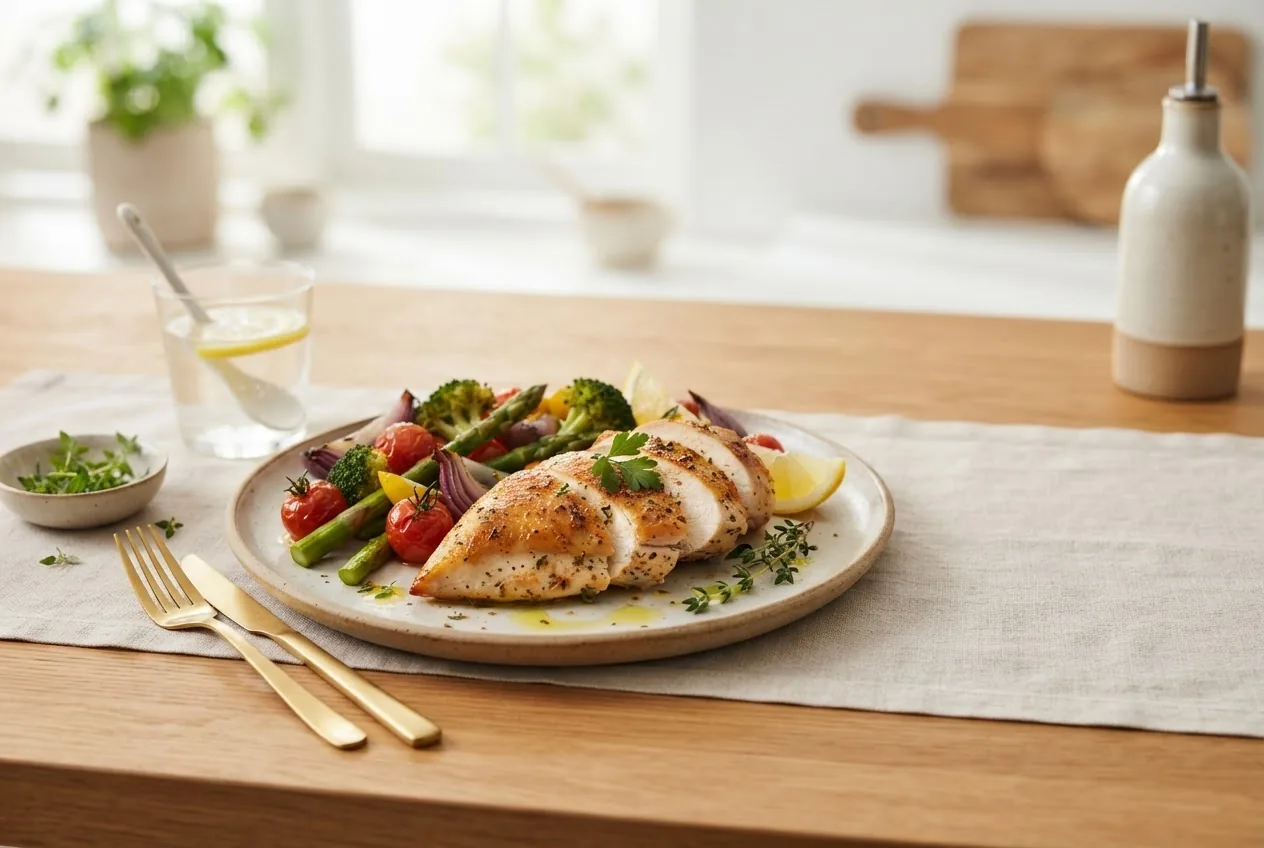
- Baked Herb Chicken with Roasted Veggies — Ingredients: 2 breasts, 1 tbsp olive oil, 1 tsp each dried oregano & thyme, root vegetables. Bake at 375°F for 20–25 minutes (depending on thickness) on a wire rack to avoid sogginess.
- One-Pan Lemon-Pepper Chicken and Broccoli — Ingredients: chicken breast cut into 1″ medallions, broccoli florets, lemon zest, 1 tbsp olive oil. Sear medallions 2–3 min each side, add broccoli and a splash of water, cover 4 minutes to steam. Ready in 20 minutes.
- Quick Chicken Salad with Greek Yogurt — Ingredients: shredded cooked breast (2 cups), ½ cup plain Greek yogurt, 1 tbsp Dijon, chopped celery, lemon zest. Mix and serve over greens or in whole-grain bread for a high-protein lunch.
- Asian-Inspired Stir-Fry with Brown Rice — Ingredients: thinly sliced breast, 1 tbsp low-sodium soy sauce, 1 tsp sesame oil, mixed bell peppers, scallions. Stir-fry 4–6 minutes on high heat; serve over ¾ cup cooked brown rice.
- Baked Pesto Chicken with Whole-Wheat Pasta — Ingredients: 1 tbsp basil pesto spread over breast, bake at 375°F for 18–22 minutes; slice and toss with 1 cup cooked whole-wheat pasta and cherry tomatoes.
- Spicy Yogurt-Marinated Chicken Skewers — Ingredients: ½ cup plain yogurt, 1 tbsp hot sauce, garlic, 2 breasts cubed. Marinate 2–4 hours, thread on skewers, grill 8–10 minutes. Fantastic for cold-weather roasting or summer grills — see our Comforting cold weather meals for hearty pairings.
- Sheet-Pan Chicken Fajita Bowls — Ingredients: sliced breast, bell peppers, onion, fajita seasoning, 1 tbsp oil, lime. Roast at 400°F for 18–22 minutes; serve over cauliflower rice or whole grain.
- Chicken Piccata Light — Ingredients: 6–8 oz breast pounded ¾” thick, 1 tbsp capers, 2 tbsp lemon juice, 1 tbsp olive oil. Sear 3 minutes per side, deglaze with ¼ cup chicken stock and lemon — simmer 2 minutes. Serve with steamed green beans and ½ cup quinoa for a balanced meal; suitable for 500 calorie nutritious dinner ideas plans when portioned.
Notes on recipe scaling: use 1 chicken breast (~6–8 oz) per adult, adjust marinades proportionally (1 part acid : 3 parts oil for dressings where oil is used). For heartier meals see 600 calorie healthy dinner recipes.
Transition: A short set of marinades below helps convert plain breasts into distinct cuisines fast.
Quick Marinades and Seasonings to Enhance Your Chicken
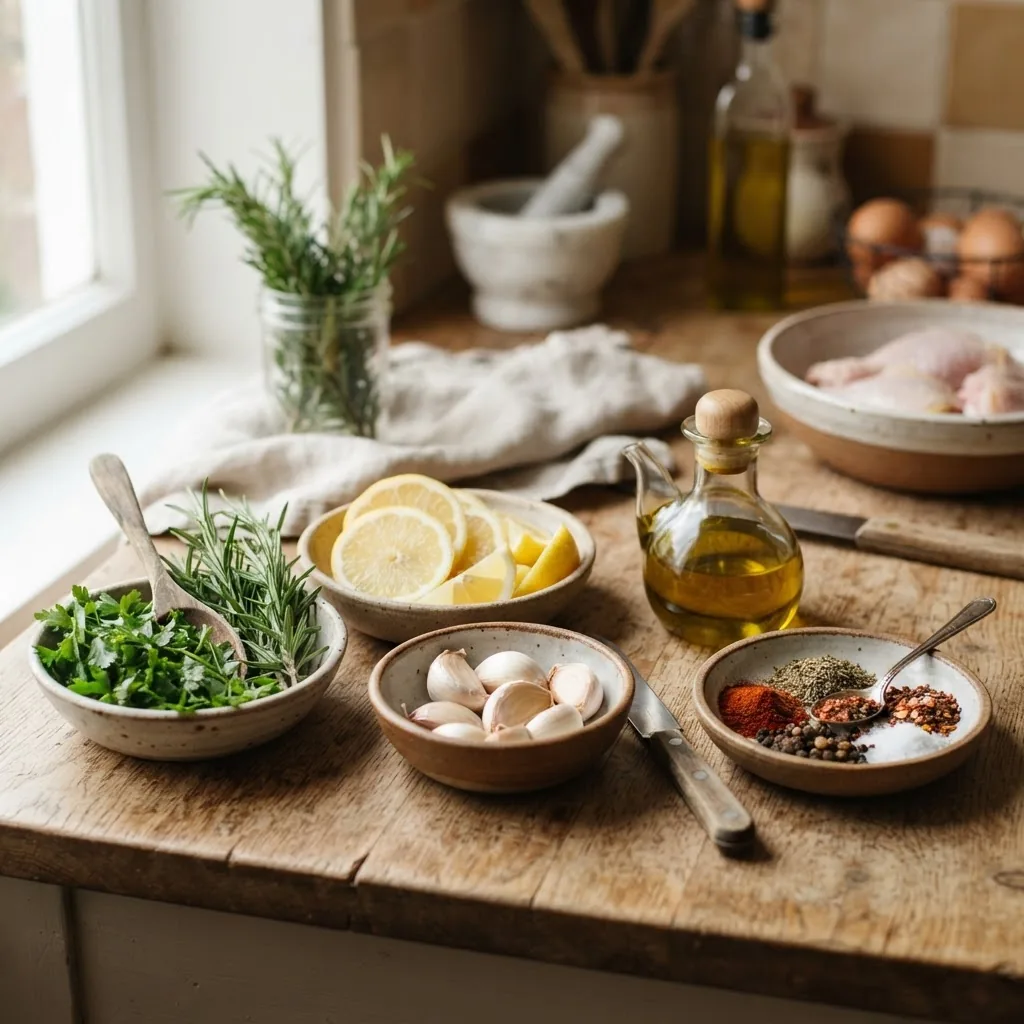
Marinating not only adds flavor but can tenderize. I describe five balanced marinades with ingredient amounts, flavor profile and recommended marinating times so you can pick by mood and health goals.
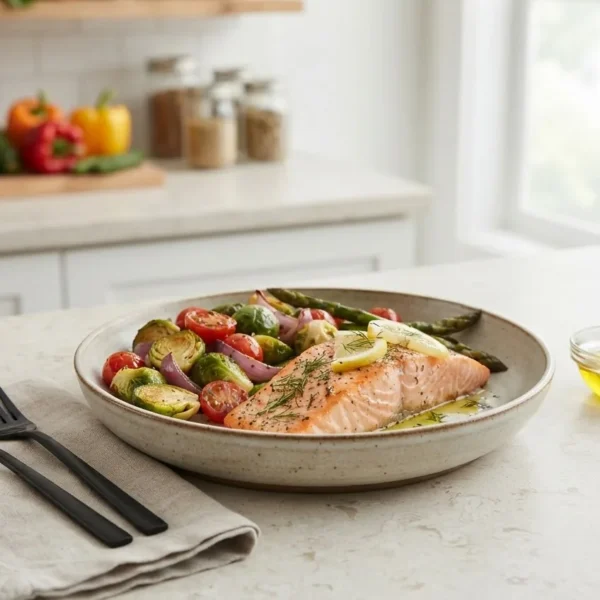
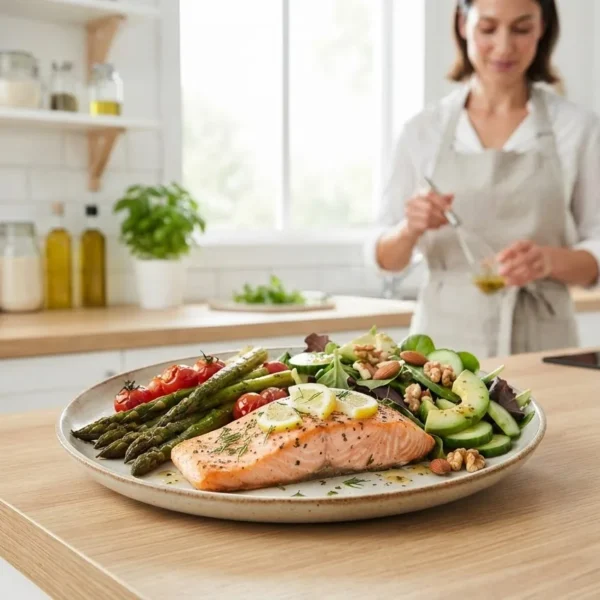
- Lemon-Garlic Herb Marinade (Bright & Herbaceous) — Ingredients: 3 tbsp olive oil, juice and zest of 1 lemon, 2 garlic cloves minced, 1 tsp fresh thyme or ½ tsp dried, ½ tsp kosher salt, ¼ tsp black pepper. Marinate 30–90 minutes. Flavor: citrus-bright, pairs well with quinoa or steamed asparagus. Health note: olive oil provides heart-healthy monounsaturated fats (American Heart Association, 2023).
- Yogurt-Cumin Marinade (Tender & Tangy) — Ingredients: ½ cup plain Greek yogurt, 1 tsp ground cumin, 1 tsp smoked paprika, 1 tbsp lemon juice, 1 tsp salt. Marinate 2–6 hours. Flavor: tangy with warm spices, excellent for baking or broiling. Yogurt enzymes gently tenderize while adding protein.
- Soy-Ginger Marinade (Umami & Fast) — Ingredients: 3 tbsp low-sodium soy sauce, 1 tbsp rice vinegar, 1 tsp grated ginger, 1 tsp honey, 1 tsp sesame oil. Marinate 20–60 minutes. Flavor: savory and slightly sweet; quick pan-sear or stir-fry ideal. Use low-sodium soy for reduced sodium intake.
- Chipotle-Lime Rub (Smoky & Spicy) — Ingredients: 1 tsp chipotle powder or 1 chopped canned chipotle in adobo, zest and juice of 1 lime, 1 tbsp olive oil, ½ tsp salt. Rub or marinate 20–60 minutes. Flavor: smoky heat classic in Texan kitchens; pairs with black beans and corn.
- Balsamic-Herb Glaze (Sweet & Savory) — Ingredients: 2 tbsp balsamic vinegar, 1 tbsp olive oil, 1 tsp Dijon mustard, 1 tsp honey, 1 tsp dried oregano. Marinate 30–120 minutes and reserve a small portion (uncross-contaminated) to drizzle after cooking for brightness.
Walkthrough (sensory example): For the Lemon-Garlic Herb Marinade, combine oil, zest and juice; the aroma should be bright citrus-forward with a green, grassy note from thyme. When the chicken sits in the marinade for 30 minutes, you should feel the flesh relax slightly to the touch — that’s mild tenderization. Never reuse marinade that contacted raw chicken unless boiled for at least 2 minutes.
Transition: Once cooked, pair these chicken mains with healthy sides to round out the meal.
Pairing Your Chicken Dishes with Healthy Sides
Balanced plates combine lean protein, vegetables, and whole grains or starchy vegetables. Below are practical pairings that keep meals nutritious and flavorful, plus links to vegetarian and low-calorie resources.
- Whole grains: brown rice, quinoa, farro (½–1 cup cooked per serving).
- Leafy greens & salads: mixed greens with lemon vinaigrette, or kale slaw for texture.
- Roasted or steamed vegetables: broccoli, Brussels sprouts, carrots — roast at 425°F for 18–25 minutes.
- Legumes: black beans or chickpeas for fiber and plant-based protein (½ cup cooked).
- Simple starch: baked sweet potato (1 medium) or a small portion of whole-wheat pasta (¾ cup). For calorie-conscious options, see 400 calorie meals for balanced eating and consider vegetable-forward bowls.
- Vegetarian side inspiration: try Quick vegetarian dinner recipes for meatless sides that complement chicken.
- Budget-friendly options: pair with beans and seasonal produce — see Cheap vegetarian dishes for budget meals.
Transition: After serving, proper storage and meal-prep planning keep your chicken safe and delicious for later.
Storing, Meal Prep, and Leftover Use of Cooked Chicken
Follow these step-by-step storage and reuse practices to maximize safety and flavor.
- Cool quickly. After cooking, cool chicken at room temperature no more than 2 hours (1 hour if ambient temperature is above 90°F). Slice larger pieces to speed cooling.
- Refrigerate promptly. Store in airtight containers or zip-top bags in the fridge at 40°F (4°C) or lower. Use within 3–4 days for safety and quality (USDA guidance, 2024).
- Freeze for longer storage. For 2–3 month quality, freeze cooked chicken in airtight freezer bags with excess air removed. Label with date. Thaw in refrigerator overnight before reheating.
- Reheat safely. Reheat to an internal temperature of 165°F (74°C). Use oven at 325°F until 165°F, or microwave covered with a splash of water to retain moisture, checking with a thermometer.
- Repurpose leftovers. Use shredded chicken in soups, tacos, salads, stir-fries or sandwiches. Combine with a quick sauce (tomato, pesto, or low-sugar Asian glaze) to refresh flavors.
- Meal prep tips. Portion cooked breasts into 6–8 oz servings with measured sides for grab-and-go lunches. For ideas, see Chicken meal prep ideas.
Best practices list:
- Label and date all stored containers (fridge: 3–4 days; freezer: 2–3 months for best quality).
- When reheating, add a tablespoon of liquid per serving to prevent dryness.
- Never refreeze chicken that has been thawed at room temperature; only refreeze after safe refrigeration.
- Discard if chicken has off-odor, slimy texture, or unusual discoloration — safety over salvage.
Transition: Before you try the methods above, learn from common mistakes I’ve observed in home kitchens, plus a final checklist.
Conclusion: Incorporate Yummy, Easy Chicken Recipes into Your Healthy Lifestyle
By following this guide you’ll be able to plan, marinate, cook and store healthy, flavorful chicken meals centered on chicken breast in everyday Texan kitchens. Start with one recipe this week, test a marinade, and build a rotation of 4–6 go-to dishes. Try the recipes above, and if you want meal plans tuned to calories or meal-size, check related resources and adapt portions to your goals.
Final CTA: Try the Lemon-Garlic Chicken this week and save one cooked breast for a quick Greek-yogurt chicken salad tomorrow — then share your results and adjustments.
Core procedure checklist (Hands-On summary)
- Buy: 1–2 lb boneless skinless chicken breasts, olive oil, lemon, garlic, herbs.
- Prep: Trim, pat dry, and optionally butterfly or pound to ¾–1″ thickness.
- Marinate: 30–120 minutes depending on recipe (no longer than 24 hours).
- Cook: Sear then oven-finish at 375°F or grill at medium-high; target 165°F internal temp.
- Rest & serve: Rest 5–7 minutes; pair with whole grains and vegetables.
- Store: Refrigerate within 2 hours at ≤40°F and use within 3–4 days; freeze for longer storage.
Common mistakes and how to avoid them (from my kitchen)
I once overcooked a tray of breasts because I didn’t test thickest part with a thermometer — the outside looked done but the interior was chalky. Now I always insert an instant-read thermometer into the thickest area, remove at 160°F and rest to reach 165°F. Another time I marinated overnight in lemon only; the texture turned mealy. I now limit acidic marinades to under 12 hours for breasts.
When to call a professional
If you are catering for large groups (12+ people), handling food for immunocompromised guests, or building a full weekly meal plan tied to medical dietary needs, consult a registered dietitian or food-safety professional. For commercial-scale kitchen setup advice, contract a certified food-safety consultant.